Wood Grain Powder Coated Aluminum
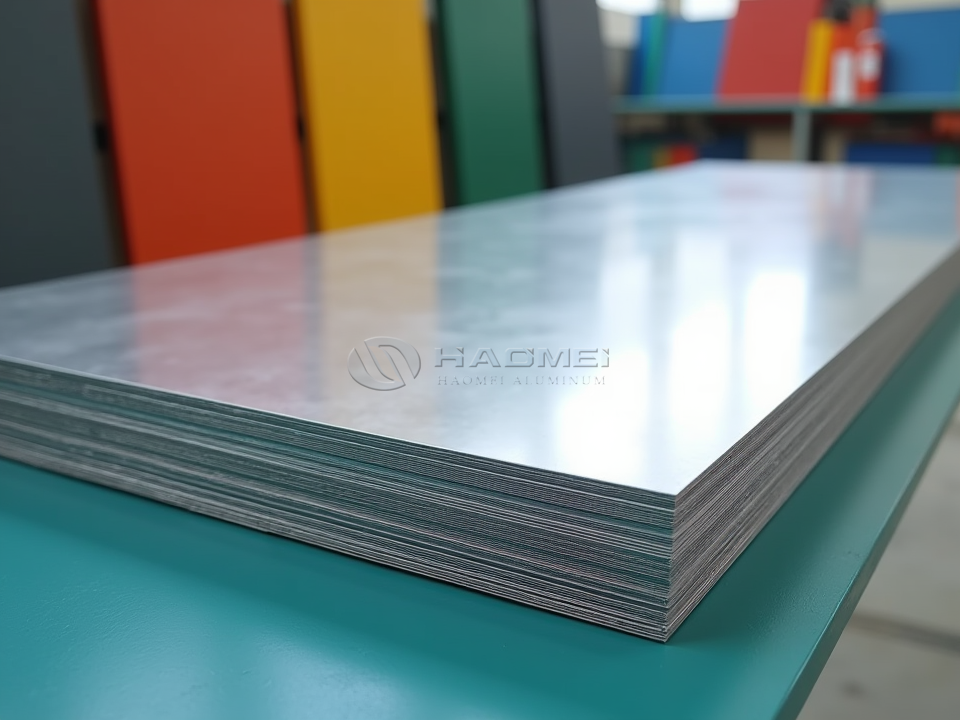
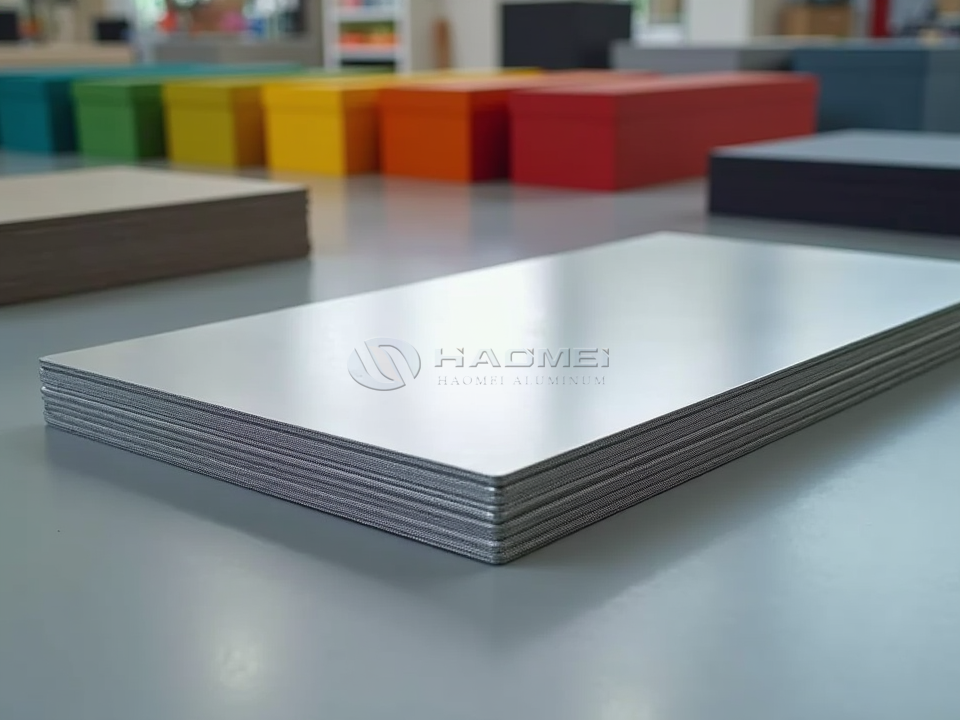
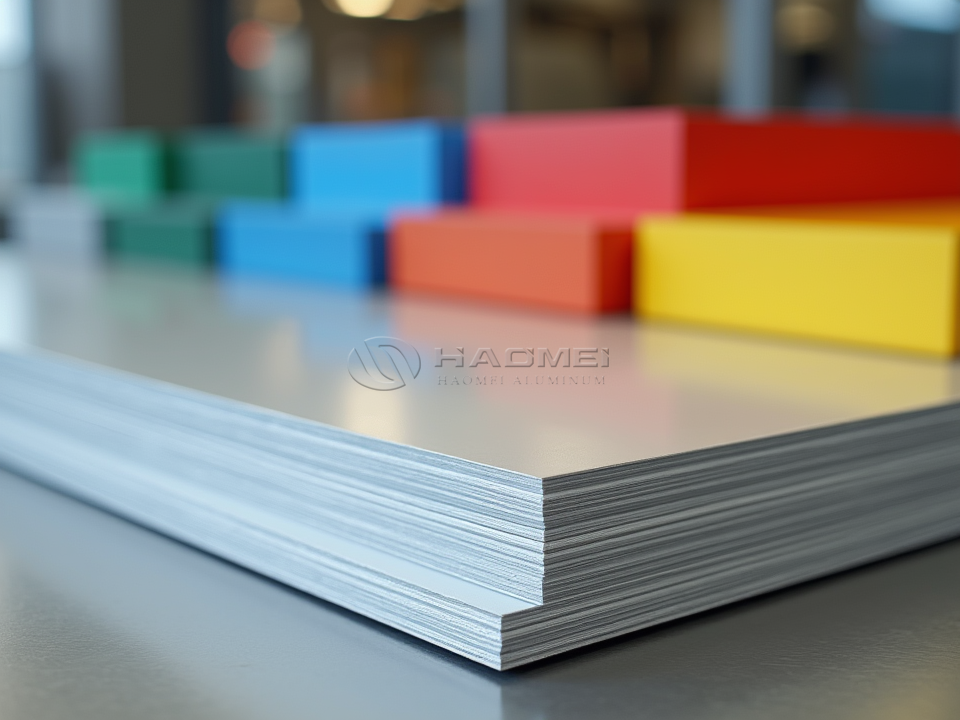
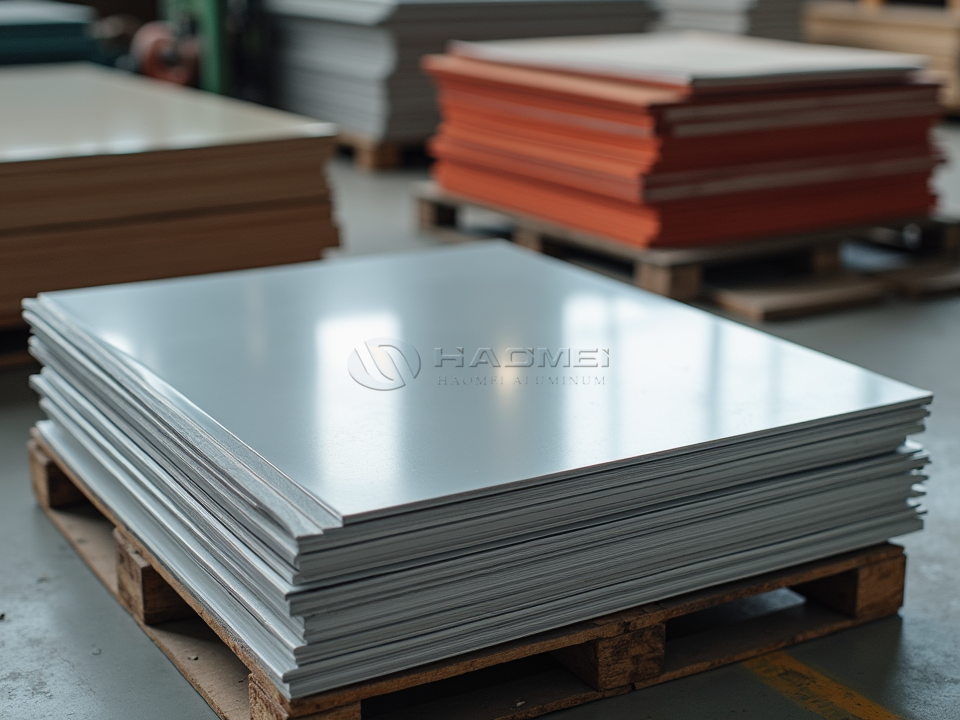
Wood grain powder coated aluminum combines the warmth of natural timber with the strength, light weight, and weather resistance of aluminum. It is widely used when designers want a wood appearance without the swelling, cracking, insects, mold, or high maintenance associated with real wood. The finish is created by applying a durable powder coating to aluminum, then transferring a wood pattern through heat sublimation or film transfer technology.
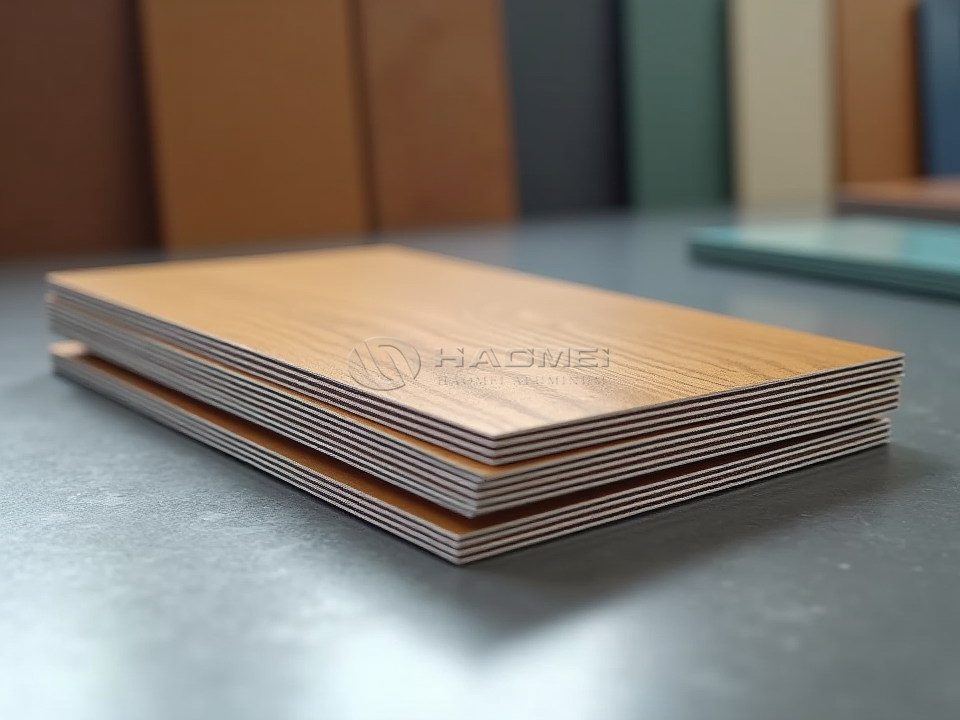
This material is suitable for flat sheet, coil, curtain wall panel, ceiling strip, decorative profile, louver, screen, door panel, signage, and outdoor furniture. Compared with painted steel or natural timber, wood grain powder coated aluminum offers easier forming, better corrosion resistance, and a cleaner life-cycle profile because aluminum can be recycled repeatedly.
How the Finish Works
The production route starts with aluminum sheet or profile preparation. The surface is cleaned, degreased, etched, and chemically converted to improve adhesion. A base powder coating is then electrostatically sprayed and cured. After curing, a wood grain transfer film is wrapped onto the coated surface, and heat allows the printed pattern to penetrate the coating layer. The film is removed after cooling, leaving a stable wood texture embedded in the coating rather than simply printed on the surface.
| Production Stage | Purpose | Typical Control Point |
|---|---|---|
| Degreasing and cleaning | Removes oil, dust, and rolling residue | Water-break-free surface |
| Etching | Improves surface activity | Controlled weight loss |
| Conversion treatment | Enhances corrosion resistance and coating bond | Chrome-free or chromate system |
| Powder spraying | Builds color base and protective film | 60-120 μm total film thickness |
| Curing | Crosslinks resin for durability | 180-200°C metal temperature |
| Wood grain transfer | Creates natural timber appearance | 160-200°C, time adjusted by pattern |
| Inspection | Confirms color, gloss, adhesion, and thickness | Batch testing before packing |
For customers already using Coated Aluminum Sheet in facade, ceiling, or decoration projects, wood grain powder coated aluminum provides a more natural visual style while keeping the same metal processing advantages.
Main Functions
Wood grain powder coated aluminum is designed for decoration and protection at the same time. The coating shields the aluminum substrate from moisture, UV exposure, mild chemicals, and abrasion. The aluminum core provides dimensional stability, low weight, and excellent processability.
| Function | Customer Benefit | Practical Result |
|---|---|---|
| Wood appearance | Natural visual effect without solid timber | Warm facade and interior design |
| Corrosion resistance | Protection in rain, humidity, and urban air | Longer service life outdoors |
| Low weight | Easier transport, cutting, and installation | Reduced structural load |
| Fire safety | Non-combustible aluminum base | Better performance than many wood products |
| Easy fabrication | Can be bent, punched, cut, and roll formed | Flexible panel and profile design |
| Low maintenance | No repainting or anti-insect treatment needed | Lower long-term cost |
| Recyclability | Aluminum can return to material circulation | Supports sustainable building goals |
Applications in Building and Industry
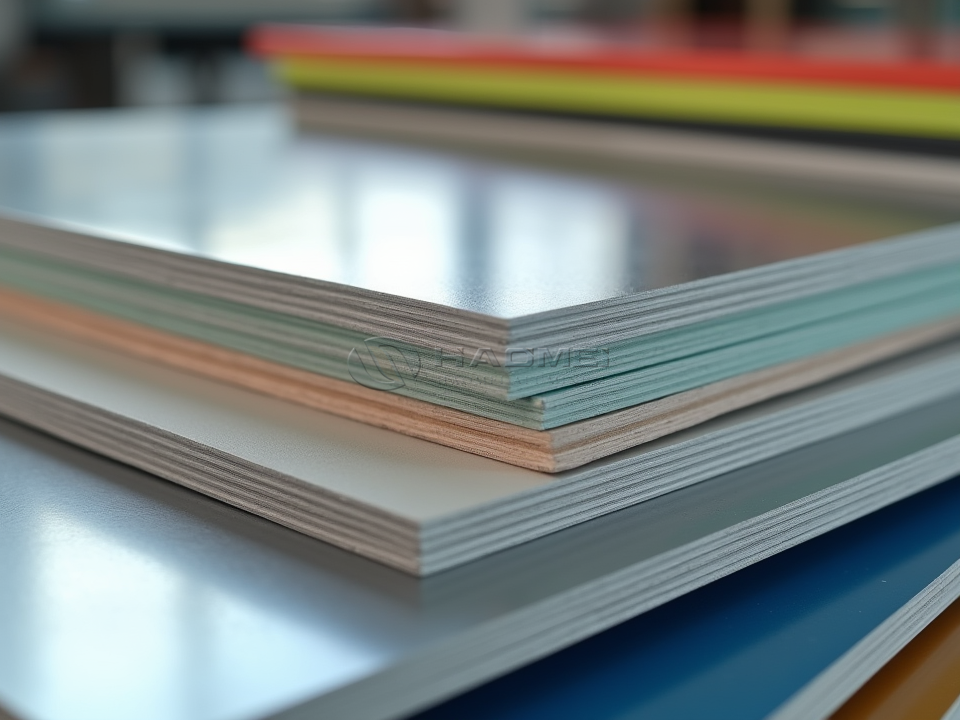
The product is used wherever designers require a wood-style finish with metal durability. It is especially popular in public buildings, residential projects, transport facilities, retail stores, hotels, schools, and commercial renovations.
| Application Area | Typical Product Form | Recommended Feature |
|---|---|---|
| Curtain wall and cladding | Aluminum sheet, solid panel, composite panel skin | High UV resistance, stable color |
| Ceiling and wall decoration | Coil, strip, perforated panel | Low gloss, fine grain pattern |
| Doors and windows | Extruded profile, door skin, shutter | Scratch resistance, tight color control |
| Louvers and sunshades | Formed sheet, profile | Outdoor powder grade |
| Interior partitions | Decorative sheet, honeycomb panel skin | Smooth surface, easy cleaning |
| Signage and display | Flat sheet, shaped panel | Custom color and grain matching |
| Outdoor furniture | Sheet, profile, tube covering | Weather resistance and impact strength |
| Balcony and railing systems | Profile and panel | Strong adhesion after forming |
For exterior building envelopes, polyester powder coatings are commonly selected for general durability, while super-durable polyester or fluorocarbon-grade systems are preferred for high sunlight, coastal air, or premium architectural projects.
Technical Specifications
Wood grain powder coated aluminum can be produced in different alloy grades, thicknesses, gloss levels, and patterns. Actual selection depends on forming method, outdoor exposure, panel size, and budget.
| Parameter | Common Range or Value | Notes |
|---|---|---|
| Base metal | 1050, 1060, 1100, 3003, 3004, 5005, 5052 | Other alloys available by project |
| Temper | O, H14, H16, H24, H26, H32, H34 | Selected by bending and strength needs |
| Sheet thickness | 0.5-4.0 mm | Thicker panels for facades and doors |
| Coil thickness | 0.25-3.0 mm | Used for continuous processing |
| Width | 600-1600 mm | Wider sizes may need confirmation |
| Length | 1000-6000 mm or cut to size | Custom cutting available |
| Coating thickness | 60-120 μm | Includes base coating and transfer layer |
| Gloss | 15-80 GU | Matte wood finishes are common |
| Pencil hardness | H-2H | Tested after full curing |
| Adhesion | Grade 0-1 | ISO 2409 or ASTM D3359 |
| Impact resistance | 20-50 kg.cm | Depends on coating system and substrate |
| Color difference | ΔE generally ≤ 1.5 | Project control can be tighter |
| Service temperature | -40°C to 80°C | Short-term higher tolerance possible |
Alloy and Temper Selection
Different aluminum alloys influence strength, bending performance, corrosion resistance, and cost. For decorative sheet, 3003 and 5005 are frequent choices; for stronger parts, 5052 is often selected.
| Alloy | Common Temper | Main Characteristics | Typical Use |
|---|---|---|---|
| 1050/1060 | O, H14, H24 | High aluminum purity, soft, good formability | Interior ceiling, signage, light decoration |
| 1100 | O, H14 | Good corrosion resistance and workability | Decorative panel, appliance panel |
| 3003 | H14, H24 | Balanced strength, good forming, economical | Wall panel, ceiling strip, cladding |
| 3004 | H24, H26 | Higher strength than 3003 | Roofing trim, exterior panel |
| 5005 | H14, H24, H34 | Smooth surface, good anodizing and coating behavior | Curtain wall, facade sheet |
| 5052 | H32, H34 | Higher strength, strong corrosion resistance | Door panel, transport panel, coastal use |
Soft tempers are better for deep drawing or tight bending. Harder tempers improve flatness and dent resistance, but bend radius should be increased to avoid coating stress.
Chemical Composition Reference
The chemical composition of aluminum alloys is controlled by international standards. Values vary slightly by standard and mill certificate, so project orders should follow the confirmed material certificate.
| Alloy | Si | Fe | Cu | Mn | Mg | Cr | Zn | Ti | Al |
|---|---|---|---|---|---|---|---|---|---|
| 1050 | ≤0.25 | ≤0.40 | ≤0.05 | ≤0.05 | ≤0.05 | - | ≤0.05 | ≤0.03 | ≥99.50 |
| 1060 | ≤0.25 | ≤0.35 | ≤0.05 | ≤0.03 | ≤0.03 | - | ≤0.05 | ≤0.03 | ≥99.60 |
| 1100 | Si+Fe ≤0.95 | - | 0.05-0.20 | ≤0.05 | - | - | ≤0.10 | - | ≥99.00 |
| 3003 | ≤0.60 | ≤0.70 | 0.05-0.20 | 1.00-1.50 | - | - | ≤0.10 | - | Balance |
| 5005 | ≤0.30 | ≤0.70 | ≤0.20 | ≤0.20 | 0.50-1.10 | ≤0.10 | ≤0.25 | - | Balance |
| 5052 | ≤0.25 | ≤0.40 | ≤0.10 | ≤0.10 | 2.20-2.80 | 0.15-0.35 | ≤0.10 | - | Balance |
Coating Chemical and Physical Performance
Powder systems are usually based on polyester, super-durable polyester, polyurethane, or fluorocarbon-modified resin. The right system should be selected according to exposure environment.
| Test Item | Typical Requirement | Test Method |
|---|---|---|
| Neutral salt spray | 500-1000 h, no serious blistering | ASTM B117 / ISO 9227 |
| Humidity resistance | 1000 h, no obvious blistering | ASTM D2247 |
| UV resistance | 500-2000 h depending on grade | ASTM G154 / ISO 16474 |
| Boiling water adhesion | No peeling after cross-cut | ISO 2409 |
| Acid resistance | No major color change after mild acid contact | Project-specific test |
| Alkali resistance | Controlled exposure to mild alkali | Project-specific test |
| Solvent rub | No coating breakthrough after required cycles | MEK rub test |
| Abrasion resistance | Pattern remains intact under normal use | Taber or custom test |
In marine and industrial areas, alloy choice, pretreatment quality, edge protection, and fastener compatibility are just as important as the coating grade.
Applicable Standards
Wood grain powder coated aluminum can be supplied according to several recognized standards for aluminum substrate, coating film, color control, and testing.
| Category | Common Standard | Scope |
|---|---|---|
| Aluminum sheet and strip | ASTM B209 | Aluminum and aluminum-alloy sheet and plate |
| Aluminum sheet and strip | EN 485 | European aluminum sheet, strip, and plate |
| Aluminum profiles | EN 755 / EN 12020 | Extruded aluminum profile requirements |
| Powder coating | EN 12206-1 | Coating of aluminum for architectural use |
| Architectural coating | AAMA 2603 / 2604 / 2605 | Performance grades for organic coatings |
| Powder coating qualification | QUALICOAT | Coating quality system for architectural aluminum |
| Film thickness | ISO 2360 / ASTM D7091 | Non-conductive coating thickness on metal |
| Adhesion | ISO 2409 / ASTM D3359 | Cross-cut or tape adhesion testing |
| Gloss | ISO 2813 / ASTM D523 | Gloss measurement |
| Hardness | ASTM D3363 | Pencil hardness |
Fabrication and Installation Guidance
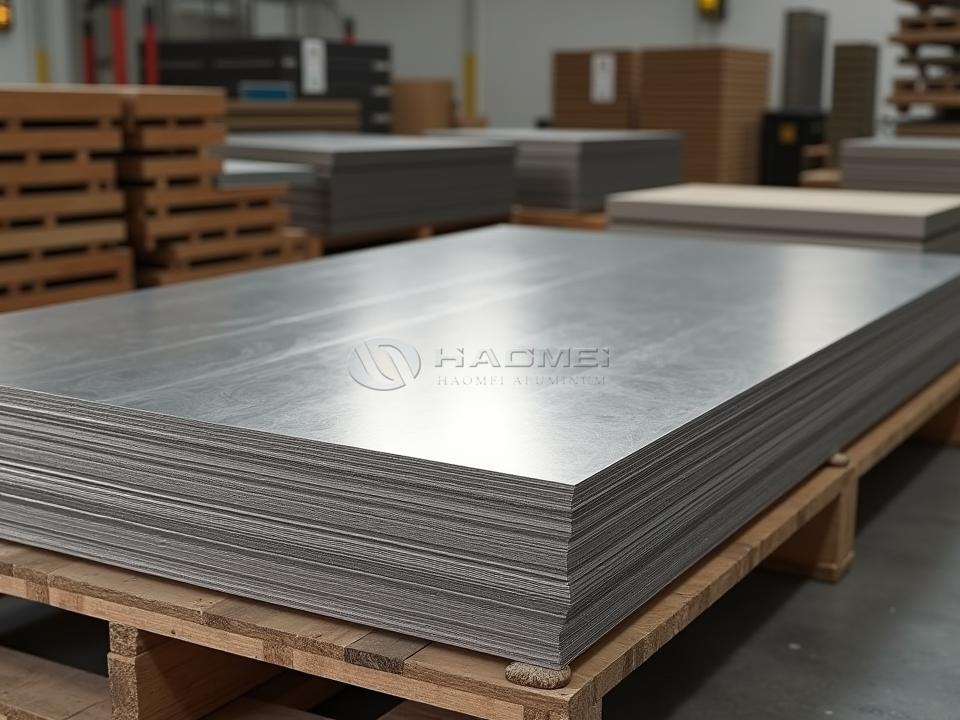
Wood grain powder coated aluminum can be cut, routed, punched, bent, roll formed, and assembled with conventional metalworking equipment. To protect the decorative surface, operators should keep the protective film on during fabrication when possible. Sharp tooling and clean support tables help prevent scratches.
For bending, the inside radius should match alloy temper and thickness. A larger bend radius is safer for thick sheet, harder temper, and heavy coating. Panels used outdoors should allow for thermal expansion. Drainage design is also important so water does not remain trapped behind panels or inside profiles.
| Processing Item | Practical Recommendation |
|---|---|
| Cutting | Use sharp saw blades or CNC cutting with surface protection |
| Bending | Test bend radius before mass production |
| Punching | Avoid burrs that may damage coating around holes |
| Fastening | Use stainless steel or compatible coated fasteners |
| Edge treatment | Seal exposed edges in harsh environments |
| Cleaning | Use neutral detergent and soft cloth; avoid abrasive pads |
| Storage | Keep dry, ventilated, and away from acid or alkali chemicals |
Why Customers Choose This Material
Wood grain powder coated aluminum gives architects and fabricators a reliable way to create warm, timber-inspired spaces with the durability of metal. It performs well in sun, rain, and daily handling, while offering stable dimensions and lighter installation than many traditional materials. With proper alloy selection, coating grade, pretreatment, and fabrication control, it can serve as a long-lasting decorative solution for modern building projects, from exterior cladding to interior ceilings and custom panels.