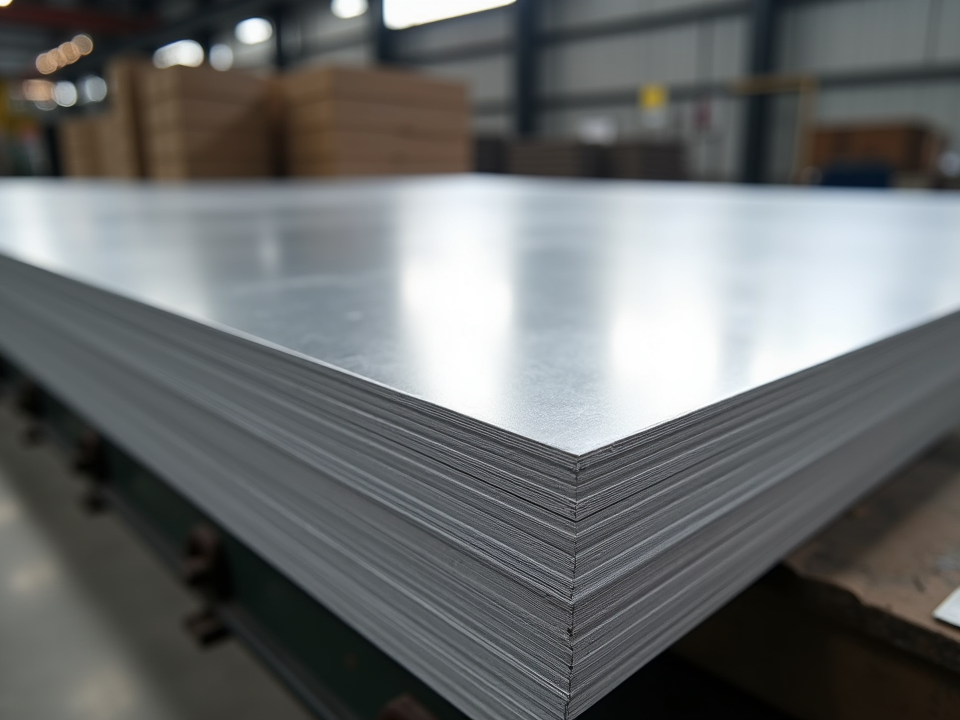
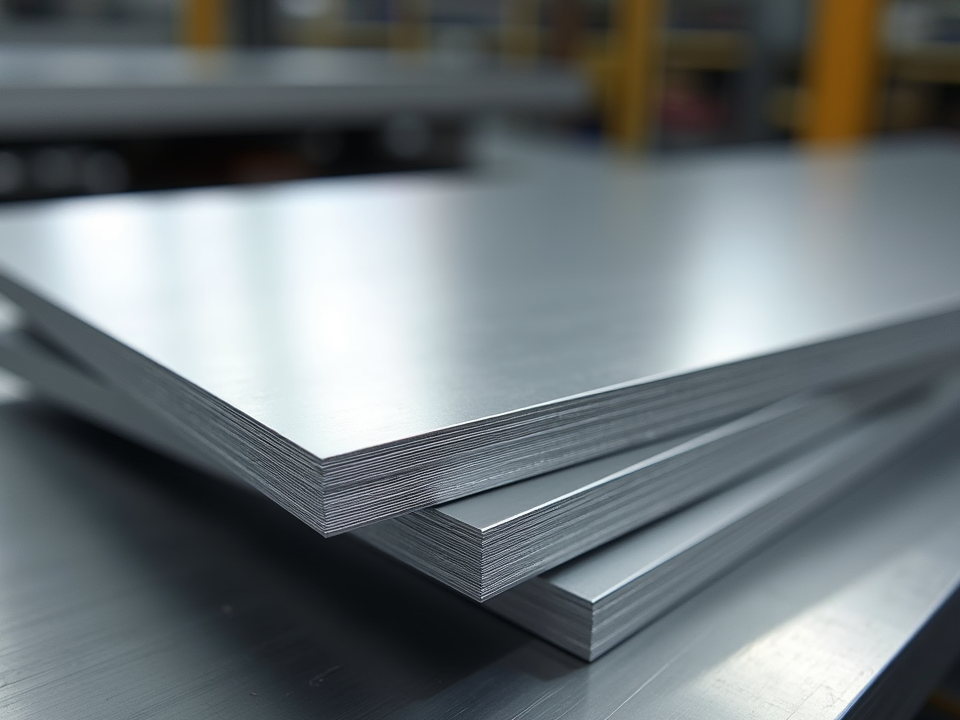
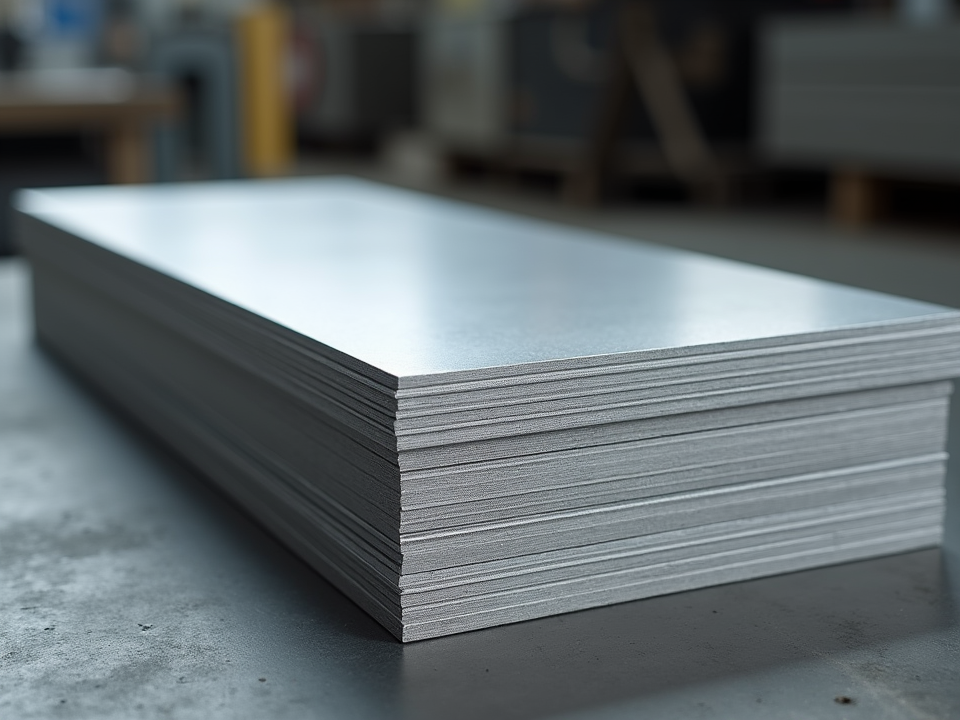
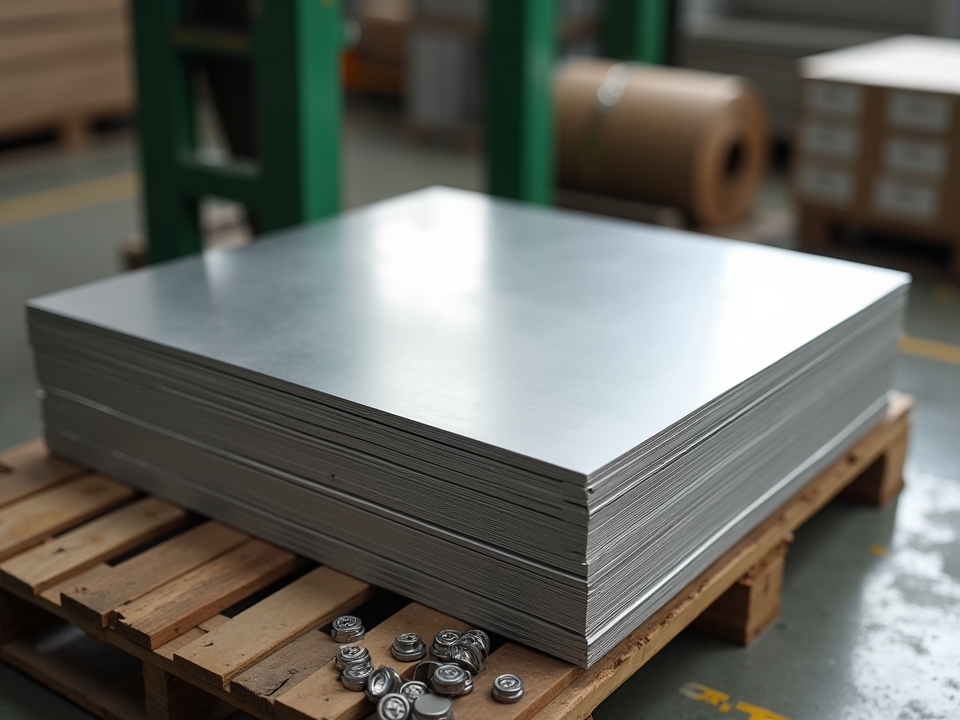
White Painted Aluminum Sheet Metal
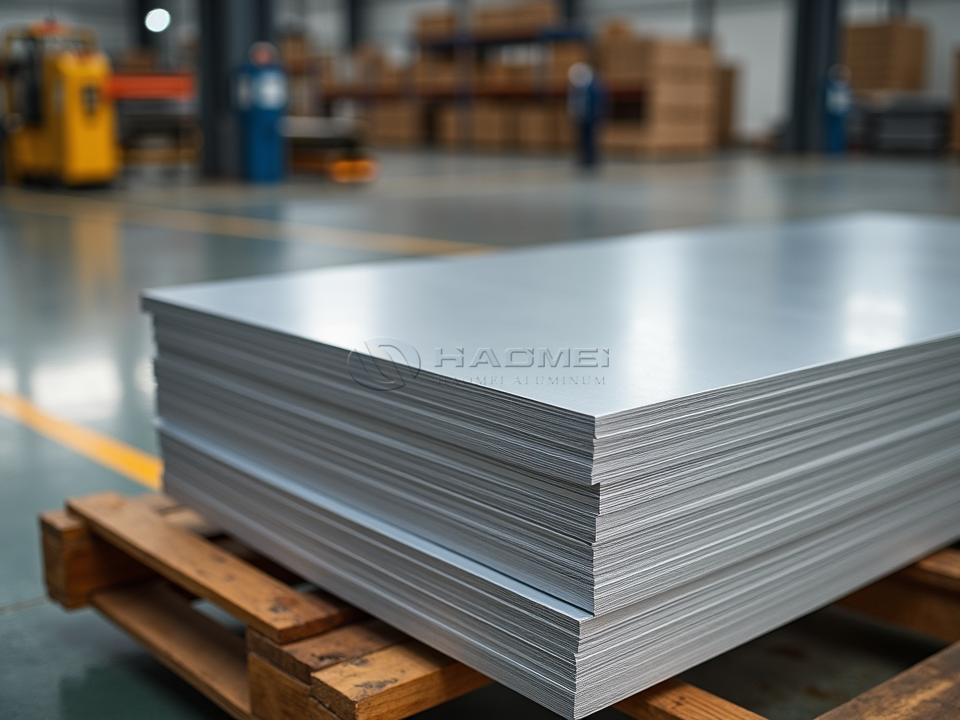
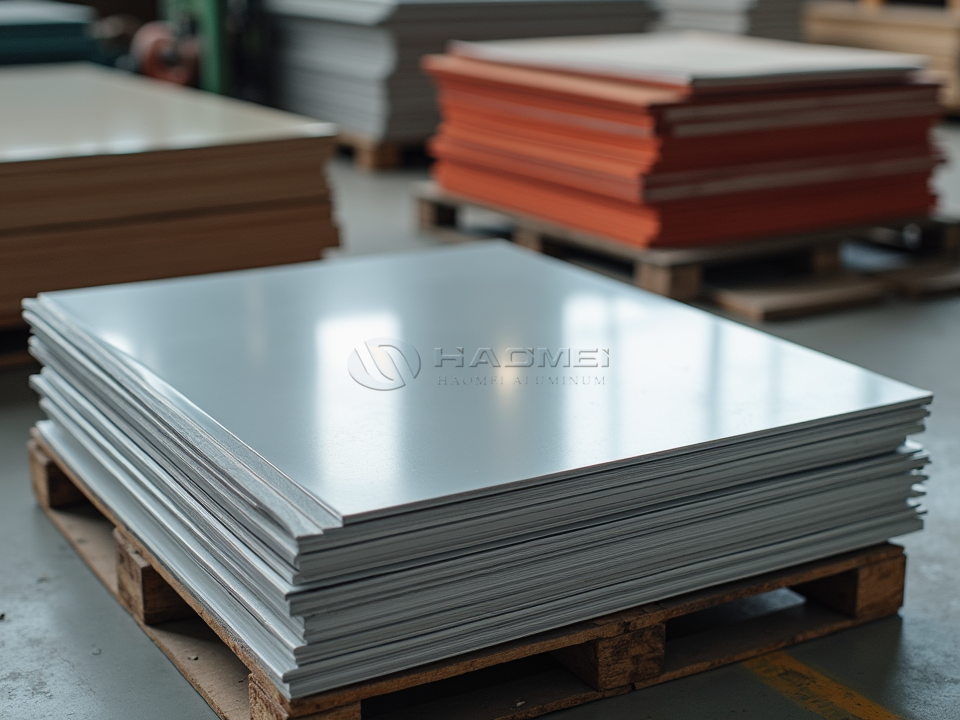
White painted aluminum sheet metal is often chosen because it looks clean, bright, and modern. Yet its real value is more practical: it turns a lightweight metal sheet into a finished engineering surface. The white coating reflects light, shields the base aluminum from weather, reduces maintenance, and gives fabricators a surface ready for cutting, bending, punching, laminating, and installation.
Think of the paint film as a functional skin. The aluminum core provides low weight, corrosion resistance, formability, and strength-to-weight efficiency. The white coating controls appearance, gloss, UV stability, dirt resistance, heat reflection, and compatibility with building or industrial environments.
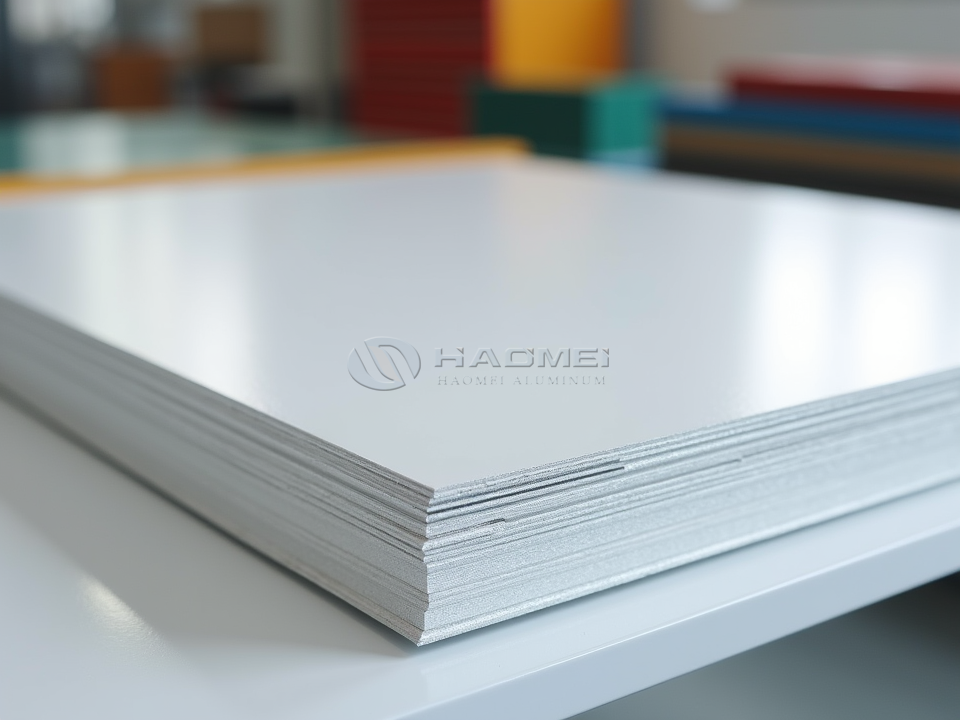
Why White Paint Changes the Performance of Aluminum
Bare aluminum naturally forms an oxide layer, but white painted aluminum sheet metal goes further. The coating system normally includes pretreatment, primer, and topcoat. Together, these layers improve adhesion and weather resistance while giving the sheet a stable color.
White is not only a design choice. It reflects solar radiation and visible light, which helps reduce heat buildup on roofs, wall panels, trailers, appliance panels, and signboards. In interiors, it improves brightness without adding extra lighting. In food-related, medical, and clean workspace applications, the white surface also helps operators see dust, stains, or damage more quickly.
For projects requiring long outdoor service, a PVDF Coated Aluminum Sheet is often selected because fluorocarbon resin offers strong resistance to UV exposure, chalking, and color fading. For indoor decoration, signage, and economical cladding, PE coating may be preferred for its smooth appearance and cost efficiency.
Common Technical Parameters
White painted aluminum sheet metal can be supplied in coil, sheet, strip, or cut-to-size panels. The exact specification depends on forming method, installation environment, and expected service life.
| Parameter | Common Range or Option |
|---|---|
| Base alloy | 1050, 1060, 1100, 3003, 3004, 3105, 5005, 5052 |
| Temper | O, H12, H14, H16, H18, H22, H24, H26, H32, H34 |
| Thickness | 0.20 mm to 6.00 mm, with roofing and cladding often 0.50 mm to 1.50 mm |
| Width | 600 mm to 1600 mm, wider sizes available by production route |
| Length | Coil form or custom cut sheet length |
| Coating type | PE, HDPE, SMP, PVDF, powder coating |
| Topcoat thickness | PE often 15 to 25 microns; PVDF often 20 to 35 microns |
| Back coat | 5 to 15 microns, or service coating as required |
| Gloss | Matte, satin, semi-gloss, high gloss |
| Color tone | Pure white, signal white, warm white, cool white, RAL white series |
| Surface | Smooth, embossed, stucco, brushed under coating, protective film optional |
Alloy and Temper Selection
Alloy choice should match the job, not just the price. For flat decorative panels and general fabrication, 1050, 1060, and 1100 offer high ductility and good corrosion behavior. They are easy to cut, stamp, and bend, but they are softer than manganese or magnesium alloy grades.
3003 aluminum is widely used when better strength and good formability are both needed. It performs well in ceilings, wall panels, insulation jacketing, and vehicle interior parts. 3004 and 3105 are common for roofing, siding, gutters, roller shutters, and painted building panels because they balance strength, coating performance, and forming quality.
5005 provides better anodic-style appearance control and is often used in architectural surfaces, while 5052 offers higher strength and stronger corrosion resistance, especially where moisture or marine atmosphere may be present. For bending and forming, H24 and H32 tempers are common because they give the sheet enough rigidity without becoming too brittle. For deep drawing or severe forming, O temper may be needed.
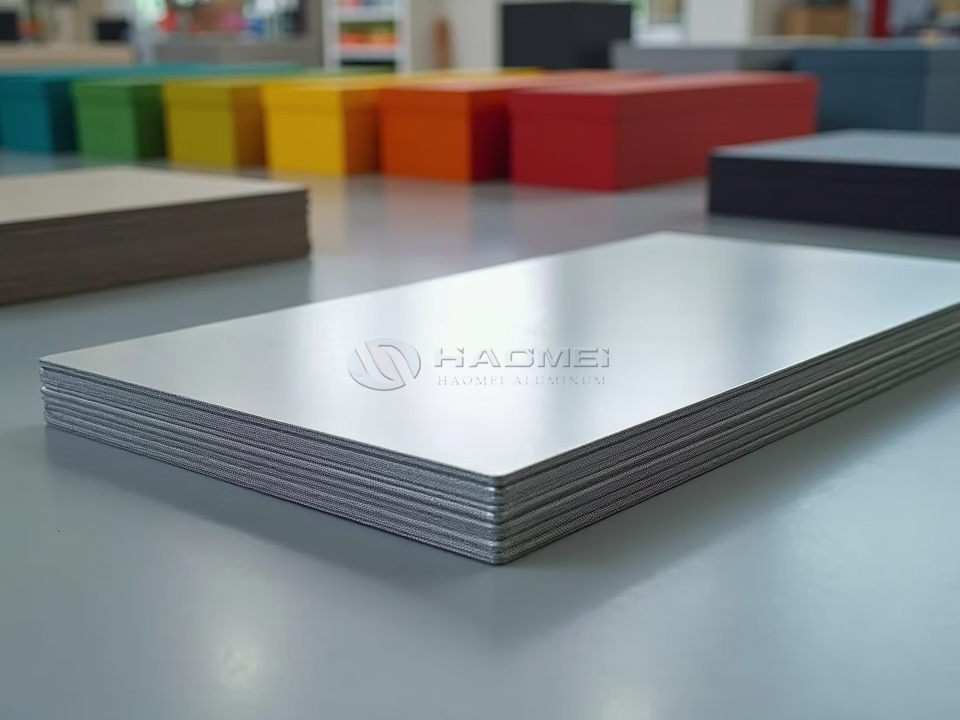
Chemical Composition of Typical Base Alloys
The paint system is visible, but the alloy chemistry decides how the sheet forms, resists corrosion, and supports the coating during service. Values shown are typical reference ranges and may vary by standard and mill certificate.
| Alloy | Si | Fe | Cu | Mn | Mg | Zn | Ti | Al |
|---|---|---|---|---|---|---|---|---|
| 1050 | Max 0.25 | Max 0.40 | Max 0.05 | Max 0.05 | Max 0.05 | Max 0.05 | Max 0.03 | Min 99.50 |
| 1060 | Max 0.25 | Max 0.35 | Max 0.05 | Max 0.03 | Max 0.03 | Max 0.05 | Max 0.03 | Min 99.60 |
| 1100 | Si+Fe max 0.95 | Included | 0.05-0.20 | Max 0.05 | - | Max 0.10 | - | Min 99.00 |
| 3003 | Max 0.60 | Max 0.70 | 0.05-0.20 | 1.00-1.50 | - | Max 0.10 | - | Balance |
| 3004 | Max 0.30 | Max 0.70 | Max 0.25 | 1.00-1.50 | 0.80-1.30 | Max 0.25 | - | Balance |
| 3105 | Max 0.60 | Max 0.70 | Max 0.30 | 0.30-0.80 | 0.20-0.80 | Max 0.40 | Max 0.10 | Balance |
| 5052 | Max 0.25 | Max 0.40 | Max 0.10 | Max 0.10 | 2.20-2.80 | Max 0.10 | - | Balance |
Coating Systems and Their Working Roles
PE painted white aluminum is smooth, colorful, and economical. It is suitable for indoor ceilings, advertising panels, light-duty cladding, cabinet panels, and appliance parts. It usually offers good flexibility and clean surface quality.
PVDF white painted aluminum sheet metal is used where the sheet must face strong sunlight, rain, temperature cycles, and polluted air. It is common in curtain walls, roofing, airport terminals, commercial facades, and high-rise building envelopes. Its fluorocarbon structure helps preserve gloss and color over long exposure.
Powder coated aluminum sheet is another option when a thicker, harder paint layer is desired. It is often used for equipment shells, furniture, partition panels, doors, and architectural accessories. Powder coating provides good impact resistance and a low-solvent production route.
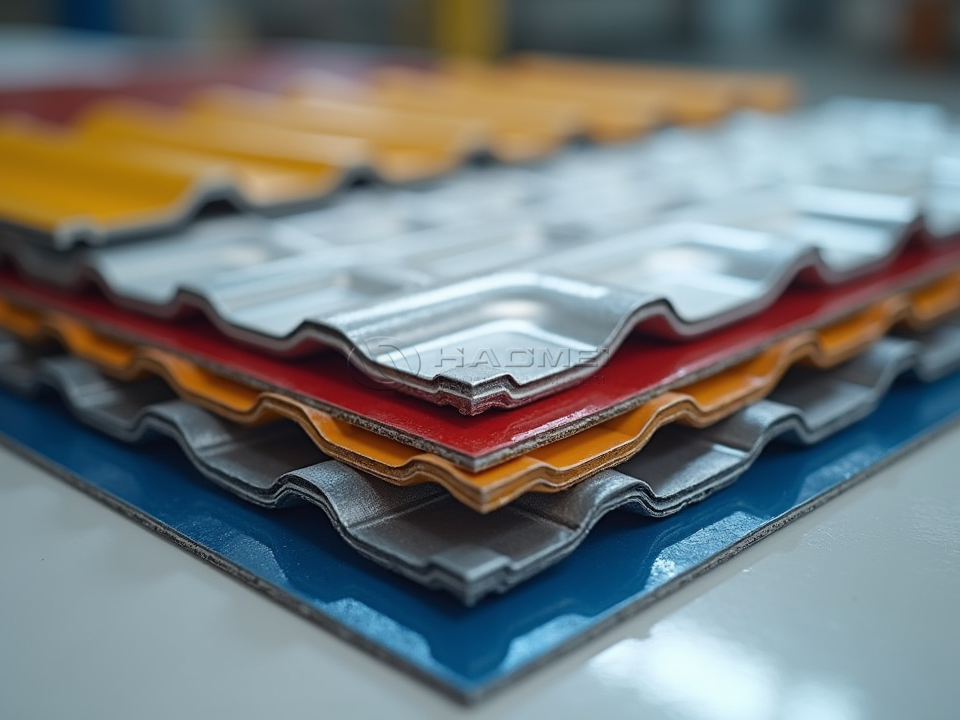
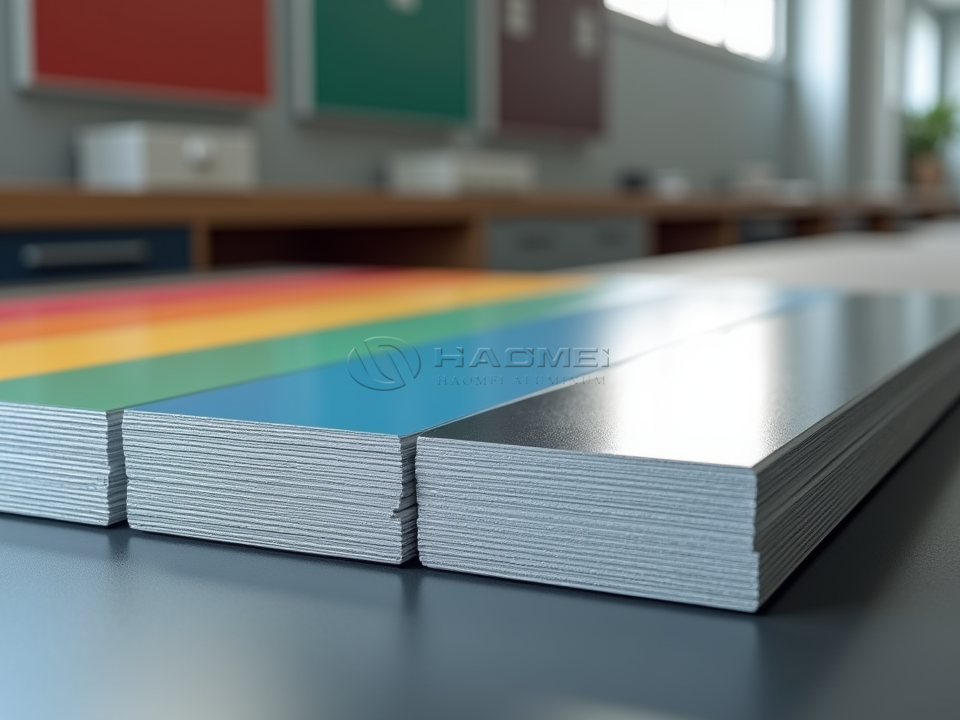
For many construction uses, white painted sheet is part of a broader Coated Aluminum Sheet family that includes solid colors, metallic finishes, wood grain, stone pattern, and special functional coatings.
Application Scenes Seen Through Function
In roofing, white painted aluminum sheet metal acts as a reflective shield. Its low density reduces structural load, while the white coating helps manage solar gain. In coastal or humid areas, alloy selection and coating grade become especially important.
In facade cladding and aluminum composite panels, it becomes a flat visual plane. The sheet must maintain color consistency across batches, resist oil canning through proper thickness and temper, and accept bending without cracking at edges.
In ceilings and interior panels, the material works as a brightness amplifier. White surfaces distribute light efficiently, making offices, stations, hospitals, workshops, and retail spaces feel cleaner and more open.
In signage, the sheet becomes a printable or laminated base. Smooth white coating improves contrast for graphics, letters, and reflective films. Protective film is often applied during transportation and fabrication to avoid scratches.
In transport and equipment covers, it functions as a lightweight protective shell. Trailer panels, bus interiors, refrigerator bodies, machine housings, and cleanroom partitions benefit from its corrosion resistance and easy cleaning.
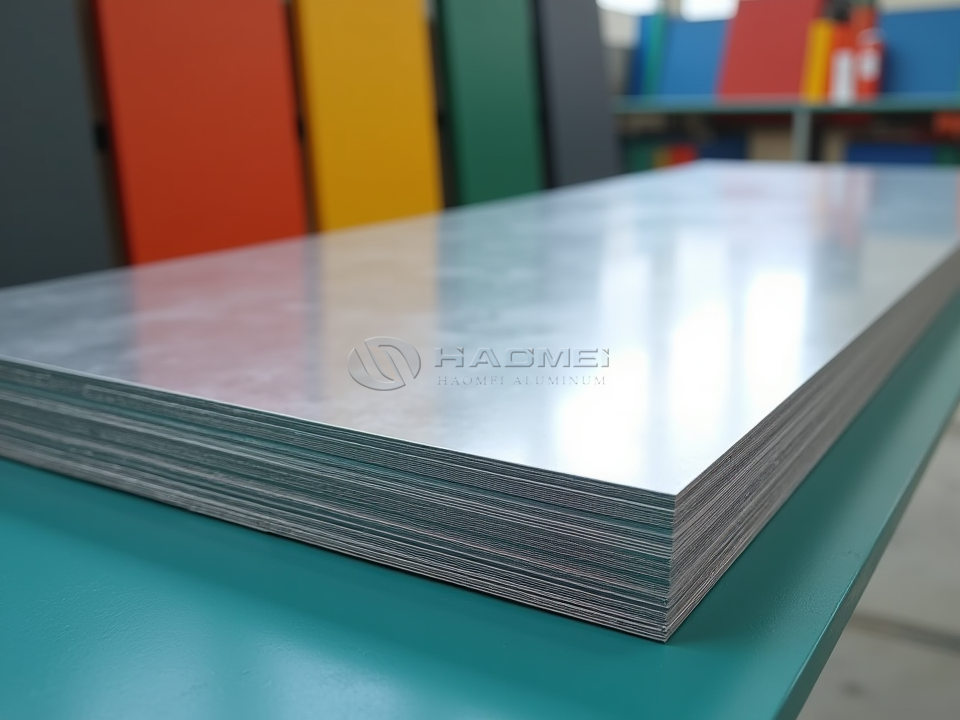
Standards and Quality Checks
Reliable white painted aluminum sheet metal should be supplied with clear standards and inspection data. Base aluminum sheet is commonly produced according to ASTM B209, EN 485, EN 573, EN 515, or GB/T 3880. Coating performance may reference AAMA 2603 for general organic coatings, AAMA 2604 for high-performance coatings, and AAMA 2605 for superior exterior PVDF systems.
Common test methods include ASTM D3359 or ISO 2409 for adhesion, ASTM D522 or ISO 1519 for bending, ASTM D2794 for impact resistance, ASTM B117 for salt spray exposure, ASTM G154 for UV aging, and ASTM D523 for gloss measurement. For architectural panels, color difference control is often measured by Delta E values under standardized light conditions.
Good production also depends on pretreatment. Chromate or chrome-free conversion coating improves paint bonding and corrosion protection. The surface must be clean, dry, and chemically prepared before primer is applied. Poor pretreatment can cause blistering, peeling, or edge corrosion even if the topcoat looks perfect at delivery.
Practical Buying Notes
When selecting white painted aluminum sheet metal, confirm the environment first. Indoor dry use may not need the same coating grade as coastal roofing. Check the bending radius, gloss level, alloy temper, coating thickness, protective film type, and whether both sides need painting. For visible building surfaces, request color samples from the same coating system and define acceptable color tolerance before mass production.
A well-specified white painted aluminum sheet is more than a clean panel. It is a balanced system of alloy, temper, pretreatment, primer, topcoat, and inspection standard. When these details match the application, the result is a bright, lightweight, corrosion-resistant material that performs reliably from fabrication to long-term service.