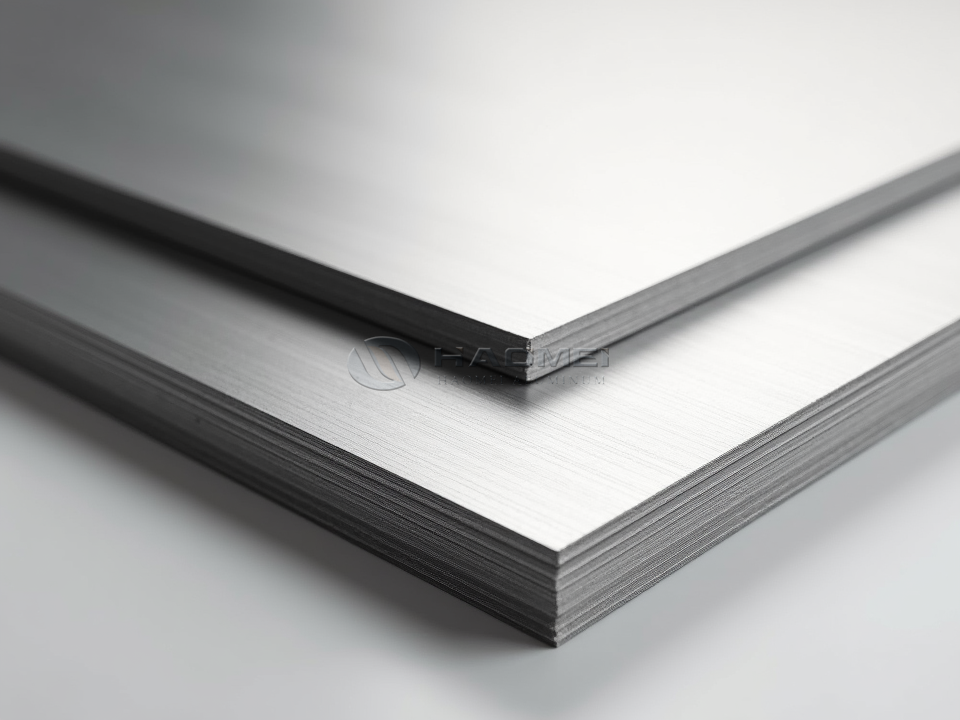
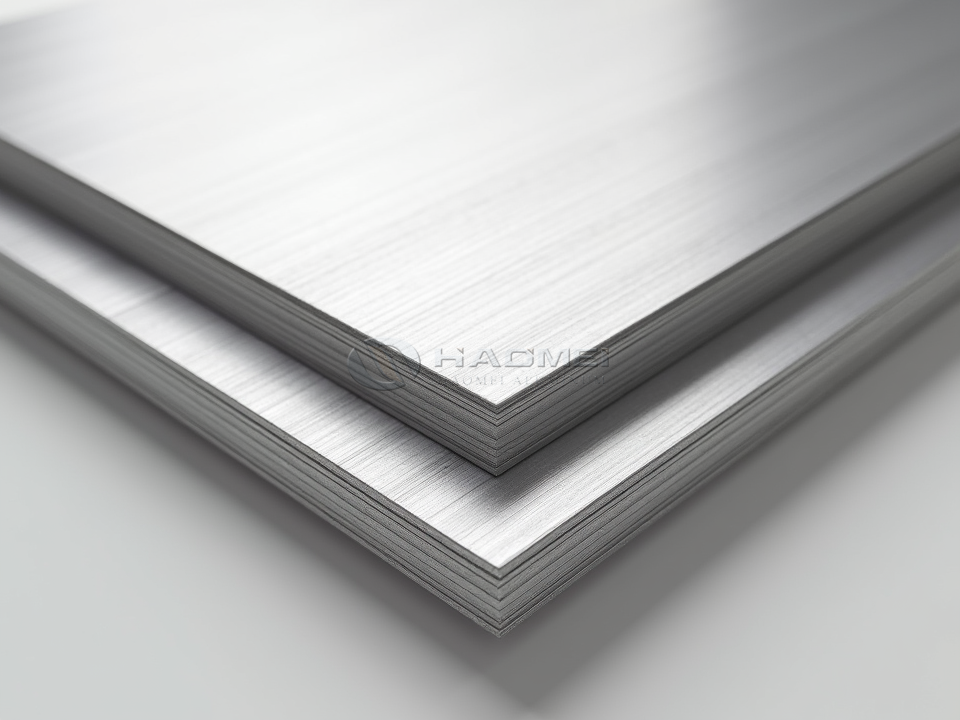
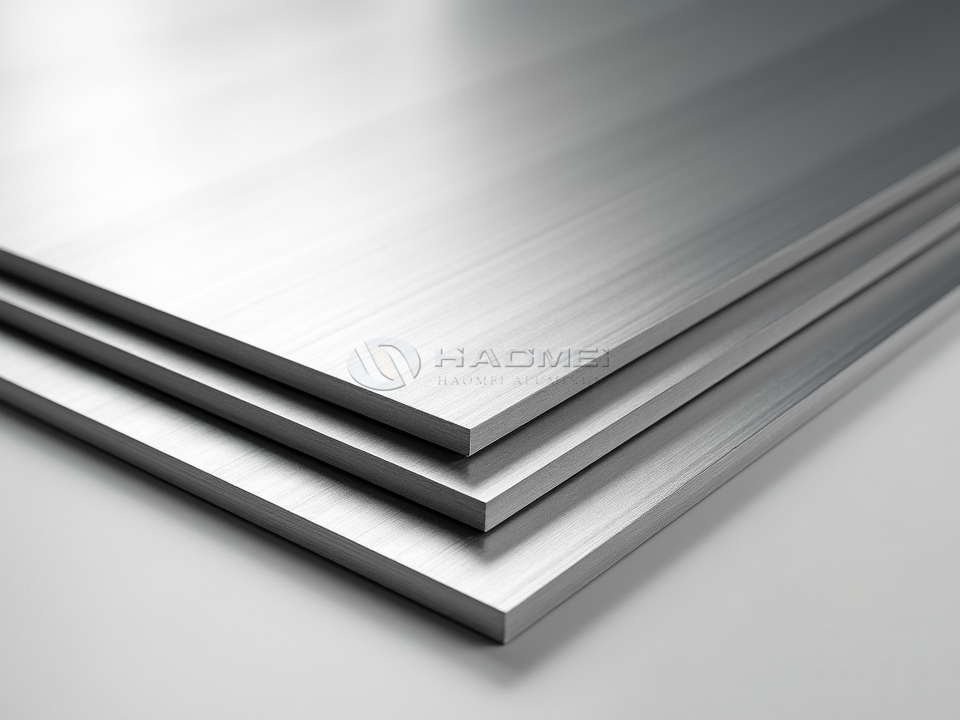
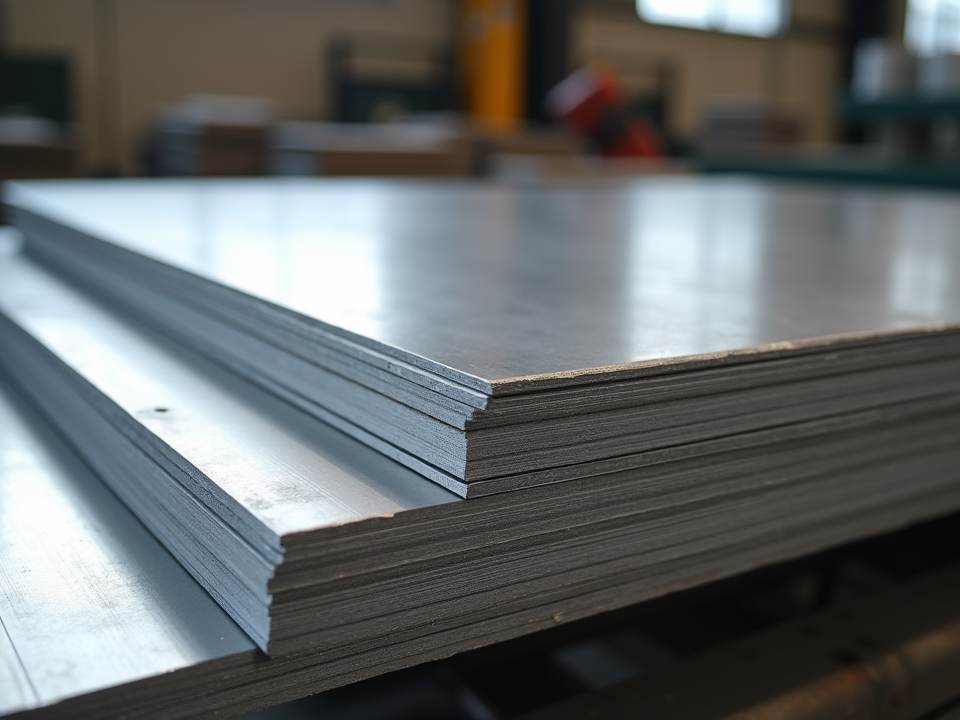
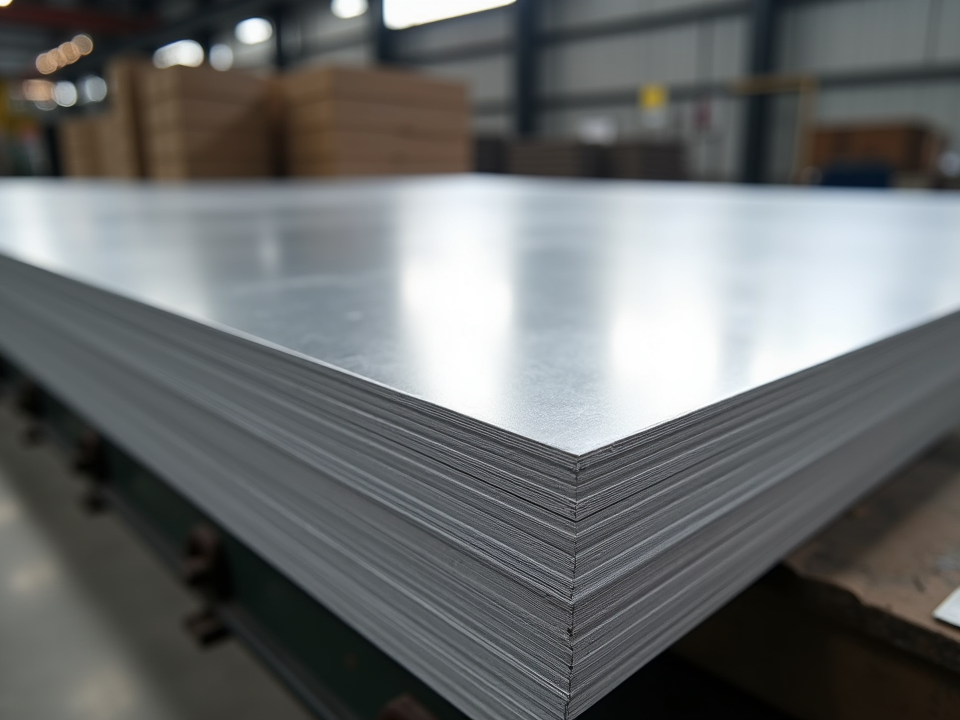
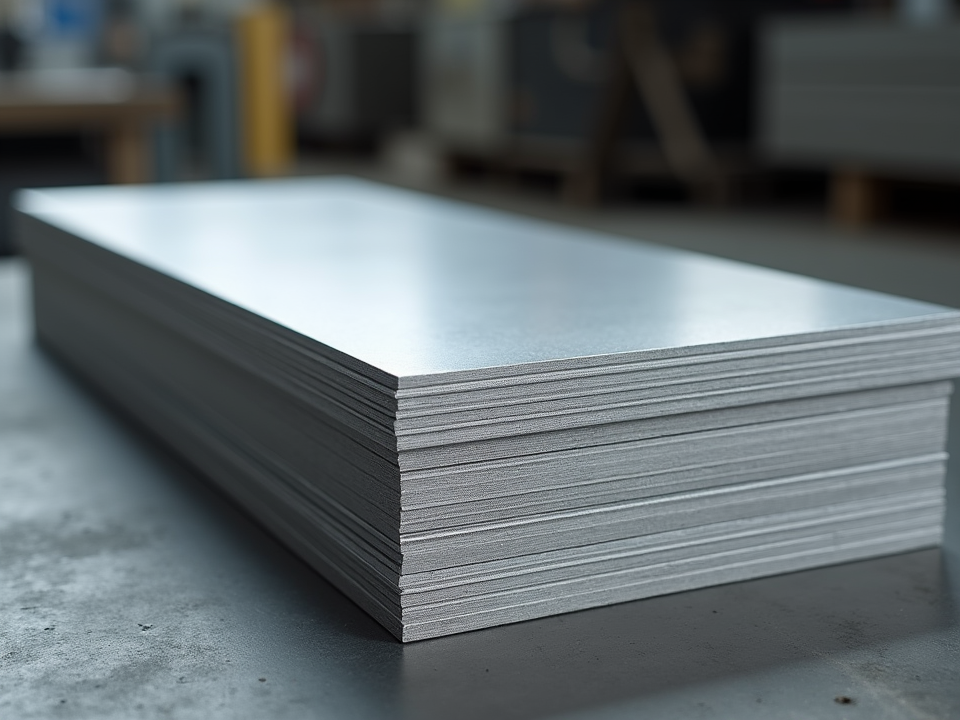
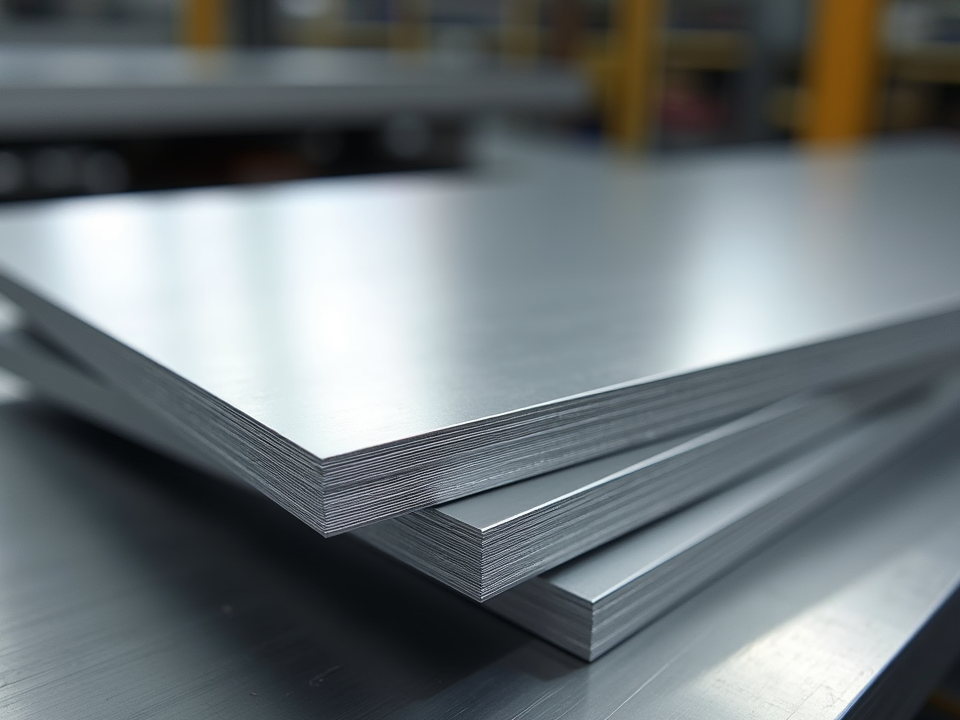
Black Brushed Aluminum Metal Sheet
Black brushed aluminum metal sheet is often chosen because it looks refined, but its real value is more technical than visual. The dark surface reduces glare, the linear brush grain guides reflection in one direction, and the aluminum substrate keeps the panel light, formable, and corrosion resistant. In architecture, appliances, electronics, transport interiors, and retail displays, it works as both a design skin and a performance material.
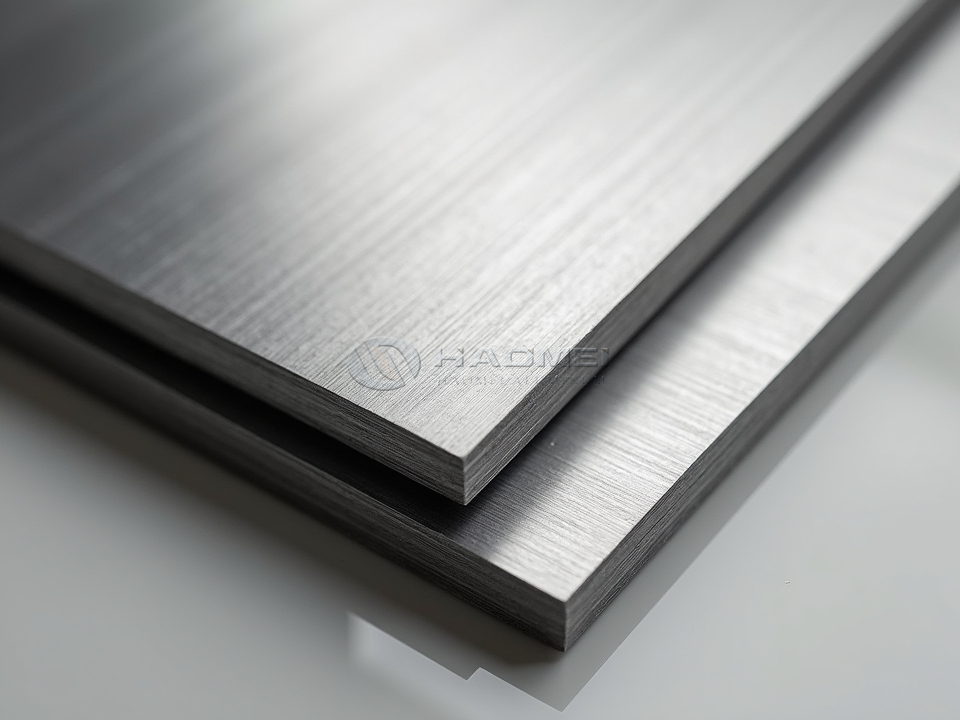
Think of the sheet as a controlled light filter. A mirror-polished black panel reflects sharply and shows fingerprints easily. A matte painted panel can look flat. A black brushed aluminum metal sheet sits between them: the hairline texture softens reflected light while keeping a metallic depth. This is why it is used on elevator doors, control panels, kitchen appliance fronts, audio equipment, signage, ceiling systems, wall cladding, and premium packaging displays.
For projects that require a broader color range with the same linear texture, a standard Brushed Aluminum Sheet can be finished in silver, champagne, gold, black, or custom tones.
What Makes the Black Brushed Finish Functional
The brushed grain is produced by abrasive belts, nylon wheels, or controlled hairline equipment. The grain direction may be long-grain, short-grain, cross-brushed, or custom patterned. For most decorative panels, long-grain brushing is preferred because it makes large surfaces appear longer, cleaner, and more uniform.
The black appearance is commonly achieved by anodizing, color coating, or film lamination. Black anodizing is valued for its integral oxide layer, metallic feel, and better scratch resistance compared with ordinary paint. Coated black brushed aluminum is often selected when deeper black color, higher batch consistency, or special gloss levels are required. Protective PE or PVC film is usually applied after finishing to prevent handling marks during cutting, bending, and installation.
A black brushed aluminum sheet also performs well in thermal and electrical environments. Aluminum naturally conducts heat, so it can help dissipate warmth from appliance panels, lighting housings, and electronic casings. When the coating system is selected properly, the sheet can also provide a stable decorative surface in humid indoor environments and selected outdoor applications.
Common Technical Parameters
| Item | Typical Range or Option |
|---|---|
| Alloy | 1060, 1100, 3003, 5052, 6061 |
| Temper | O, H14, H16, H18, H24, H32, H34, T6 depending on alloy |
| Thickness | 0.2 mm to 6.0 mm, decorative panels often 0.5 mm to 3.0 mm |
| Width | 100 mm to 1600 mm, wider sizes available by mill capability |
| Length | Coil, cut-to-size sheet, or customized panel length |
| Surface grain | Hairline, straight brush, fine brush, satin brush, cross brush |
| Color tone | Soft black, deep black, graphite black, custom black shade |
| Finish type | Black anodized, black coated, brushed and film protected |
| Gloss level | Matte, satin, semi-gloss depending on finish route |
| Protective film | Clear, milky white, laser film, or high-tack film for fabrication |
| Tolerance | Based on ASTM B209, EN 485, GB/T 3880, or agreed project standard |
Alloy and Temper Selection
1060 and 1100 are commercially pure aluminum grades with excellent ductility, high corrosion resistance, and a clean brushing response. They are suitable for interior decorative panels, nameplates, appliance trims, and products requiring easy forming rather than high strength.
3003 offers better strength than pure aluminum while maintaining good workability. It is widely used for wall panels, ceilings, signboards, cabinet faces, and decorative covers where moderate rigidity is needed.
5052 is the preferred grade when higher strength, better fatigue resistance, and better corrosion performance are required. It is suitable for transport interiors, marine-adjacent interiors, outdoor sign panels, and industrial decorative parts. For buyers comparing strength and formability, 5052 Brushed Aluminum Sheet is often a practical starting point.
6061-T6 provides higher structural strength but is less formable than O or H temper sheet. It is suitable for machined covers, brackets with visible brushed faces, instrument plates, and technical housings where dimensional stability matters.
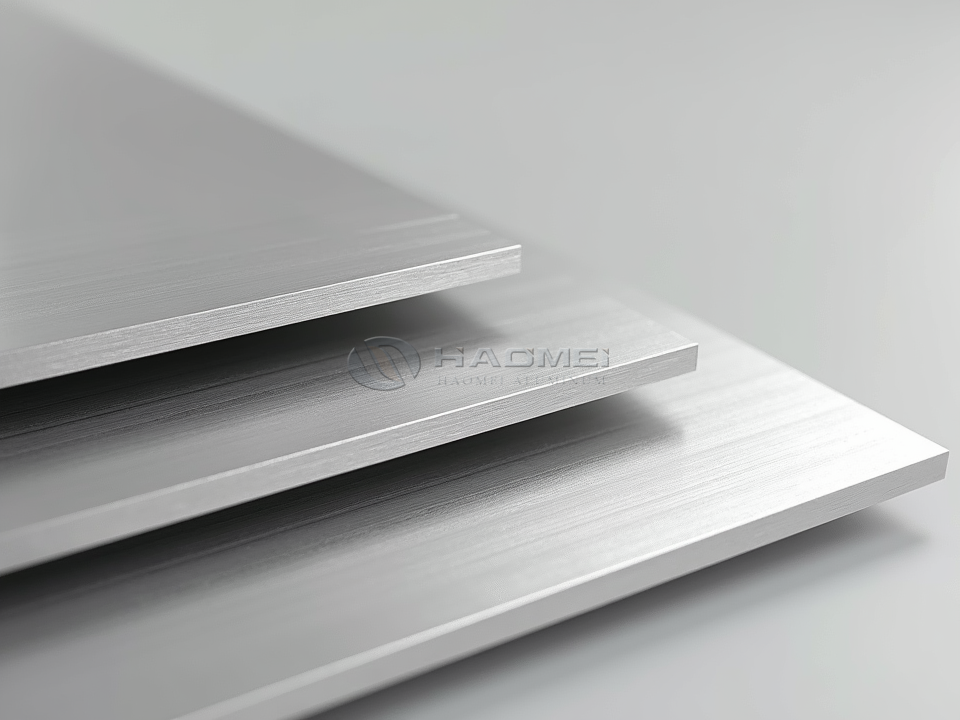
Temper affects both fabrication and final appearance. O temper bends easily but may dent more readily. H14 and H24 balance formability and stiffness for decorative panels. H32 and H34 are common for 5052 where strength and bend performance are both needed. T6 is chosen for strength, but tight bends require larger radii to avoid cracking or finish damage.
Chemical Composition Reference
The following table gives common composition ranges by weight percent. Final values should be confirmed by mill test certificate.
| Alloy | Si | Fe | Cu | Mn | Mg | Cr | Zn | Ti | Al |
|---|---|---|---|---|---|---|---|---|---|
| 1060 | up to 0.25 | up to 0.35 | up to 0.05 | up to 0.03 | up to 0.03 | - | up to 0.05 | up to 0.03 | 99.60 min |
| 1100 | Si+Fe up to 0.95 | Si+Fe up to 0.95 | 0.05-0.20 | up to 0.05 | - | - | up to 0.10 | - | 99.00 min |
| 3003 | up to 0.60 | up to 0.70 | 0.05-0.20 | 1.00-1.50 | - | - | up to 0.10 | - | Balance |
| 5052 | up to 0.25 | up to 0.40 | up to 0.10 | up to 0.10 | 2.20-2.80 | 0.15-0.35 | up to 0.10 | - | Balance |
| 6061 | 0.40-0.80 | up to 0.70 | 0.15-0.40 | up to 0.15 | 0.80-1.20 | 0.04-0.35 | up to 0.25 | up to 0.15 | Balance |
Implementation Standards and Inspection Focus
Black brushed aluminum metal sheet is usually produced and inspected according to recognized aluminum and finishing standards. ASTM B209 covers aluminum and aluminum-alloy sheet and plate. EN 485 covers sheet, strip, and plate requirements in European practice. GB/T 3880 is widely used for wrought aluminum sheet and strip. JIS H4000 may apply for Japanese market specifications. For anodized surfaces, ISO 7599 and ASTM B580 are commonly referenced. For coated architectural aluminum, AAMA 2603, AAMA 2604, or AAMA 2605 may be discussed depending on resin system and outdoor durability demand.
Inspection should not focus only on color. Buyers should check grain uniformity, color difference, coating or anodic film thickness, adhesion, pencil hardness, bend performance, salt spray resistance, abrasion resistance, and film peel behavior. For visible architectural panels, grain direction marking is important because mixed directions can make panels appear different under the same light.
Application Logic: Where It Works Best
In appliance manufacturing, black brushed aluminum sheet gives refrigerators, ovens, coffee machines, range hoods, and washer panels a premium metallic look without excessive weight. The brushed surface hides minor handling marks better than glossy black finishes.
In electronics, it is used for laptop shells, amplifier panels, control consoles, smart home devices, and instrument covers. The surface feels technical and clean, while aluminum helps manage heat.
In building decoration, it appears on elevator cabins, lobby walls, column covers, ceiling strips, door panels, and directional signage. The dark tone adds contrast, while the linear grain helps large surfaces avoid visual emptiness.
In transport interiors, 5052 or 3003 black brushed sheets can be used for trim panels, partition covers, luggage area parts, and decorative kick plates. The material is light enough for weight-sensitive design and strong enough for repeated contact when the right temper is selected.
Fabrication and Handling Notes
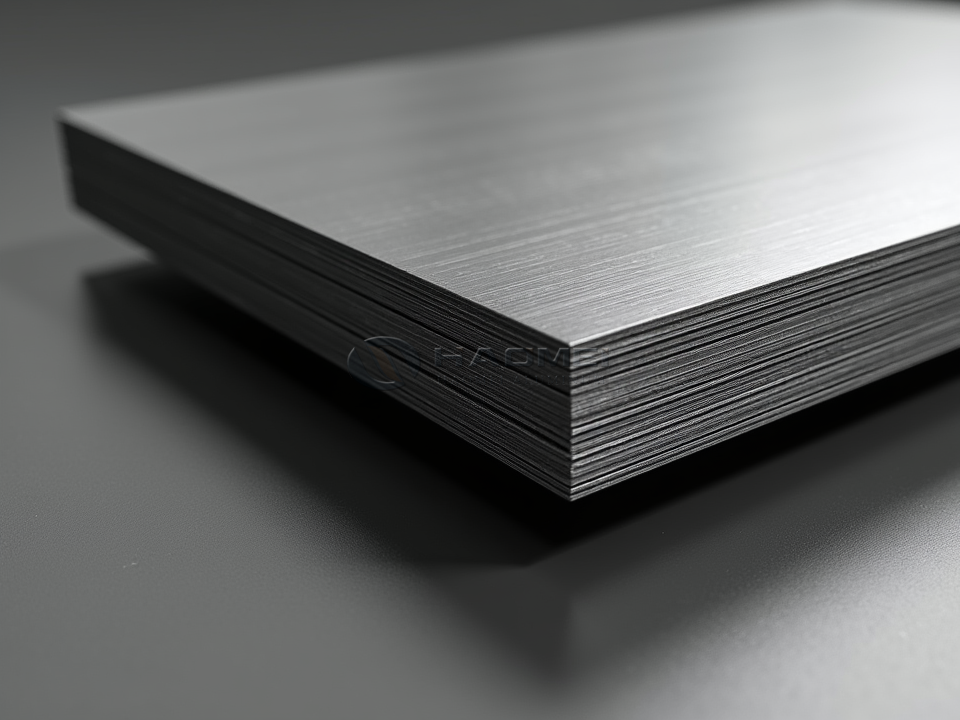
Cutting should be performed with the protective film kept on the surface whenever possible. For bending, the grain direction matters: bending parallel to the brush lines may behave differently from bending across them, especially on harder tempers. Tooling should be clean, and soft pads are recommended for visible surfaces.
Welding can discolor finished black surfaces, so welding is generally completed before brushing and finishing. If panels are already finished, mechanical fastening, adhesive bonding, riveting, or concealed clips are usually cleaner choices. For exterior use, edge protection and suitable alloy selection are important because cut edges may expose raw aluminum.
Cleaning is simple: mild detergent, water, and soft cloth are preferred. Strong alkaline cleaners, abrasive pads, and harsh solvents can damage anodized or coated black finishes. When the sheet is used in public spaces, a satin black finish often provides the best balance between fingerprint control and metallic brightness.
Buying Considerations
A good purchase specification should state alloy, temper, thickness, size, brushing direction, black finish type, gloss, film thickness or coating thickness, color tolerance, protective film type, and applicable standard. If the sheet will be bent, punched, laser cut, or installed outdoors, these conditions should be discussed before production.
Black brushed aluminum metal sheet is not just a dark decorative panel. It is a lightweight engineered surface that manages reflection, touch, fabrication, and durability at the same time. With the correct alloy, temper, finish route, and inspection standard, it can serve as a reliable material for products that need to look precise and perform consistently.