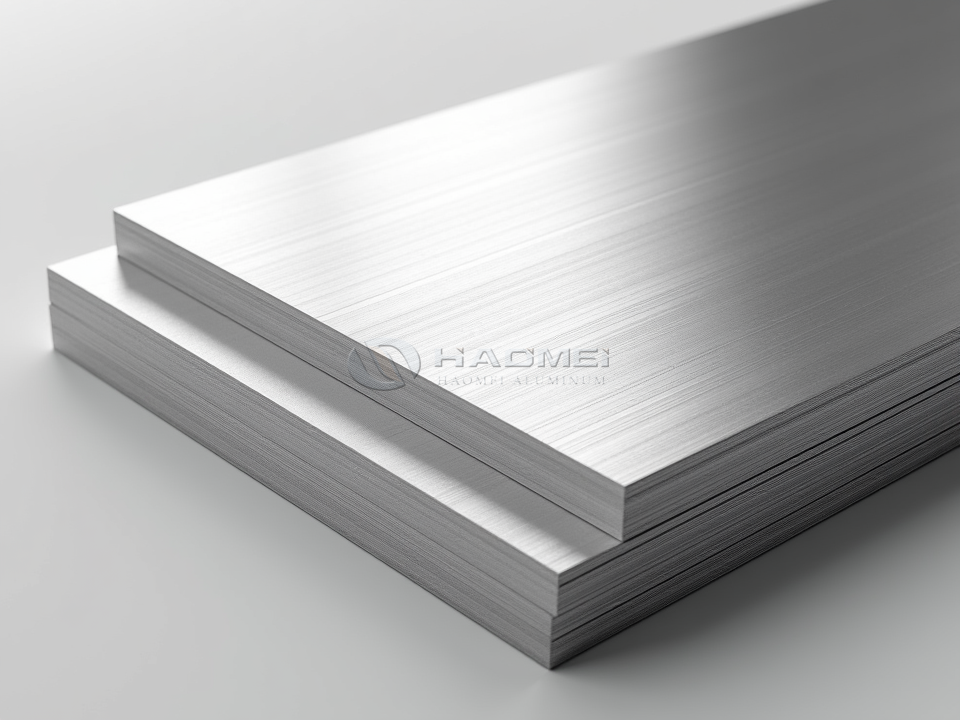
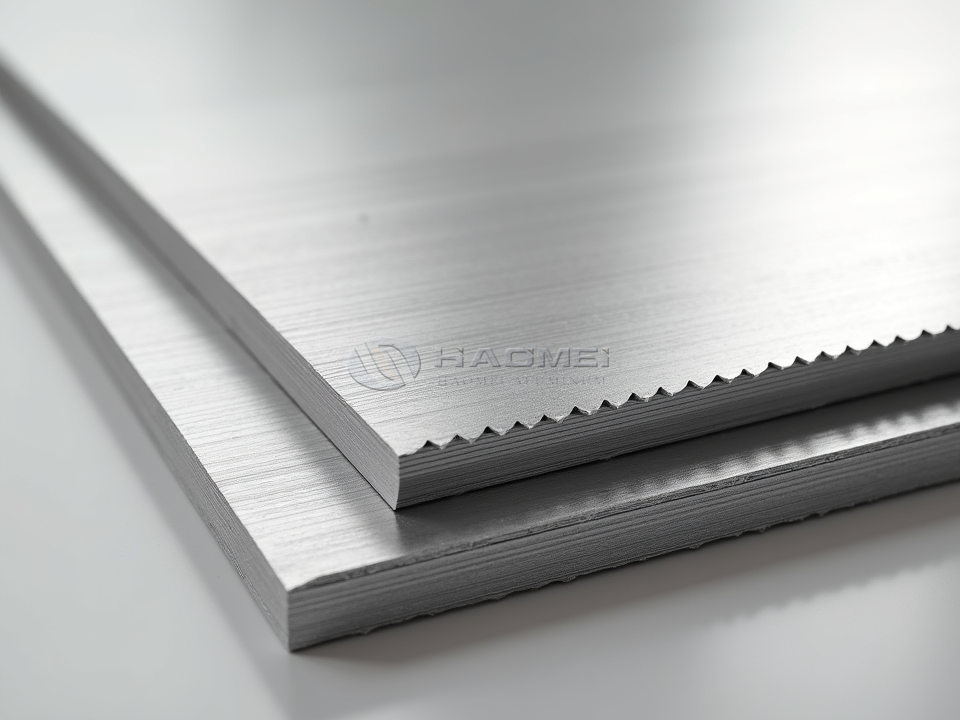
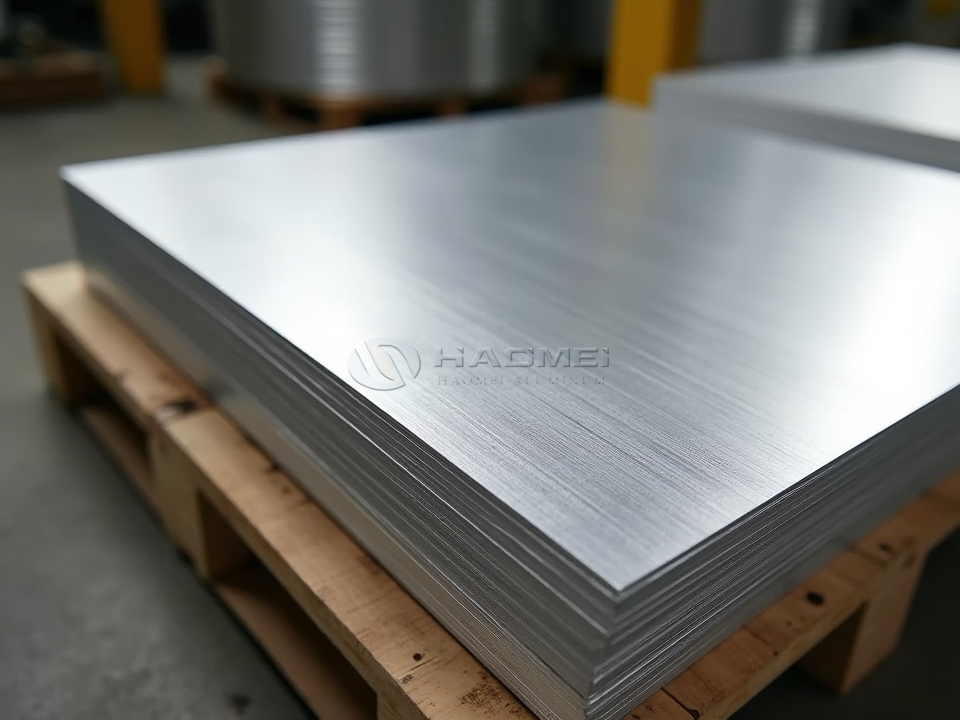
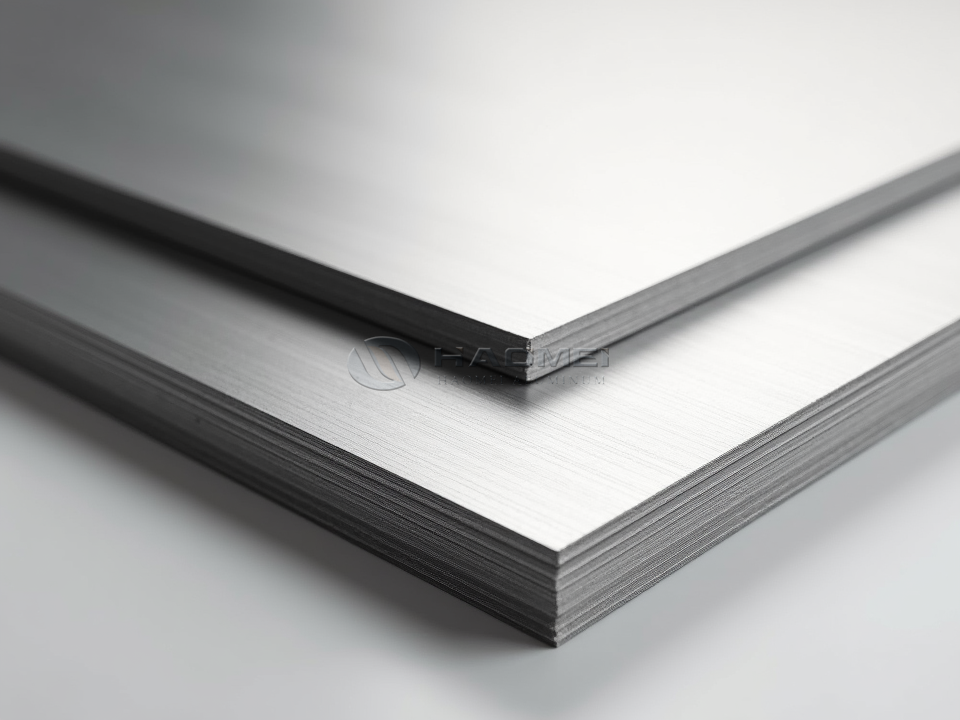
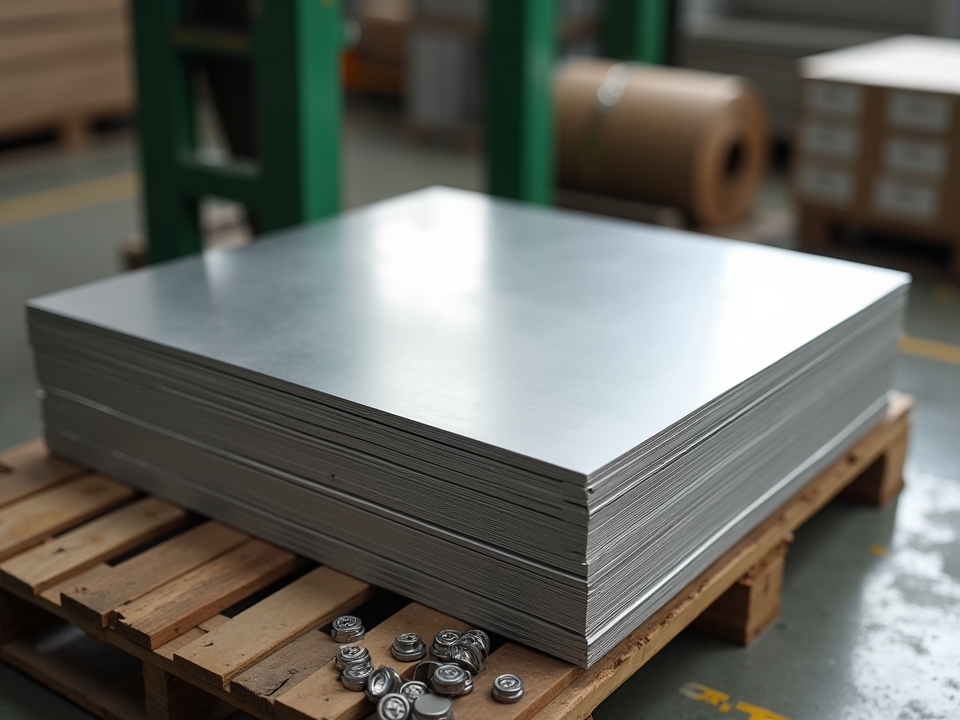
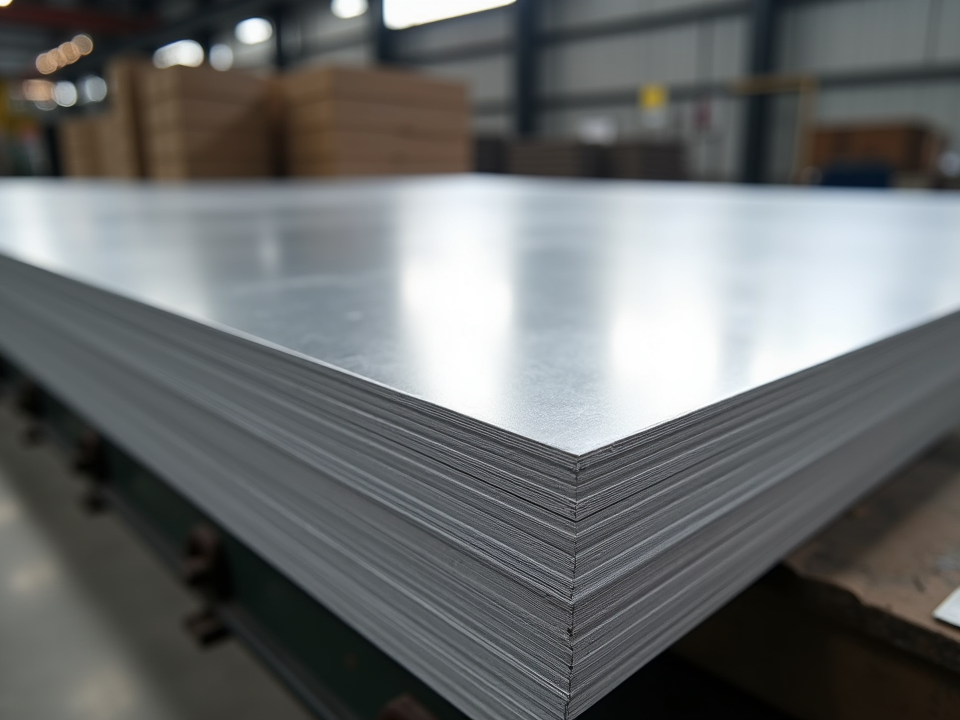
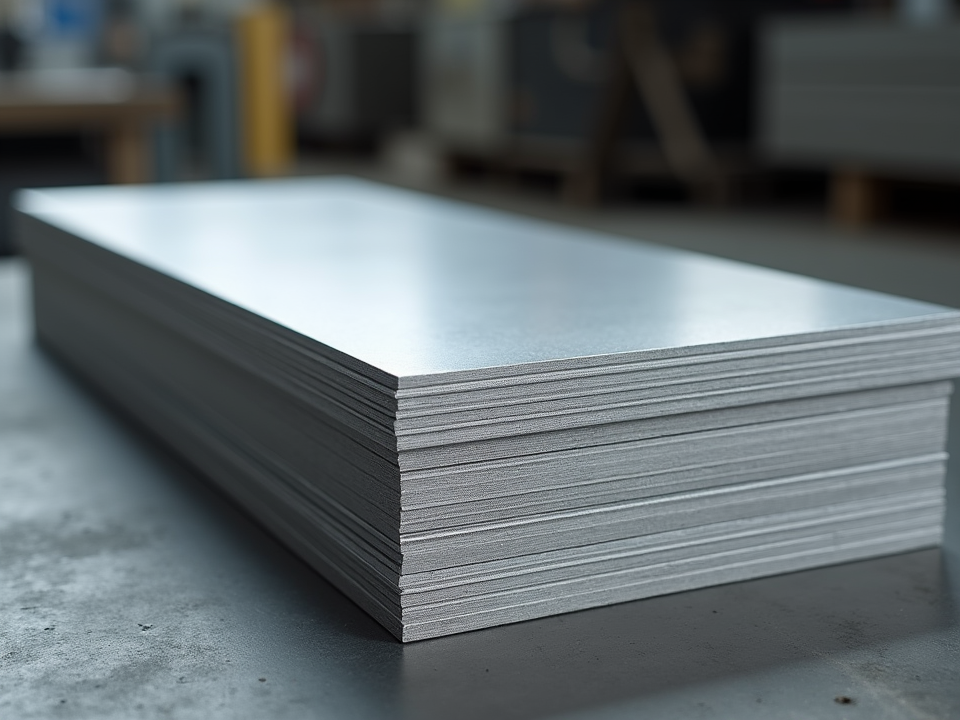
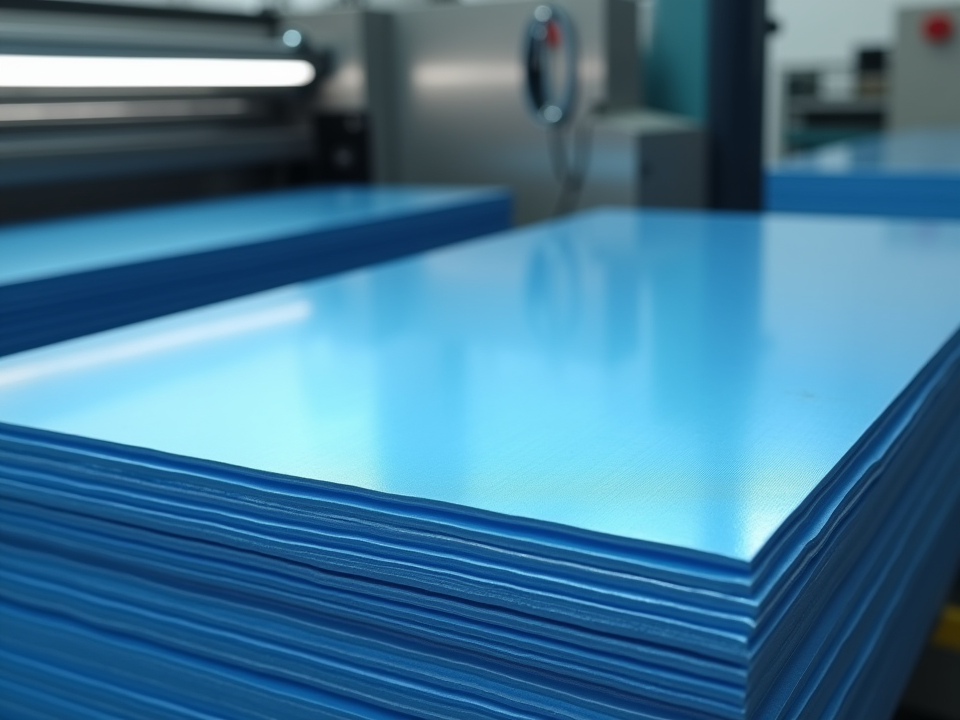
Colored Brushed Aluminum Sheet Metal
Colored brushed aluminum sheet metal is often selected for its color, yet its real character comes from the relationship between color, texture, and light. A painted flat panel can look consistent from every angle. A brushed aluminum surface behaves differently: its fine linear grain catches light, softens reflections, and creates a subtle movement as people walk past it.
This makes the material especially appealing for interiors where surfaces are seen up close: elevator walls, cabinet fronts, retail fixtures, hotel details, appliance panels, wall cladding, and signage. Rather than reading as a single solid color, a colored brushed finish gives a surface visual depth without relying on a heavy pattern.
Think About the Sheet as a Light-Control Surface
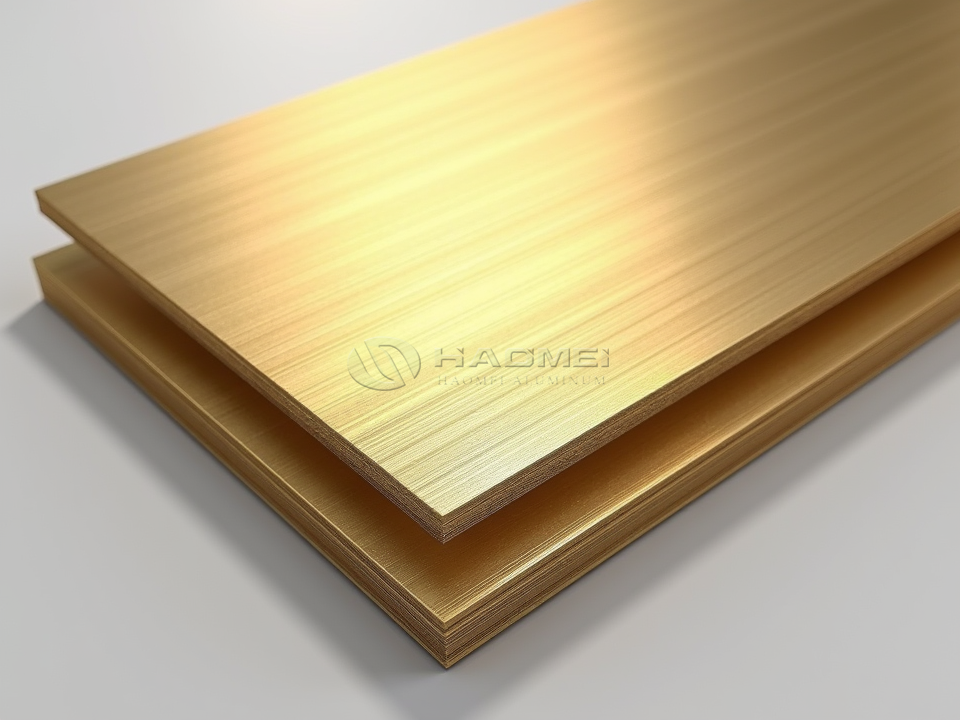
The most practical way to specify colored brushed aluminum sheet metal is to begin with the lighting in the finished space. Under direct daylight, the brushing may appear more pronounced and the color may look lighter. Under warm indoor lighting, champagne, bronze, and gold tones can become richer. Black and dark gray finishes often reveal a clean metallic line when light travels along the grain.
This is why a small sample should be viewed in more than one location. Place it vertically if the final panel will be vertical. Rotate it under side lighting, ceiling lighting, and natural light. A color that appears calm under diffuse showroom illumination may look more vivid near a window or beside a polished stone surface.
Grain direction matters just as much. Vertical brushing can make a wall, elevator door, or tall cabinet appear higher. Horizontal brushing can widen the visual impression of a reception desk, appliance fascia, or retail display. When panels meet, keeping grain direction consistent is important. A reversed sheet is not a minor cosmetic issue; it can look like a different material once installed.
Color Is a Finish System, Not Just a Shade
Colored brushed aluminum is commonly produced through anodizing, PVD-style decorative treatments, coating systems, or laminating processes, depending on the intended appearance and service conditions. Each approach affects the visual result and long-term performance.
Anodized finishes build protection into the aluminum surface and retain a metallic appearance. They are often chosen where a refined, architectural feel is wanted. Coated finishes offer broader color flexibility, including deep black, vivid tones, and special effects. Decorative laminated surfaces can provide additional pattern options, though their suitability should be checked for heat, moisture, abrasion, and edge exposure.
For projects seeking warm metal character, Gold Brushed Aluminum Sheet can provide a polished but restrained alternative to brass. Its brushed grain keeps the surface from becoming overly reflective, making it suitable for hospitality counters, cabinet trims, wall panels, and premium display furniture.
Dark colors deserve a separate note. A black brushed surface can look sophisticated and modern, but scratches, fingerprints, and handling marks may be more visible than on champagne or silver finishes. This does not make black impractical. It simply means the coating quality, protective film, cleaning routine, and panel placement should be considered early.
The Alloy Behind the Appearance
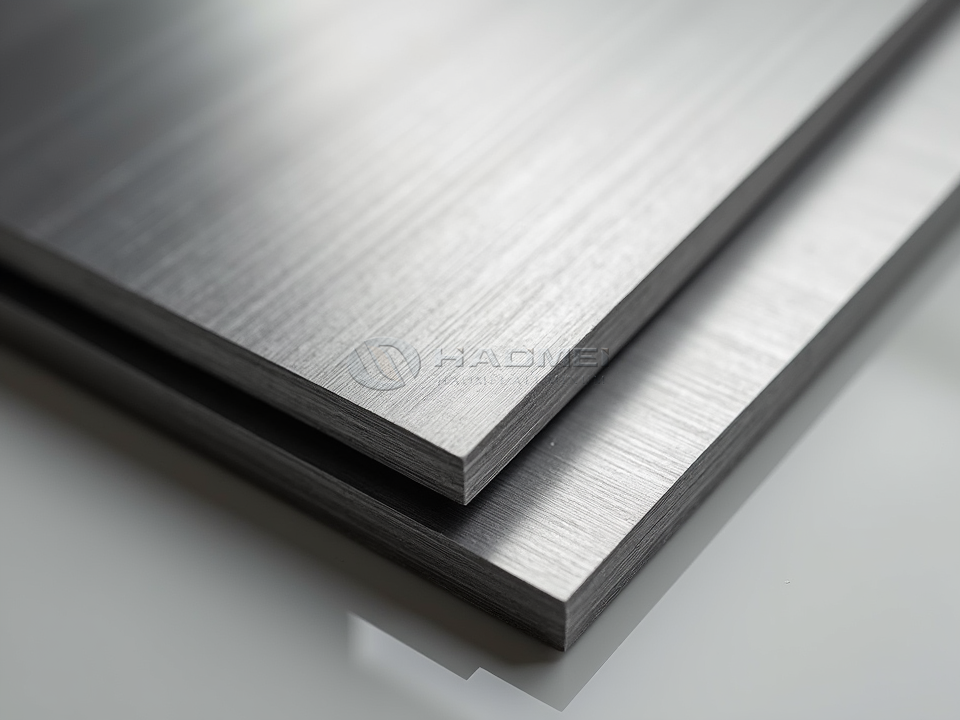
The decorative face gets attention, but the alloy determines how comfortably the sheet can be fabricated. For relatively flat decorative panels, 1060 and 1100 aluminum are common choices because they are soft, easy to form, and suitable for general interior applications. They work well for light-duty cladding, signs, trim, and cabinet surfaces when substantial structural strength is not required.
For areas exposed to more demanding fabrication or moisture, 5052 aluminum is often the more dependable choice. It offers better strength and corrosion resistance than the softer commercial-purity grades. It can be appropriate for kitchen equipment surrounds, transport interiors, marine-adjacent fittings, and panels that require bending without sacrificing reliability.
A 5052 Brushed Aluminum Sheet is particularly useful when the design needs both a decorative linear finish and a more robust substrate. Before ordering, confirm the temper, thickness, bend radius, and whether the brushed finish will be on the outside or inside of the bend.
Thickness should match the panel's job. Thin sheets can be efficient for laminated boards, cabinet skins, and small formed parts, but they may show waviness if installed on an uneven backing. Thicker sheets provide a flatter visual result and greater dent resistance, especially for large wall panels or frequently touched public surfaces. Good support behind the sheet often matters as much as thickness itself.
Fabrication Details That Protect the Brushed Face
A brushed finish is directional, so fabrication teams should treat the grain as part of the drawing. Mark the required orientation on cutting plans, nesting files, and panel labels. This simple step prevents mismatched sections around doors, corners, and joined cladding areas.
Protective film should remain on the surface through cutting, bending, transport, and installation whenever possible. Remove it only after nearby trades have finished dusty or abrasive work. Film is useful, but it is not permanent protection. Leaving it on too long, especially in heat or direct sunlight, can make removal difficult or leave adhesive residue.
For cutting, clean tools and a controlled feed help limit burrs. For bending, use a suitable inside radius and test a sample first. Tight bends can stretch the finish at the outer corner, particularly with dark coatings or highly visible decorative faces. If exposed edges are part of the design, ask for a deburred or edge-finished condition rather than assuming a cut edge will be ready for display.
Adhesive bonding is common for decorative cladding, but the adhesive must be compatible with aluminum and the backing material. Uneven adhesive coverage can telegraph through thin sheet as visible ripples. Mechanical fastening may be better for serviceable panels, though screw heads and rivets should be planned as intentional design elements rather than late additions.
Choosing a Color for Real Use
Champagne and soft gold brushed aluminum are forgiving choices for public interiors. Their warm, medium-value tones hide minor dust and light handling marks better than mirror finishes. Silver is clean and technical, pairing easily with stainless steel, glass, white cabinetry, and concrete. Black creates stronger contrast and frames adjacent materials effectively, especially with pale stone, wood veneer, or illuminated graphics.
For kitchen cabinets and appliance-facing panels, a brushed finish offers an advantage over highly polished metal: it reduces sharp glare and makes everyday smudges less distracting. In elevators, the linear texture adds visual interest while maintaining a durable, orderly appearance. In retail, it can guide attention toward merchandise without competing with it.
Care That Preserves the Directional Texture
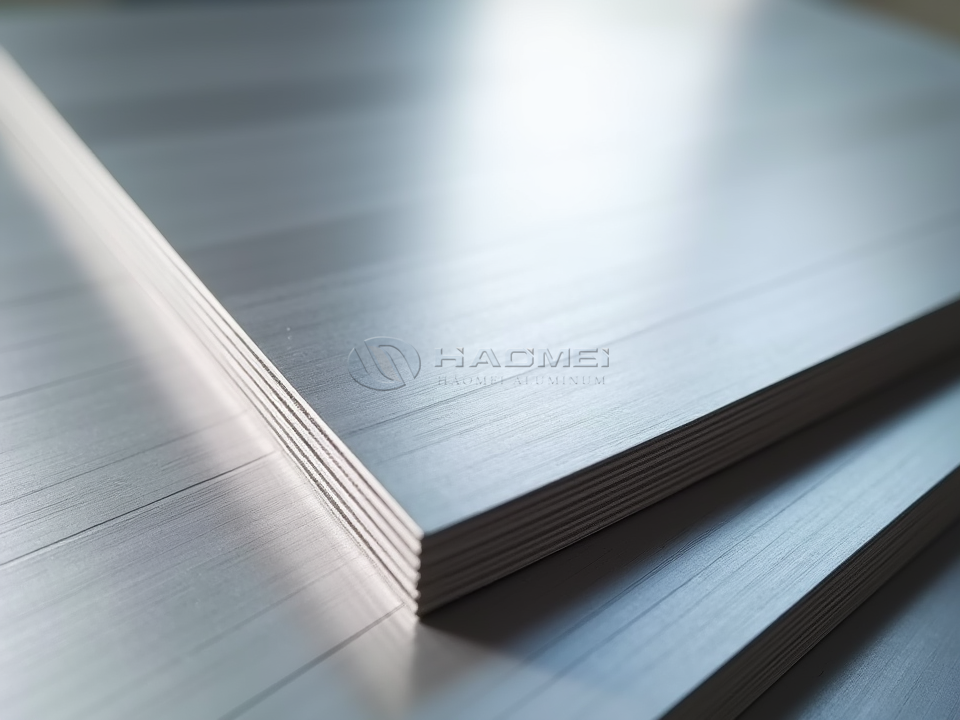
Routine cleaning is simple. Use a soft microfiber cloth with clean water or a mild, non-abrasive neutral cleaner. Wipe in the direction of the brush lines, then dry the surface to reduce streaks. Avoid steel wool, aggressive scouring pads, strong alkaline cleaners, and harsh solvents unless the finish provider confirms they are safe.
Colored brushed aluminum sheet metal performs best when its specification reflects the full journey from sample approval to installation. Confirm color tolerance, grain direction, alloy, thickness, finish method, protective film, panel size, and intended environment before production. When these details are aligned, the finished sheet does more than add color. It gives the space a controlled metallic presence that changes gently with every shift of light.