Brushed Aluminum Wall Panels Wholesale
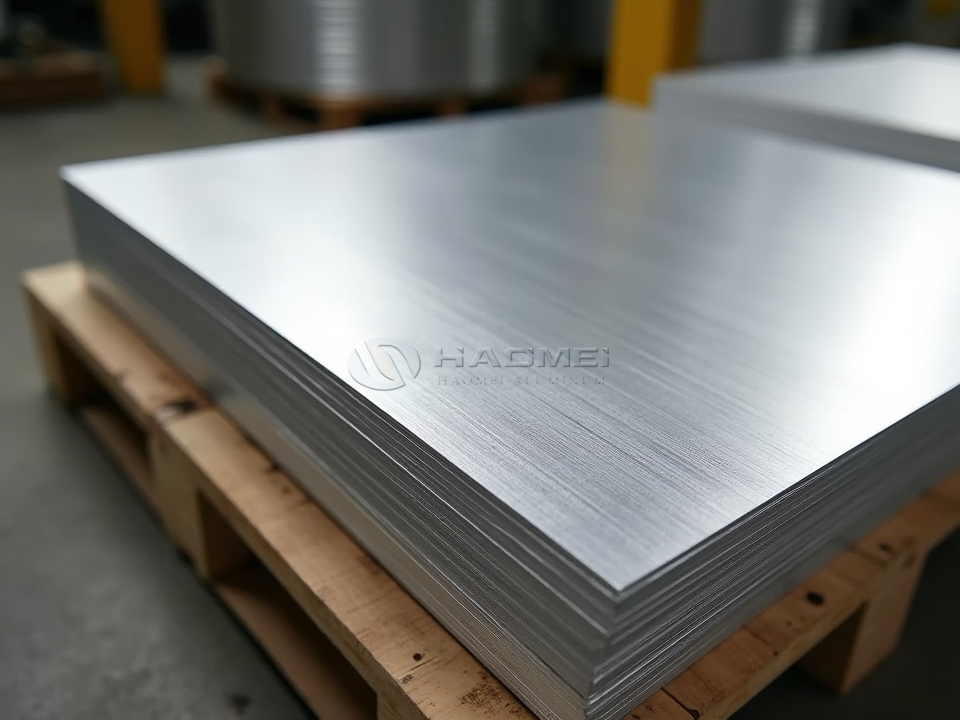
Brushed aluminum wall panels are more than decorative cladding. Their linear grain softens reflections, disguises everyday contact marks, and gives walls a precise architectural rhythm. For commercial interiors, elevators, retail displays, kitchens, corridors, and hospitality projects, the material creates a refined metal appearance without the weight and corrosion concerns associated with steel.
When purchasing brushed aluminum wall panels wholesale, buyers should evaluate the panel as a system rather than only a sheet with a visible finish. Alloy selection, temper, grain direction, coating, flatness, protective film, cutting method, and mounting structure all influence how the completed wall performs. Haomei Aluminum CO., LTD., Inc. can provide brushed aluminum materials in coil, sheet, cut-to-size blanks, and project-oriented panel formats.
Why the Brushed Finish Works on Walls
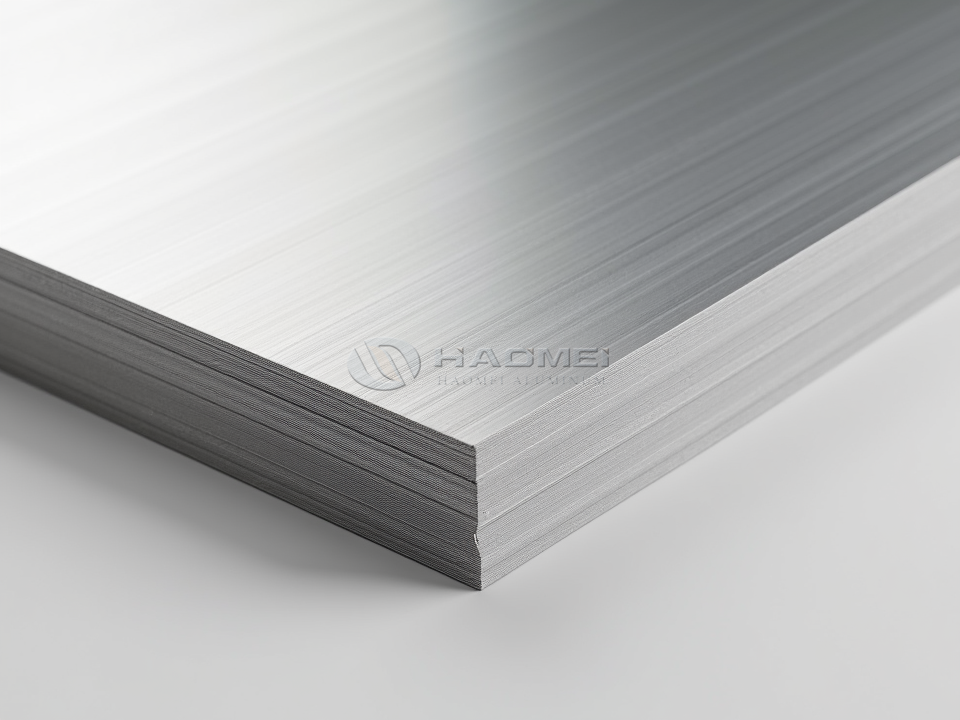
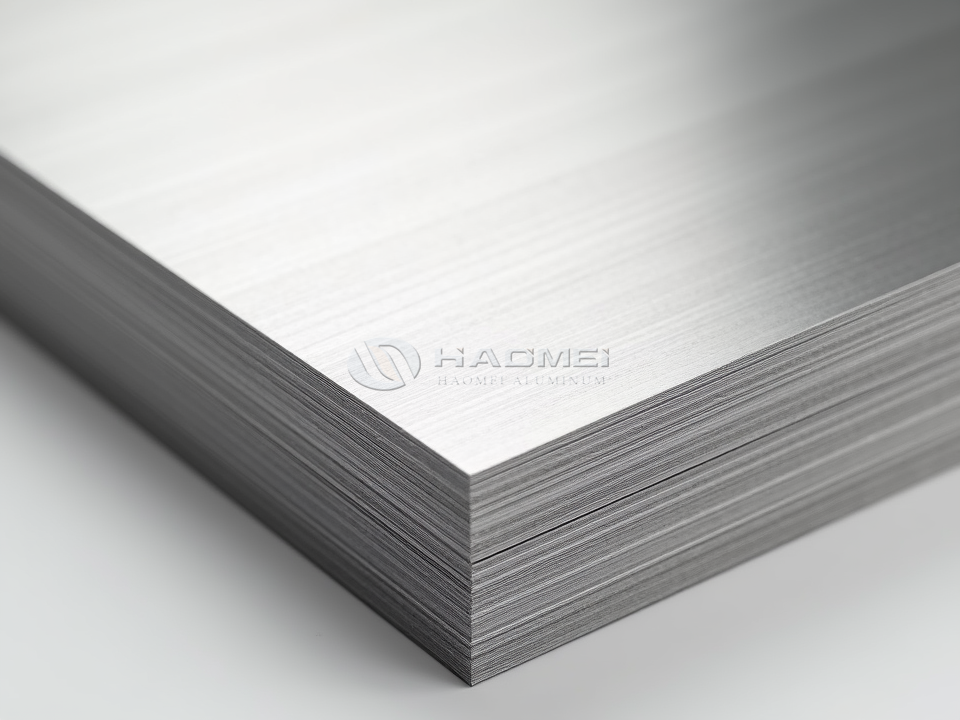
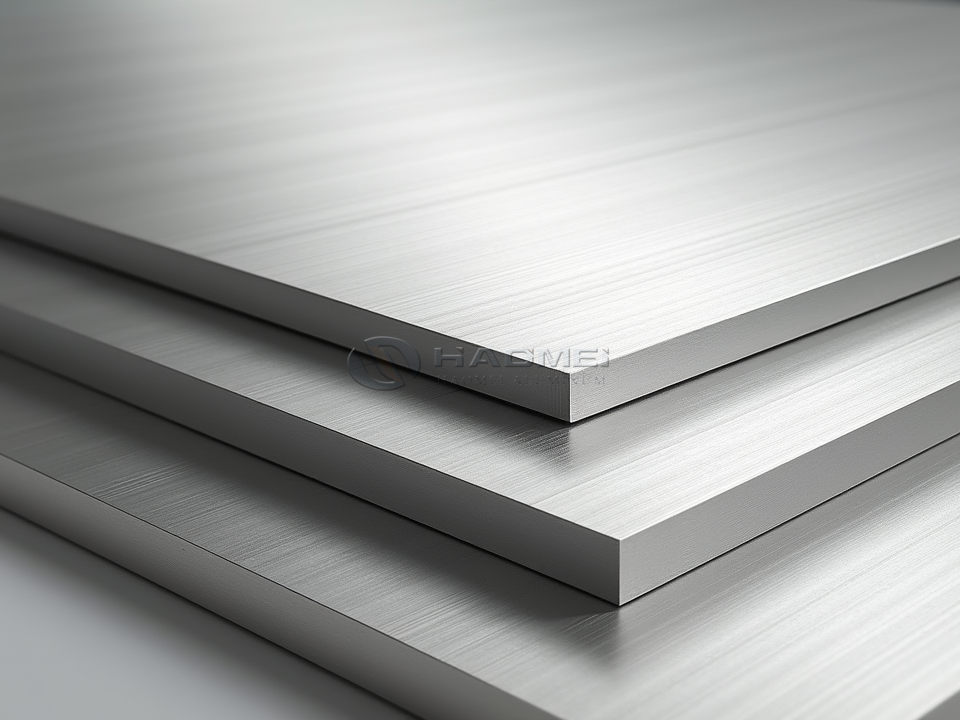
A brushed finish is produced by mechanically abrading the aluminum surface in a controlled direction. Fine abrasive belts, nylon wheels, or brushing rolls create consistent hairline or satin textures. Instead of a mirror-like reflection, the surface scatters light along the grain. This is especially valuable on large wall areas, where highly polished metal can reveal fingerprints, uneven lighting, and minor installation deviations.
The grain direction should be specified before fabrication. Vertical brushing can make a lobby wall feel taller, while horizontal brushing can visually widen a corridor or cabinet elevation. Mixing directions among adjacent panels often looks accidental unless it is intentionally part of the design. For long runs, material should preferably come from the same production batch to maintain brush density, gloss, and color consistency.
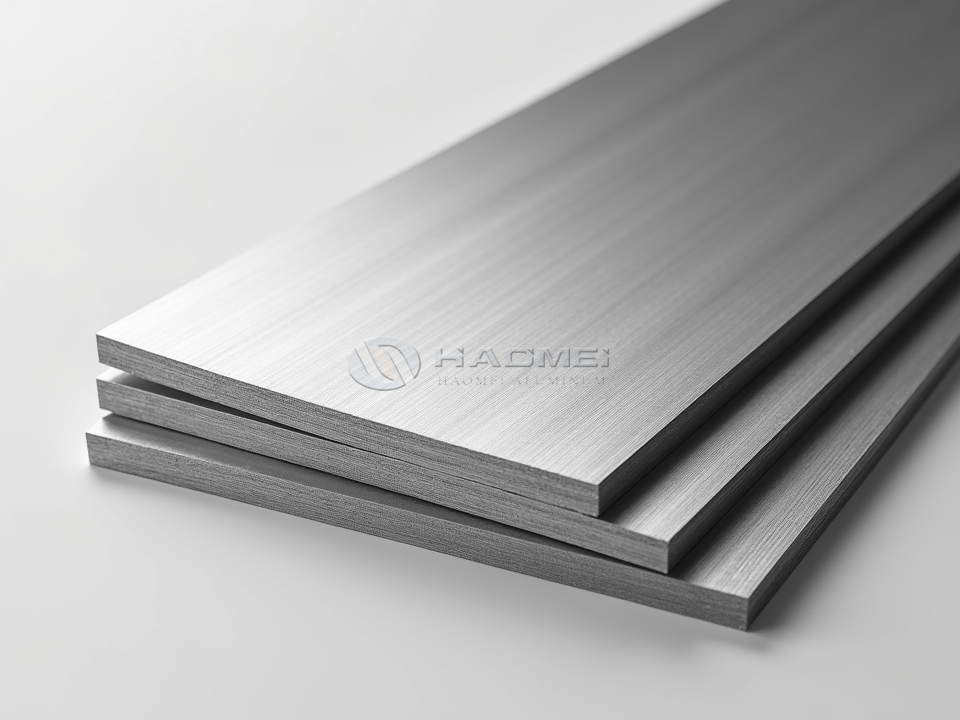
For projects seeking a natural metallic appearance, a standard Brushed Aluminum Sheet provides an efficient foundation for folding, laminating, bonding, or direct wall-panel fabrication. Colored anodized or coated finishes extend the design range while retaining the directional texture.
Typical Wholesale Panel Parameters
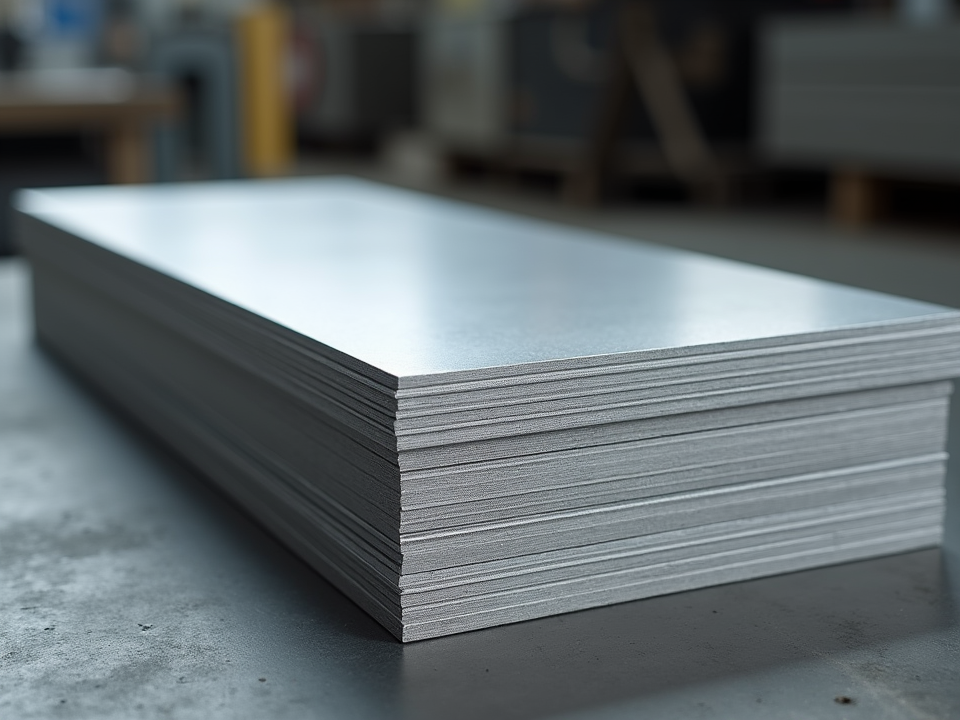
Brushed aluminum wall panels may be supplied as solid aluminum sheets, composite panels, honeycomb-backed panels, or fabricated cassette panels. Solid sheet is practical for smaller decorative elements, while thicker or reinforced systems are more appropriate for broad wall faces where flatness matters.
| Parameter | Common Specification Range | Project Consideration |
|---|---|---|
| Alloy | 1060, 1100, 3003, 5052 | Select according to formability, strength, and environment |
| Thickness | 0.5-3.0 mm solid sheet | 1.0-2.0 mm is common for interior fabricated panels |
| Width | 1,000-1,600 mm | Depends on mill capability and transport limits |
| Length | 2,000-6,000 mm or custom | Longer panels need careful handling and support |
| Brushed grain | Hairline, satin, long grain, short grain | Agree on sample and grain direction |
| Surface treatment | Mill brushed, anodized, PVDF, PE coating | Match durability to location and cleaning exposure |
| Protective film | PE, laser film, low-tack film | Film must be removed promptly after installation |
| Flatness | By agreed tolerance and panel design | Backing systems improve large-format appearance |
A thickness choice should not be based solely on visual preference. A thin 0.8 mm sheet can perform well when laminated to a rigid substrate. A freestanding folded panel may require 1.5 mm or 2.0 mm material, return bends, stiffeners, or honeycomb reinforcement. The final decision depends on panel size, fixing spacing, substrate condition, expected impact, and acceptable deflection.
Alloy and Temper Selection for Wall Cladding
Alloy 1060 and 1100 are commercially pure aluminum grades. They brush cleanly, form easily, and suit dry indoor decorative walls. Their lower strength means that wide unsupported panels require reinforcement.
Alloy 3003 contains manganese and offers improved strength while preserving good forming behavior. It is often chosen for folded interior panels, column covers, and decorative skins where modest rigidity is needed.
Alloy 5052 is a magnesium-containing grade with higher strength and stronger corrosion resistance. It is well suited for humid spaces, coastal interiors, food-service zones, transport environments, and panels with demanding bends. For applications needing a durable alloy beneath the decorative surface, 5052 Brushed Aluminum Sheet is a dependable material option.
| Alloy | Typical Temper | Characteristics | Suitable Wall Uses |
|---|---|---|---|
| 1060 | H14, H24 | Excellent formability, bright metallic surface | Interior feature walls, signage, trims |
| 1100 | H14, H24 | Soft, workable, good corrosion resistance | Decorative panels, cabinet faces |
| 3003 | H14, H24 | Better strength than pure aluminum | Folded panels, column wraps, retail interiors |
| 5052 | H32, H34 | Higher strength and moisture resistance | Kitchens, elevators, humid or coastal projects |
Temper designations describe the material condition. H14 is strain hardened to a half-hard state and is widely used when easy bending is required. H24 combines strain hardening with partial annealing, offering a balanced response during fabrication. H32 and H34 in 5052 deliver higher strength for panels that need greater dent resistance. Tight-radius bending should always be reviewed against sheet thickness, alloy, temper, bend direction, and finish requirements.
Chemical Composition Reference
The chemistry of the aluminum alloy influences strength, corrosion behavior, forming response, and brushing characteristics. Values shown are typical maximum limits or standard ranges in percent by mass. Purchase specifications should confirm the governing standard and mill certificate requirements.
| Alloy | Si | Fe | Cu | Mn | Mg | Zn | Ti | Al |
|---|---|---|---|---|---|---|---|---|
| 1060 | 0.25 | 0.35 | 0.05 | 0.03 | 0.03 | 0.05 | 0.03 | 99.60 min |
| 1100 | Si+Fe 0.95 | - | 0.05-0.20 | 0.05 | - | 0.10 | - | 99.00 min |
| 3003 | 0.60 | 0.70 | 0.05-0.20 | 1.0-1.5 | - | 0.10 | - | Balance |
| 5052 | 0.25 | 0.40 | 0.10 | 0.10 | 2.2-2.8 | 0.10 | - | Balance |
Standards, Inspection, and Surface Acceptance
Wholesale brushed aluminum wall panels are commonly supplied with reference to ASTM B209 for aluminum sheet and plate, EN 485 for rolled aluminum products, or GB/T 3880 where requested. Anodized architectural finishes may be evaluated against AAMA 611 or relevant regional anodizing standards. Coated products can be specified according to coating performance standards such as AAMA 2603, AAMA 2604, or AAMA 2605, depending on exposure and coating type.
Because brushing is visual as well as technical, written standards alone do not define every acceptable detail. A retained approval sample is valuable for confirming grain fineness, gloss, color, allowable roller marks, protective-film quality, and viewing distance. Inspection should occur under consistent lighting, with panels viewed at a practical installation distance rather than under extreme close-up scrutiny.
Fabrication and Installation Details That Protect the Finish
Brushed surfaces are directional, so fabrication teams should mark the grain orientation on every cut blank before bending or routing. Laser cutting, CNC routing, shearing, and punching are all possible, but tools must be clean to avoid scratches and embedded contaminants. Burrs should be removed carefully without crossing the visible grain.
For adhesive installation, use a clean, dry, stable substrate and an adhesive compatible with aluminum and the backing material. For mechanical fixing, allow for aluminum thermal movement, especially on sunlit walls or semi-exterior façades. Concealed clips, cassette returns, Z-rails, and aluminum extrusions can produce a cleaner result than exposed screws. When dissimilar metals are present, isolate the aluminum from untreated steel or copper to reduce galvanic corrosion risk.
Cleaning is simple: use water, a neutral detergent, and a soft cloth moving with the grain. Avoid abrasive pads, chlorine-containing cleaners, strong alkaline solutions, and solvent testing without confirmation from the finish supplier. Remove protective film after installation rather than leaving it in place for extended periods, as adhesive transfer can become difficult to remove.
Buying Wholesale With Better Project Control
A practical wholesale order should state alloy, temper, thickness, finished dimensions, brushing direction, color or anodizing requirement, coating thickness where relevant, protective film, quantity per size, packaging method, and certificate needs. It is also wise to request a sample panel before mass production when walls will be installed under prominent lighting.
Brushed aluminum wall panels bring together the calm visual character of a satin metal surface and the efficient fabrication advantages of aluminum sheet. With the correct alloy, temper, finishing agreement, and mounting design, they deliver a durable wall solution that remains polished in appearance without feeling overly glossy or fragile.