Scratch Resistant Brushed Aluminum
Scratch resistant brushed aluminum is not simply aluminum with decorative lines. It is a carefully balanced surface system where alloy selection, mechanical brushing, temper, anodizing, and protective film work together. Its appeal comes from a practical visual advantage: the linear grain diffuses small marks instead of reflecting them as sharply as a mirror-polished surface would.
For elevator panels, appliance trims, retail fixtures, interior wall cladding, cabinet faces, transportation components, and electronic enclosures, this finish delivers an industrial appearance that remains composed after frequent handling. Rather than trying to make aluminum look untouched forever, brushed metal makes normal wear less visually disruptive.
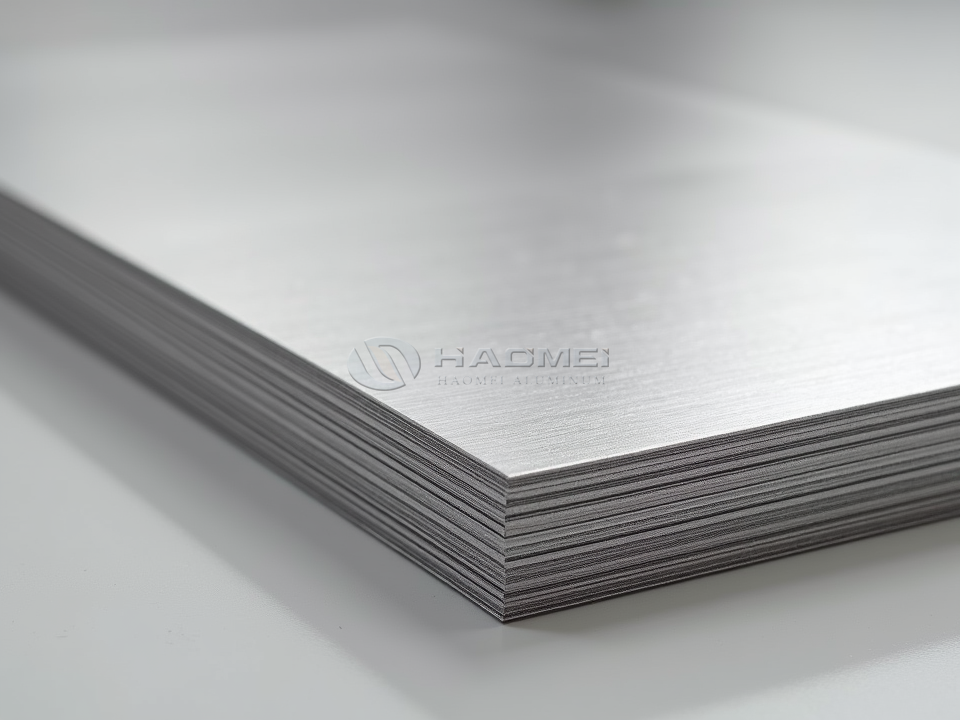
Why the Brushed Finish Handles Visible Wear Better
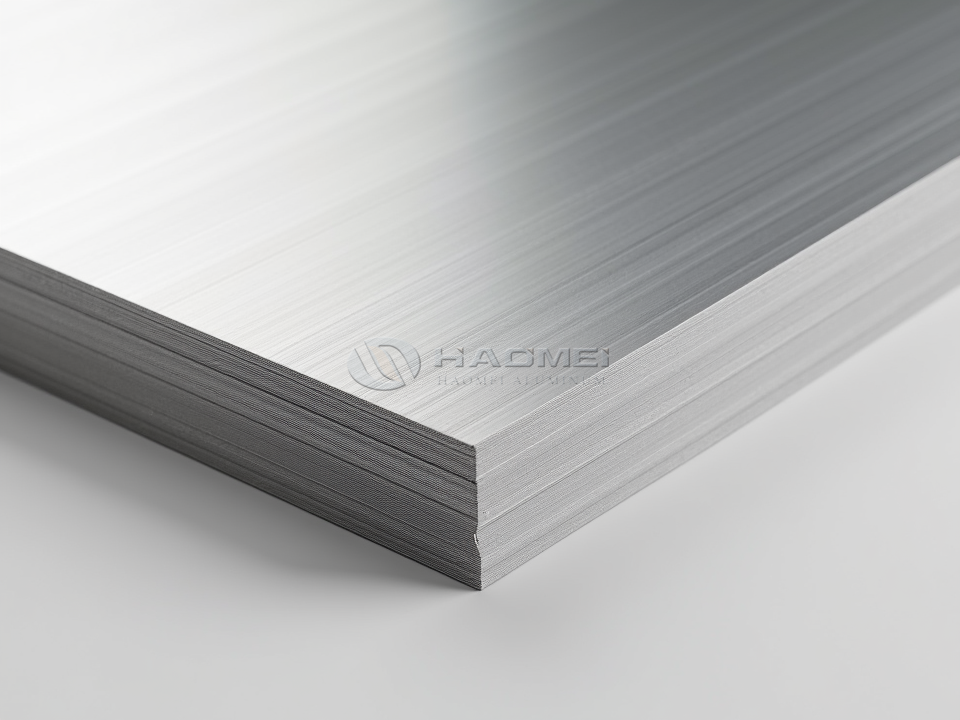
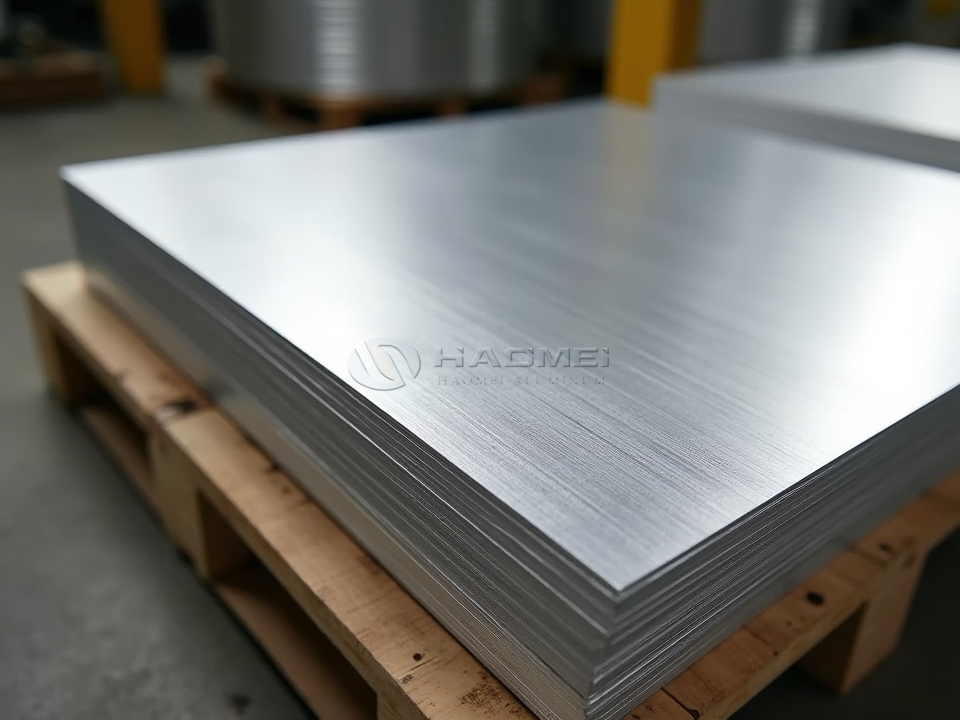
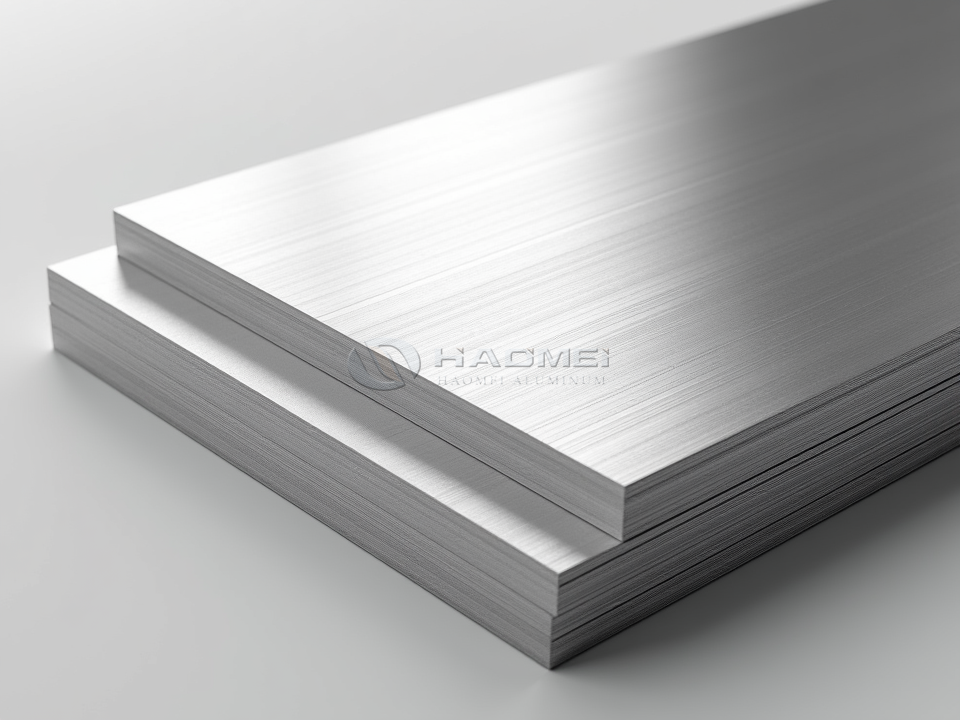
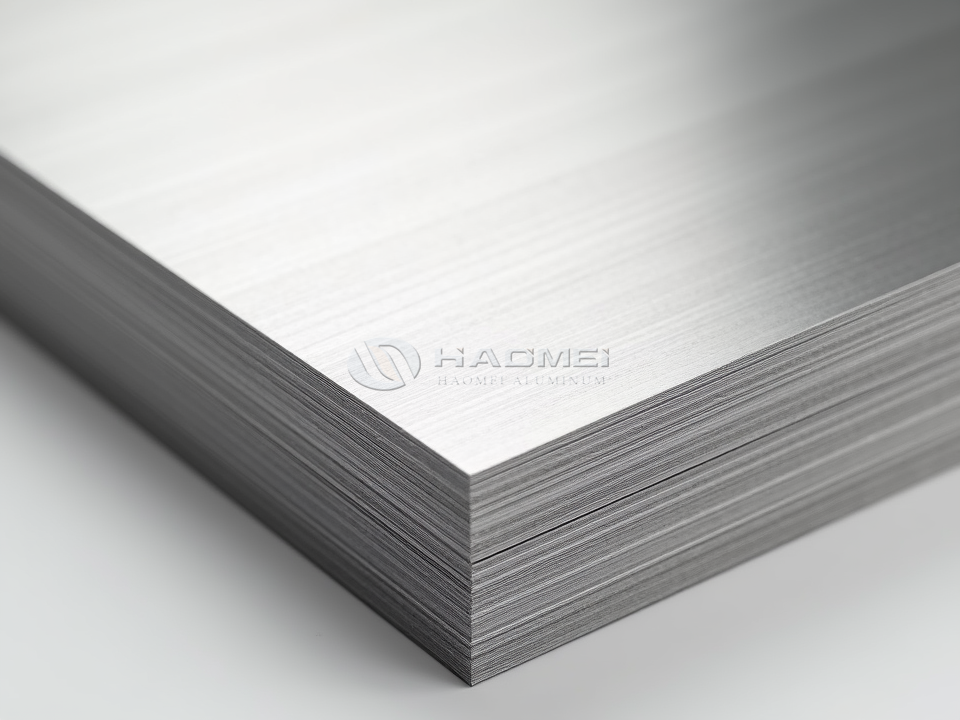
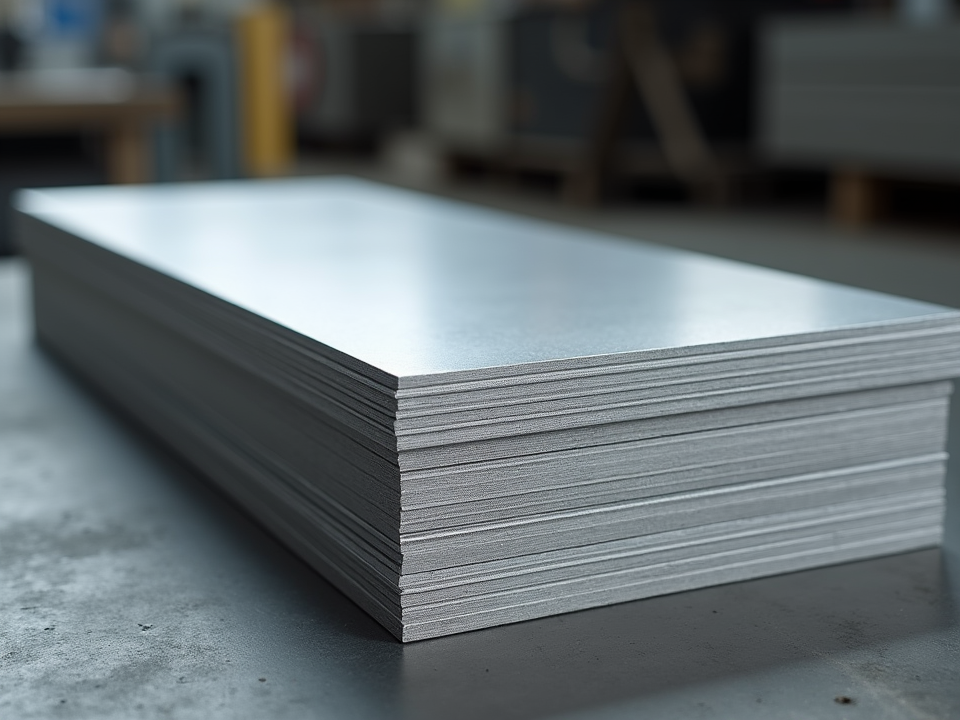
A brushed finish is made by passing aluminum sheet through abrasive belts, brushes, or non-woven wheels in a controlled direction. The process creates fine, continuous hairline grooves. These grooves catch and scatter light, producing a satin metallic appearance.
When a light scratch runs in the same direction as the grain, it can blend into the existing texture. A cross-grain scratch is still visible, but generally less severe than it would be on polished aluminum. This visual forgiveness is often what customers mean when they request scratch resistant brushed aluminum.
It is important to separate visual scratch resistance from true surface hardness. Bare aluminum is relatively soft. For demanding environments, the brushed sheet should receive anodizing, preferably a thicker architectural or hard-anodized oxide layer. The aluminum oxide created during anodizing is much harder than the base metal and improves resistance to abrasion, fingerprints, corrosion, and cleaning-related wear.
The Alloy Makes the Surface More Than Decoration
The most suitable alloy depends on whether the project values formability, corrosion resistance, flatness, or strength. Alloy 1060 is widely selected for decorative panels because it has high aluminum content, good ductility, and a clean brushing response. It is easy to bend and form, although it is softer than magnesium-containing alloys.
Alloy 5052 is often the stronger choice for scratch resistant brushed aluminum used in humid spaces, transportation interiors, marine-adjacent applications, and equipment covers. Its magnesium content improves strength and corrosion resistance while retaining good formability. It is especially effective when a brushed finish must survive fabrication before anodizing or coating.
For projects requiring a durable base material, 5052 Brushed Aluminum Sheet offers a practical balance of strength, corrosion performance, and refined hairline texture.
| Chemical Property | 1060 Aluminum Alloy, Typical Limit % | 5052 Aluminum Alloy, Typical Limit % |
|---|---|---|
| Aluminum, Al | 99.60 minimum | Balance |
| Magnesium, Mg | 0.05 maximum | 2.2-2.8 |
| Manganese, Mn | 0.05 maximum | 0.10 maximum |
| Silicon, Si | 0.25 maximum | 0.25 maximum |
| Iron, Fe | 0.35 maximum | 0.40 maximum |
| Copper, Cu | 0.05 maximum | 0.10 maximum |
| Chromium, Cr | - | 0.15-0.35 |
| Zinc, Zn | 0.05 maximum | 0.10 maximum |
| Titanium, Ti | 0.03 maximum | 0.10 maximum |
Chemical limits may vary slightly according to the governing specification, mill practice, and purchased standard. Material certificates should be reviewed when composition is critical to fabrication or compliance.
Temper Choices and Their Effect on Fabrication
Temper describes the condition created by annealing, strain hardening, or stabilization. It affects bending behavior, panel rigidity, and the risk of surface distortion during fabrication.
| Alloy | Common Tempers | Suitable Use |
|---|---|---|
| 1060 | O, H14, H24 | Deep forming, decorative trim, light-duty panels |
| 5052 | H32, H34, H36 | Wall panels, equipment covers, transport trim, formed parts |
| 5052 | O | Tight-radius bending and complex shaping before finishing |
Temper O is soft and highly formable, but it can dent more easily during handling. H14 and H24 provide moderate strength for general decorative sheet. H32 and H34 are common for 5052 because they bring higher stiffness without making ordinary bending impractical. When a panel will be folded, punched, or roll formed, the fabricator should confirm grain direction and minimum bend radius before production.
Surface Construction for Better Scratch Resistance
The most durable specification usually combines a hairline brush with anodizing. Mechanical brushing is completed first, followed by cleaning, etching, anodizing, optional coloring, sealing, and protective film application. The oxide layer follows the brushed texture, preserving the directional metallic character rather than covering it with an opaque finish.
Clear anodizing is popular where the natural silver tone is desired. Black, champagne, gold, and bronze tones can be produced through electrocoloring, dyeing, or advanced coating systems. Color consistency should be checked against approved samples because alloy, brushing density, anodizing parameters, and batch variation all influence the final shade.
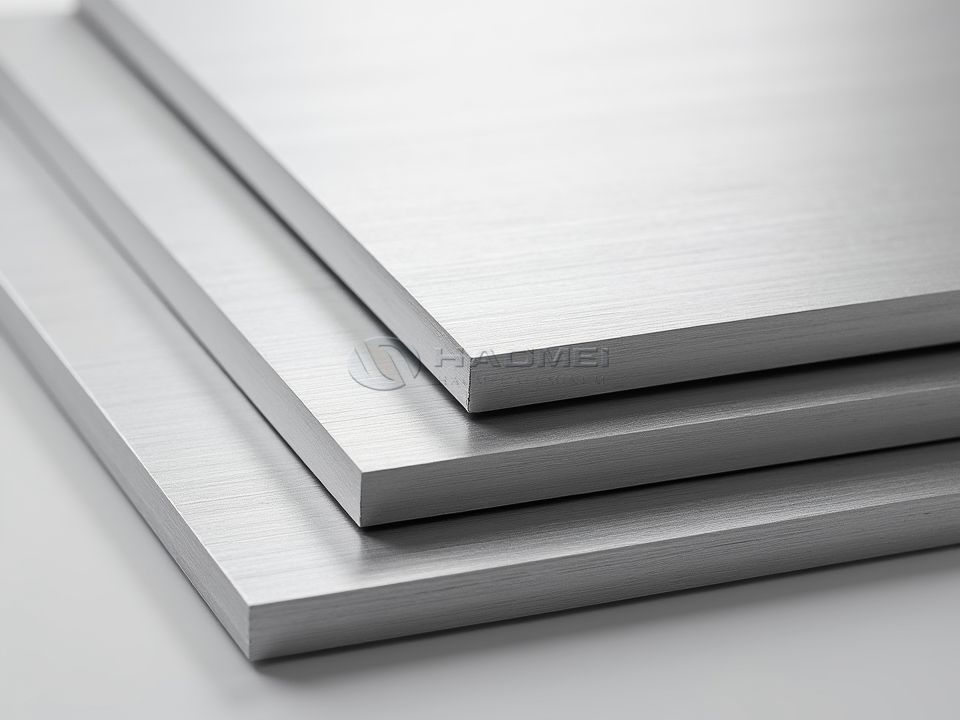
Typical decorative anodic coatings are often specified around 10-15 microns for interior use. Architectural exterior environments may require approximately 15-25 microns, depending on climate and project rules. Hard anodizing can be substantially thicker, commonly 25 microns or more, but it may alter color, reflectivity, and surface feel. A thicker coating is not automatically better for every design; the correct choice depends on abrasion exposure, corrosion conditions, and appearance expectations.
Common Technical Parameters
| Parameter | Typical Range or Option |
|---|---|
| Alloy | 1060, 3003, 5052, 6061 by application |
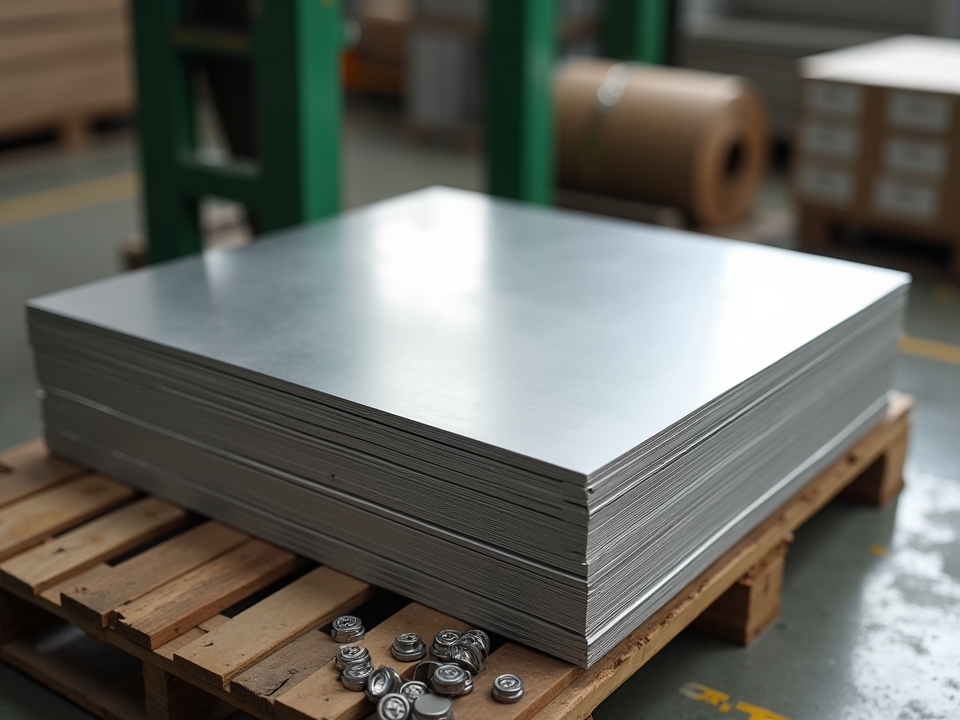
| Thickness | 0.3 mm to 6.0 mm commonly available |
| Width | Up to 1,500 mm, subject to alloy and finish line capability |
| Length | Coil, standard sheets, or cut-to-length panels |
| Brush pattern | Hairline, short grain, long grain, circular, cross hairline |
| Surface treatment | Bare brushed, clear anodized, colored anodized, lacquered |
| Anodic film thickness | Approximately 10-25 microns for decorative and architectural work |
| Protective film | PE, laser film, PVC, or customized masking film |
| Direction | Longitudinal or transverse grain, specified before cutting |
Industry references frequently used for aluminum sheet include ASTM B209 for aluminum and aluminum-alloy sheet and plate, EN 485 for tolerances and mechanical properties, and EN 573 for chemical composition designations. Anodized finishes may be evaluated with standards such as ISO 7599, AAMA 611, or project-specific architectural requirements. Buyers should state the standard, alloy, temper, thickness tolerance, anodic film requirement, and visual acceptance criteria on the purchase order.
Choosing the Right Finish for the Job
A brushed panel performs best when its grain direction supports the intended design. Vertical grain can make doors and wall panels feel taller, while horizontal grain can visually widen appliance fronts and cabinet faces. Adjacent panels should maintain the same grain orientation, particularly under directional lighting where mismatched brushing becomes obvious.
For silver-toned projects, Silver Brushed Aluminum Sheet provides a clean, contemporary appearance that works well with glass, stone, stainless steel, and painted surfaces. For public touchpoints, specify anodizing and a protective film that remains in place through fabrication and installation.
Scratch resistant brushed aluminum should also be cleaned correctly. Use water, mild detergent, and a soft microfiber cloth. Avoid steel wool, aggressive scouring pads, strong alkaline cleaners, and abrasive powders. These materials can cut across the grain, damage sealing, or create uneven gloss.
The strongest specification is not merely "brushed aluminum." It is a defined combination of alloy, temper, hairline direction, coating thickness, tolerance, and inspection standard. With those details controlled, brushed aluminum becomes a surface that carries daily use with confidence while maintaining the calm, precise character that designers expect.