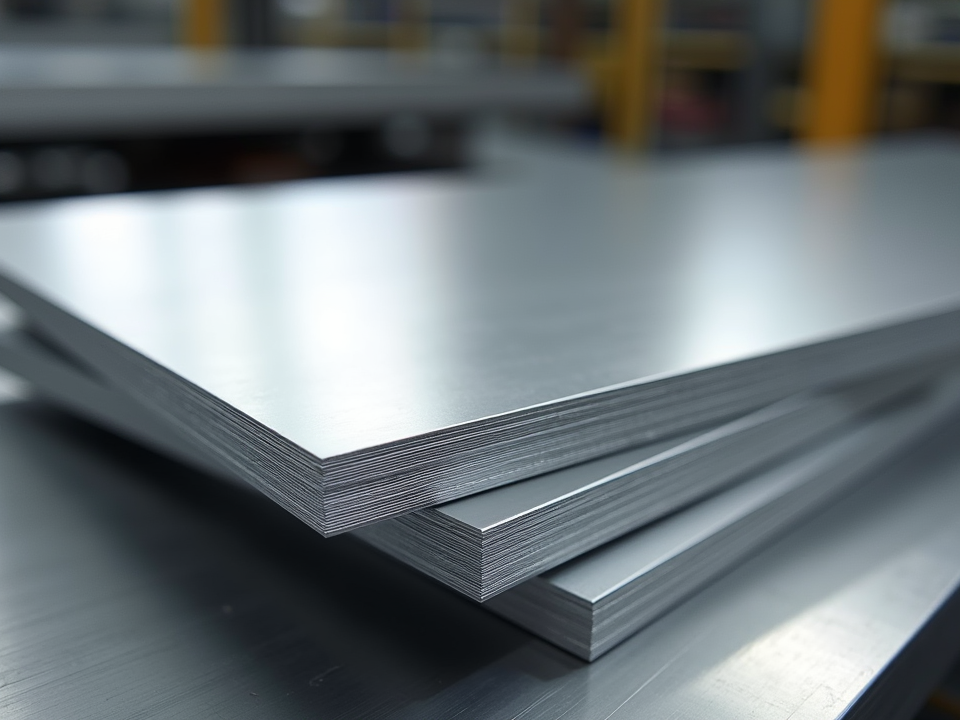
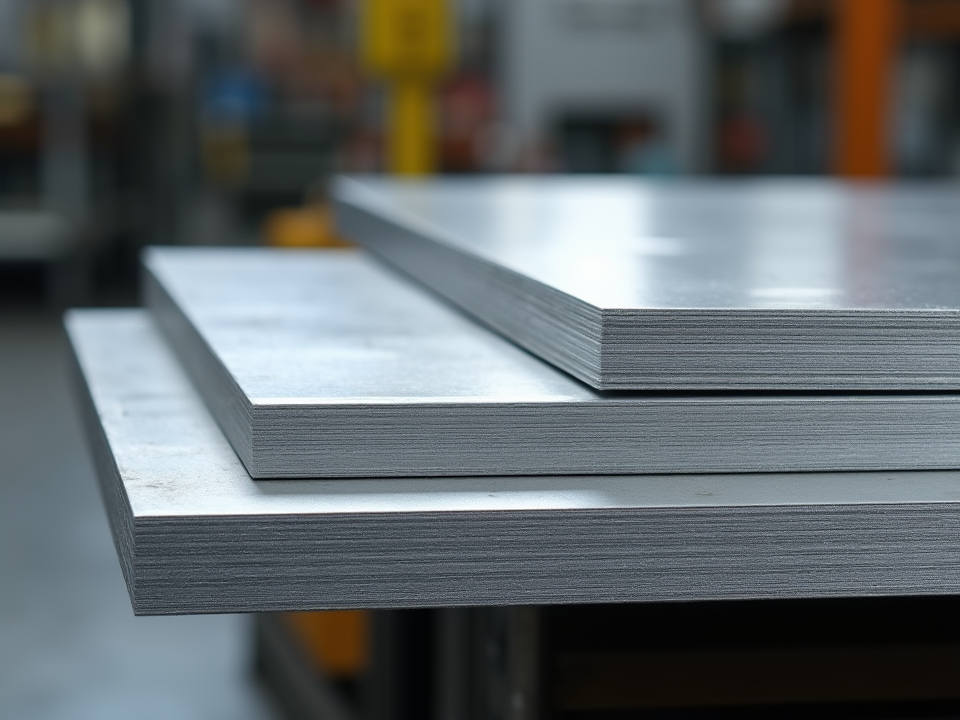
Tear Drop Pattern Aluminum Plate
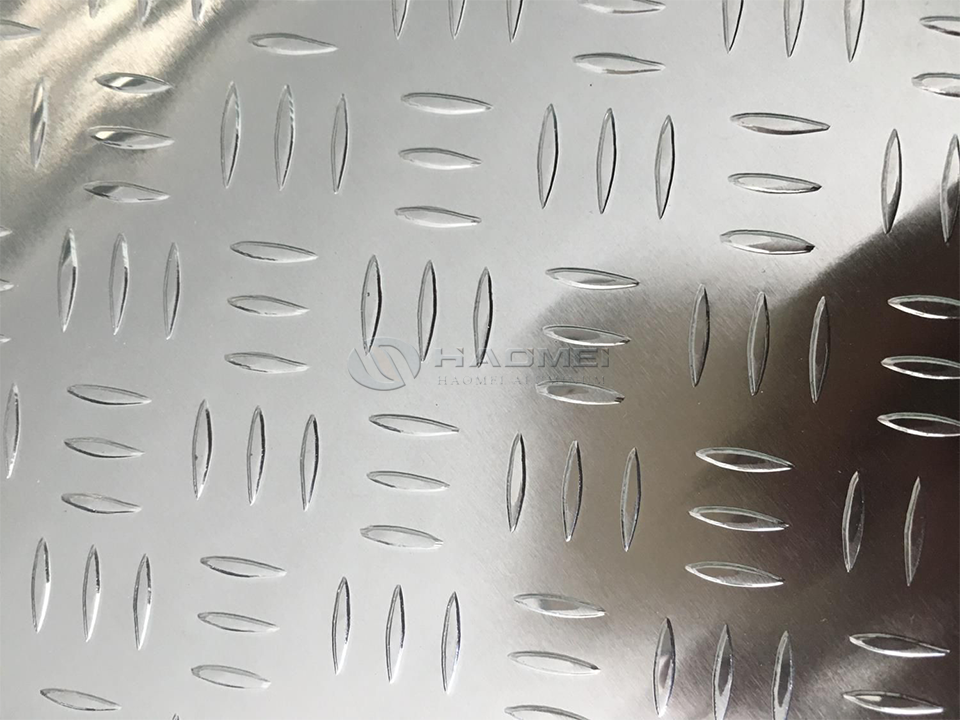
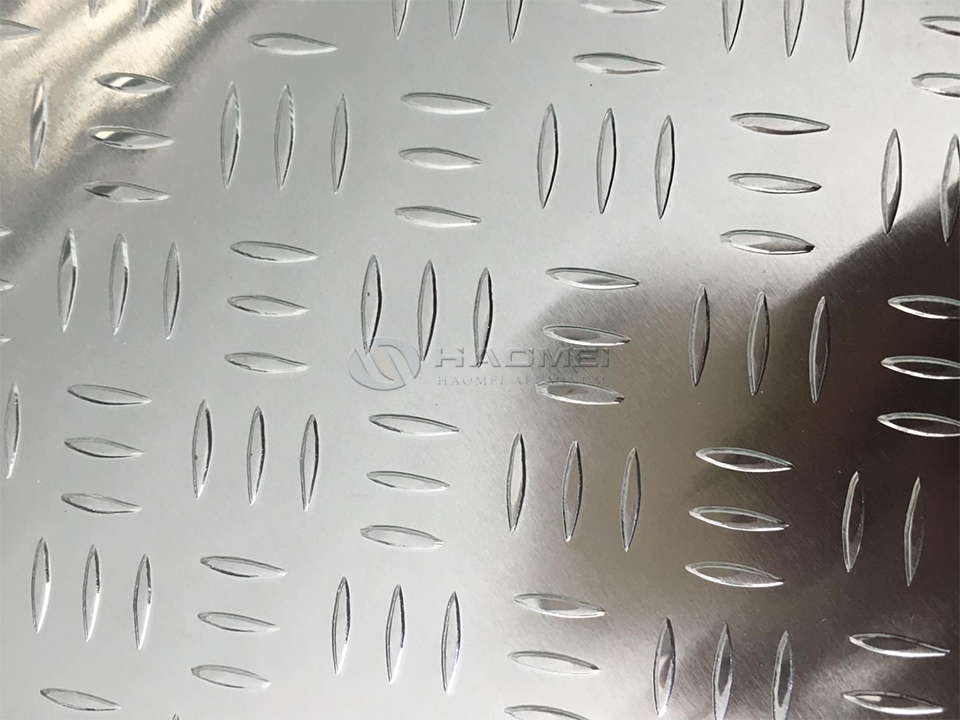
Tear drop pattern aluminum plate is a practical tread material designed for surfaces where traction, low weight, and corrosion resistance are needed at the same time. Its raised teardrop-shaped projections create a textured walking surface that improves shoe and wheel grip while giving equipment, vehicles, and work areas a clean metallic finish.
Often called tear drop tread plate, this product combines an aluminum base sheet with a rolled embossed pattern. The result is lighter than steel tread plate, easy to fabricate, and naturally protected by aluminum's oxide film. It is widely used for truck floors, access platforms, stairs, toolboxes, trailers, marine decks, protective wall panels, and industrial flooring.
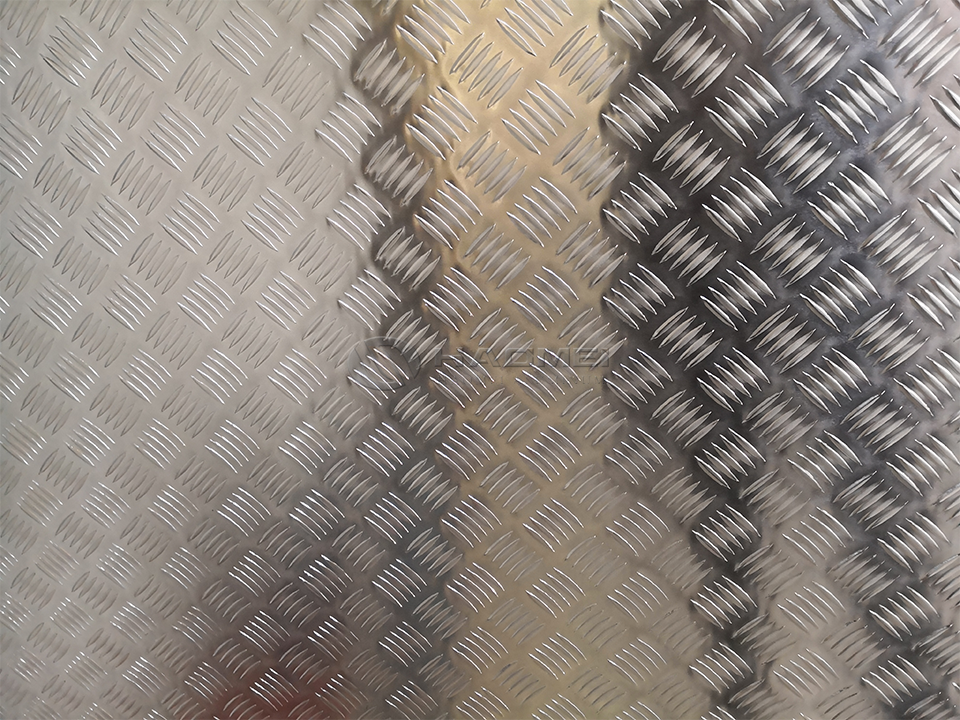
Pattern Design and Surface Performance
The tear drop pattern consists of regularly spaced raised ribs resembling small droplets. These projections interrupt smooth contact between footwear or tires and the metal surface, helping reduce slipping in dry, wet, or lightly oily working conditions. The pattern also helps disguise minor dents, scratches, and handling marks that would be more visible on plain aluminum sheet.
Compared with a flat aluminum plate, a tear drop surface offers improved functional grip without requiring a heavy coating or abrasive treatment. Unlike steel checker plate, it does not need routine painting to resist normal atmospheric corrosion. This makes it particularly attractive for mobile equipment and outdoor installations where every kilogram matters.
The pattern direction can also be selected with installation in mind. On ramps, the raised features are commonly oriented across the travel direction to support traction. For wall cladding, cabinet faces, and decorative protection panels, direction is often chosen for visual consistency and ease of drainage.
Common Specifications
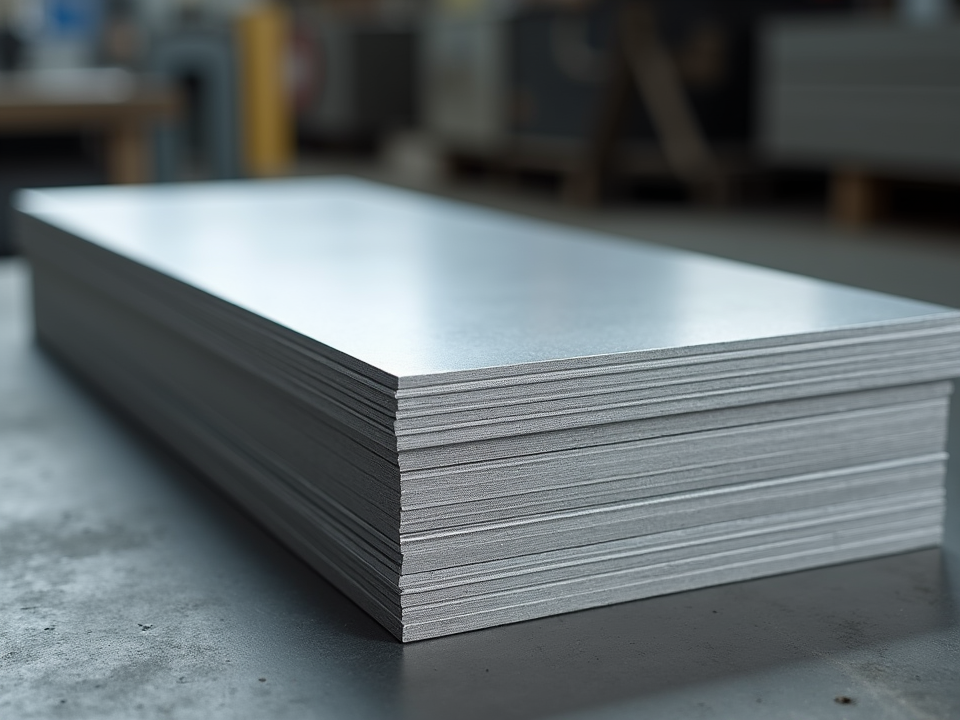
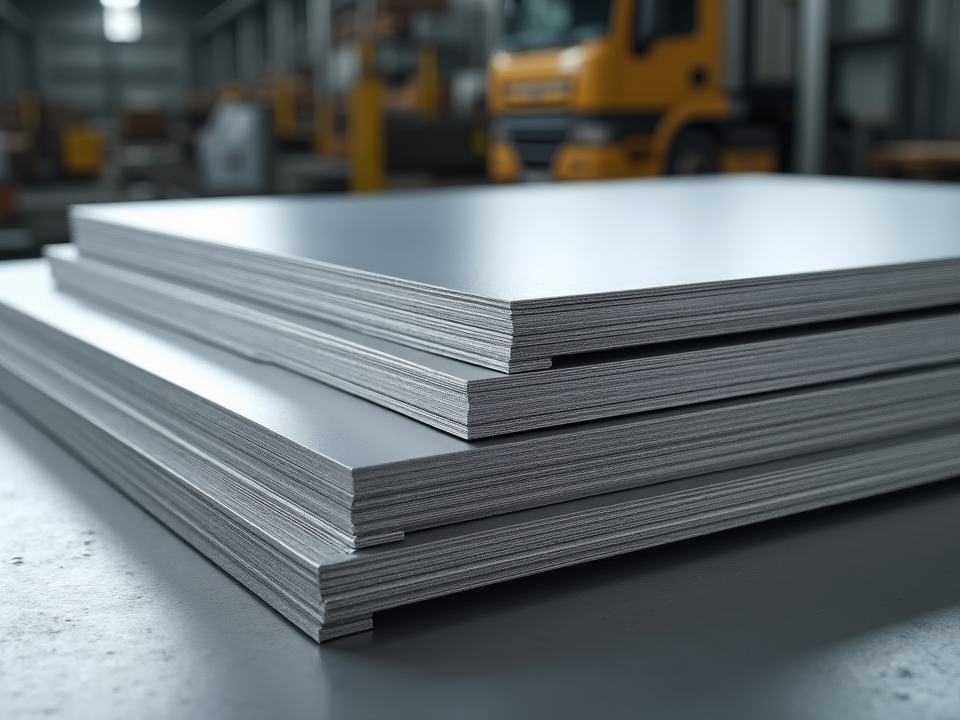
Tear drop pattern aluminum plate is normally supplied in sheets, coils, or cut-to-size blanks. Dimensions, alloy, temper, and raised-pattern height can be tailored to the intended load and fabrication process.
| Parameter | Typical Range or Option |
|---|---|
| Base metal thickness | 1.0 mm to 6.0 mm, heavier gauges available by request |
| Total thickness | Base thickness plus raised tear drop pattern |
| Standard width | 1,000 mm, 1,220 mm, 1,250 mm, 1,500 mm |
| Standard length | 2,000 mm, 2,440 mm, 3,000 mm, 6,000 mm |
| Supply form | Sheet, coil, strip, cut blank |
| Surface | Mill finish, bright finish, brushed, anodized, painted |
| Pattern style | Tear drop, lentil, one-bar or multi-rib embossed tread |
| Protective film | PVC film available for cosmetic-facing surfaces |
When specifying thickness, buyers should distinguish between base thickness and total thickness. Base thickness determines much of the sheet's bending strength and load performance, while the raised pattern adds surface profile and a small increase in overall gauge. For flooring and vehicle applications, structural support spacing must be considered rather than selecting material by pattern appearance alone.
Alloy Choices and Chemical Composition
The most suitable alloy depends on whether corrosion resistance, formability, strength, or weldability is the priority. Commercially pure 1050 and 1060 aluminum offer excellent forming behavior and reflectivity. Alloy 3003 is a common choice for general tread applications because manganese improves strength while retaining good workability. For wet, marine, and more demanding environments, 5052 or 5754 provides stronger corrosion resistance and higher mechanical performance.
| Alloy | Main Alloying Elements, Typical % | Practical Characteristics |
|---|---|---|
| 1050 | Al 99.5 min; Si + Fe up to 0.40 | Soft, highly formable, corrosion resistant |
| 1060 | Al 99.6 min; Si + Fe up to 0.35 | Good conductivity, easy forming, bright surface potential |
| 3003 | Mn 1.0-1.5; Cu up to 0.20 | General-purpose strength and good corrosion resistance |
| 5052 | Mg 2.2-2.8; Cr 0.15-0.35 | Stronger, highly weldable, suited to marine exposure |
| 5754 | Mg 2.6-3.6; Mn up to 0.50 | Excellent seawater resistance and durable floor performance |
Chemical limits vary by applicable standard, mill practice, and temper. Material certificates should be requested where traceability, regulated service, or engineering approval is required.
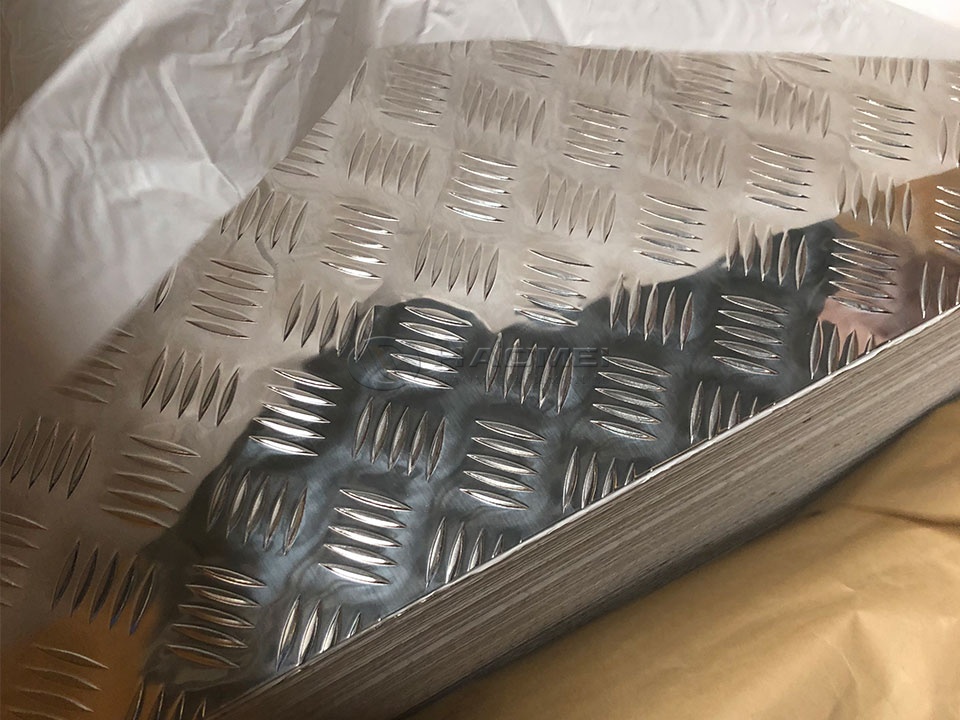
Mechanical Properties and Fabrication
Tear drop aluminum plate is easy to cut, drill, punch, bend, rivet, and weld using established aluminum fabrication methods. The embossed face should be protected during handling if appearance is important. A flat lower face generally makes bonding and fastening easier, while the raised face remains exposed for grip.
| Alloy and Temper | Tensile Strength, Typical | Yield Strength, Typical | Forming Suitability |
|---|---|---|---|
| 1050 H14 | 85-115 MPa | 65 MPa min | Excellent |
| 1060 H24 | 95-135 MPa | 75 MPa min | Very good |
| 3003 H22/H24 | 110-150 MPa | 85 MPa min | Good |
| 5052 H32 | 195-245 MPa | 130 MPa min | Moderate to good |
| 5754 H22/H32 | 160-250 MPa | 80-180 MPa | Good |
For bending, use a generous inside radius, especially with harder tempers and thicker plate. The bend line should be planned to avoid excessive distortion of the raised pattern. MIG and TIG welding are both suitable for 5xxx alloys, while fasteners or adhesive bonding may be preferred when a clean visible face is needed.
For projects requiring a broader range of textured finishes, Embossed Aluminum Sheet can provide alternatives for protective cladding, appliance panels, insulation jackets, and decorative metalwork.
Applications Across Industry
In transportation, tear drop pattern aluminum plate is used for truck beds, trailer decks, van interiors, loading ramps, running boards, steps, mudguard panels, and service vehicle floors. Its light weight can help reduce vehicle mass while maintaining a tough, washable surface.
In industrial facilities, it serves as a covering for walkways, machine platforms, maintenance steps, access ladders, and equipment guards. It is especially effective in areas where ordinary painted steel would require repeated coating repairs.
Marine users value 5052 and 5754 tear drop plate for boat decks, gangways, dock access panels, engine-room walkways, and storage compartments. The material resists humid and salty conditions far better than untreated carbon steel, although isolated contact with dissimilar metals should be managed to reduce galvanic corrosion.
Architectural and commercial uses include stair treads, elevator protection panels, shopfitting, wall guards, garage interiors, display fixtures, and toolbox skins. Its patterned face brings an industrial visual character while hiding daily wear.
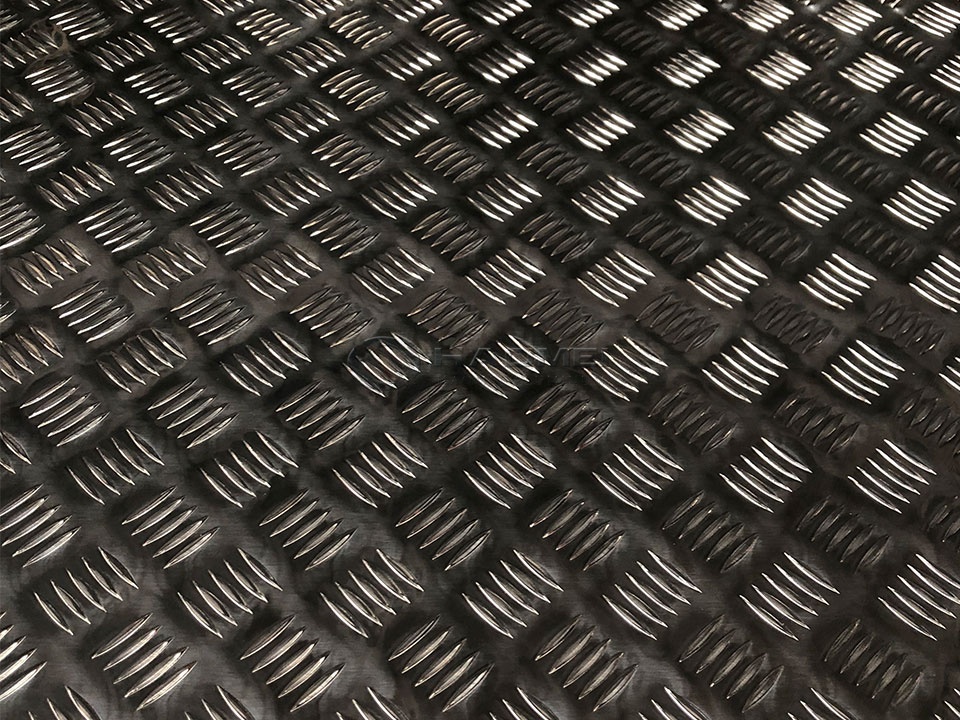
For a more pronounced multi-rib traction style, Five Bar Aluminum Tread Plate is often selected for heavy-duty access routes, vehicle flooring, and equipment platforms.
Selection and Care
Choose 1050, 1060, or 3003 when economical fabrication and moderate-duty service are the main concerns. Choose 5052 or 5754 for higher-strength panels, welded constructions, coastal sites, and regularly wet environments. Consider the support frame, span, expected point load, traffic type, and fastening method before deciding on thickness.
Routine care is simple. Wash the surface with clean water and a mild neutral detergent, then rinse away residues. Avoid aggressive alkaline cleaners, steel wool, and chloride-containing chemicals that can stain or attack aluminum. In areas exposed to oil or mud, scheduled cleaning preserves traction by keeping the raised tear drop pattern clear.
Tear drop pattern aluminum plate offers a strong balance of safety, durability, low maintenance, and visual appeal. With the right alloy and gauge, it becomes a dependable surface solution for demanding industrial, transport, marine, and commercial environments.