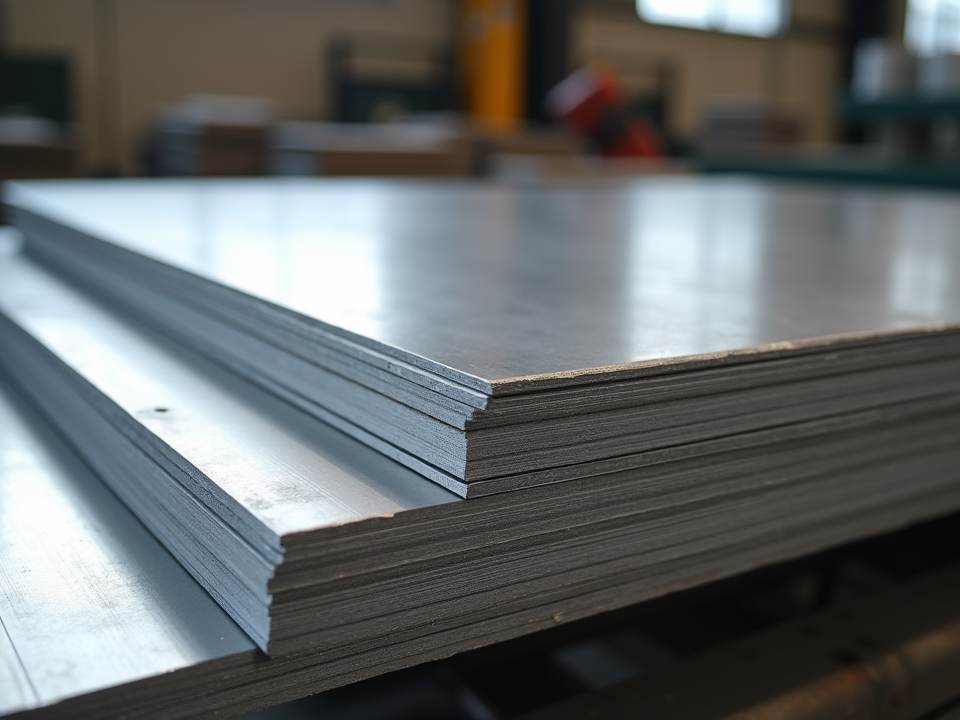
Cold Room Panel Embossed Aluminum
Cold room panel embossed aluminum is a practical facing material for insulated wall panels, ceilings, doors, partitions, and refrigerated storage enclosures. Its patterned surface combines the light weight of aluminum with improved rigidity, a clean metallic finish, and dependable resistance to moisture. For food warehouses, pharmaceutical stores, food-processing rooms, and refrigerated logistics centers, it helps create interior surfaces that are durable, washable, and visually professional.
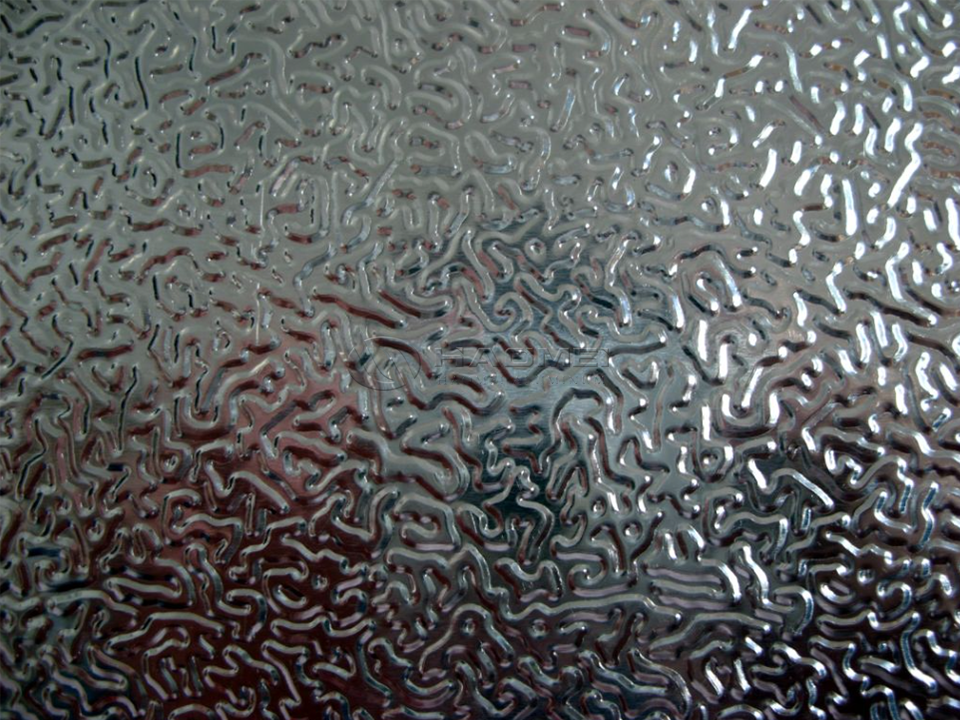
Unlike flat sheet, embossed aluminum has a raised pattern pressed into the metal during production. Stucco, orange-peel, diamond, and fine-texture finishes are commonly selected according to the panel location and service environment. The texture scatters reflected light, reduces the visibility of minor dents and scratches, and gives the panel skin a more stable appearance over years of daily use.
Built for Cold, Moist, and Demanding Interiors
Cold rooms operate in conditions where condensation, temperature variation, cleaning water, and regular handling can quickly affect unsuitable materials. Embossed aluminum performs well as a protective panel facing because aluminum naturally forms a thin oxide film that limits further oxidation. When paired with an appropriate alloy, surface treatment, insulation core, and sealed installation system, it becomes a reliable external or internal skin for cold-room sandwich panels.
The embossed finish has a useful practical role. A lightly textured face hides fingerprints, water marks, and small handling traces better than bright smooth aluminum. It can also provide modest reinforcement against oil-canning, a visual waviness that may occur on broad, thin sheet surfaces. This makes it especially suitable for large wall sections and ceiling panels where appearance matters as much as functional protection.
Common cold-room panel constructions include embossed aluminum bonded to polyurethane (PU), polyisocyanurate (PIR), expanded polystyrene (EPS), rock wool, or other insulation cores. Aluminum acts as the exposed protective layer, while the core controls heat transfer and supports temperature stability within the refrigerated space.
Typical Product Parameters
| Property | Common Range or Option | Practical Benefit |
|---|---|---|
| Alloy | 1050, 1060, 1100, 3003, 3105 | Balances formability, corrosion resistance, and strength |
| Temper | H14, H16, H18, H24 | Selected for panel forming and required surface stiffness |
| Thickness | 0.3-1.2 mm | Supports light-duty to more demanding panel applications |
| Width | 800-1,500 mm | Fits common continuous panel production lines |
| Surface pattern | Stucco, orange peel, diamond, fine embossing | Improves appearance and reduces visible wear |
| Finish | Mill finish, painted, coated, laminated | Matches hygiene, color, and corrosion requirements |
| Coil inner diameter | 405 mm or 508 mm | Compatible with standard processing equipment |
| Form | Coil, sheet, slit strip | Enables efficient roll forming and panel lamination |
For cold storage interiors, 3003 or 3105 alloy is often preferred when additional strength is needed. Pure aluminum grades such as 1050 and 1060 offer excellent formability and corrosion resistance, making them suitable for lighter panel skins and decorative or protective applications.
Chemical Composition Reference
The final chemical limits depend on the selected alloy and applicable standard. The values shown are typical guide values for commonly used grades.
| Alloy | Aluminum | Manganese | Iron | Silicon | Copper | Magnesium |
|---|---|---|---|---|---|---|
| 1050 | 99.5% min. | 0.05% max. | 0.40% max. | 0.25% max. | 0.05% max. | 0.05% max. |
| 1060 | 99.6% min. | 0.03% max. | 0.35% max. | 0.25% max. | 0.05% max. | 0.03% max. |
| 1100 | 99.0% min. | 0.05% max. | 0.95% max. | 0.95% max. | 0.05-0.20% | - |
| 3003 | Balance | 1.0-1.5% | 0.70% max. | 0.60% max. | 0.05-0.20% | - |
| 3105 | Balance | 0.30-0.80% | 0.70% max. | 0.60% max. | 0.30% max. | 0.20-0.80% |
Surface Options That Match Panel Design
Stucco embossing is a familiar choice for cold-room wall and ceiling skins. Its irregular, pebbled appearance disperses light and gives an attractive, durable finish. A Stucco Embossed Aluminum Sheet is particularly suitable where a subtle industrial texture is desired without a deeply raised profile.
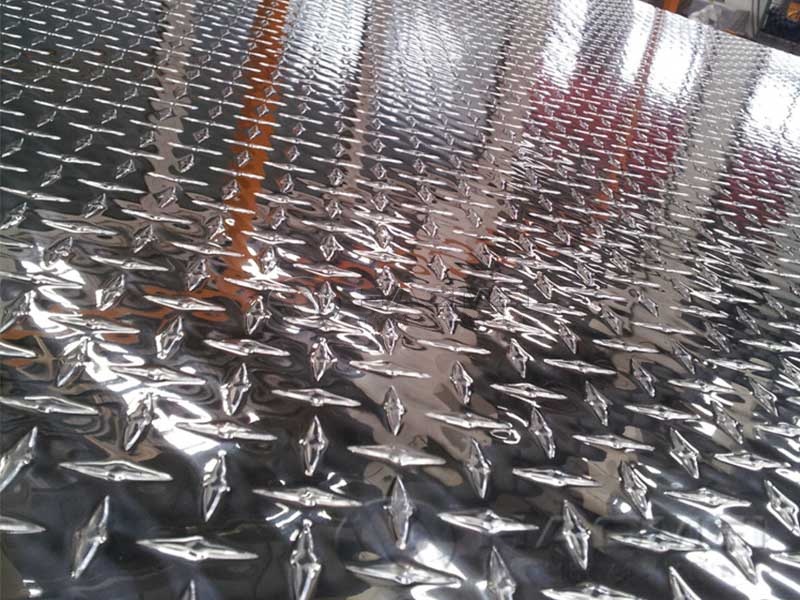
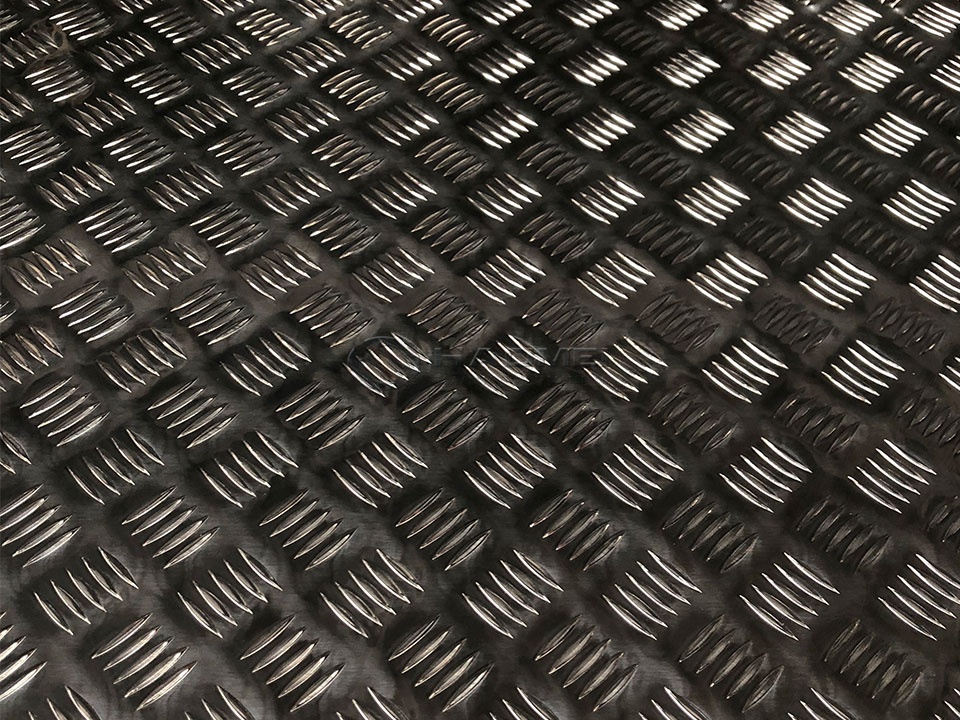
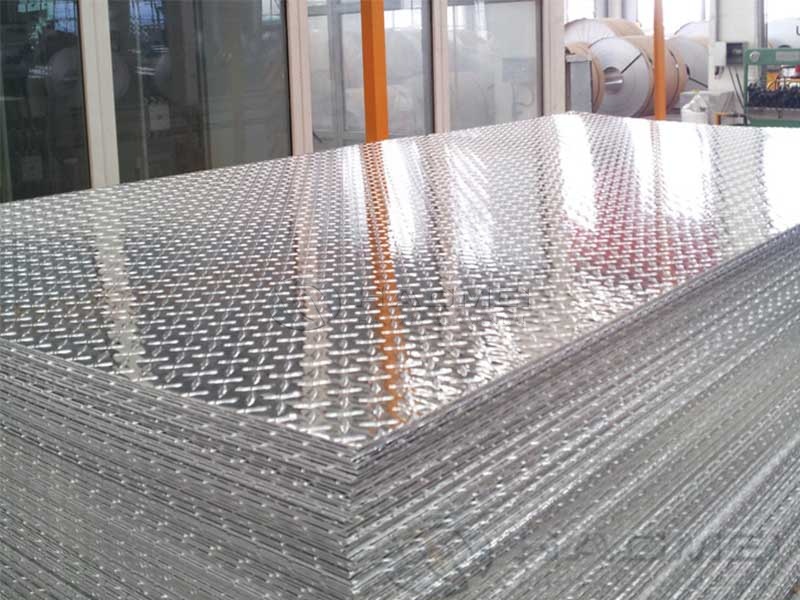
Orange-peel embossing creates a finer texture that resembles citrus skin. It is often selected for clean interior cladding, duct insulation jackets, and panel facings where moderate texture and a neat appearance are required. For greater traction in access floors, ramps, equipment platforms, or freezer-room walkways, a more pronounced Five Bar Aluminum Tread Plate can provide a safer working surface.
Features That Matter in Refrigerated Facilities
- Moisture resistance: Aluminum does not absorb water. Correctly sealed panel joints help prevent moisture reaching the insulation core.
- Low weight: Aluminum facing reduces handling loads during panel fabrication, transportation, and installation.
- Easy sanitation: The non-porous metal face can be cleaned with suitable neutral cleaning agents and soft tools.
- Long service life: Embossing conceals minor abrasions, while the aluminum substrate resists normal indoor corrosion.
- Good formability: Sheets can be cut, bent, folded, and roll formed into panel edges, flashing, door trims, and corner details.
- Reflective finish: Light-colored or mill-finish aluminum can improve brightness in storage rooms, reducing the gloomy feel of enclosed areas.
- Coating compatibility: Polyester, PVDF, epoxy, food-safe protective films, or laminated finishes can be specified when the environment demands enhanced protection.
Applications Across the Cold Chain
Cold room panel embossed aluminum is widely used in chilled warehouses, freezer rooms, blast freezers, meat-processing plants, seafood handling facilities, dairy rooms, fruit and vegetable stores, beverage distribution centers, and pharmaceutical temperature-controlled spaces. It is also used for insulated transport body linings, refrigerated containers, clean utility rooms, ice-making facilities, and prefabricated cold-room modules.
For wall and ceiling panels, a thin embossed aluminum skin offers a clean finish while helping protect the insulation core from daily contact. Door panels benefit from aluminum because it is light enough to reduce hinge load yet strong enough for reinforced constructions. Protective kick plates, wall guards, shelving surrounds, evaporator housings, and service-area cladding are further uses where moisture resistance and easy cleaning are valuable.
In freezer areas, material selection should consider more than temperature alone. Abrasion from carts, impact from pallets, chemical exposure from cleaning routines, and condensation around joints all influence the final specification. A thicker gauge, a harder temper, or an added coating may be appropriate in busy loading zones and high-contact areas.
Selection and Installation Considerations
Choose alloy and thickness according to the panel design, span, insulation system, fabrication method, and expected traffic. For standard interior wall panels, lighter gauges may be sufficient. For door skins, lower wall sections, loading corridors, or areas exposed to repeated impact, a thicker sheet or reinforced panel construction is preferable.
A sound installation depends on dry, accurately aligned substrates and sealed joints. Aluminum should be isolated from incompatible metals where trapped moisture could encourage galvanic corrosion. Fasteners, sealants, edge trims, and protective films should also be selected for low-temperature operation. During fabrication, avoid sharp tools that may damage coatings or create burrs around cut edges.
Cold room panel embossed aluminum delivers a balanced solution for insulated construction: light, cleanable, moisture-resistant, formable, and visually durable. With the right embossed pattern, alloy grade, thickness, and finish, it supports cold-chain spaces that remain efficient, sanitary, and dependable through demanding daily operation.