5052 Aluminum Sheet for Marine Fabrication: Fabrication, Forming and Processing Guide
Marine aluminum work is not simply a matter of choosing a corrosion-resistant metal. A boat hull, console, bait tank, deck hatch, cabin panel or dock component must survive salt spray, vibration, standing water, dissimilar-metal contact and repeated loading. In this environment, 5052 aluminum sheet earns its reputation because it balances workability, strength and seawater resistance in a practical way.
The most useful way to assess 5052 is to think about the route water will take across the finished fabrication. Water collects at seams, beneath fittings, around fasteners and inside unventilated cavities. Good marine fabrication begins by selecting a suitable temper, then shaping the sheet without cracking it, welding without contaminating it, and designing details that allow moisture to drain away.
Why 5052 works in marine conditions
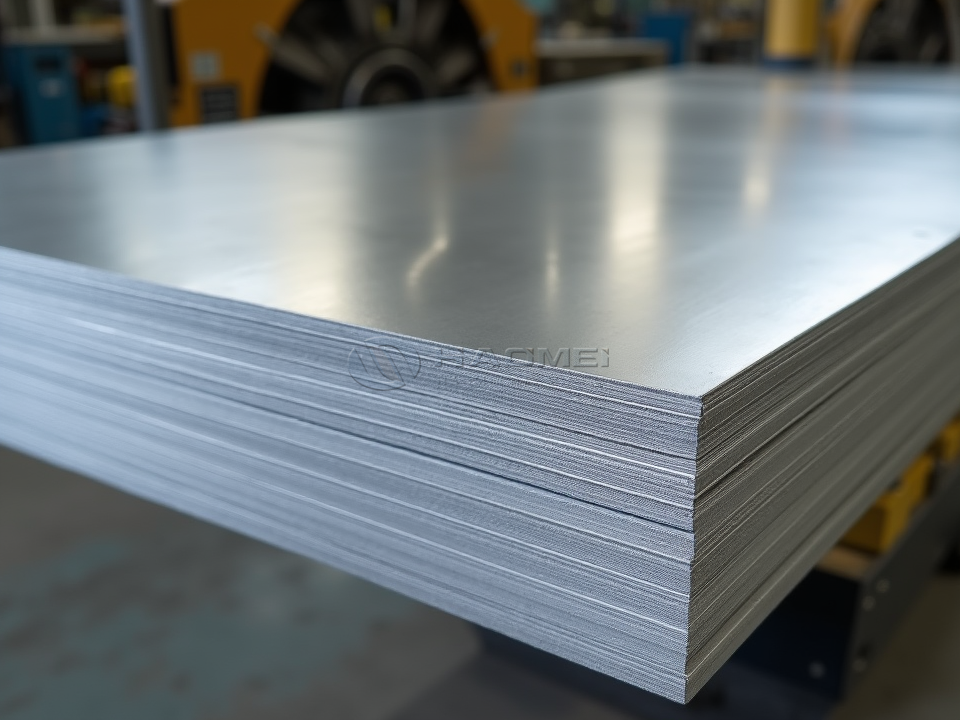
5052 is an aluminum-magnesium alloy. Its magnesium content supports strong resistance to general corrosion in marine and industrial atmospheres. Unlike plain aluminum grades, it also provides better strength for formed panels and light structural parts. It is widely used for small craft components, fuel tanks, interior and exterior marine fittings, consoles, lockers, walkways and sheet-metal enclosures.
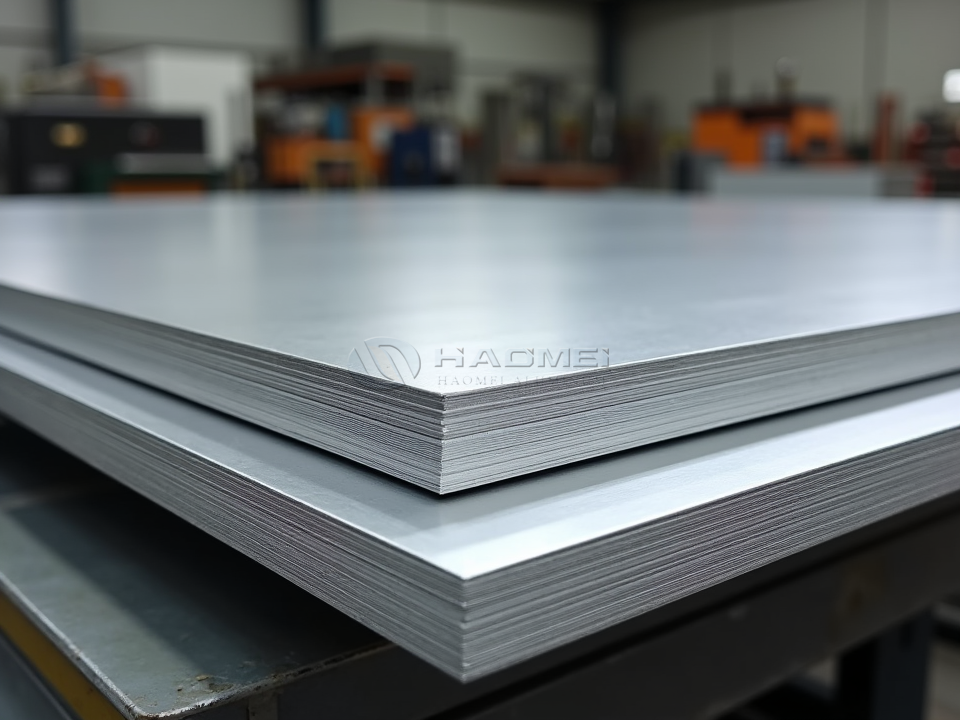
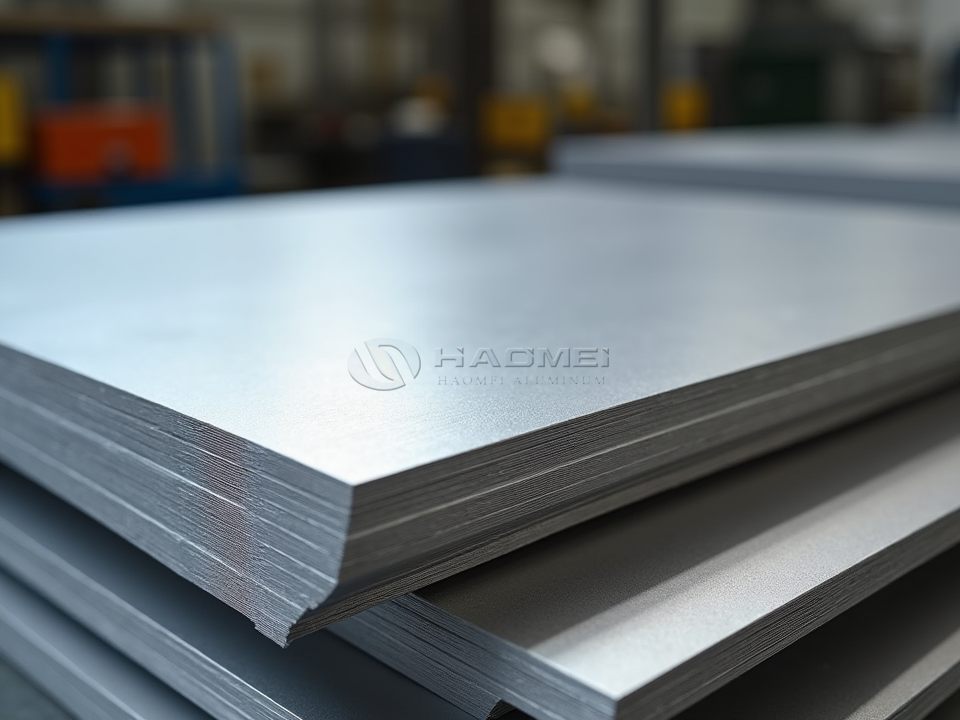
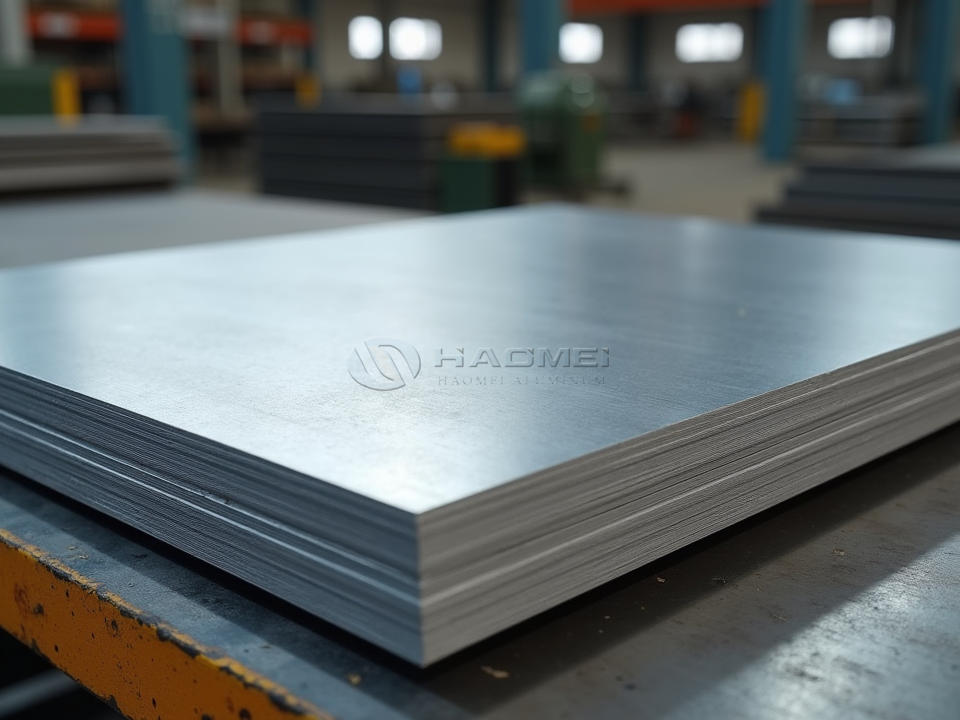
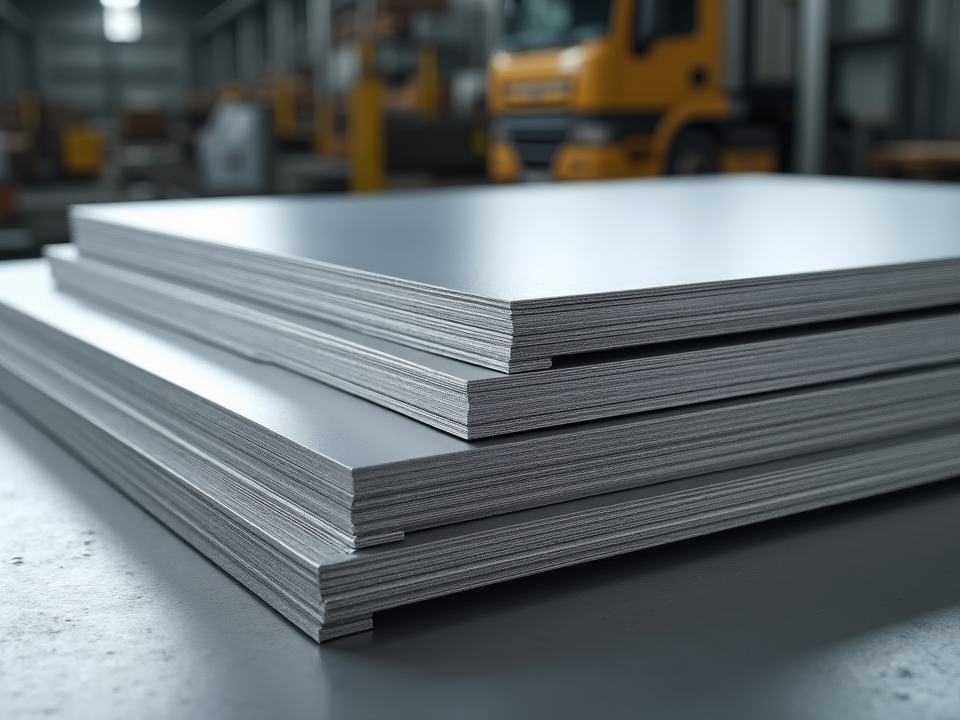
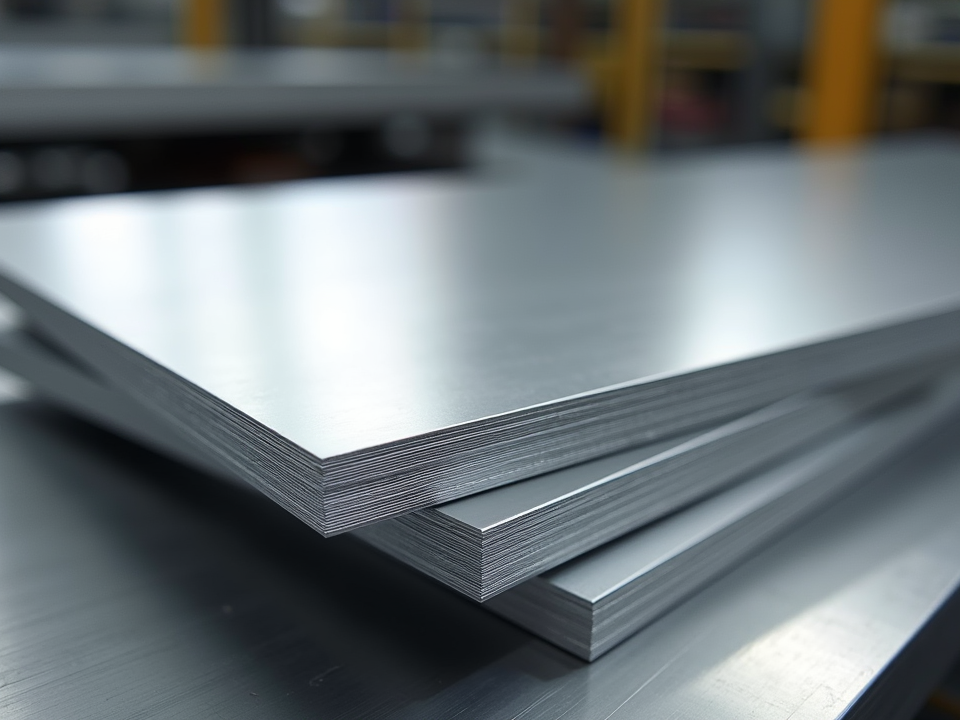
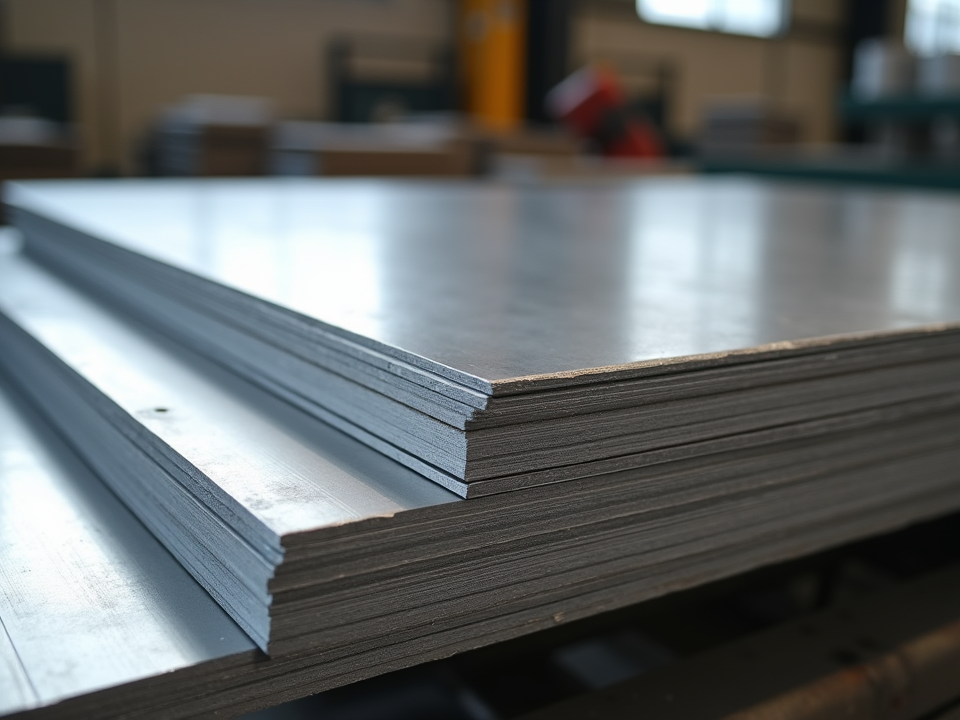
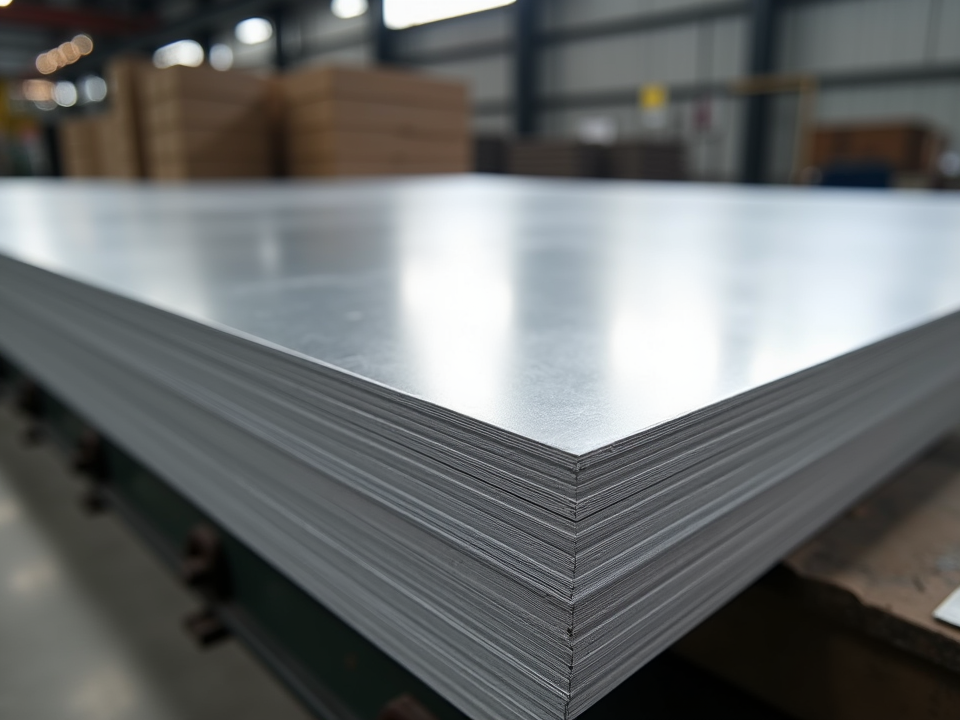
For thin to medium-gauge applications, 5052 Aluminum Sheet is often selected where a part needs to be bent, rolled or pressed while retaining a clean, durable surface. It is not usually the first choice for heavily loaded primary hull structure on larger vessels, where 5083 or 5086 plate may be specified. Still, for marine fabricators handling formed sheet components, 5052 offers a highly dependable working range.
Common tempers include H32, H34 and O. H32 provides a good compromise between strength and bendability, making it suitable for panels, covers and moderately formed parts. H34 is harder and stronger, but its tighter forming limit requires more care. O temper is soft and highly formable, making it helpful for deep draws, complex curves and sharp shaping, although it has lower strength after forming. Temper should be chosen according to the final geometry, not merely according to the highest available strength.
Start with the finished part, not the sheet rack
A frequent fabrication mistake is ordering one temper for every component. A flat engine-room panel, a rolled windscreen surround and a deeply folded hatch tray do not place the same demand on the material. Marine parts often look simple in a drawing but develop stress around corners, cut-outs, welded tabs and mounting holes.
Before cutting, confirm thickness, temper, grain direction, bend radii, welding locations and attachment methods. Specify sheet produced to the applicable material standard, such as ASTM B209 or EN 485, when project documentation requires it. For regulated vessels, material certificates and traceability may be required by the owner, class body or yard quality system.
Flatness matters as much as nominal thickness for visually exposed panels. Sheet with excessive residual stress can move after cutting, particularly when large openings are added. A fabrication shop can reduce this risk by nesting cuts symmetrically where possible and avoiding the removal of major material from only one side of a broad panel.
Cutting cleanly without creating future corrosion sites
5052 can be cut by shear, saw, router, waterjet, laser or plasma. The best method depends on sheet thickness, edge-quality requirements and production volume. Shearing is efficient for straight blanks, but clearance must be correct to avoid heavy burrs or edge distortion. Routers and carbide saws can produce smooth edges when tooling is sharp and chips are cleared effectively.
Plasma cutting is productive for thicker sheet, but the heat-affected edge should be cleaned before welding or coating. Laser cutting offers accuracy, although settings must prevent excessive dross and heat tint. Regardless of the process, remove burrs thoroughly. A burr at a hatch edge or fastener hole can damage paint, trap salt deposits and create a sharp maintenance hazard.
Use dedicated aluminum tools whenever possible. Steel grinding dust, wire-brush fragments and workshop debris can embed in soft aluminum and later stain or corrode in wet service. Stainless brushes intended only for aluminum work, clean abrasives and separate work surfaces are worthwhile controls.
Forming: respect the grain and the radius
5052 is notably friendly to bending, but it is not immune to cracking. The harder the temper, the more generous the inside bend radius should be. Bending across the rolling direction is generally safer for tight bends than bending parallel to it. When several folds are planned on one blank, mark grain direction before protective film or handling marks obscure it.
For H32 sheet, moderate bends can often be formed successfully with properly matched punch and die tooling. H34 sheet benefits from larger radii and cautious setup. If the design demands a tight return flange, test coupons from the actual batch are more reliable than relying only on a generic bend chart.
Deep drawing and severe compound shapes may favor O temper. Forming lubricants should be compatible with later welding, bonding or painting, and they must be removed completely afterward. Residue in a lap joint or beneath a sealant can compromise adhesion and trap contaminants.
Welding for seawater service
Welding changes the local condition of work-hardened 5052. The area near the weld softens, so joint design must account for lower strength in the heat-affected zone. This is especially relevant when an H32 or H34 panel carries load close to a welded bracket, hinge or reinforcement.
GTAW and GMAW are both widely used. For many marine applications, 5356 filler is a common choice with 5052 because it supports good strength and corrosion performance. Filler selection should still follow the joint design, service temperature, code requirements and the alloys joined. When 5052 connects to a different aluminum alloy, consult the approved welding procedure rather than selecting filler by habit.
Prepare joints with bright, oxide-free surfaces. Aluminum oxide melts at a far higher temperature than the base metal, so cleaning directly before welding is essential. Degrease first, then use a clean stainless-steel brush or suitable mechanical preparation. Avoid overwelding: excessive heat adds distortion, broadens the softened zone and can leave an unattractive surface on exposed marine components.
Where appearance matters, use balanced weld sequencing, clamps, backing bars where appropriate and controlled heat input. Do not quench hot welds with water. Allowing the part to cool naturally helps limit distortion and reduces unnecessary thermal shock.
Fasteners, sealants and drainage determine service life
Many marine failures begin after the sheet has left the welding bay. Aluminum in direct contact with stainless steel, copper alloys or carbon steel can experience galvanic corrosion when saltwater provides an electrolyte. Isolate dissimilar metals with nonconductive washers, gaskets, sleeves or durable coatings. Seal fastener penetrations, but avoid creating permanently wet crevices.
Use drainage as a design feature. A folded channel that holds water is less durable than one with a small, accessible drain path. Closed compartments should be sealed correctly or ventilated according to their function. Where sealant is used, choose a marine-grade product compatible with aluminum and avoid products that release corrosive by-products during curing.
For coatings, the surface must be clean, dry and properly prepared. Bare 5052 performs well in many marine settings, but painted or anodized finishes may be selected for appearance, abrasion resistance or easier cleaning. Coating damage around edges, folds and fasteners deserves inspection because these are the areas most likely to retain moisture.
A practical material choice for formed marine parts
5052 aluminum sheet performs best when its advantages are matched to the right job. It is excellent for fabricated sheet components that need corrosion resistance and controlled forming, rather than maximum structural strength. Selecting the proper temper, keeping tools clean, allowing sensible bend radii, using disciplined weld preparation and managing water paths will deliver far more value than simply choosing a thicker sheet.
For projects that require a broader comparison of tempers and alloy families, Alloy Aluminum Sheet options can help fabricators match the material to the actual marine environment, forming demand and service load.