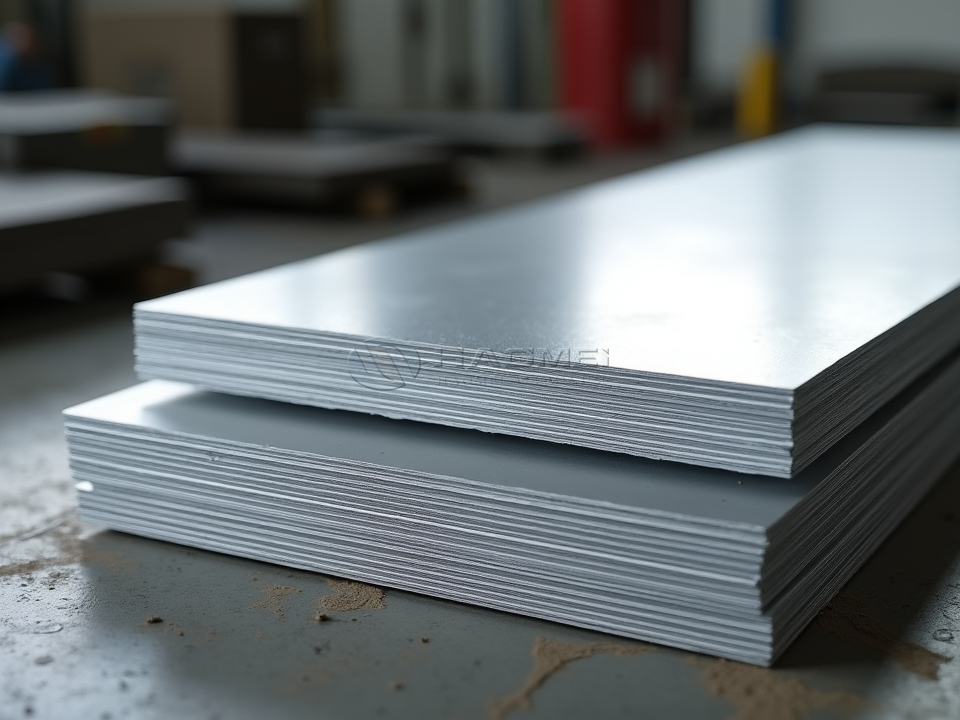
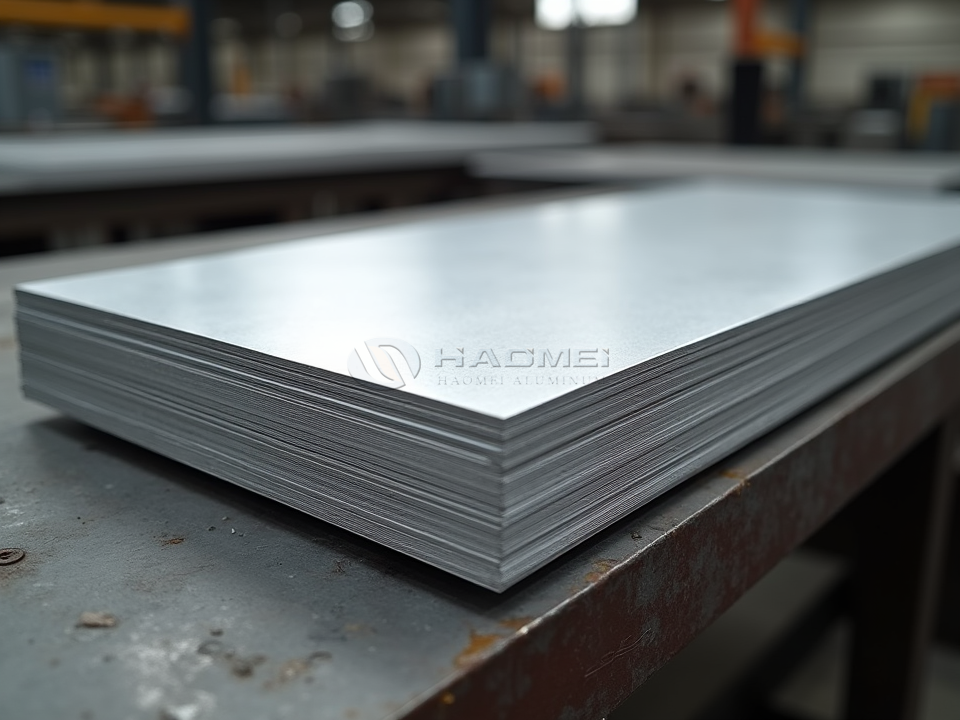
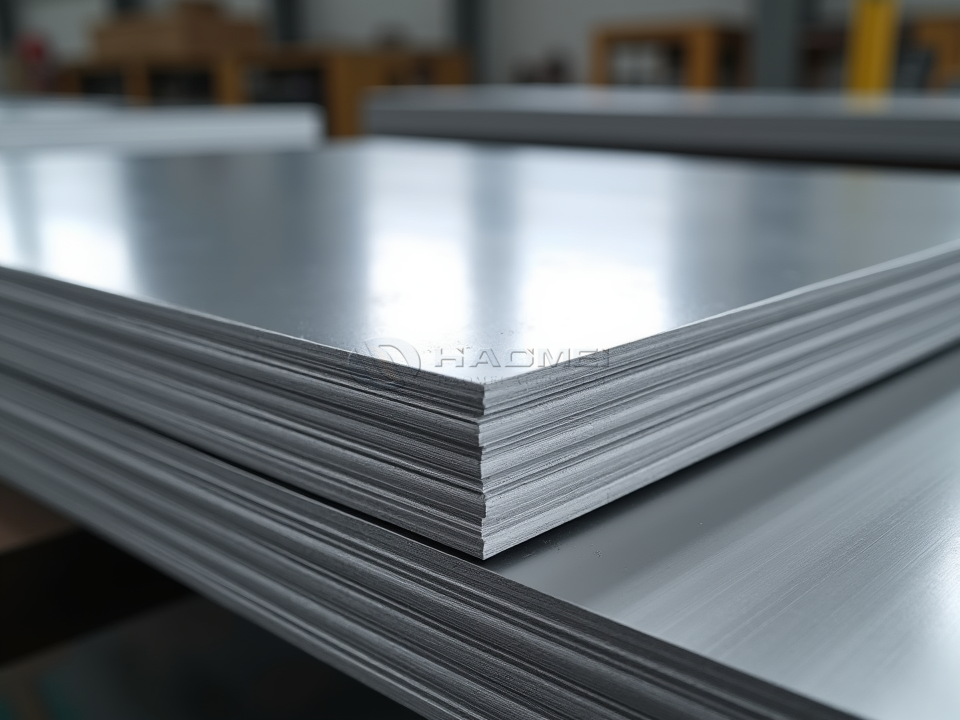
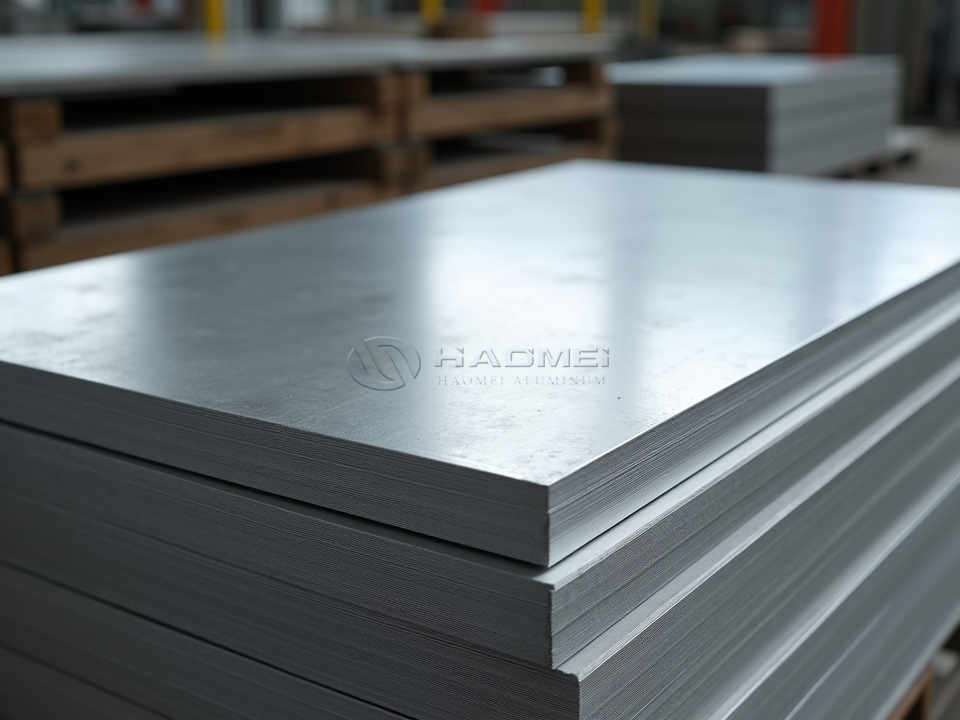
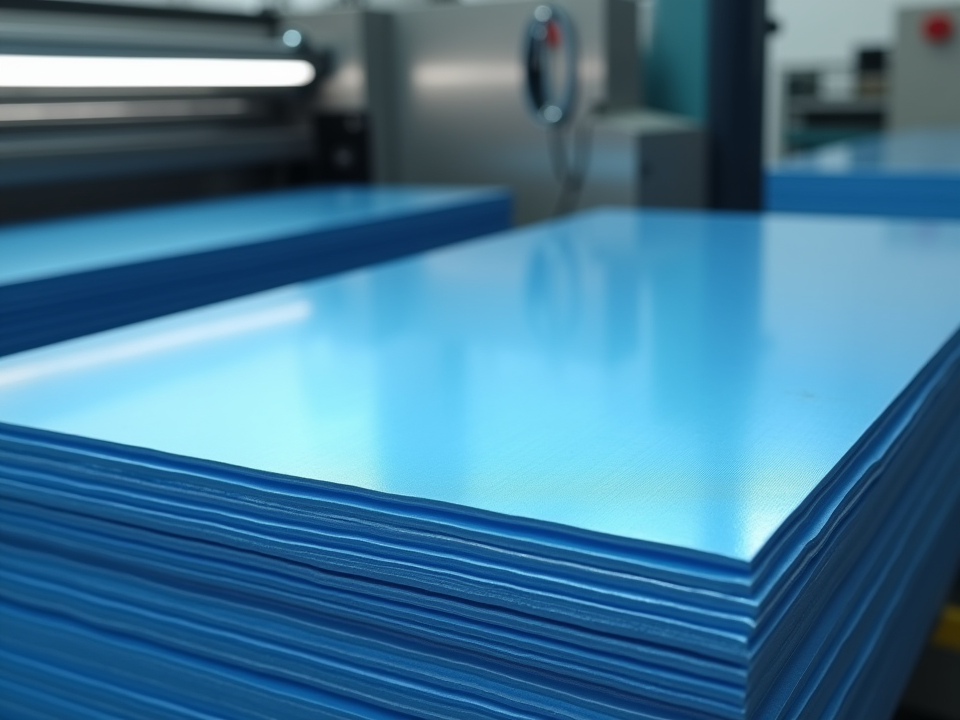
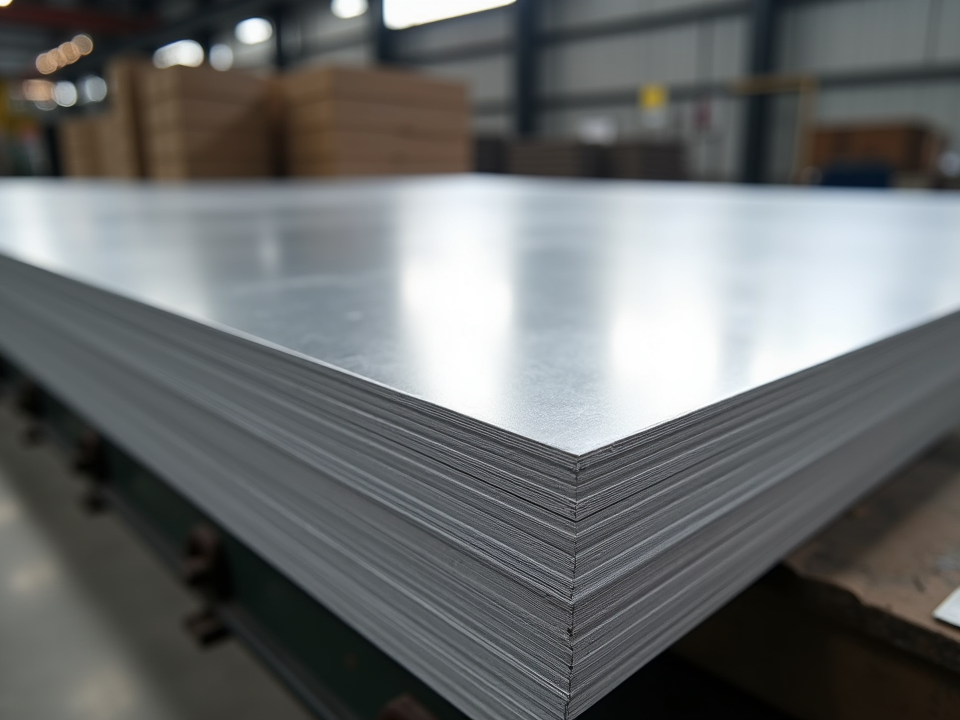
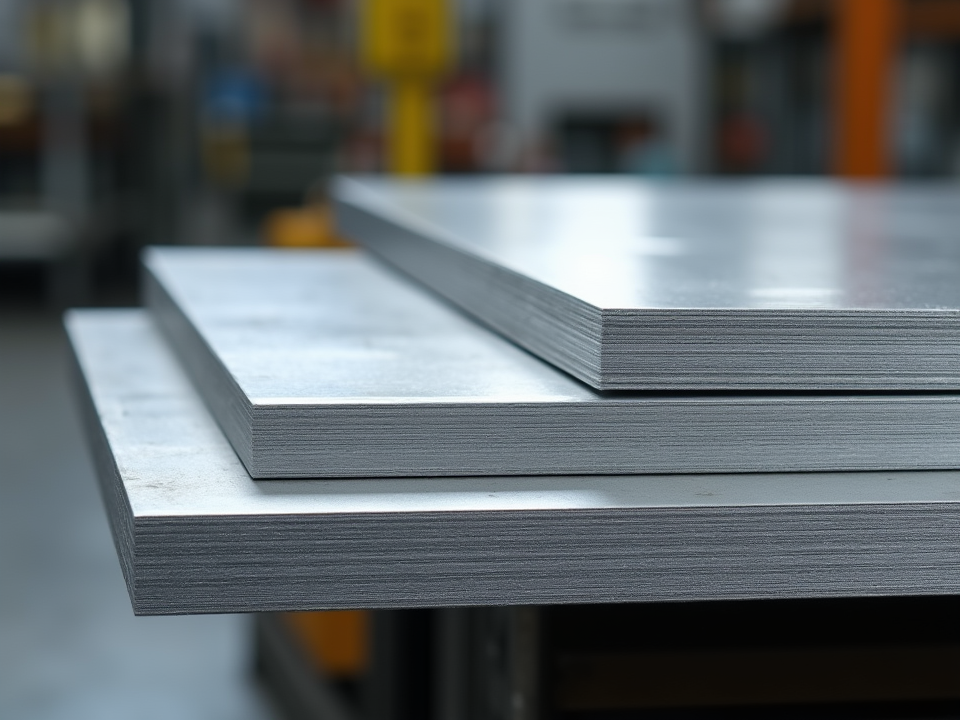
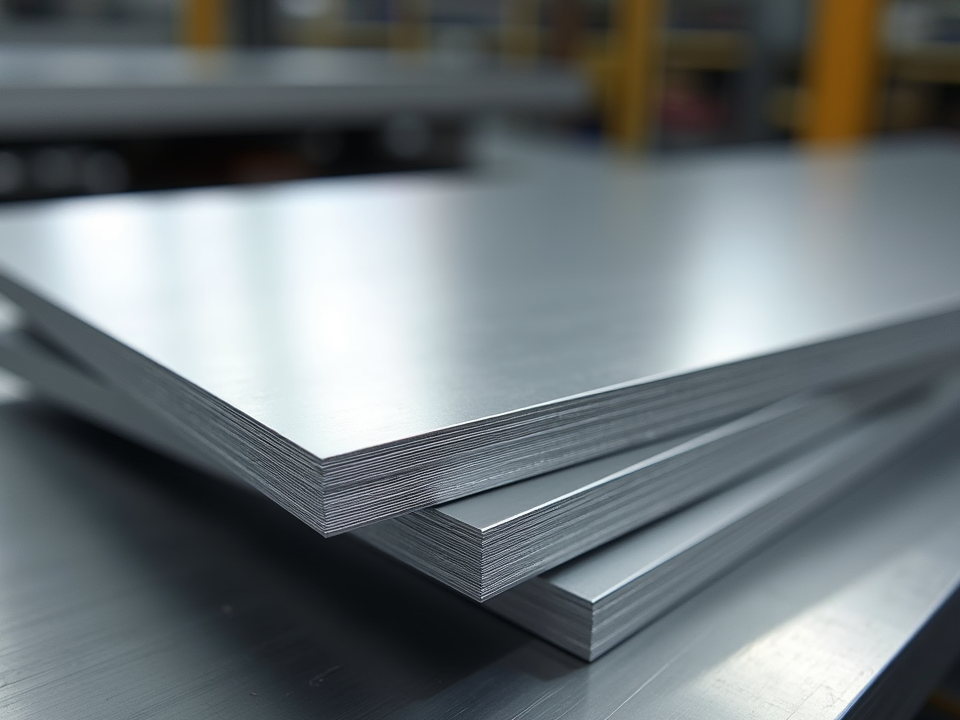
Corrosion Resistant Aluminum Sheet
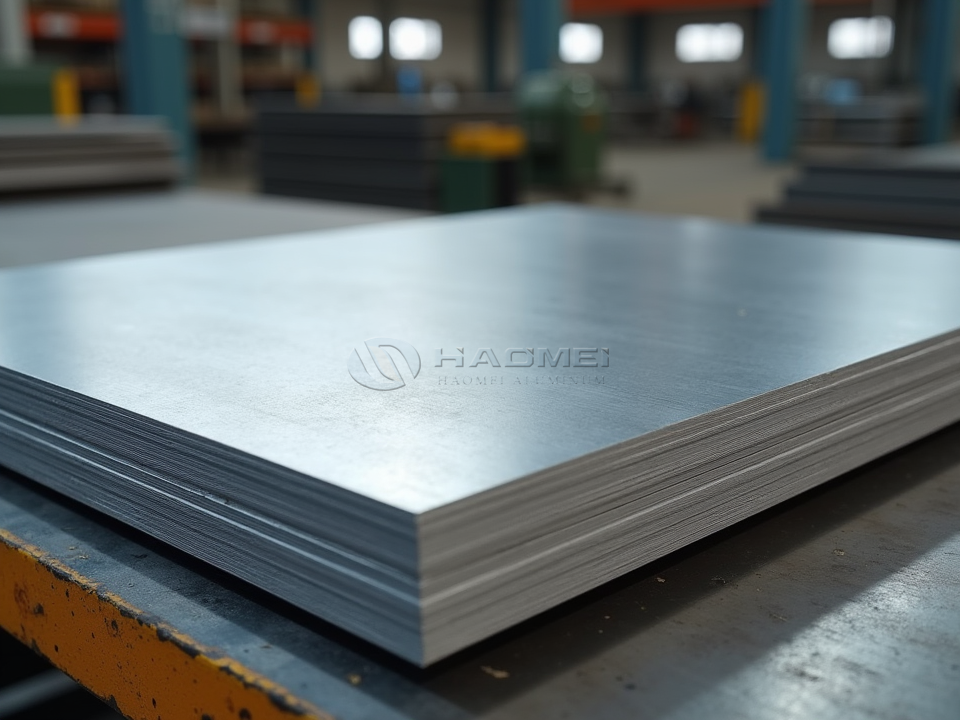
Corrosion resistant aluminum sheet is designed for environments where moisture, chemicals, salt air, and outdoor exposure can shorten the life of ordinary metals. Its protection comes from a dense aluminum oxide film that forms naturally on the surface. When the surface is scratched, the film can reform in oxygen-containing environments, helping the material maintain reliable service without heavy maintenance.
Compared with carbon steel, aluminum sheet offers lower weight, good formability, attractive surface finish, and strong resistance to atmospheric corrosion. For many projects, it reduces structural load while supporting cutting, bending, stamping, welding, anodizing, painting, and coating.
How Corrosion Resistant Aluminum Sheet Works
The main function of corrosion resistant aluminum sheet is to slow metal degradation in demanding service conditions. The oxide layer on aluminum is thin, adherent, and chemically stable. Alloying elements such as magnesium, manganese, and silicon can further improve strength, marine performance, hardness, or processability depending on the grade.
Pure aluminum grades such as 1050, 1060, 1070, and 1100 provide excellent atmospheric and chemical resistance. 3003 adds manganese for better strength while retaining good corrosion behavior. 5052 is widely used where chloride exposure is present, while 6061 offers a balance of strength, machinability, and corrosion resistance after heat treatment.
For salt-spray environments and formed cabinets, 5052 Aluminum Sheet is often selected because its magnesium-rich structure performs well in marine and coastal conditions.
Common Alloy Selection
| Alloy | Main Alloying Element | Corrosion Resistance | Strength Level | Typical Use |
|---|---|---|---|---|
| 1050 | High-purity Al | Excellent | Low | Chemical equipment, reflectors, signs |
| 1060 | High-purity Al | Excellent | Low | Cladding, insulation, electrical panels |
| 1100 | Commercially pure Al | Excellent | Low to medium | Food equipment, heat exchangers, roofing |
| 3003 | Mn | Very good | Medium | Roofing, tanks, ducting, decorative panels |
| 5052 | Mg | Excellent, marine suitable | Medium to high | Boat parts, truck bodies, fuel tanks |
| 5083 | Mg-Mn | Excellent seawater resistance | High | Marine structures, pressure vessels |
| 6061 | Mg-Si | Good | High | Frames, platforms, machined components |
Chemical Composition Reference
Composition limits vary by standard and mill certificate. The values shown are typical ranges used for material comparison.
| Alloy | Al | Si | Fe | Cu | Mn | Mg | Cr | Zn | Ti |
|---|---|---|---|---|---|---|---|---|---|
| 1050 | ≥99.50 | ≤0.25 | ≤0.40 | ≤0.05 | ≤0.05 | ≤0.05 | - | ≤0.05 | ≤0.03 |
| 1060 | ≥99.60 | ≤0.25 | ≤0.35 | ≤0.05 | ≤0.03 | ≤0.03 | - | ≤0.05 | ≤0.03 |
| 1100 | ≥99.00 | Si+Fe ≤0.95 | Si+Fe ≤0.95 | 0.05-0.20 | ≤0.05 | - | - | ≤0.10 | - |
| 3003 | Balance | ≤0.60 | ≤0.70 | 0.05-0.20 | 1.00-1.50 | - | - | ≤0.10 | - |
| 5052 | Balance | ≤0.25 | ≤0.40 | ≤0.10 | ≤0.10 | 2.20-2.80 | 0.15-0.35 | ≤0.10 | - |
| 6061 | Balance | 0.40-0.80 | ≤0.70 | 0.15-0.40 | ≤0.15 | 0.80-1.20 | 0.04-0.35 | ≤0.25 | ≤0.15 |
Technical Specifications
| Parameter | Common Range | Notes |
|---|---|---|
| Thickness | 0.2-300 mm | Thin sheet to heavy plate, depending on alloy |
| Width | 100-2600 mm | Slit, standard, or custom width |
| Length | 500-12000 mm | Cut-to-length sheet available |
| Surface | Mill finish, brushed, anodized, coated, embossed | Selection depends on appearance and exposure |
| Flatness | As per EN 485 or ASTM B209 | Important for panels and precision fabrication |
| Protective film | Optional | Helps prevent scratches during processing |
| Edge | Mill edge, slit edge, trimmed edge | Selected by cutting and assembly needs |
| Density | Approx. 2.70 g/cm³ | About one-third the density of steel |
| Thermal conductivity | Approx. 120-235 W/m·K | Alloy dependent |
| Electrical conductivity | Approx. 30-62 percent IACS | Highest in pure aluminum grades |
Tempering Conditions and Mechanical Properties
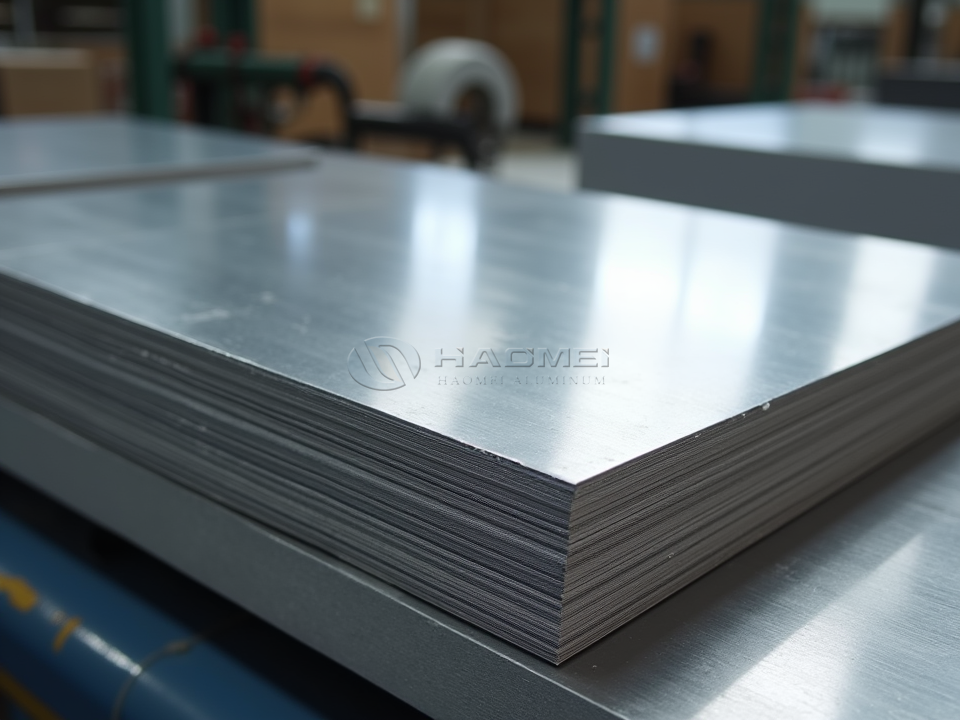
Temper choice affects forming behavior, hardness, tensile strength, and springback. Soft O temper is preferred for deep drawing and complex bending. H tempers are strain hardened for higher strength. T tempers apply to heat-treatable alloys such as 6061.
| Alloy and Temper | Tensile Strength MPa | Yield Strength MPa | Elongation % | Fabrication Character |
|---|---|---|---|---|
| 1050 O | 60-100 | 20-45 | 25-40 | Very soft, excellent forming |
| 1060 H24 | 105-145 | 75-110 | 4-12 | Semi-hard, good for panels |
| 1100 H14 | 110-145 | 95-125 | 3-10 | Balanced stiffness and workability |
| 3003 H14 | 140-180 | 115-150 | 3-8 | General sheet fabrication |
| 5052 H32 | 210-260 | 160-215 | 8-15 | Marine sheet, strong forming performance |
| 5083 H116 | 305-385 | 215-295 | 10-16 | Seawater service, structural use |
| 6061 T6 | 260-310 | 240-275 | 8-12 | High strength, machining and frames |
Implementation Standards
| Standard | Region | Scope |
|---|---|---|
| ASTM B209 | United States | Aluminum and aluminum-alloy sheet and plate |
| EN 485 | Europe | Mechanical properties, tolerances, sheet and plate rules |
| EN 573 | Europe | Chemical composition and product forms |
| GB/T 3880 | China | Wrought aluminum and aluminum alloy plates, sheets, strips |
| JIS H4000 | Japan | Aluminum and aluminum alloy sheets, strips, plates |
| AMS-QQ-A-250 | Aerospace reference | Aluminum alloy plate and sheet requirements |
| ISO 6361 | International | Wrought aluminum sheets, strips, and plates |
Surface Treatments for Stronger Protection
Although aluminum naturally resists corrosion, surface finishing can extend life in aggressive conditions. Anodizing thickens the oxide layer and improves abrasion resistance. Polyester or PVDF coating adds color stability for roofing and curtain wall systems. Brushing and polishing improve appearance for visible components. Embossing improves rigidity and anti-slip function.
| Surface Finish | Protection Level | Visual Effect | Common Application |
|---|---|---|---|
| Mill finish | Good | Natural metallic | Tanks, insulation, general fabrication |
| Anodized | Very good | Satin, clear, bronze, black | Decorative panels, equipment covers |
| PVDF coated | Excellent outdoors | Stable color | Roofing, cladding, facade panels |
| PE coated | Good | Rich color range | Interior panels, signs |
| Brushed | Good with coating | Linear texture | Appliances, elevators, displays |
| Embossed | Good | Patterned surface | Flooring, vehicle steps, tool boxes |
Main Applications
Corrosion resistant aluminum sheet serves both functional and decorative roles. Its light weight supports energy savings in transport, while its clean surface and non-toxic behavior make it useful around food, packaging, and chemical systems.
| Industry | Application | Preferred Alloys |
|---|---|---|
| Marine | Boat hull parts, decks, hatches, dock panels | 5052, 5083, 5086 |
| Roofing and cladding | Standing seam roof, wall panel, gutter, fascia | 3003, 3004, 5052 |
| Transport | Truck body, trailer skin, fuel tank, side panel | 5052, 5083, 6061 |
| Chemical processing | Storage tank, pipe jacket, reaction vessel lining | 1050, 1060, 1100, 3003 |
| HVAC | Ductwork, insulation jacket, heat exchanger fin | 1060, 1100, 3003 |
| Food equipment | Worktop, tray, container, kitchen equipment | 1100, 3003, 5052 |
| Electrical | Busbar cover, cabinet, heat sink base | 1060, 1100, 6061 |
| Decoration | Signage, ceiling panel, elevator trim | 1050, 1100, 3003 |
Chemical and Environmental Performance
| Medium or Condition | Performance | Recommended Practice |
|---|---|---|
| Fresh water | Very good | Avoid long-term stagnant deposits |
| Seawater splash | Good to excellent with marine alloys | Use 5052, 5083, or coated surface |
| Industrial atmosphere | Good | Select anodized or coated sheet if pollutants are high |
| Mild alkali | Limited | Avoid strong alkaline cleaning agents |
| Mild acid | Variable | Confirm compatibility by medium concentration |
| Food contact | Good for selected grades | Follow local food safety requirements |
| High humidity | Very good | Ensure drainage and ventilation |
| Galvanic contact | Risk with copper or steel | Use insulation washers, sealants, or coatings |
Fabrication Guidance
Corrosion resistant aluminum sheet can be sheared, laser cut, punched, rolled, bent, riveted, and welded. Pure aluminum grades are easy to form but have lower strength. 5052 has excellent bend performance and weldability, making it practical for enclosures, tanks, and marine hardware. 6061 T6 has higher strength but needs larger bend radii to avoid cracking.
| Process | Recommendation |
|---|---|
| Cutting | Use sharp tooling to reduce burrs and edge tearing |
| Bending | Match temper and thickness with proper inside radius |
| Welding | MIG and TIG are common for 5xxx and 6xxx alloys |
| Fastening | Isolate dissimilar metals to reduce galvanic corrosion |
| Cleaning | Use neutral cleaners; avoid strong alkali on bare aluminum |
| Storage | Keep dry, ventilated, and separated from wet packaging |
Purchasing Considerations
When selecting corrosion resistant aluminum sheet, define the environment first: indoor humidity, coastal air, chemical contact, food contact, or structural loading. Then confirm alloy, temper, thickness, surface finish, tolerance standard, and packaging. A mill test certificate should state chemical composition, mechanical properties, dimensions, batch number, and standard compliance.
For long outdoor life, the best choice is not always the hardest alloy. A roof panel may need formability and coating adhesion, while a marine bracket may need weldability and chloride resistance. Matching the grade to the service condition helps reduce replacement cost, improve safety, and keep the finished product attractive for years.