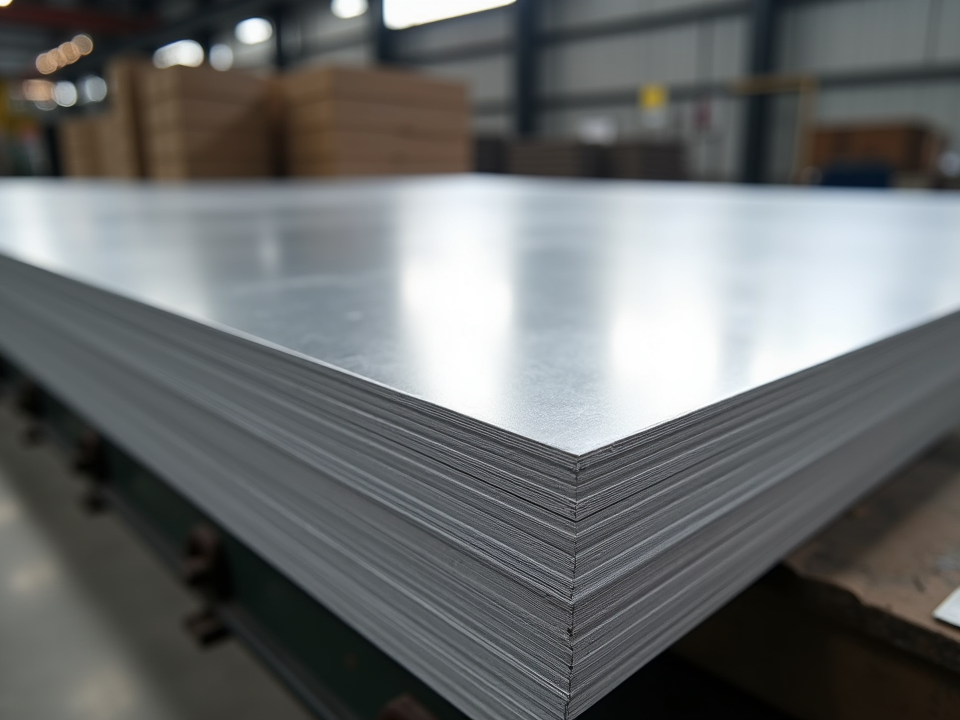
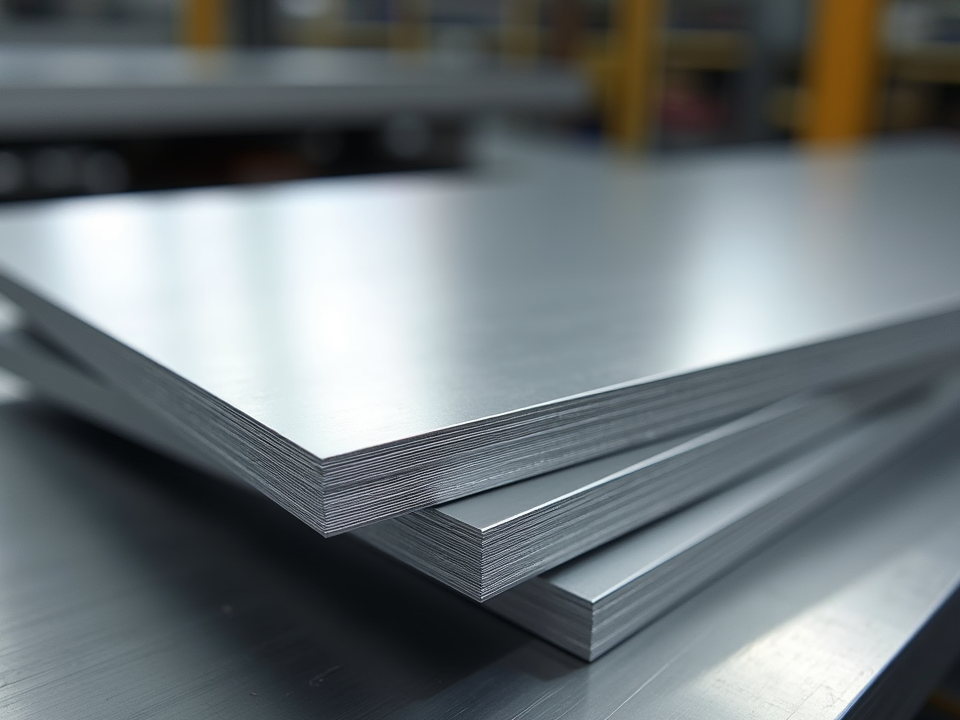
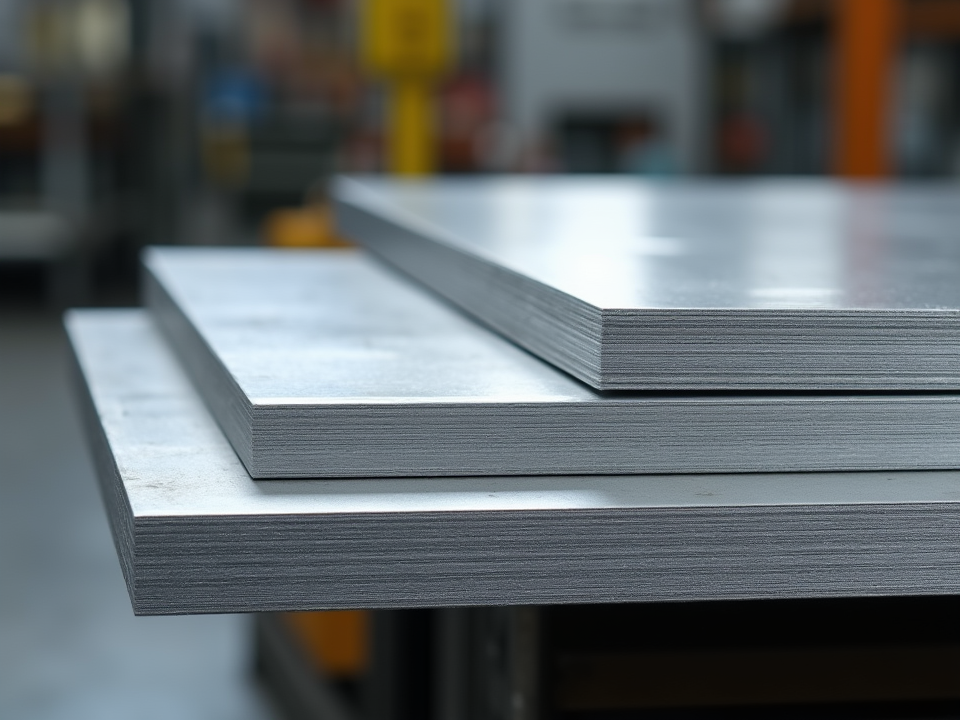
Cold Rolled Alloy Aluminum Sheet
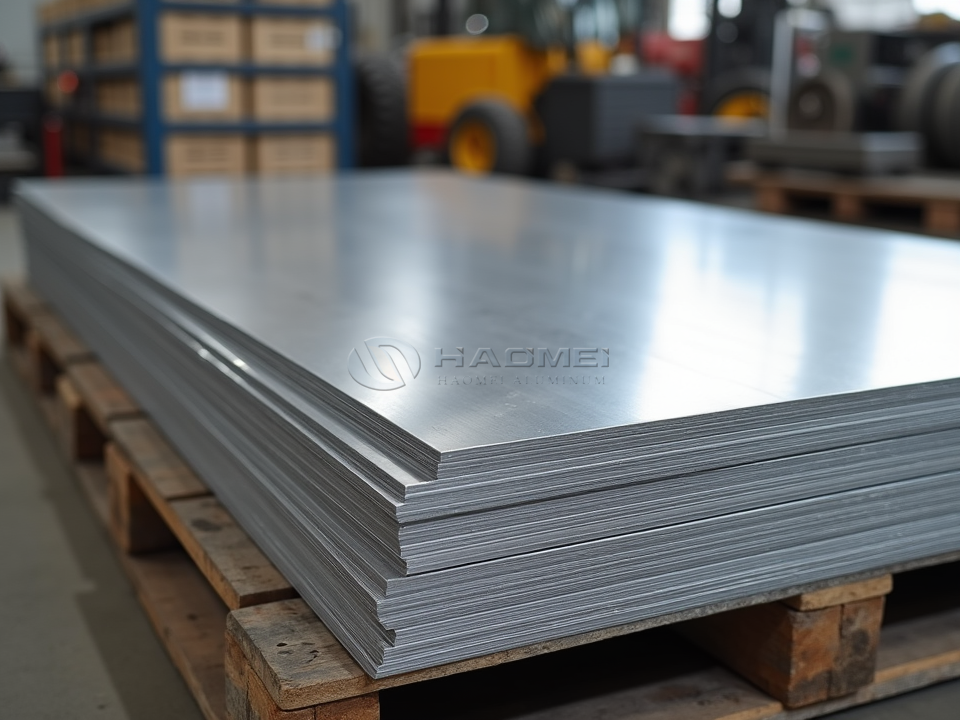
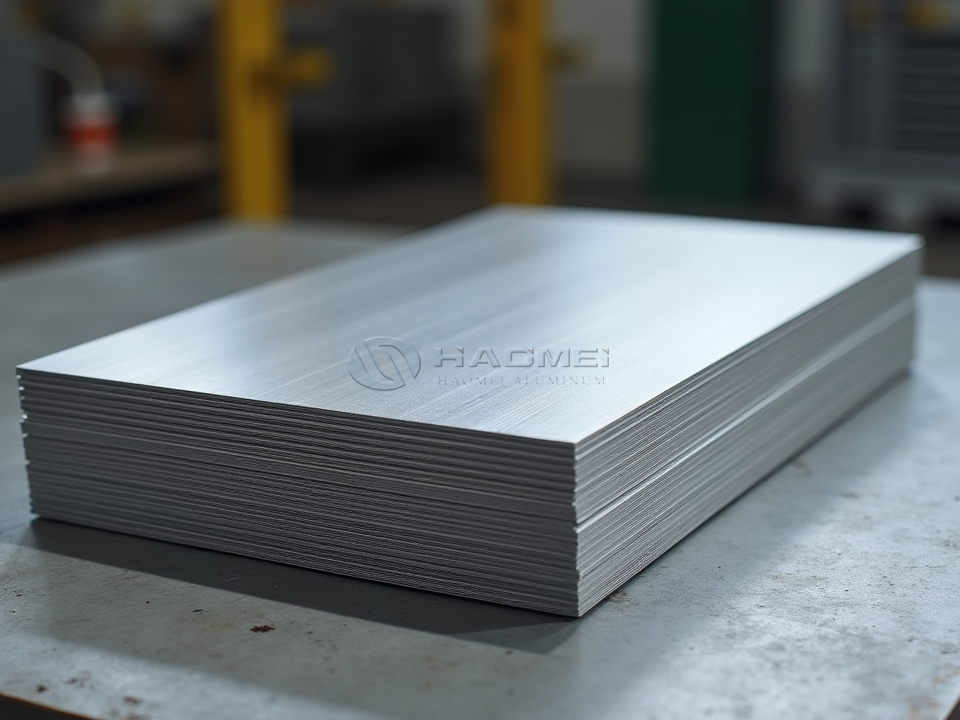
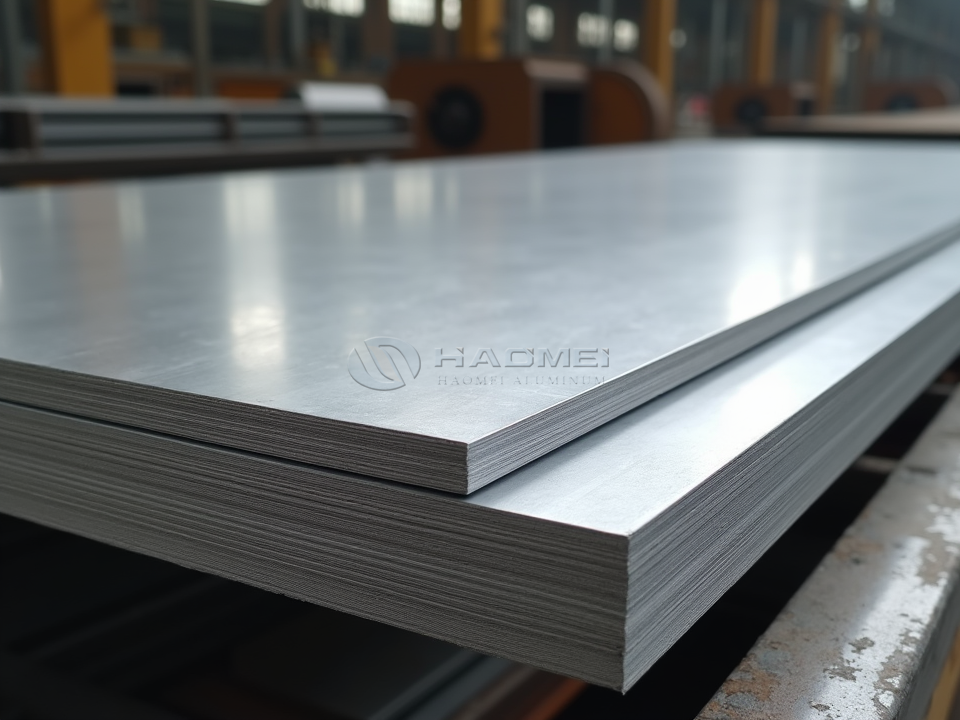
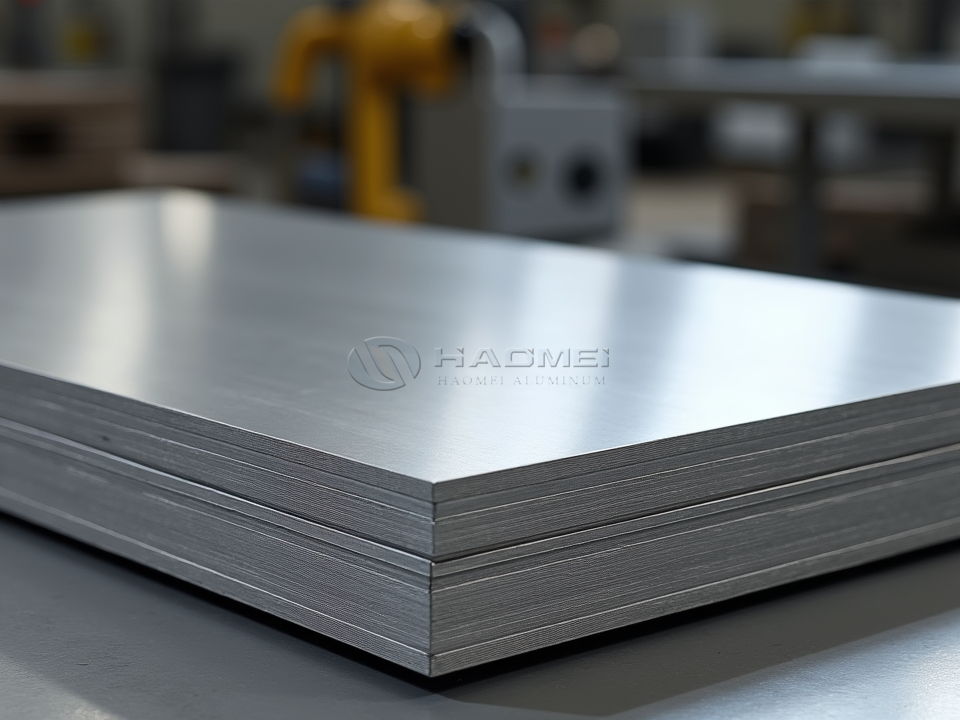
Cold rolled alloy aluminum sheet is produced by reducing aluminum plate or coil at room temperature after hot rolling, annealing, or casting preparation. The cold rolling process improves thickness control, surface finish, flatness, and mechanical consistency, making the material suitable for parts that require clean appearance, accurate dimensions, and dependable forming behavior.
Compared with hot rolled sheet, cold rolled aluminum sheet usually offers a smoother mill finish, narrower gauge tolerance, and better surface uniformity. It is widely used in transportation, electrical enclosures, appliances, signage, building decoration, marine parts, and precision stamping components.
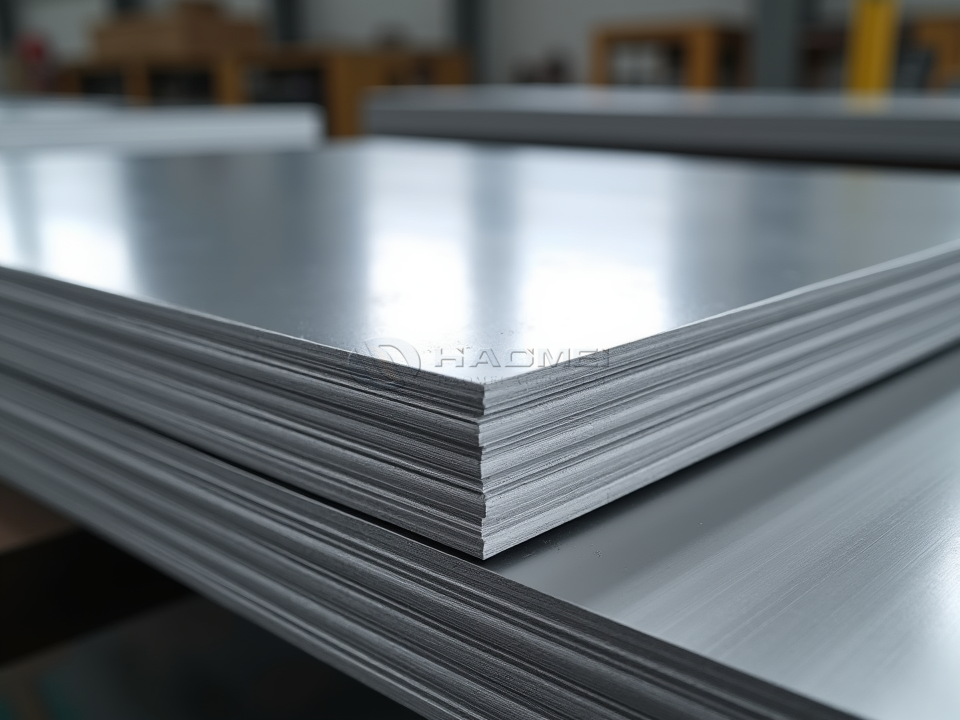
Product Characteristics
Cold rolled alloy aluminum sheet combines light weight with practical strength and excellent workability. The final performance depends on alloy selection, temper, thickness, and finishing method.
| Feature | Customer Benefit |
|---|---|
| Smooth cold rolled surface | Suitable for anodizing, painting, laminating, brushing, and polishing |
| Accurate thickness | Helps improve assembly fit and reduce machining adjustment |
| Good flatness | Supports laser cutting, punching, bending, and panel fabrication |
| High strength-to-weight ratio | Reduces component weight while maintaining usable rigidity |
| Corrosion resistance | Performs well in indoor, outdoor, marine, and chemical environments when properly selected |
| Excellent formability | Suitable for deep drawing, spinning, stamping, bending, and roll forming |
| Recyclable material | Supports lower-carbon material strategies and circular production |
For customers comparing grades across industrial projects, Alloy Aluminum Sheet options can be selected by strength, corrosion resistance, formability, and surface treatment requirements.
Common Alloys and Typical Uses
| Alloy | Main Character | Typical Applications |
|---|---|---|
| 1050 | Commercially pure aluminum, excellent conductivity and formability | Reflectors, signage, nameplates, chemical equipment, decorative panels |
| 1060 | High purity, soft, corrosion resistant, easy to process | Electrical parts, heat sinks, bus bars, lighting parts, capacitor shells |
| 1100 | Good weldability and deep drawing behavior | Kitchenware, tanks, heat exchangers, spun parts, general sheet metal |
| 3003 | Manganese alloy, stronger than pure aluminum, very workable | Roofing, insulation panels, HVAC parts, storage tanks, curtain wall panels |
| 5052 | Magnesium alloy, strong corrosion resistance, higher fatigue strength | Marine parts, vehicle panels, fuel tanks, cabinets, pressure vessels |
| 6061 | Heat-treatable alloy, higher strength, good machining | Structural panels, fixtures, transportation parts, machine frames |
Chemical Composition Reference
The table shows typical composition limits by weight percent. Actual values should be confirmed against the specified standard, such as ASTM B209, EN 485, or customer drawing requirements.
| Alloy | Si | Fe | Cu | Mn | Mg | Cr | Zn | Ti | Al |
|---|---|---|---|---|---|---|---|---|---|
| 1050 | 0.25 max | 0.40 max | 0.05 max | 0.05 max | 0.05 max | - | 0.05 max | 0.03 max | 99.50 min |
| 1060 | 0.25 max | 0.35 max | 0.05 max | 0.03 max | 0.03 max | - | 0.05 max | 0.03 max | 99.60 min |
| 1100 | Si + Fe 0.95 max | - | 0.05-0.20 | 0.05 max | - | - | 0.10 max | - | 99.00 min |
| 3003 | 0.60 max | 0.70 max | 0.05-0.20 | 1.00-1.50 | - | - | 0.10 max | - | Balance |
| 5052 | 0.25 max | 0.40 max | 0.10 max | 0.10 max | 2.20-2.80 | 0.15-0.35 | 0.10 max | - | Balance |
| 6061 | 0.40-0.80 | 0.70 max | 0.15-0.40 | 0.15 max | 0.80-1.20 | 0.04-0.35 | 0.25 max | 0.15 max | Balance |
Technical Specifications
Cold rolled alloy aluminum sheet can be supplied in sheet, strip, or coil form. Thickness range, width, and tolerance depend on alloy, temper, production route, and surface requirement.
| Parameter | Typical Range or Option |
|---|---|
| Product form | Sheet, coil, strip, cut-to-size blank |
| Thickness | 0.20 mm-6.00 mm common cold rolled range |
| Width | 100 mm-2600 mm, depending on mill capability |
| Length | 500 mm-12000 mm or custom cut length |
| Temper | O, H12, H14, H16, H18, H22, H24, H32, H34, T4, T6 |
| Surface | Mill finish, anodized quality, brushed, embossed, coated, film protected |
| Edge | Mill edge, slit edge, trimmed edge |
| Flatness | Commercial flatness or precision flatness on request |
| Standards | ASTM B209, EN 485, GB/T 3880, JIS H4000 |
| Packaging | Wooden pallet, moisture barrier, paper interleaving, PE film |
Mechanical Properties by Temper
Mechanical values vary with thickness and governing standard. The table gives practical reference ranges for procurement discussion and early design comparison.
| Alloy and Temper | Tensile Strength MPa | Yield Strength MPa | Elongation % | Fabrication Behavior |
|---|---|---|---|---|
| 1050 O | 60-100 | 20-40 | 25-40 | Excellent deep drawing and bending |
| 1050 H14 | 95-125 | 75-105 | 3-10 | Semi-hard, good for panels and signs |
| 1100 H14 | 110-145 | 95-125 | 3-12 | Stable forming with improved stiffness |
| 3003 H24 | 145-185 | 115-160 | 4-12 | Good balance for roofing and duct parts |
| 5052 H32 | 210-260 | 160-215 | 6-14 | Stronger sheet for marine and vehicles |
| 6061 T6 | 290-330 | 240-280 | 8-12 | Higher strength, better for machined parts |
Temper Selection Guide
| Temper | Processing Meaning | Best Fit Applications |
|---|---|---|
| O | Fully annealed, soft condition | Deep drawing, spinning, complex bending |
| H12/H22 | Quarter hard, strain hardened or stabilized | Light forming, decorative sheet, covers |
| H14/H24 | Half hard, common sheet metal temper | Panels, cladding, stamped parts, nameplates |
| H16/H26 | Three-quarter hard | Parts needing higher stiffness with moderate forming |
| H18 | Full hard | Flat parts, shims, labels, high rigidity sheets |
| H32/H34 | Strain hardened and stabilized, common for 5052 | Marine panels, tanks, cabinets, transport parts |
| T6 | Solution heat treated and artificially aged | 6061 structural panels and machined components |
Surface Quality and Finishing
Cold rolled sheet is valued for its clean surface. A controlled rolling schedule, proper lubrication, filtration, and finishing inspection help reduce roll marks, oil stain, scratches, wave, and oxidation defects.
| Surface Requirement | Recommended Control Point |
|---|---|
| Anodizing quality | Low surface defects, stable alloy chemistry, clean degreasing |
| Painted sheet | Good roughness consistency and proper pretreatment |
| Brushed finish | Uniform grain direction, protective film after brushing |
| Mirror or polished sheet | Fine surface base stock with minimal inclusions |
| Embossed sheet | Stable thickness and ductility for pattern forming |
| Film protected sheet | Clean, dry surface before lamination |
Applications
Cold rolled alloy aluminum sheet is used wherever accurate gauge, reliable fabrication, and attractive surface are important.
| Industry | Application Examples | Common Alloy Choices |
|---|---|---|
| Building and decoration | Ceiling panels, curtain wall panels, roofing, trim strips | 1050, 1100, 3003, 5052 |
| Transportation | Vehicle side panels, floor plates, interior trim, fuel tanks | 3003, 5052, 6061 |
| Electrical and thermal | Heat sinks, bus bars, transformer parts, lamp housings | 1050, 1060, 1100 |
| Packaging and containers | Bottle caps, closures, cosmetic cases, can components | 1050, 1060, 3003 |
| Marine and outdoor | Boat panels, equipment covers, anti-corrosion cabinets | 5052, 5083 where specified |
| General fabrication | Cabinets, machine covers, stamped brackets, appliance parts | 1100, 3003, 5052, 6061 |
Manufacturing Control
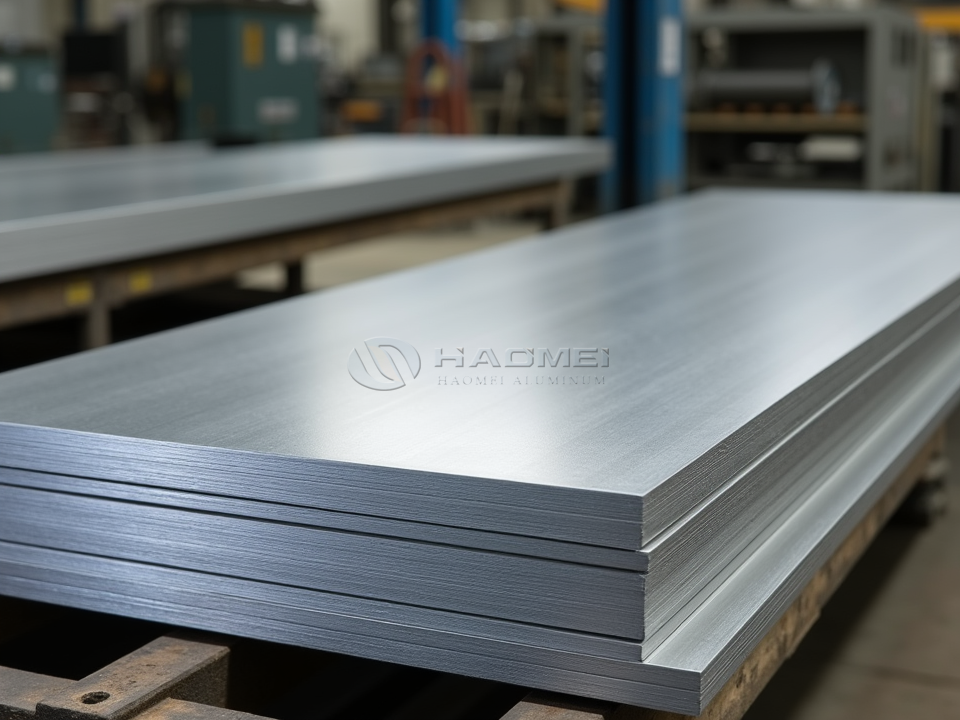
A stable cold rolled aluminum sheet depends on disciplined process control from melting to final packing. Alloying elements are controlled during casting, then slab or coil is homogenized, hot rolled, cold rolled, annealed, leveled, trimmed, and inspected. For tight applications, tension leveling and surface inspection are especially important because they influence flatness, residual stress, and visible quality.
| Production Stage | Controlled Result |
|---|---|
| Melting and casting | Chemical accuracy and inclusion control |
| Homogenization | Improved microstructure and rolling stability |
| Hot rolling | Base gauge reduction and grain refinement |
| Cold rolling | Final thickness, surface finish, strength increase |
| Annealing | Temper adjustment and ductility recovery |
| Leveling and shearing | Flatness, dimension accuracy, clean edges |
| Inspection and packing | Surface protection and delivery consistency |
Ordering Information
To receive the most suitable quotation, customers should provide alloy, temper, thickness, width, length, quantity, surface finish, tolerance standard, and packing method. Drawings or sample photos are helpful when the sheet will be used for bending, deep drawing, anodizing, or painted architectural parts.
| Information Needed | Example |
|---|---|
| Alloy and temper | 3003 H24, 5052 H32, 1050 O |
| Size | 1.5 mm x 1220 mm x 2440 mm |
| Surface | Mill finish, brushed, anodizing quality, PE film |
| Tolerance | ASTM B209 or custom tolerance |
| Processing | Slitting, cutting, leveling, coating |
| Packaging | Export wooden pallet with moisture protection |
Cold rolled alloy aluminum sheet is a practical material for customers who need clean appearance, dimensional precision, corrosion resistance, and dependable forming. By matching alloy, temper, surface finish, and tolerance to the application, buyers can reduce fabrication risk and improve product consistency.