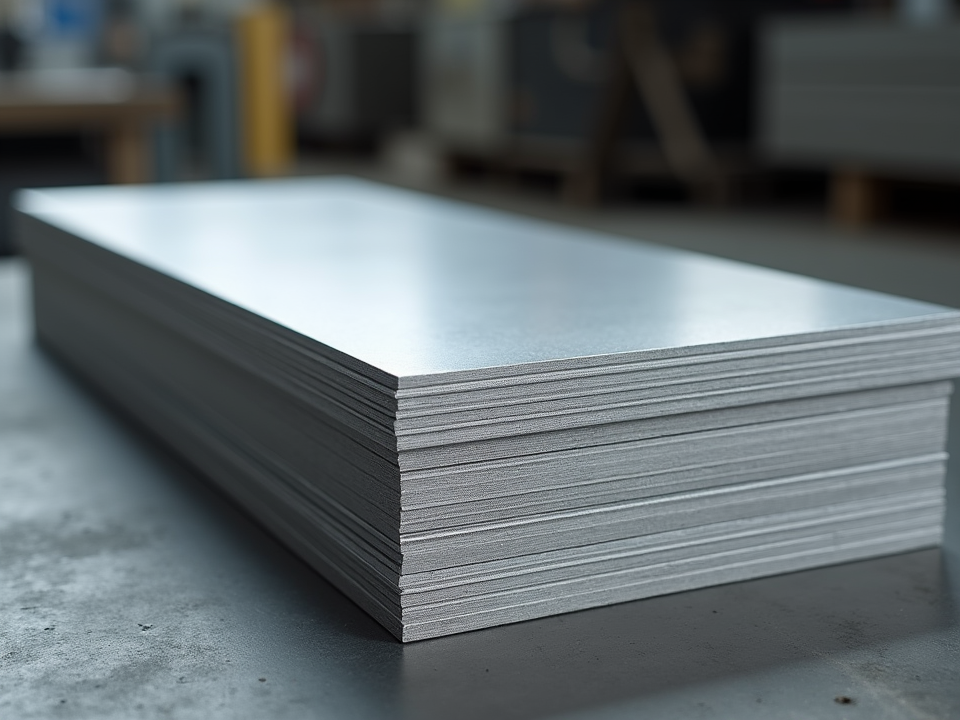
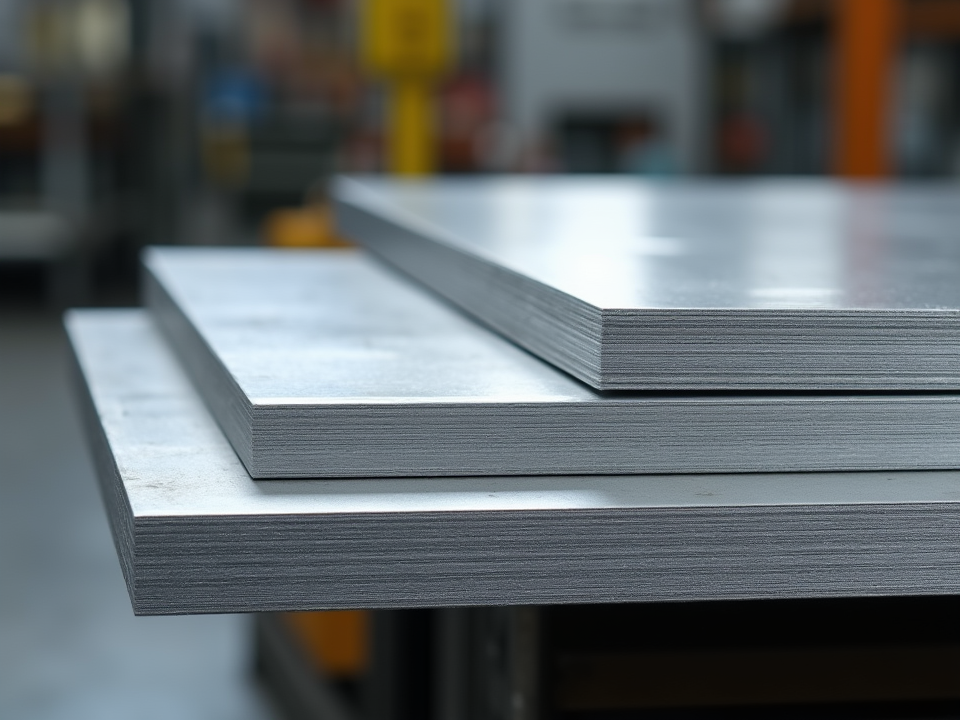
Hot Rolled Aluminum Alloy Plate
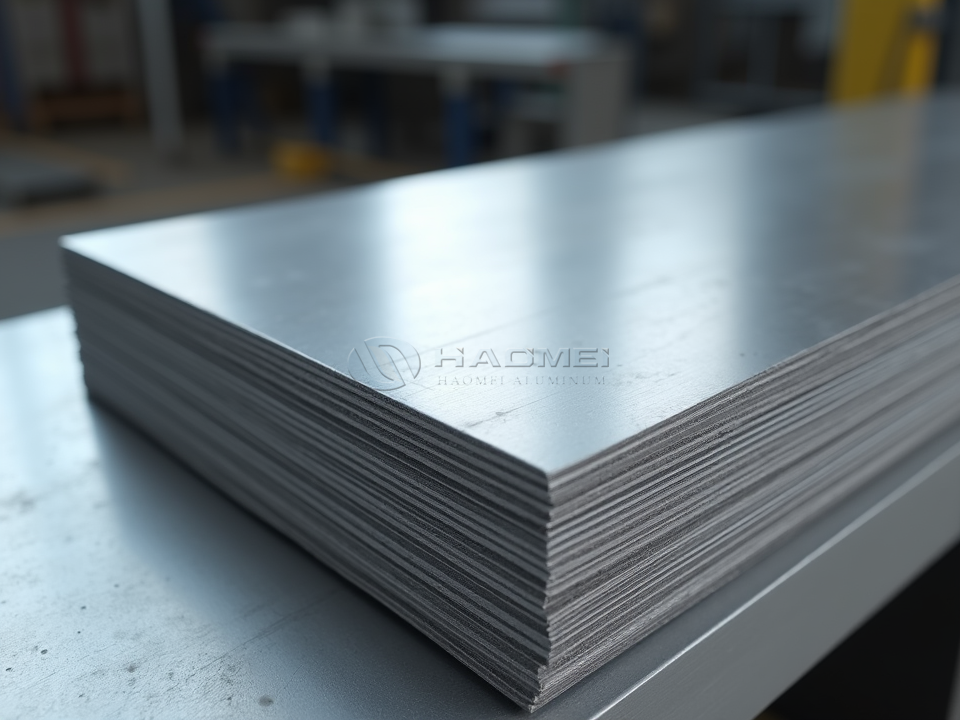
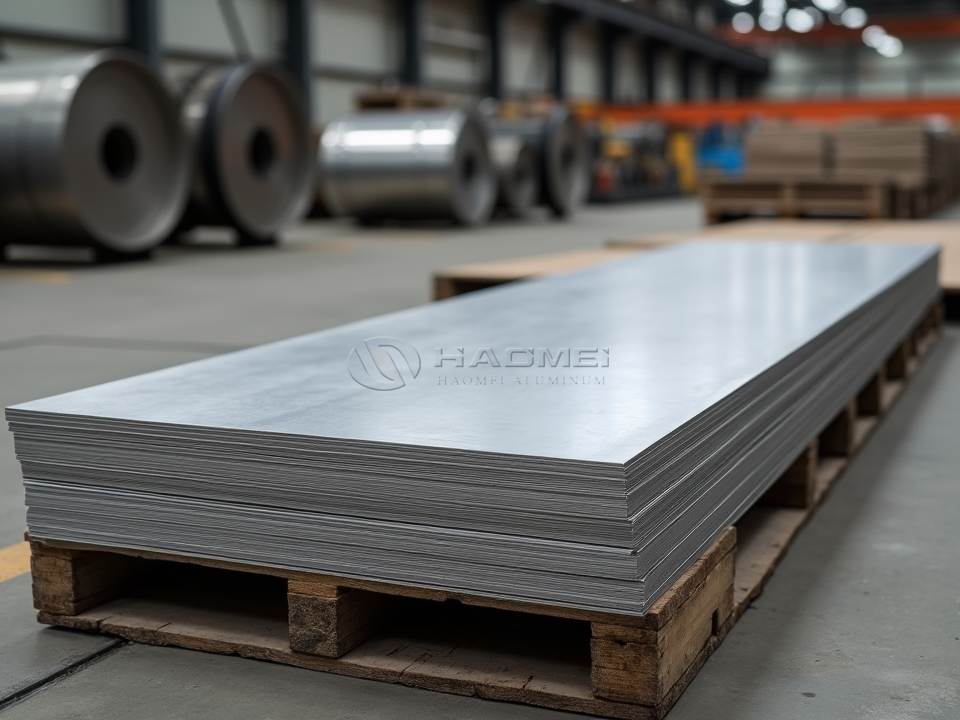
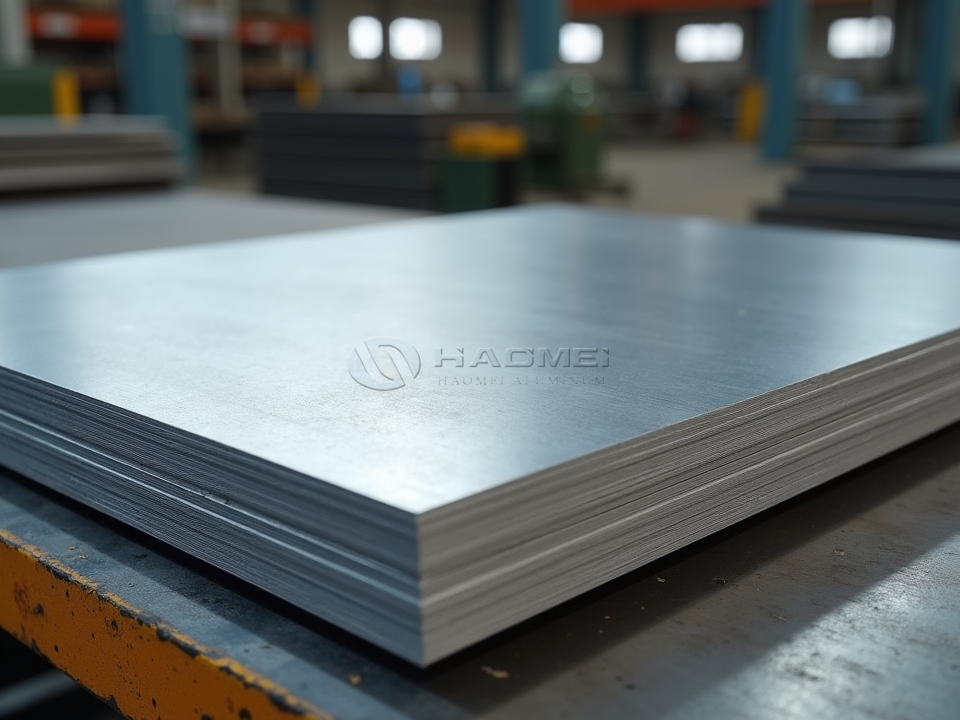
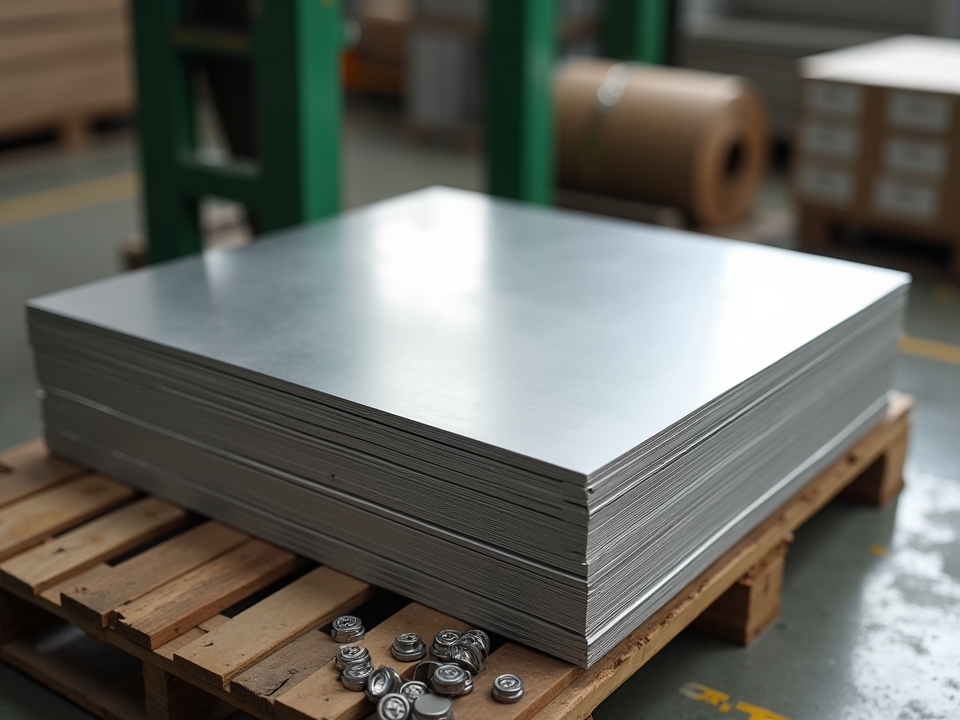
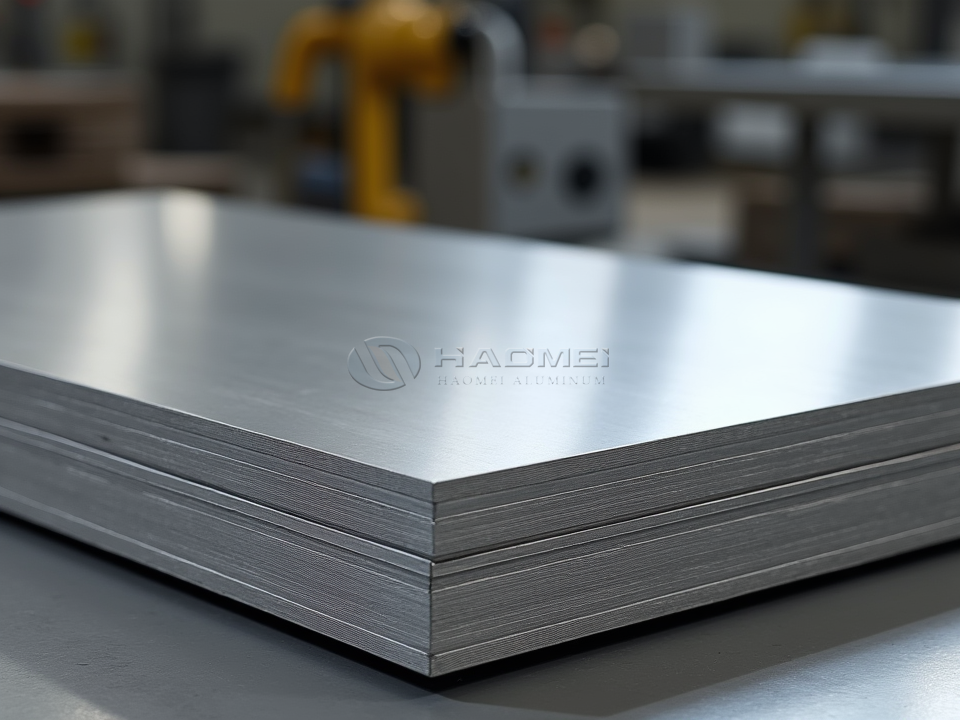
Hot rolled aluminum alloy plate is a heavy-gauge flat rolled product made by heating aluminum slabs and reducing them through rolling mills while the metal is still at elevated temperature. This process gives the plate excellent internal soundness, strong workability, stable dimensions, and a practical balance between strength and weight. It is widely selected for structural parts, shipbuilding, transportation, pressure vessels, tooling bases, molds, and machined components.
Compared with thin-gauge sheet, hot rolled aluminum alloy plate is designed for applications where load-bearing capacity, machining allowance, weldability, and dimensional stability matter. The product can be supplied in common marine, structural, heat-treatable, and general-purpose grades, depending on corrosion resistance, strength level, surface finish, and forming demand.
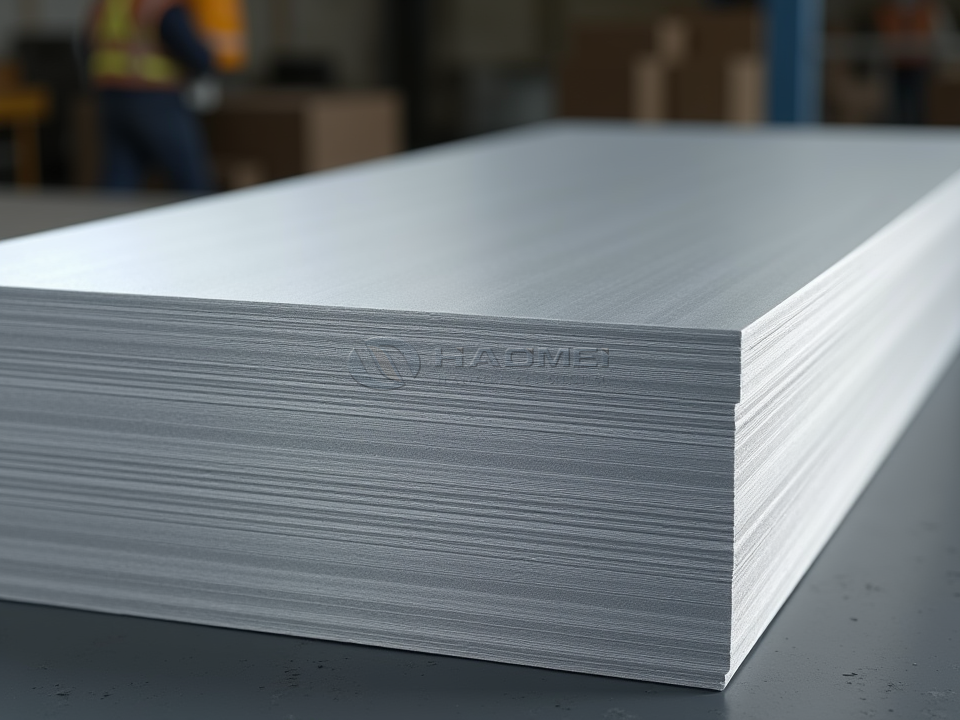
Product Character and Manufacturing Route
During hot rolling, aluminum ingots or cast slabs are homogenized, scalped, preheated, and rolled to the required thickness. The elevated rolling temperature reduces deformation resistance, allows large thickness reduction, and helps create a refined, workable plate structure. Final processing may include stretching, leveling, cutting, solution heat treatment, artificial aging, annealing, or stress relieving.
Hot rolled plate differs from cold rolled sheet in surface texture, thickness range, and internal stress behavior. Cold rolling is often used for thin sheet with bright surface and tighter gauge control, while hot rolled aluminum alloy plate is preferred for thicker sections, large parts, and heavy fabrication.
Main Product Advantages
| Feature | Customer Value |
|---|---|
| Low density | Reduces finished part weight compared with steel |
| Good strength-to-weight ratio | Supports structural design with lighter assemblies |
| Excellent machinability in selected alloys | Improves productivity for CNC parts, fixtures, and molds |
| Strong corrosion resistance | Reduces maintenance in marine, outdoor, and industrial service |
| Weldable grade options | Supports tanks, hull panels, frames, and welded structures |
| Heat-treatable choices | Allows higher strength after T6 or T651 processing |
| Good thermal conductivity | Useful for tooling, base plates, and heat exchange parts |
| Recyclable material | Supports lower-carbon material strategies |
For customers comparing plate families, a broader Alloy Aluminum Sheet selection can help align alloy chemistry, temper, and thickness with the final operating environment.
Common Alloy Grades and Typical Uses
| Alloy | General Type | Main Strength | Typical Applications |
|---|---|---|---|
| 1050 / 1060 / 1100 | Commercially pure aluminum | High conductivity, high formability | Busbars, chemical equipment, signs, decorative plates |
| 3003 | Al-Mn alloy | Good formability and corrosion resistance | Tanks, pressure vessels, heat exchangers, general fabrication |
| 5052 | Al-Mg alloy | Excellent corrosion resistance and weldability | Marine panels, vehicle parts, cabinets, structural covers |
| 5083 | Al-Mg-Mn alloy | High marine-grade strength | Ship plates, LNG tanks, pressure vessels, offshore structures |
| 5754 | Al-Mg alloy | Good forming and fatigue behavior | Automotive panels, flooring, welded structures |
| 6061 | Al-Mg-Si alloy | Heat-treatable strength and machinability | Frames, jigs, machine parts, transport structures |
| 6082 | Al-Mg-Si alloy | Higher structural strength | Bridges, cranes, rail components, machined plates |
| 7075 | Al-Zn-Mg-Cu alloy | Very high strength | Aerospace fixtures, high-load parts, precision tooling |
The popular 6061 Aluminum Sheet family is often considered when customers need a heat-treatable aluminum material with dependable machining performance and broad structural use.
Chemical Composition Reference
Composition values vary by standard and mill certificate. The table shows typical control ranges for commonly requested plate alloys.
| Alloy | Si | Fe | Cu | Mn | Mg | Cr | Zn | Ti | Al |
|---|---|---|---|---|---|---|---|---|---|
| 3003 | 0.60 max | 0.70 max | 0.05-0.20 | 1.00-1.50 | - | - | 0.10 max | - | Balance |
| 5052 | 0.25 max | 0.40 max | 0.10 max | 0.10 max | 2.20-2.80 | 0.15-0.35 | 0.10 max | - | Balance |
| 5083 | 0.40 max | 0.40 max | 0.10 max | 0.40-1.00 | 4.00-4.90 | 0.05-0.25 | 0.25 max | 0.15 max | Balance |
| 5754 | 0.40 max | 0.40 max | 0.10 max | 0.50 max | 2.60-3.60 | 0.30 max | 0.20 max | 0.15 max | Balance |
| 6061 | 0.40-0.80 | 0.70 max | 0.15-0.40 | 0.15 max | 0.80-1.20 | 0.04-0.35 | 0.25 max | 0.15 max | Balance |
| 6082 | 0.70-1.30 | 0.50 max | 0.10 max | 0.40-1.00 | 0.60-1.20 | 0.25 max | 0.20 max | 0.10 max | Balance |
| 7075 | 0.40 max | 0.50 max | 1.20-2.00 | 0.30 max | 2.10-2.90 | 0.18-0.28 | 5.10-6.10 | 0.20 max | Balance |
Mechanical Performance
Mechanical properties depend on alloy, temper, thickness, heat treatment, and testing direction. The following values are typical guidance for purchasing and design conversation, not a replacement for certified test reports.
| Alloy / Temper | Tensile Strength MPa | Yield Strength MPa | Elongation % | Performance Character |
|---|---|---|---|---|
| 3003-H112 | 95-130 | 35-60 | 18-25 | Easy forming, good general fabrication |
| 5052-H112 | 170-215 | 70-110 | 12-20 | Strong corrosion resistance, weldable |
| 5083-H116 / H321 | 275-350 | 125-220 | 10-16 | Marine strength, excellent seawater resistance |
| 5754-H111 | 190-240 | 80-125 | 14-22 | Good fatigue resistance and forming |
| 6061-T651 | 290-330 | 240-280 | 8-12 | Good machining and structural strength |
| 6082-T651 | 300-340 | 250-300 | 8-12 | High structural performance |
| 7075-T651 | 500-570 | 430-500 | 6-11 | Very high strength for demanding parts |
Technical Specifications
| Parameter | Typical Supply Range |
|---|---|
| Thickness | 6 mm to 250 mm, custom ranges by alloy and mill capability |
| Width | 1000 mm to 3000 mm |
| Length | 2000 mm to 12000 mm, cut-to-size available |
| Temper | O, H111, H112, H116, H321, T6, T651, T7351 depending on alloy |
| Surface | Mill finish, brushed, film protected, precision milled on request |
| Flatness | Standard mill tolerance or improved flatness after stretching/leveling |
| Edge condition | Sheared, saw cut, trimmed, or machined edge |
| Standards | ASTM B209, EN 485, EN 573, GB/T 3880, customer specification |
| Inspection | Chemical analysis, tensile test, ultrasonic testing, dimensional check |
Application Fields
| Industry | Plate Function | Recommended Alloys |
|---|---|---|
| Marine and offshore | Hulls, decks, bulkheads, gangways, tank structures | 5052, 5083, 5754 |
| Transportation | Truck bodies, rail panels, trailer floors, battery trays | 5052, 5754, 6061, 6082 |
| Machinery | Base plates, tooling boards, fixtures, machine guards | 6061, 6082, 7075 |
| Energy and chemical | Storage tanks, pressure parts, heat transfer plates | 3003, 5052, 5083 |
| Aerospace tooling | Assembly fixtures, mold plates, high-load tooling | 6061, 7075 |
| Construction | Bridge plates, platforms, stair treads, façade supports | 5754, 6061, 6082 |
Fabrication Behavior
Hot rolled aluminum alloy plate can be cut, drilled, milled, bent, welded, anodized, painted, or assembled with mechanical fasteners. Non-heat-treatable Al-Mg alloys such as 5052 and 5083 are valued for welding and corrosion resistance. Heat-treatable alloys such as 6061 and 6082 are favored when strength and machining accuracy are more important.
For thick machined parts, stress-relieved tempers such as T651 are especially useful. They reduce distortion during milling, pocketing, and precision drilling. For welded marine structures, H116 or H321 tempers help maintain corrosion resistance and reduce sensitization risk in harsh service.
Selection Guidance
| Requirement | Suggested Direction |
|---|---|
| Maximum corrosion resistance in seawater | 5083-H116 or 5083-H321 |
| Balanced forming and welding | 5052-H112 or 5754-H111 |
| Precision machining | 6061-T651 or 6082-T651 |
| Very high strength | 7075-T651, with corrosion protection if needed |
| Electrical or thermal conductivity | 1050, 1060, or 1100 |
| General economical fabrication | 3003 or 5052 |
Purchasing Notes
When ordering hot rolled aluminum alloy plate, customers should confirm alloy, temper, thickness, width, length, flatness class, surface requirement, edge condition, inspection level, and packing method. For critical service, request mill test certificates, ultrasonic inspection, and traceability by heat number.
A well-specified hot rolled aluminum alloy plate delivers lower weight, reliable fabrication, and long service life. With the correct alloy and temper, it becomes a practical material solution for demanding industries where strength, corrosion resistance, and machining performance must work together.