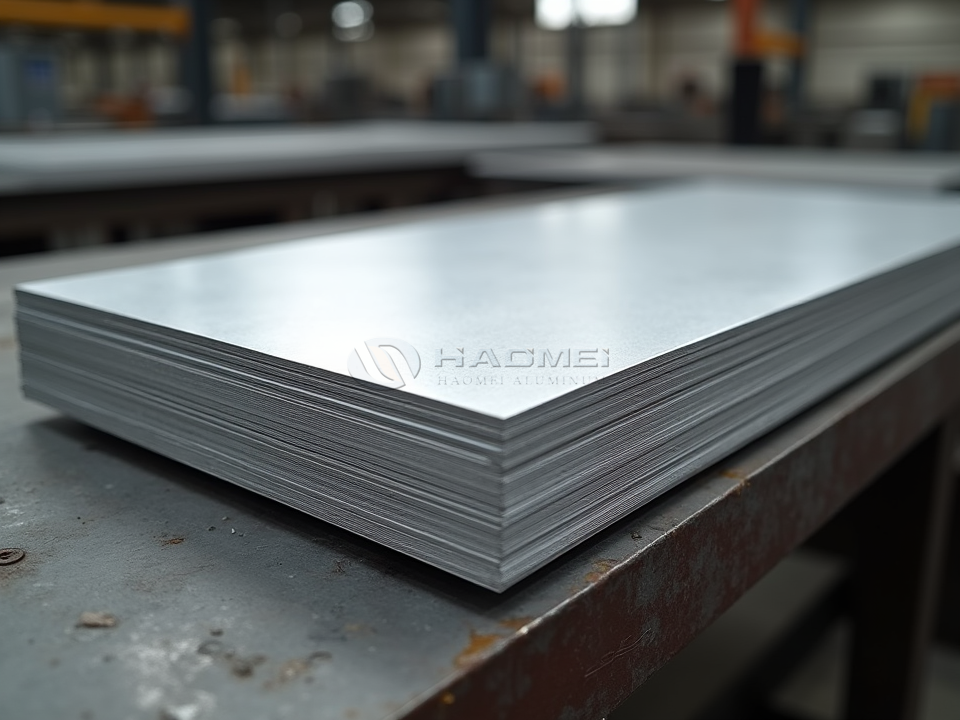
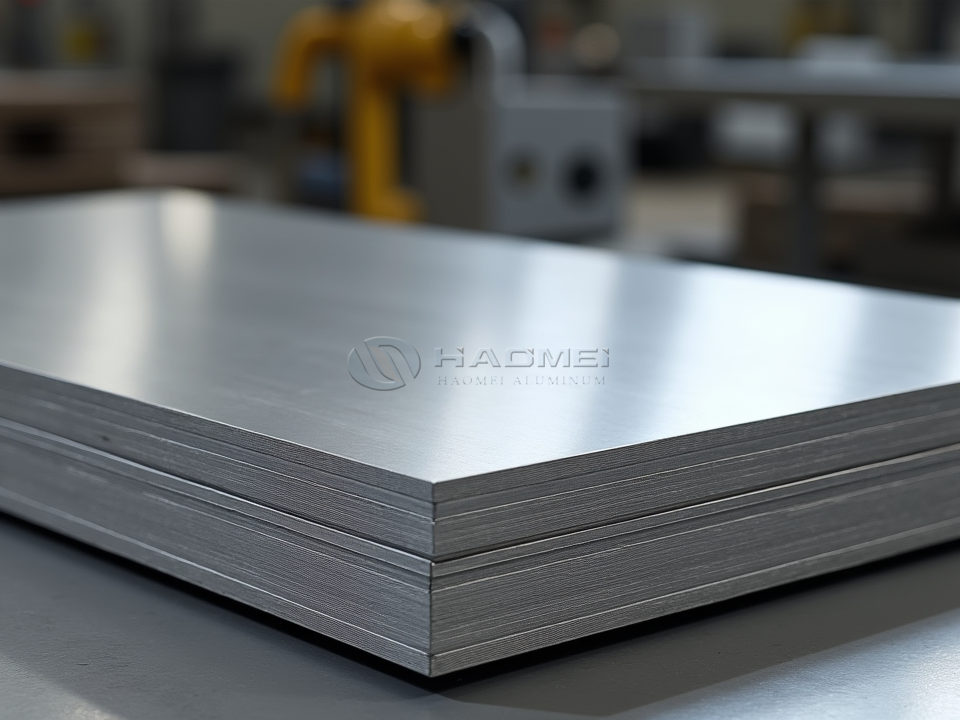
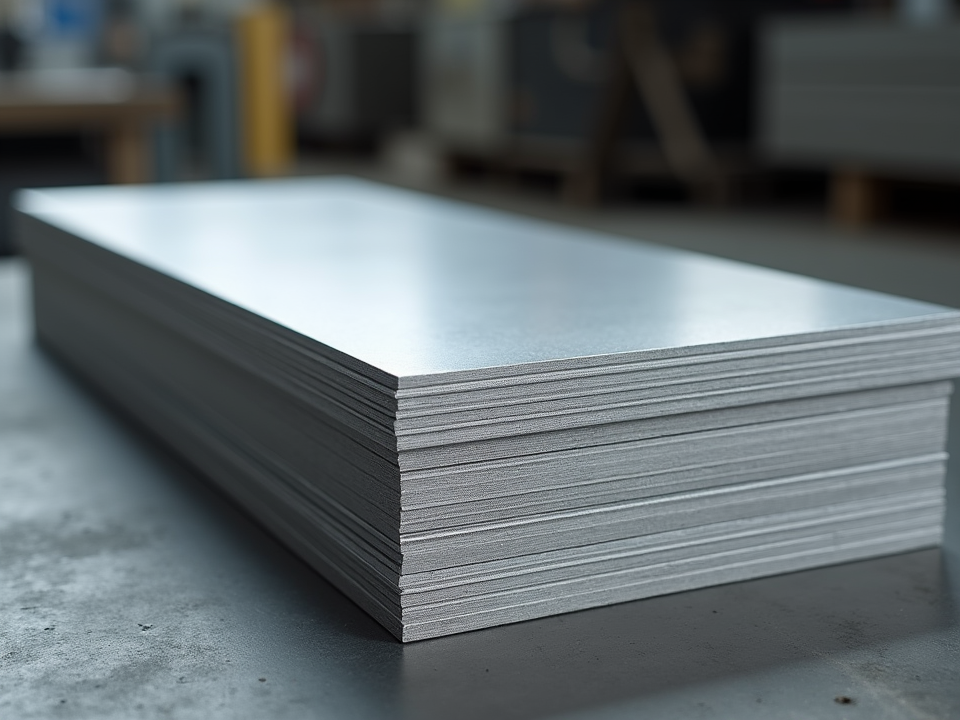
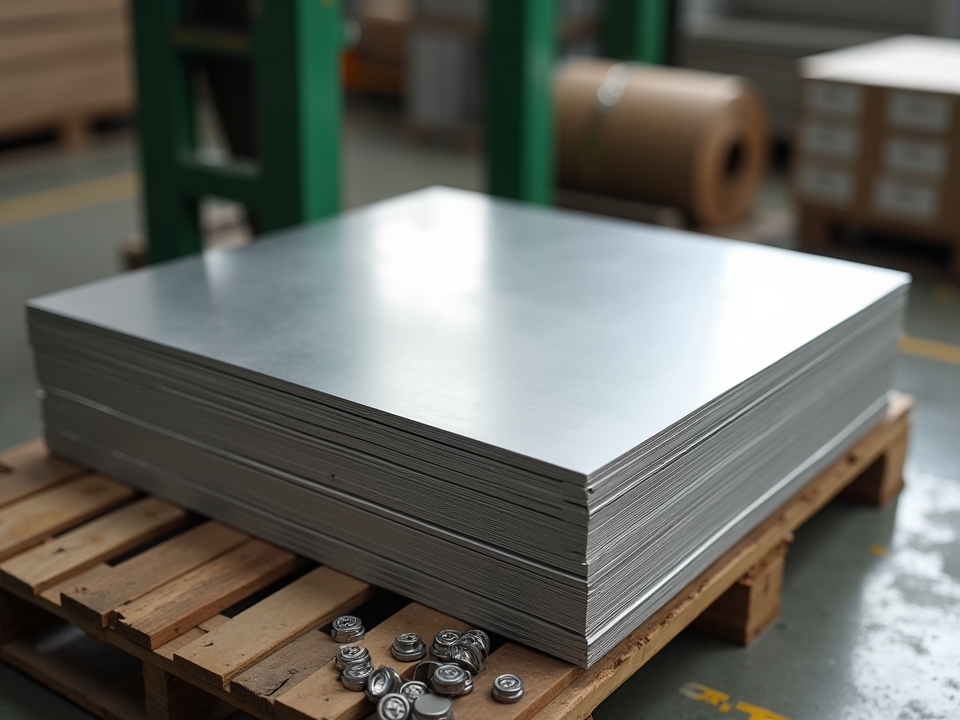
5086 Heavy Alloy Aluminum Plate
5086 heavy alloy aluminum plate is a high-magnesium, non-heat-treatable 5xxx series aluminum plate designed for strength, corrosion resistance, and dependable welding performance. It is widely selected for marine structures, pressure-related fabrications, transportation equipment, armored panels, and large welded assemblies where saltwater exposure and long service life matter.
Within the broader Alloy Aluminum Sheet family, 5086 stands out as a stronger alternative to many common 5xxx alloys while keeping excellent formability and weldability. It gains strength mainly through strain hardening rather than heat treatment, making temper selection especially important for final performance.
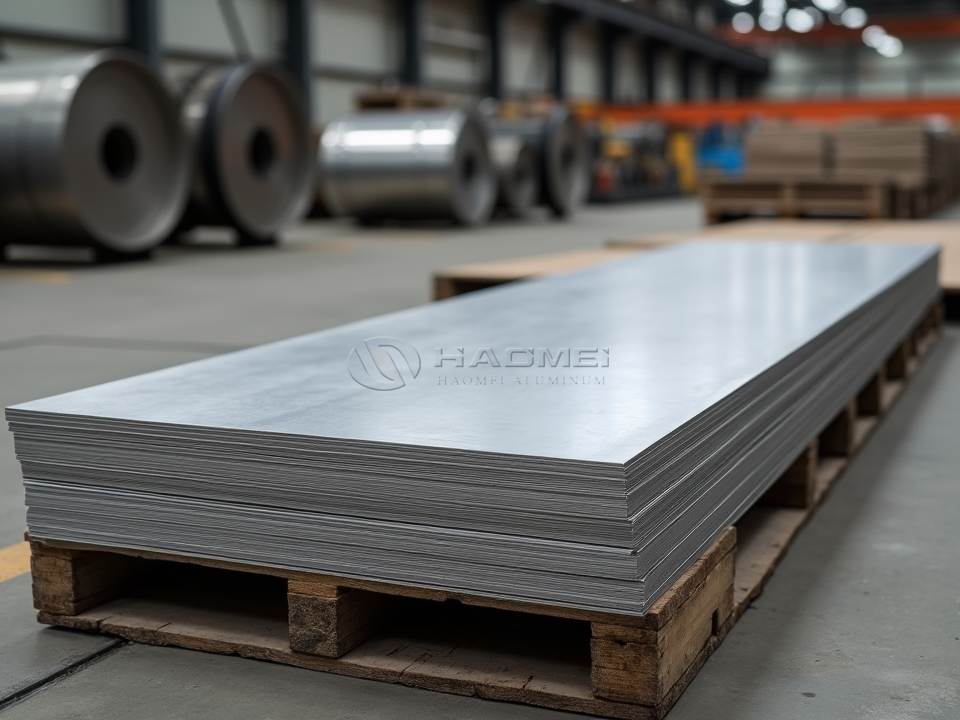
What 5086 Heavy Alloy Aluminum Plate Does
5086 aluminum plate performs three major functions in demanding fabrication: it resists corrosion, supports structural loads, and maintains weld integrity. The alloy contains about 3.5% to 4.5% magnesium, with controlled manganese and chromium additions that improve strength and resistance to marine environments.
In seawater, industrial humidity, and chemical atmospheres, 5086 forms a stable oxide film that helps protect the surface. For shipbuilding and offshore use, tempers such as H116 and H321 are often preferred because they are processed to reduce susceptibility to exfoliation corrosion and stress corrosion cracking.
| Functional requirement | How 5086 plate responds | Typical benefit |
|---|---|---|
| Marine corrosion resistance | Magnesium-rich 5xxx chemistry with stable oxide film | Longer service life in saltwater exposure |
| Welded fabrication | Excellent MIG and TIG weldability | Strong hulls, tanks, frames, and decks |
| Structural loading | Higher strength than 5052 in many tempers | Weight reduction without sacrificing rigidity |
| Forming and bending | Good formability in O, H111, and selected H tempers | Easier fabrication of curved or shaped parts |
| Low-temperature service | Good toughness at cryogenic and cold conditions | Reliable use in cold-chain and LNG-related equipment |
Common Applications
5086 heavy alloy aluminum plate is frequently used where ordinary aluminum plate may not provide enough strength or resistance to aggressive environments. It is especially suitable for welded structures that must stay light but strong.
| Industry | Typical parts made from 5086 plate | Reason for selection |
|---|---|---|
| Shipbuilding | Hull plates, decks, bulkheads, superstructures, gangways | Saltwater resistance and weldability |
| Offshore engineering | Platforms, service vessels, walkways, equipment housings | Corrosion resistance in humid marine air |
| Transportation | Truck bodies, trailer floors, railcar panels, fuel tank guards | High strength-to-weight ratio |
| Defense and security | Vehicle protection panels, structural armor backing, patrol boat parts | Strength, toughness, and low weight |
| Storage and process equipment | Welded tanks, silos, pressure-adjacent components | Clean fabrication and corrosion performance |
| Cryogenic and cold service | Low-temperature vessels, refrigerated transport structures | Retains toughness in cold environments |
Chemical Composition
The chemical composition of 5086 aluminum plate is controlled to provide its balance of strength, corrosion resistance, and fabrication behavior. Values may vary slightly according to standard and mill practice.
| Element | Typical content, % by weight |
|---|---|
| Aluminum, Al | Remainder |
| Magnesium, Mg | 3.5-4.5 |
| Manganese, Mn | 0.20-0.70 |
| Chromium, Cr | 0.05-0.25 |
| Iron, Fe | Max 0.50 |
| Silicon, Si | Max 0.40 |
| Zinc, Zn | Max 0.25 |
| Titanium, Ti | Max 0.15 |
| Copper, Cu | Max 0.10 |
| Other each | Max 0.05 |
| Other total | Max 0.15 |
Main Technical Specifications
5086 heavy alloy aluminum plate is supplied in medium and thick gauges for cutting, forming, machining, welding, and certified marine construction. Custom dimensions are commonly available for project-based purchasing.
| Parameter | Common supply range or value |
|---|---|
| Alloy | 5086 |
| Product form | Sheet, plate, heavy plate, cut-to-size plate |
| Thickness | 6-200 mm, with project options outside this range |
| Width | 1000-2600 mm, wider options subject to mill capability |
| Length | 2000-12000 mm or cut to drawing |
| Density | About 2.66 g/cm³ |
| Elastic modulus | About 70 GPa |
| Melting range | About 585-640°C |
| Thermal conductivity | About 120-130 W/m·K |
| Electrical conductivity | About 29-32% IACS |
| Surface finish | Mill finish, brushed, coated, film protected, or inspected marine finish |
| Edge condition | Mill edge, slit edge, saw cut, CNC cut, or waterjet cut |
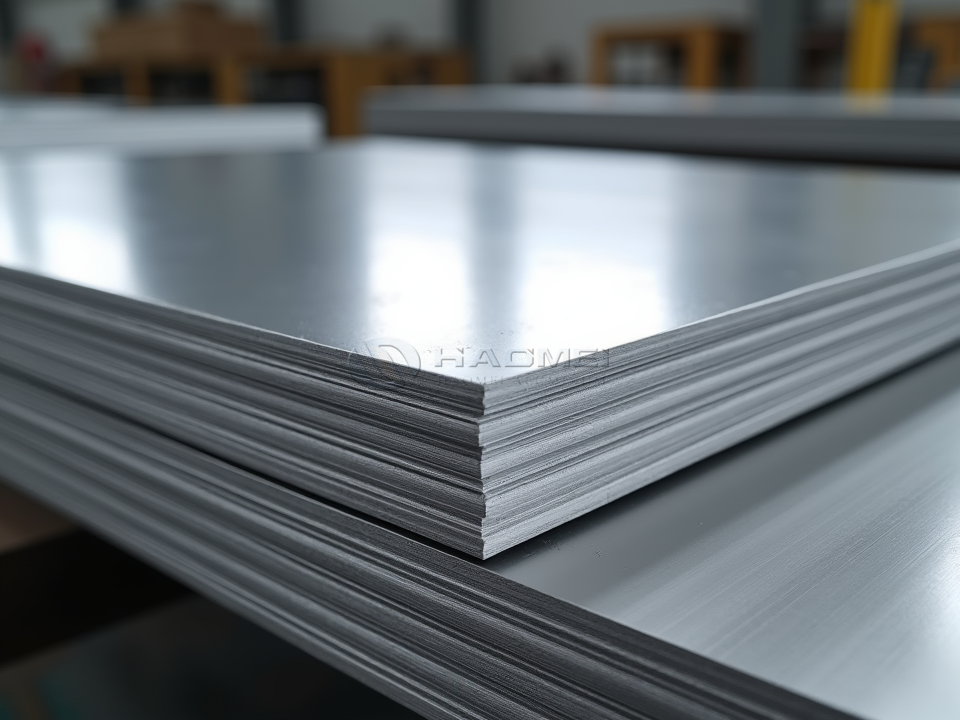
Tempering Conditions and Mechanical Performance
Because 5086 is not strengthened by heat treatment, its temper is created through annealing, strain hardening, and stabilization. Selecting the correct temper affects bendability, yield strength, corrosion behavior, and fabrication cost.
| Temper | Condition description | Typical use |
|---|---|---|
| O | Fully annealed, softest condition | Deep forming, bending, complex shapes |
| H111 | Slightly strain hardened during finishing | General fabrication with good formability |
| H112 | As-fabricated strain-hardened condition | Thick plate, machining, structural parts |
| H116 | Strain hardened and corrosion-tested for marine use | Hulls, offshore panels, saltwater structures |
| H321 | Strain hardened and stabilized for marine resistance | Ship plate, welded marine components |
| Temper | Tensile strength, MPa | Yield strength, MPa | Elongation, % | Notes |
|---|---|---|---|---|
| O | 240-310 | Min 95 | Min 16 | Best forming condition |
| H111 | 260-345 | Min 110 | Min 14 | Balanced forming and strength |
| H112 | Min 240 | Min 95 | Min 10 | Common for heavy plate |
| H116 | 305-385 | Min 215 | Min 10 | Marine corrosion resistant temper |
| H321 | 305-385 | Min 215 | Min 10 | Stabilized marine plate condition |
Mechanical values depend on plate thickness, test direction, and the applicable purchasing specification. For shipbuilding or class-approved projects, certified mill test reports should be requested with each batch.
Implementation Standards
5086 heavy alloy aluminum plate can be produced and inspected according to international standards for general engineering, marine construction, and pressure-related fabrication.
| Standard | Scope |
|---|---|
| ASTM B209 | Aluminum and aluminum-alloy sheet and plate |
| ASTM B928 | High-magnesium aluminum-alloy sheet and plate for marine service |
| EN 485 | Aluminum and aluminum alloy sheet, strip, and plate |
| EN 573 | Chemical composition and product form designations |
| AMS-QQ-A-250/7 | Aluminum alloy 5086 plate and sheet for aerospace and defense supply chains |
| ABS, DNV, LR, BV, CCS | Classification approvals for marine and shipbuilding applications |
Fabrication Guidance
5086 plate welds well with common processes such as MIG and TIG. Filler alloys are usually selected from 5356, 5183, or 5556, depending on strength requirements, corrosion conditions, and service temperature. For marine welded structures, filler selection should match both design strength and classification rules.
| Fabrication process | Recommendation |
|---|---|
| Cutting | Saw cutting, plasma cutting, laser cutting, and waterjet cutting are suitable |
| Welding | MIG or TIG welding with 5xxx filler wire is preferred |
| Forming | Use larger bend radii in harder tempers to prevent edge cracking |
| Machining | Good machinability with sharp tools and proper chip control |
| Surface protection | Mill finish is common; anodizing, coating, or painting may be used |
| Heat treatment | Not applicable for strengthening; avoid overheating during welding |
During bending, O and H111 tempers provide easier forming, while H116 and H321 are better for structural marine panels. In thick plate, attention should be given to grain direction, minimum bend radius, and edge preparation.
Purchasing Notes for Project Buyers
When sourcing 5086 heavy alloy aluminum plate, the purchase specification should clearly state alloy, temper, thickness, width, length, tolerance, standard, surface requirement, and certificate type. Marine projects may also require ABS, DNV, LR, BV, or CCS approval.
| Buying item | What to confirm before order |
|---|---|
| Alloy and temper | 5086 O, H111, H112, H116, or H321 |
| Dimensional tolerance | Thickness, width, length, diagonal, and flatness |
| Certification | Mill test certificate, EN 10204 3.1, or class certificate |
| Corrosion requirement | ASTM B928 or marine class approval if needed |
| Processing service | Cutting, drilling, film protection, pallet packing |
| Application environment | Seawater, industrial atmosphere, transport, tank, or defense use |
5086 heavy alloy aluminum plate is a practical choice for customers who need a strong, weldable, corrosion-resistant aluminum plate in thick gauges. With the right temper, standard, and inspection package, it can serve reliably in ships, offshore structures, heavy transport equipment, and large engineered assemblies.