Marine Grade Aluminum Plate 5083
A marine structure does not fail only because a wave is strong. It fails when material, design, welding, and corrosion control are not working together. This is why marine grade aluminum plate 5083 is often selected for hulls, decks, tanks, workboats, patrol vessels, ferries, and offshore equipment. It is not simply an aluminum plate with good strength. It is a 5xxx series Al-Mg alloy built for wet, salty, moving environments where fatigue, welding heat, and seawater attack are daily conditions.

5083 aluminum plate belongs to the non-heat-treatable aluminum alloy family. Its strength comes mainly from magnesium solid solution strengthening and cold working, not from heat treatment like 6061-T6. For a buyer, that difference matters. After welding, 5083 retains better joint performance than many heat-treated alloys, making it practical for large welded marine structures. Compared with 5052 Aluminum Sheet, 5083 generally offers higher strength and better suitability for heavy-duty hull plating, while 5052 remains popular for lighter marine panels and formed parts.
Why 5083 Feels at Home in Saltwater
The ocean is a harsh tester. Saltwater tries to enter every scratch, weld seam, and crevice. 5083 plate resists this attack because its magnesium-rich composition forms a stable oxide film. When properly selected in marine tempers such as H116 or H321, it also offers resistance to exfoliation corrosion and stress corrosion cracking.
This is especially important for vessels that remain in seawater for long periods. A plate may look strong on a datasheet, but the real question is whether it can keep its properties after years of spray, vibration, impact, and welding repair. 5083 performs well because its balance of strength, ductility, and corrosion resistance is suited to that cycle.
Common Product Parameters
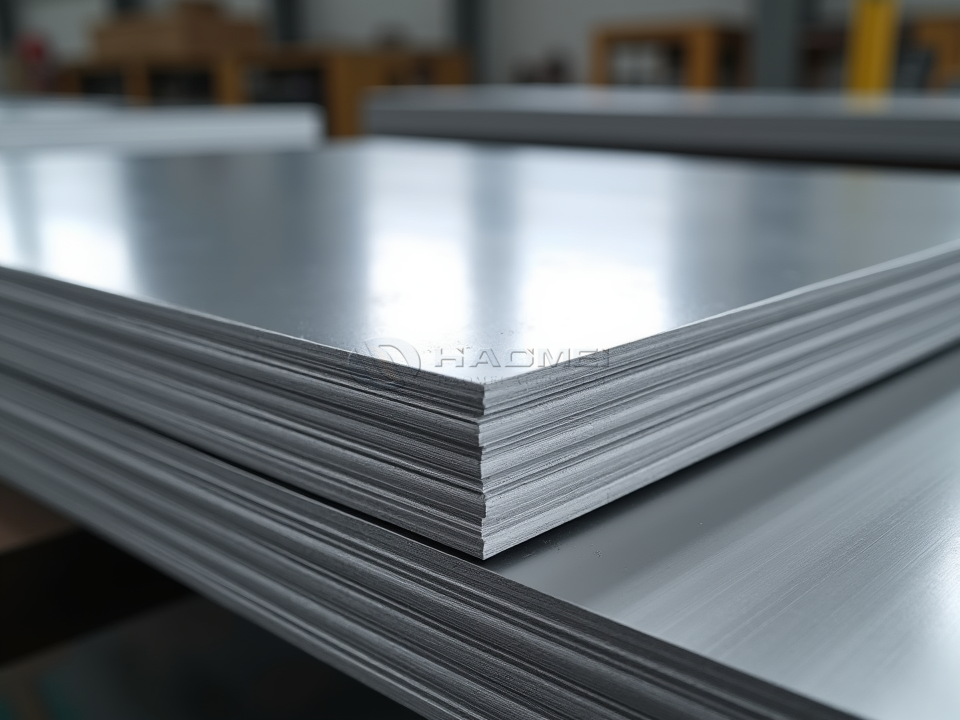
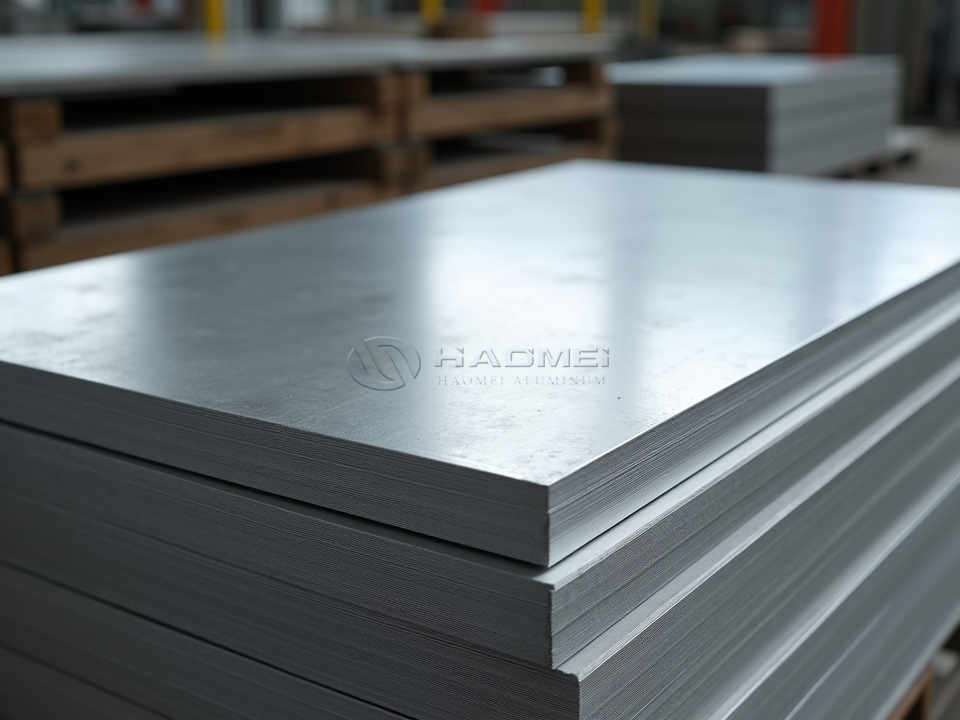
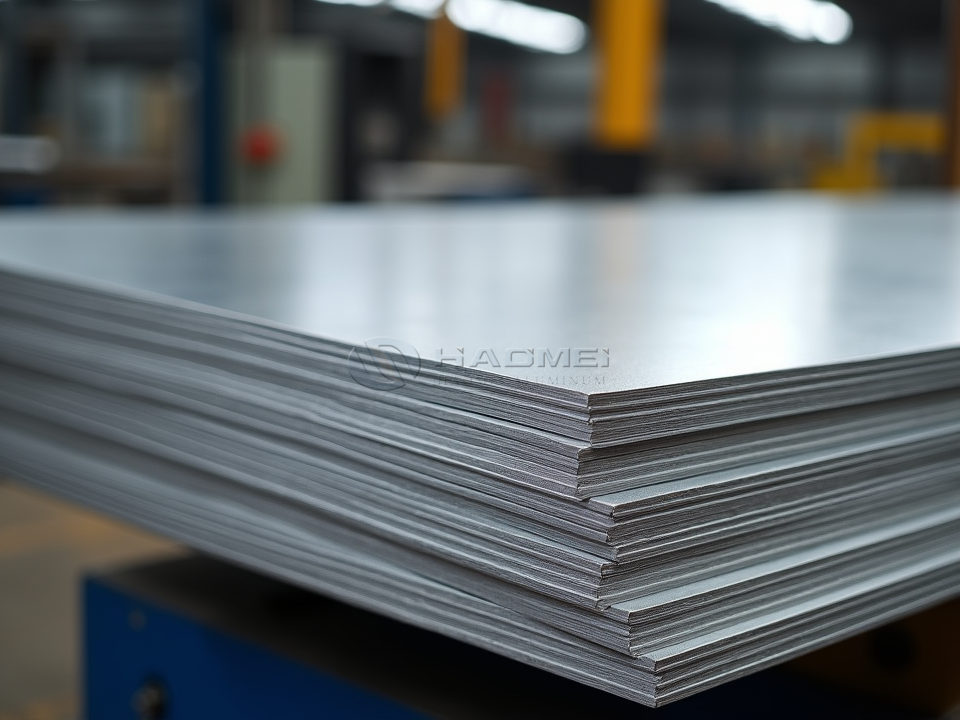
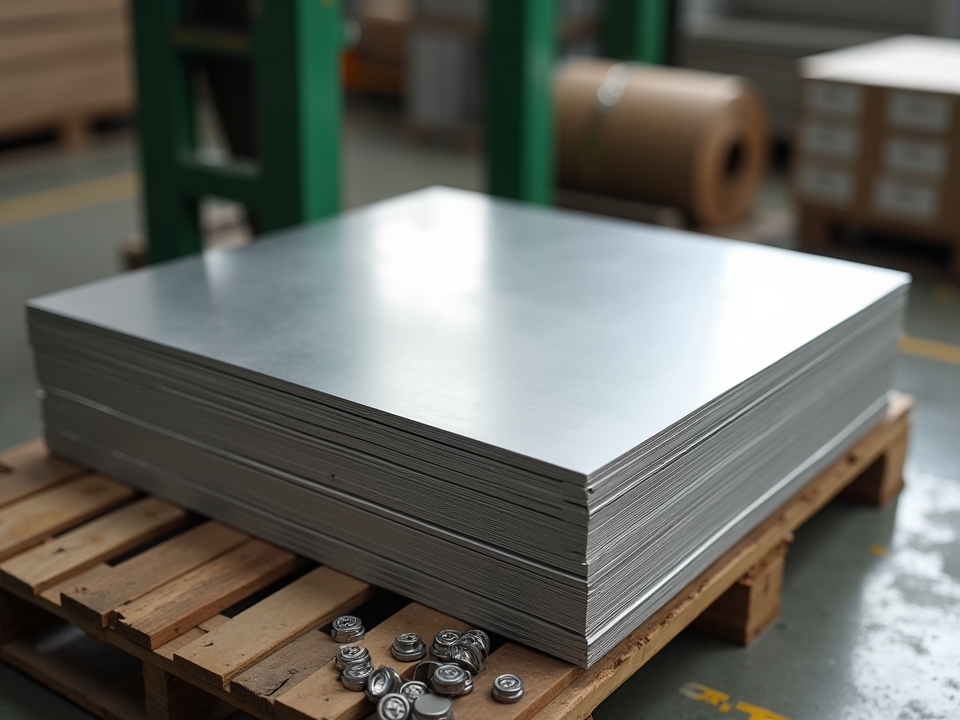
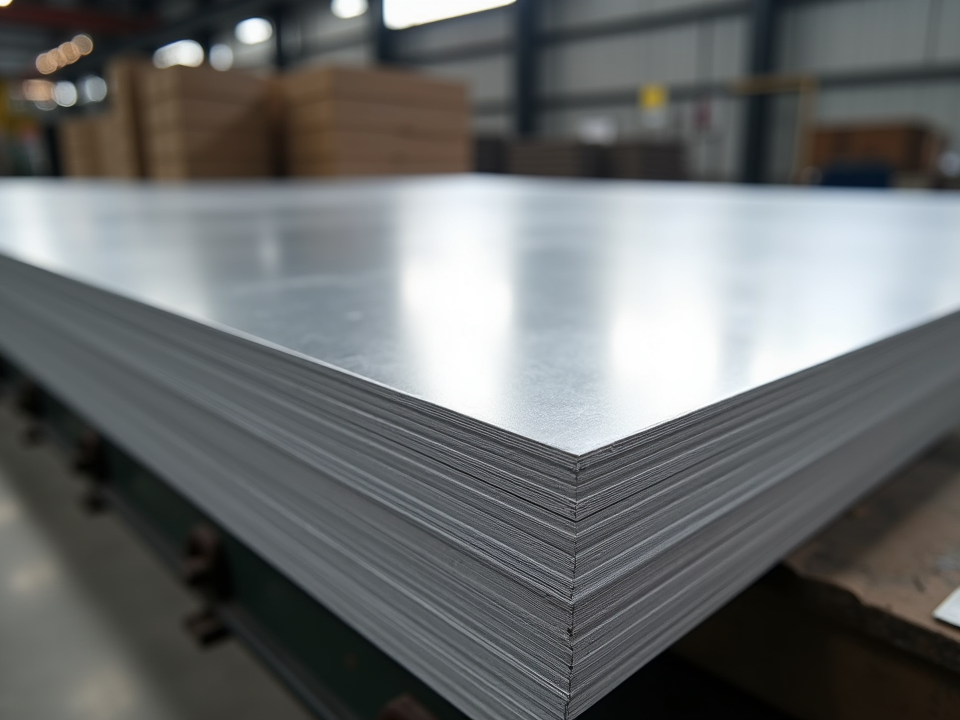
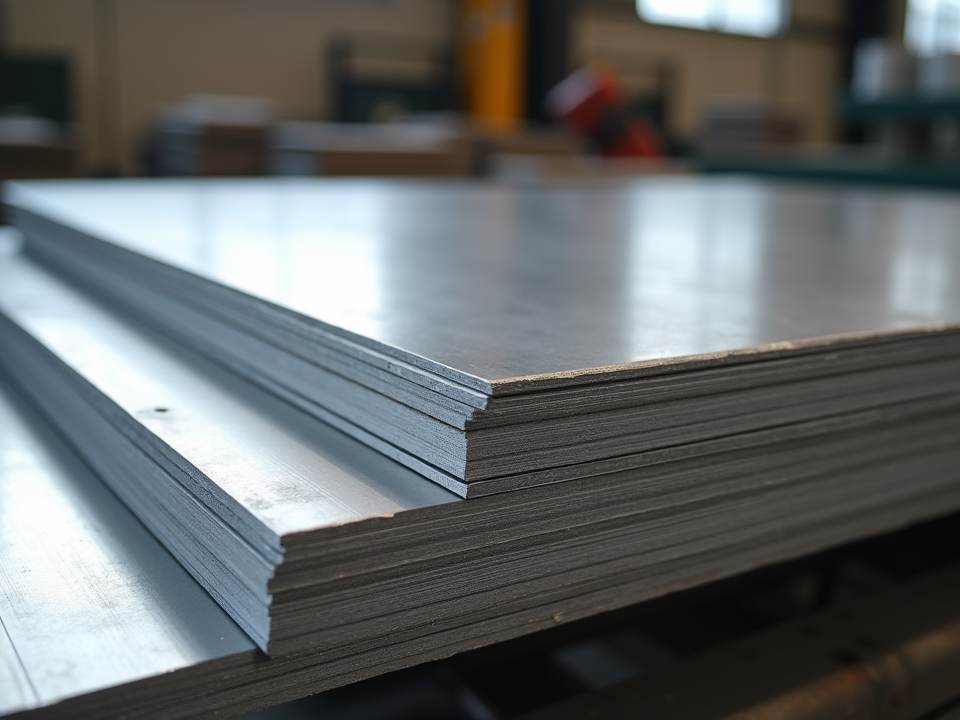
5083 marine aluminum plate can be supplied in different sizes depending on rolling mill capability and project requirements. Typical commercial ranges include thickness from 3 mm to 200 mm, width from 1000 mm to 2500 mm, and length from 2000 mm to 12000 mm. Shipbuilding plates are often ordered in wider and longer formats to reduce weld seams and improve production efficiency.
Surface options may include mill finish, PVC film protection, polished surface, or pre-treated surface for coating. Edge conditions may be slit edge, cut edge, or sawn edge. Flatness, thickness tolerance, and surface quality should be confirmed before purchase, especially for CNC cutting, bending, or class-approved ship projects.
For buyers comparing aluminum families, Alloy Aluminum Sheet selection should consider not just alloy number, but also temper, certification, welding route, and final service environment.
Chemical Composition of 5083 Aluminum Plate
The performance of 5083 begins with chemistry. Magnesium gives the alloy strength and seawater resistance, while manganese and chromium improve structure stability and corrosion behavior.
| Element | Content Range |
|---|---|
| Aluminum, Al | Balance |
| Magnesium, Mg | 4.0% - 4.9% |
| Manganese, Mn | 0.40% - 1.00% |
| Chromium, Cr | 0.05% - 0.25% |
| Iron, Fe | Max 0.40% |
| Silicon, Si | Max 0.40% |
| Zinc, Zn | Max 0.25% |
| Copper, Cu | Max 0.10% |
| Titanium, Ti | Max 0.15% |
| Other each | Max 0.05% |
| Other total | Max 0.15% |
Low copper content is important in marine service because copper can reduce corrosion resistance in seawater. The controlled magnesium level gives 5083 its identity: strong enough for structural use, yet still weldable and formable within realistic shop conditions.
Tempers and Marine Conditions
5083 plate is supplied in several tempers, and the temper choice is as important as the alloy itself.
| Temper | Typical Use | Practical Meaning |
|---|---|---|
| O | Forming, deep bending, parts needing high ductility | Soft annealed condition |
| H111 | General marine fabrication | Slightly strain hardened after shaping |
| H112 | Thick plate, machined parts, general structural use | Controlled mechanical properties after hot working |
| H116 | Hulls, decks, high-corrosion marine structures | Special marine temper with corrosion resistance testing |
| H321 | Marine structures needing stability after working | Strain hardened and stabilized condition |
For ship hulls and offshore structures, H116 and H321 are often preferred because they are designed for marine exposure. These tempers are commonly associated with additional corrosion performance checks, such as exfoliation corrosion resistance.
Typical Mechanical and Physical Properties
Values vary by thickness, standard, and mill practice, but the following data gives a practical reference for purchasing discussions.
| Property | Typical Value or Range |
|---|---|
| Density | 2.66 g/cm3 |
| Elastic modulus | About 70 GPa |
| Melting range | About 570 - 640°C |
| Thermal conductivity | About 117 W/m·K |
| Electrical conductivity | About 29% IACS |
| Tensile strength, H116 | About 305 - 385 MPa |
| Yield strength, H116 | About 215 MPa min |
| Elongation, H116 | About 10% min, thickness dependent |
| Brinell hardness | About 75 HB |
Compared with steel, 5083 aluminum plate offers much lower weight. For marine designers, weight reduction can mean higher payload, lower fuel use, shallower draft, and easier handling during construction. The tradeoff is that aluminum requires correct welding design, careful galvanic isolation, and suitable fastening systems.
Implementation Standards and Certifications
Marine grade aluminum plate 5083 is commonly produced and inspected according to international standards. ASTM B928 is widely used for high-magnesium aluminum alloy sheet and plate intended for marine service. ASTM B209 covers aluminum and aluminum-alloy sheet and plate for general industrial supply. European projects may refer to EN 485 for sheet, strip, and plate, EN 573 for chemical composition, and EN 515 for temper designations.
For vessels, approval from classification societies may be required. Common class bodies include ABS, DNV, LR, BV, CCS, RINA, and KR. If the plate is used for certified ship construction, the order should clearly state the required class certificate, alloy, temper, size tolerance, ultrasonic inspection if needed, and heat number traceability.
Fabrication Notes from the Workshop Floor
5083 cuts cleanly by saw, router, waterjet, laser, or plasma, though heat input must be controlled to avoid distortion. It can be bent, but bending radius depends strongly on thickness and temper. O temper bends more easily, while H116 and H321 require more attention to bend direction, tooling, and minimum radius.
Welding is one of the reasons 5083 is so valuable at shipyards. MIG and TIG welding are common, with filler alloys such as 5183, 5356, or 5556 selected according to strength, corrosion, and service needs. After welding, designers should remember that the heat-affected zone may soften compared with the base metal. Good joint design compensates for this reality.
5083 should not be used for prolonged service above about 65°C if stress corrosion resistance is critical, because high-magnesium 5xxx alloys may become sensitized over time at elevated temperatures. For marine hulls, this is usually not a problem, but for engine-room structures, hot tanks, or heated process equipment, temperature exposure should be reviewed.
Where 5083 Marine Plate Is Used
Typical applications include hull bottom plates, side shell plates, superstructures, decks, bulkheads, fuel tanks, gangways, floating platforms, LNG and cryogenic equipment, pressure vessels, and marine transportation containers. In cryogenic service, 5083 is also valued because it keeps good toughness at low temperatures.
The alloy is popular where strength and corrosion resistance must be achieved without excessive weight. Workboats, rescue boats, fishing vessels, military craft, and aluminum catamarans often benefit from this balance.
Buying Advice for Fast Decisions
When requesting a quotation, provide alloy 5083, required temper such as H116 or H321, thickness, width, length, quantity, standard, surface requirement, and certification demand. If plates will be welded into a classed vessel, ask for mill test certificates and class approval documents before production starts.
Marine grade aluminum plate 5083 is best understood as a working material rather than a catalog item. It carries strength, corrosion resistance, weldability, and weight savings into one plate. When the temper and standard match the sea conditions, it becomes a reliable foundation for vessels and marine structures that must keep moving, loading, landing, and returning through saltwater year after year.