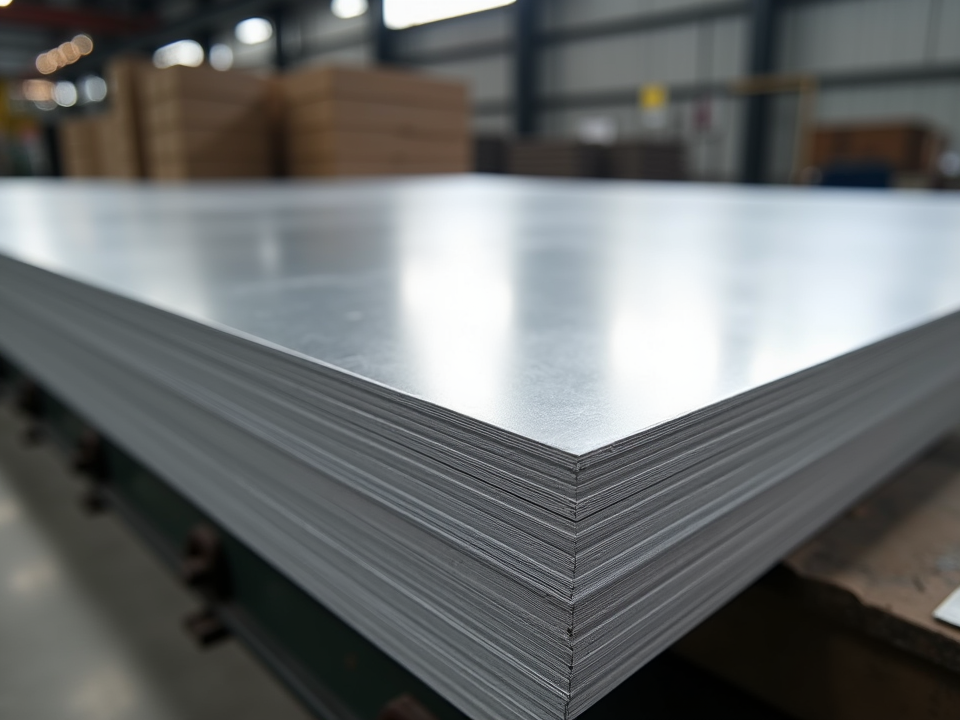
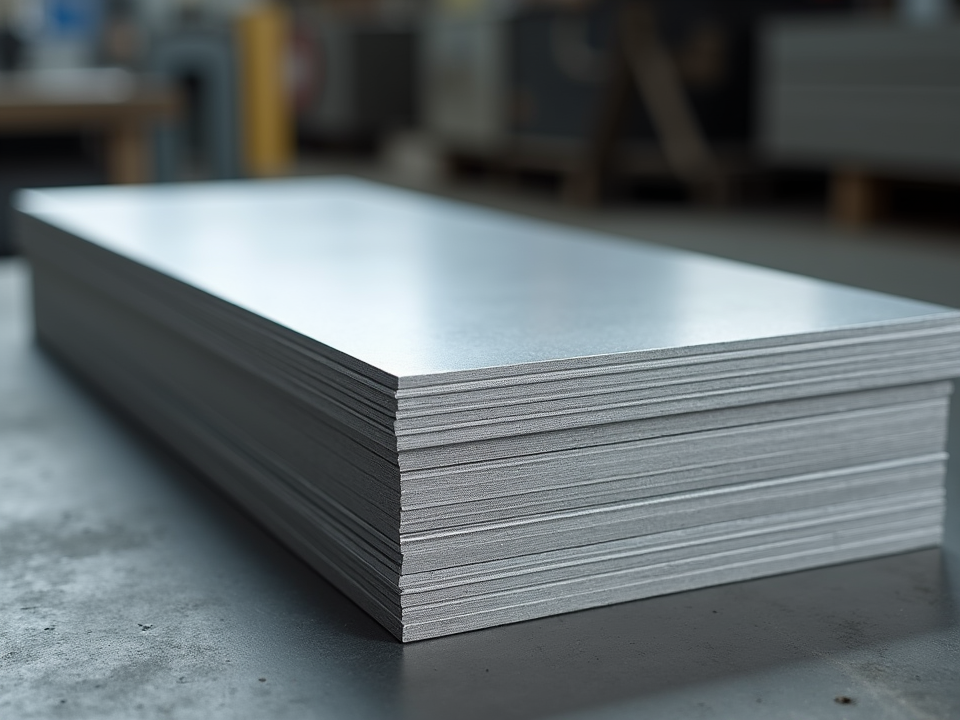
Raised Pattern Aluminum Floor Plate
A raised pattern aluminum floor plate is often chosen for one practical reason: people need to walk, load, step, and work on it safely. Yet the best buying decision goes beyond simply choosing a sheet with a visible tread design. The floor surface is a contact zone between footwear, wheels, moisture, cargo, and structure. Its pattern must provide grip, its alloy must withstand the environment, and its thickness must suit the support underneath.
This makes raised aluminum floor plate less like decorative sheet metal and more like a working interface. Whether installed in a service vehicle, workshop aisle, boat deck, loading platform, trailer, stair landing, or machine enclosure, it should perform reliably every day without demanding much attention.
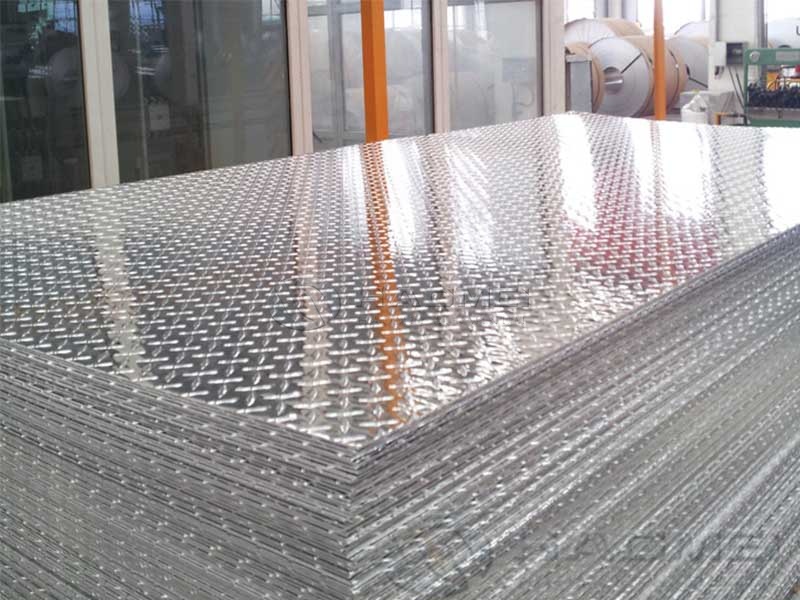
The pattern does more than catch the eye
Raised patterns create small high points that interrupt a smooth walking surface. Under dry conditions, these projections improve footing by giving shoe soles more edges to engage. When water, dirt, or light oil is present, the spaces around the raised bars can also help move some contamination away from the immediate contact points.
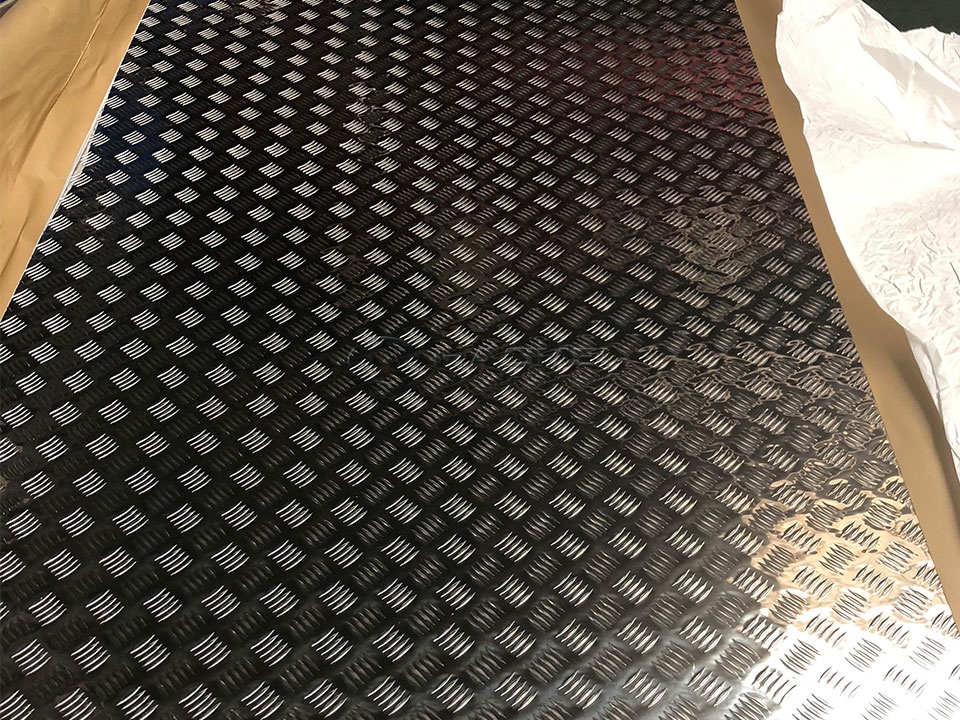
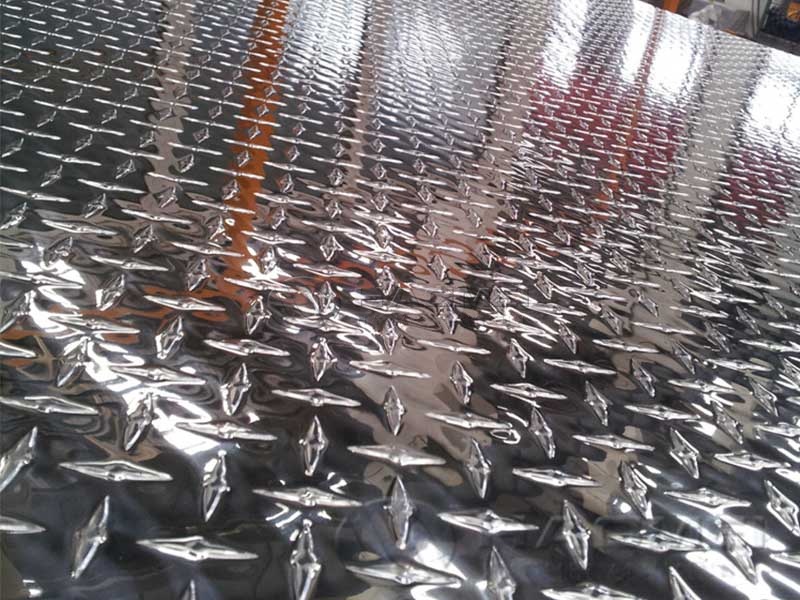
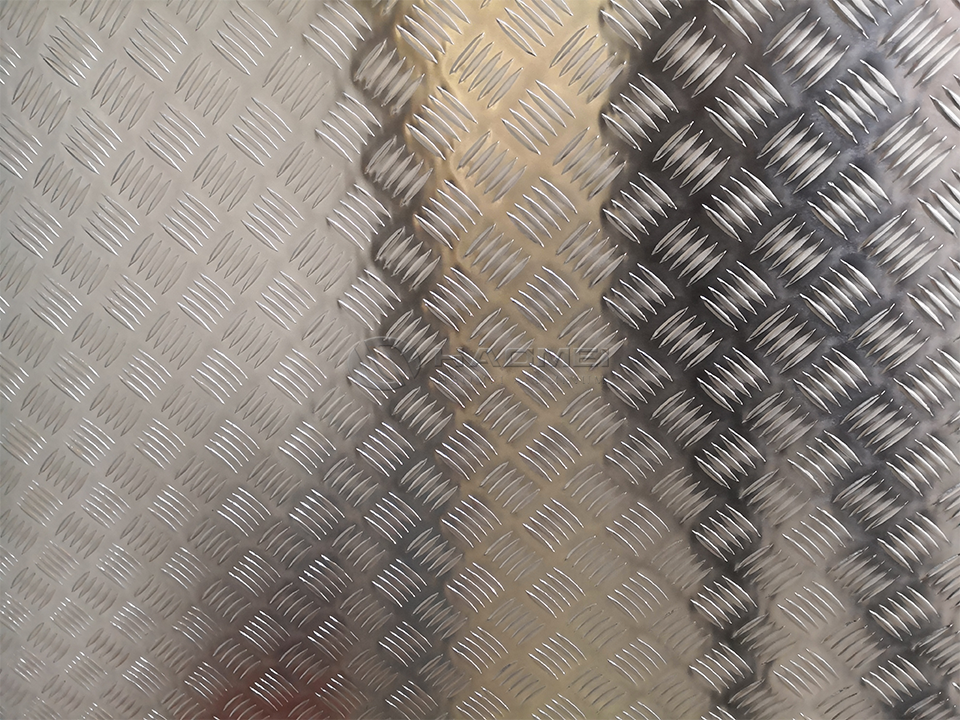
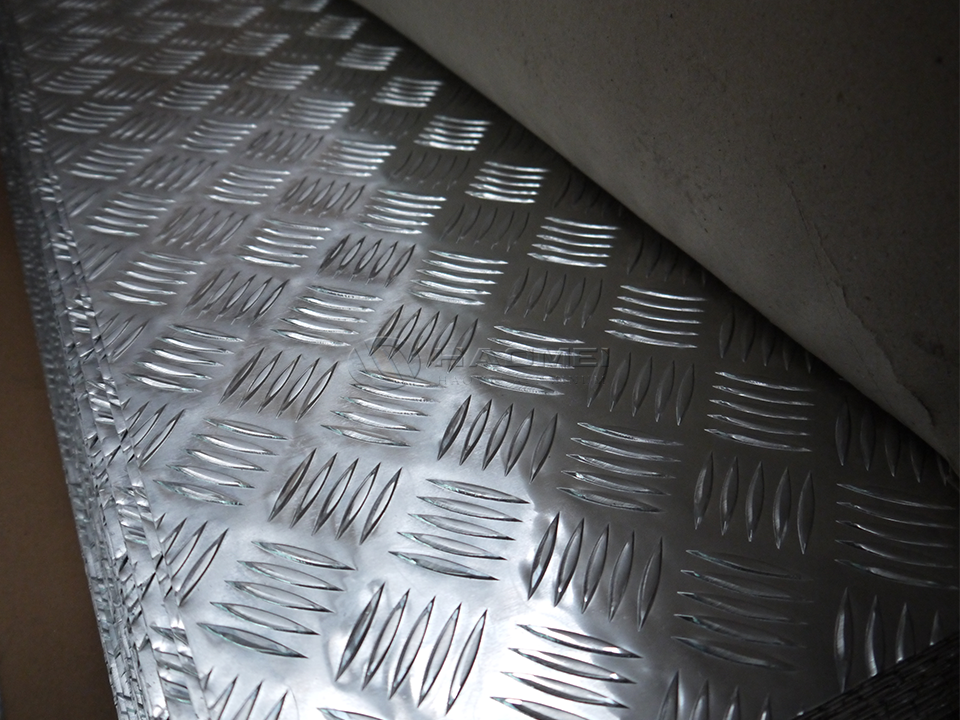
That does not mean every embossed profile behaves the same way. A five-bar pattern provides frequent directional ridges across the sheet and is widely used where pedestrian traffic is expected. A diamond pattern creates a more angular visual effect and can suit vehicle interiors, ramps, toolboxes, and industrial guards. For applications requiring a familiar, durable tread surface, Five Bar Aluminum Tread Plate offers a practical balance of traction, appearance, and easy fabrication.
Pattern direction deserves attention before cutting begins. On a ramp, stair tread, or walkway, the bars should be positioned to support the expected direction of travel. On trailer floors, the pattern orientation may also influence how dirt accumulates and how easy the deck is to sweep. This small planning step can improve daily usability more than selecting a more elaborate surface design.
Think about the framing before judging the plate thickness
A common mistake is to view thickness as an isolated specification. In reality, floor plate works together with the frame, joists, crossmembers, or substrate under it. A relatively thin sheet can perform well over closely spaced supports, while a thicker plate can still flex noticeably if it spans too far between structural members.
Foot traffic, rolling carts, pallet jacks, wheeled equipment, and concentrated point loads all affect the required construction. A utility cabinet floor may only need a light gauge plate, while a truck bed, access platform, or machinery walkway requires more careful consideration of span and load distribution. The raised pattern adds surface grip, but it should not be treated as extra structural thickness.
When comparing products, confirm whether the stated thickness refers to the base metal thickness or the total thickness including the raised pattern. The base thickness is especially important for bending, load calculations, welding, and long-term resistance to denting.
Alloy choice is really an environment choice
The right aluminum alloy depends on where the plate will live. For general indoor use, light fabrication, vehicle linings, and dry service conditions, 3003 aluminum tread plate is commonly selected for its formability and corrosion resistance. It can be cut, drilled, and bent with relative ease, making it a sensible option for many fabricated components.
For marine settings, coastal locations, wet processing areas, or equipment exposed to road salt, 5052 aluminum is often preferred. Its stronger corrosion resistance and higher strength make it more suitable where moisture is persistent rather than occasional. It is a valuable choice for boat decks, dock equipment, wash-down zones, and outdoor access surfaces.
The selection should also account for adjoining metals. Aluminum can experience galvanic corrosion when directly connected to certain dissimilar metals in a wet environment. Isolation pads, sealants, suitable fasteners, and proper drainage help protect the installation. A floor plate may be corrosion resistant on its own, but details at fasteners and seams often determine how the assembly ages.
A bright surface is not always the most practical finish
Mill-finish raised pattern aluminum floor plate has an industrial appearance that many customers appreciate. It reflects light well, resists rust, and develops a service-worn character over time. However, bright aluminum can show scuffs, fingerprints, and abrasion in high-traffic locations.
In areas where glare matters, such as a vehicle step, outdoor platform, or operator station, a less reflective finish or a coated surface may be worth considering. Coatings can add visual identification or improve chemical resistance, though they must be chosen carefully so they do not reduce the benefit of the raised tread. For projects where a sharper geometric profile is preferred, Diamond Aluminum Tread Plate can provide a strong visual direction while retaining the familiar rugged behavior of tread sheet.
Fabrication details decide whether the floor feels finished
Raised pattern aluminum floor plate is straightforward to fabricate, but a few habits produce better results. Use clean cutting tools appropriate for aluminum to reduce rough edges and excessive heat. Deburr all cut sides, particularly on access panels, steps, and vehicle installations where hands, clothing, or cargo may contact the perimeter.
When bending tread plate, remember that the raised pattern can mark or distort if formed too tightly. The bend line, bend radius, and pattern orientation should be reviewed before production. If appearance matters, test-forming a sample is safer than discovering surface damage on a finished batch.
Fastener placement also deserves care. Countersunk fasteners can create a cleaner surface, but they reduce material around the hole and may not be suitable for every thickness. Raised-head fasteners are easier to install but can become trip points or catch dirt. For many floor applications, properly placed low-profile fasteners, adhesive bonding, or concealed support methods provide the most comfortable result.
Cleaning is part of slip resistance
No raised pattern can compensate for heavy grease, packed mud, ice, or loose debris. The surface should be cleaned according to the contamination it encounters. Routine dust and dirt usually respond well to water, mild detergent, and a soft brush. Oil should be removed with an aluminum-compatible degreaser, followed by rinsing so residue does not remain in the recessed areas.
Avoid aggressive steel wool or harsh cleaners that can scratch the aluminum and leave embedded particles. In food, marine, or chemical environments, follow site-specific sanitation requirements and inspect seams regularly. A clean tread profile retains its intended grip far better than one filled with compacted dirt.
Choose floor plate as a working surface, not a visual afterthought
The strongest raised pattern aluminum floor plate specification starts with real use: who steps on it, what rolls across it, how wet it gets, how far it spans, and how it will be cleaned. Once those questions are answered, pattern style, alloy, thickness, sheet size, and fabrication method become much easier to select.
A well-chosen aluminum tread floor is lightweight, corrosion resistant, easy to maintain, and visibly prepared for work. Its raised pattern communicates toughness, but its true value comes from the quiet confidence it gives to every step, load, and movement across the surface.