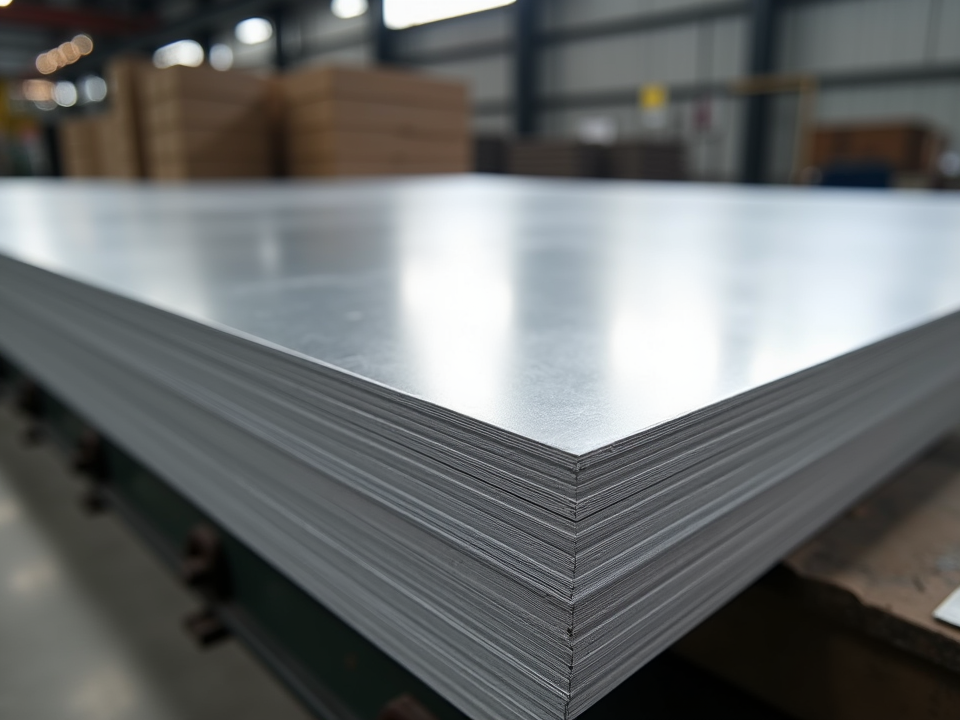
Marine Deck Aluminum Checker Plate
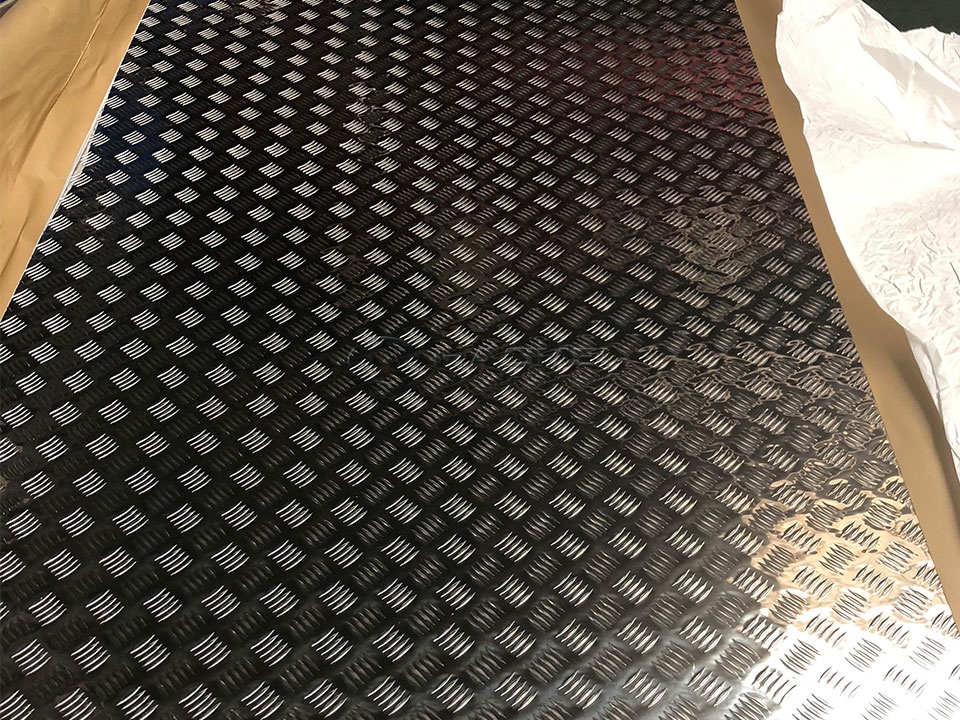
A marine deck is not simply a walking surface. It is a working zone exposed to spray, oil, fishing residue, rainwater, vibration, shifting cargo, and constant foot traffic. Marine deck aluminum checker plate is designed for this demanding environment by combining a corrosion-resistant aluminum alloy base with a raised tread pattern that helps improve traction.
Unlike flat sheet, checker plate performs two jobs at the same time. Its aluminum substrate reduces structural weight, while the embossed surface creates contact points between footwear and the deck. This makes it a practical material for boat decks, gangways, engine-room floors, workboats, ferry ramps, dock access platforms, offshore service areas, and equipment covers.
A Deck Material That Works With Water Rather Than Against It
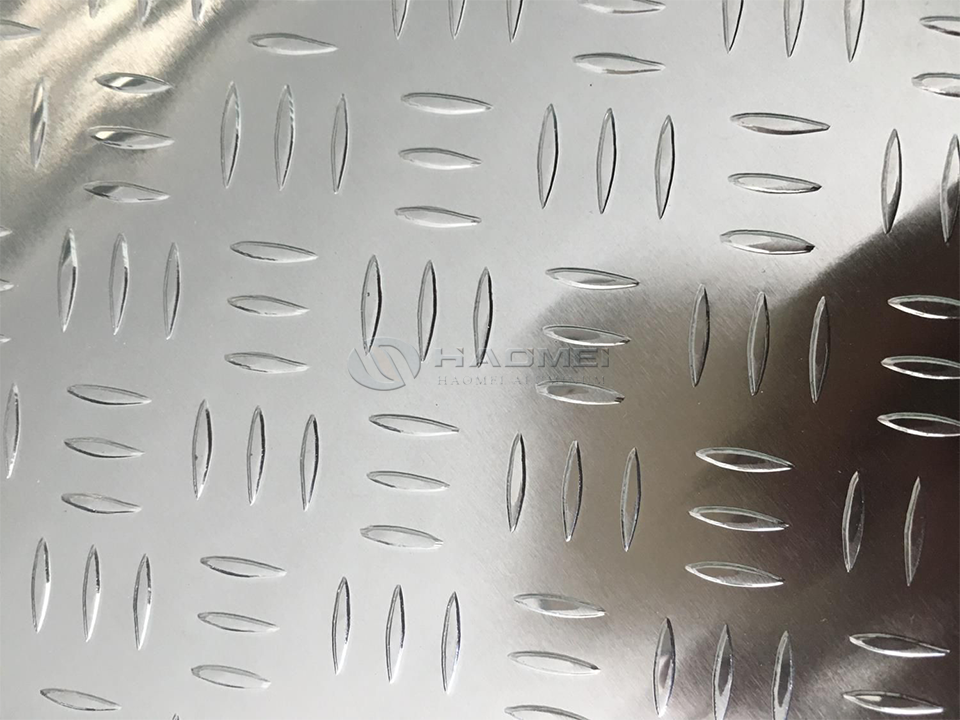
The raised pattern of marine aluminum checker plate should be viewed as a drainage and movement aid, not merely a decorative finish. Water can move through the low channels surrounding the raised bars, reducing the broad, continuous wet film that often makes smooth flooring slippery. The pattern also gives boots, wheels, and handling equipment more small points of contact.
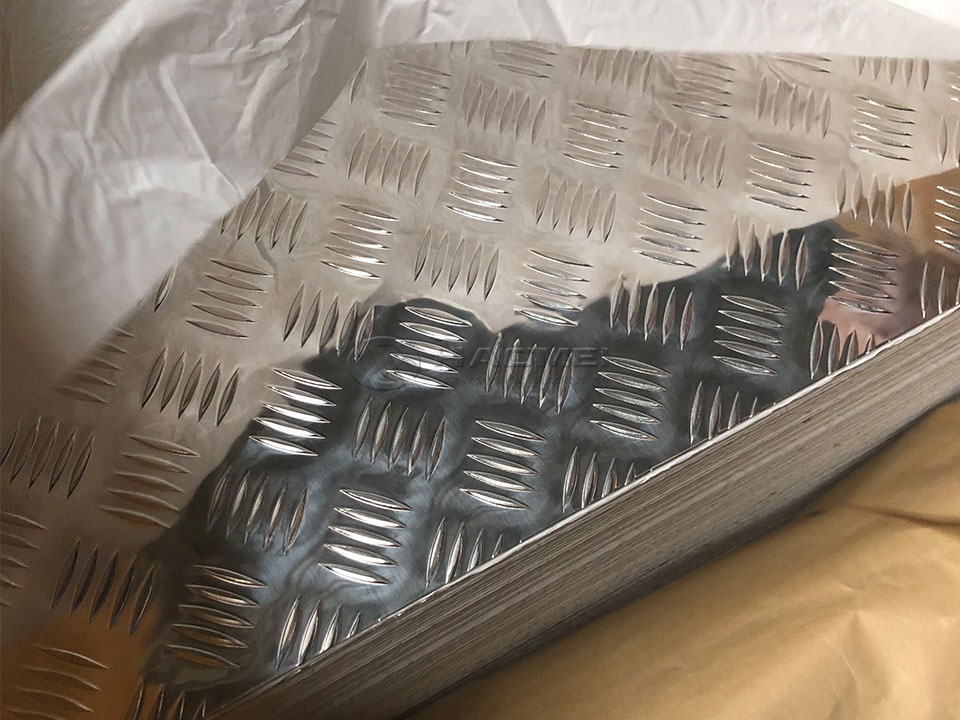
For marine construction, five-bar and diamond patterns are commonly selected. A Five Bar Aluminum Tread Plate provides repeated, directional grip ribs that are popular for walkways, cabin steps, and boat flooring. Diamond patterns are often chosen where a more aggressive industrial appearance and multidirectional traction are preferred.
The embossed geometry does not replace good deck design. Drainage slopes, welded seams, sealing details, and cleaning access still determine whether a deck remains safe over time. However, aluminum checker plate gives these systems a more durable anti-slip surface than painted steel flooring or untreated plywood in many marine settings.
Alloys Selected for Saltwater Service
Marine deck aluminum checker plate is usually produced from 5xxx-series aluminum-magnesium alloys. Magnesium strengthens the material while supporting strong resistance to marine atmosphere and seawater exposure. The best alloy depends on loading, fabrication method, required thickness, and the vessel's operating conditions.
5052 aluminum checker plate is widely used for moderate-duty marine decks, small boats, interior wet areas, lockers, walkways, and access covers. It has good formability and corrosion resistance, making it a practical balance of cost and performance.
5083 aluminum is preferred for more demanding environments, including high-load decks, patrol vessels, offshore equipment platforms, commercial fishing boats, and structures subject to severe saltwater exposure. It provides higher strength than 5052 and is well suited to welded marine structures when the proper temper is specified.
5754 aluminum checker plate is another strong choice for marine flooring. It offers solid corrosion resistance, good formability, and dependable performance in transport and shipboard applications where medium strength is sufficient.
| Alloy | Si % Max | Fe % Max | Cu % Max | Mn % | Mg % | Cr % | Zn % Max | Main Marine Advantage |
|---|---|---|---|---|---|---|---|---|
| 5052 | 0.25 | 0.40 | 0.10 | 0.10 max | 2.2-2.8 | 0.15-0.35 | 0.10 | Good corrosion resistance and forming ability |
| 5754 | 0.40 | 0.40 | 0.10 | 0.00-0.50 | 2.6-3.6 | 0.30 max | 0.20 | Balanced marine corrosion resistance and workability |
| 5083 | 0.40 | 0.40 | 0.10 | 0.40-1.00 | 4.0-4.9 | 0.05-0.25 | 0.25 | Higher strength for demanding marine service |
The balance is aluminum, with minor impurities controlled according to the applicable material standard. Chemical composition should be confirmed through a mill test certificate, particularly when the plate will be welded into a hull, superstructure, or class-controlled deck assembly.
Temper Matters as Much as Alloy
Temper describes how the aluminum has been strain-hardened or stabilized after processing. Choosing the correct temper is important because deck plate must resist denting and abrasion while remaining workable during fabrication.
H114 is commonly supplied for tread plate because it represents a patterned sheet condition with suitable strength and formability for flooring use. H32 is frequently selected for 5052 checker plate where moderate strain hardening is needed. For 5083 marine plate, H111 is often used when forming and welding are required, while H321 provides a more stable, strain-hardened condition for higher-strength applications.
A harder temper can better resist surface indentation from tools, carts, and dropped equipment. Yet excessive hardness may make bending and forming less forgiving. For fabricated deck panels, the final choice should consider bend radius, weld layout, support spacing, and the expected point load.
Common Parameters for Marine Deck Projects
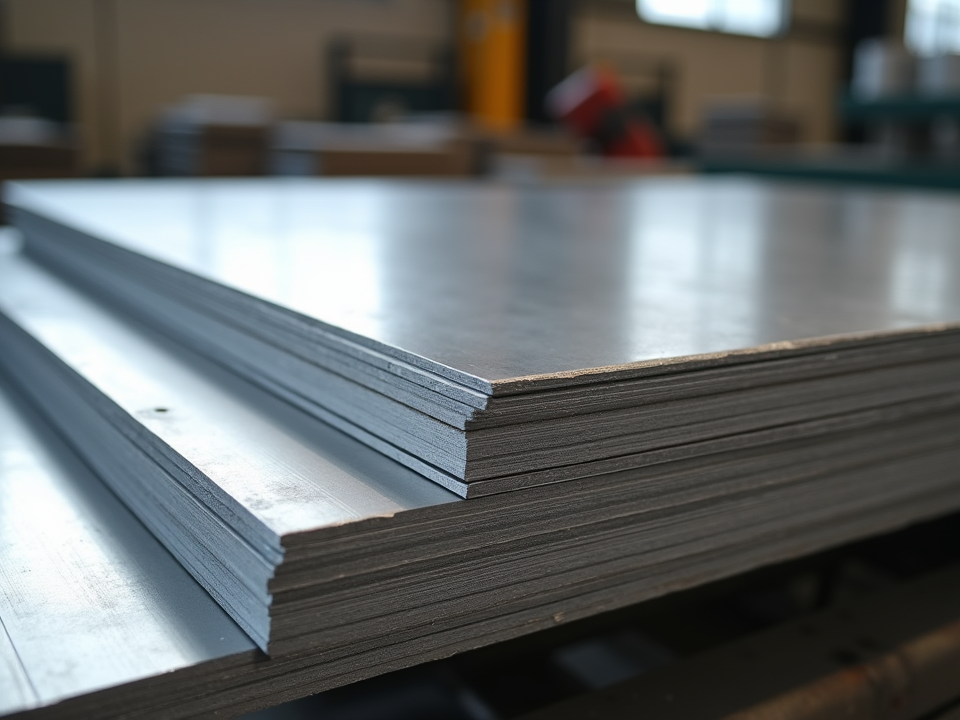
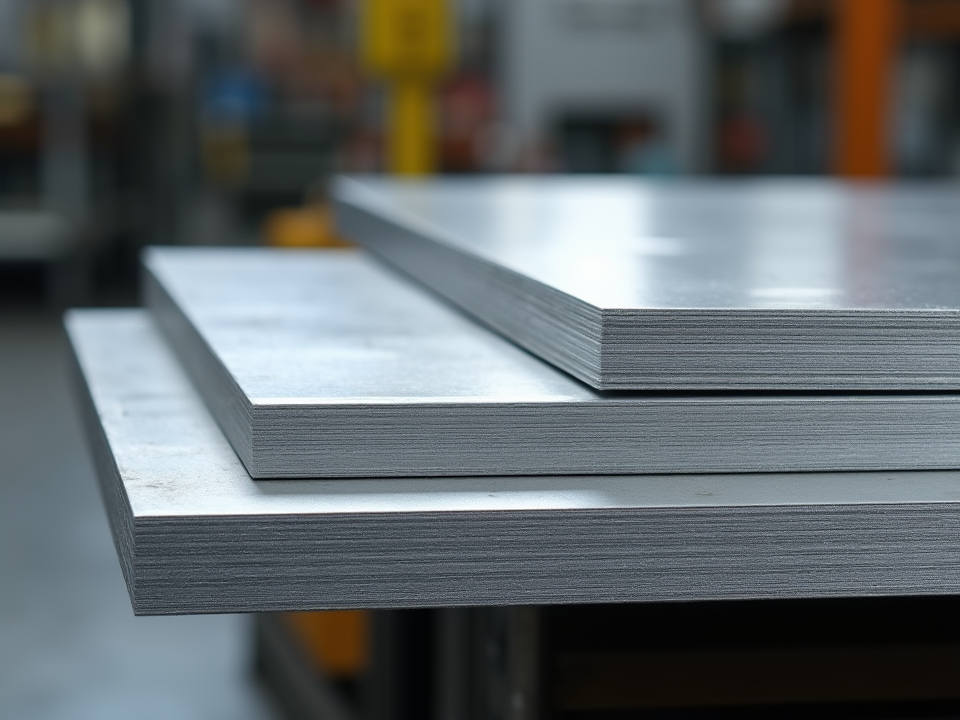
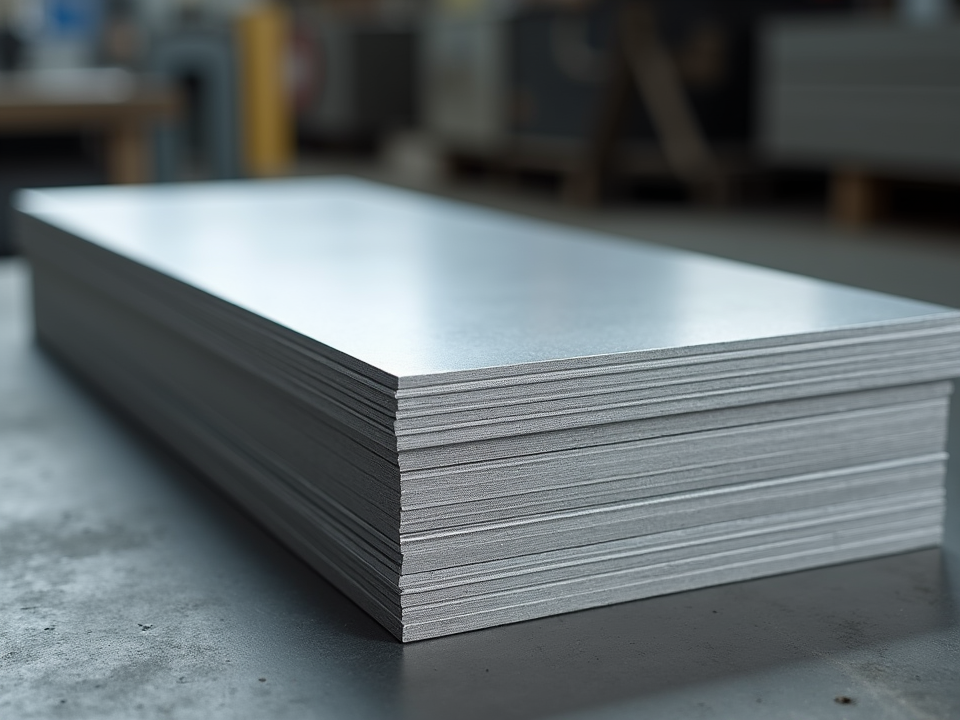
Marine deck aluminum checker plate is available in several practical ranges. Actual supply capability varies by alloy, pattern, and mill equipment.
| Parameter | Typical Range or Option |
|---|---|
| Base metal thickness | 1.5 mm to 6.0 mm for general deck applications |
| Heavy-duty thickness | 6.0 mm to 10.0 mm or more for platform and vehicle loading areas |
| Width | 1,000 mm, 1,220 mm, 1,250 mm, 1,500 mm, or customized widths |
| Length | Coil, standard sheet, or cut-to-length panels |
| Pattern types | Five bar, diamond, two bar, three bar, lentil pattern |
| Surface | Mill finish, bright finish, anodized, coated, protective film |
| Density | Approximately 2.66-2.68 g/cm³ for 5xxx alloys |
When comparing aluminum checker plate with steel tread plate, weight is often the deciding factor. Aluminum weighs roughly one-third as much as carbon steel at the same volume. This can reduce vessel displacement, ease manual installation, and help preserve payload capacity. Thickness must still be matched to the span and support structure because aluminum has a lower elastic modulus than steel.
Standards and Inspection Expectations
Marine deck aluminum checker plate is commonly manufactured in accordance with ASTM B209 for aluminum and aluminum-alloy sheet and plate. European projects may reference EN 485-2 for mechanical properties and EN 1386 for aluminum tread plate requirements. Material dimensions, thickness tolerance, flatness, surface quality, chemical composition, and mechanical properties should be agreed before production.
For vessel construction, the aluminum product itself may also need to align with requirements from classification societies such as DNV, ABS, Lloyd's Register, or Bureau Veritas. Class approval is project-specific. It should not be assumed merely because an alloy is described as marine grade.
Inspection normally includes alloy verification, temper confirmation, thickness measurement, tread pattern appearance, surface cleanliness, and review of the mill test certificate. For visible deck areas, customers may also specify scratch limits, protective film, edge condition, and allowable pattern-direction variation.
Installation Details That Preserve Corrosion Resistance
Aluminum checker plate performs best when installed with corrosion control in mind. Avoid direct long-term contact with bare carbon steel, copper, or other dissimilar metals in wet locations. Use isolating tapes, non-conductive gaskets, compatible sealants, or coated fasteners where necessary to limit galvanic corrosion.
Drainage must remain open. Dirt, salt crystals, fish scales, and trapped moisture can accumulate in the recesses around raised bars if cleaning is neglected. Routine washing with fresh water and a mild detergent helps retain the natural aluminum oxide film that protects the surface.
For welded decks, 5xxx-series filler alloys and qualified welding procedures should be selected according to the base alloy and design code. Heat from welding changes properties in the heat-affected zone, so designers should not assume the original temper strength continues through every welded area.
Marine deck aluminum checker plate is a functional surface engineered around real vessel movement. With the right alloy, temper, thickness, tread pattern, and installation method, it offers durable traction, corrosion resistance, low weight, and efficient maintenance for marine flooring that must perform every day.