Acoustic Embossed Aluminum Panel
An acoustic embossed aluminum panel combines the visual depth of rolled aluminum texture with practical sound-management construction. It is commonly used for ceilings, wall cladding, equipment enclosures, corridors, transport interiors, and public spaces where cleanable metal surfaces and controlled reverberation are required.
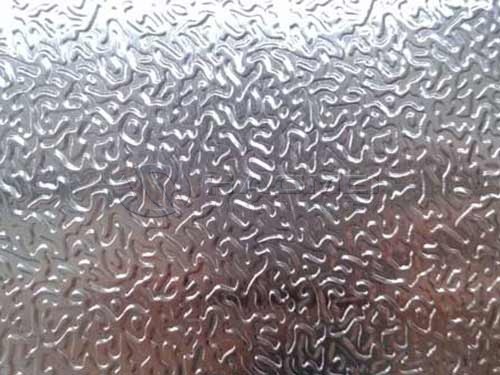
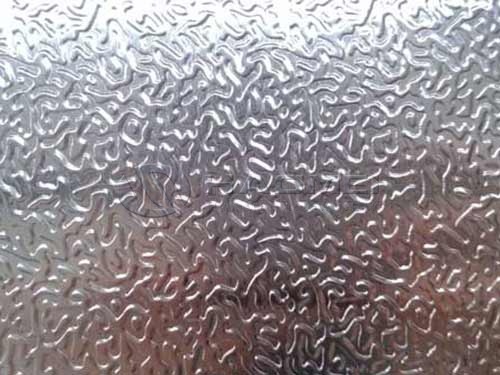
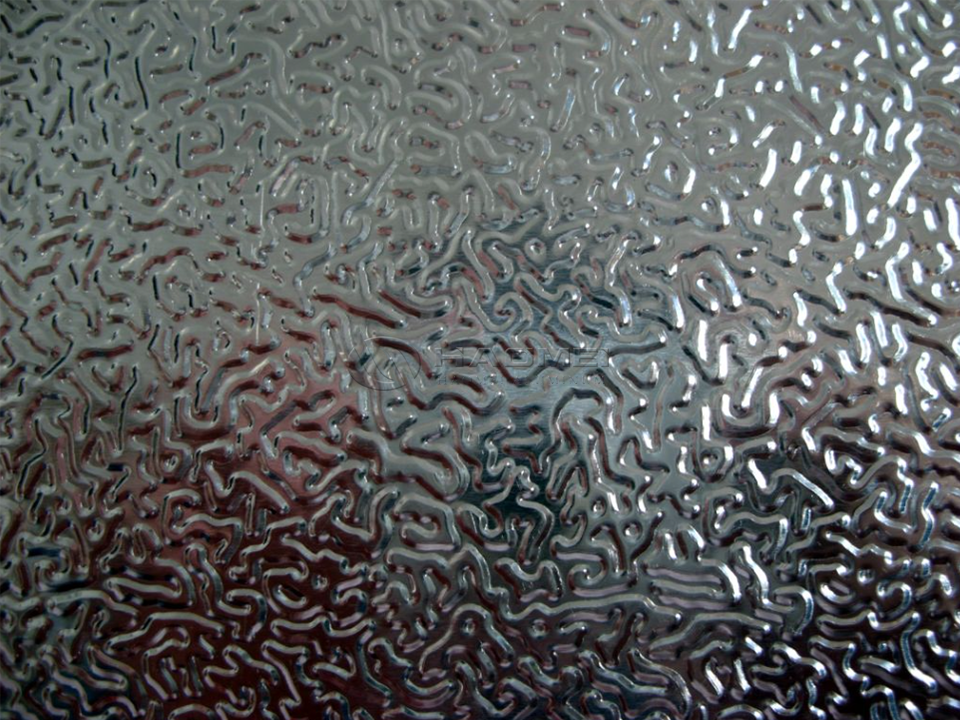
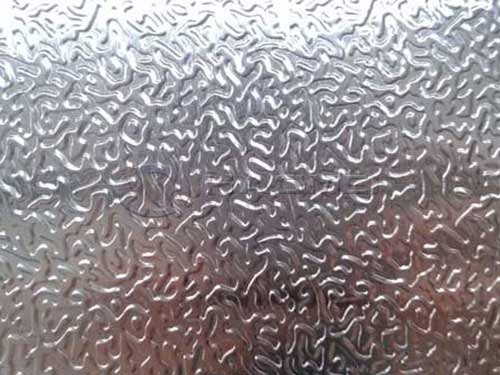
The embossed face creates a dimensional appearance that diffuses light and reduces the flat, industrial look of plain sheet metal. For sound absorption, panels are normally supplied with precision perforations, an acoustic fleece, and mineral wool or fiberglass insulation installed behind the panel. The aluminum face protects the acoustic assembly while preserving a modern architectural finish.
Performance Features
| Feature | Customer Benefit |
|---|---|
| Embossed aluminum face | Adds texture, hides minor handling marks, and improves visual depth |
| Perforated acoustic pattern | Allows sound waves to pass through the metal face into the absorber behind it |
| Lightweight construction | Reduces dead load on ceiling grids, framing systems, and transport structures |
| Corrosion resistance | Suitable for humid interiors, coastal projects with suitable coating, and frequently cleaned areas |
| Fire-safe metal surface | Aluminum is non-combustible and does not contribute fuel to a fire |
| Hygienic finish | Smooth coated surfaces are easy to wipe, making them suitable for healthcare and food-service interiors |
| Recyclable material | Aluminum can be recovered and recycled at the end of the panel service life |
An embossed surface does not create high sound absorption by itself. Absorption performance depends on the perforation open area, backing fabric, insulation density, cavity depth, and installation method. This distinction helps architects specify a panel system that looks textured while delivering measurable acoustic results.
Typical Construction
| Layer | Common Material | Function |
|---|---|---|
| Decorative face | 3003, 3004, 3105, or 5052 embossed aluminum | Provides appearance, durability, and impact resistance |
| Perforation field | Round, square, slot, or micro-perforation pattern | Creates an acoustic path through the panel |
| Acoustic fleece | Black non-woven polyester or glass veil | Prevents fiber visibility and improves visual uniformity |
| Absorber | Mineral wool, rock wool, fiberglass, or PET felt | Converts sound energy into low-level heat |
| Rear cavity | Air space behind panel | Improves low- and mid-frequency absorption |
| Support system | Concealed clip-in, lay-in grid, hook-on, or riveted frame | Secures panels and provides service access |
Material Grades and Temper Conditions
| Alloy | Typical Temper | Characteristics | Recommended Use |
|---|---|---|---|
| 1100 | H14, H16 | High aluminum purity, excellent formability | Decorative indoor wall and ceiling panels |
| 3003 | H14, H16, H24 | Good corrosion resistance and embossing response | General architectural acoustic panels |
| 3004 | H34 | Higher strength than 3003 | Large-format panels and formed cassette systems |
| 3105 | H14, H24 | Good coating compatibility and moderate strength | Painted ceiling and wall systems |
| 5052 | H32, H34 | Stronger marine-grade corrosion resistance | Humid areas, transport, and demanding environments |
For most indoor projects, 3003-H14 or 3105-H14 provides an effective balance of forming quality, flatness, corrosion resistance, and coating performance. 5052 is preferred where moisture exposure, cleaning chemicals, or elevated mechanical demands are more severe.
Chemical Composition of Common Panel Alloys
Values are typical maximum or specified ranges by weight percent. Balance is aluminum.
| Alloy | Si | Fe | Cu | Mn | Mg | Zn | Other Elements |
|---|---|---|---|---|---|---|---|
| 1100 | Si + Fe 0.95 max | Si + Fe 0.95 max | 0.05-0.20 | 0.05 max | - | 0.10 max | 0.15 max |
| 3003 | 0.60 max | 0.70 max | 0.05-0.20 | 1.0-1.5 | - | 0.10 max | 0.15 max |
| 3004 | 0.30 max | 0.70 max | 0.25 max | 1.0-1.5 | 0.8-1.3 | 0.25 max | 0.15 max |
| 3105 | 0.60 max | 0.70 max | 0.30 max | 0.30-0.80 | 0.20-0.80 | 0.40 max | 0.15 max |
| 5052 | 0.25 max | 0.40 max | 0.10 max | 0.10 max | 2.2-2.8 | 0.10 max | 0.15 max |
Technical Specifications
| Parameter | Standard Range | Custom Capability |
|---|---|---|
| Aluminum thickness | 0.50-1.50 mm | 0.30-3.00 mm depending on alloy and panel design |
| Panel width | 300-1,250 mm | Cut to project requirement |
| Panel length | 300-3,000 mm | Longer lengths available for coil-fed systems |
| Embossing pattern | Stucco, orange peel, fine linen, diamond, custom roller texture | Pattern development subject to tooling feasibility |
| Perforation diameter | 0.8-3.0 mm | Micro-perforation or custom hole geometry available |
| Open area | 8%-25% | Designed to balance acoustics, strength, and appearance |
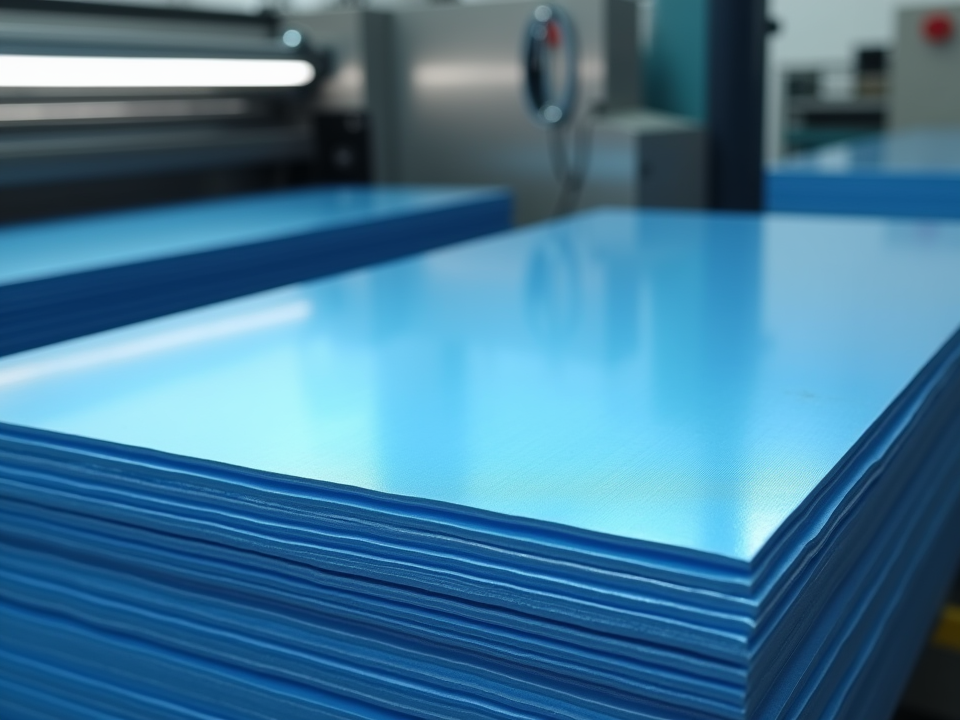
| Coating | PE, PVDF, powder coating, anodized finish | Custom RAL, metallic, woodgrain, and matte finishes |
| Acoustic backing | Black fleece, PET felt, fiberglass, mineral wool | Selected for fire, acoustic, and indoor-air requirements |
| Sound absorption | NRC 0.50-0.90 | Depends on perforation, insulation, and cavity depth |
| Fire classification | Dependent on complete system | Material and backing should be evaluated as an assembly |
Acoustic Design Factors
A panel with 15% open perforated area and a 25-50 mm mineral wool backing can provide strong mid- and high-frequency absorption. Adding a rear air cavity of 50-200 mm usually improves lower-frequency response. Actual NRC or alpha-w values must be based on the completed panel assembly and verified through relevant test methods such as ASTM C423 or ISO 354.
Embossing can also help disperse reflected sound compared with a perfectly smooth metal surface. Its main role remains aesthetic and protective, while perforation geometry and absorber construction determine the primary acoustic effect.
Common Applications
| Application Area | Why It Fits |
|---|---|
| Office ceilings | Reduces speech reverberation while maintaining a crisp metal ceiling appearance |
| Airports and stations | Withstands high traffic, cleaning cycles, and long service periods |
| Schools and lecture rooms | Supports clearer speech intelligibility and durable maintenance |
| Hospitals and clinics | Offers wipe-clean surfaces with concealed acoustic backing |
| Restaurants and hotels | Softens crowd noise while adding decorative texture |
| Auditoriums and theaters | Supports controlled room acoustics and coordinated architectural finishes |
| Machinery enclosures | Helps form durable cladding around sound-control insulation systems |
| Marine and vehicle interiors | Low weight and corrosion resistance support mobile applications |
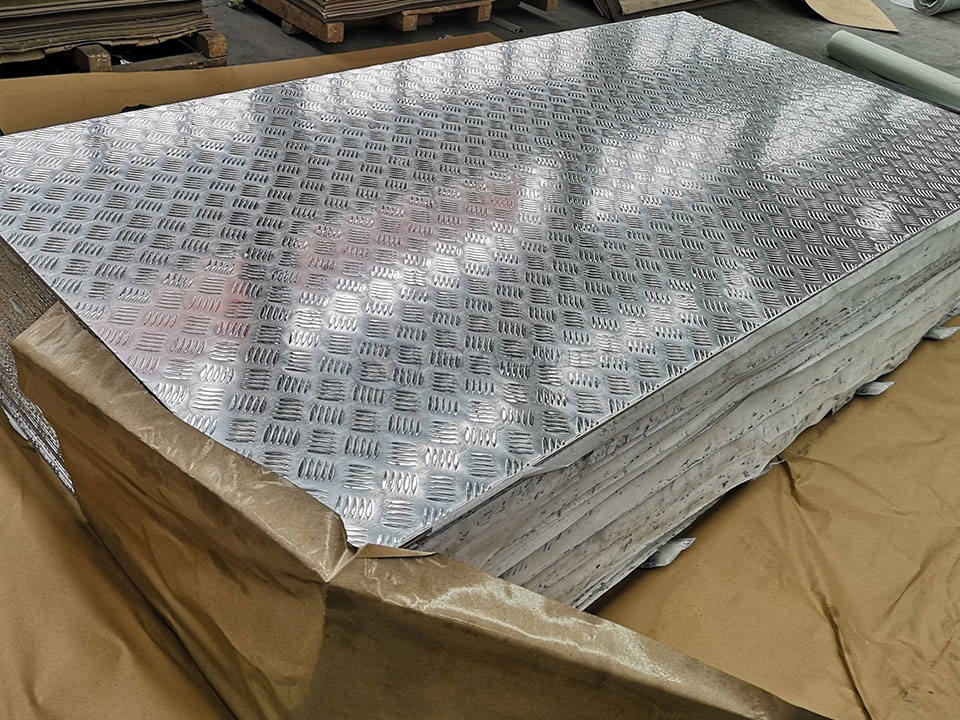
For projects requiring a textured aluminum face without acoustic perforation, Embossed Aluminum Sheet can be specified as a decorative substrate for wall, ceiling, insulation-jacketing, and fabrication uses.
Fabrication, Installation, and Care
Acoustic embossed aluminum panels can be cut, folded, punched, riveted, and formed using standard sheet-metal equipment. Protective film is recommended during fabrication to reduce marking on painted or anodized surfaces. Panel edges should be deburred, and perforations should be kept clear of sealants or paint buildup that could reduce acoustic airflow.
Use compatible aluminum, stainless steel, or isolated fasteners to limit galvanic corrosion. In humid installations, protect cut edges and select backing materials suited to the project environment. Routine maintenance normally requires only a soft cloth, water, and a mild neutral detergent. Abrasive pads and strong alkaline cleaners should be avoided to preserve coated finishes.
An acoustic embossed aluminum panel delivers a durable architectural surface, flexible fabrication, and effective sound-control potential when paired with the correct perforation and absorber system.