Compass Pattern Embossed Aluminum
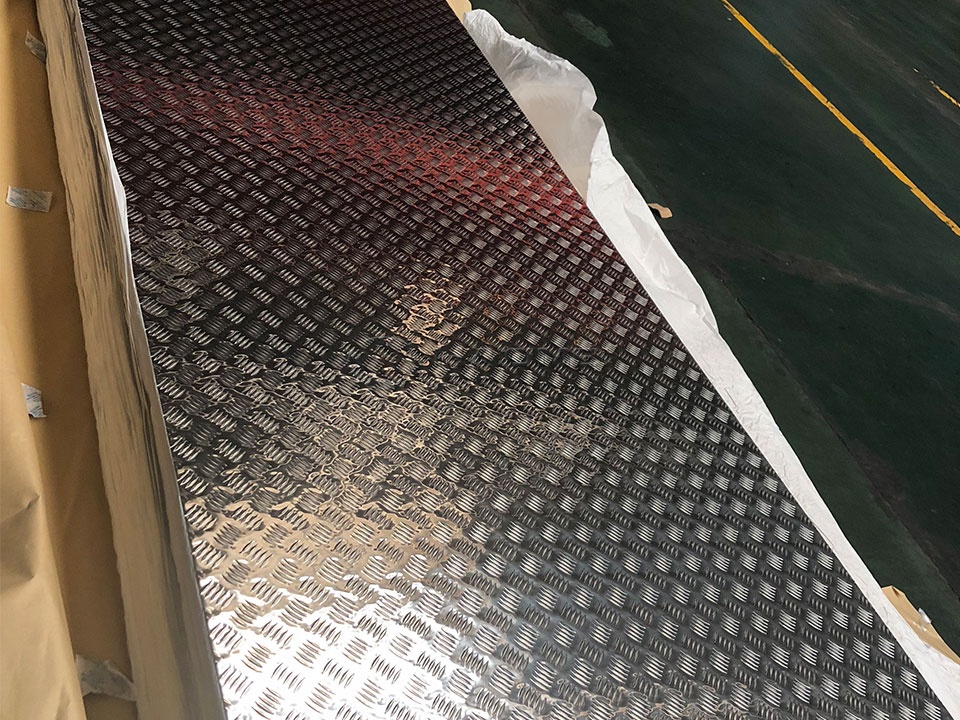
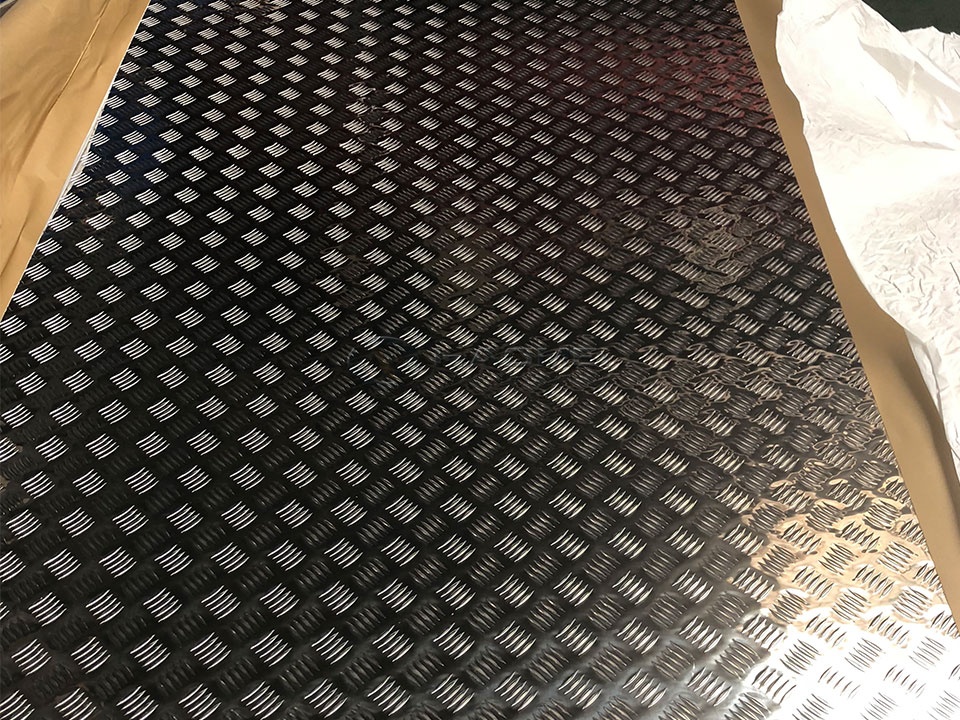
Compass pattern embossed aluminum is more than a decorative metal sheet. Its raised design creates a visual rhythm that can make a floor, wall, vehicle panel, or equipment cover feel purposeful. Rather than presenting aluminum as a plain reflective surface, the compass-style embossing gives it direction, depth, and a stronger physical presence.
For many buyers, the most useful way to judge this material is not simply by its appearance. Think of it as a working surface with a message. The embossed pattern catches light from different angles, helps users recognize walking zones or service areas, and adds texture where smooth aluminum may feel too plain or slippery. It is often chosen when a project needs a balance of clean metallic style and everyday toughness.
What Makes the Compass Pattern Different
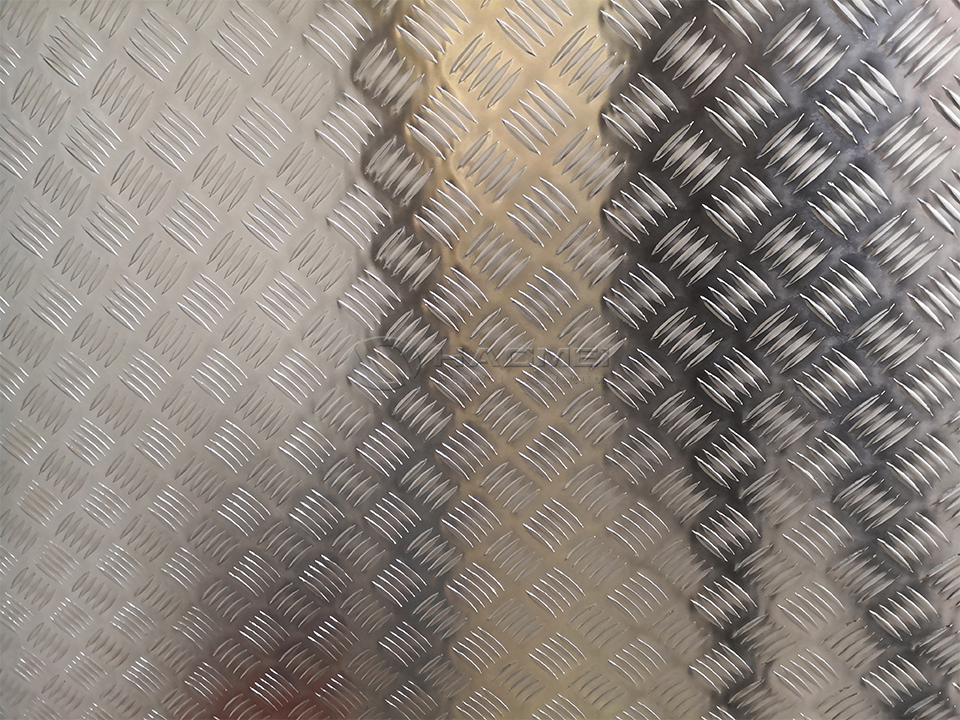
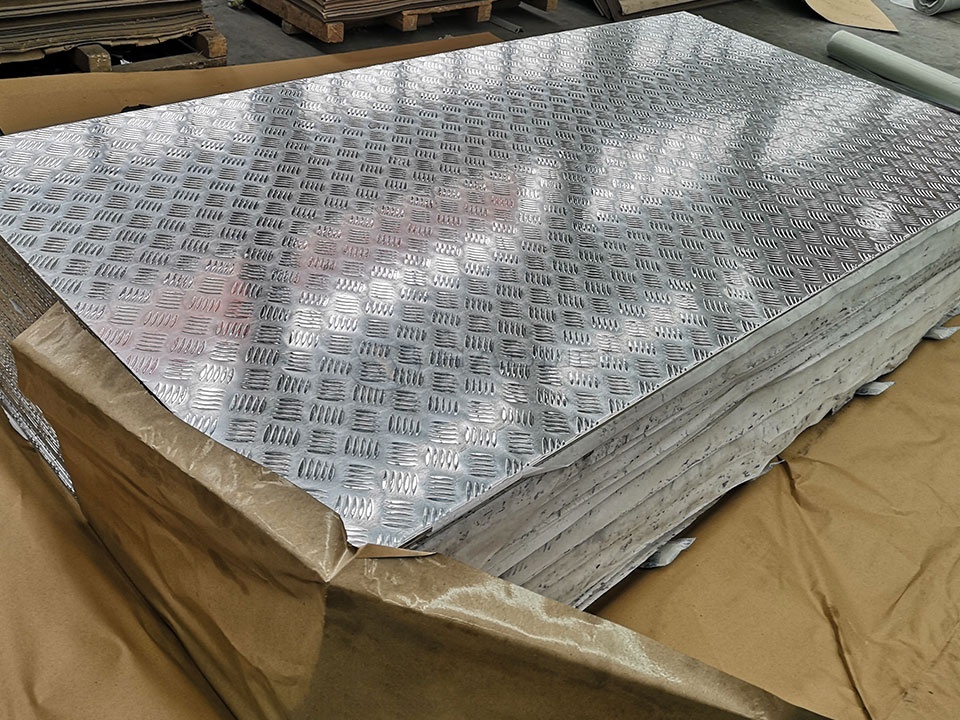
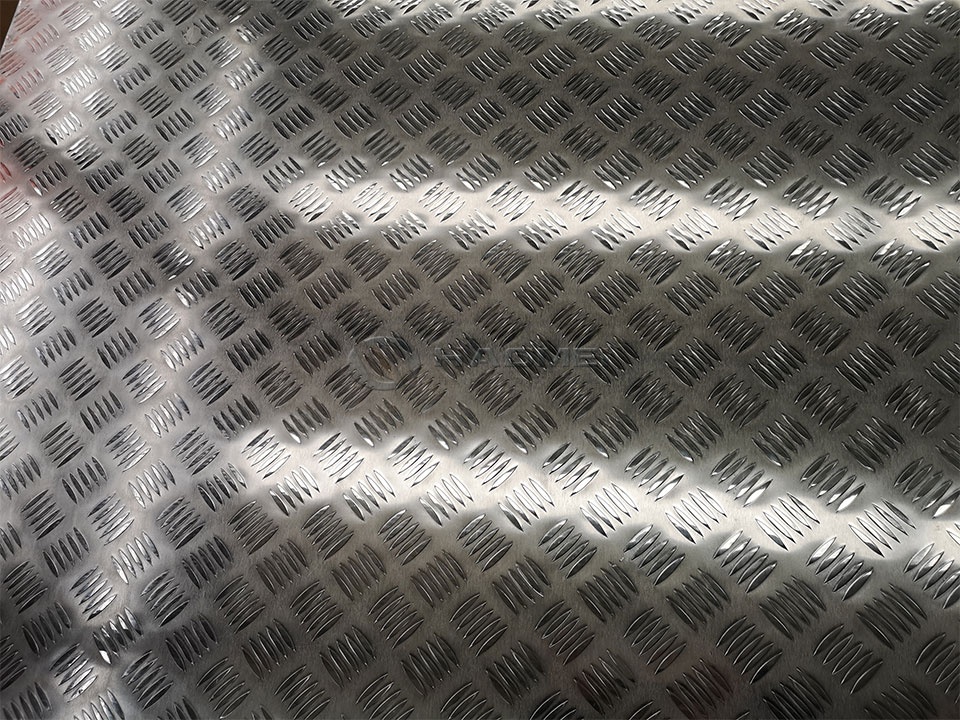
The term "compass pattern" may describe an embossed layout with directional, radial, circular, or pointed visual elements, depending on the mill, regional market, and customer drawing. This is important when purchasing. Two sheets described with the same name can have different ridge height, spacing, orientation, and repeat size.
For that reason, a buyer should treat the pattern as a specification rather than a casual description. Ask for a close-up image, physical sample, or technical drawing before approving production. Confirm the following details with the sales team or processor:
- Pattern repeat dimensions and direction
- Raised height and texture sharpness
- Base thickness before embossing
- Alloy and temper
- Sheet width, length, coil form, or cut-to-size requirement
- Mill finish, polished finish, painted surface, or protective film
This attention matters because the embossed relief affects more than appearance. A deeper or more sharply defined design may provide greater texture, while a softer relief can be easier to wipe clean and may be better suited to decorative cladding.
A Practical Choice for Surfaces That Take Abuse
Aluminum naturally forms a protective oxide layer, making it well suited to damp spaces, outdoor equipment, transportation interiors, and industrial environments. Compass pattern embossed aluminum adds mechanical texture without requiring a separate coating or bonded anti-slip layer.
In practical use, the raised pattern can help reduce the visual impact of minor scuffs. A flat polished panel may reveal every scratch, fingerprint, and dust mark. An embossed surface breaks up reflections, so normal handling marks often become less noticeable. This is especially valuable on toolbox skins, trailers, access panels, utility cabinets, kick plates, and workshop furniture.
For applications requiring pronounced tread performance, it is helpful to compare compass pattern material with Five Bar Aluminum Tread Plate. Five-bar tread is widely recognized for robust raised ribs and industrial floor use. Compass pattern embossed aluminum may offer a more design-led surface while still giving a tactile grip benefit, but the final choice should match the expected foot traffic, contamination risk, incline, and local safety requirements.
Where Directional Texture Adds Value
A compass-inspired pattern can work especially well where a project needs a sense of motion or orientation. In retail displays, hospitality interiors, and exhibition booths, the metal can become part of the visual language rather than disappearing into the background. Light moves across the raised pattern as viewers walk past, making the panel feel active without using heavy color or printed graphics.
In transport and marine settings, texture has a more functional role. It can help distinguish service panels from surrounding smooth cladding and provide a surface that is easier to identify in changing light. Used on steps, loading-area trims, van interiors, or cabin fittings, embossed aluminum can deliver a clean professional finish that remains relatively light in weight.
The material also suits refrigeration equipment, insulation jacketing, appliance surrounds, and protective wall panels. In these settings, customers often value a surface that is durable, washable, and visually forgiving. For a softer, more diffuse texture intended mainly for cladding, Stucco Embossed Aluminum Sheet may be a better match. Compass patterns generally create a more deliberate graphic effect, while stucco embossing is often selected for subtle texture and reduced glare.
Alloy, Temper, and Thickness Still Matter
The pattern is only one part of the material decision. Alloy and temper determine how the sheet performs during fabrication and service. Common embossed aluminum choices can include 1xxx, 3xxx, and 5xxx series alloys, selected according to corrosion exposure, forming needs, strength expectations, and budget.
A softer temper may be easier to bend around corners, form into panels, or shape for trims. A harder condition can offer improved resistance to dents, though it may require more careful fabrication. If the sheet will be welded, riveted, bonded, or installed over a frame, these details should be discussed before ordering.
Thickness should reflect the job, not just the desired appearance. Thin embossed sheet can be excellent for wall covering, insulation cladding, and decorative panels when supported by a stable substrate. Heavier gauges are more appropriate for covers, vehicle interiors, protective guards, and areas subject to repeated contact. For flooring, verify load-bearing needs separately; embossing does not replace sound structural design.
Fabrication Tips That Protect the Pattern
Compass pattern embossed aluminum can be cut by shear, saw, laser, waterjet, or other suitable methods depending on thickness and required edge quality. During bending, place the visible face and bend direction carefully so the embossing remains attractive and does not flatten excessively at a tight radius.
Protective film is worth considering for polished, painted, or customer-facing panels. It helps prevent scratches during handling, fabrication, and installation. However, film should not remain on material exposed to strong heat or prolonged sunlight, as removal can become difficult.
When joining sheets, use fasteners and sealants compatible with aluminum. In wet or coastal environments, avoid direct contact with dissimilar metals that could encourage galvanic corrosion. A suitable isolating tape, coating, or gasket can extend service life considerably.
Buying with Confidence
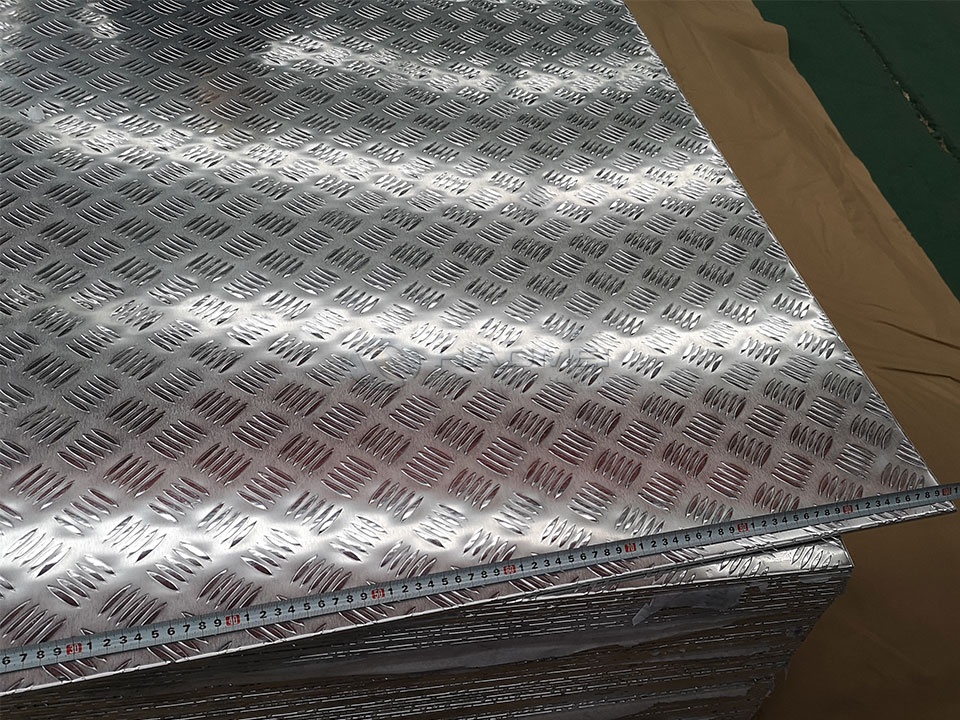
Compass pattern embossed aluminum performs best when the purchase order describes the actual need: alloy, temper, thickness, dimensions, finish, pattern sample, quantity, packaging, and intended use. If appearance matters, approve a sample under lighting similar to the installation environment. A pattern that looks restrained under warehouse lighting may appear much stronger in sunlight or under focused retail lamps.
The most successful projects use this material as both protection and expression. Its textured face can manage daily wear while giving a plain metal surface a sense of movement. Whether installed on a utility vehicle, architectural panel, machine enclosure, or interior feature wall, compass pattern embossed aluminum turns texture into a practical design decision.