How to Select 5083 Aluminum Plate for Shipbuilding
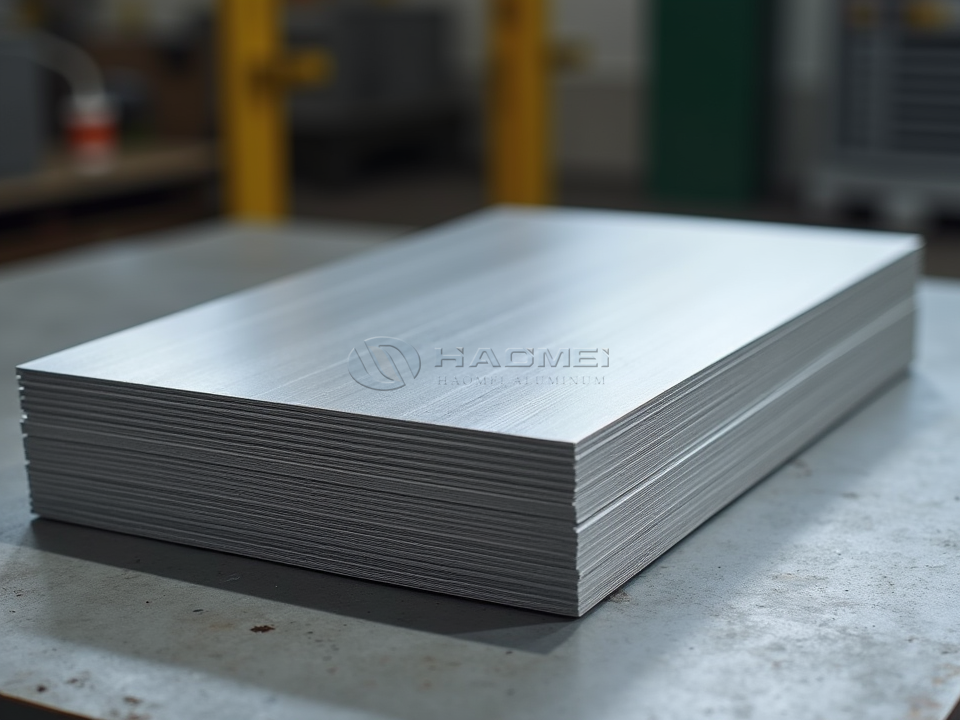
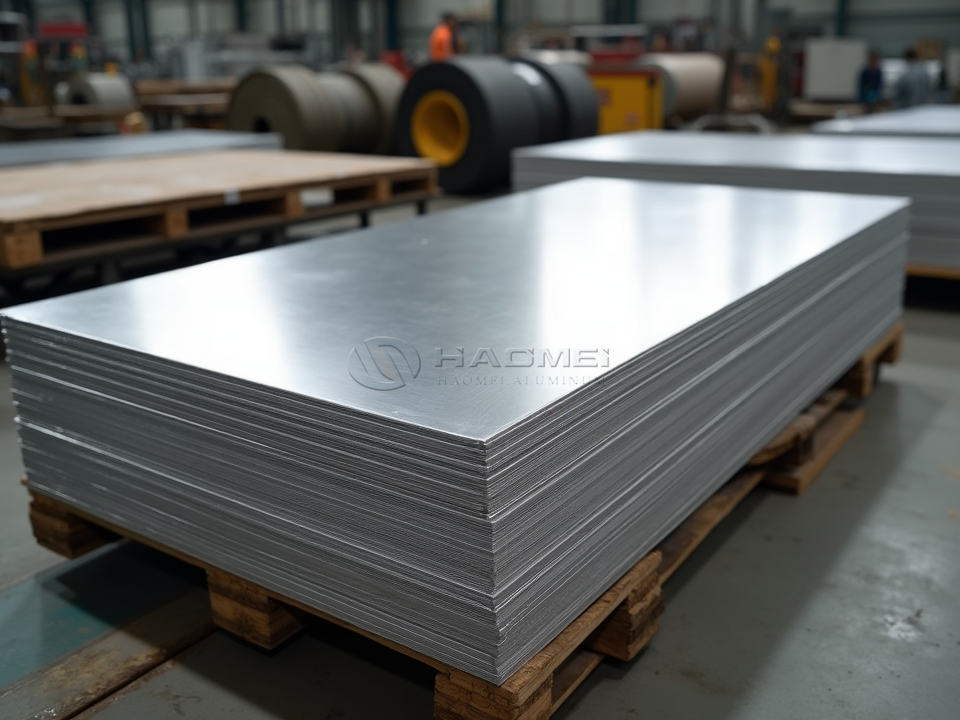
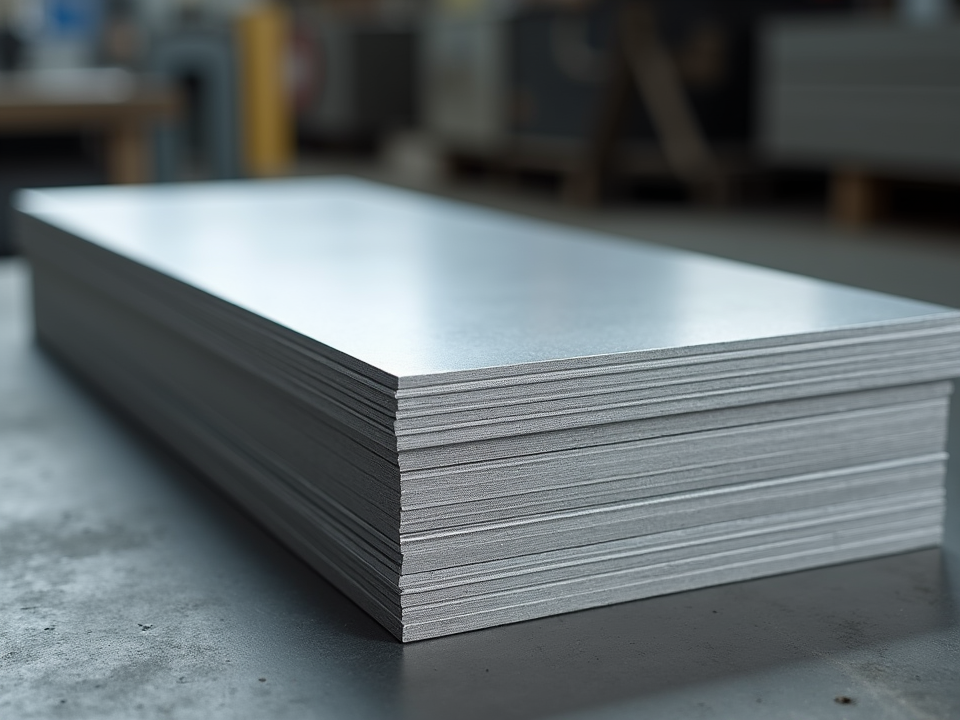
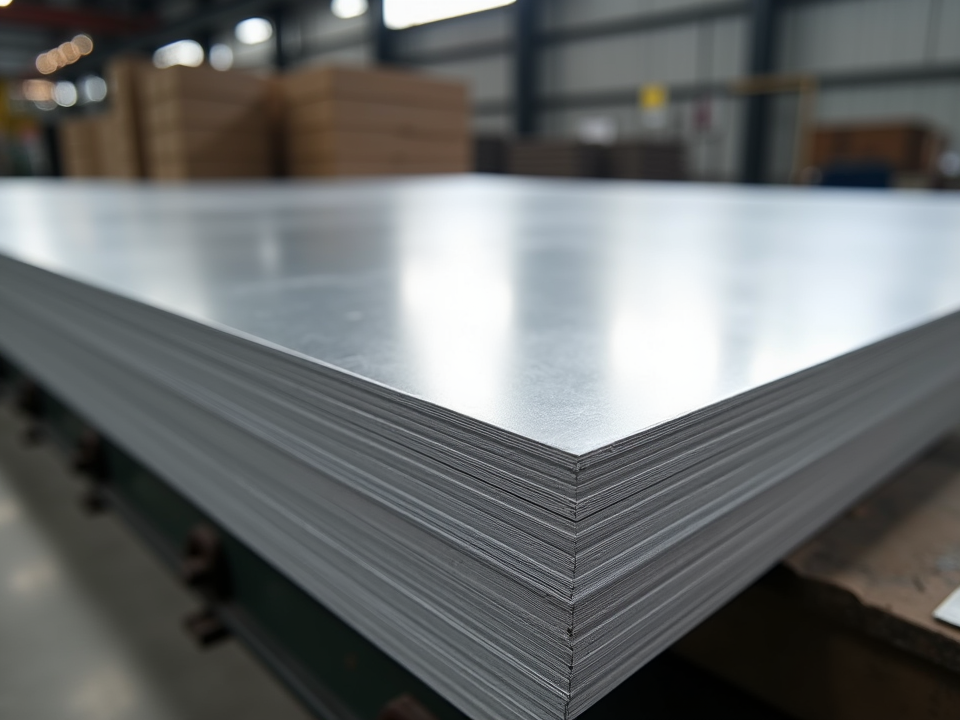
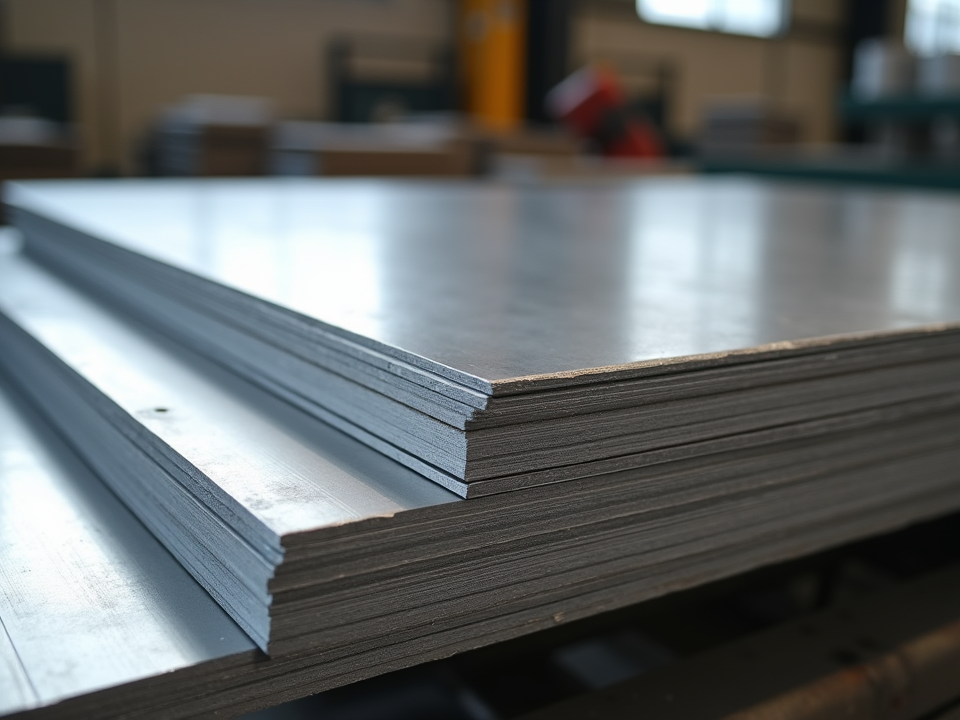
5083 aluminum plate is one of the most trusted materials for welded marine structures. Its aluminum-magnesium composition provides excellent seawater corrosion resistance, high weldability, and useful strength without heat treatment. It is widely specified for hull plating, decks, bulkheads, superstructures, tanks, and offshore equipment where low weight and long service life matter.
Choosing the correct 5083 marine aluminum plate requires more than selecting an alloy number. Plate temper, thickness, corrosion-control condition, dimensional tolerance, surface quality, and marine certification should match the vessel design and fabrication route.
Why 5083 Aluminum Plate Performs Well at Sea
The strength of 5083 comes mainly from magnesium and manganese. Unlike heat-treatable 6xxx alloys, 5083 develops strength through strain hardening and controlled stabilization. This produces a stable material with strong resistance to saltwater exposure and good behavior around welded joints.
| Property | Marine Value |
|---|---|
| Seawater corrosion resistance | Excellent, especially in H116 and H321 tempers |
| Weldability | Excellent with suitable 5xxx-series filler wire |
| Strength-to-weight ratio | High, supporting lighter vessel structures |
| Formability | Good in O temper and moderate-strength tempers |
| Low-temperature performance | Retains toughness in cold marine service |
| Machinability | Fair; machining practices should control built-up edge |
| Heat treatment response | Not heat treatable; strength is temper-dependent |
For marine projects, 5083 generally offers better strength than 5052 while maintaining superior corrosion resistance compared with many structural aluminum alternatives. Where lower-strength sheet is sufficient for interior trim or light fabrication, 5052 Aluminum Sheet may also be considered, but 5083 is normally preferred for demanding hull and structural applications.
Chemical Composition of 5083 Aluminum Plate
The following composition limits are typical for AA 5083 material. Actual mill test certificate values should be checked for every production lot.
| Element | Content, % by Weight |
|---|---|
| Magnesium, Mg | 4.0–4.9 |
| Manganese, Mn | 0.40–1.00 |
| Chromium, Cr | 0.05–0.25 |
| Iron, Fe | 0.40 max |
| Silicon, Si | 0.40 max |
| Copper, Cu | 0.10 max |
| Zinc, Zn | 0.25 max |
| Titanium, Ti | 0.15 max |
| Other elements, each | 0.05 max |
| Other elements, total | 0.15 max |
| Aluminum, Al | Balance |
Magnesium is responsible for much of the alloy's strength and marine corrosion performance. However, prolonged exposure to elevated temperatures can make high-magnesium alloys more susceptible to sensitization. For this reason, marine-grade H116 and H321 tempers are valuable when the plate will operate in aggressive saltwater environments.
Select the Appropriate Temper
Temper selection is one of the most important purchasing decisions. The temper affects strength, bending behavior, corrosion resistance, and suitability for welded panels.
| Temper | Condition | Typical Marine Use | Selection Notes |
|---|---|---|---|
| O | Annealed, soft | Formed components, curved panels, complex fabrication | Best ductility, lowest strength |
| H111 | Light strain hardened | General marine sheet and plate work | Good balance of formability and strength |
| H112 | As fabricated | Heavy plate and structural components | Often used where properties are specified by thickness |
| H116 | Strain hardened and corrosion-resistant stabilized | Hull plating, decks, offshore structures | Preferred for seawater exposure and exfoliation resistance |
| H321 | Strain hardened and stabilized | Hull structures, tankage, highly welded assemblies | Strong marine choice with stable corrosion performance |
For most saltwater hull plates, H116 or H321 should be the first choice. O temper is suitable when extensive forming is required before welding. Confirm the required temper directly from the vessel drawings, classification rules, or project material specification.
Typical Mechanical Properties
Mechanical values vary with thickness, temper, testing direction, and governing standard. The figures shown are common reference ranges rather than contractual values.
| Temper | Tensile Strength, MPa | Yield Strength, MPa | Elongation, % | Typical Application |
|---|---|---|---|---|
| O | 270–350 | 125 min | 12–20 | Deep forming and curved sections |
| H111 | 275–350 | 125 min | 10–16 | General welded structures |
| H116 | 305–385 | 215 min | 8–12 | Hulls, decks, side shells |
| H321 | 305–385 | 215 min | 8–12 | Marine structural plate and tanks |
| Physical Property | Typical Value |
|---|---|
| Density | 2.66 g/cm³ |
| Melting range | 574–638°C |
| Elastic modulus | 70 GPa |
| Thermal conductivity | Approximately 117 W/m·K |
| Electrical conductivity | Approximately 29% IACS |
Match Plate Thickness to the Structure
Thickness selection should be determined by naval architecture calculations, local loads, stiffener spacing, impact exposure, and classification society requirements. Thin plate reduces vessel weight, while thicker plate improves stiffness, dent resistance, and fatigue margin.
| Marine Component | Common Thickness Range | Material Consideration |
|---|---|---|
| Small craft hull skin | 3–6 mm | H116 or H321 offers robust saltwater resistance |
| Workboat hull and deck | 5–10 mm | Select thickness for impact and deck loading |
| Large vessel shell plating | 6–20 mm | Wide plate reduces welded seam count |
| Bulkheads and partitions | 4–8 mm | H111, H116, or H321 depending on environment |
| Superstructure panels | 3–8 mm | Weight reduction is often a priority |
| Tanks and wet compartments | 5–12 mm | Require careful weld and crevice design |
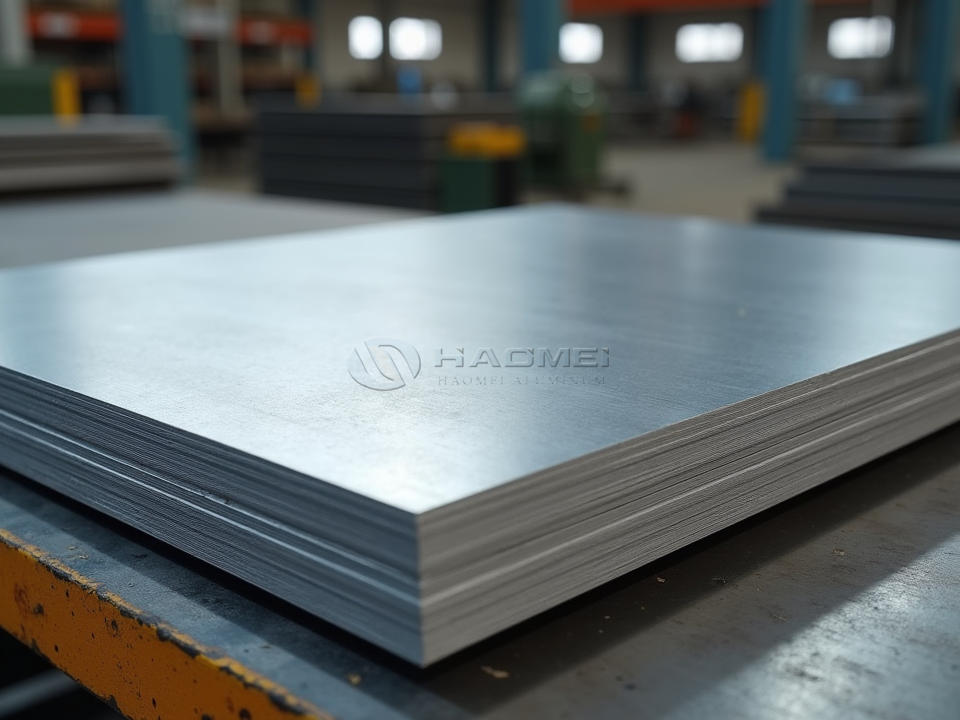
Wide and long plates can reduce welding length, labor, distortion, and potential corrosion sites. When ordering large-format plate, confirm flatness, edge condition, allowable thickness tolerance, and transport limitations.
Marine Standards and Certification
Shipbuilders should specify the applicable product and approval standards at the quotation stage. A plate that meets chemical requirements alone may not meet the corrosion, testing, or traceability demands of a classified vessel.
| Standard or Document | Purpose |
|---|---|
| ASTM B928/B928M | High-magnesium aluminum plate and sheet for marine service |
| EN 485 | Tolerances and mechanical properties for aluminum sheet, strip, and plate |
| EN 573 | Aluminum alloy chemical composition designation |
| EN 10204 3.1 | Mill test certificate and traceability documentation |
| DNV, ABS, LR, BV, CCS approval | Classification society acceptance when required |
| ASTM G66 / NAMLT | Intergranular corrosion evaluation for marine alloys |
Request mill certificates showing alloy, temper, dimensions, heat number, chemical analysis, mechanical test results, and applicable corrosion-test status. For classified ships, confirm whether the mill and material require approval from a particular classification society before production begins.
Welding and Fabrication Considerations
5083 aluminum plate is highly weldable by MIG and TIG processes. Common filler options include 5183, 5356, and 5556, selected according to base material, joint design, strength target, and service temperature. Welding softens the heat-affected zone, so structural calculations should use appropriate welded-joint properties rather than parent-metal strength alone.
Use clean tools reserved for aluminum, remove moisture and contaminants before welding, and avoid carbon-steel particle contamination. Design joints to prevent stagnant seawater, crevices, and poor drainage. Insulate aluminum from copper, carbon steel, and other dissimilar metals where galvanic corrosion may occur.
Practical Purchasing Checklist
| Purchase Item | What to Specify |
|---|---|
| Alloy | AA 5083 |
| Temper | H116, H321, H111, H112, or O as required |
| Product form | Hot-rolled marine aluminum plate |
| Dimensions | Thickness × width × length, with tolerances |
| Surface | Mill finish, protected surface, or customer-defined finish |
| Edge | Mill edge, trimmed edge, or saw-cut edge |
| Standard | ASTM B928, EN standard, or project-specific requirement |
| Certification | EN 10204 3.1, classification approval, corrosion test report if required |
| Inspection | Visual inspection, dimensional check, UT requirement where specified |
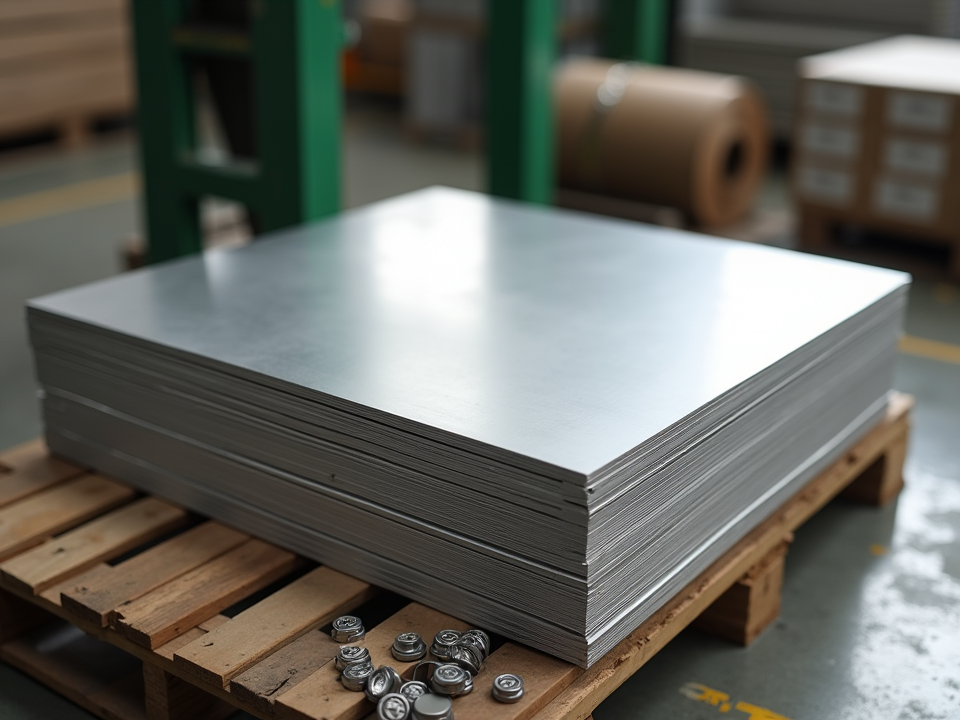
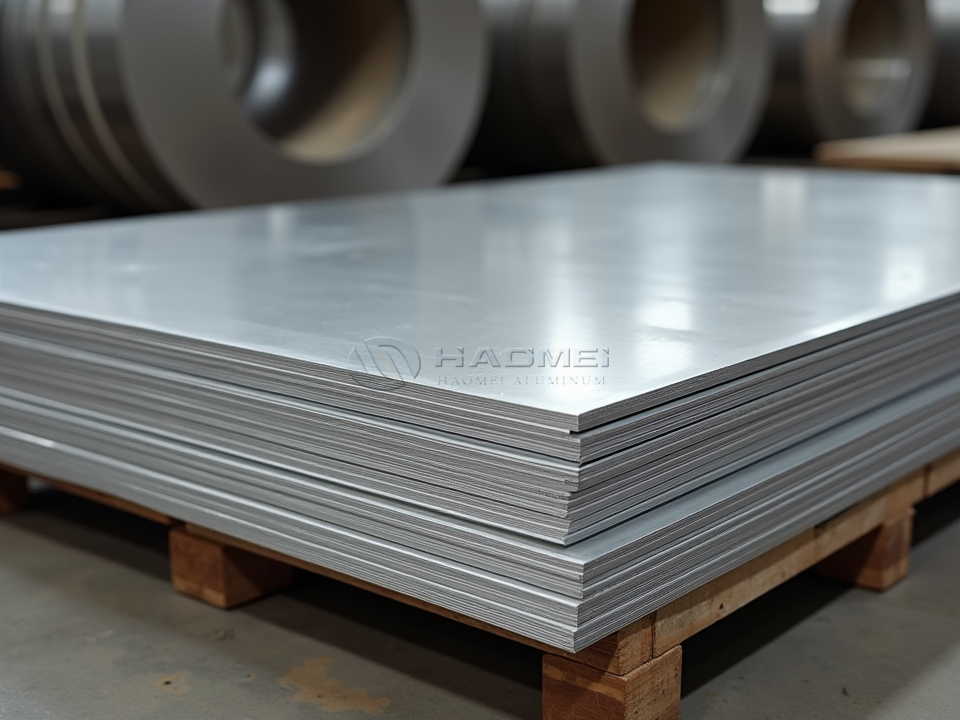
| Packaging | Waterproof wrapping, corner protection, pallet or skid arrangement |
The best 5083 aluminum plate for shipbuilding is not simply the thickest or strongest option. It is the plate matched to the vessel's structural load, forming demand, weld design, saltwater exposure, and certification requirements. H116 and H321 marine-grade plate, supported by complete mill documentation and controlled fabrication, provide a dependable foundation for durable aluminum vessels.