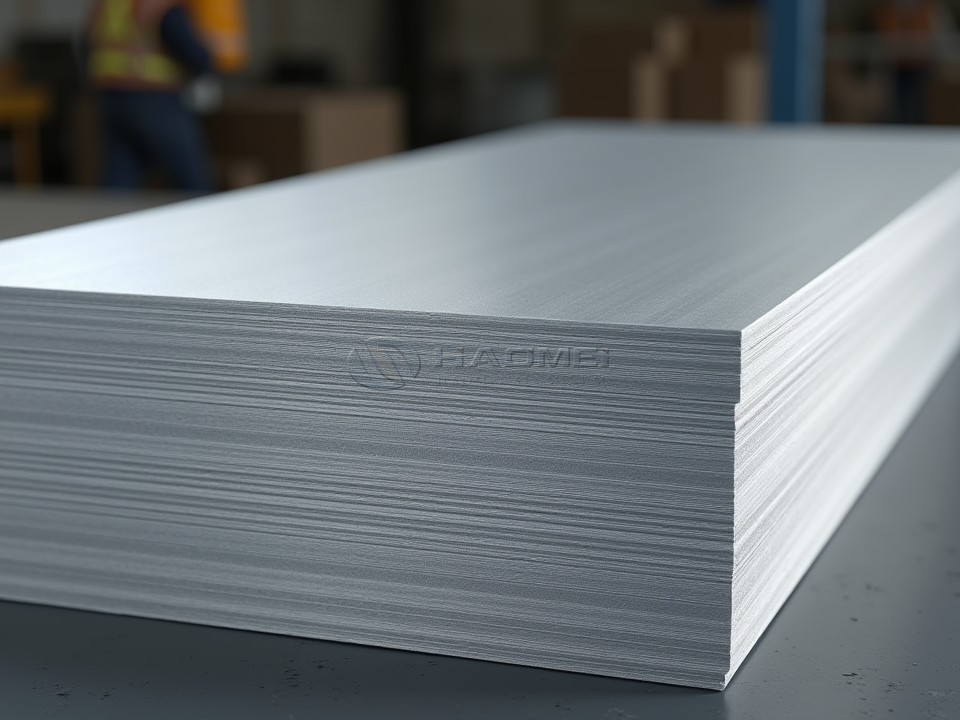
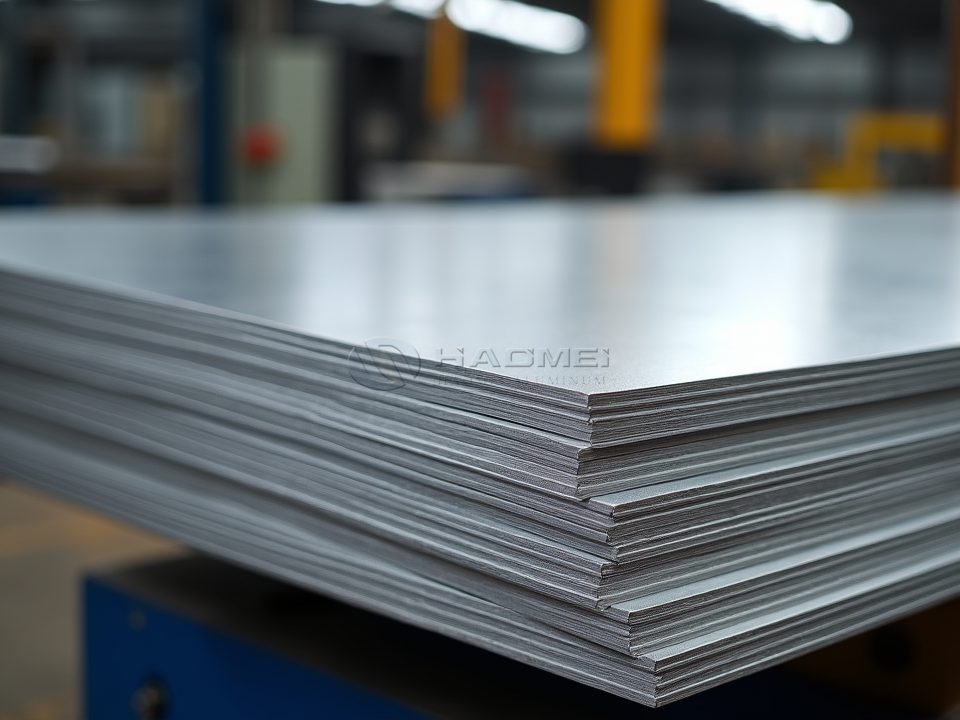
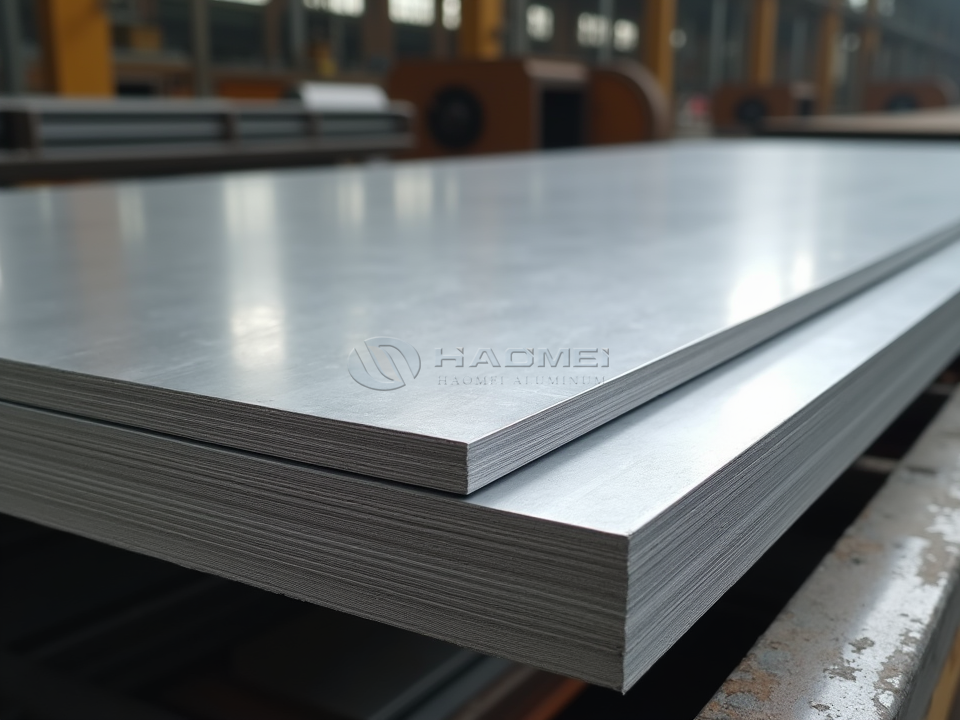
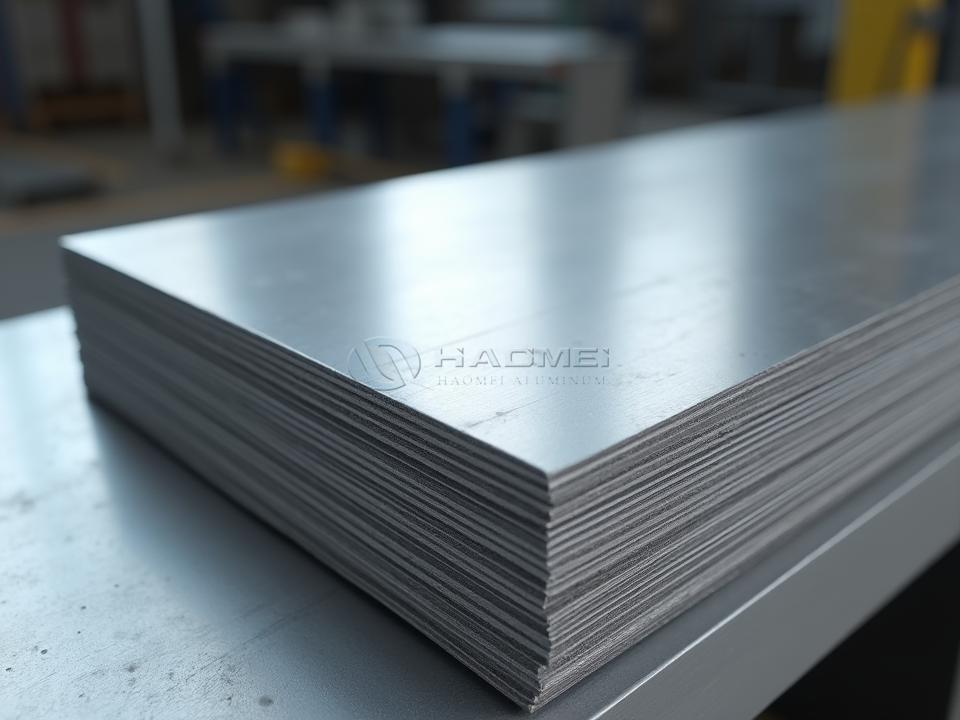
5083 Aluminum Plate for Shipbuilding: Applications, Benefits and Material Options
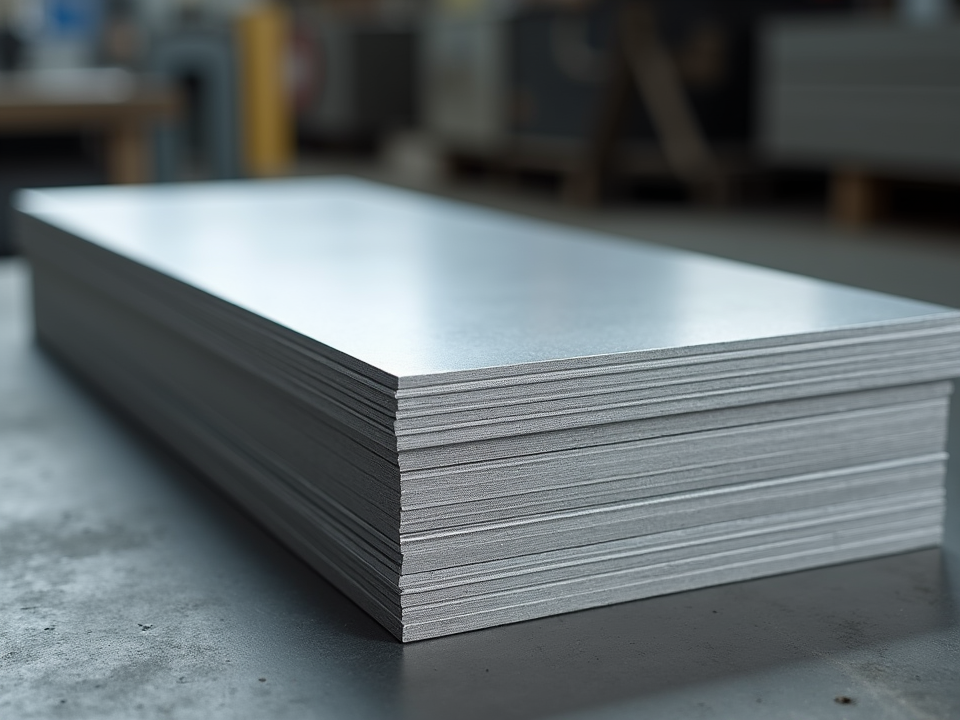
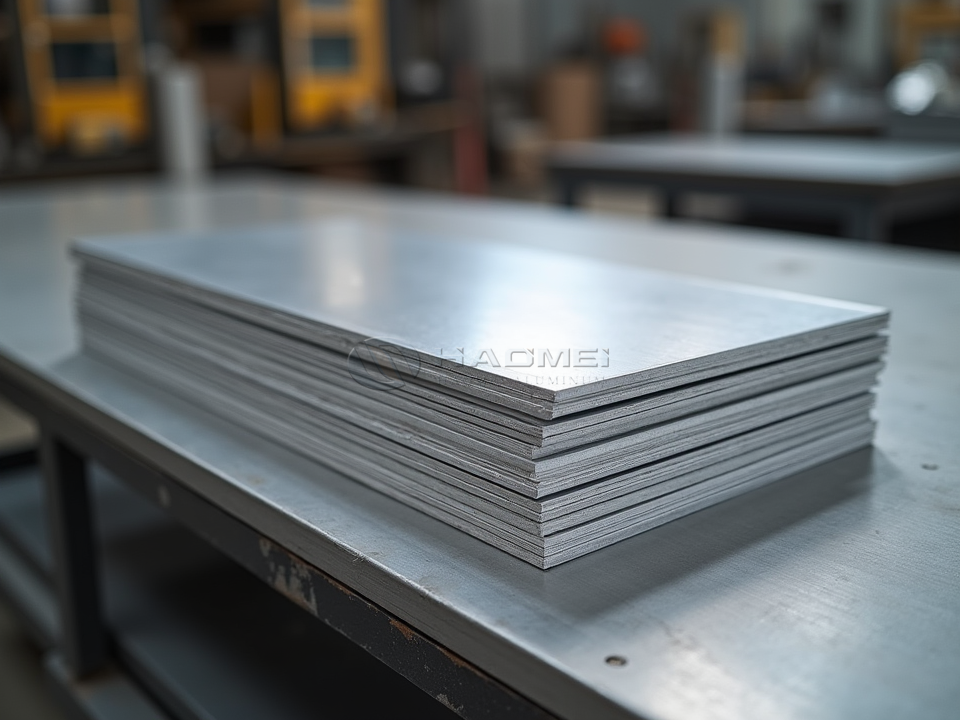
5083 aluminum plate is one of the most trusted marine-grade materials for ship hulls, decks, bulkheads, superstructures, and offshore structures. As an Al-Mg alloy, it combines high strength, exceptional seawater corrosion resistance, good fatigue behavior, and reliable weldability. These characteristics make it suitable for vessels that must remain light, durable, and economical throughout long service periods.
Compared with steel, 5083 aluminum plate can significantly reduce vessel weight. A lighter structure supports higher payload capacity, lower fuel consumption, shallower draft, and improved acceleration. For high-speed ferries, patrol boats, fishing vessels, workboats, yachts, and landing craft, this weight advantage is particularly valuable.
Why 5083 Aluminum Plate Performs Well in Marine Service
The performance of 5083 comes primarily from its magnesium content, supported by manganese and chromium. This alloy system gives the plate a strong balance of mechanical strength and resistance to chloride-rich seawater environments.
| Performance Factor | 5083 Aluminum Plate Advantage | Value for Shipbuilders |
|---|---|---|
| Seawater corrosion resistance | Excellent resistance to marine atmosphere and saltwater exposure | Reduces corrosion-related maintenance and coating demand |
| Weldability | Readily welded by MIG and TIG processes | Supports efficient hull and structural fabrication |
| Strength-to-weight ratio | High strength at approximately one-third the density of steel | Helps reduce vessel mass and operating costs |
| Fatigue performance | Suitable for cyclic loading in properly designed structures | Supports service in hulls, decks, and stiffened panels |
| Low-temperature toughness | Retains useful properties in cold environments | Suitable for refrigerated marine equipment and cold-region vessels |
| Formability | Can be bent, rolled, and shaped in appropriate tempers | Allows fabrication of curved hull and deck components |
Unlike heat-treatable alloys, 5083 gains strength through solid-solution strengthening and strain hardening. This helps preserve dependable properties after welding, although the heat-affected zone should always be considered during structural design.
Chemical Composition of 5083 Marine Aluminum Plate
Chemical composition has a direct impact on corrosion resistance, weld response, and strength. The following values are typical limits for 5083 aluminum alloy plate based on commonly used international specifications.
| Element | Content, % by Weight | Function in the Alloy |
|---|---|---|
| Magnesium, Mg | 4.0-4.9 | Provides major strength and marine corrosion resistance |
| Manganese, Mn | 0.40-1.00 | Improves strength and helps control grain structure |
| Chromium, Cr | 0.05-0.25 | Improves resistance to stress-corrosion cracking |
| Iron, Fe | 0.40 max | Controlled impurity element |
| Silicon, Si | 0.40 max | Controlled impurity element |
| Copper, Cu | 0.10 max | Kept low to support corrosion resistance |
| Zinc, Zn | 0.25 max | Controlled residual element |
| Titanium, Ti | 0.15 max | Supports grain refinement |
| Other elements | 0.05 each, 0.15 total max | Controlled residual elements |
| Aluminum, Al | Balance | Base metal |
Common Technical Specifications
5083 plate can be produced in several tempers and dimensional ranges. The most appropriate selection depends on plate thickness, forming requirements, design stress, welding procedure, and classification society requirements.
| Item | Typical Supply Range |
|---|---|
| Alloy | AA 5083 / EN AW-5083 |
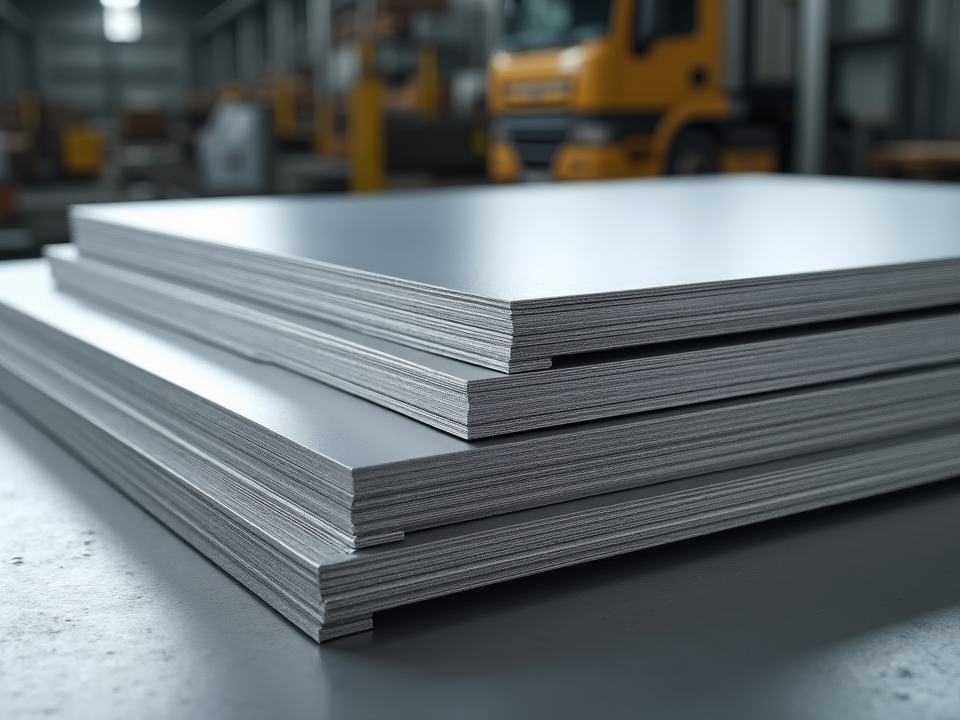
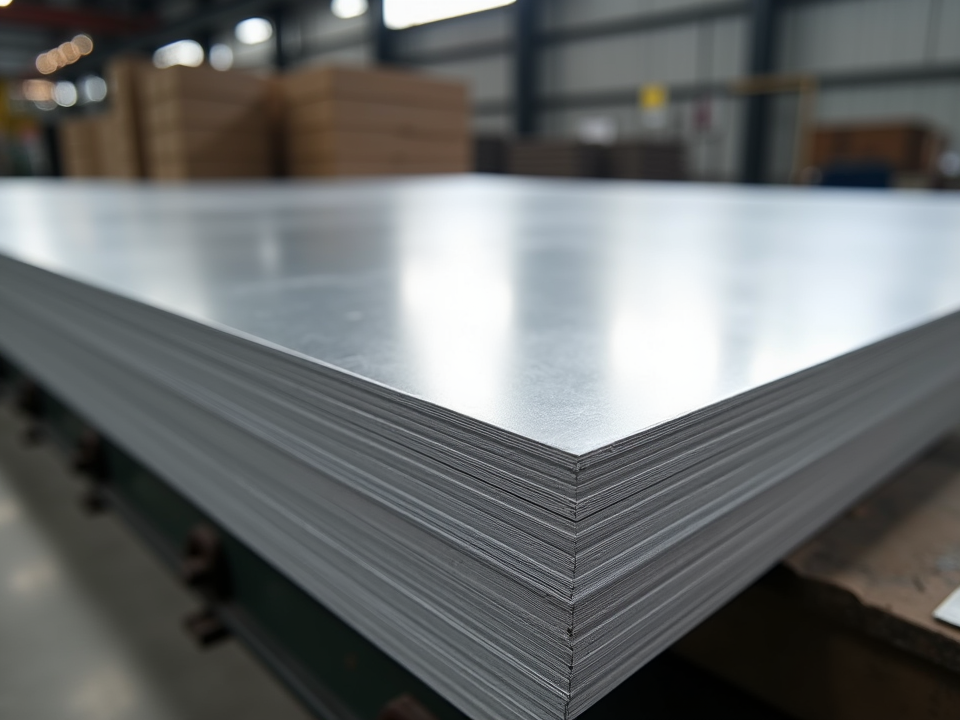
| Product form | Hot-rolled plate, cut-to-size plate, tread plate on request |
| Common tempers | O, H111, H116, H321 |
| Typical thickness | 3 mm to 200 mm |
| Typical width | 1,000 mm to 2,500 mm |
| Typical length | 2,000 mm to 12,000 mm |
| Density | Approximately 2.66 g/cm³ |
| Melting range | Approximately 574-638°C |
| Surface options | Mill finish, brushed, protected surface, PVC film |
| Standards often requested | ASTM B928, EN 485, EN 573, ABS, DNV, Lloyd's Register, BV |
For broad material selection, an Alloy Aluminum Sheet range can also support non-structural marine interiors, equipment covers, insulation cladding, and fabricated accessories.
Mechanical Properties by Temper
Mechanical values vary with thickness, specification, testing direction, and certified supply condition. The figures shown are typical reference values and should not replace project-specific mill test certificates or classification approval requirements.
| Temper | Typical Tensile Strength | Typical Yield Strength | Typical Elongation | Suitable Marine Use |
|---|---|---|---|---|
| O | 270-350 MPa | 125-145 MPa | 16% or higher | Formed components, curved panels, fabricated parts |
| H111 | 270-350 MPa | 125 MPa minimum | 12% or higher | General hull plating and welded structures |
| H116 | 275-350 MPa | 215 MPa minimum | 10% or higher | Seawater-exposed hulls, decks, and high-strength structures |
| H321 | 305-385 MPa | 215 MPa minimum | 10% or higher | Marine structures requiring stable strain-hardened properties |
H116 and H321 are frequently selected for vessel hull plating because they are designed for improved resistance to exfoliation corrosion and stress-corrosion cracking in marine environments. These tempers are especially valuable for large plate panels exposed to salt spray, bilge moisture, and changing thermal conditions.
Marine Applications for 5083 Plate
5083 aluminum plate is used across commercial, recreational, defense, and offshore marine sectors. Its combination of corrosion resistance and structural strength allows one alloy family to serve many parts of a vessel.
| Application | Typical 5083 Plate Function | Material Benefit |
|---|---|---|
| Hull plating | Outer shell, bottom plating, side plating | Low weight and strong seawater resistance |
| Deck structures | Main decks, walkways, deck panels | Durable under weather exposure and foot traffic |
| Bulkheads | Watertight and non-watertight partitions | Good weldability and fabrication efficiency |
| Superstructures | Cabins, bridges, wheelhouses | Reduces top weight and supports vessel stability |
| Fuel and water tanks | Marine storage tanks and compartments | Good compatibility with suitable stored media |
| Fishing vessels | Hulls, fish holds, equipment supports | Resists wet, salty working environments |
| High-speed craft | Ferries, patrol boats, crew transfer vessels | Supports reduced weight and higher operating efficiency |
| Offshore equipment | Gangways, platforms, service structures | Performs well in corrosive coastal conditions |
For lighter-duty marine panels, equipment housings, and formed interior parts, 5052 Aluminum Sheet may be considered where lower strength is acceptable and easier forming is preferred.
Material Options and Selection Considerations
The best 5083 plate specification is determined by structural position and operating environment. Thick hull sections may require H116 or H321 plate with marine classification certification, while formed parts may benefit from O temper or H111 material. Plate width and length should also be selected to reduce welding seams and material waste.
| Selection Factor | Recommended Consideration |
|---|---|
| Hull shell and bottom plating | H116 or H321 with approved marine certification |
| Curved or deeply formed components | O temper or H111, depending on strength demand |
| Highly exposed deck areas | H116 for corrosion resistance and structural performance |
| Thick structural members | Hot-rolled plate with controlled flatness and ultrasonic testing if required |
| Critical welded zones | Use compatible filler wire and qualified welding procedures |
| Decorative visible surfaces | Specify protective film or controlled surface finish |
Welding is normally performed with 5183, 5356, or other approved filler metals selected according to the joint design and service requirement. Proper cleaning, heat input control, joint preparation, and post-weld inspection are important for retaining corrosion resistance and fatigue reliability.
Benefits for Vessel Builders and Owners
Choosing 5083 aluminum plate can create value beyond the material purchase price. Lower vessel mass can reduce fuel use and improve payload economics. Strong natural corrosion resistance lowers dependence on heavy protective systems. The alloy also enables fast fabrication through conventional cutting, bending, and welding methods.
For shipyards, 5083 offers a practical balance between material performance and production efficiency. For vessel owners, it supports long service life, reduced maintenance burden, and dependable performance in demanding saltwater conditions. When supplied with the correct temper, dimensions, certification, and inspection documentation, 5083 aluminum plate remains a highly capable material for modern shipbuilding.