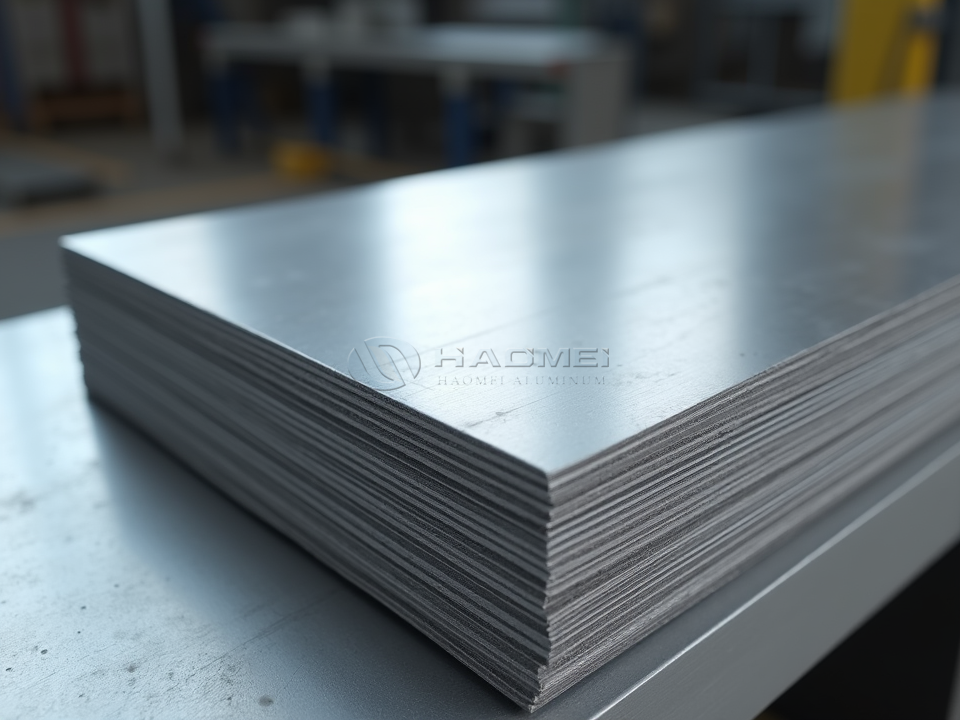
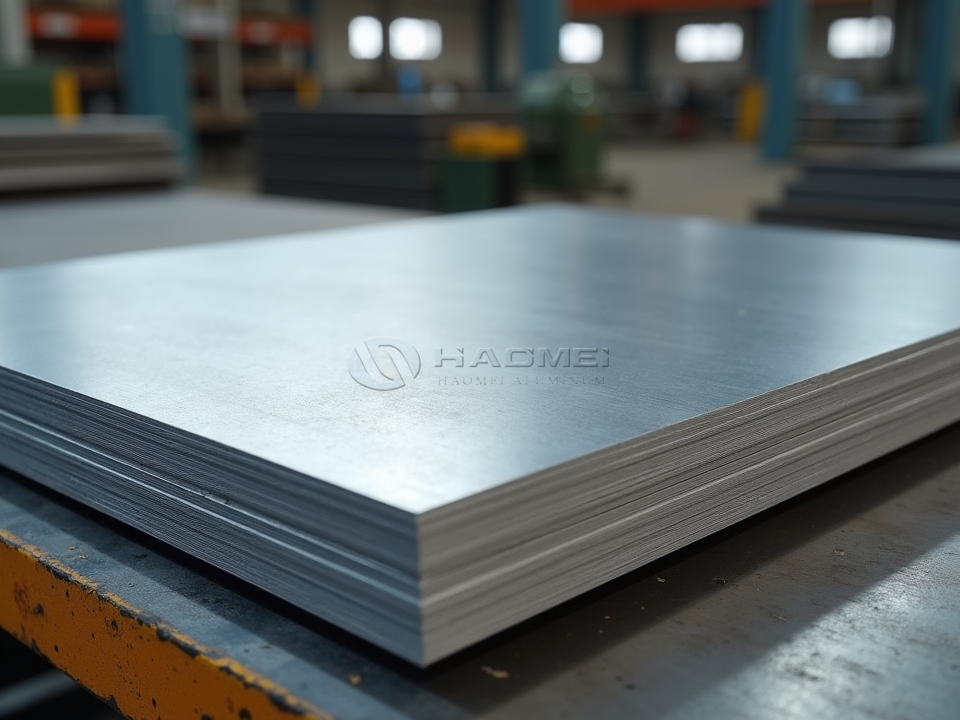
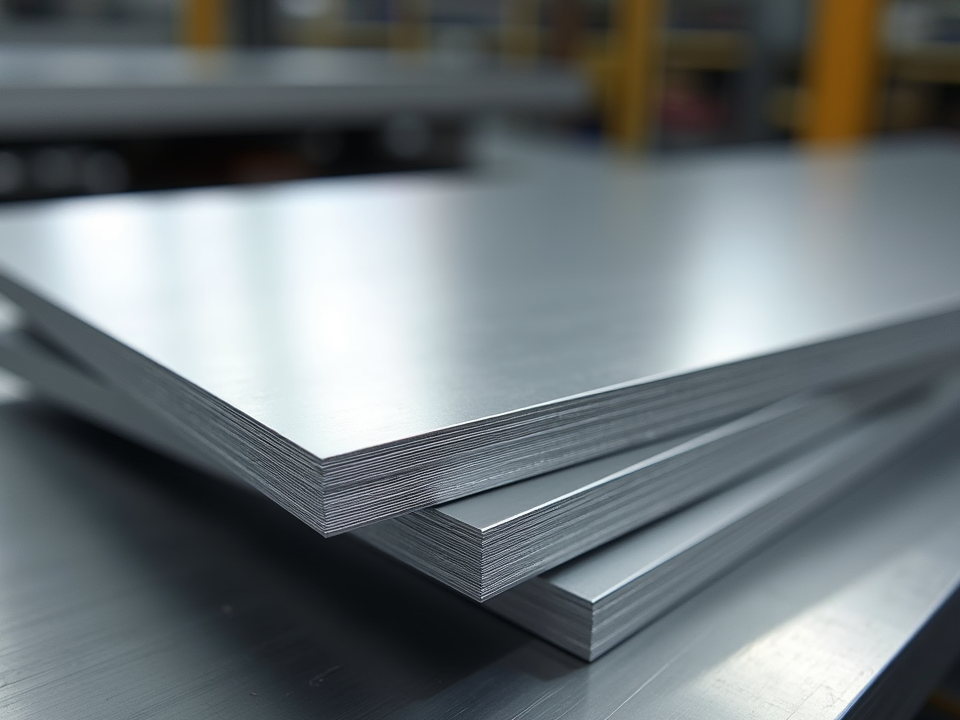
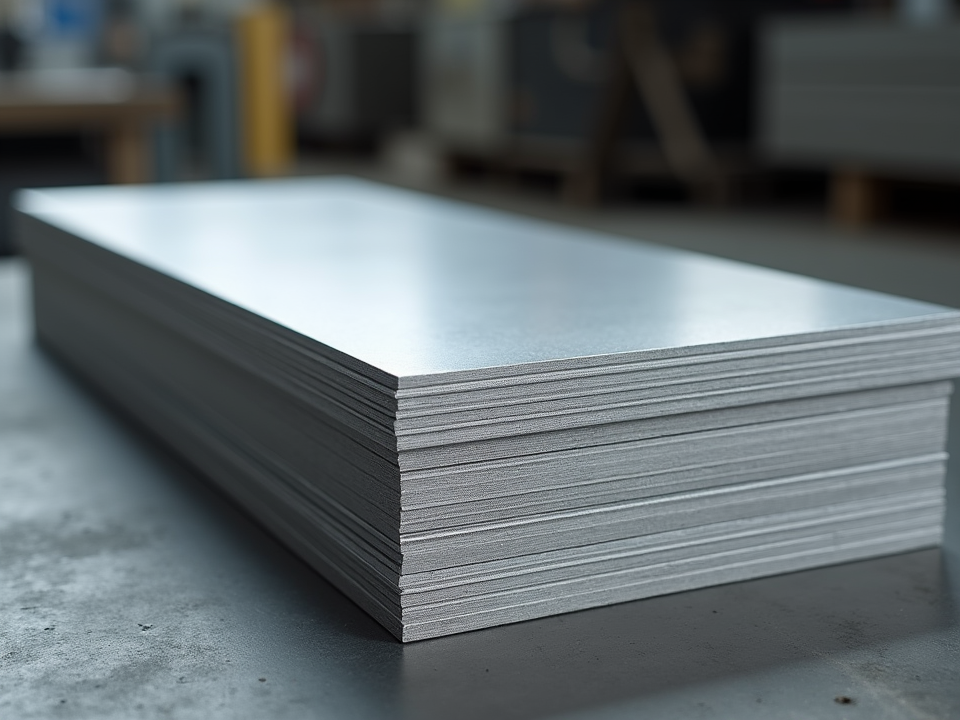
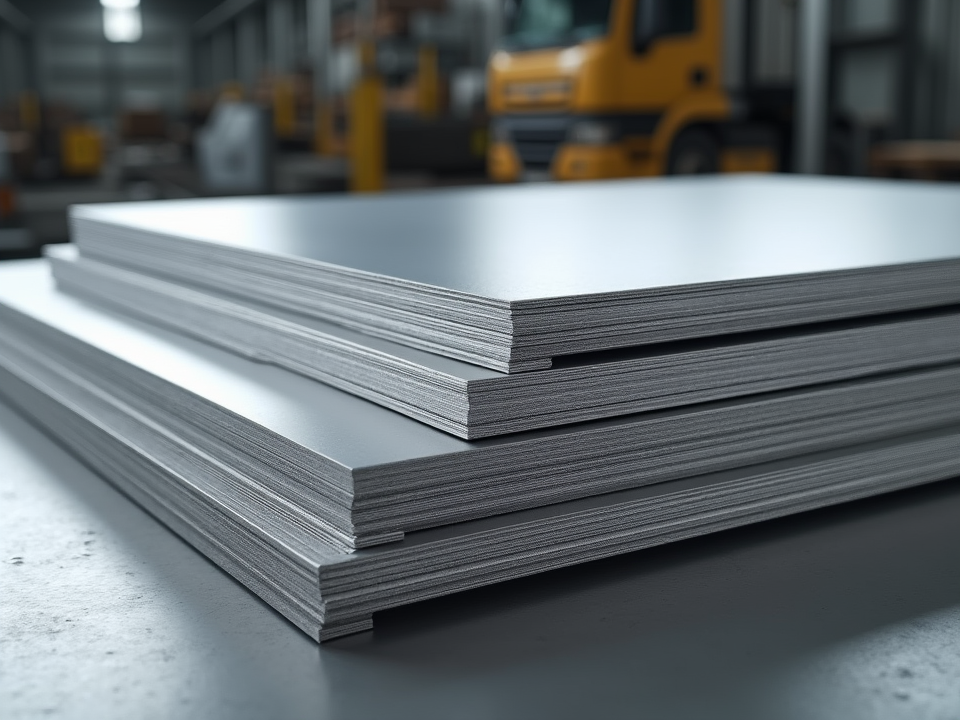
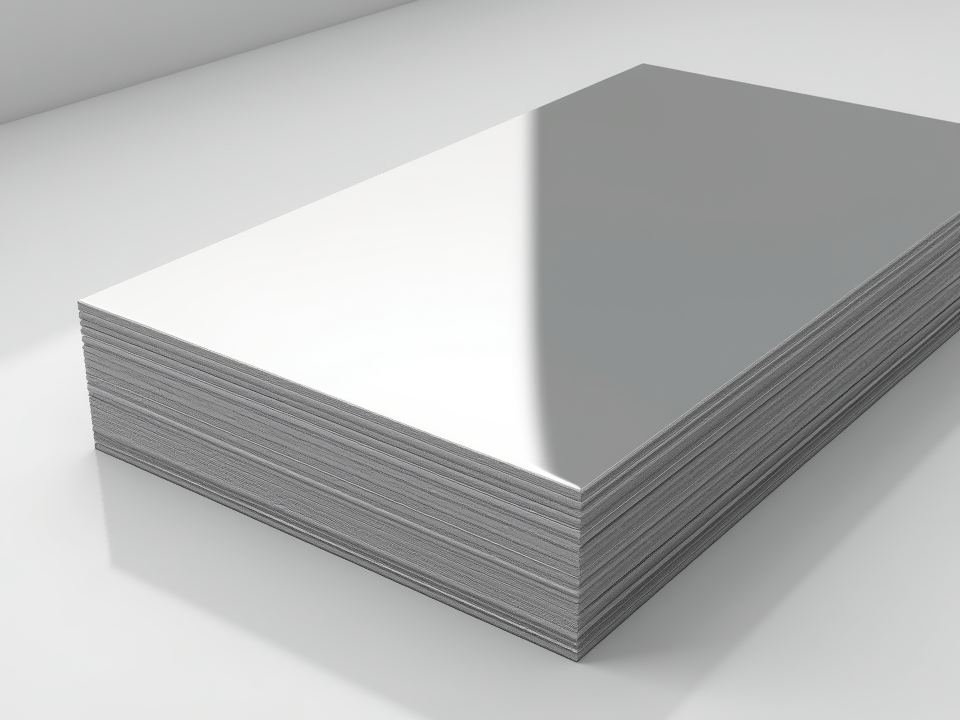
5052 H32 Aluminum Sheet Price
The 5052 H32 aluminum sheet price is often treated as a simple number per kilogram, per pound, or per square meter. In real purchasing, that number is more like a small window into the whole supply chain. Behind it are magnesium content, rolling schedules, temper stability, surface protection, sheet flatness, cutting loss, packaging strength, and freight timing. A cheaper quotation can be a good deal, but only when it protects the same production result.
For many buyers, 5052 H32 is not bought for decoration alone. It is chosen because it bends well, resists corrosion, welds reliably, and performs in marine, vehicle, cabinet, enclosure, tank, trailer, and architectural applications. That means the better question is not only "What is today's 5052 H32 aluminum sheet price?" but also "What will this sheet cost after cutting, forming, finishing, and delivery?"
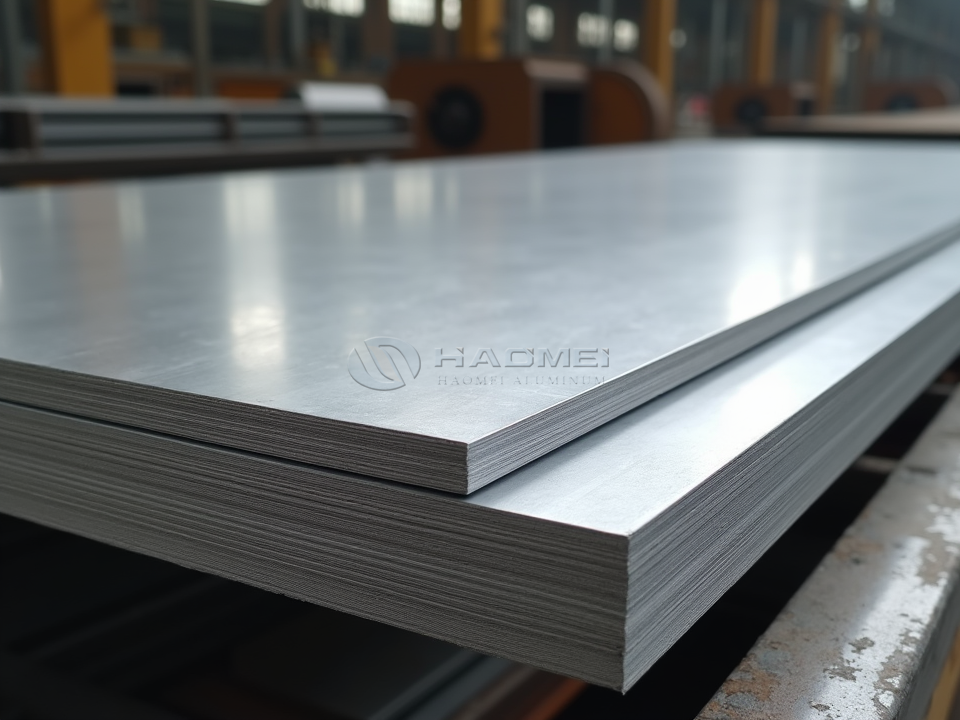
Why 5052 H32 Has Its Own Price Logic
5052 belongs to the 5xxx aluminum-magnesium alloy family. Compared with pure aluminum grades such as 1050 or 1100, it contains more alloying elements and offers stronger corrosion resistance and higher strength. That alloy design gives it value, but it also makes production control more demanding.
The H32 temper means the sheet is strain-hardened and then stabilized to a quarter-hard condition. In practical terms, it sits in a useful middle zone: stronger than soft O temper, easier to form than harder tempers, and stable enough for repeat production. This is why buyers often select 5052 Aluminum Sheet for panels and formed parts that need both strength and workability.
Price changes when a mill must hold tighter mechanical properties, better flatness, or a cleaner surface. A general-purpose sheet may be quoted lower than a sheet intended for visible panels or precision forming, even if the alloy and temper look identical on paper.
The Metal Price Is Only the Starting Point
The base aluminum market strongly affects 5052 H32 aluminum sheet price. When aluminum ingot prices rise, sheet prices usually follow. But 5052 H32 does not move by base aluminum alone. Magnesium cost, energy cost, rolling capacity, export policy, exchange rate, and local demand all add pressure.
A typical quotation includes base metal value plus conversion cost. Conversion cost covers casting, hot rolling, cold rolling, annealing or stabilization, trimming, leveling, inspection, and packing. If the order requires film coating, paper interleaving, exact width cutting, or special pallet protection, those items become part of the real price.
This is why two offers can differ even when both say "5052 H32." One may be standard mill finish with normal tolerance. Another may include PVC film, tight thickness control, better surface selection, and seaworthy packaging. The second may look more expensive at purchase time but reduce complaints, scratches, and forming waste.
Thickness Changes the Price More Than Many Buyers Expect
Thickness has a direct influence on cost. Thin 5052 H32 sheet needs more rolling passes and more careful handling. Very thin gauges are easier to scratch, wave, or deform, so packaging and quality control become more important. Thick sheets require more metal per square meter and may involve different production planning.
For buyers comparing price by sheet, thickness can make the quote confusing. A 1.0 mm sheet and a 3.0 mm sheet may share the same alloy, temper, length, and width, but the weight difference is large. For this reason, professional purchasing teams often compare by weight and then calculate the finished part cost.
The density of aluminum is about 2.71 g/cm³. A simple weight estimate is:
Weight per sheet = thickness × width × length × density
When dimensions are in meters and thickness is in millimeters, this formula helps buyers check whether a quote is realistic. If the sheet price looks unusually low, weight calculation may reveal that the quotation uses a different thickness tolerance, a different sheet size, or excludes packaging and freight.
Surface Requirements Can Quietly Move the Price
In many workshops, 5052 H32 aluminum sheet is cut, bent, welded, painted, anodized, or brushed. A surface defect that seems small at delivery may become obvious after finishing. For visible parts, surface quality is not cosmetic luxury; it is production insurance.
Mill finish 5052 H32 is usually more economical than brushed, anodized, or film-protected material. However, if parts must remain clean during laser cutting or bending, protective film can reduce handling damage. If sheets are stacked for a long sea journey, paper interleaving and moisture protection can prevent surface staining.
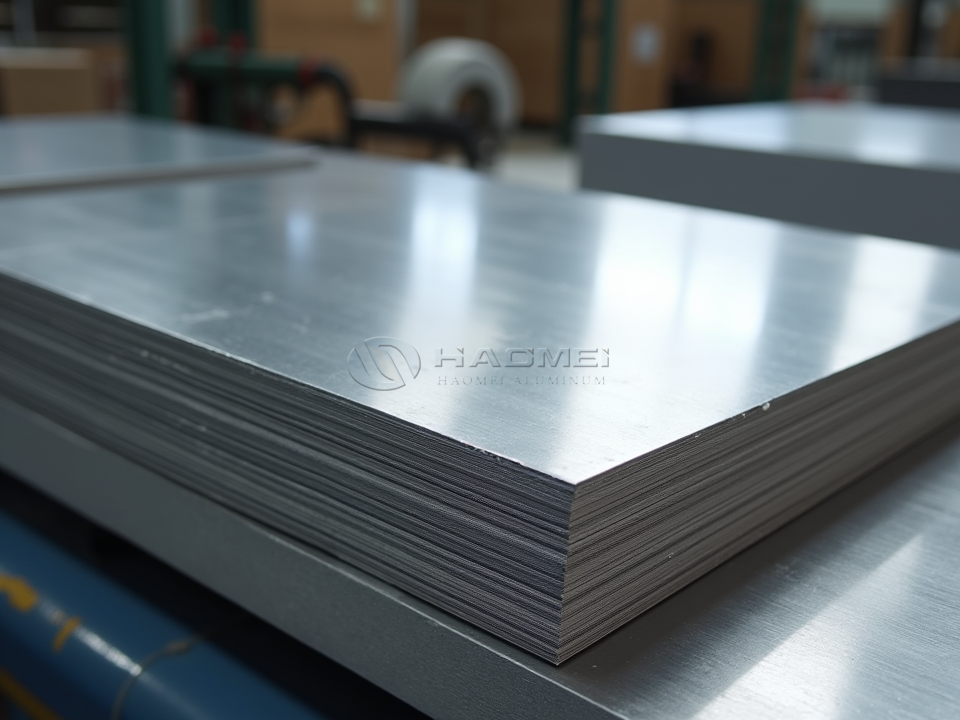
A buyer making hidden brackets may not need premium surface protection. A buyer making marine panels, control cabinets, elevator panels, or transport vehicle interiors may save more money by paying slightly more for a cleaner surface. The correct price depends on where the sheet will be seen and how much rework costs in your factory.
Tolerance Is a Price Factor, Not Just a Technical Note
Thickness tolerance, width tolerance, length tolerance, diagonal accuracy, and flatness all influence price. Tight tolerance requires better rolling control and more inspection. For laser cutting, CNC punching, bending, and automated production, unstable tolerance can create scrap or slow the line.
For example, a low-cost sheet with wider thickness variation may still meet a loose commercial standard, but it can cause bending angle variation from batch to batch. A sheet with better flatness may cost more, yet it can feed more smoothly into cutting equipment.
This is where the buyer's viewpoint should shift from purchase price to process cost. If each batch must be adjusted, tested, and sorted, the cheap sheet becomes expensive. When asking for 5052 H32 aluminum sheet price, it is wise to state the end use, processing method, and required tolerance level rather than only requesting the lowest rate.
Order Quantity and Cutting Plan Affect the Final Cost
Large orders usually receive better pricing because production and logistics are more efficient. But quantity is not the only issue. Sheet size matters. Standard sizes are often more economical because they match regular rolling and cutting plans. Custom sizes may reduce your cutting waste, but they can add slitting or shearing charges.
The smartest purchase is often the size that gives the best yield in your own cutting layout. A slightly higher sheet price may be acceptable if it reduces scrap. For enclosure panels, fuel tank parts, boat components, or trailer skins, the nesting plan can change the real material cost dramatically.
If your project can use a standard width and length, ask for both standard-size and custom-size quotations. Then compare the cost per finished part, not just the cost per sheet. This approach helps avoid the common trap of buying cheap material that leaves expensive offcuts.
Comparing 5052 H32 With Other Grades
5052 H32 is not always the cheapest aluminum sheet, and it should not be. Pure aluminum grades may cost less, but they do not offer the same strength and corrosion resistance. 3003 can be economical for general forming and moderate corrosion conditions. 6061 offers higher strength and heat-treatable performance, but it is less formable in many sheet applications.
When customers are still choosing among grades, browsing a broader Alloy Aluminum Sheet range can help match the alloy to the job before focusing on price. Paying for 5052 H32 makes sense when corrosion resistance, bendability, weldability, and medium strength are all needed together.
For marine or outdoor use, selecting a cheaper alloy may lead to shorter service life. For simple indoor covers, 5052 may be more than necessary. The right grade is the one that meets the working environment without adding unused performance.
Freight, Packaging, and Delivery Time Shape the Landed Price
A quotation without freight can look attractive until the landed cost is calculated. Aluminum sheets are heavy, broad, and sensitive to surface damage. Strong wooden pallets, waterproof wrapping, edge protection, and secure strapping are not minor details. They protect the value you already paid for.
For export orders, seaworthy packaging adds cost but reduces the risk of oxidation, corner damage, and moisture marks. For domestic deliveries, packaging may be lighter, but forklift handling and warehouse movement still matter. If sheets arrive bent or scratched, the low price loses its advantage.
Delivery time also has value. If production is urgent, stock material may cost more than future mill production. If your schedule is flexible, booking ahead may help you obtain better pricing. The best purchasing rhythm is to monitor aluminum market trends and place orders before demand becomes urgent.
How to Ask for a More Accurate Quote
To receive a useful 5052 H32 aluminum sheet price, include the alloy, temper, thickness, width, length, quantity, surface condition, tolerance requirement, packaging method, destination, and intended application. If you need film, paper interleaving, certificates, or special standards, mention them at the beginning.
A clear inquiry helps the seller quote the correct product instead of guessing. It also helps you compare offers fairly. When every supplier quotes based on the same thickness, same size, same tolerance, same packaging, and same freight term, the price difference becomes meaningful.
Final Buying Thought
The 5052 H32 aluminum sheet price is not just a market number. It is a reflection of alloy value, rolling control, surface care, dimensional accuracy, logistics, and production reliability. The best price is not always the lowest line on a quotation; it is the one that delivers stable sheets, low waste, smooth processing, and fewer surprises after arrival.
For customers who use aluminum every day, the winning purchase is simple: choose the sheet that protects your finished product, your processing time, and your delivery promise.