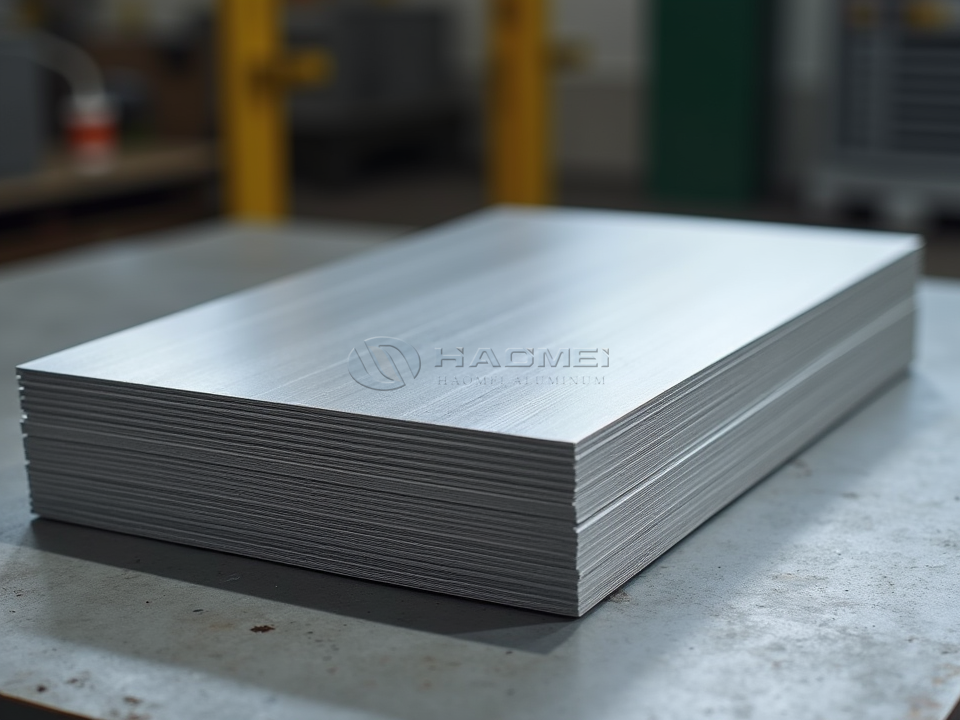
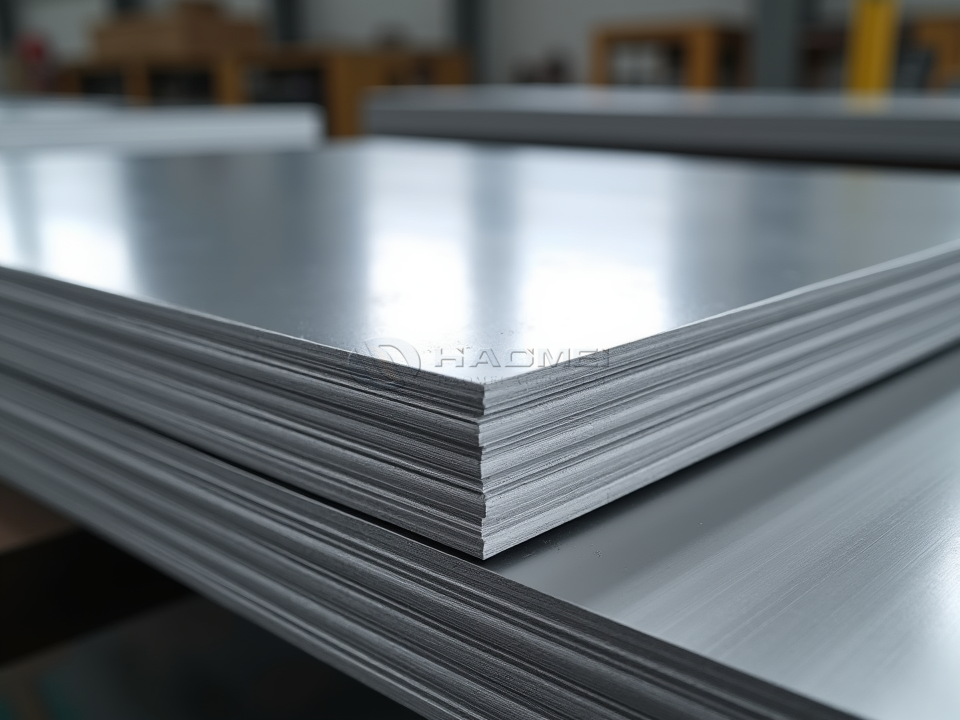
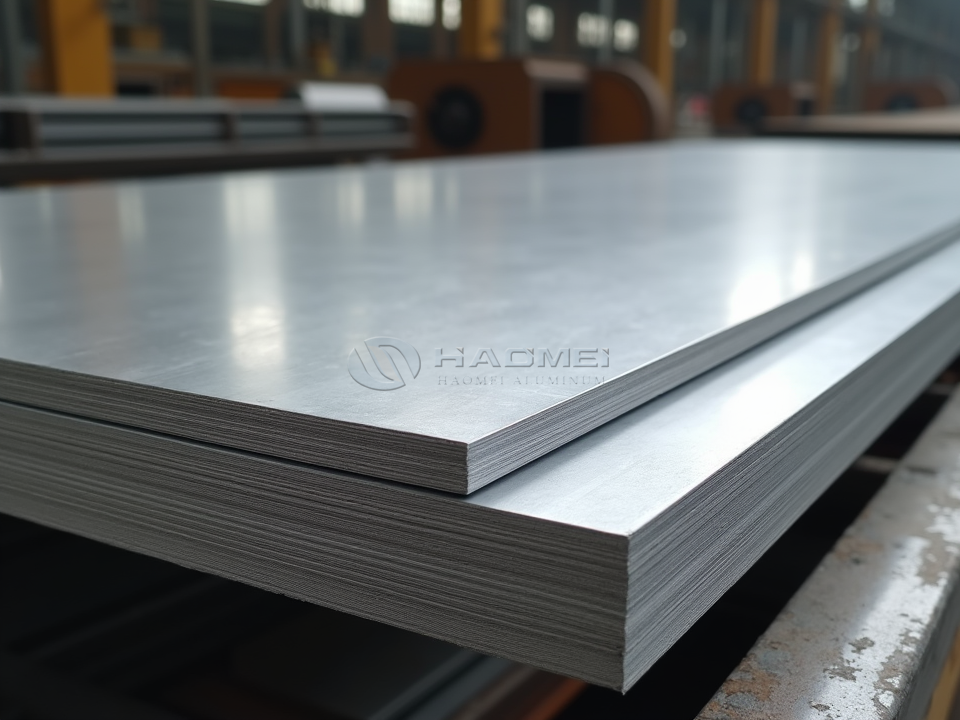
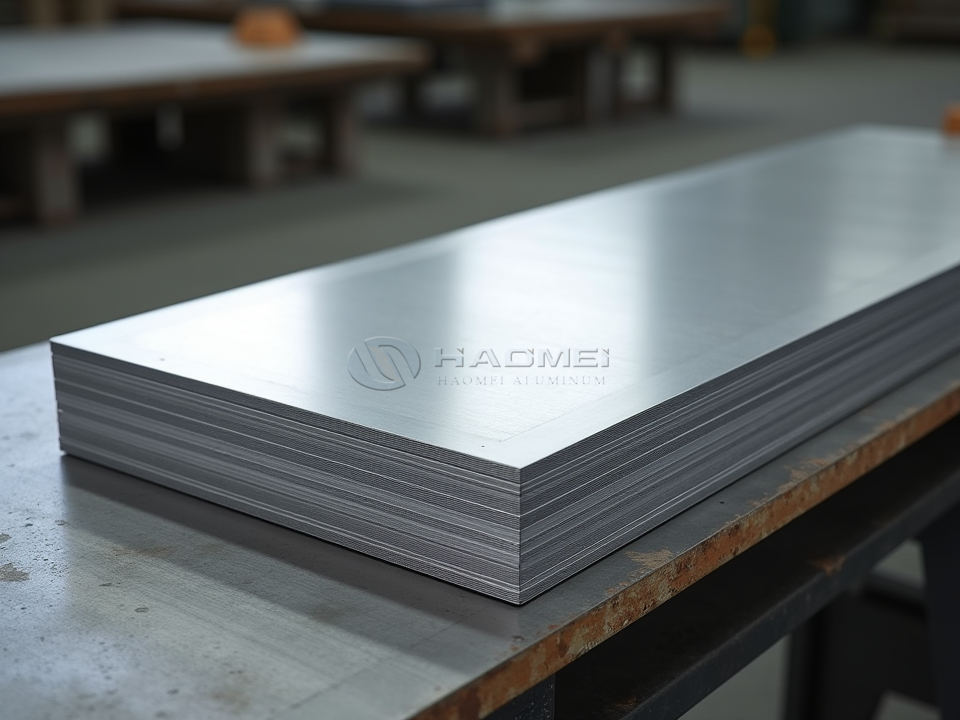
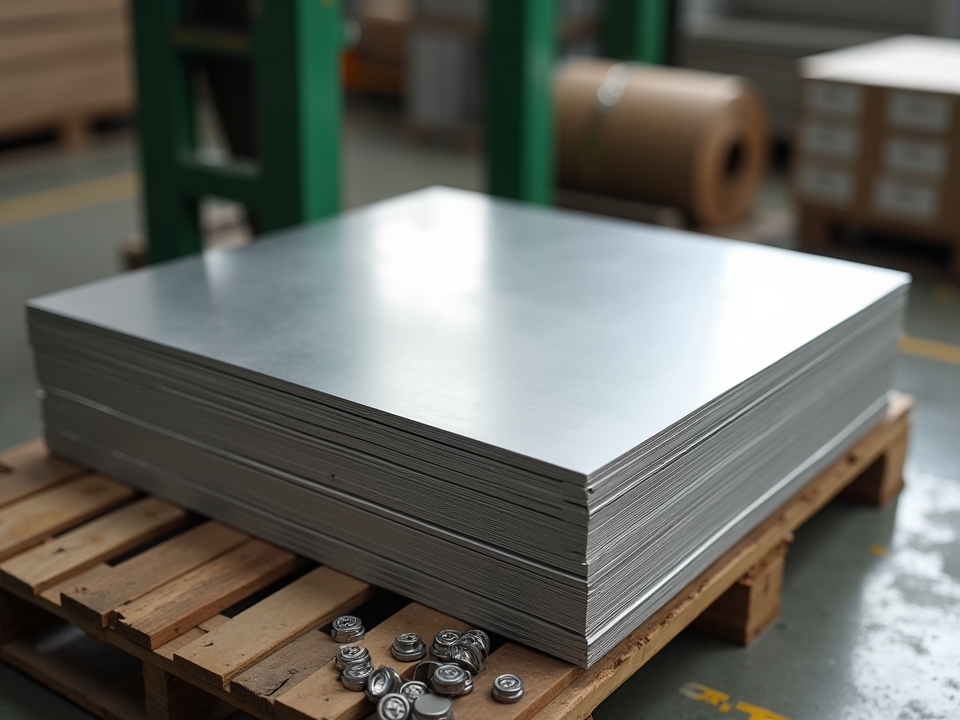
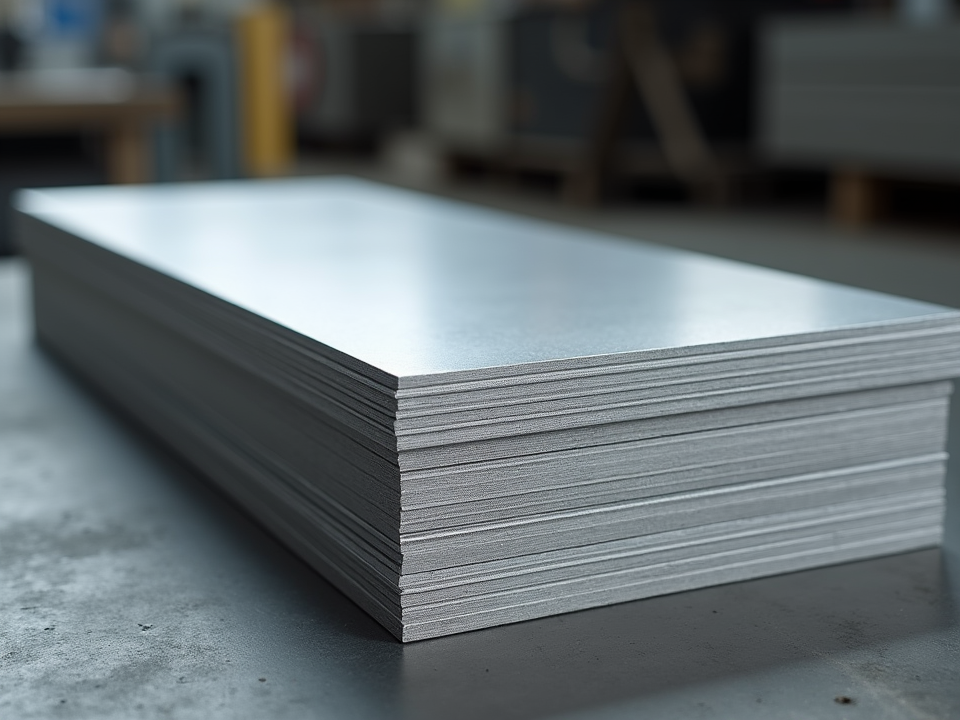
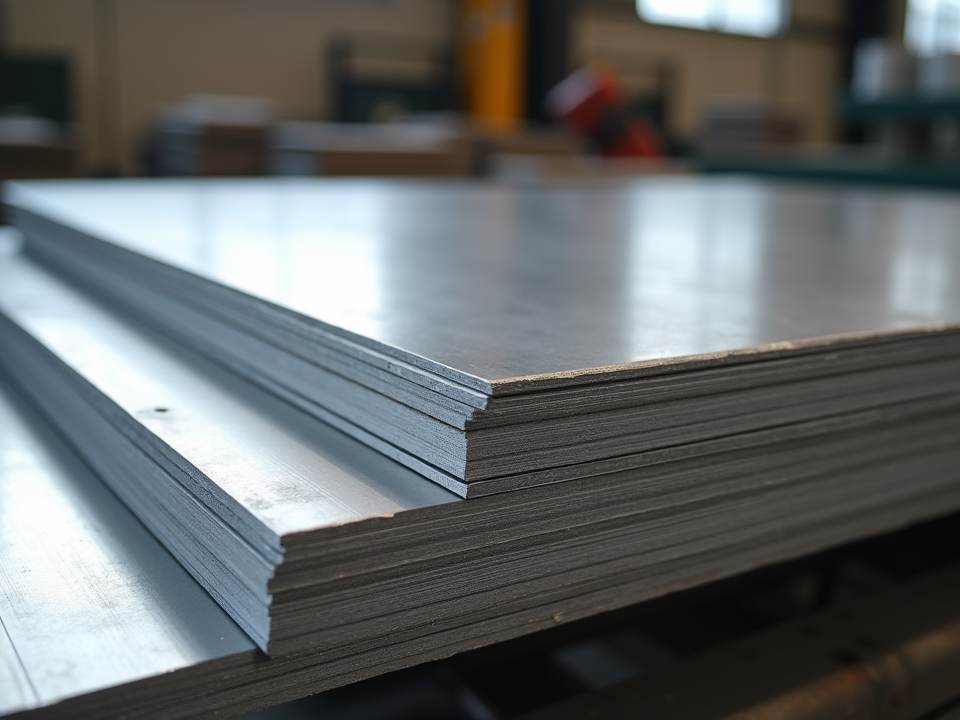
Rust Proof Alloy Aluminum Sheet
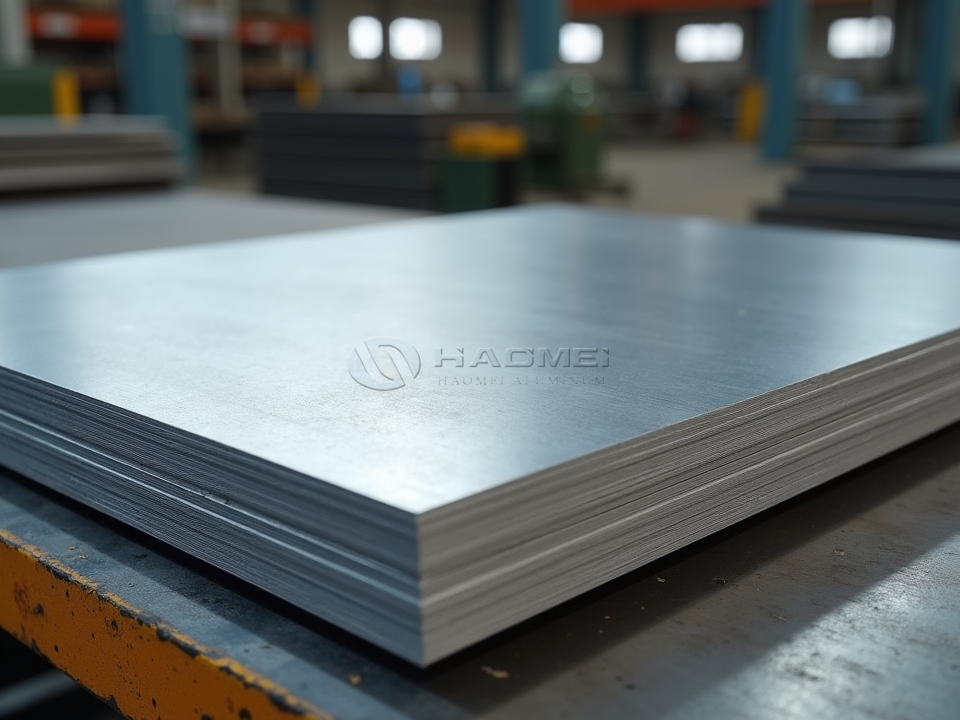
Rust proof alloy aluminum sheet is a practical metal choice for projects that need long service life, clean appearance, low weight, and reliable resistance to moisture. Strictly speaking, aluminum does not rust in the same way carbon steel does. Rust is iron oxide, and aluminum contains no iron as its main element. Instead, aluminum forms a dense aluminum oxide film on its surface. This natural film is thin, stable, and self-protecting, helping the sheet resist rain, humidity, mild chemicals, and outdoor exposure.
For buyers, this means less staining, easier maintenance, and better performance in environments where painted steel may peel or red rust may spread. Depending on strength, formability, and corrosion requirements, rust proof alloy aluminum sheet can be supplied in pure aluminum grades such as 1050, 1060, and 1100, or alloyed grades such as 3003, 5052, and 6061.
Why Aluminum Sheet Resists Rust
The corrosion resistance of aluminum comes from its oxide film. When the surface is scratched, oxygen in the air reacts with exposed aluminum and quickly renews the protective layer. This self-healing behavior makes aluminum suitable for panels, covers, enclosures, cabinets, tanks, signage, insulation jackets, and decorative surfaces.
The right grade matters. High-purity 1000 series aluminum offers excellent corrosion resistance and thermal conductivity, while 3003 adds manganese for higher strength and better general fabrication performance. For salt air, splash zones, vehicle panels, and marine fittings, magnesium alloyed 5052 is often preferred. If machining strength and structural stiffness are needed, 6061 may be selected with proper surface protection.
For broad material selection, the Alloy Aluminum Sheet category covers multiple compositions and tempers designed for different forming, welding, finishing, and load-bearing demands.
Product Features That Matter to Customers
Rust proof alloy aluminum sheet is valued because it combines corrosion resistance with production efficiency. It can be cut, bent, punched, stamped, welded, riveted, brushed, anodized, coated, or laminated. Compared with stainless steel, it is easier to handle and usually lighter. Compared with galvanized steel, it does not rely on a sacrificial zinc layer and does not create red rust after edge damage.
| Feature | Customer Benefit | Typical Result |
|---|---|---|
| Natural oxide protection | Resists humidity and weathering | Longer outdoor service life |
| Low density | Reduces weight in panels and equipment | Easier installation and lower transport load |
| Good formability | Supports bending, stamping, rolling, and deep drawing | Fewer cracks during fabrication |
| Smooth surface | Accepts coating, anodizing, brushing, and film lamination | Clean visual finish |
| Good thermal conductivity | Transfers heat effectively | Useful for insulation covers and heat shields |
| Non-magnetic behavior | Suitable for electrical and instrument housings | Stable in sensitive equipment areas |
| Recyclability | Supports lower material waste | High recovery value after use |
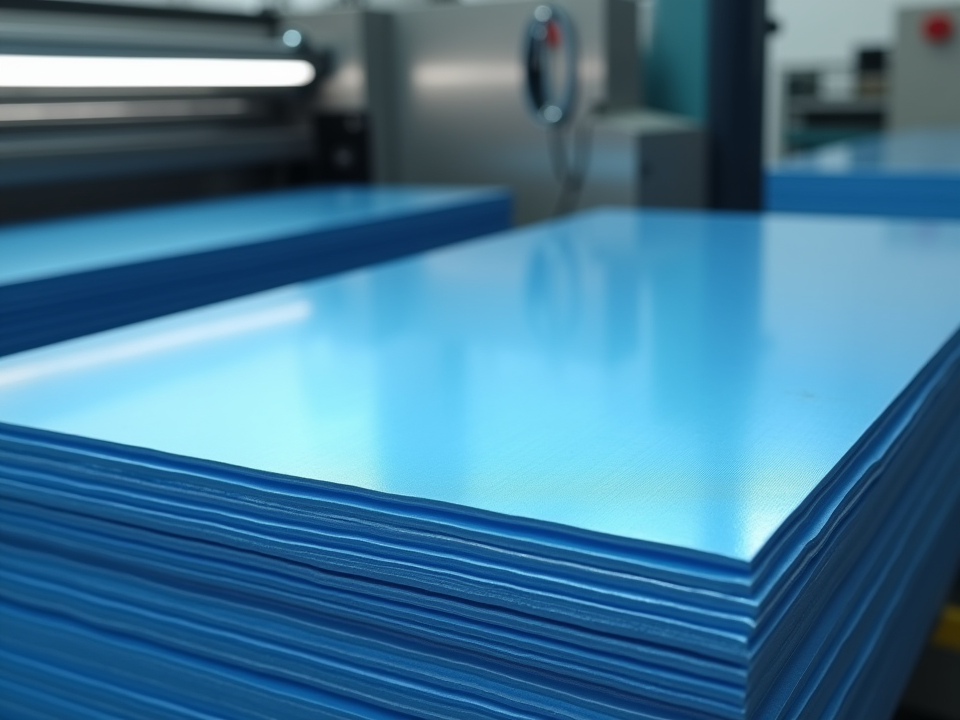
The surface can be mill finish for industrial parts, stucco embossed for insulation cladding, brushed for decorative panels, anodized for added surface hardness, or color coated for roofing and wall systems.
Common Grades for Rust Proof Alloy Aluminum Sheet
Different grades create different balances of corrosion resistance, strength, ductility, and processing behavior. Buyers should not select only by price or thickness. The working environment, bending radius, welding method, finish, and service temperature should also be considered.
| Grade | Main Alloying Element | Corrosion Resistance | Formability | Common Uses |
|---|---|---|---|---|
| 1050 | High-purity aluminum | Excellent | Excellent | Reflectors, signs, chemical containers, nameplates |
| 1060 | High-purity aluminum | Excellent | Excellent | Insulation jackets, lamp parts, battery parts, soft formed panels |
| 1100 | Commercially pure aluminum | Excellent | Very good | Food equipment, decorative trim, heat exchangers, general sheet metal |
| 3003 | Manganese | Very good | Very good | Roofing, storage tanks, trailer panels, ducting, cookware |
| 5052 | Magnesium | Excellent, especially marine atmosphere | Good | Marine panels, bus skins, fuel tanks, cabinets, pressure-free vessels |
| 6061 | Magnesium and silicon | Good | Moderate | Structural plates, machined parts, frames, brackets |
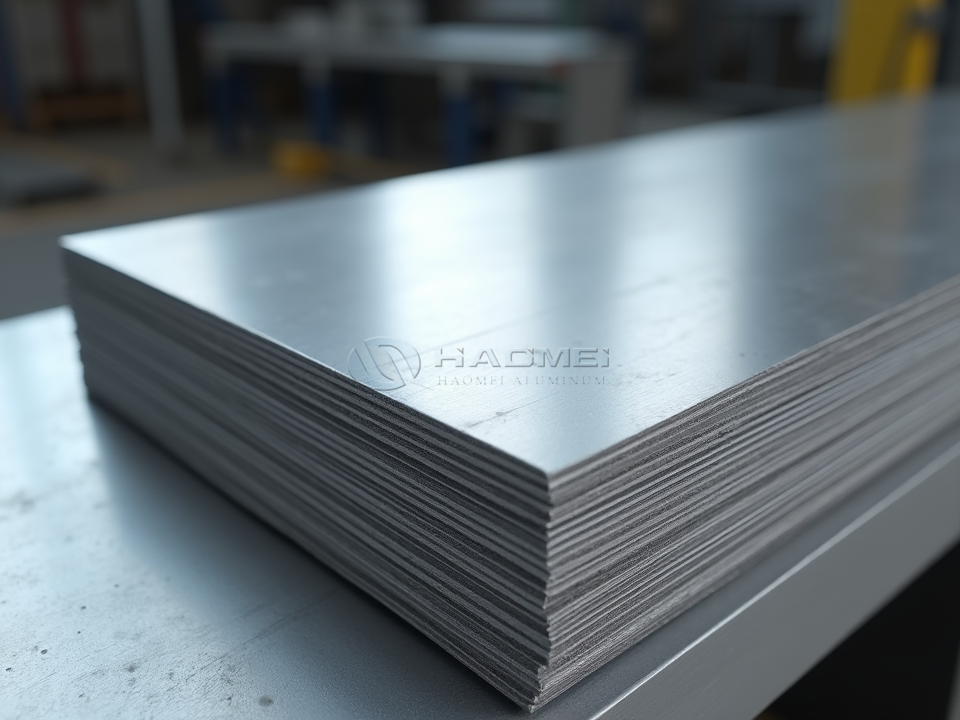
For coastal, humid, or transport applications, 5052 Aluminum Sheet is a strong candidate because its magnesium content improves resistance to seawater atmosphere while keeping good bending and welding behavior.
Typical Chemical Composition Range
Chemical composition controls corrosion behavior, strength, and fabrication response. The values shown are typical reference ranges and may vary by standard such as ASTM, EN, GB, or JIS.
| Alloy | Al | Si | Fe | Cu | Mn | Mg | Cr | Zn |
|---|---|---|---|---|---|---|---|---|
| 1050 | 99.50 min | 0.25 max | 0.40 max | 0.05 max | 0.05 max | 0.05 max | - | 0.05 max |
| 1060 | 99.60 min | 0.25 max | 0.35 max | 0.05 max | 0.03 max | 0.03 max | - | 0.05 max |
| 1100 | 99.00 min | Si+Fe 0.95 max | Si+Fe 0.95 max | 0.05-0.20 | 0.05 max | - | - | 0.10 max |
| 3003 | Balance | 0.60 max | 0.70 max | 0.05-0.20 | 1.00-1.50 | - | - | 0.10 max |
| 5052 | Balance | 0.25 max | 0.40 max | 0.10 max | 0.10 max | 2.20-2.80 | 0.15-0.35 | 0.10 max |
| 6061 | Balance | 0.40-0.80 | 0.70 max | 0.15-0.40 | 0.15 max | 0.80-1.20 | 0.04-0.35 | 0.25 max |
Mechanical and Supply Parameters
Rust proof alloy aluminum sheet is commonly supplied in O, H12, H14, H24, H32, H34, T4, and T6 tempers. Soft O temper is best for deep drawing and complex forming. Half-hard H14 or H24 is better for flat panels and general bending. H32 or H34 is common for 5052 sheet when strength and corrosion resistance are both required.
| Parameter | Common Range |
|---|---|
| Thickness | 0.2 mm to 6.0 mm for sheet; thicker material supplied as plate |
| Width | 500 mm to 2000 mm, depending on mill capability |
| Length | Cut-to-size sheets or coil feed processing |
| Temper | O, H12, H14, H16, H18, H22, H24, H32, H34, T4, T6 |
| Surface | Mill finish, anodized, brushed, embossed, color coated, film protected |
| Tolerance | As per ASTM B209, EN 485, GB/T 3880, or customer drawing |
| Packaging | Paper interleaving, PE film, pallet protection, moisture barrier wrap |
Applications Across Industries
In architecture, rust proof alloy aluminum sheet is used for roofing, gutters, soffits, curtain wall panels, ceiling systems, column covers, and decorative facades. Its light weight reduces load on supporting structures, while coating or anodizing provides stable color and a refined surface.
In marine and coastal environments, 5052 and related magnesium alloys are used for boat interiors, dock components, access panels, storage boxes, and splash guards. While aluminum still needs good design against galvanic contact with copper or carbon steel, it performs very well when moisture drainage and fastener selection are handled correctly.
In transportation, aluminum sheet helps reduce vehicle weight in truck bodies, bus panels, trailer skins, toolboxes, heat shields, license plates, and fuel tank covers. Lower weight can improve payload efficiency and make assembly easier.
In industrial equipment, it is used for machine guards, control cabinets, tanks for non-aggressive media, ventilation ducts, insulation cladding, and cleanroom wall panels. Food and packaging equipment often uses 1100 or 3003 because these grades combine good cleanliness, formability, and corrosion resistance.
In energy and electrical products, high-purity aluminum sheets are used for battery components, cable shielding, transformer parts, LED reflectors, and heat dissipation plates. Their conductivity and corrosion resistance reduce maintenance in long-term service.
Selection Tips for Better Service Life
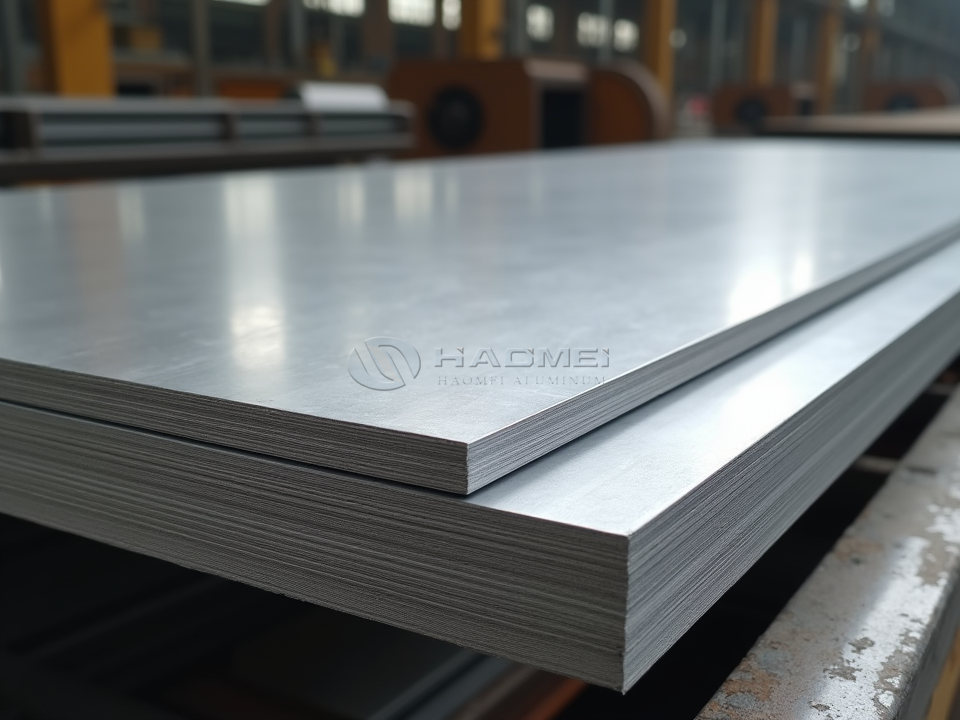
Choose pure aluminum grades for maximum formability and clean corrosion resistance in mild environments. Choose 3003 when you need stronger general-purpose panels with excellent workability. Choose 5052 when salt air, frequent moisture, or higher strength is involved. Choose 6061 when machining, stiffness, and structural performance are more important than severe forming.
Surface treatment can further improve performance. Anodizing increases surface hardness and wear resistance. Polyester or PVDF coating improves color stability for building panels. Protective film prevents scratches during fabrication and installation. For outdoor use, design should avoid trapped water, unsealed crevices, and direct contact with dissimilar metals without insulation.
Rust proof alloy aluminum sheet gives designers and purchasing teams a balanced material: clean surface, low weight, easy fabrication, strong corrosion resistance, and broad application range. With the correct grade, temper, thickness, and finish, it can deliver dependable performance from decorative panels to demanding industrial parts.