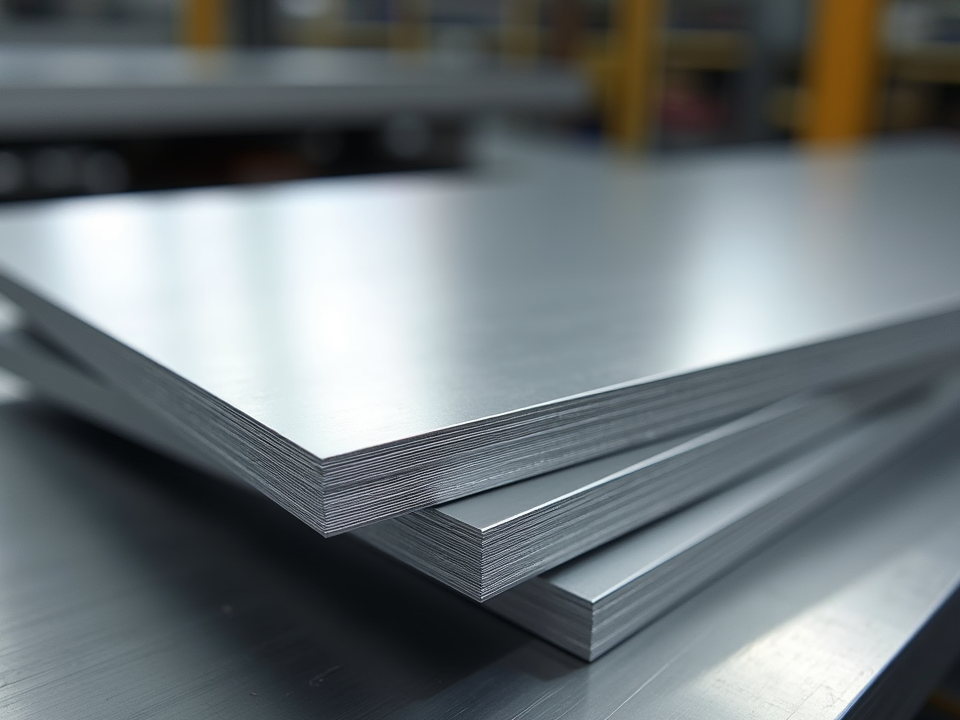
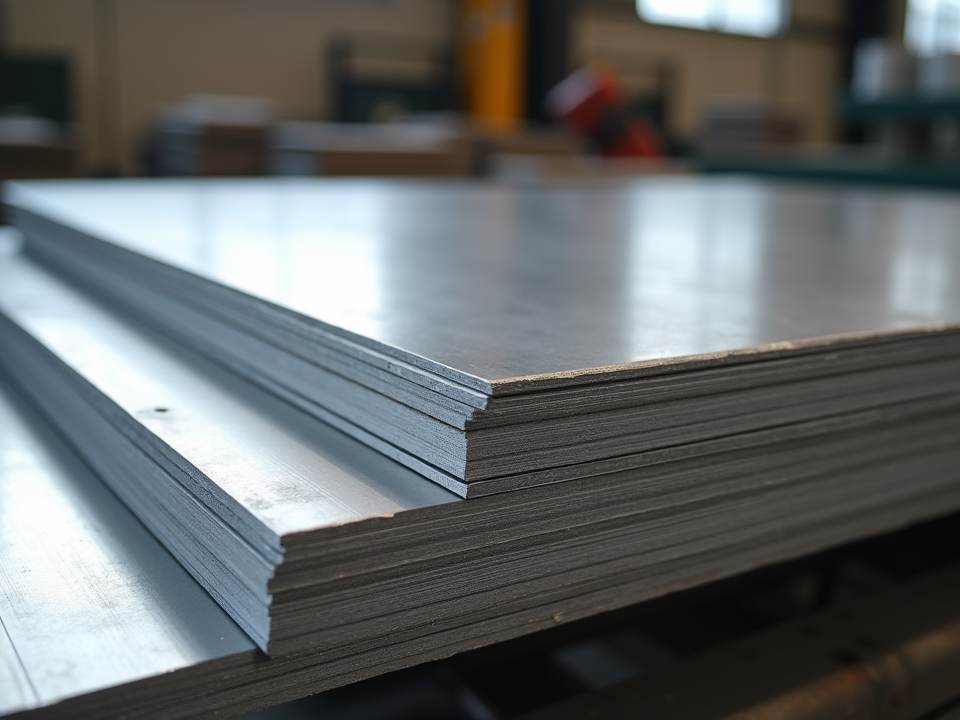
5754 Aluminum Sheet for Automotive
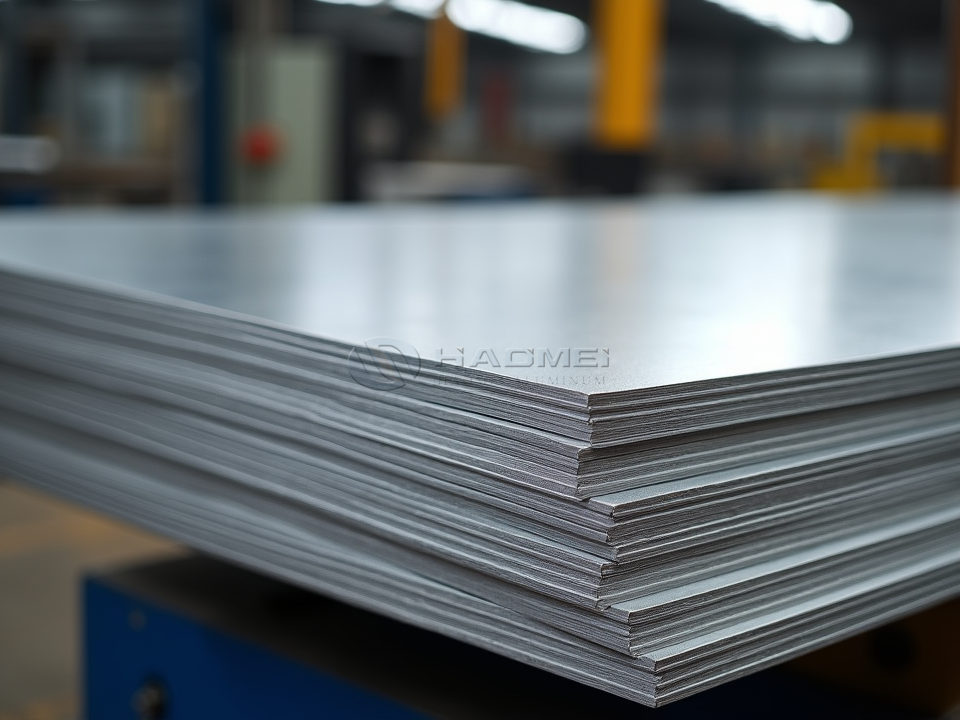
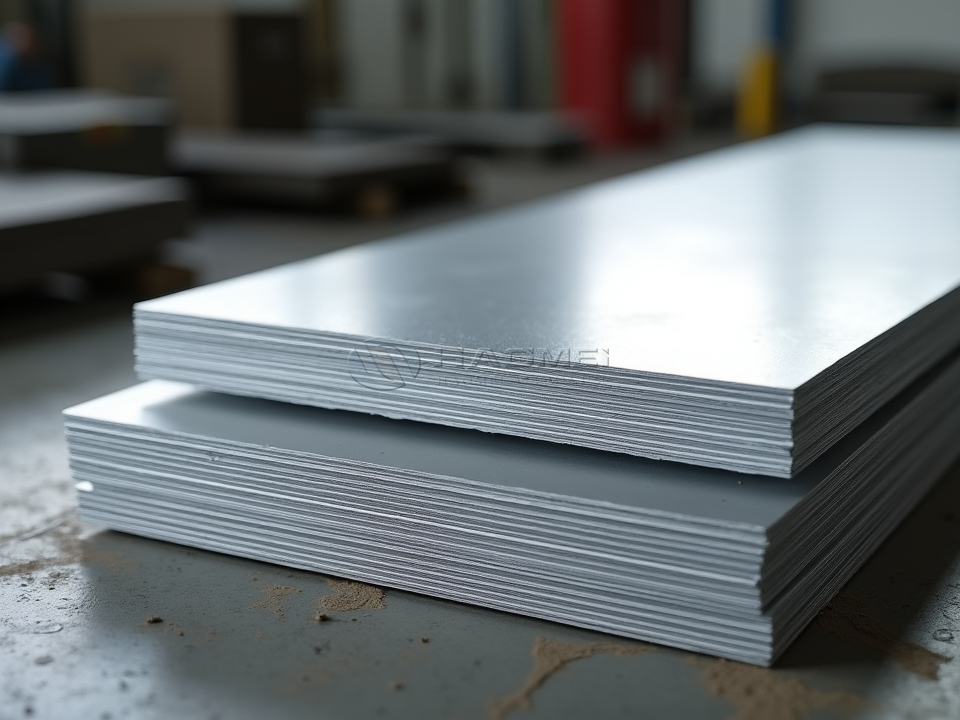
5754 aluminum sheet for automotive use is a proven Al-Mg alloy solution for vehicle parts that need low weight, good forming behavior, strong corrosion resistance, and stable weld performance. In modern passenger cars, commercial vehicles, trailers, fuel-efficient platforms, and electric vehicles, this alloy helps reduce mass while maintaining durability in demanding road environments.
As a non-heat-treatable aluminum-magnesium alloy, 5754 gains strength mainly through strain hardening. It is widely selected for stamped parts, floor panels, reinforcement plates, interior structural covers, wheel arch components, underbody shields, and battery pack protection parts. Compared with mild steel, it can deliver a major weight reduction; compared with many high-strength aluminum alloys, it offers better corrosion resistance and easier fabrication.
Material Profile
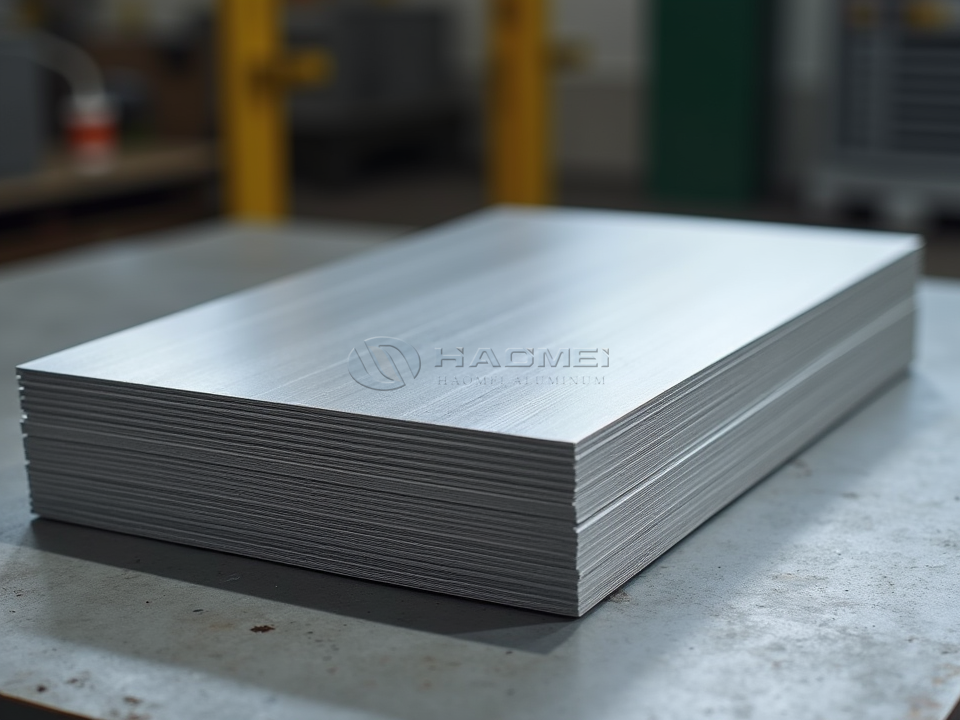
5754 aluminum belongs to the 5xxx series, where magnesium is the main alloying element. The alloy is also known as EN AW-5754 or AlMg3. Its balanced chemistry gives it excellent resistance to atmospheric corrosion, road salt, humidity, and many industrial environments.
| Item | Typical Value |
|---|---|
| Alloy | 5754 / EN AW-5754 / AlMg3 |
| Alloy family | 5xxx aluminum-magnesium alloy |
| Strengthening method | Strain hardening, not heat treatable |
| Density | About 2.66 g/cm³ |
| Elastic modulus | About 70 GPa |
| Melting range | About 600-645°C |
| Typical delivery forms | Sheet, plate, coil, strip |
| Common automotive tempers | O, H111, H22, H24, H32, H34 |
| Main advantage | Corrosion resistance with good forming and welding behavior |
For buyers comparing materials, 5754 sits between highly formable lower-strength alloys and stronger structural alloys. In many vehicle designs, it is chosen when long service life, reliable forming, and surface stability matter more than peak tensile strength.
Chemical Composition
The performance of 5754 aluminum sheet comes from controlled magnesium content and low impurity limits. Magnesium improves strength and corrosion resistance, while careful control of iron, silicon, and copper supports consistent forming and surface quality.
| Element | Composition Range, wt.% |
|---|---|
| Magnesium, Mg | 2.6-3.6 |
| Manganese, Mn | Max 0.50 |
| Iron, Fe | Max 0.40 |
| Silicon, Si | Max 0.40 |
| Chromium, Cr | Max 0.30 |
| Zinc, Zn | Max 0.20 |
| Titanium, Ti | Max 0.15 |
| Copper, Cu | Max 0.10 |
| Others, each | Max 0.05 |
| Others, total | Max 0.15 |
| Aluminum, Al | Balance |
This chemistry makes 5754 especially suitable for parts exposed to splash zones, winter road salt, and outdoor service. For comparison with other vehicle-grade materials, customers may also review Alloy Aluminum Sheet options used across transport, construction, and industrial applications.
Mechanical Properties by Temper
Mechanical values depend on temper, thickness, production route, and applicable standard. The table gives common reference ranges for automotive sheet selection.
| Temper | Tensile Strength, MPa | Yield Strength, MPa | Elongation, % | Typical Use |
|---|---|---|---|---|
| O | 190-240 | 80-110 | 18-26 | Deep forming, complex stamped parts |
| H111 | 190-240 | 85-120 | 16-24 | Moderate forming with improved flatness |
| H22 / H32 | 220-270 | 130-170 | 8-14 | Panels, covers, underbody components |
| H24 / H34 | 240-280 | 160-200 | 6-10 | Higher stiffness parts and protective plates |
For complex drawing or bending, softer tempers such as O and H111 are often preferred. For components that need more dent resistance or improved stiffness, H22, H24, H32, or H34 can be selected after forming trials.
Technical Specifications for Automotive Supply
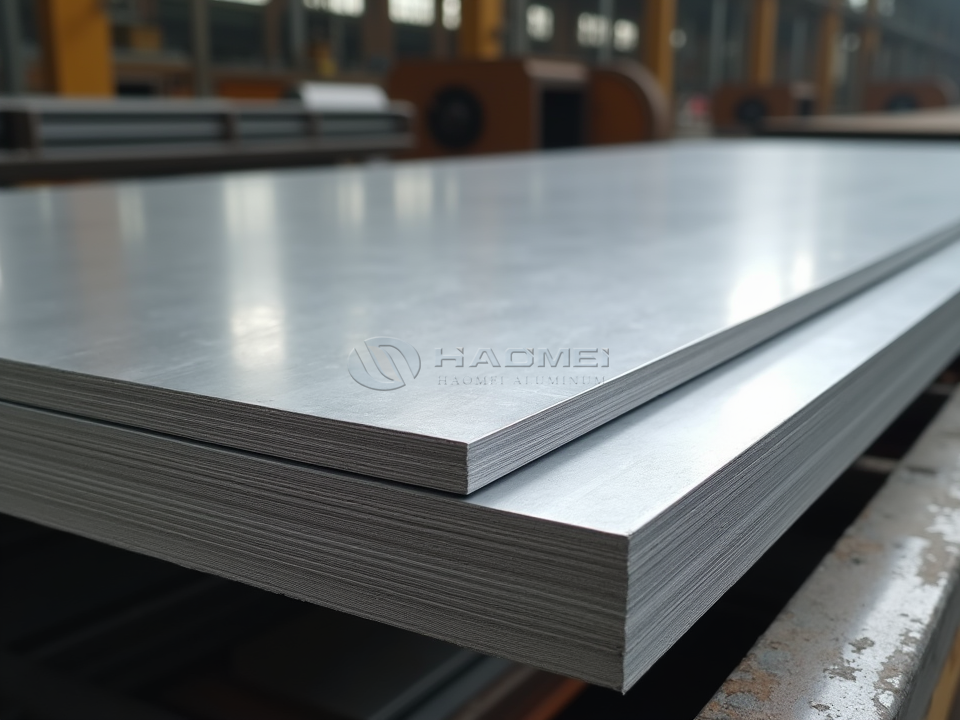
Automotive customers usually require stable dimensions, clean surfaces, tight flatness, and traceable production data. 5754 sheet can be supplied to support cutting, stamping, bending, welding, laser processing, and surface finishing.
| Parameter | Common Supply Capability |
|---|---|
| Thickness range | 0.5-6.0 mm for sheet applications; thicker plate available on request |
| Width range | 1000-2650 mm, depending on mill capability |
| Length | Cut-to-length sheets or coil supply |
| Surface finish | Mill finish, brushed, degreased, film protected, pretreated on request |
| Edge condition | Mill edge, slit edge, trimmed edge |
| Flatness | Controlled for stamping and assembly requirements |
| Standards | ASTM B209, EN 485, EN 573, customer technical agreements |
| Packaging | Moisture-resistant export packing, palletized sheets, coil eye-to-wall or eye-to-sky |
| Test documents | Chemical composition, mechanical test report, dimensional inspection data |
Performance Benefits in Vehicle Manufacturing
| Performance Area | Customer Value |
|---|---|
| Weight reduction | Helps reduce vehicle mass, improve driving range, and lower energy consumption |
| Corrosion resistance | Performs well against water, road salt, humidity, and outdoor exposure |
| Formability | Suitable for bending, stamping, rolling, and shallow to moderate drawing |
| Weldability | Compatible with MIG, TIG, laser welding, resistance spot welding with proper process control |
| Surface quality | Supports painted, coated, brushed, or protected finishes |
| Recyclability | Aluminum can be recycled repeatedly with high material recovery value |
| Crash and durability design | Useful in covers, panels, shields, and semi-structural parts where ductility matters |
5754 aluminum sheet is not selected only for weight saving. It also helps manufacturers reduce corrosion-related warranty risk, simplify forming operations, and support recyclable vehicle platforms. In EV applications, its corrosion resistance and moderate strength are valuable around battery enclosures, cooling covers, and underbody protection zones.
Automotive Applications
5754 aluminum sheet is used in many formed and welded vehicle parts where service durability is more important than ultra-high strength.
| Application Area | Example Components | Preferred Material Traits |
|---|---|---|
| Body and exterior | Inner panels, door reinforcements, roof parts, wheel arch panels | Good formability, paint compatibility, corrosion resistance |
| Underbody | Floor panels, skid plates, splash guards, undertrays | Salt resistance, impact tolerance, weldability |
| Electric vehicles | Battery pack covers, tray shields, cooling plate covers | Low weight, corrosion resistance, stable fabrication |
| Commercial vehicles | Truck floors, side panels, tool boxes, step plates | Durability, easy maintenance, reduced payload penalty |
| Bus and trailer parts | Interior panels, side skins, structural covers | Large-format sheet availability, clean appearance |
| Fuel and fluid systems | Tanks, covers, brackets, guards | Weldability and resistance to moisture exposure |
When higher machining strength is needed, designers may compare 5754 with 6061 Aluminum Sheet. When better marine-style corrosion resistance with similar fabrication behavior is required, 5xxx family alternatives may also be considered during engineering validation.
Processing and Fabrication Notes
5754 aluminum sheet machines reasonably well, although it is usually chosen for forming and welding rather than heavy machining. Sharp tools, suitable lubrication, and controlled blank holder force help prevent edge cracking during stamping or deep drawing.
For bending, the recommended bend radius depends on temper and thickness. Softer tempers can accept tighter bends, while harder tempers need larger radii. Before mass production, customers should conduct bend tests, forming simulations, and trial stamping using the same sheet thickness and temper planned for production.
| Process | Practical Guidance |
|---|---|
| Cutting | Suitable for shearing, laser cutting, waterjet cutting, and CNC routing |
| Bending | Use larger radius for H24/H34 than O or H111 |
| Stamping | Apply proper lubrication and maintain smooth die surfaces |
| Welding | Clean oxide and oil before welding; select suitable filler such as 5356 where applicable |
| Painting | Degreasing, conversion coating, or pretreatment improves coating adhesion |
| Storage | Keep dry, avoid condensation, protect surface with paper or film when required |
Why Choose 5754 Aluminum Sheet for Automotive Parts
The main reason automotive engineers choose 5754 is balance. It provides practical strength without sacrificing too much ductility, good corrosion behavior without complex coating dependence, and weight reduction without difficult fabrication. For many panels, covers, reinforcements, and protective components, this balance shortens the path from material selection to production.
Procurement teams also benefit from broad availability in sheet and coil form, multiple temper choices, and compatibility with standard forming lines. With proper control of thickness tolerance, surface cleanliness, mechanical properties, and packaging, 5754 aluminum sheet can support stable batch production for both conventional vehicles and new-energy platforms.
Selection Checklist
| Buyer Question | Recommended Focus |
|---|---|
| Is the part highly formed? | Consider O or H111 temper |
| Does the part need better dent resistance? | Consider H22, H24, H32, or H34 |
| Is the part exposed to road salt? | 5754 is a strong candidate due to 5xxx corrosion resistance |
| Will the part be welded? | Confirm welding method, filler wire, and post-weld requirements |
| Is visible surface quality required? | Specify surface finish, film protection, and inspection criteria |
| Is weight reduction a target? | Compare part mass against steel and validate stiffness by design |
5754 aluminum sheet for automotive applications gives manufacturers a dependable route to lighter, cleaner, and longer-lasting vehicle components. With the right temper, thickness, surface finish, and fabrication process, it can improve both production efficiency and vehicle performance across body, chassis-adjacent, underbody, and EV protection systems.