2024 Aluminum Alloy Plate Price
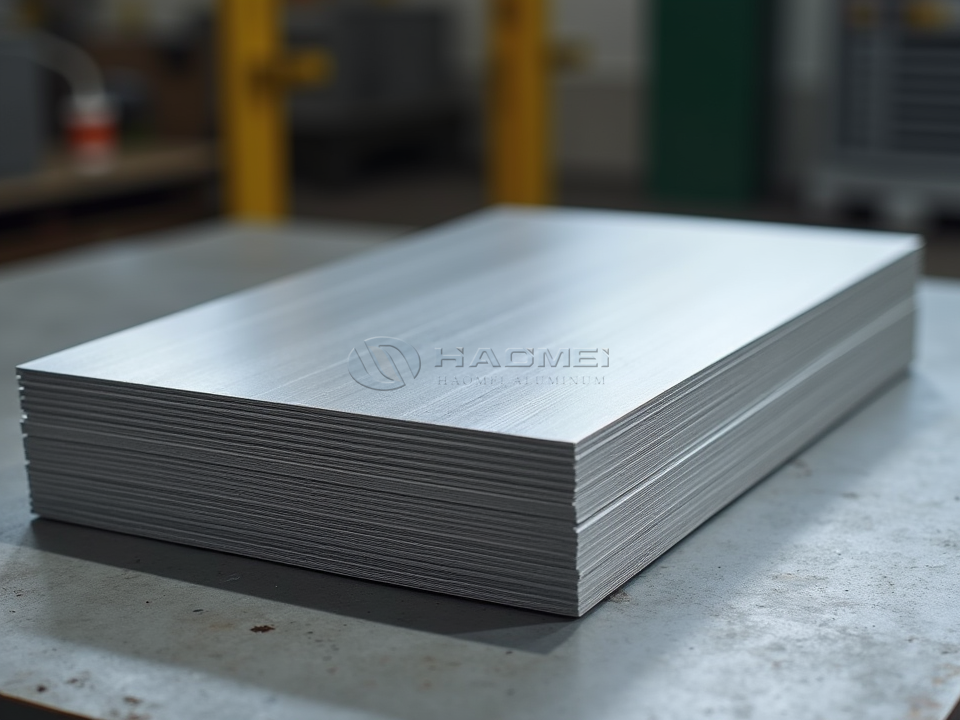
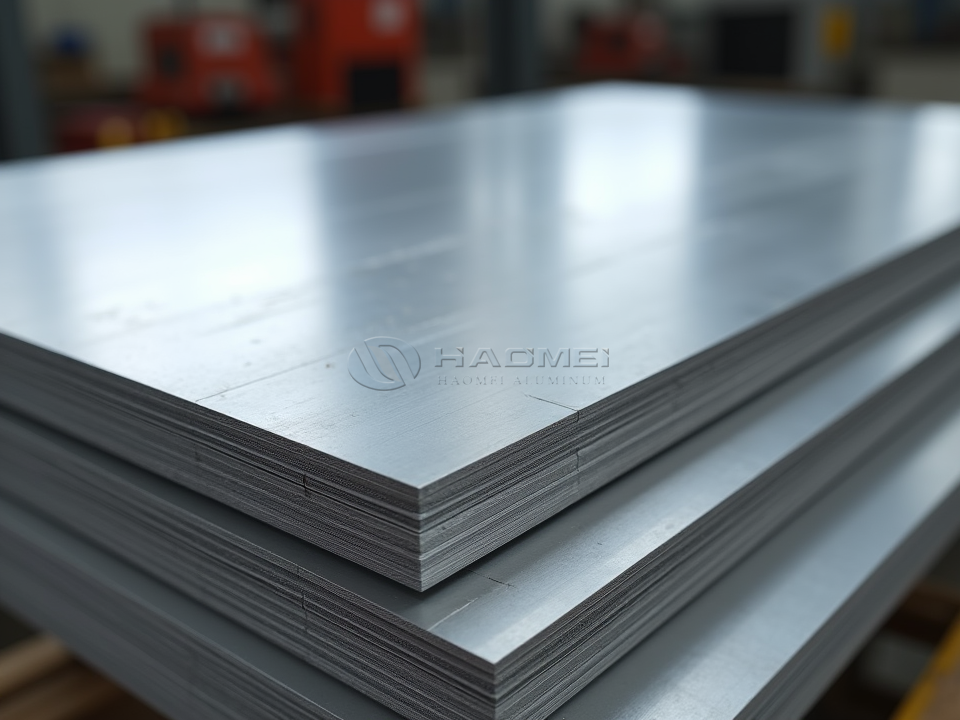
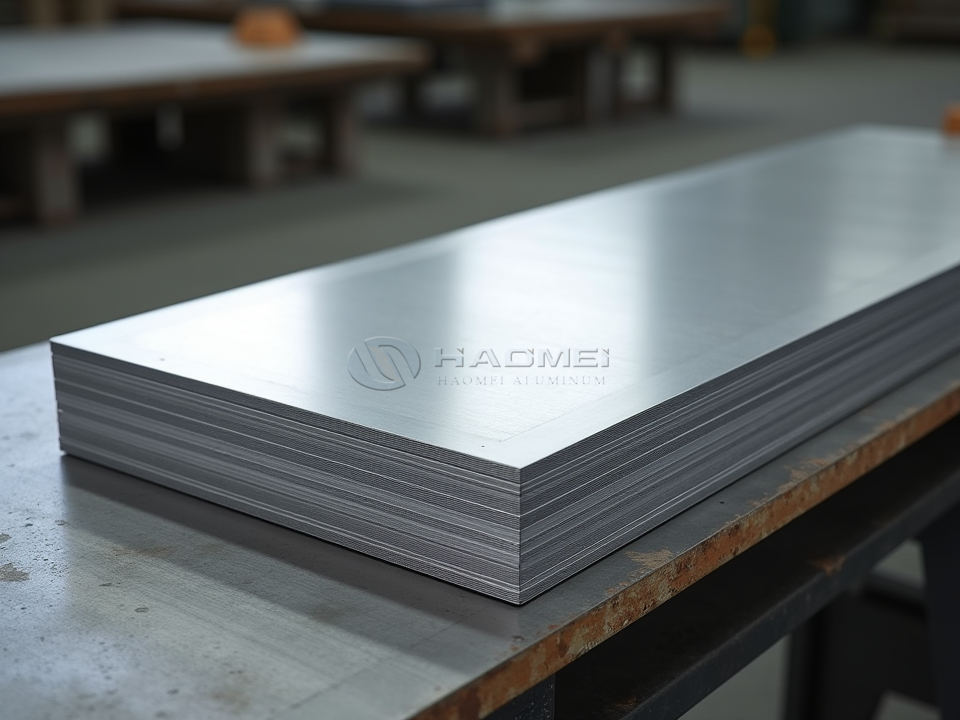
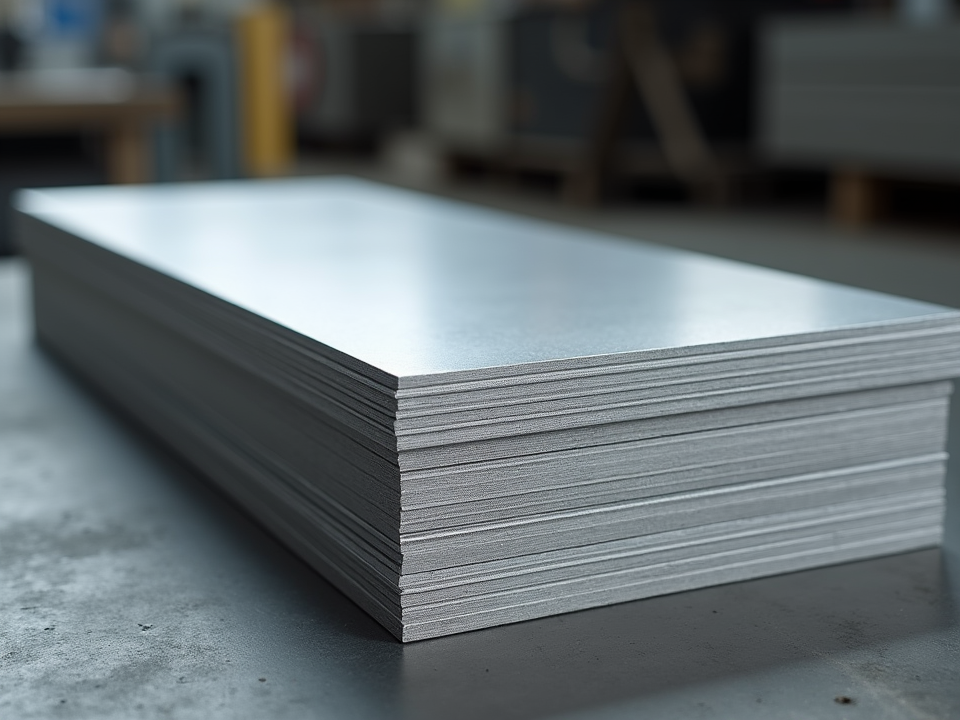
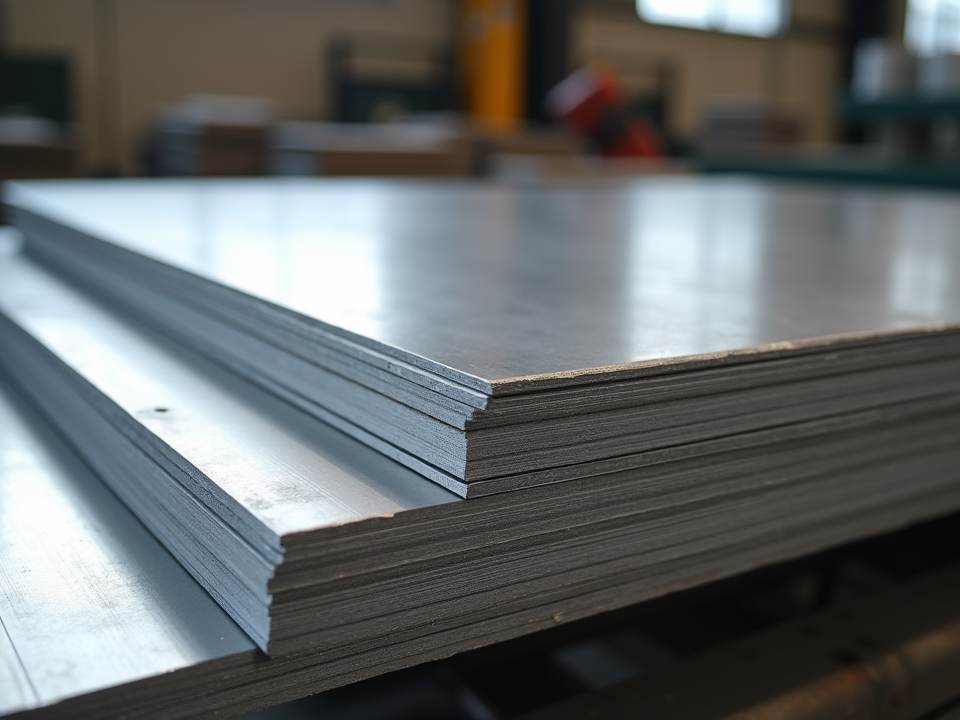
2024 aluminum alloy plate is a high-strength Al-Cu-Mg material widely used where fatigue resistance, machinability, and structural performance matter more than general corrosion resistance. Buyers often compare the 2024 aluminum alloy plate price with 6061, 7075, and other aerospace materials, but the final cost depends on temper, thickness, plate size, certification, surface condition, and order volume.
For aircraft parts, precision tooling, transport structures, and high-load mechanical components, 2024 plate offers an excellent strength-to-weight ratio. Its copper-rich chemistry delivers impressive mechanical properties after heat treatment, while proper cladding, anodizing, painting, or sealing helps improve corrosion performance in demanding service environments.
What Affects 2024 Aluminum Alloy Plate Price
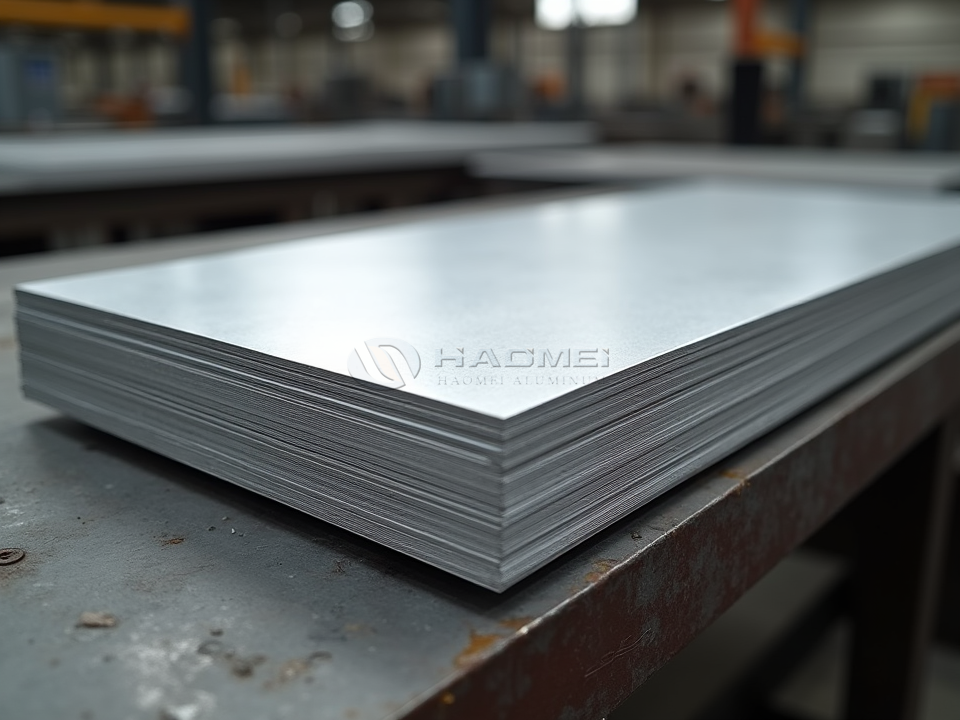
The price of 2024 aluminum plate is usually calculated from base aluminum value plus alloying cost, rolling cost, heat treatment cost, inspection cost, packaging, and freight. Because 2024 contains a higher copper level than many common aluminum grades, it normally costs more than non-heat-treatable 1xxx, 3xxx, and 5xxx sheets.
| Price Factor | Effect on Cost | Buyer Note |
|---|---|---|
| LME aluminum price | High | Changes daily and affects all aluminum plate quotations |
| Copper and magnesium content | Medium to high | 2024 has higher alloying cost than 1050, 3003, or 5052 |
| Thickness | High | Thick plate needs more rolling control and longer production time |
| Temper | Medium | T3, T351, T4, and T851 require different heat treatment routes |
| Certification | Medium to high | EN 10204 3.1, AMS, ASTM, or aerospace inspection increases cost |
| Surface type | Medium | Bare, clad, PVC film, brushed, or machined surfaces differ in price |
| Quantity | High | Larger lots reduce conversion cost per kilogram |
| Tolerance | Medium | Precision sawn or tight flatness plate is priced higher |
Typical Market Price Logic
Exact pricing should be confirmed by quotation, but customers can estimate the price structure before purchasing. For standard industrial orders, 2024 aluminum plate is generally quoted by kilogram, metric ton, or square meter. For cut-to-size parts, sawing loss and processing fees are added.
| Pricing Item | Common Basis | Typical Influence |
|---|---|---|
| Raw material value | Aluminum ingot or billet index | 45% to 65% of final price |
| Alloy premium | Cu, Mg, Mn additions | 5% to 15% |
| Rolling and heat treatment | Plate mill conversion | 15% to 30% |
| Testing and documents | Mill test certificate, ultrasonic test | 2% to 12% |
| Packing and logistics | Export wooden case, pallet, freight | 3% to 10% |
For budget planning, buyers should provide alloy, temper, thickness, width, length, quantity, tolerance, surface protection, and certificate requirements. A clear specification reduces quotation revisions and helps control the final 2024 aluminum alloy plate price.
Main Features of 2024 Aluminum Plate
2024 belongs to the 2xxx aluminum series and is one of the most recognized high-strength aircraft alloys. It is not selected for marine exposure without protection, but it is highly valued for strength, fatigue resistance, and stable machining.
| Feature | Performance Benefit |
|---|---|
| High strength | Suitable for loaded structural parts and aircraft fittings |
| Good fatigue resistance | Performs well under repeated stress cycles |
| Excellent machinability | Produces accurate parts with stable chip formation |
| Heat treatable | Strength can be adjusted through temper selection |
| Moderate formability | Best forming response in softer or solution-treated conditions |
| Lower corrosion resistance than 5xxx or 6xxx | Surface protection is recommended for outdoor or humid service |
| Good weight saving | Replaces heavier steel parts in many structures |
When a project needs better corrosion resistance or weldability, engineers may compare 2024 with Alloy Aluminum Sheet grades such as 5052 or 6061. When maximum static strength is needed, 7075 may also be reviewed, though its price and formability differ.
Chemical Composition
The strength of 2024 plate comes mainly from copper and magnesium. Manganese supports grain control and improves strength consistency. The chemical limits may vary slightly by standard, but the following table reflects common commercial requirements.
| Element | Content, % |
|---|---|
| Aluminum, Al | Balance |
| Copper, Cu | 3.8 to 4.9 |
| Magnesium, Mg | 1.2 to 1.8 |
| Manganese, Mn | 0.3 to 0.9 |
| Iron, Fe | Max 0.50 |
| Silicon, Si | Max 0.50 |
| Zinc, Zn | Max 0.25 |
| Titanium, Ti | Max 0.15 |
| Chromium, Cr | Max 0.10 |
| Other each | Max 0.05 |
| Other total | Max 0.15 |
Technical Specifications
2024 plate can be supplied as mill finish, clad, stretched, precision cut, or machined blank depending on the application. Thick plate is often supplied in stress-relieved tempers to reduce distortion during CNC machining.
| Parameter | Common Range or Option |
|---|---|
| Alloy | 2024 aluminum alloy |
| Product form | Plate, sheet, precision cut plate, machined blank |
| Temper | O, T3, T351, T4, T6, T851 |
| Thickness | 0.5 mm to 200 mm, depending on mill route |
| Width | 500 mm to 2500 mm |
| Length | 1000 mm to 12000 mm or cut to size |
| Surface | Mill finish, clad, PVC-coated, brushed, anodized-ready |
| Standards | ASTM B209, AMS 4037, AMS 4041, EN 485, QQ-A-250 where applicable |
| Inspection | Chemical test, tensile test, hardness, ultrasonic test on request |
| Packaging | Moisture-proof paper, plastic film, wooden pallet or case |
Mechanical Properties by Temper
Mechanical performance depends strongly on temper and plate thickness. T351 is widely used for machined structural components because it is solution heat treated, stress relieved by stretching, and naturally aged. T3 is common for sheet and thinner plate, while T851 is selected when higher stability and strength are needed.
| Temper | Tensile Strength, MPa | Yield Strength, MPa | Elongation, % | Typical Use |
|---|---|---|---|---|
| O | 185 to 220 | 75 to 95 | 12 to 18 | Forming, bending, low-strength parts |
| T3 | 425 to 485 | 275 to 345 | 10 to 15 | Aircraft skin, formed structural parts |
| T351 | 430 to 485 | 280 to 350 | 8 to 14 | CNC machined components, fixtures |
| T4 | 400 to 470 | 250 to 325 | 10 to 16 | Parts requiring forming before aging |
| T851 | 455 to 500 | 360 to 415 | 5 to 10 | High-stability machined plate |
Values are typical reference ranges. Final performance must be verified against the requested standard, thickness, and mill certificate.
Applications
2024 aluminum alloy plate is often chosen for components that must carry load while keeping weight low. Its fatigue behavior makes it suitable for dynamic structures, especially when the design includes proper corrosion protection.
| Industry | Common Parts |
|---|---|
| Aerospace | Wing ribs, fuselage structures, bulkheads, aircraft fittings |
| Transportation | Truck wheels, suspension parts, high-strength brackets |
| Machinery | Precision fixtures, hydraulic valve blocks, jigs, molds |
| Defense | Structural panels, equipment frames, machined housings |
| Sports equipment | High-strength frames, racing parts, performance hardware |
| Tooling | CNC plates, gauges, templates, vacuum tooling bases |
Surface Protection and Processing
Bare 2024 plate should not be treated as a corrosion-resistant marine alloy. In many aircraft and industrial applications, it is supplied as clad plate or protected after machining. Alclad 2024 uses a thin high-purity aluminum layer to improve surface corrosion resistance while maintaining the high-strength core.
| Process | Purpose | Price Impact |
|---|---|---|
| Cladding | Improves corrosion resistance | Medium |
| Anodizing | Adds oxide layer and wear resistance | Medium |
| Painting or powder coating | Outdoor and decorative protection | Medium |
| Chromate conversion | Pre-treatment for paint adhesion | Low to medium |
| Precision sawing | Ready-to-machine blanks | Medium |
| CNC milling | Finished or semi-finished parts | High |
How to Buy 2024 Plate at a Fair Price
A reliable quotation should not only show unit price. It should define the exact alloy, temper, thickness tolerance, flatness, certificate, delivery time, and packaging method. Two plates with the same alloy name can have different prices if one requires aerospace certification, ultrasonic inspection, or tight machining allowance.
| Buying Detail | Recommended Information to Provide |
|---|---|
| Material grade | 2024, 2024 clad, or equivalent standard |
| Temper | T3, T351, T4, T851, or custom request |
| Size | Thickness x width x length, or cut pieces |
| Quantity | Pieces, kilograms, or metric tons |
| Tolerance | Standard mill tolerance or precision requirement |
| Surface | Bare, clad, film protected, anodized-ready |
| Documents | MTC, CoC, AMS, ASTM, EN report, third-party inspection |
| Delivery | Destination port, address, or incoterm |
Practical Selection Notes
Choose 2024-T351 for machined structural plates where dimensional stability is important. Select 2024-T3 for thinner sheet and formed aerospace panels. Use O temper when forming is the priority, then apply proper heat treatment if higher strength is required. For humid, marine, or outdoor service, specify clad material or plan coating from the start.
2024 aluminum alloy plate price is higher than many commercial aluminum sheets, but its value comes from strength, fatigue resistance, and proven performance in critical structures. With accurate specifications and a clear purchasing standard, customers can obtain a cost-effective plate that matches both engineering requirements and budget expectations.