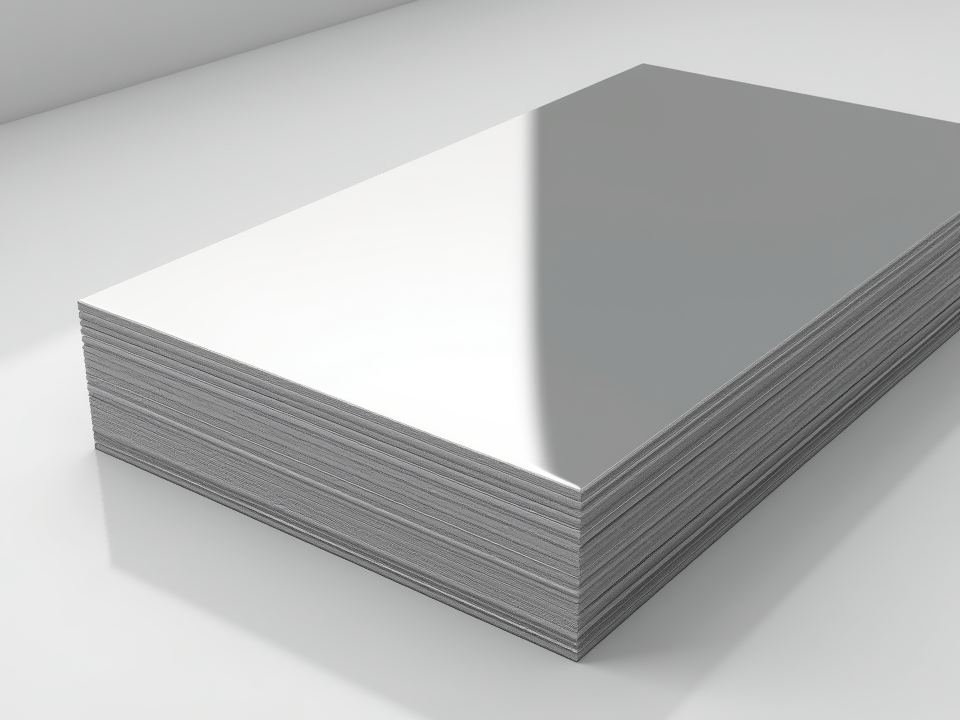
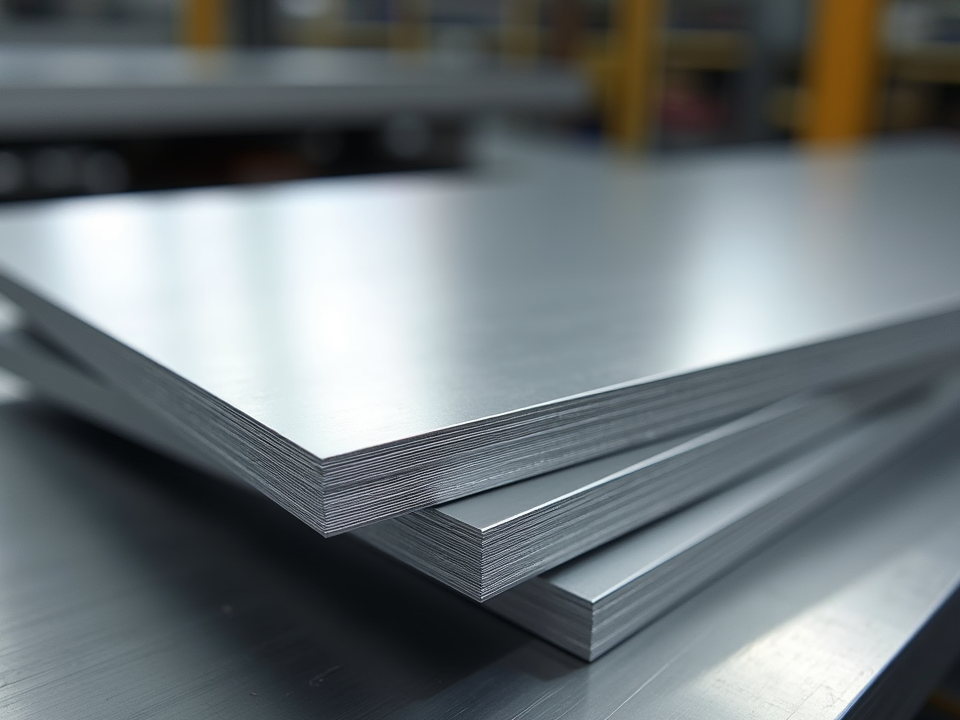
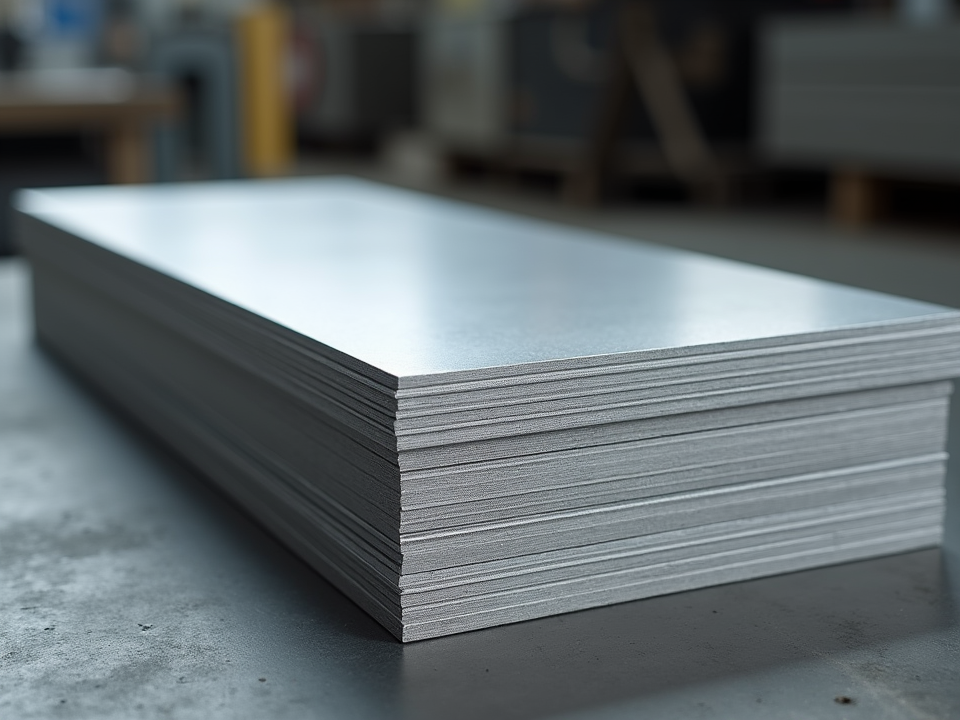
Heat Treatable Alloy Aluminum Sheet
Heat treatable alloy aluminum sheet is not simply rolled metal. It behaves more like a material with a memory. Its final strength, stability, machinability, and fatigue performance are created through a controlled thermal path: solution heat treatment, quenching, and aging. For customers buying aluminum sheet for aircraft fittings, molds, automotive panels, electronics housings, transport structures, or CNC parts, this means the alloy number alone is not enough. The temper is just as important as the chemistry.
In the aluminum sheet family, heat treatable grades mainly come from the 2xxx, 6xxx, and 7xxx series. Copper, magnesium, silicon, and zinc are added in carefully balanced amounts so that fine strengthening particles can form inside the aluminum matrix during aging. This is what separates them from non-heat-treatable grades such as 1xxx, 3xxx, and many 5xxx alloys, which gain strength mainly through cold working.
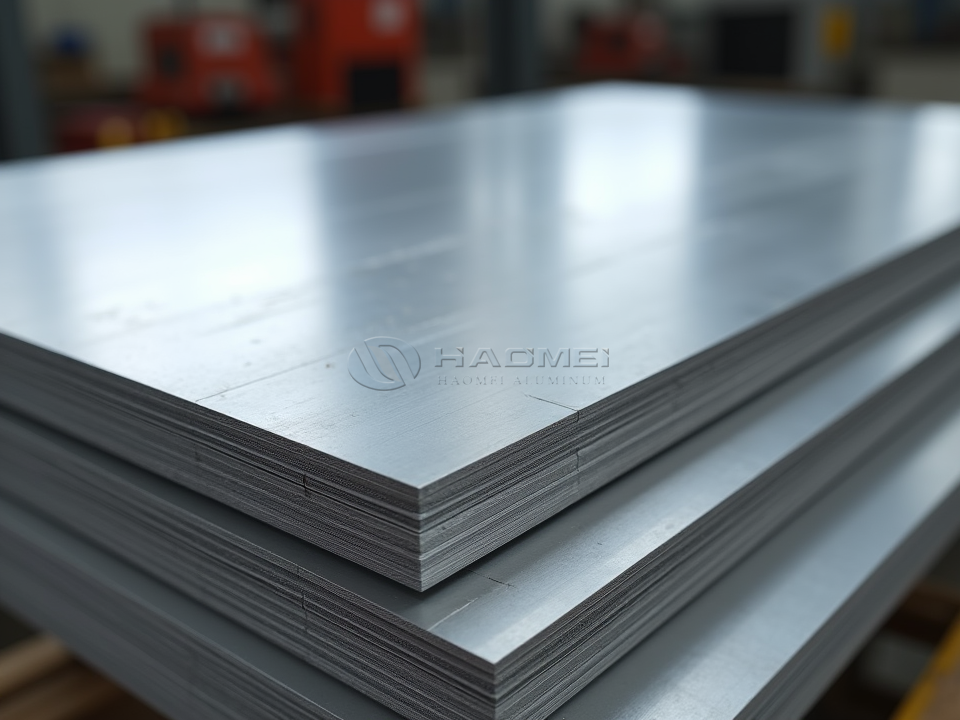
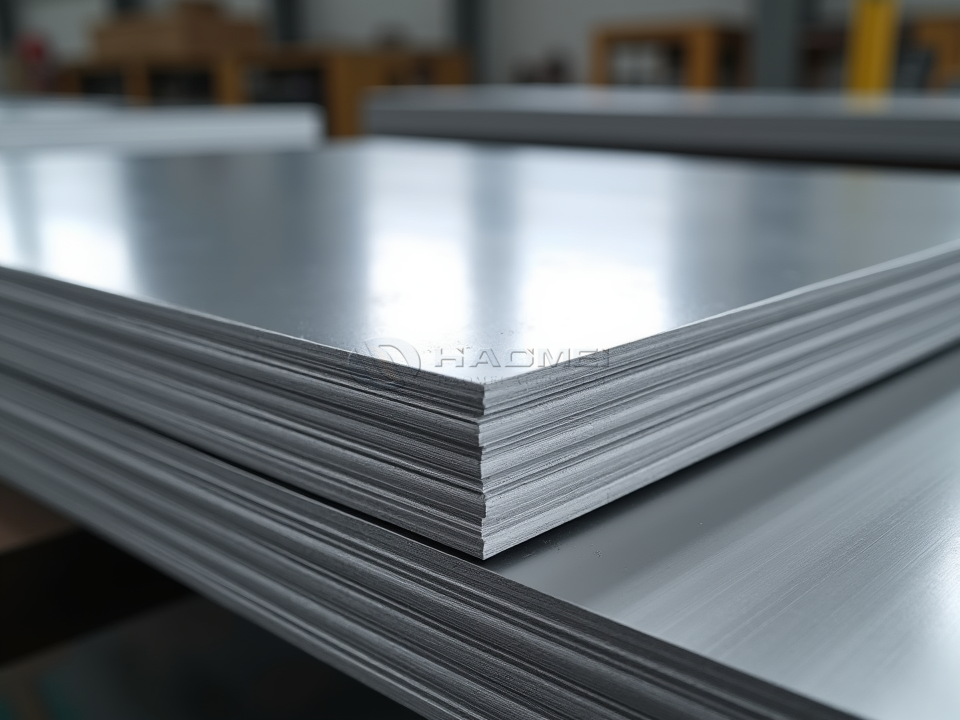
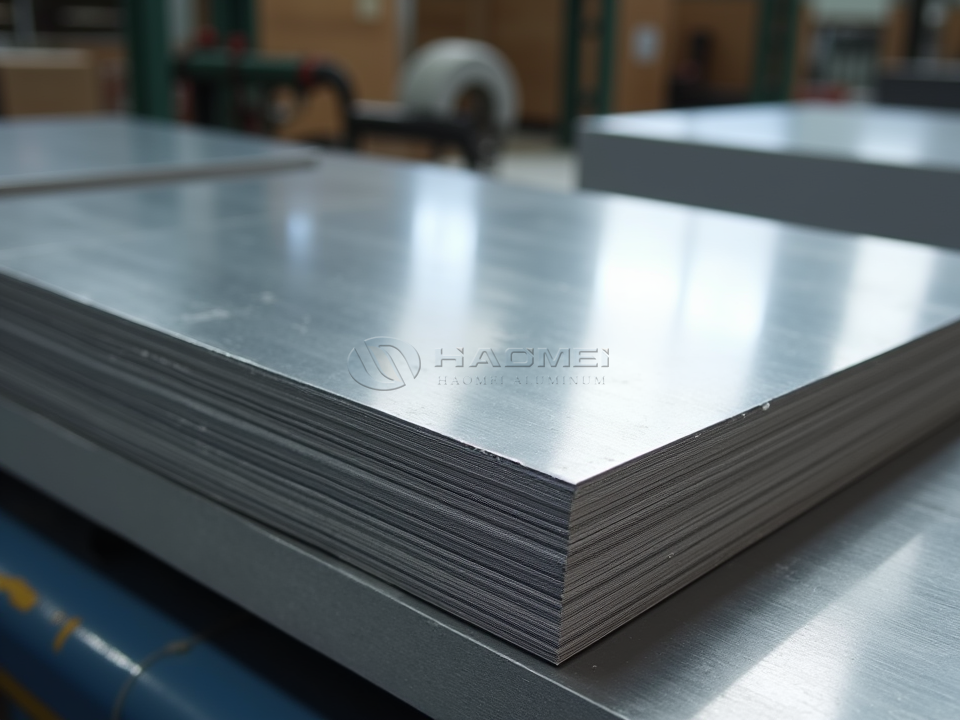
The image may show a common aluminum sheet surface, but the buying logic for heat treatable sheet goes deeper than appearance. Surface quality, flatness, thickness tolerance, and packaging matter, yet the true value is hidden in the metallurgical condition delivered to the customer.
Why Heat Treatable Aluminum Sheet Feels Different in Production
A heat treatable alloy aluminum sheet can be soft during forming and strong after aging. This flexibility is why engineers often choose 6061, 6082, 2024, or 7075 instead of a standard commercial aluminum sheet. A part can be bent, machined, drilled, riveted, or welded depending on grade and temper, then used under higher load conditions.
For general structural use, 6061 Aluminum Sheet is widely selected because it balances strength, corrosion resistance, weldability, and availability. For customers comparing multiple grades, the wider Alloy Aluminum Sheet category helps separate decorative, forming, marine, aerospace, and structural choices.
The most practical question is not only which alloy is strongest. It is which alloy keeps the required shape, survives the working environment, meets the fabrication method, and stays within budget.
Common Heat Treatable Aluminum Sheet Grades
The 2xxx series, represented by 2024, uses copper as the main strengthening element. It offers high strength and excellent fatigue resistance, making it suitable for aerospace skins, structural panels, and precision components. Its corrosion resistance is lower than 6xxx alloys, so cladding, anodizing, painting, or sealing may be required.
The 6xxx series, including 6061 and 6082, uses magnesium and silicon to form Mg2Si during aging. These sheets are easier to weld and more corrosion resistant than 2xxx and 7xxx grades. They are common in machine frames, vehicle parts, rail structures, electronic plates, fixtures, and general engineering panels.
The 7xxx series, led by 7075, uses zinc and magnesium, often with copper, to reach very high strength. It is favored for aerospace tooling, high-load fixtures, defense parts, and sports equipment. However, forming and welding require more care, and stress corrosion resistance depends heavily on temper selection.
Chemical Properties Table
Typical chemical composition ranges are shown for reference. Final supply should follow the applicable standard and mill certificate.
| Alloy | Si | Fe | Cu | Mn | Mg | Cr | Zn | Ti | Al |
|---|---|---|---|---|---|---|---|---|---|
| 2024 | 0.50 max | 0.50 max | 3.8-4.9 | 0.30-0.90 | 1.2-1.8 | 0.10 max | 0.25 max | 0.15 max | Balance |
| 6061 | 0.40-0.80 | 0.70 max | 0.15-0.40 | 0.15 max | 0.80-1.20 | 0.04-0.35 | 0.25 max | 0.15 max | Balance |
| 6082 | 0.70-1.30 | 0.50 max | 0.10 max | 0.40-1.00 | 0.60-1.20 | 0.25 max | 0.20 max | 0.10 max | Balance |
| 7075 | 0.40 max | 0.50 max | 1.2-2.0 | 0.30 max | 2.1-2.9 | 0.18-0.28 | 5.1-6.1 | 0.20 max | Balance |
These alloying elements control precipitation behavior. Copper raises strength in 2024, Mg-Si gives 6061 its balanced performance, and Zn-Mg-Cu makes 7075 one of the strongest commercial aluminum sheet materials.
Tempering Conditions and What They Mean
The temper code is the thermal history written into the product name. O temper means annealed, soft, and easy to form. T4 means solution heat treated and naturally aged, often chosen when forming is needed before final strengthening. T6 means solution heat treated and artificially aged, giving high strength and reliable dimensional performance. T651 means stress relieved by stretching after heat treatment, which is valuable for machined plates and sheets requiring lower internal stress.
T73 and T7351 are often associated with 7xxx alloys where stress corrosion cracking resistance is more important than maximum tensile strength. T81 and related tempers may be used when cold work after solution treatment improves strength. For real orders, temper selection should be matched with bending radius, machining depth, welding demand, and operating temperature.
| Temper | Processing Route | Practical Character |
|---|---|---|
| O | Annealed | Best formability, lowest strength |
| T3 | Solution heat treated, cold worked, naturally aged | High fatigue performance, common for 2024 |
| T4 | Solution heat treated, naturally aged | Good forming before final use |
| T6 | Solution heat treated, artificially aged | High strength and broad availability |
| T651 | T6 plus stress relief by stretching | Better dimensional stability for machining |
| T73/T7351 | Overaged, sometimes stress relieved | Improved stress corrosion resistance |
Typical Parameters for Ordering
Heat treatable alloy aluminum sheet should be ordered with enough detail to prevent mismatch during fabrication. Thickness, width, length, alloy, temper, surface condition, tolerance, testing requirements, and packaging should be confirmed before production.
| Parameter | Common Supply Range |
|---|---|
| Thickness | 0.5-6.0 mm for sheet, thicker ranges available as plate |
| Width | 500-2000 mm, depending on mill capability |
| Length | 1000-6000 mm or cut-to-size |
| Surface | Mill finish, brushed, anodized-ready, film protected |
| Flatness | As per ASTM, EN, or customer drawing |
| Tolerance | Standard or precision tolerance on request |
| Packaging | Export wooden pallet, moisture barrier, paper interleaving |
For visible parts, surface scratch control and protective film can be as important as strength. For machined parts, internal stress, flatness, and grain direction may have stronger influence on yield and assembly accuracy.
Implementation Standards
Common international standards include ASTM B209/B209M for aluminum and aluminum-alloy sheet and plate, EN 485 for sheet, strip, and plate mechanical properties and tolerances, EN 573 for chemical composition, AMS 4037 and related aerospace specifications for specific alloys, and QQ-A-250 legacy references still seen in some drawings.
A reliable supply should include mill test certificate data such as chemical composition, tensile strength, yield strength, elongation, temper, heat number, and dimensional inspection. For aerospace or transportation projects, ultrasonic testing, grain direction marking, conductivity testing, or special corrosion testing may be required.
Mechanical Performance Reference
Actual values vary by thickness and standard, but the following ranges help customers compare grades quickly.
| Alloy Temper | Tensile Strength | Yield Strength | Elongation | Typical Use |
|---|---|---|---|---|
| 2024-T3 | 430-485 MPa | 290-345 MPa | 10-18% | Aircraft skins, fatigue-loaded parts |
| 6061-T6 | 290-340 MPa | 240-275 MPa | 8-17% | Frames, fixtures, vehicle panels |
| 6082-T6 | 300-350 MPa | 250-310 MPa | 8-14% | Bridges, transport, machined parts |
| 7075-T6 | 510-570 MPa | 430-505 MPa | 5-11% | High-strength tooling, aerospace parts |
| 7075-T73 | 460-520 MPa | 380-450 MPa | 6-12% | Stress corrosion resistant structures |
Choosing the Right Sheet Without Overbuying
A stronger sheet is not always the better sheet. If welding is required, 6061 or 6082 is usually more practical than 2024 or 7075. If fatigue resistance is the main demand, 2024 may perform better than its corrosion rating suggests when protected properly. If maximum strength and light weight matter most, 7075 can reduce section size, but bending and corrosion control need attention.
Customers should also consider post-processing. Anodizing color may vary by alloy because copper and zinc affect surface response. Laser cutting, CNC milling, punching, and bending all interact with temper. A T6 sheet may crack at a tight bend radius where O or T4 material would form smoothly. For precision machining, T651 or stretched material can reduce warping after large amounts of stock removal.
Final Buying Thought
Heat treatable alloy aluminum sheet is best understood as a controlled performance material rather than a standard metal panel. Chemistry creates potential, heat treatment activates it, and temper defines how the sheet behaves in the workshop. When alloy, temper, standard, tolerance, and surface requirements are specified clearly, customers receive aluminum sheet that fits the part, the process, and the working environment.