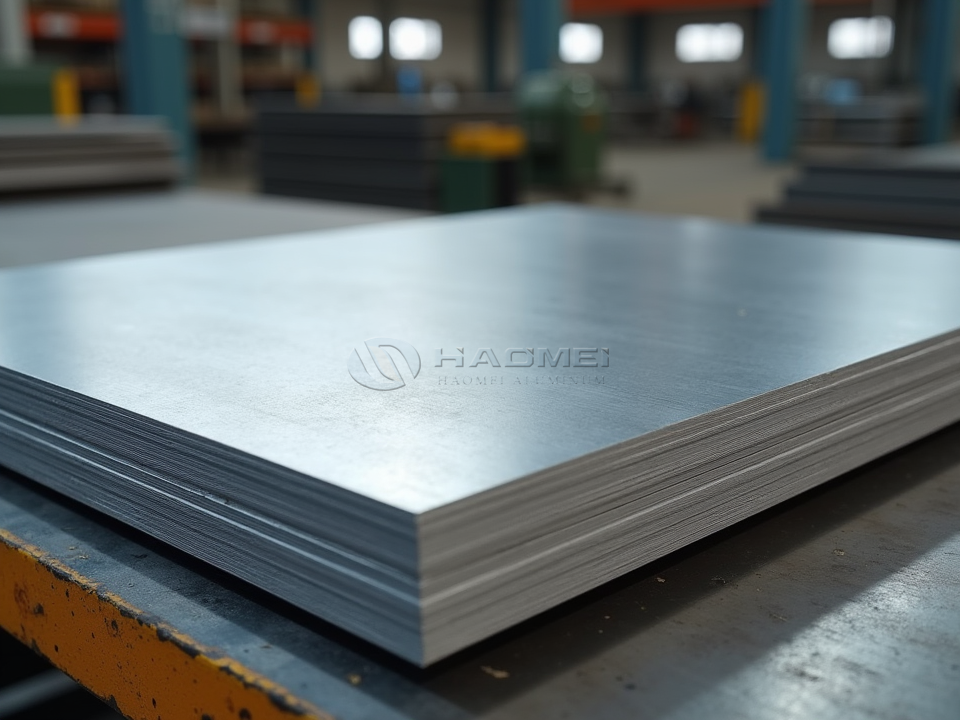
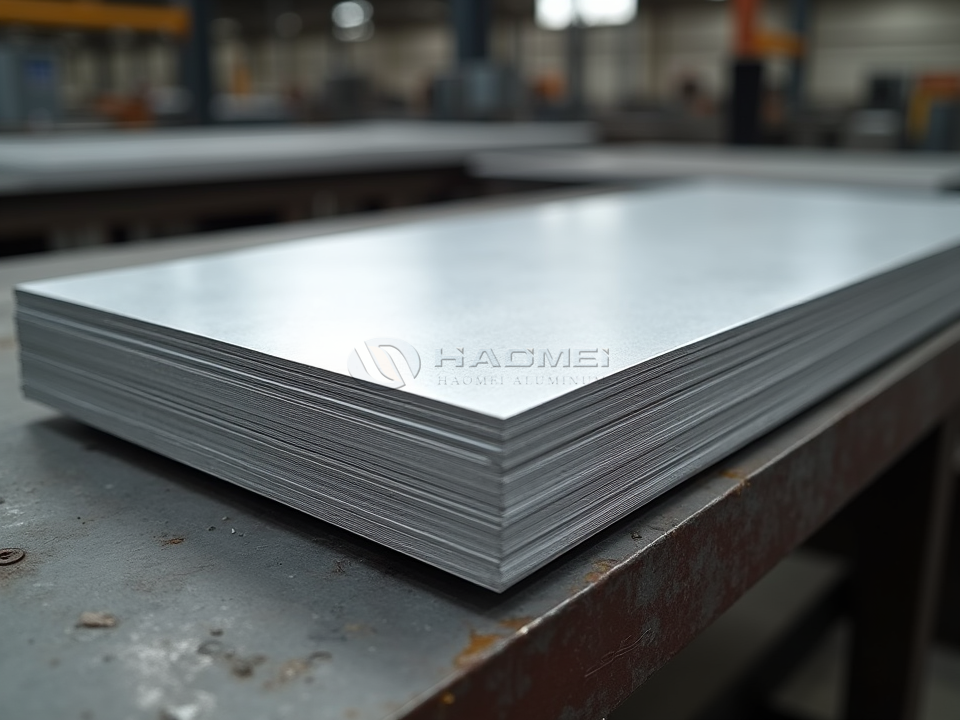
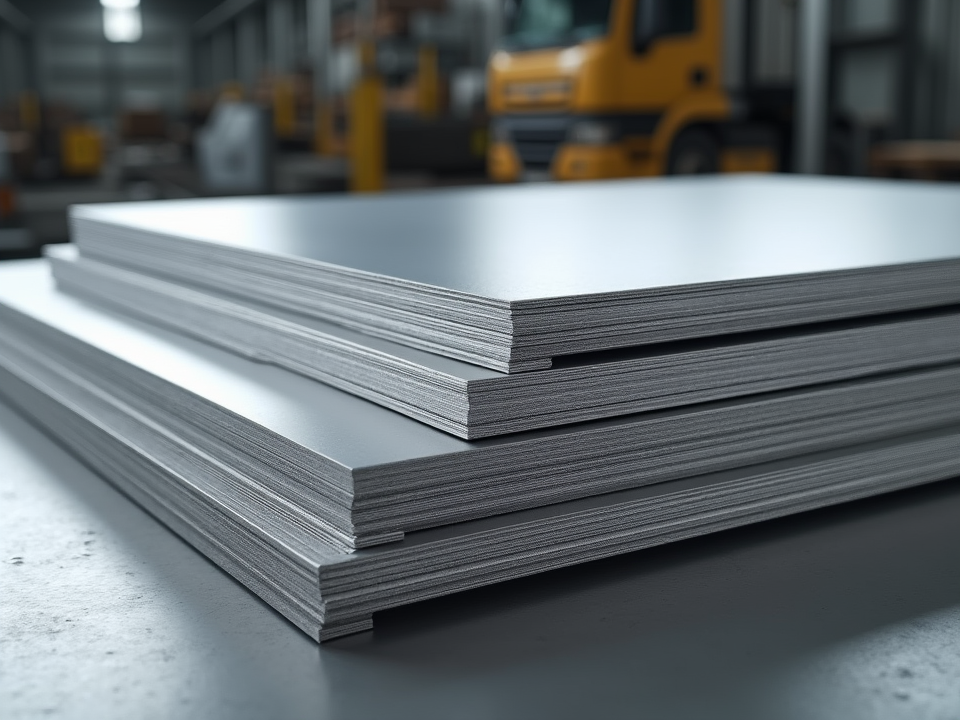
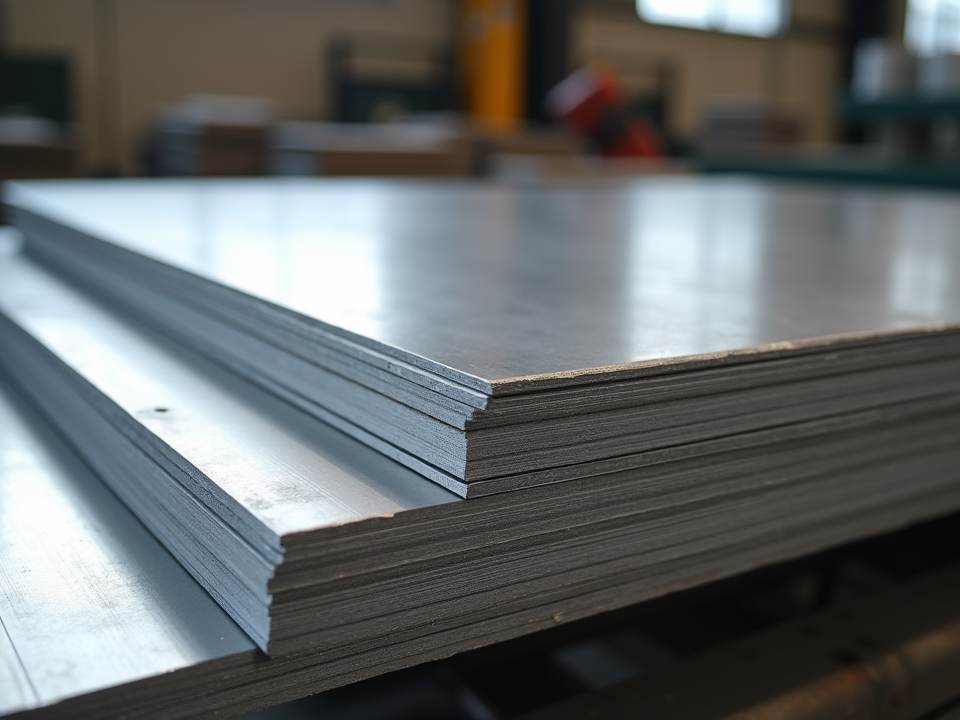
High Strength Aluminum Alloy Plate
High strength aluminum alloy plate is designed for projects that need a lighter metal without giving up structural reliability. Compared with carbon steel, it can reduce component weight by around one third while offering excellent machinability, corrosion resistance, and fatigue performance when the correct alloy and temper are selected. It is widely used in aerospace tooling, truck bodies, marine structures, molds, robotics, pressure components, rail vehicles, and high-load mechanical parts.
In commercial purchasing, high strength usually refers to heat-treatable 2xxx, 6xxx, and 7xxx alloys, plus strain-hardened 5xxx marine alloys. Each family performs differently. 7075 offers very high tensile strength, 2024 has excellent fatigue resistance, 6061 balances strength and fabrication, while 5083 resists seawater and welded-service corrosion.
What the Plate Does in a Structure
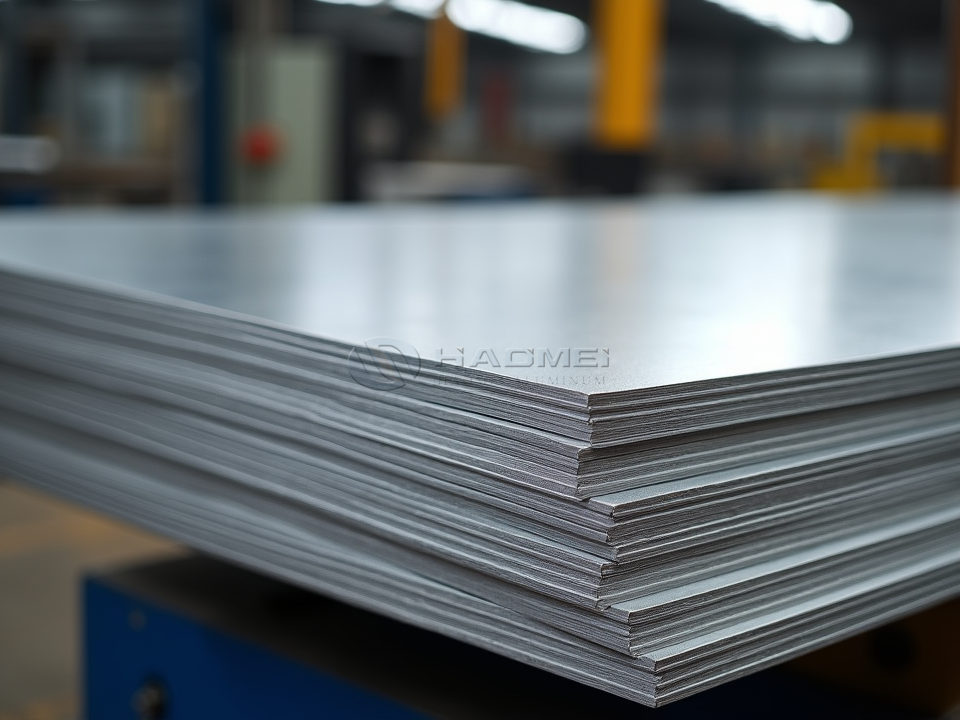
High strength aluminum alloy plate is more than a flat metal product. It acts as a load-bearing, weight-saving, corrosion-managed material that can be cut, milled, drilled, welded in selected grades, anodized, or coated. Its functions can be matched to service requirements through alloy chemistry, temper, thickness, and surface treatment.
| Function | Material Contribution | Typical Alloy Choice |
|---|---|---|
| Weight reduction | Low density around 2.66-2.85 g/cm3 | 6061, 7075, 5083 |
| Load carrying | High yield strength after heat treatment | 7075-T651, 2024-T351, 6061-T6 |
| Marine durability | Magnesium-rich oxide film and chloride resistance | 5083-H116, 5083-H321, 5052-H32 |
| Precision machining | Stable temper and stress-relieved plate | 6061-T651, 7075-T651 |
| Fatigue service | Controlled grain structure and crack resistance | 2024-T351, 7050-T7451 |
| Welded fabrication | Good weldability and post-weld toughness | 5083-H112, 6061-T6 with design allowance |
For customers comparing options, 6061 Aluminum Sheet is often chosen when a project needs medium-high strength, good surface finish, and broad processing flexibility.
Main Alloy Families
| Alloy Series | Strength Level | Main Alloying Elements | Main Benefit | Common Limitation |
|---|---|---|---|---|
| 2xxx | High | Cu, Mg, Mn | Fatigue resistance, aerospace performance | Lower natural corrosion resistance |
| 5xxx | Medium to high | Mg, Mn, Cr | Marine corrosion resistance, weldability | Not heat treatable |
| 6xxx | Medium to high | Mg, Si | Balanced strength, machining, anodizing | Lower strength than 7xxx |
| 7xxx | Very high | Zn, Mg, Cu | Maximum strength-to-weight ratio | Welding is difficult; corrosion control needed |
Common Grades and Mechanical Performance
Values vary with plate thickness, inspection class, and mill practice. The table gives typical reference ranges for engineering comparison.
| Grade and Temper | Tensile Strength MPa | Yield Strength MPa | Elongation % | Hardness HB | Best Use |
|---|---|---|---|---|---|
| 2024-T351 | 435-485 | 290-345 | 10-15 | 120-130 | Aircraft skins, fatigue-loaded parts |
| 5083-H116 | 305-350 | 215-260 | 10-14 | 80-95 | Ship plate, tanks, cryogenic structures |
| 6061-T6 | 290-330 | 240-275 | 8-12 | 90-100 | Frames, fixtures, machine plates |
| 6061-T651 | 290-330 | 240-275 | 8-12 | 90-100 | CNC machining, tooling, base plates |
| 7075-T651 | 510-570 | 430-505 | 6-11 | 145-160 | Aerospace, molds, high-load fixtures |
| 7050-T7451 | 500-560 | 430-490 | 7-11 | 145-155 | Thick aerospace plate, wing structures |
Chemical Composition Reference
Composition is controlled by international standards. Minor changes in chemistry can strongly affect strength, corrosion performance, welding behavior, and heat-treatment response.
| Alloy | Si % | Fe % | Cu % | Mn % | Mg % | Cr % | Zn % | Ti % | Al |
|---|---|---|---|---|---|---|---|---|---|
| 2024 | 0.50 max | 0.50 max | 3.8-4.9 | 0.30-0.90 | 1.2-1.8 | 0.10 max | 0.25 max | 0.15 max | Balance |
| 5083 | 0.40 max | 0.40 max | 0.10 max | 0.40-1.0 | 4.0-4.9 | 0.05-0.25 | 0.25 max | 0.15 max | Balance |
| 6061 | 0.40-0.80 | 0.70 max | 0.15-0.40 | 0.15 max | 0.80-1.20 | 0.04-0.35 | 0.25 max | 0.15 max | Balance |
| 7075 | 0.40 max | 0.50 max | 1.2-2.0 | 0.30 max | 2.1-2.9 | 0.18-0.28 | 5.1-6.1 | 0.20 max | Balance |
| 7050 | 0.12 max | 0.15 max | 2.0-2.6 | 0.10 max | 1.9-2.6 | 0.04 max | 5.7-6.7 | 0.06 max | Balance |
Tempering Conditions and Their Meaning
Temper selection is critical because it defines strength, residual stress, formability, and corrosion behavior.
| Temper | Processing Condition | Main Character | Suitable Plate Type |
|---|---|---|---|
| O | Fully annealed | Soft, formable, lowest strength | Forming and bending blanks |
| H112 | Slightly strain hardened after hot working | Stable, weldable, moderate strength | 5083 marine plate |
| H116 | Strain hardened with marine corrosion control | Resistant to exfoliation in seawater | Shipbuilding plate |
| H321 | Stabilized after strain hardening | Good marine durability and dimensional control | 5083 tank and hull plate |
| T6 | Solution heat treated and artificially aged | High strength | 6061 structural plate |
| T651 | T6 plus stress relief by stretching | Better machining stability | 6061, 7075 precision plate |
| T351 | Solution heat treated, stress relieved, naturally aged | Fatigue-friendly and machinable | 2024 plate |
| T7451 | Overaged and stress relieved | Improved stress corrosion resistance | 7050 aerospace plate |
Implementation Standards
High strength aluminum alloy plate should be ordered against recognized standards to ensure composition, tolerances, surface condition, mechanical properties, and inspection methods are consistent.
| Standard | Region | Main Scope |
|---|---|---|
| ASTM B209 | United States | Aluminum and aluminum-alloy sheet and plate |
| EN 485 | Europe | Sheet, strip, and plate mechanical properties and tolerances |
| EN 573 | Europe | Chemical composition and product forms |
| AMS 4045 | Aerospace | 7075-T6 and related aerospace plate requirements |
| AMS 4050 | Aerospace | 7050 plate for aircraft structures |
| GB/T 3880 | China | General aluminum alloy plate, sheet, and strip |
| JIS H4000 | Japan | Aluminum and aluminum alloy sheets and plates |
Purchase Parameters
| Parameter | Common Range or Requirement | Notes for Buyers |
|---|---|---|
| Thickness | 3-250 mm | Thick plate may require ultrasonic inspection |
| Width | 1000-2500 mm | Custom widths depend on rolling capability |
| Length | 2000-12000 mm | Cut-to-size service reduces machining waste |
| Flatness | Standard or precision level | Important for CNC tables and molds |
| Surface | Mill finish, brushed, anodized, coated | 2xxx and 7xxx often need coating for corrosion control |
| Tolerance | ASTM, EN, GB, or customer drawing | Confirm thickness and diagonal tolerance before ordering |
| Inspection | Visual, tensile, hardness, ultrasonic | Aerospace and pressure use may need full traceability |
Chemical and Environmental Behavior
| Property | 2024 | 5083 | 6061 | 7075 |
|---|---|---|---|---|
| General corrosion resistance | Medium | Excellent | Good | Medium |
| Seawater resistance | Limited | Excellent | Moderate | Limited without protection |
| Anodizing response | Fair | Fair to good | Good | Fair |
| Weldability | Poor to fair | Excellent | Good | Poor |
| Machinability | Good | Fair | Good | Excellent |
| Electrical conductivity % IACS | 30-40 | 28-32 | 40-45 | 30-35 |
| Thermal conductivity W/m·K | 120-140 | 110-125 | 150-170 | 130-150 |
Application Fields
High strength aluminum alloy plate supports many industries where weight, stiffness, durability, and processing efficiency all matter.
| Industry | Plate Function | Recommended Alloys |
|---|---|---|
| Aerospace | Wing ribs, bulkheads, seat tracks, jigs | 2024, 7050, 7075 |
| Marine | Hulls, decks, LNG parts, offshore platforms | 5083, 5052, 5456 |
| Automotive | Battery trays, chassis parts, suspension tooling | 6061, 6082, 7075 |
| Rail transit | Floor panels, side structures, equipment cabinets | 5083, 6061, 6082 |
| Machinery | Base plates, robot arms, fixtures, molds | 6061-T651, 7075-T651 |
| Defense | Armor support parts, vehicle structures, launch equipment | 5083, 7075, 7050 |
Fabrication and Processing Notes
For CNC machining, T651 or T7451 plate reduces internal stress and helps maintain flatness after heavy milling. For welding, 5083 is far more suitable than 7075, and filler selection should follow the design code. For bending, annealed or lower-strength tempers are preferred because high-strength T6 and T651 plates can crack at tight radii. For outdoor service, anodizing, powder coating, alodine treatment, or marine paint systems can extend service life, especially for copper- or zinc-rich alloys.
Choosing the Right Plate
The best high strength aluminum alloy plate is selected by balancing load, corrosion exposure, joining method, machining volume, finish requirement, and certification level. Choose 7075-T651 when maximum strength and machining performance are the priority. Choose 6061-T651 for versatile engineering parts with good cost control. Choose 5083-H116 or H321 for seawater and welded structures. Choose 2024 or 7050 when fatigue performance and aerospace traceability drive the specification.
A clear purchase specification should include alloy, temper, size, tolerance standard, surface finish, inspection requirement, certificate type, and packing method. With the right data confirmed before production, aluminum alloy plate can deliver high strength, lower mass, stable machining, and dependable long-term service.