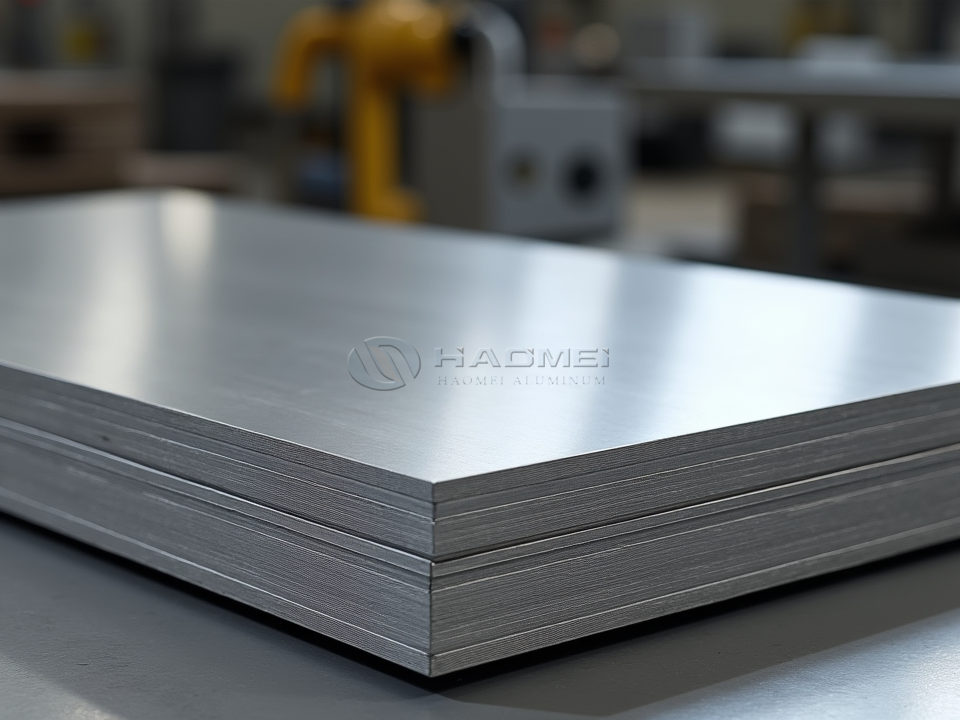
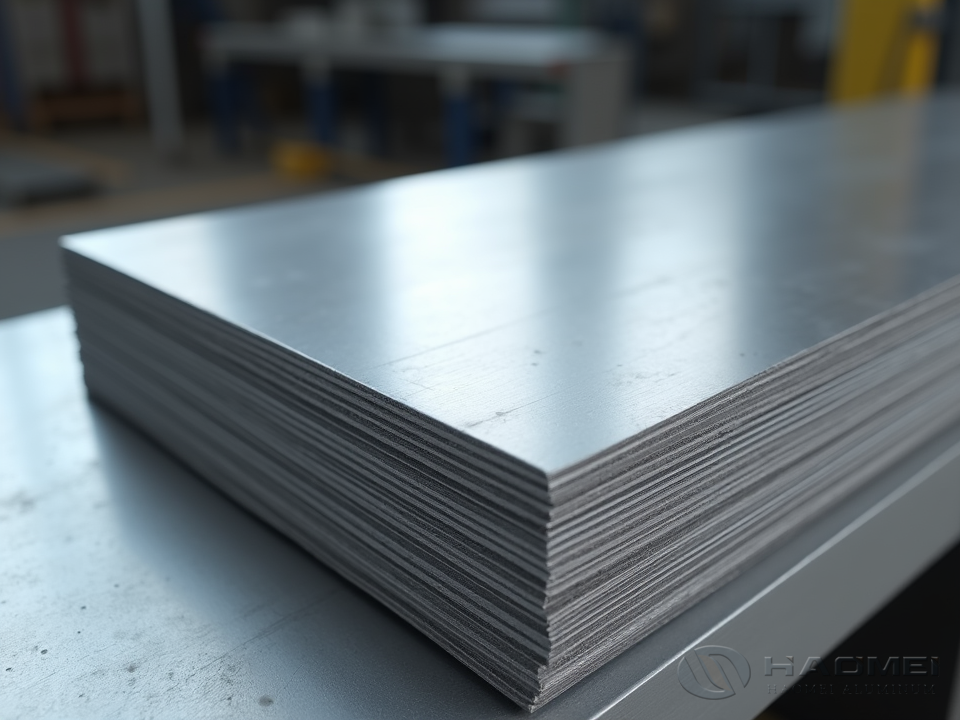
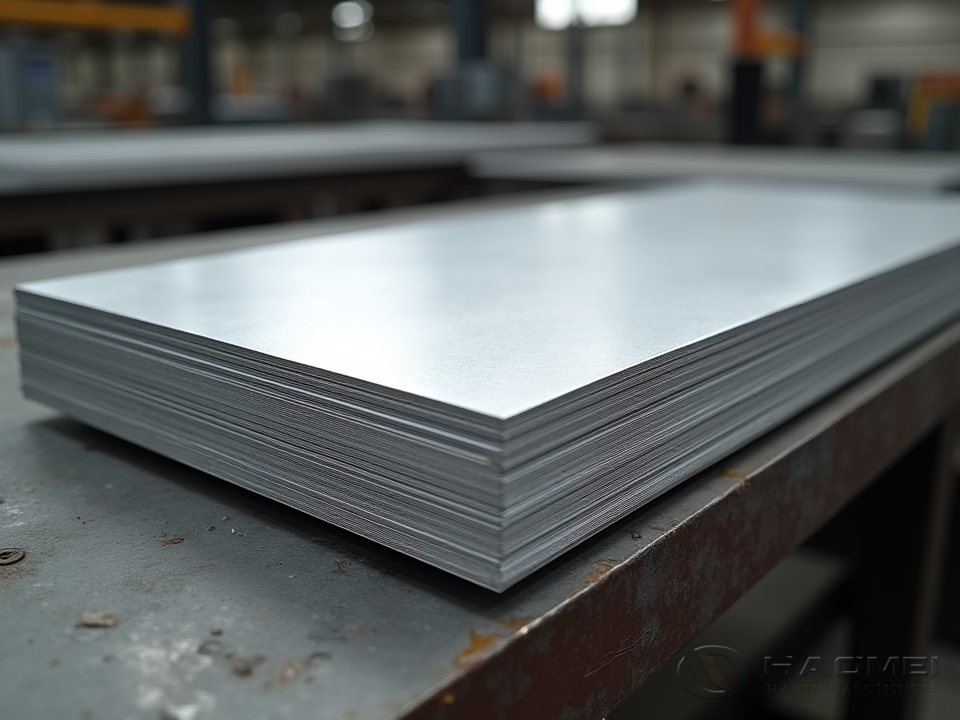
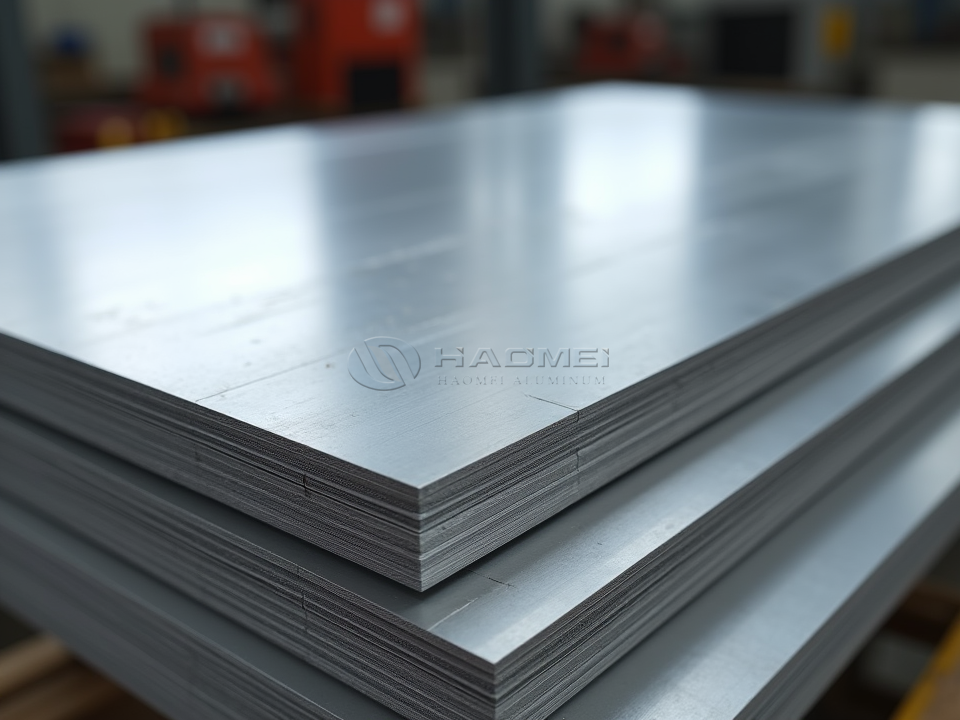
Large Format Alloy Aluminum Sheet
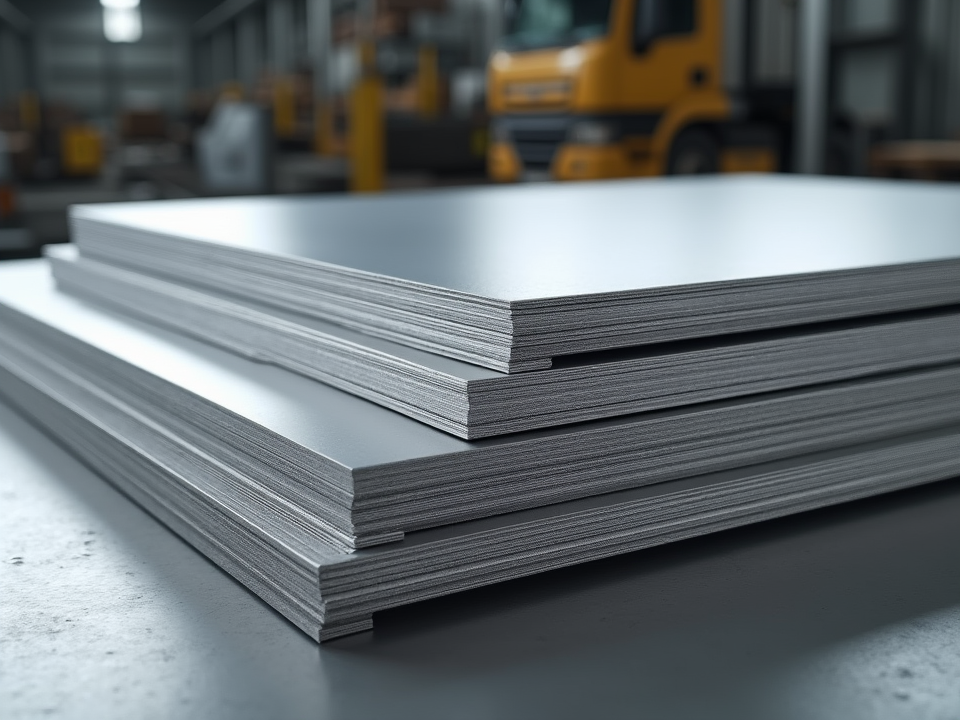
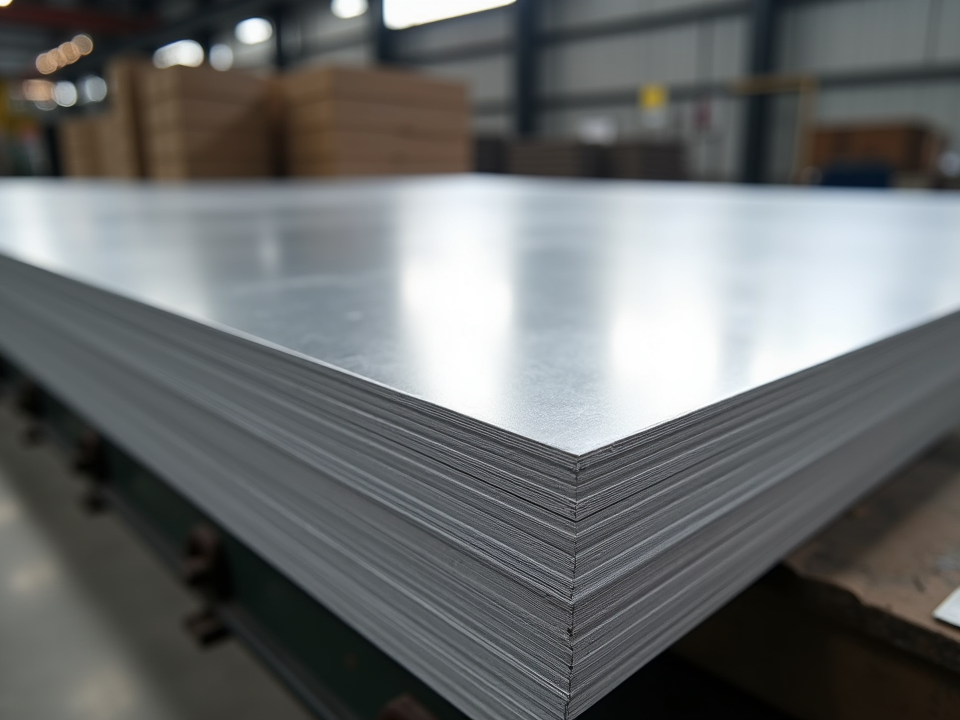
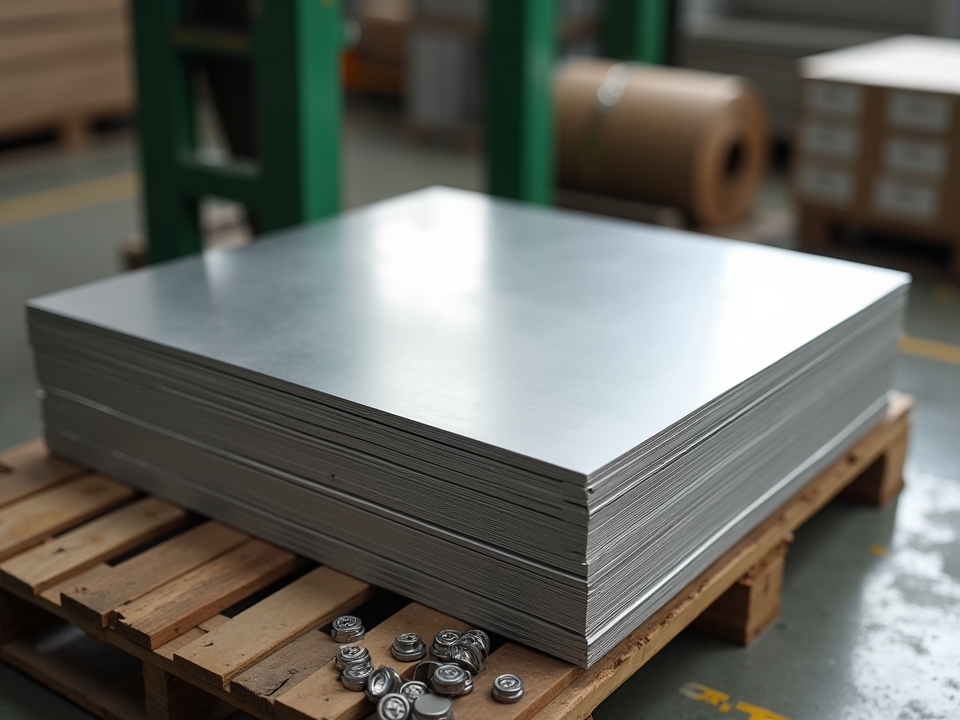
Large format alloy aluminum sheet is produced for projects where ordinary sheet sizes create too many seams, joints, welds, fasteners, or alignment points. By supplying wider and longer panels, it helps fabricators build larger surfaces with cleaner appearance, higher production efficiency, and more consistent structural behavior. For customers in transportation, building envelope, tank fabrication, signage, ship outfitting, machinery covers, and industrial platforms, the value is simple: fewer pieces, faster assembly, and better surface continuity.
This product is not a single grade. It can be rolled from several aluminum alloy families, each selected for a different balance of strength, formability, corrosion resistance, weldability, and surface finish. For general fabrication, 3003 and 5052 are common choices. For higher strength machined structures, 6061 is often selected. For decorative, electrical, thermal, and duct applications, 1050, 1060, 1070, 1100, and 1200 are practical options.
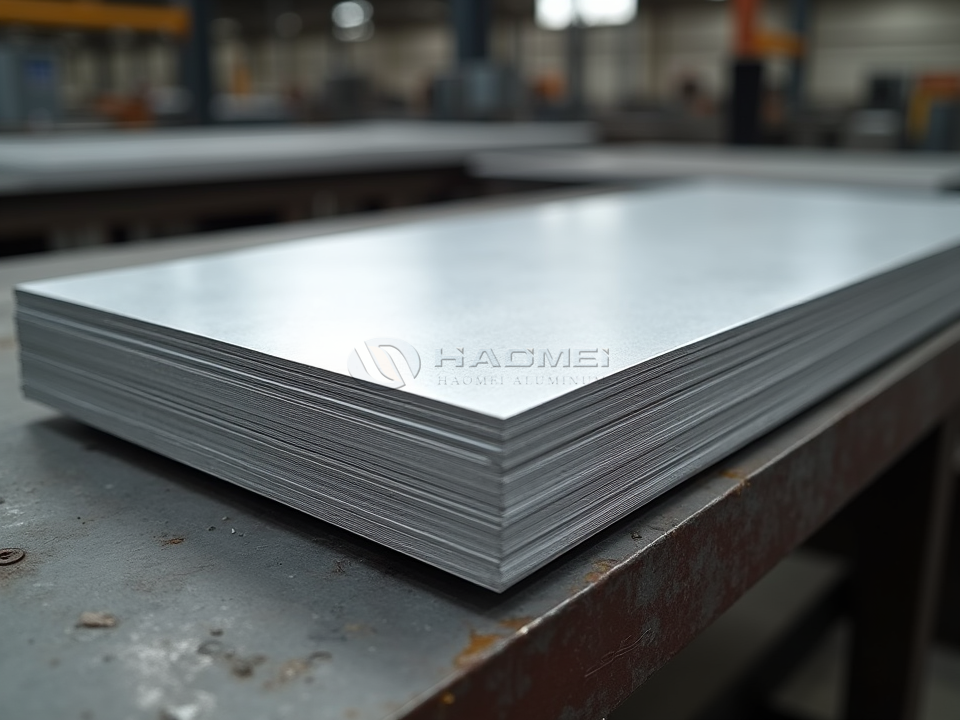
What Makes Large Format Sheet Practical
The main feature of large format alloy aluminum sheet is size stability over a broad surface. When a panel becomes wider or longer, flatness, residual stress, coil memory, surface control, and cutting accuracy become more important. A well-produced sheet should remain easy to shear, laser cut, bend, roll, weld, rivet, and bond without unexpected distortion.
Compared with small sheets joined together, large format panels reduce seam preparation and finishing work. This can lower labor time in vehicle side panels, architectural cladding, marine interiors, tank shells, large equipment hoods, and advertising boards. The result is a cleaner surface and fewer weak points exposed to moisture, vibration, and thermal movement.
Customers looking for a broader grade range can compare this product with standard Alloy Aluminum Sheet options to match size, temper, strength, and finish to the final design.
Common Alloy Choices
| Alloy | Main Strength | Typical Use | Fabrication Behavior |
|---|---|---|---|
| 1050 / 1060 / 1070 | High purity, excellent workability | Electrical parts, reflectors, insulation panels, nameplates | Very soft in O temper, easy to form and polish |
| 1100 / 1200 | Good corrosion resistance, clean surface | Ducting, chemical panels, decorative panels, heat transfer parts | Excellent bending and deep drawing ability |
| 3003 | Better strength than pure aluminum | Roofing, tanks, trailers, food equipment, general sheet metal | Easy to form, weld, and roll |
| 5052 | Higher corrosion resistance and fatigue strength | Marine panels, vehicle bodies, pressure-free tanks, cabinets | Excellent bending, strong after forming |
| 6061 | Medium-high strength, heat treatable | Frames, platforms, machine panels, structural parts | Good machining and welding, less formable than 3003 or 5052 |
Main Features Customers Care About
Large format alloy aluminum sheet is valued because it gives engineers and purchasing teams more room to design with fewer restrictions. Its low density helps reduce total weight while maintaining sufficient stiffness through alloy selection, thickness, temper, ribs, bends, or welded structures. In vehicle and trailer production, this weight saving can improve payload. In building projects, it reduces load on supporting frames. In machinery, it makes large removable covers easier to handle.
Corrosion resistance is another strong advantage. Aluminum naturally forms a dense oxide film on its surface. In outdoor, humid, industrial, and coastal conditions, grades such as 3003 and 5052 provide stable service when the design avoids water traps and galvanic contact with incompatible metals. Where appearance matters, sheets can be anodized, painted, brushed, embossed, laminated, or powder coated.
Forming performance depends on alloy and temper. O temper gives maximum softness for deep drawing and complex bending. H14 and H24 offer a practical balance of strength and formability. H32 and H34 are often selected for 5052 when better strength and marine durability are required. T6 temper in 6061 is stronger but needs larger bend radii.
| Parameter | Typical Range or Option |
|---|---|
| Thickness | 0.5 mm to 6.0 mm for sheet, thicker sizes by plate specification |
| Width | Often 1500 mm to 2600 mm, wider sizes available by rolling capability |
| Length | Cut-to-length panels commonly from 2000 mm to 12000 mm |
| Surface | Mill finish, brushed, anodized, coated, stucco embossed, film protected |
| Temper | O, H12, H14, H16, H18, H22, H24, H32, H34, T4, T6 depending on alloy |
| Processing | Slitting, leveling, shearing, sawing, laser cutting, CNC routing, bending |
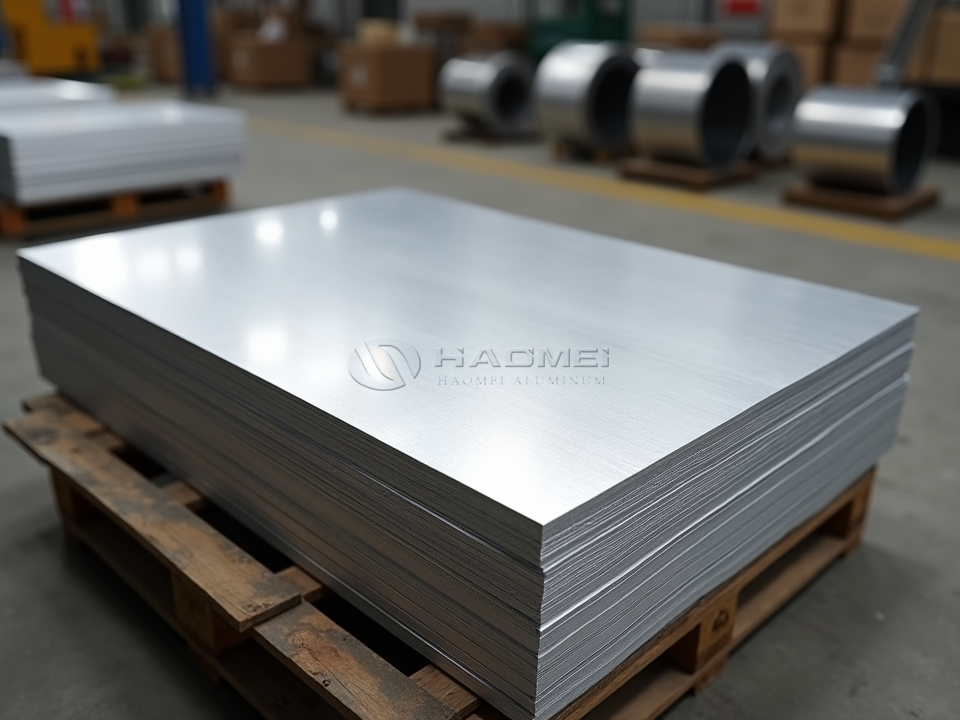
Chemical Composition Reference
The chemical content of large format alloy aluminum sheet changes by grade. The table gives typical reference values used in commercial sheet production. Final supply should follow ASTM, EN, JIS, GB, or customer-agreed specifications.
| Alloy | Si | Fe | Cu | Mn | Mg | Cr | Zn | Al |
|---|---|---|---|---|---|---|---|---|
| 1050 | Max 0.25 | Max 0.40 | Max 0.05 | Max 0.05 | Max 0.05 | - | Max 0.05 | Min 99.50 |
| 1100 | Si + Fe max 0.95 | - | 0.05-0.20 | Max 0.05 | - | - | Max 0.10 | Min 99.00 |
| 3003 | Max 0.60 | Max 0.70 | 0.05-0.20 | 1.00-1.50 | - | - | Max 0.10 | Balance |
| 5052 | Max 0.25 | Max 0.40 | Max 0.10 | Max 0.10 | 2.20-2.80 | 0.15-0.35 | Max 0.10 | Balance |
| 6061 | 0.40-0.80 | Max 0.70 | 0.15-0.40 | Max 0.15 | 0.80-1.20 | 0.04-0.35 | Max 0.25 | Balance |
Performance in Fabrication
Large sheets need controlled leveling. Poor flatness can create issues during laser cutting, printing, lamination, or adhesive bonding. Precision leveling reduces internal stress and helps the panel sit flat on cutting beds and assembly fixtures. For visible cladding and signage, flatness also affects light reflection, so surface waviness must be kept under control.
Welding performance is strong for 3003, 5052, and 6061, though filler metal selection should be matched to the base alloy and service environment. 5052 is widely appreciated for welded tanks and marine panels because it combines corrosion resistance with good fatigue performance. For customers designing stronger exterior panels, 5052 Aluminum Sheet is often a reliable benchmark.
Bending requires attention to grain direction, temper, thickness, and bend radius. A large panel may pass all chemical and tensile requirements but still crack if it is bent too tightly across an unsuitable direction. For safety, prototype testing is recommended before mass production, especially for coated sheets or panels requiring sharp edges.
Application Areas
In transportation, large format alloy aluminum sheet is used for truck bodies, bus side panels, trailer floors, roof skins, interior wall panels, fuel-saving covers, and protective guards. Wider sheets create smoother vehicle sides and reduce water leakage paths.
In architecture, the material supports curtain wall panels, ceiling panels, roofing systems, facade cassettes, soffits, column covers, and decorative interior walls. Aluminum is light enough for large panels yet durable enough for outdoor exposure when coated or anodized correctly.
In marine and coastal equipment, 5052 large sheets are used for cabin panels, decks, consoles, dock components, and storage boxes. The reduced seam count helps resist water ingress, while the alloy provides dependable performance in humid and salt-laden air.
In industrial fabrication, the sheet is used for equipment housings, conveyor covers, machine guards, HVAC ducts, chemical equipment panels, silos, platforms, and heat insulation jackets. Large format supply improves productivity because fewer sheets need to be aligned, marked, and joined.
In advertising and display production, wide aluminum panels offer smooth surfaces for printing, painting, engraving, and composite backing. Large sign faces, exhibition panels, and wayfinding systems benefit from the clean appearance and dimensional stability.
Selection Guidance
Choose the alloy based on the service condition first, then select thickness, temper, width, and finish. If the part needs deep forming, select a softer temper. If it needs outdoor corrosion resistance, consider 3003 or 5052. If it carries load or requires machining, evaluate 6061. If conductivity, reflectivity, or easy forming is more important than strength, 1050, 1060, 1070, 1100, or 1200 may be more economical.
Large format alloy aluminum sheet gives customers a practical way to build bigger, cleaner, lighter, and more efficient metal structures. With the right grade and processing route, it can reduce assembly steps, improve appearance, and support long service life across demanding commercial and industrial applications.