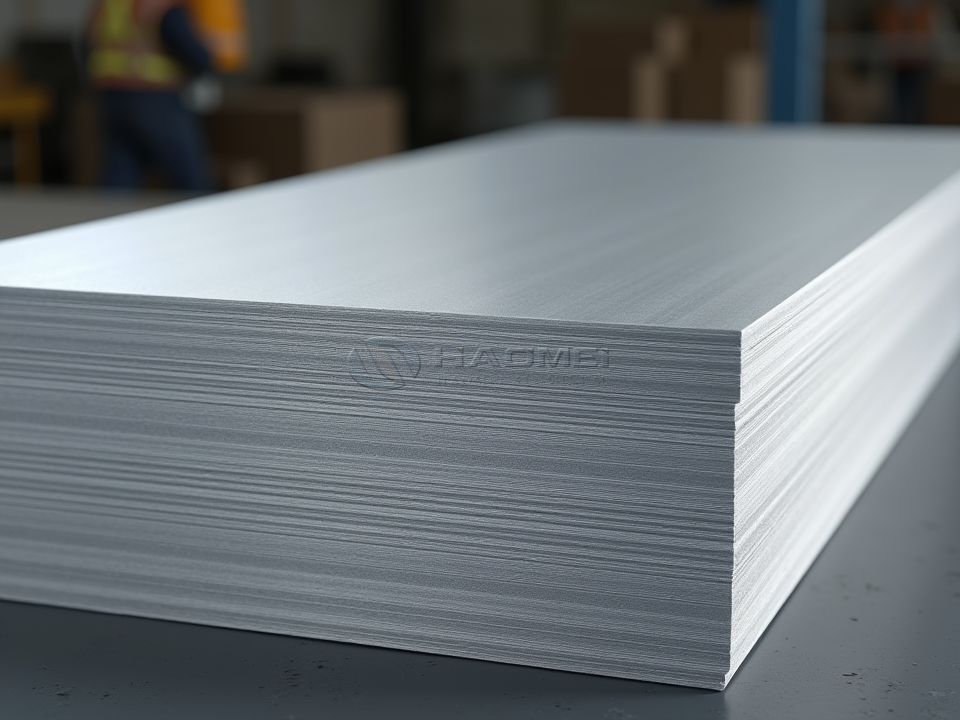
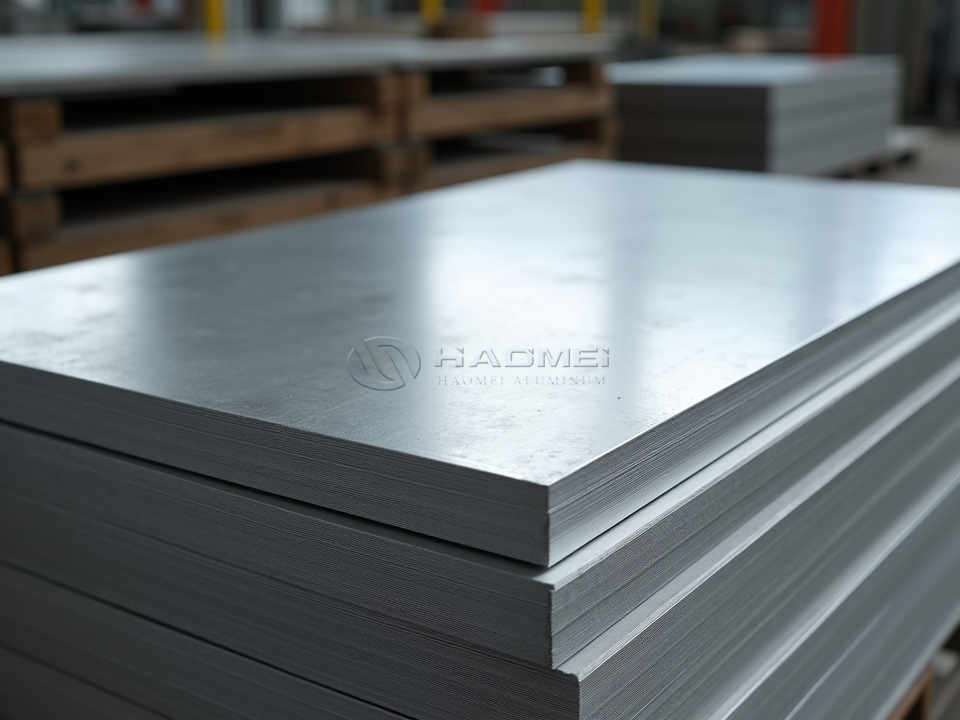
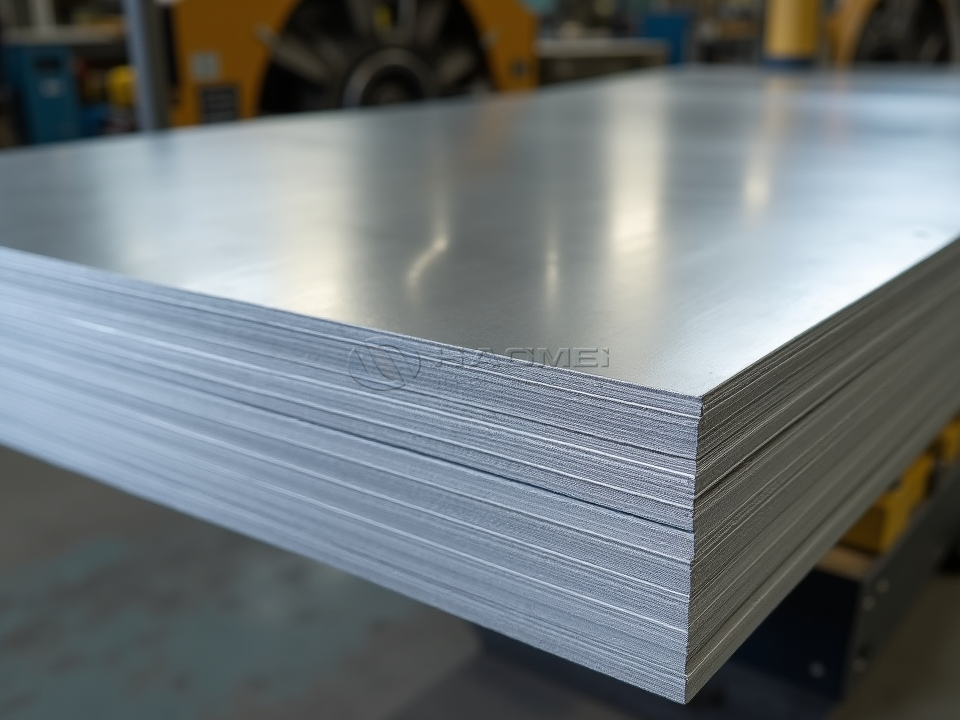
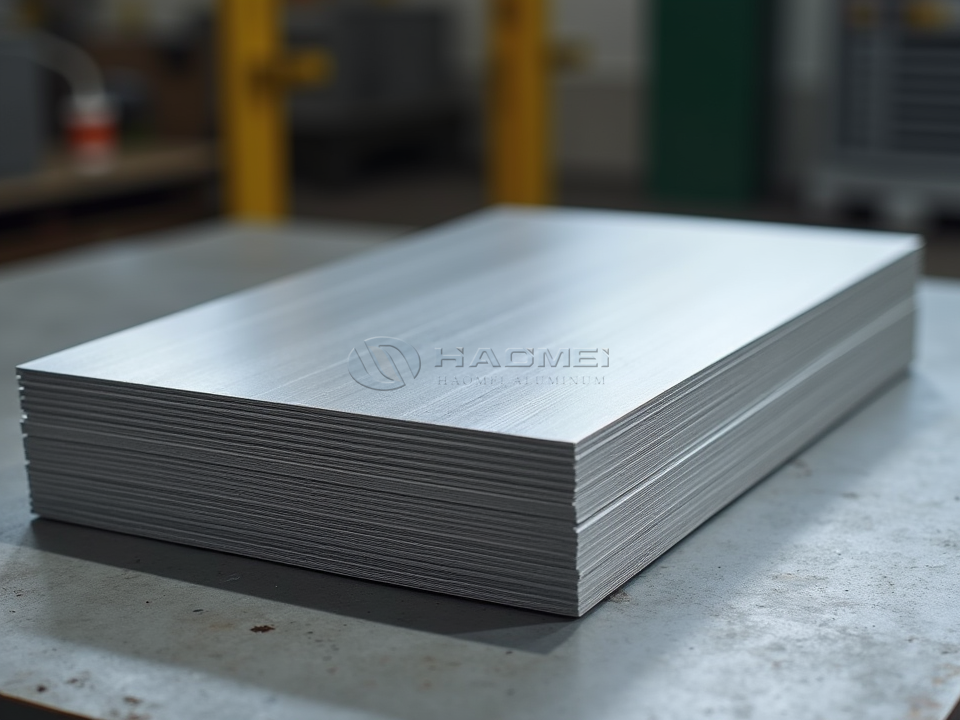
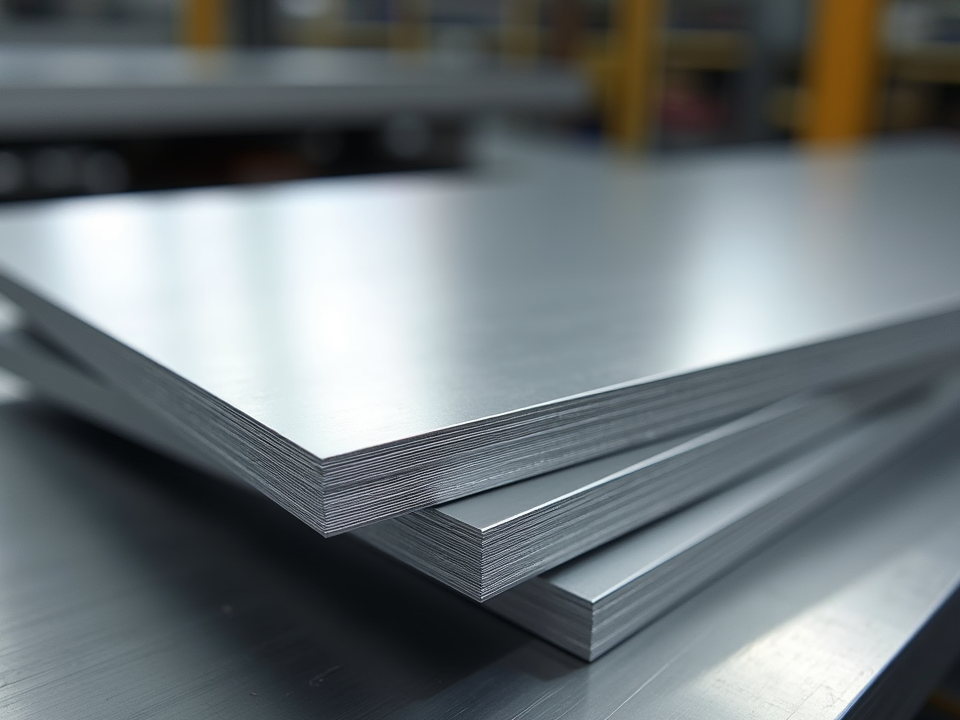
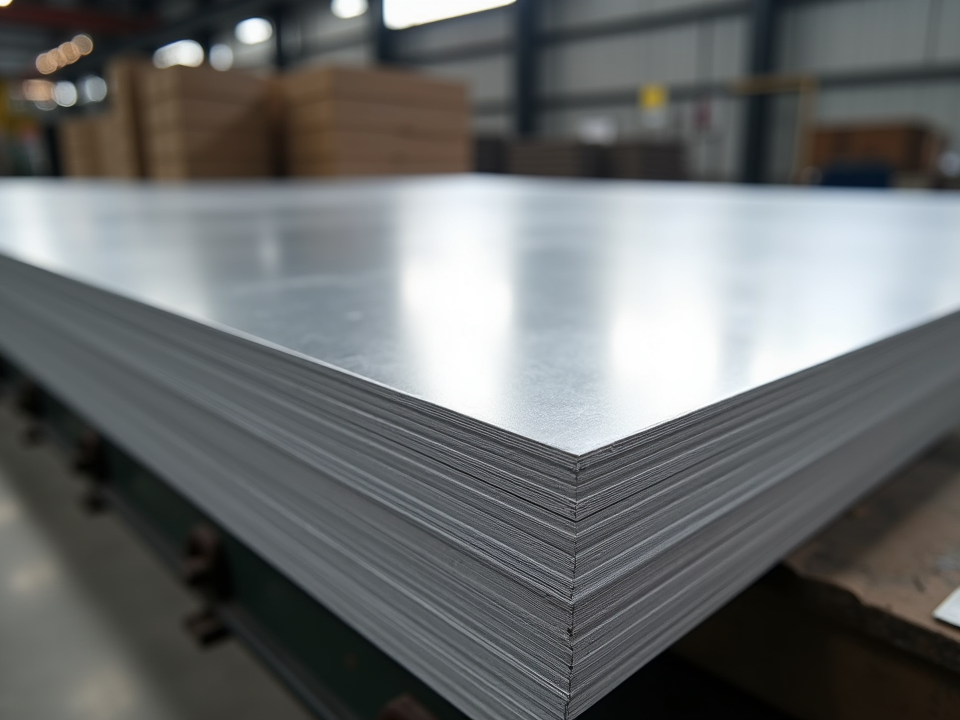
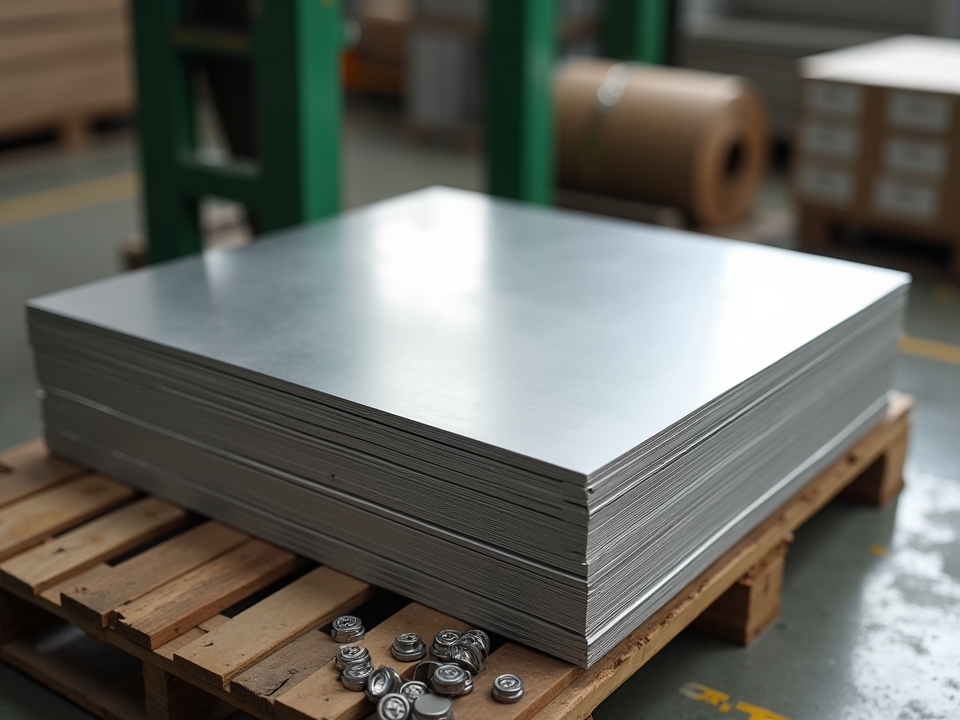
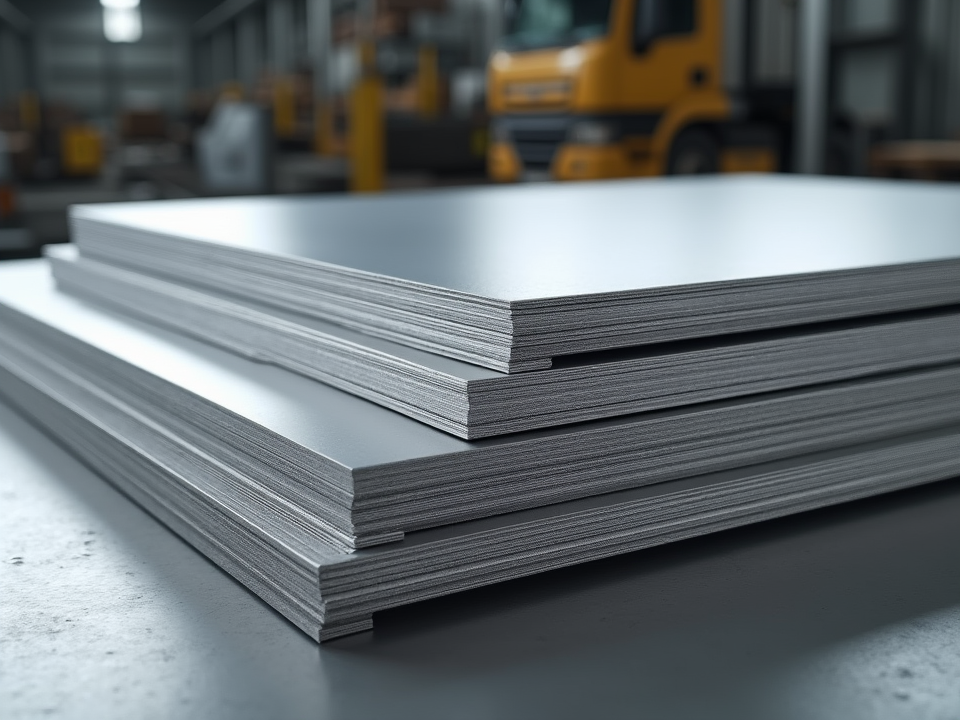
Stretch Forming Alloy Aluminum Plate
Stretch forming alloy aluminum plate is engineered for components that require smooth curvature, stable dimensions, and excellent surface integrity after forming. During stretch forming, the plate is clamped at both ends, tensioned beyond its elastic limit, and wrapped over a die to create large-radius or compound curved shapes. This process is widely used when customers need lightweight panels with clean contour accuracy and minimal springback.
Compared with conventional press forming, stretch forming distributes strain more evenly across the plate. This helps reduce wrinkling, improves surface appearance, and supports repeatable production of large structural or decorative parts. For buyers sourcing Alloy Aluminum Sheet and plate for curved assemblies, the correct alloy, temper, thickness, and surface condition are critical to performance.
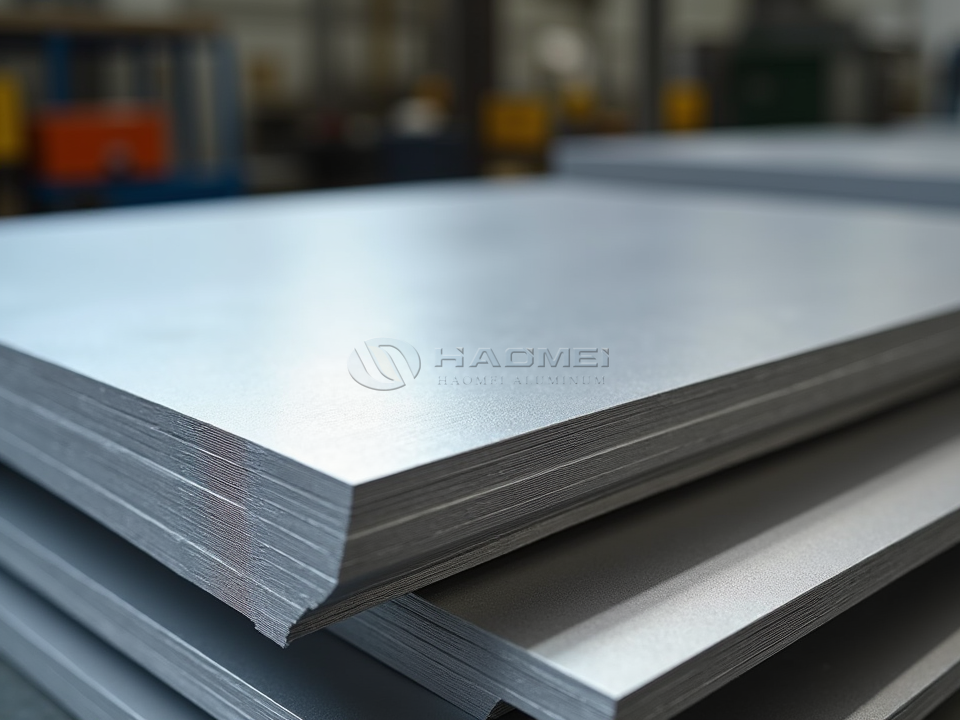
Product Characteristics That Matter in Stretch Forming
Stretch forming plate must combine ductility, tensile strength, surface quality, and predictable elongation. The best selection depends on whether the final part is decorative, structural, corrosion-resistant, or heat-treatable after forming.
| Feature | Customer Value | Practical Effect During Forming |
|---|---|---|
| High elongation | Better forming safety | Allows deeper curvature without cracking |
| Controlled yield strength | Reduced springback | Improves dimensional accuracy after release |
| Fine surface finish | Lower finishing cost | Suitable for visible panels and painted parts |
| Stable thickness tolerance | Consistent strain distribution | Helps maintain uniform part geometry |
| Good corrosion resistance | Longer service life | Useful for transport, marine, and outdoor panels |
| Weldability | Easier assembly | Supports riveting, MIG/TIG welding, and bonding |
Common Alloy Choices
The alloy should be selected according to forming severity, strength requirement, corrosion environment, and post-forming process. Non-heat-treatable alloys are often chosen for excellent formability, while heat-treatable alloys are used when higher final strength is required.
| Alloy | Typical Temper for Stretch Forming | Main Advantage | Typical Use |
|---|---|---|---|
| 3003 | O, H111, H14 depending on radius | Good formability and economy | Architectural panels, covers, decorative shells |
| 5052 | O, H32, H34 | Strong corrosion resistance and fatigue behavior | Marine panels, vehicle skins, tank covers |
| 5083 | O, H111 | Higher strength with marine-grade resistance | Ship panels, rail components, structural covers |
| 6061 | O before forming, T6 after heat treatment when needed | Strength after aging | Aerospace fixtures, frames, machinery guards |
| 2024 | O or solution-treated condition | High strength potential | Aircraft skins and stressed curved parts |
For applications exposed to moisture, salt spray, or vibration, 5052 Aluminum Sheet is frequently chosen because it balances ductility, corrosion resistance, and medium strength.
Chemical Composition Reference
Chemical composition affects strength, ductility, corrosion resistance, and heat-treatment response. The values shown are typical reference ranges based on common international aluminum standards; final supply should follow the agreed specification.
| Alloy | Si | Fe | Cu | Mn | Mg | Cr | Zn | Al |
|---|---|---|---|---|---|---|---|---|
| 3003 | 0.60 max | 0.70 max | 0.05-0.20 | 1.00-1.50 | - | - | 0.10 max | Balance |
| 5052 | 0.25 max | 0.40 max | 0.10 max | 0.10 max | 2.20-2.80 | 0.15-0.35 | 0.10 max | Balance |
| 5083 | 0.40 max | 0.40 max | 0.10 max | 0.40-1.00 | 4.00-4.90 | 0.05-0.25 | 0.25 max | Balance |
| 6061 | 0.40-0.80 | 0.70 max | 0.15-0.40 | 0.15 max | 0.80-1.20 | 0.04-0.35 | 0.25 max | Balance |
| 2024 | 0.50 max | 0.50 max | 3.80-4.90 | 0.30-0.90 | 1.20-1.80 | 0.10 max | 0.25 max | Balance |
Mechanical Performance Guide
Stretch forming works best when tensile properties are matched to the required bend radius and panel size. Excessive strength may increase cracking risk, while insufficient strength may cause handling deformation.
| Alloy and Temper | Tensile Strength MPa | Yield Strength MPa | Elongation % | Forming Suitability |
|---|---|---|---|---|
| 3003-O | 95-130 | 35-50 | 25-35 | Excellent for generous curves |
| 3003-H14 | 140-180 | 115-150 | 5-12 | Moderate forming, shallow contours |
| 5052-O | 170-215 | 65-90 | 18-28 | Excellent corrosion-resistant forming |
| 5052-H32 | 210-260 | 130-180 | 10-18 | Good balance of strength and formability |
| 5083-O | 275-350 | 125-170 | 14-22 | Strong marine and transport panels |
| 6061-O | 125-180 | 55-110 | 18-25 | Form first, then heat treat if required |
| 2024-O | 185-230 | 75-100 | 18-22 | Used where high final strength is needed |
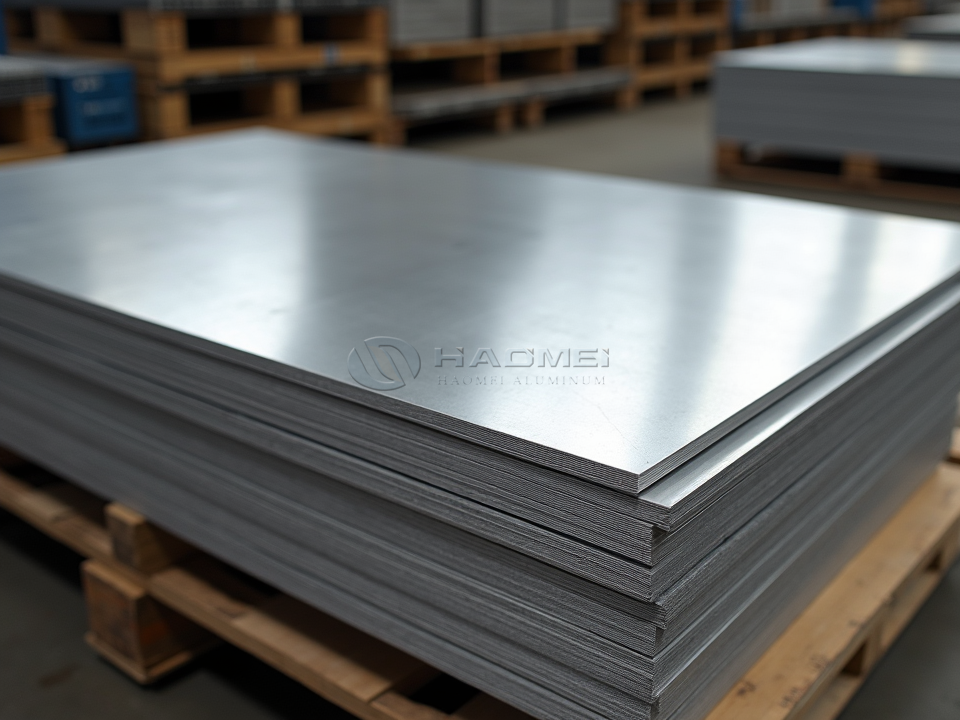
Technical Specifications
Stretch forming alloy aluminum plate can be supplied in mill finish, brushed, anodizing quality, film-protected, or pre-treated surfaces. Plate flatness and residual stress control are especially important because uneven internal stress can lead to twist or springback after forming.
| Parameter | Typical Range or Option |
|---|---|
| Thickness | 1.0-80 mm, depending on alloy and application |
| Width | 500-2600 mm |
| Length | 1000-12000 mm or cut-to-size |
| Surface | Mill finish, PVC film, brushed, anodizing quality |
| Temper | O, H111, H14, H32, H34, T4, T6 as applicable |
| Thickness tolerance | According to ASTM, EN, GB, or customer drawing |
| Flatness | Standard or precision flatness available |
| Testing | Tensile test, chemical analysis, ultrasonic test if required |
| Packaging | Wooden pallet, waterproof paper, edge protection |
Forming Performance and Process Notes
The main advantage of stretch forming is its ability to produce large, smooth panels with controlled strain. During production, the plate is elongated and pressed against the die surface. This combination of tension and bending reduces compression wrinkles and improves contour repeatability.
| Process Factor | Recommended Control | Reason |
|---|---|---|
| Grain direction | Align with drawing requirement | Affects elongation and surface behavior |
| Lubrication | Use clean, compatible forming lubricant | Reduces galling and die marks |
| Die radius | Avoid excessively sharp transitions | Lowers crack risk at high-strain zones |
| Clamp pressure | Hold firmly without edge damage | Prevents slip and surface indentation |
| Stretch percentage | Match alloy ductility | Controls thinning and final shape |
| Temperature | Usually room temperature; warm forming for difficult parts | Improves ductility for selected alloys |
Good practice includes forming trials before mass production, especially for wide plates, high-strength alloys, or complex three-dimensional surfaces. Customers should share part drawings, final temper requirement, surface class, and minimum bend radius so the plate can be matched to the manufacturing route.
Typical Applications
Stretch forming alloy aluminum plate is used wherever large curved panels must be lightweight, attractive, and dimensionally stable. It is especially valuable in industries that require consistent appearance across multiple assemblies.
| Industry | Typical Components | Preferred Alloy Direction |
|---|---|---|
| Aerospace | Fuselage skins, fairings, wing access panels | 2024, 6061, 7075 in controlled tempers |
| Rail transit | Exterior side panels, roof curves, interior shells | 5052, 5083, 6061 |
| Automotive and bus | Body panels, roof panels, decorative covers | 3003, 5052, 6061 |
| Marine | Cabin panels, deck covers, curved enclosures | 5052, 5083 |
| Architecture | Canopies, ceiling panels, column covers, facade curves | 3003, 5052 |
| Industrial equipment | Machine guards, ducts, curved housings | 3003, 5052, 6061 |
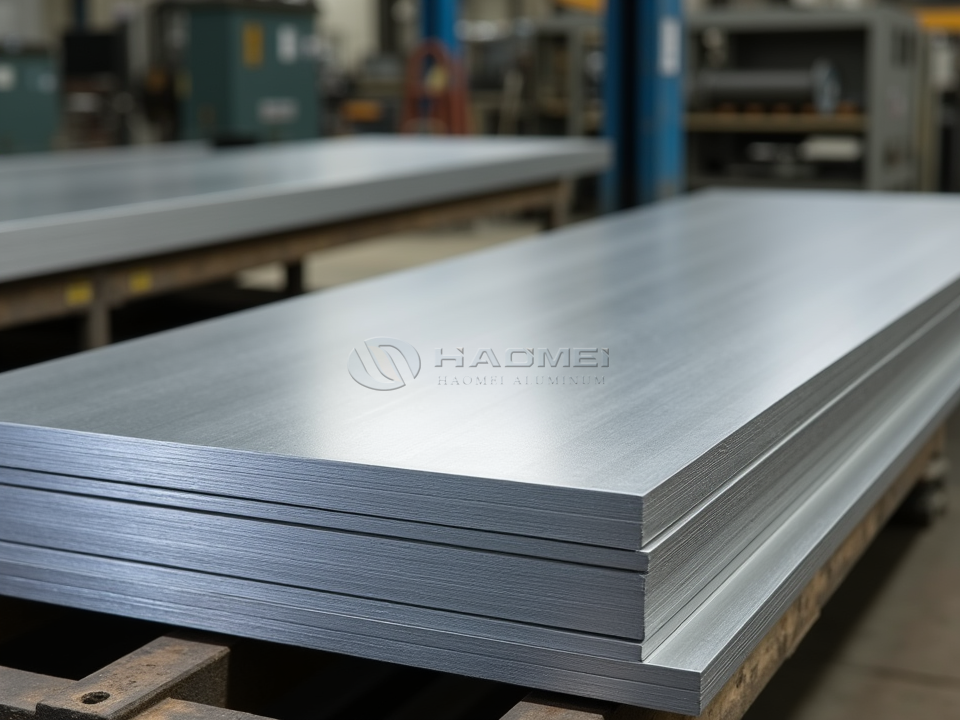
Benefits for Buyers and Fabricators
Stretch forming alloy aluminum plate offers a strong combination of lightweight performance and visual quality. Aluminum is about one-third the density of steel, helping reduce total structure weight while maintaining sufficient rigidity through curved geometry. Smooth curvature can also improve aerodynamic appearance, drainage, and assembly fit.
For fabricators, the material supports cutting, drilling, welding, adhesive bonding, riveting, polishing, painting, and anodizing, depending on the alloy. When supplied with protective film and clean surface control, it reduces rework before coating. For customers producing repeat orders, consistent chemistry and mechanical properties help stabilize forming parameters and reduce scrap.
Selection Checklist
Use the following points when choosing stretch forming plate for a project:
- Confirm whether the part needs maximum ductility, corrosion resistance, or final high strength.
- Select O temper for severe forming, or a strain-hardened temper for mild curvature with higher delivered strength.
- Check the forming radius, die size, and expected elongation before choosing thickness.
- Specify surface requirements early if the finished part will be painted, anodized, or left visible.
- Request test certificates when the plate is used for transport, marine, aerospace, or pressure-related structures.
Final Purchasing Guidance
Stretch forming alloy aluminum plate is not only a raw material; it is a forming-performance material. The best result comes from matching alloy chemistry, temper, plate thickness, surface condition, and forming method to the finished part. For curved panels that demand clean appearance, low weight, corrosion resistance, and repeatable geometry, properly selected aluminum plate provides a reliable and cost-effective solution across transport, marine, architectural, and industrial applications.