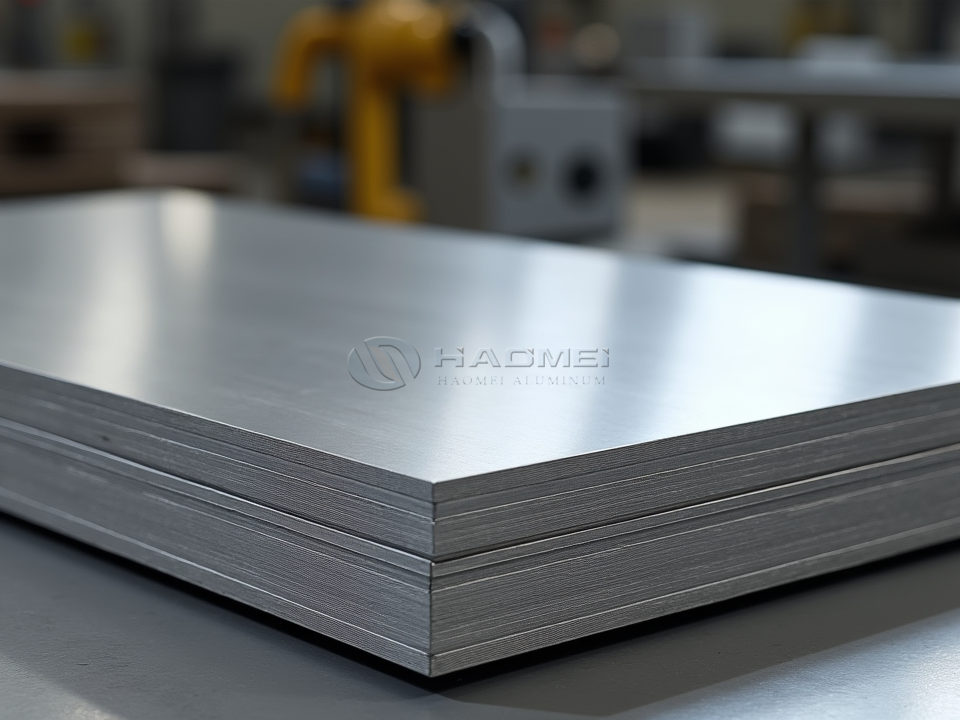
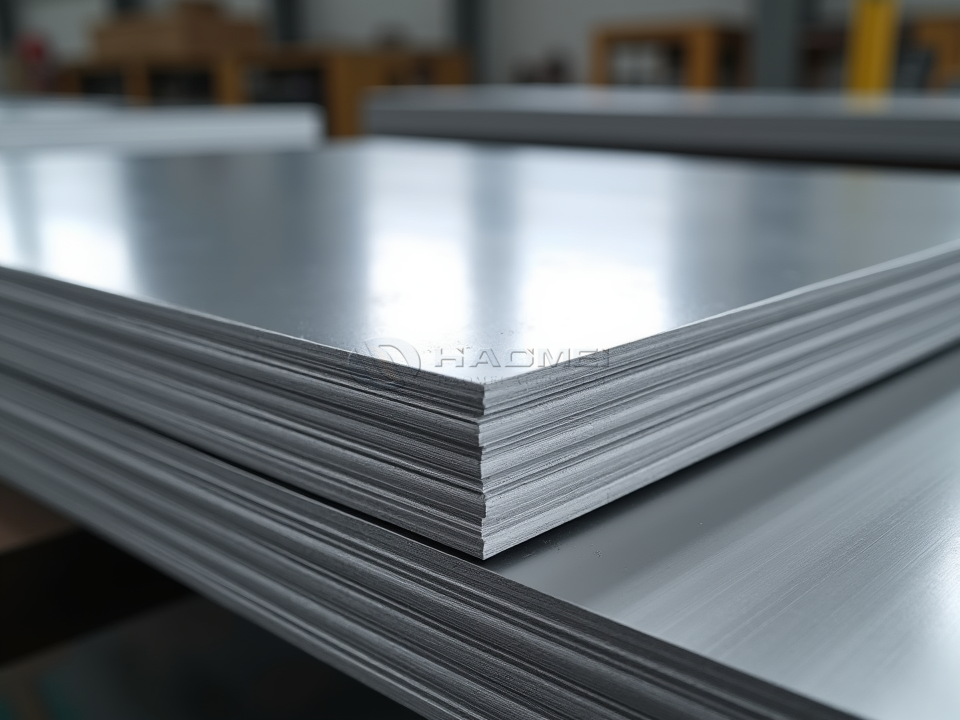
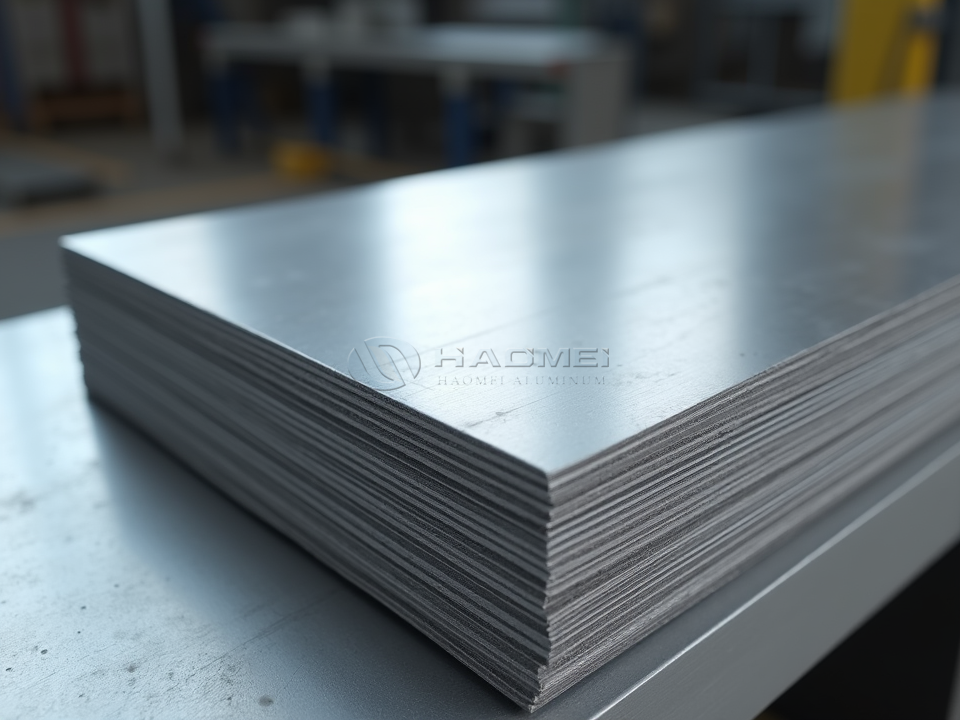
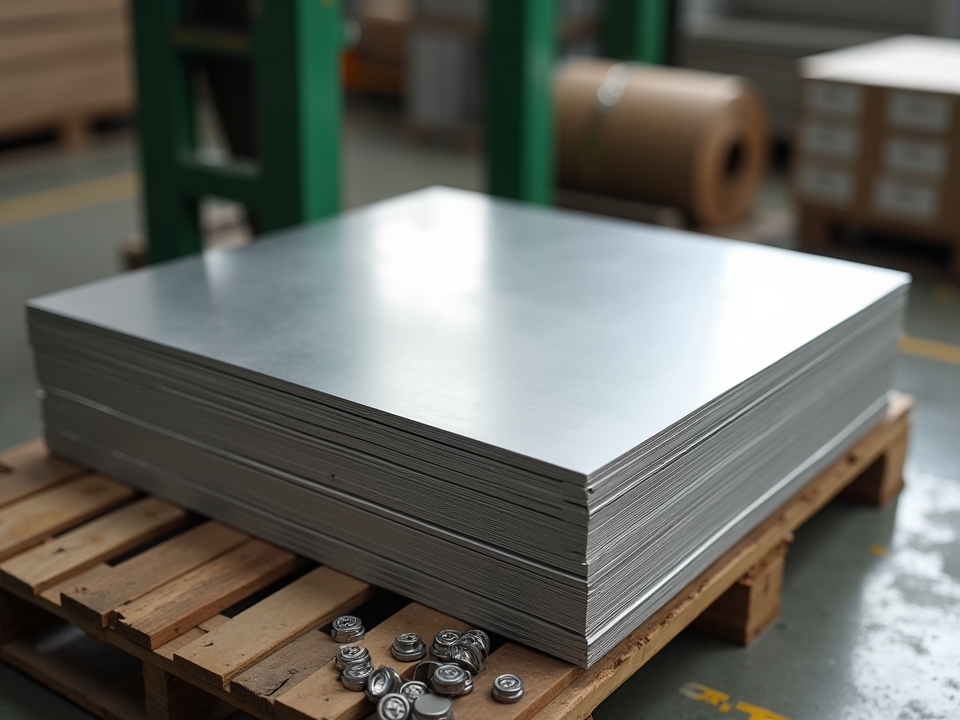
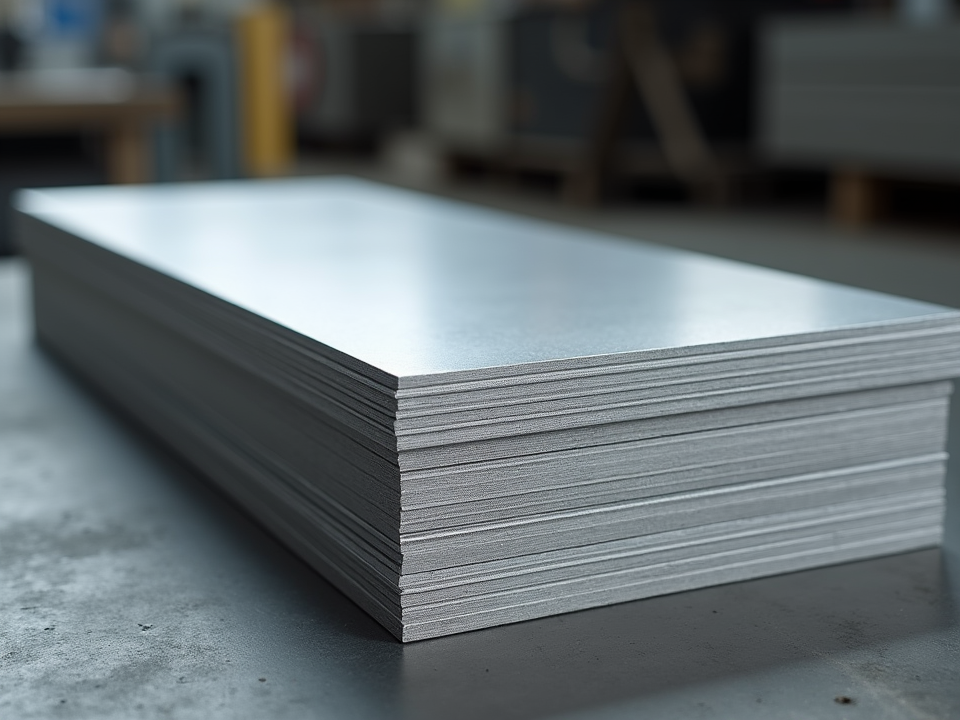
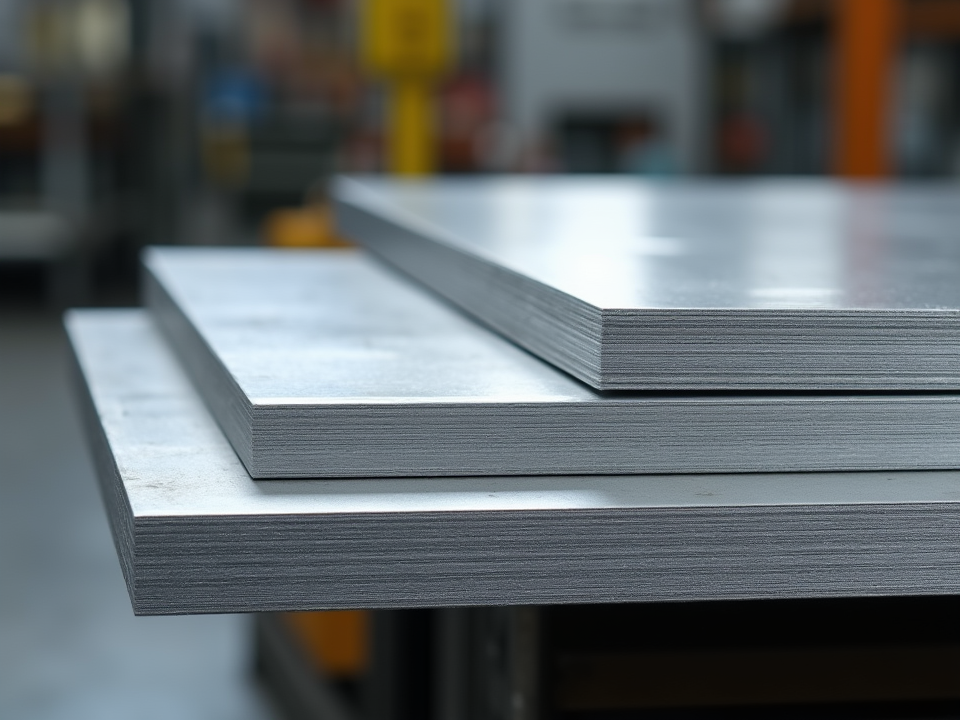
6082 T6 Structural Aluminum Sheet
6082 T6 structural aluminum sheet is one of the most dependable medium-to-high strength aluminum materials used in modern engineering. It belongs to the Al-Mg-Si alloy family, with manganese added to improve strength, grain control, and resistance to deformation under load. For customers who need a sheet material that can carry stress, resist weather, and remain workable in fabrication, 6082 T6 is often a practical choice.
Unlike soft commercial aluminum grades used mainly for decoration or light forming, 6082 T6 is designed for load-bearing parts. The T6 temper means the sheet has been solution heat treated and artificially aged, giving it a strong balance of tensile strength, yield strength, dimensional stability, and machinability. This makes it suitable for welded structures, transport equipment, bridge components, platforms, cranes, marine fittings, and high-strength frames.
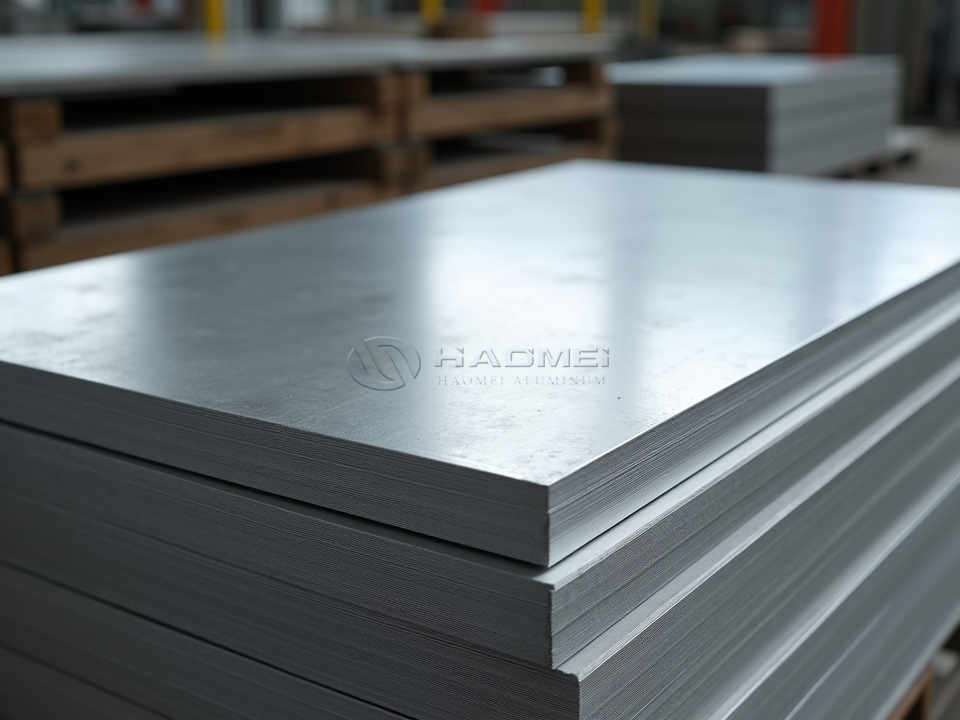
Material Character and Working Behavior
The strength of 6082 T6 comes from controlled precipitation hardening. Magnesium and silicon form strengthening phases during heat treatment, while manganese helps refine the structure. The result is a sheet that performs well under static loads and moderate dynamic loads, especially where weight reduction matters.
Compared with many carbon steels, 6082 T6 aluminum sheet offers a much lower density while still providing solid mechanical performance. In structural projects, this can reduce dead weight, improve fuel efficiency in vehicles, simplify lifting during installation, and lower stress on supporting parts.
6082 T6 also has good corrosion resistance in outdoor and industrial environments. Its natural oxide film protects the surface, and additional anodizing or coating can further improve durability. When compared with 6061 Aluminum Sheet, 6082 T6 generally offers higher strength in plate and sheet forms, making it attractive for heavy-duty structures.
Typical Technical Parameters
The values in the table are common reference ranges. Final performance depends on thickness, production standard, heat treatment control, and customer specification.
| Property | Typical Value or Range | Practical Meaning |
|---|---|---|
| Alloy | 6082 | Al-Mg-Si-Mn structural alloy |
| Temper | T6 | Solution heat treated and artificially aged |
| Density | About 2.70 g/cm3 | Roughly one-third the weight of steel |
| Tensile strength | About 290-340 MPa | Suitable for stressed components |
| Yield strength | About 240-280 MPa | Good resistance to permanent deformation |
| Elongation | About 6-12% | Allows controlled fabrication without excessive brittleness |
| Elastic modulus | About 69 GPa | Predictable stiffness for engineering design |
| Thermal conductivity | About 160-180 W/m.K | Helps dissipate heat in equipment structures |
| Weldability | Good | Best with suitable filler alloy and process control |
| Machinability | Good | Supports drilling, milling, cutting, and routing |
Chemical Composition
6082 is carefully balanced to deliver strength without sacrificing fabrication performance. Silicon and magnesium are the main hardening elements, while manganese improves structural stability.
| Element | Typical Content % |
|---|---|
| Silicon, Si | 0.70-1.30 |
| Magnesium, Mg | 0.60-1.20 |
| Manganese, Mn | 0.40-1.00 |
| Iron, Fe | 0.50 max |
| Chromium, Cr | 0.25 max |
| Zinc, Zn | 0.20 max |
| Copper, Cu | 0.10 max |
| Titanium, Ti | 0.10 max |
| Other elements | 0.05 each, 0.15 total max |
| Aluminum, Al | Balance |
Main Features Customers Notice
6082 T6 structural aluminum sheet gives designers a strong strength-to-weight ratio. This is one of the reasons it is often selected for transport and mechanical structures. A lighter structure can support easier assembly, improved payload, reduced energy use, and more efficient handling.
Its corrosion resistance is another major advantage. In outdoor platforms, access walkways, marine-adjacent structures, and road transport equipment, the material can resist general atmospheric corrosion better than untreated carbon steel. Surface treatments such as anodizing, powder coating, painting, or conversion coating can be added when the project requires longer service life or a particular appearance.
Machining performance is reliable. 6082 T6 can be sawn, CNC milled, drilled, countersunk, tapped, and edge-finished with clean results when proper tooling and coolant are used. This helps workshops produce accurate mounting plates, gussets, bracket panels, base plates, and custom structural parts.
Welding is possible and widely practiced, although engineers should remember that the heat-affected zone may lose some T6 strength after welding. For structural welding, suitable filler metals, joint design, and post-weld strength calculations are important. In many assemblies, designers combine welding with bolting or riveting to manage strength and serviceability.
Forming ability is moderate in T6 temper. Simple bends with proper radius can be achieved, but sharp bending is not recommended. If extensive forming is required, customers may consider a softer temper first, followed by heat treatment where appropriate. For many flat structural parts, T6 is preferred because it arrives with high strength and stable properties.
Common Sizes and Supply Forms
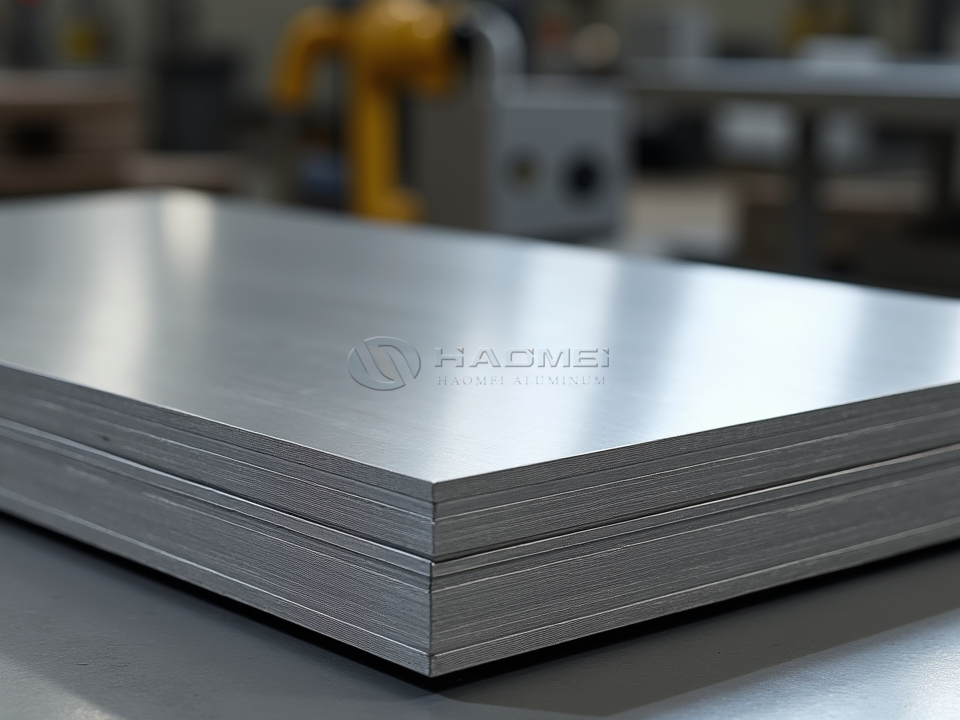
6082 T6 structural aluminum sheet is usually supplied as sheet, thick sheet, or plate depending on thickness. Thin gauges are used for panels and enclosures, while thicker sections serve as load-bearing plates, machined bases, and structural members.
| Item | Common Supply Range |
|---|---|
| Thickness | About 1.0 mm to 200 mm, depending on mill capability |
| Width | Commonly 1000 mm, 1220 mm, 1250 mm, 1500 mm, 2000 mm |
| Length | Standard cut lengths or custom cut-to-size |
| Surface | Mill finish, brushed, anodized, coated, protected film optional |
| Processing | Cutting, leveling, shearing, sawing, CNC blanking optional |
| Standards | EN, ASTM, GB, or customer-agreed specifications |
Customers comparing structural grades often review the wider Alloy Aluminum Sheet range to match strength, corrosion resistance, formability, and price with the intended application.
Applications in Structural Engineering
In bridge and civil structures, 6082 T6 aluminum sheet is used for deck panels, access plates, inspection platforms, handrail supports, and maintenance walkways. Its light weight is helpful where existing concrete or steel structures cannot accept excessive added load.
In transportation, it is commonly used for truck bodies, trailer floors, side panels, chassis accessories, rail vehicle panels, vehicle steps, and equipment mounting plates. The material supports weight saving without moving to overly expensive high-strength alloys.
In marine and dock equipment, 6082 T6 is used for gangways, ramps, small vessel parts, ladders, platforms, and service panels. While marine-grade 5xxx alloys may be chosen for severe saltwater exposure, 6082 T6 remains useful when higher strength and machinability are required with suitable surface protection.
In industrial machinery, this sheet is often cut into base plates, guards, frames, tooling plates, robotic fixtures, conveyor side plates, and support brackets. Its dimensional stability helps maintain alignment, while its machinability shortens workshop processing time.
In energy and electrical installations, 6082 T6 can be used for solar mounting components, battery tray structures, wind power maintenance platforms, and cabinet support panels. The combination of corrosion resistance, light weight, and strength is valuable in installations exposed to weather.
Fabrication Notes for Better Results
For cutting, carbide tools, sharp saw blades, waterjet, laser, and CNC routing are common options. Clean edges reduce crack initiation and improve assembly accuracy. For drilling and tapping, correct chip evacuation is important because aluminum chips can adhere to tools if speeds, feeds, or lubrication are not properly selected.
For bending, generous inside radii should be used. The bend direction relative to rolling direction can influence cracking risk, especially in thicker material. Trial bending is recommended for critical projects.
For welding, MIG and TIG processes are widely used. Filler selection should reflect strength, corrosion needs, and service environment. Because welded zones may soften, welded structural parts should be designed with realistic allowable strength rather than relying only on parent sheet properties.
Why Choose 6082 T6 for Structural Parts
6082 T6 structural aluminum sheet is a strong candidate when a project needs strength, lower weight, corrosion resistance, and straightforward machining in the same material. It is not simply a light metal panel; it is an engineering sheet built for frames, platforms, transport parts, and load-bearing assemblies. With the right thickness, surface finish, and fabrication method, it can deliver long service life in demanding structural environments while keeping production efficient and installation easier.