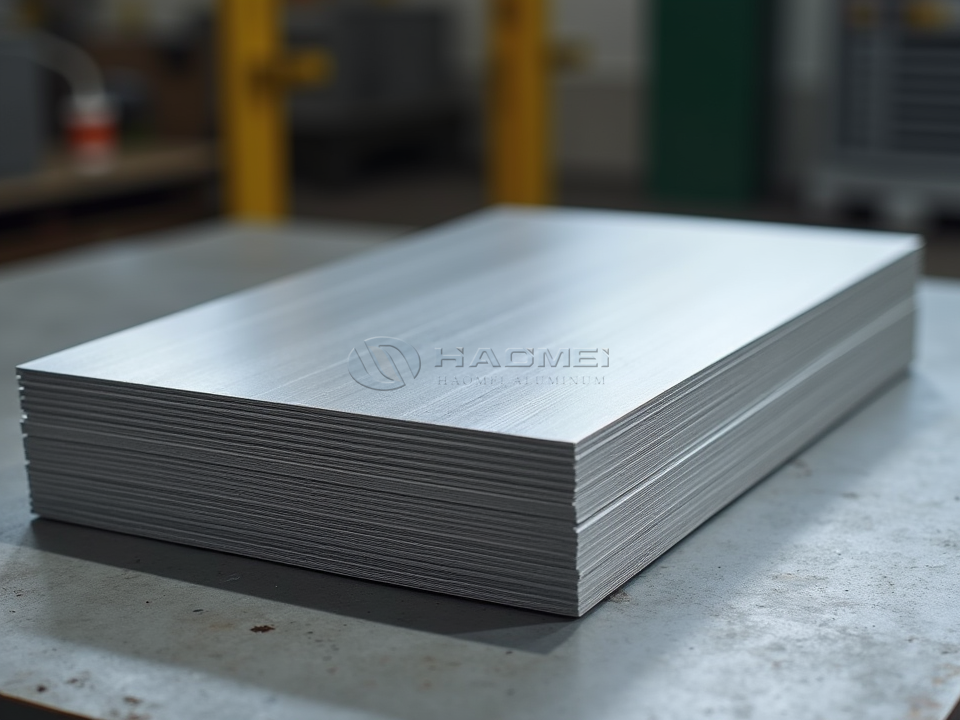
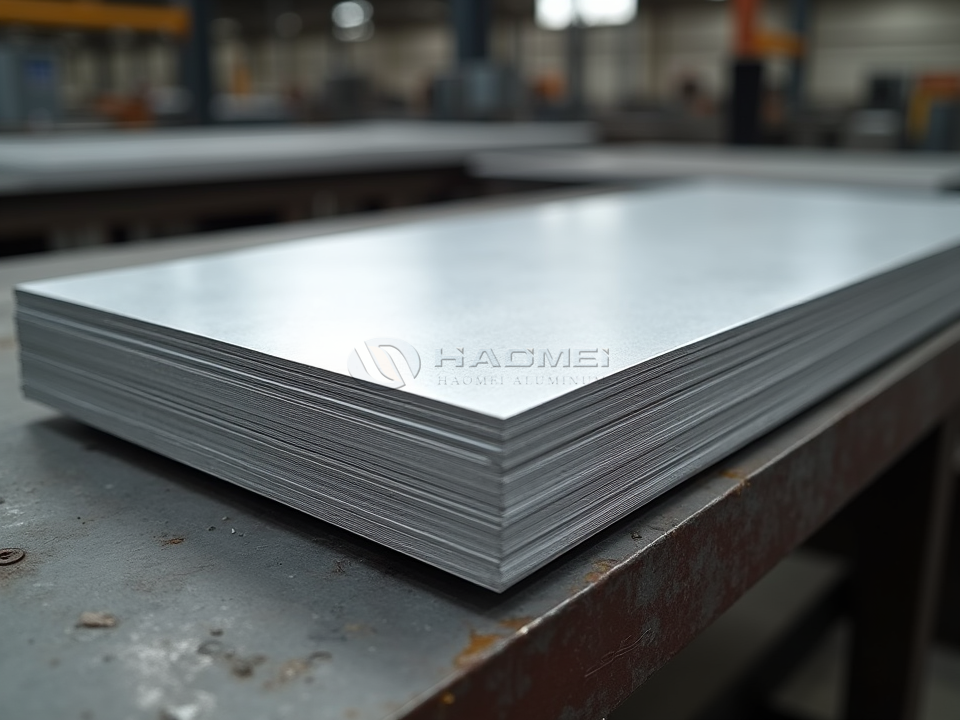
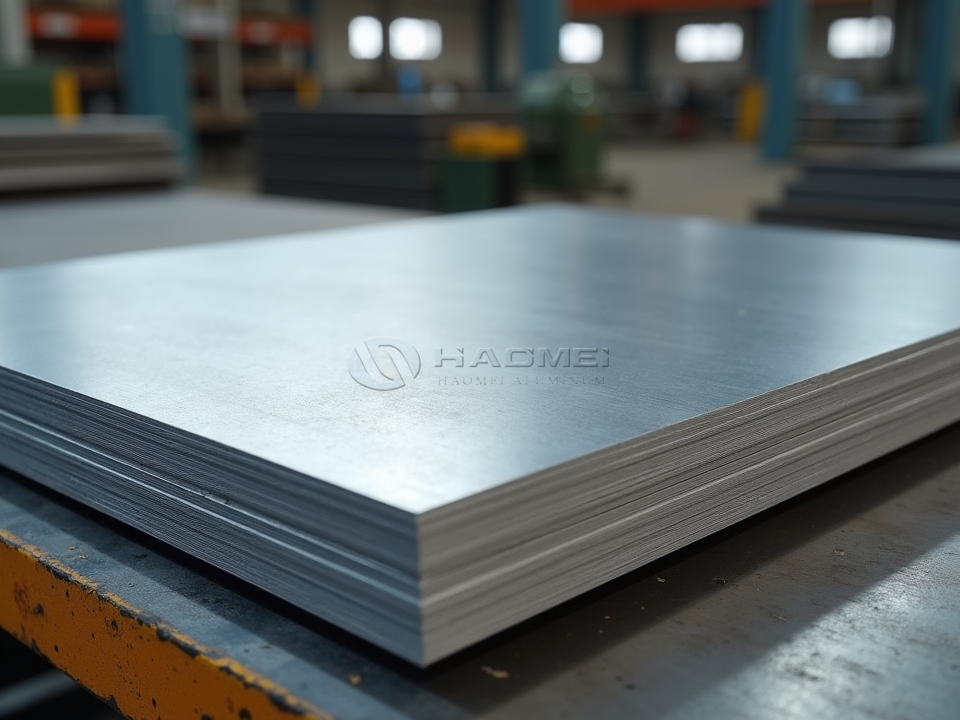
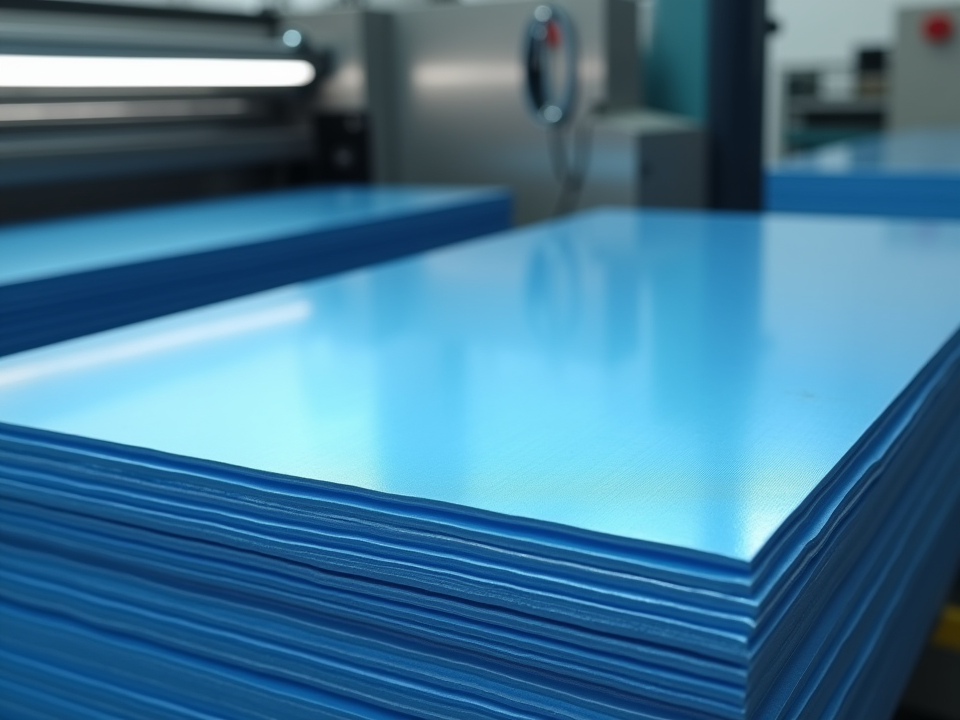
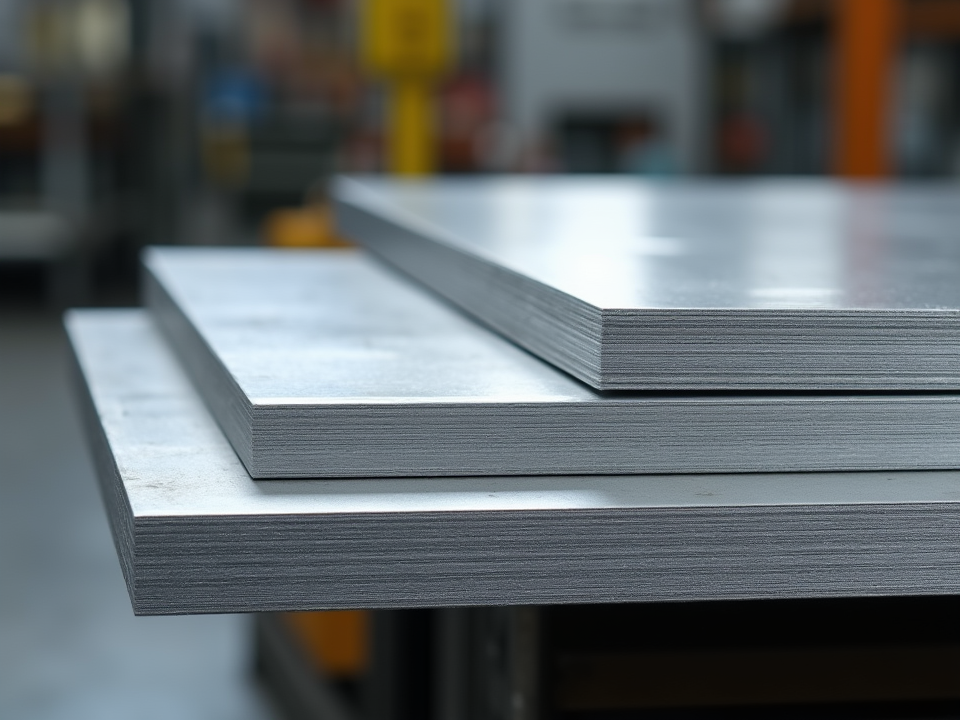
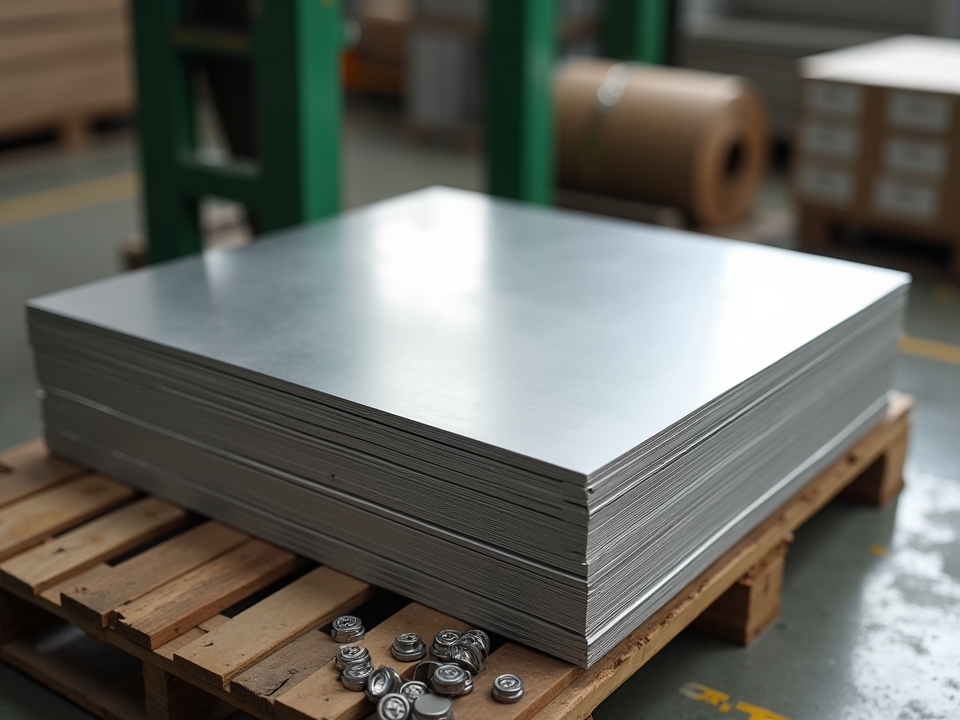
Hard Anodized Alloy Aluminum Plate
A hard anodized alloy aluminum plate can be viewed as a two-layer working material. The aluminum core carries load, transfers heat, and keeps weight low. The anodic oxide layer becomes the working skin, resisting abrasion, reducing metal pickup, improving corrosion resistance, and adding electrical insulation. This is why buyers often choose it not as a decorative metal, but as a functional component for moving, heating, sliding, washing, and long-service environments.
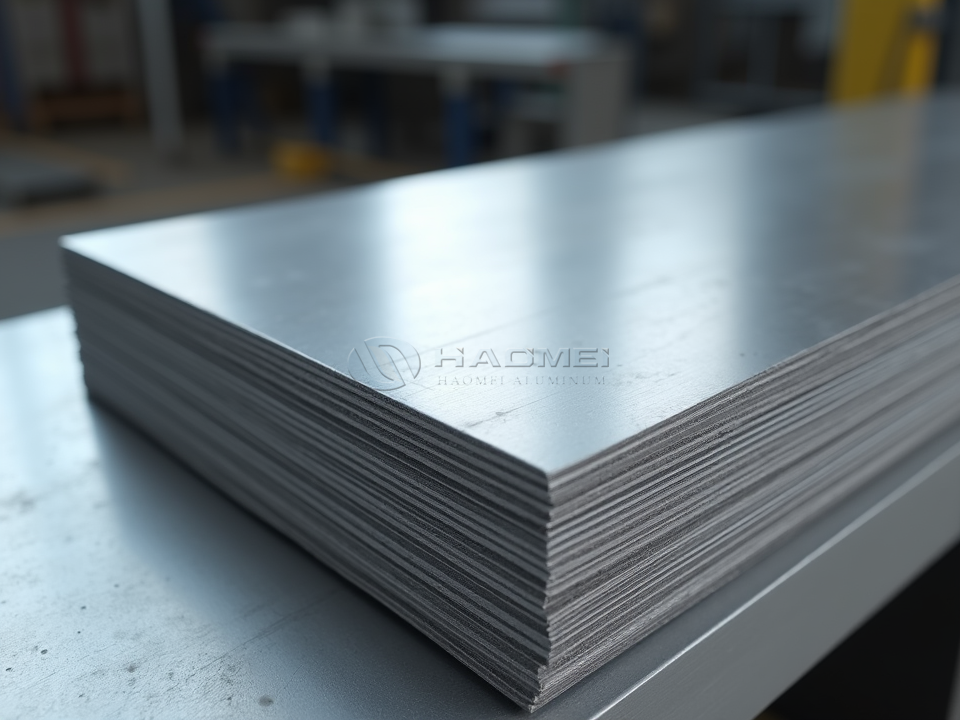
Hard anodizing is an electrochemical conversion process, not a paint or plating layer. The aluminum surface is transformed into dense aluminum oxide, mainly Al2O3. Part of the coating grows into the base metal and part grows outward, so tight-tolerance parts need machining allowance. In many designs, about half of the coating thickness affects dimensional build-up. For a 50 micrometer coating, each surface may gain roughly 25 micrometers outward while a similar amount penetrates inward.
Compared with ordinary anodizing, hard anodizing uses lower electrolyte temperature, higher current density, and longer processing time. The result is a thicker, harder, more wear-resistant oxide. Natural hardcoat color often appears gray, dark gray, bronze, or nearly black depending on alloy chemistry, coating thickness, and sealing method.
Function First: What the Surface Actually Does
Hard anodized alloy aluminum plate solves a common engineering conflict: steel is durable but heavy, while bare aluminum is light but can scratch, gall, or stain. Hardcoat allows the designer to keep the aluminum advantages while moving the contact duty to a ceramic-like surface.
The surface resists sliding wear in guide plates, jigs, machine bases, valve plates, rollers, textile parts, and packaging equipment. It also helps reduce adhesive wear, which is important when aluminum parts rub against plastics, rubber, coated fabrics, or other metals. With PTFE impregnation, friction can be further reduced for dry-running applications.
The oxide layer is electrically insulating, making hard anodized plate useful for electronic fixtures, battery trays, heat spreader plates, dielectric mounting panels, and test equipment. At the same time, the aluminum core still conducts heat well, so cookware bases, heating plates, molds, thermal platforms, and LED-related structures can combine heat distribution with a durable skin.
For corrosion resistance, hard anodizing is strongest when the coating is properly sealed. Sealing closes pores in the oxide and improves resistance to humidity, salt spray, cleaning fluids, and mild chemicals. Unsealed hardcoat is sometimes chosen when maximum wear resistance or oil absorption is more important than stain resistance.
Common Product Parameters
| Item | Typical Range or Condition | Buyer Note |
|---|---|---|
| Base thickness | 0.5-150 mm sheet or plate | Thick plate is preferred for machined parts and fixtures |
| Hard anodized layer | 25-75 micrometers | MIL-PRF-8625 Type III commonly specifies this range |
| Microhardness | About 350-550 HV | Depends strongly on alloy and process control |
| Surface roughness change | Slight increase after coating | Machined finish should be planned before anodizing |
| Coating growth | Around 50 percent outward | Allowance is needed for holes, slots, and mating surfaces |
| Color | Gray, dark gray, bronze, black | Natural shade varies by alloy; dyeing is less stable on very thick hardcoat |
| Sealing options | Hot water, nickel acetate, PTFE, unsealed | Selection depends on corrosion, friction, or wear target |
| Working temperature | Often up to about 200 C for stable service | High heat may affect sealing or dyed color |
| Electrical behavior | Insulating surface | Dielectric value depends on thickness, pores, and sealing |
When sourcing the base metal, many projects start from Alloy Aluminum Sheet and then define the coating after cutting, CNC machining, bending, or drilling. This is more practical than anodizing first, because cutting after anodizing exposes bare aluminum edges.
Alloy Selection and Temper Condition
Not every aluminum alloy behaves the same in hard anodizing. Magnesium, silicon, copper, manganese, and iron influence color, hardness, coating density, corrosion resistance, and cosmetic uniformity. For engineering buyers, alloy choice should be made together with coating requirements.
| Alloy | Common Tempers | Hard Anodizing Behavior | Typical Uses |
|---|---|---|---|
| 6061 | T6, T651, O | Strong mechanical balance, good coating performance, darker hardcoat than pure aluminum | Machine plates, fixtures, automation parts, manifolds |
| 5052 | H32, H34, O | Excellent corrosion resistance, good marine and chemical durability | Marine panels, battery covers, enclosures, food equipment |
| 3003 | H14, H24, O | Good formability, fair hardcoat, widely used in cookware and heat parts | Pots, pans, heat plates, covers, formed components |
| 1050/1060 | O, H14, H24 | Very clean anodic appearance, lower strength, softer base metal | Electrical insulation plates, reflectors, simple panels |
| 7075 | T6, T651 | Very high strength but more difficult coating control due to copper and zinc | Aerospace fixtures, high-load plates with controlled processing |
For machined structural parts, 6061 Aluminum Sheet in T6 or T651 temper is often selected because it balances strength, machinability, flatness, and anodizing response. For formed housings or panels exposed to moisture, 5052-H32 is often a better fit. For cookware and deep-formed shapes, 3003 or 3004 series aluminum is common because it forms well before hard anodizing.
Temper matters because hard anodizing is performed after fabrication. O temper bends and deep draws easily but has lower strength. H tempers provide strain-hardened strength for non-heat-treatable alloys. T6 and T651 tempers provide high strength for heat-treatable alloys such as 6061, with T651 adding stress relief for better stability during machining.
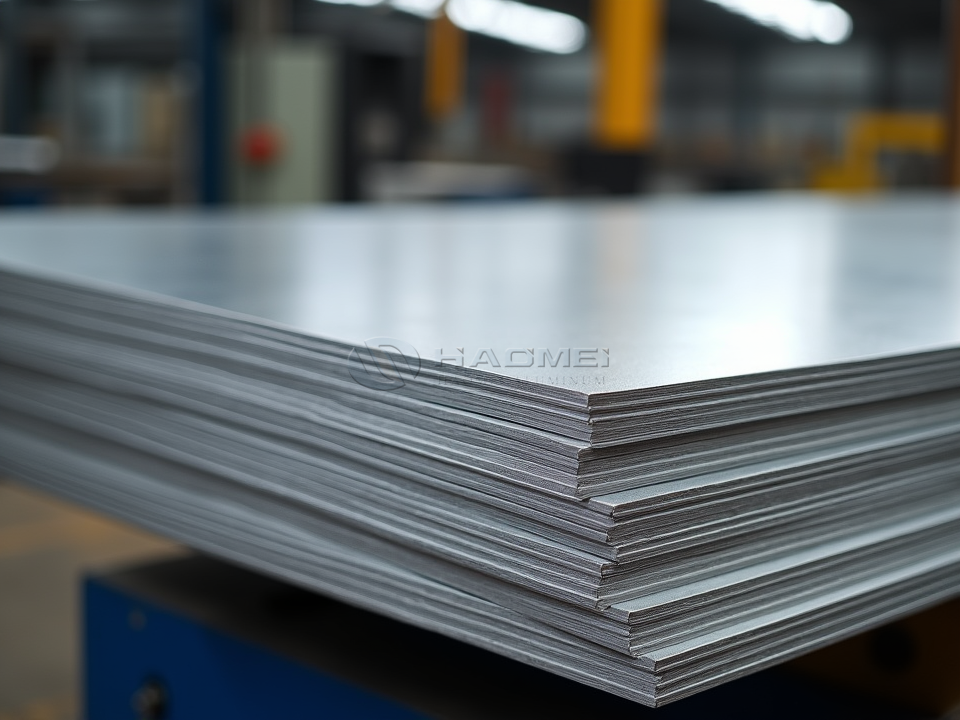
Chemical Composition and Surface Behavior
| Alloy | Si | Fe | Cu | Mn | Mg | Cr | Zn | Al | Surface Note |
|---|---|---|---|---|---|---|---|---|---|
| 6061 | 0.40-0.80 | <=0.70 | 0.15-0.40 | <=0.15 | 0.80-1.20 | 0.04-0.35 | <=0.25 | Balance | Dense hardcoat, good wear resistance, natural gray tone |
| 5052 | <=0.25 | <=0.40 | <=0.10 | <=0.10 | 2.20-2.80 | 0.15-0.35 | <=0.10 | Balance | Strong corrosion resistance, good for humid service |
| 3003 | <=0.60 | <=0.70 | 0.05-0.20 | 1.00-1.50 | - | - | <=0.10 | Balance | Formable, suitable for cookware and formed plates |
| 1050 | <=0.25 | <=0.40 | <=0.05 | <=0.05 | <=0.05 | - | <=0.05 | >=99.50 | Clean anodic finish, lower mechanical strength |
Copper-rich alloys can form darker, less corrosion-resistant coatings if process control is weak. High-silicon alloys may show uneven color or lower coating uniformity. Pure aluminum and 5xxx alloys usually show cleaner anodic behavior, while 6xxx alloys offer the most balanced performance for industrial plates.
Standards and Processing Conditions
Hard anodized alloy aluminum plate is usually specified through both base material standards and surface treatment standards. The base aluminum plate may follow ASTM B209, EN 485, GB/T 3880, or JIS H4000. The hard anodized coating may reference MIL-PRF-8625 Type III, ISO 7599, ASTM B580, or AMS 2469, depending on industry and destination market.
Process conditions are normally controlled rather than guessed. A typical hard anodizing bath uses sulfuric acid electrolyte at low temperature, often near -5 C to 5 C. Current density may fall around 2-5 A/dm2, with voltage rising as the oxide thickens. Time depends on target coating thickness, alloy, rack contact, bath agitation, and cooling capacity.
Before anodizing, the plate is degreased, etched or mechanically finished, desmutted, rinsed, anodized, rinsed again, and then sealed or left unsealed. For precision parts, threaded holes, bearing seats, electrical contact zones, and tight bores should be masked. Sharp corners should be radiused because current concentrates at edges and can cause burning or uneven coating.
Applications Seen Through Contact, Heat, and Cleanability
In automation equipment, hard anodized plate is used for sliding tables, guide blocks, sensor mounts, pick-and-place fixtures, and tooling bases. These parts need stable dimensions, low mass, and a surface that survives repeated contact.
In cookware, bakeware, and food machinery, hard anodized aluminum spreads heat faster than stainless steel while offering a tougher surface than bare aluminum. The hardcoat can improve scratch resistance and reduce staining, while sealed coatings help with cleaning.
In electronics and energy systems, hard anodized plate works as an insulating heat carrier. Battery modules, test benches, power supply plates, and LED heat platforms can use the aluminum core for thermal transfer while the oxide layer adds dielectric separation.
In marine, transport, and outdoor equipment, 5052 hard anodized plate provides a strong mix of salt resistance, low weight, and attractive matte appearance. It is used for panels, steps, covers, handles, brackets, and protective parts where painted surfaces may chip.
Hard anodized alloy aluminum plate is best specified as a complete system: alloy, temper, thickness, flatness, surface finish, coating thickness, sealing method, color expectation, masking drawing, and inspection standard. When these details are clear, the finished plate becomes more than aluminum with a dark surface. It becomes a lightweight working surface built for wear, heat, insulation, and repeatable service.