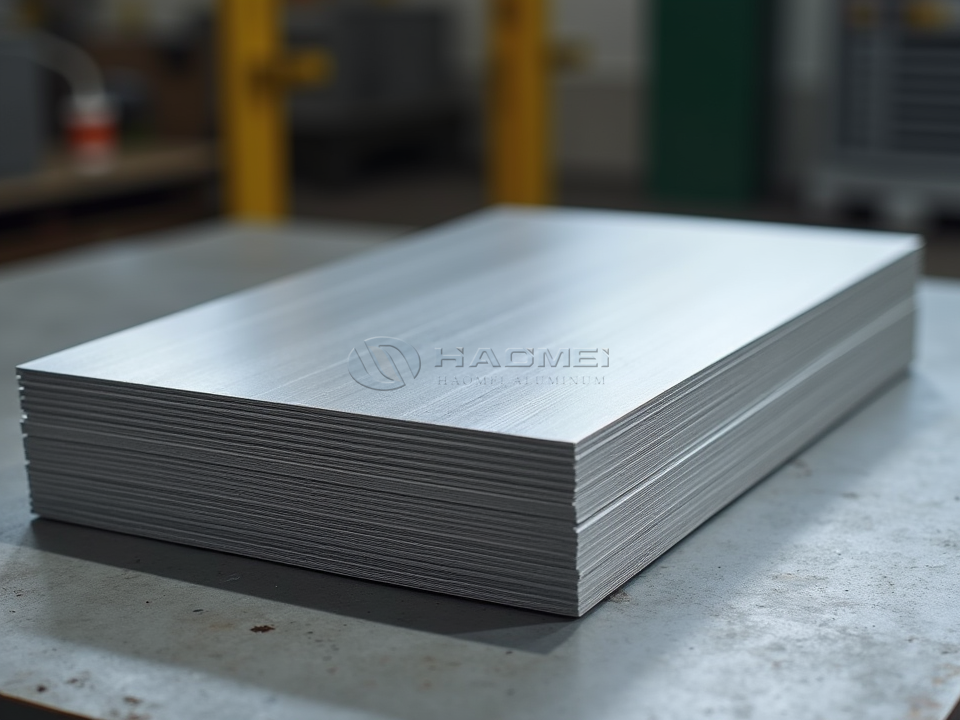
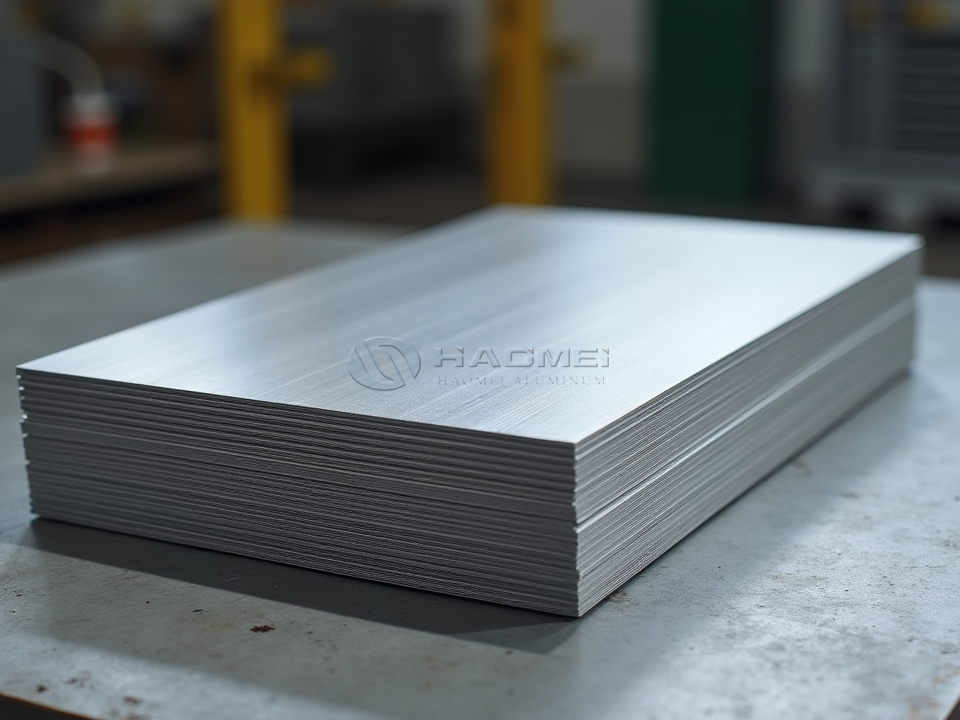
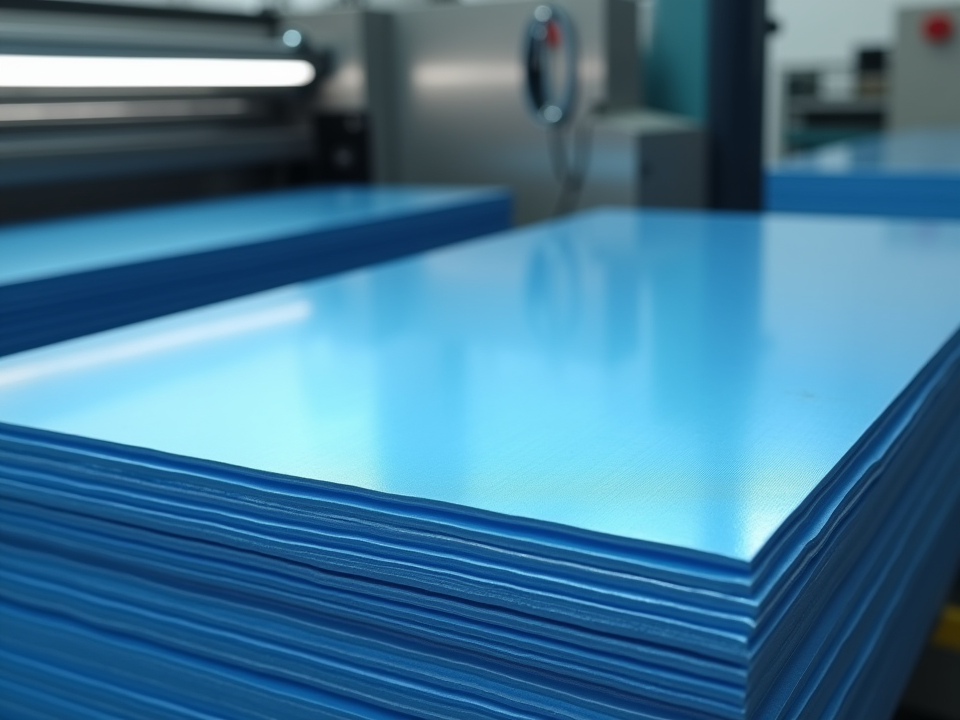
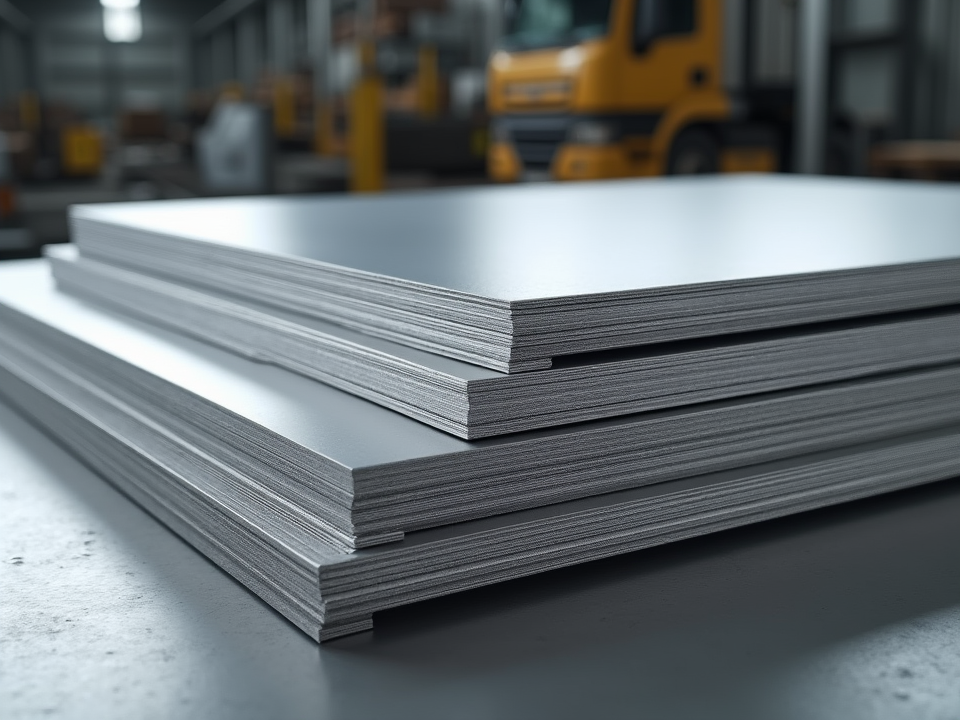
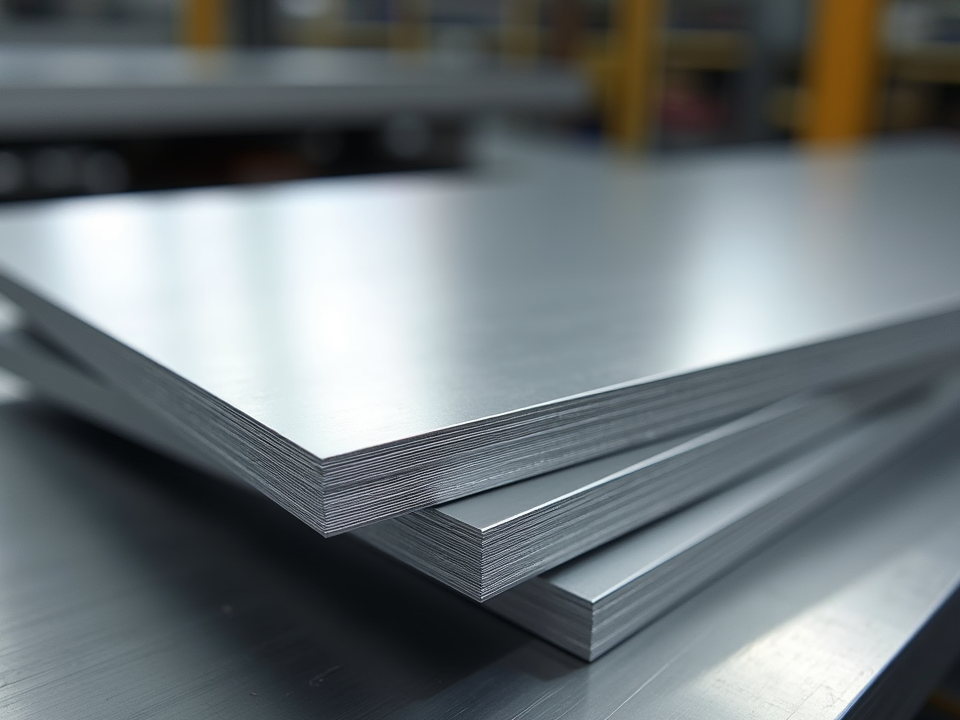
1100 Alloy Aluminum Sheet Factory
In a 1100 alloy aluminum sheet factory, the product is not judged only by how bright the surface looks. Its real value appears when it is bent into a sign panel, stamped into a kitchen part, spun into a lighting reflector, or used as a corrosion-resistant liner. 1100 aluminum sheet is one of the most commercially pure aluminum materials, with aluminum content of at least 99.00%. This high purity gives it excellent ductility, strong corrosion resistance, good thermal conductivity, and reliable workability.
For customers, the question is simple: why choose 1100 instead of a stronger alloy? The answer is that 1100 is built for forming, surface quality, conductivity, and chemical stability rather than high structural strength. At Haomei Aluminum CO., LTD., Inc., production control focuses on flatness, thickness tolerance, surface cleanliness, and temper accuracy so the sheet performs consistently after cutting, bending, deep drawing, embossing, or coating.
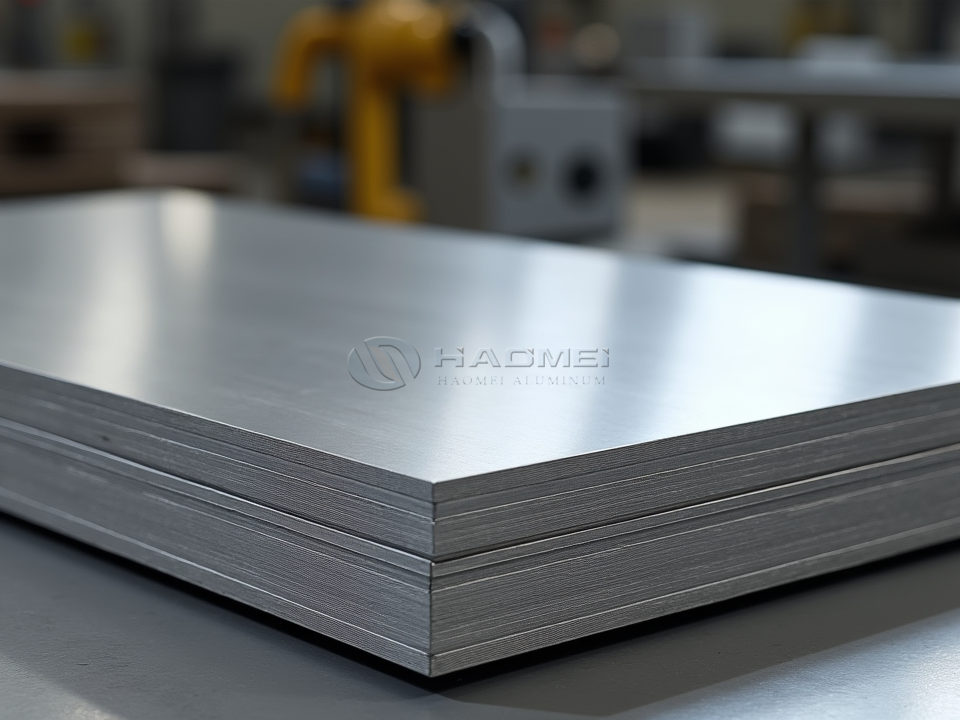
What 1100 Aluminum Sheet Does Best
The main function of 1100 aluminum sheet is to provide a clean, formable, corrosion-resistant metal surface. It can be shaped with low forming force, which makes it suitable for parts that need smooth curves, shallow drawing, spinning, or repeated bending. In O temper, it feels soft and flexible; in H14 or H24 temper, it becomes firmer while still keeping good fabrication ability.
Its high aluminum purity also supports excellent thermal and electrical conductivity. This is why it is often used in heat exchange fins, electrical panels, busbar-related components, nameplates, and decorative plates. It does not offer the strength of 5052 or 6061, but it gives better formability than many harder alloys. For buyers comparing pure aluminum grades, 1100 is often selected when slightly higher strength than 1050 is helpful while keeping similar processing behavior. Customers who need another commercially pure grade may also compare it with 1050 Aluminum Sheet for purity, softness, and forming requirements.
Factory View: The Sheet Is Designed Before It Is Shipped
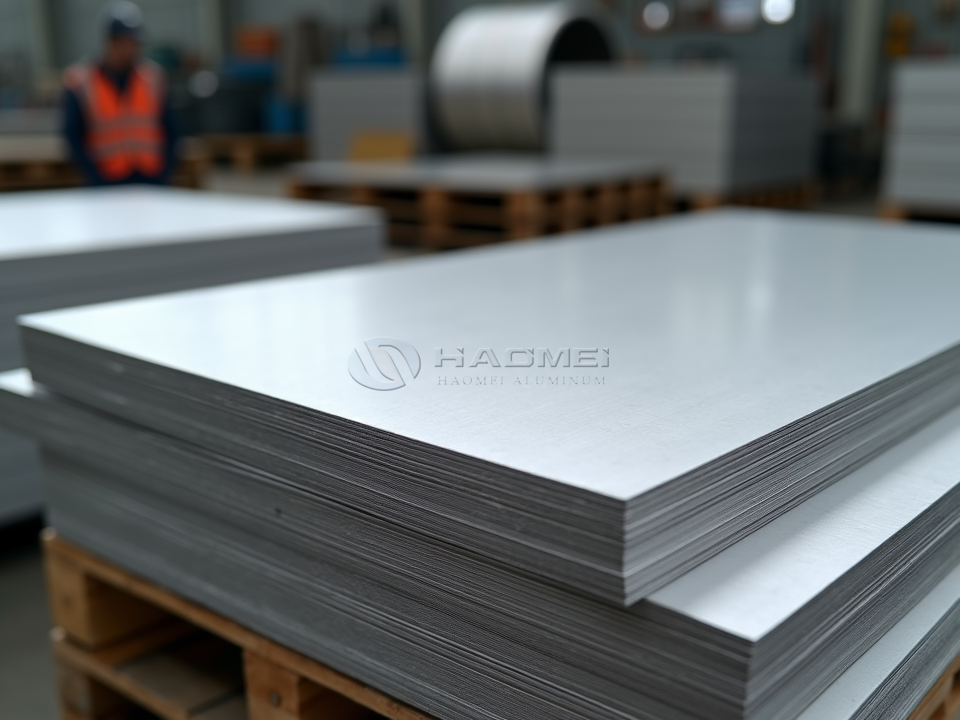
A reliable 1100 alloy aluminum sheet factory treats every coil or sheet as a controlled industrial material, not a simple metal plate. The process normally includes melting, casting, scalping, hot rolling, cold rolling, annealing, tension leveling, cutting, and packing. Each stage changes how the final sheet behaves.
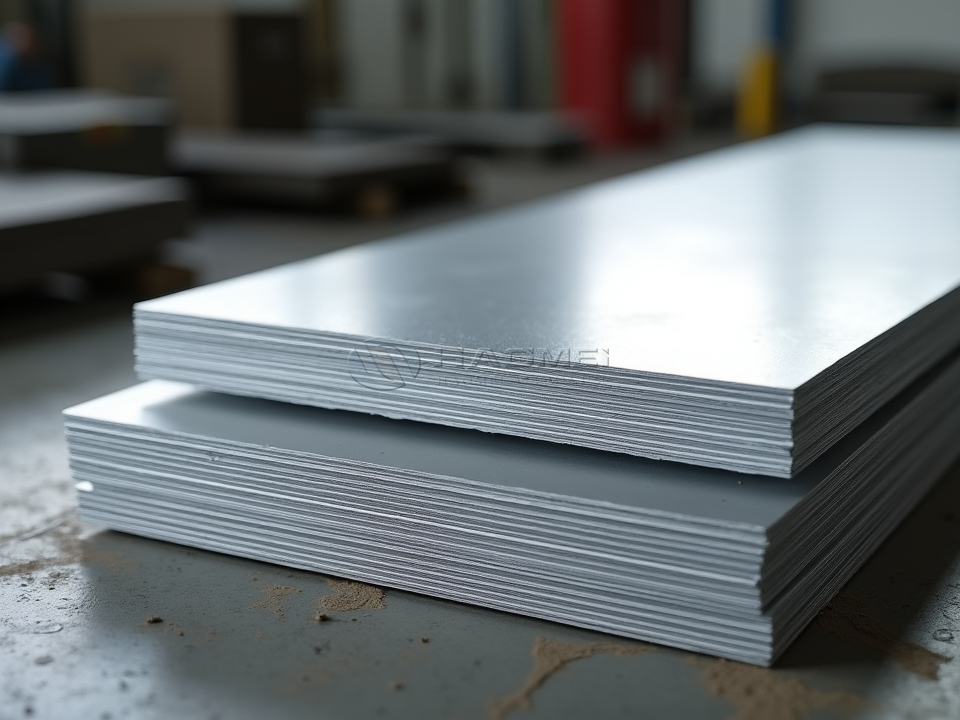
Cold rolling improves thickness precision and surface finish. Annealing determines softness and ductility. Tension leveling improves flatness for laser cutting, printing, coating, and punching. Protective paper or film prevents scratches during transportation. These details are important because many 1100 applications expose the metal surface directly, especially in signage, decorative panels, reflective parts, and household products.
Typical Product Parameters
| Item | Common Range or Requirement |
|---|---|
| Alloy | 1100 aluminum sheet |
| Aluminum purity | 99.00% minimum |
| Common tempers | O, H12, H14, H16, H18, H22, H24 |
| Thickness | 0.2 mm-6.0 mm commonly supplied; thicker plates can be discussed |
| Width | 100 mm-1600 mm typical production range |
| Length | Cut-to-size sheets or coil form according to order |
| Surface | Mill finish, brushed, anodized-ready, coated-ready, embossed available by request |
| Density | About 2.71 g/cm³ |
| Melting range | About 643-657°C |
| Electrical conductivity | Around 59% IACS, depending on temper and processing |
| Thermal conductivity | About 220 W/m·K |
| Weldability | Excellent by TIG, MIG, resistance welding, and brazing methods suitable for pure aluminum |
| Machinability | Fair; better results with proper tools and lubrication |
These parameters can be adjusted according to application. For example, a lighting reflector may require high surface brightness and low waviness, while a stamped cover may require O temper with controlled elongation.
Chemical Composition of 1100 Aluminum Sheet
| Element | Content, % |
|---|---|
| Aluminum, Al | 99.00 min |
| Silicon + Iron, Si + Fe | 0.95 max |
| Copper, Cu | 0.05-0.20 |
| Manganese, Mn | 0.05 max |
| Zinc, Zn | 0.10 max |
| Other single element | 0.05 max |
| Other total elements | 0.15 max |
The small copper content helps distinguish 1100 from ultra-pure aluminum grades. It gives a modest strength increase while preserving excellent workability. The limited impurity range also supports good surface finishing and stable corrosion resistance in normal atmospheric conditions.
Temper Conditions and Mechanical Behavior
1100 is a non-heat-treatable aluminum alloy. Its strength is mainly adjusted by cold working and annealing rather than solution heat treatment. This makes temper selection very important.
| Temper | Processing Condition | Typical Tensile Strength | Typical Yield Strength | Typical Elongation | Best Fit |
|---|---|---|---|---|---|
| O | Fully annealed, soft | 75-105 MPa | 25-35 MPa | 20-35% | Deep drawing, spinning, bending |
| H12 | Strain-hardened, quarter hard | 95-125 MPa | 75 MPa approx. | 8-15% | Light forming with better stiffness |
| H14 | Strain-hardened, half hard | 110-145 MPa | 95 MPa approx. | 3-10% | Panels, nameplates, covers |
| H16 | Strain-hardened, three-quarter hard | 130-165 MPa | 115 MPa approx. | 2-6% | Flat parts with higher rigidity |
| H18 | Full hard | 150 MPa and above | 135 MPa approx. | 1-4% | Products needing stiffness, limited forming |
| H24 | Strain-hardened and partially annealed | 110-145 MPa | 90 MPa approx. | 4-12% | Balanced forming and dimensional stability |
Values are typical references and may vary by thickness, standard, and production route. A responsible factory confirms mechanical properties according to the purchase standard and customer application.
Standards Used for Production and Inspection
1100 aluminum sheet can be supplied according to major international standards. Common references include ASTM B209 for aluminum and aluminum-alloy sheet and plate, EN 485 for aluminum sheet, strip, and plate in Europe, GB/T 3880 for Chinese aluminum sheet and strip, and JIS H4000 for Japanese industrial aluminum sheets.
Factory inspection usually covers chemical composition, tensile properties, thickness tolerance, width and length tolerance, diagonal difference, surface quality, flatness, and packing condition. For export projects, mill test certificates can be provided to match the selected standard.
Applications That Match the Character of 1100
In architecture and decoration, 1100 aluminum sheet is used for ceiling panels, wall panels, trim strips, nameplates, signs, and embossed sheets. It is easy to cut, punch, bend, and paint, making it practical for visible metal components.
In kitchenware and household products, it is found in cookware parts, lids, trays, storage containers, and appliance panels. Its formability helps manufacturers create smooth shapes with fewer cracks or edge defects.
In electrical and thermal fields, 1100 is valued for conductivity. It is used in heat sinks, heat exchange fins, transformer parts, cable wrapping, and conductive panels where purity and heat transfer matter more than high load-bearing strength.
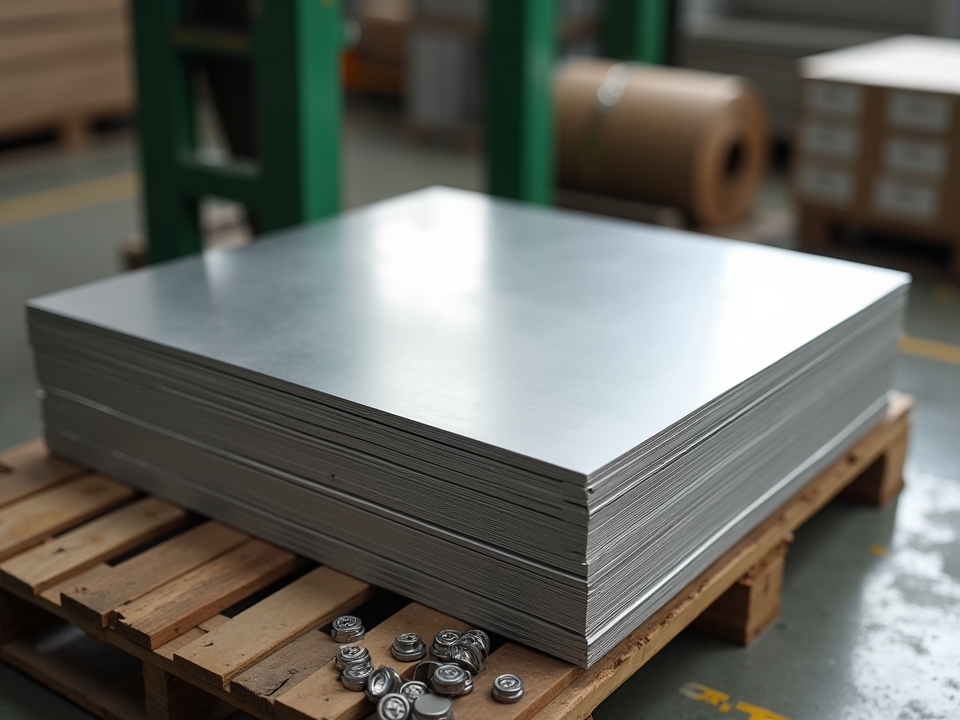
In chemical and packaging environments, 1100 performs well because of its natural oxide film. It is used for storage equipment, chemical containers, bottle caps, closures, and general packaging components. For applications requiring higher strength or improved marine resistance, buyers may compare the full Alloy Aluminum Sheet range to choose a better match.
How to Choose the Right 1100 Sheet
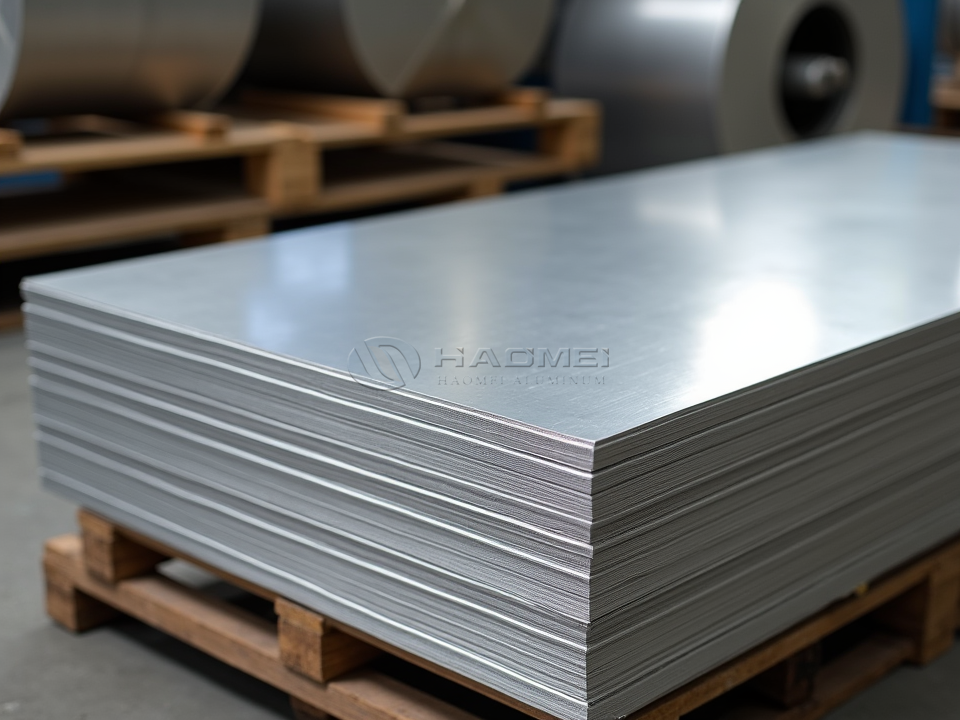
The fastest way to specify 1100 aluminum sheet is to define the forming method, surface requirement, thickness, temper, and final environment. If the part needs deep drawing, O temper is usually safer. If the part must stay flatter after cutting or punching, H14 or H24 may be better. If the surface will be printed, anodized, brushed, or coated, surface protection and oil control should be discussed before production.
Thickness tolerance also matters. Thin sheets for stamping need stable coil quality, while thicker sheets for panels need good flatness and low internal stress. For visible applications, buyers should confirm whether slight rolling lines, oil marks, or handling marks are acceptable.
A professional 1100 alloy aluminum sheet factory does more than ship metal. It helps match alloy purity, temper, flatness, surface finish, and packaging to the real working condition of the customer. With the right specification, 1100 aluminum sheet becomes a dependable material for forming, conducting, protecting, and decorating across many industries.