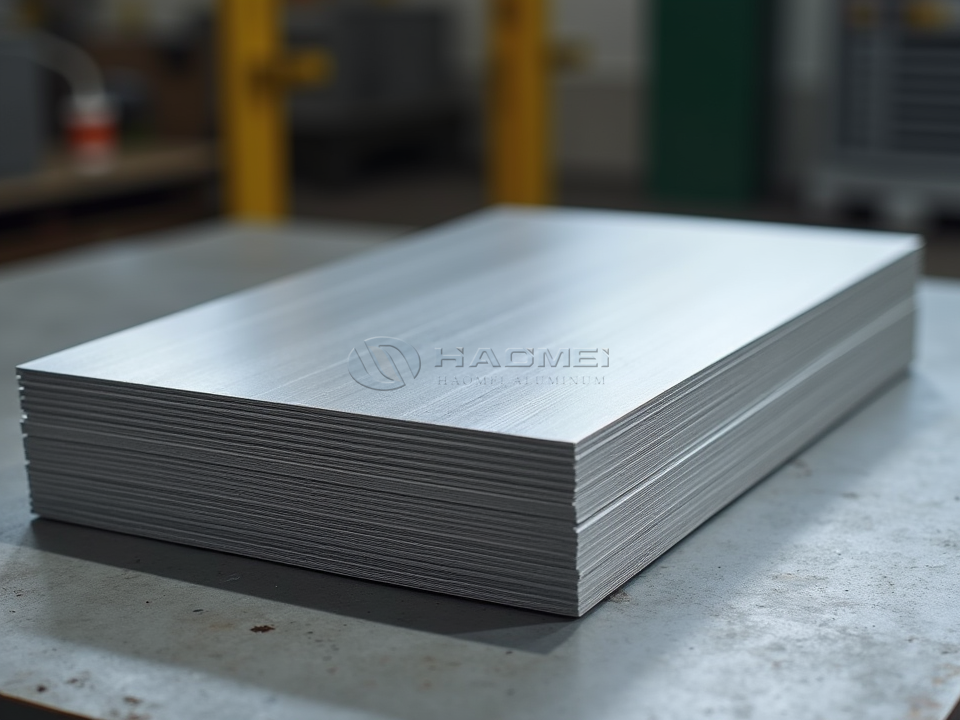
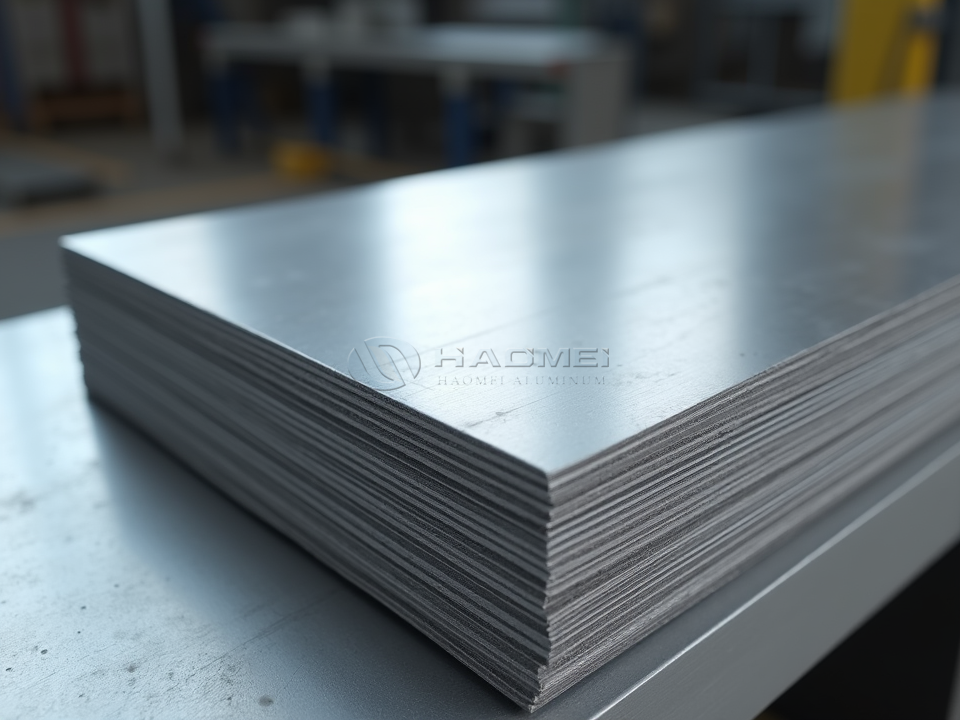
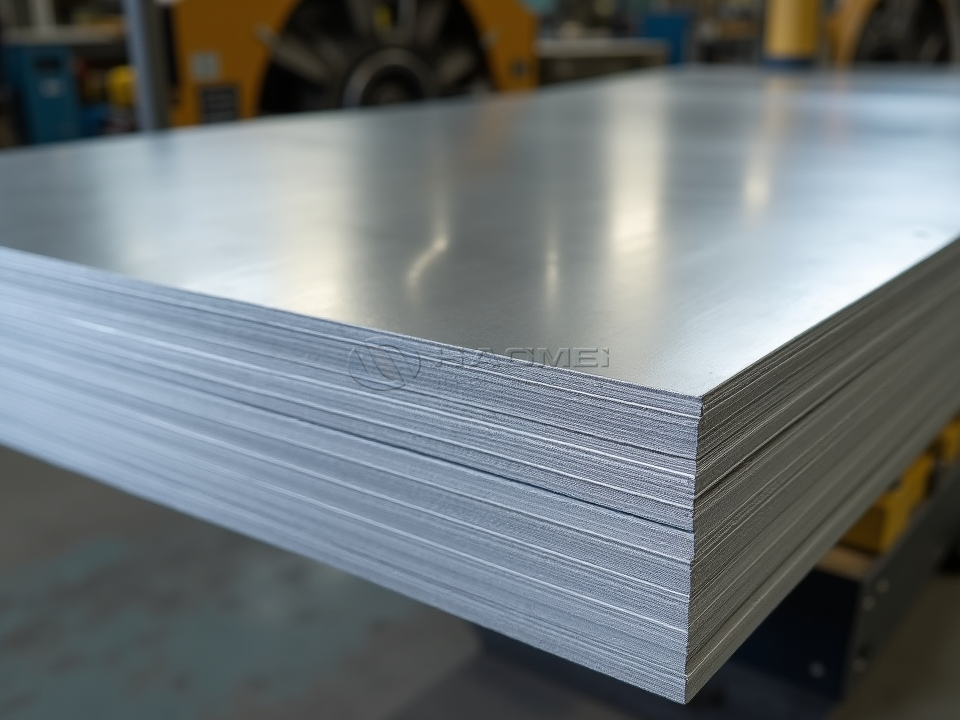
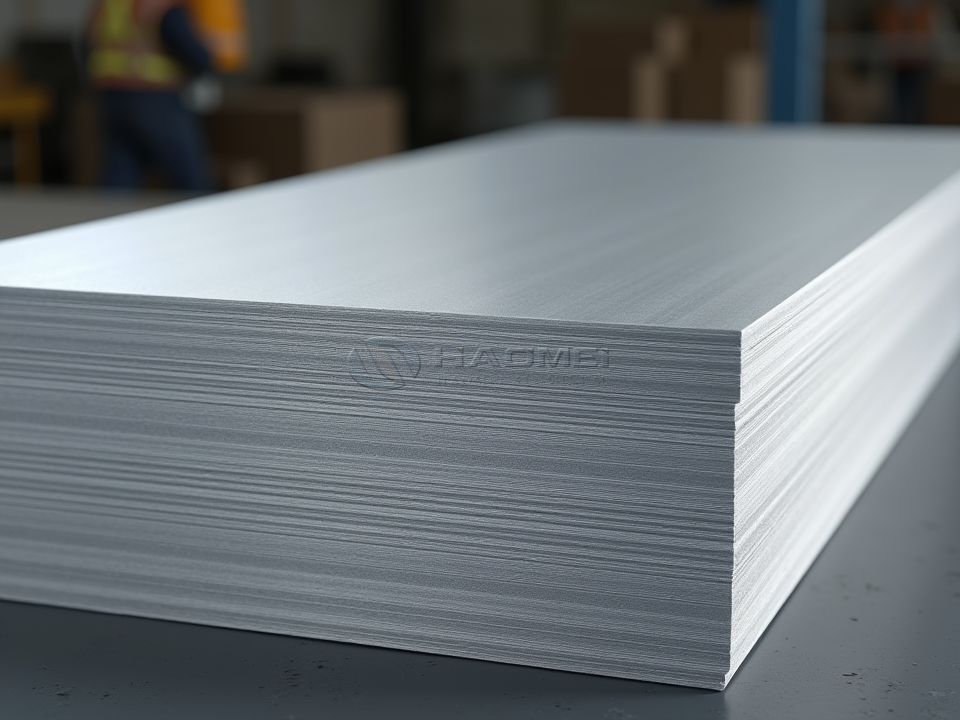
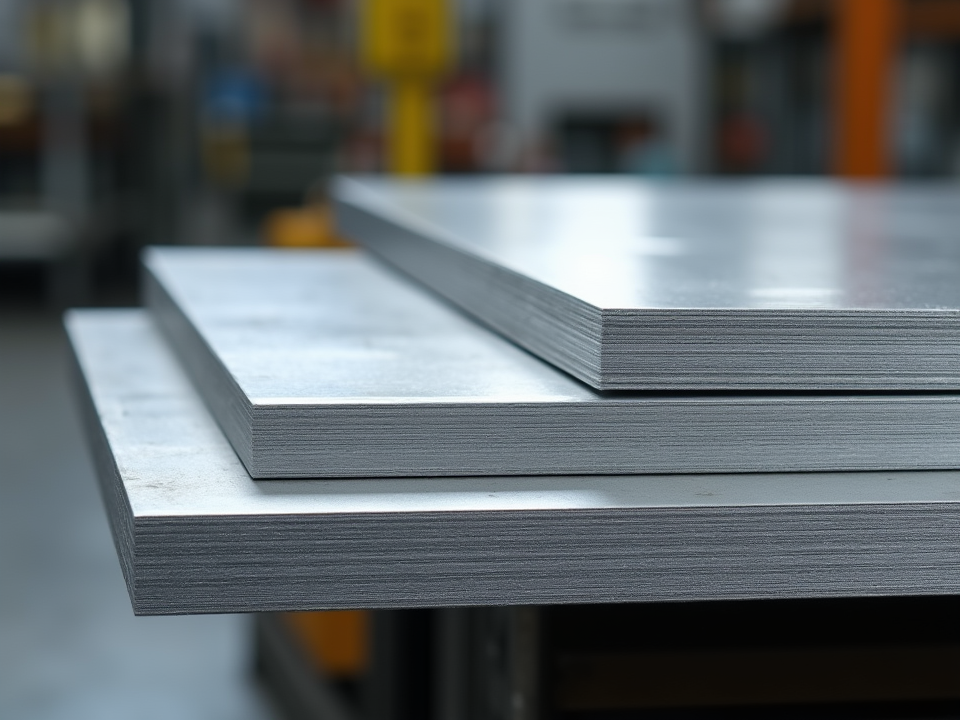
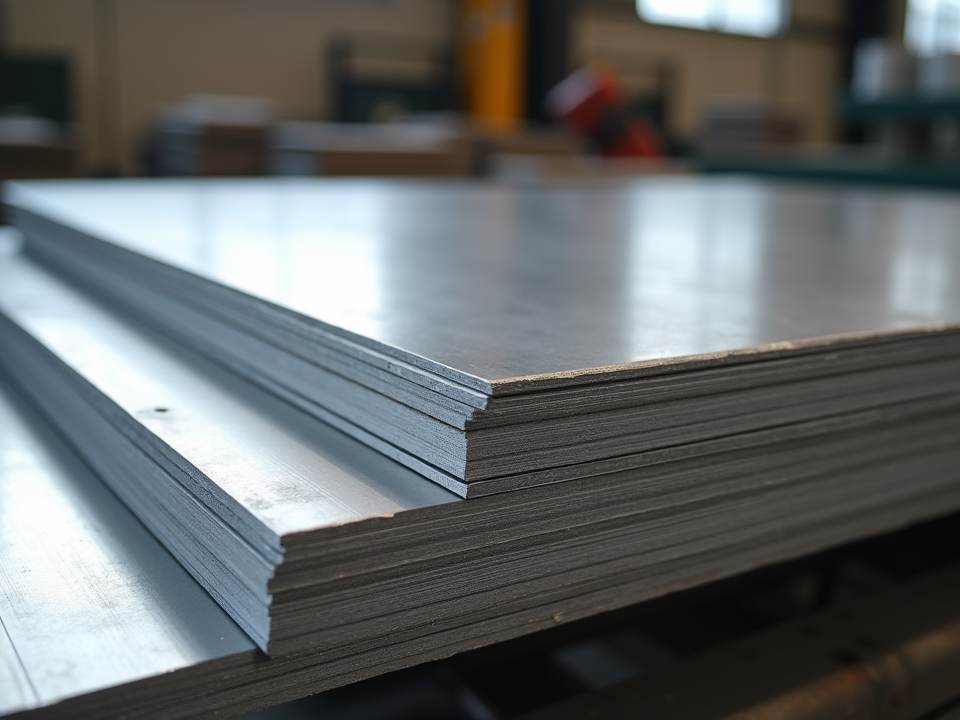
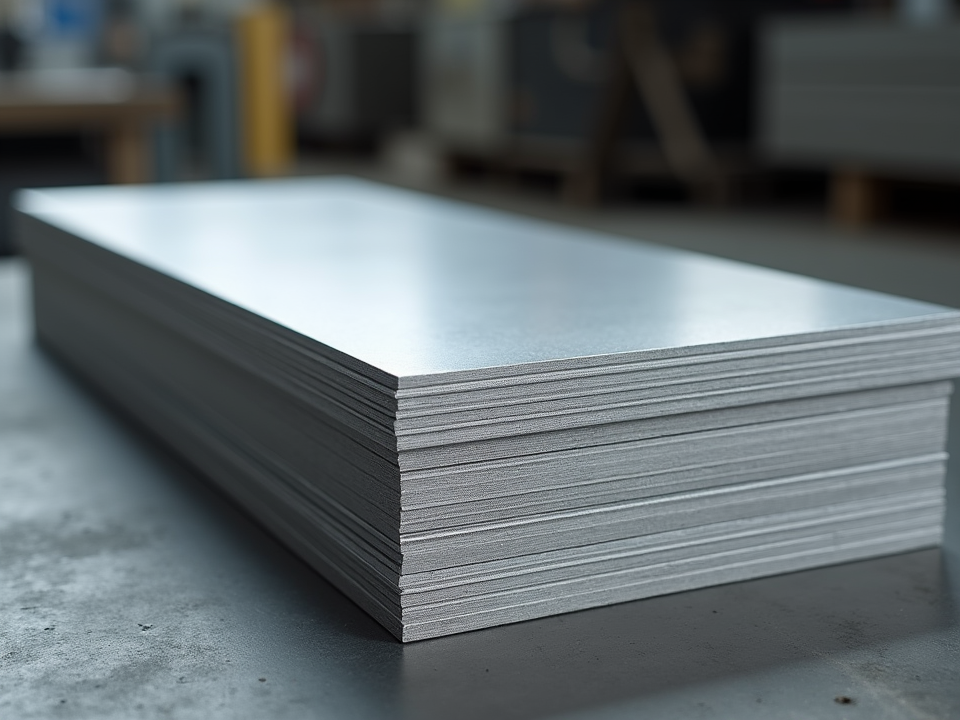
Commercial Grade Aluminum Sheet Plate
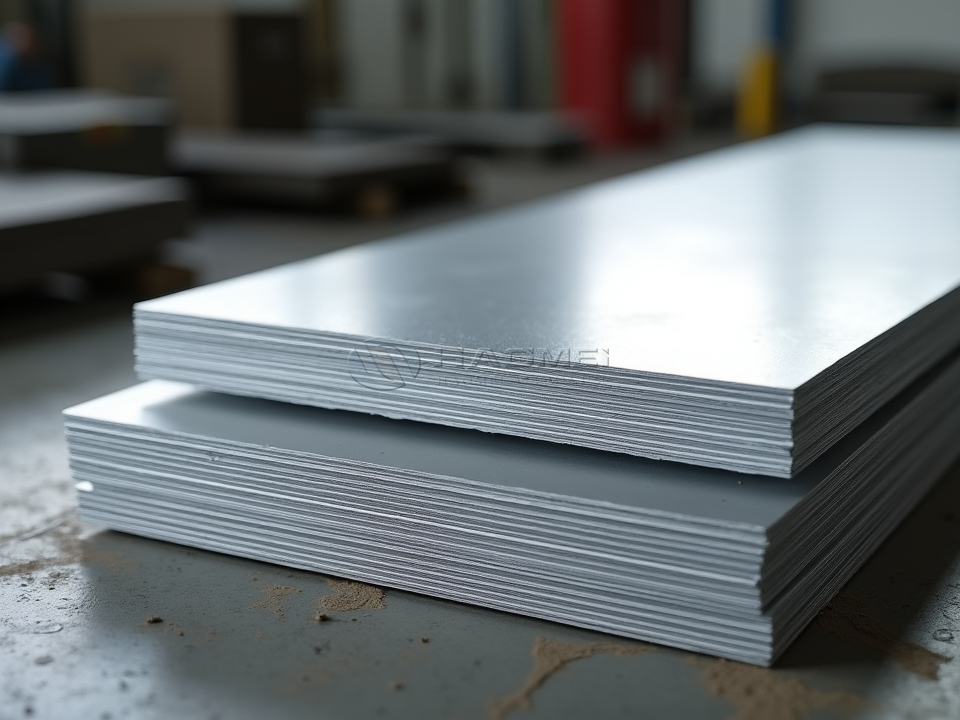
Commercial grade aluminum sheet plate is often treated as a simple line item: alloy, thickness, size, quantity. On the shop floor, it behaves more like a passport. It carries clues about where it can travel, how it can be formed, what surface it can show, and how much stress it can accept before the job becomes expensive. For customers, reading that passport well is the difference between buying metal and buying trouble-free production.
The term commercial grade does not point to one single alloy. It usually refers to practical aluminum sheet and plate used in common fabrication, decoration, enclosure building, signage, tanks, panels, transport parts, and general industrial work. It is not the same as aerospace material with highly specialized certification demands, yet it should never mean careless quality. Good commercial aluminum still needs stable chemistry, consistent thickness, reliable temper, clean surface condition, and packaging that protects the sheet until it reaches your machine.
The buying decision starts with the job, not the alloy name
Many purchasing mistakes begin when the alloy is chosen before the part is understood. A decorative cover plate, a chemical tank, a bent electrical cabinet, and a machined fixture may all be made from aluminum sheet plate, but they do not ask the metal for the same behavior.
Soft commercial pure aluminum such as 1050, 1060, and 1100 is valued for formability, conductivity, corrosion resistance, and a bright, clean appearance. These grades are friendly to deep drawing, spinning, stamping, and light-duty panels. If your project needs a highly workable material with good surface response, 1050 Aluminum Sheet is often considered for reflectors, nameplates, cookware, lamp parts, and decorative panels.
Manganese alloy 3003 is a common step up when customers want better strength while keeping good formability. It is widely used for roofing, insulation jacketing, storage tanks, trailer panels, and general sheet metal work. Magnesium alloy 5052 brings stronger corrosion resistance, especially in marine and humid environments. For boat fittings, truck bodies, fuel tanks, floor plates, and outdoor equipment, 5052 Aluminum Sheet is often a safer choice than a softer commercial pure grade.
6061 is different again. It is more structural and machinable, especially in T6 temper, but it is not as easy to bend tightly as softer sheet. Customers sometimes choose it because it sounds strong, then discover cracking at the press brake. Strength is useful only when it matches the forming route.
Temper is the mood of the metal
Alloy tells you what the aluminum is made of. Temper tells you how it has been treated. This matters because the same alloy can feel like a different material in another temper.
O temper is annealed and soft, helpful for deep drawing, heavy forming, and parts that need generous movement without splitting. H14 is half-hard, common for flat panels and moderate bending. H24 has strain hardening plus partial annealing, offering a controlled balance between formability and strength. T6, often seen in 6061 plate, gives high strength through heat treatment and artificial aging, but bending must be planned with larger radii and correct grain direction.
Buying only by alloy is like ordering shoes by color. The color may be right, but the fit may fail. For repeat production, state both alloy and temper clearly on the purchase request, and match the temper to cutting, bending, punching, welding, or machining.
Sheet or plate: the thickness changes the conversation
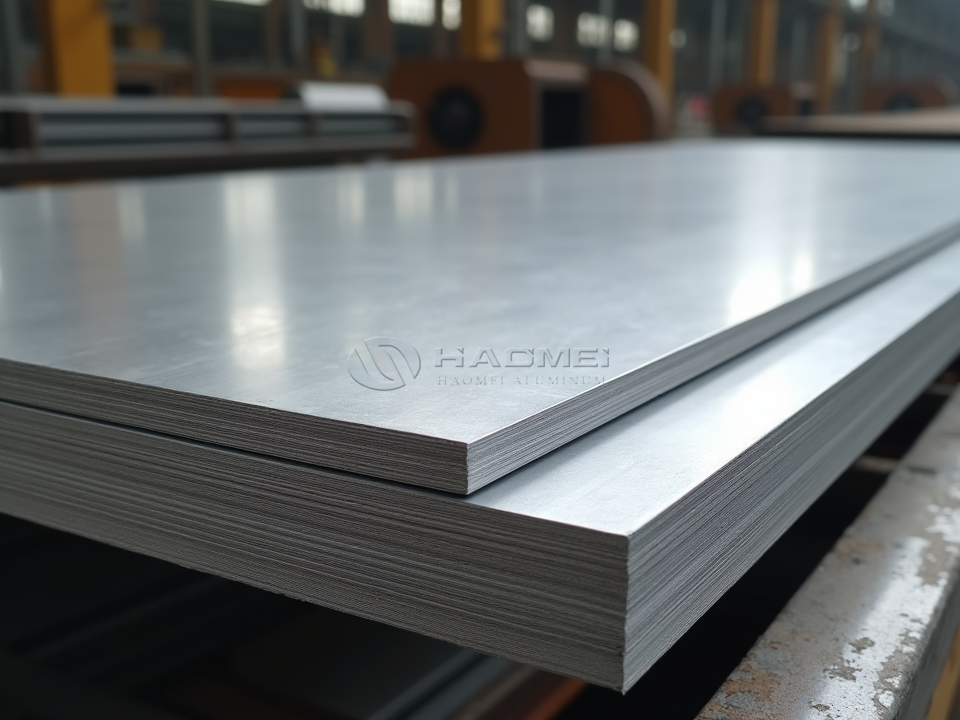
In many markets, aluminum sheet refers to thinner material, while aluminum plate refers to heavier thickness. In daily buying, the phrase aluminum sheet plate is used because customers may need anything from thin panel stock to thick machined blanks. The important point is not the label but the tolerance, flatness, and processing method.
Thin sheet is sensitive to scratches, waviness, and handling marks. It needs careful packing, especially if the visible surface matters. Medium thickness sheet used for cabinets, panels, and guards must balance flatness with bend performance. Thick plate brings more attention to internal stress, sawing allowance, machining stability, and flatness after cutting.
If the part will be laser cut, waterjet cut, stamped, bent, or CNC machined, mention that during inquiry. A mill can often suggest a better temper or tolerance route when it understands the process.
Surface finish is not cosmetic afterthought
For many customers, surface condition decides whether the material is acceptable before any strength test is discussed. Mill finish is common and economical, but it may show rolling lines, light oil, or minor handling traces within accepted commercial practice. Brushed, anodized, mirror, embossed, or coated finishes require tighter visual control.
If the sheet will be painted, the surface must be clean and suitable for pretreatment. If it will be anodized, alloy selection becomes more sensitive because different alloys anodize with different color tones. If it will remain visible on a ceiling, facade, appliance, or sign, protective film may be worth the small added cost.
A practical rule is simple: if customers will see the surface, describe the visual requirement before ordering. If only the fabricator will see it, focus more on thickness, flatness, mechanical properties, and yield.
The quiet cost of wrong tolerances
Commercial grade aluminum sheet plate is attractive because it offers good value. Still, the cheapest quote can become costly when tolerances are vague. Thickness variation may affect bending angle. Poor flatness may slow CNC machining. Rough edge quality may require extra deburring. Inconsistent sheet dimensions may disturb nesting plans and raise scrap.
Customers who buy regularly often create a material note for each part. It states alloy, temper, thickness, width, length, surface requirement, protective film, grain direction if needed, tolerance standard, certificate request, packing method, and delivery format. That small note prevents long email chains and helps suppliers quote accurately.
Commercial grade does not mean low grade
The word commercial sometimes causes confusion. It should mean fit for normal commercial and industrial use, not inferior or random. A reliable commercial grade aluminum sheet plate order can still be produced according to ASTM B209, EN 485, or other agreed standards. It can still carry mill test certificates. It can still be inspected for thickness, mechanical properties, and surface quality.
What makes it commercial is the balance. It is not over-specified beyond the job. A simple sign panel does not need aircraft-level paperwork. A bent enclosure does not need the highest strength alloy if a softer grade will form better and cost less. A marine bracket should not be made from the cheapest pure aluminum if corrosion and fatigue are part of daily service.
How to speak the language of a clean order
A strong inquiry sounds practical. It tells the supplier what the material must survive. For example, a customer may need 2.0 mm 3003 H14 sheet, mill finish with PVC film on one side, cut to 1220 x 2440 mm, for bending into appliance panels. Another may need 8 mm 5052 plate, flat and clean, for marine equipment bases, with test certificate and export packing. These requests are easy to understand because they connect the metal to the work.
When details are missing, the supplier has to guess. Guessing can lead to unsuitable temper, wrong finish, or packaging that does not protect the surface during sea freight. For international buyers, packing deserves extra attention: wooden pallets, moisture protection, edge guards, paper interleaving, and clear labels can matter as much as the alloy itself.
A material chosen for movement
Commercial grade aluminum sheet plate is popular because it moves easily through modern industry. It can be cut, punched, bent, welded, riveted, painted, anodized, and recycled. It reduces weight without giving up useful strength. It resists corrosion better than many steels. It also adapts to both small workshops and large production lines.
The best way to buy it is to stop seeing it as a commodity slab and start seeing it as a partner in fabrication. Ask what the part will become. Ask how it will be processed. Ask which surface will face the customer. Ask whether the metal needs to bend, carry load, resist weather, conduct electricity, or simply look clean for years.
When those answers are clear, commercial grade aluminum sheet plate becomes easier to choose, easier to quote, and easier to trust in production.