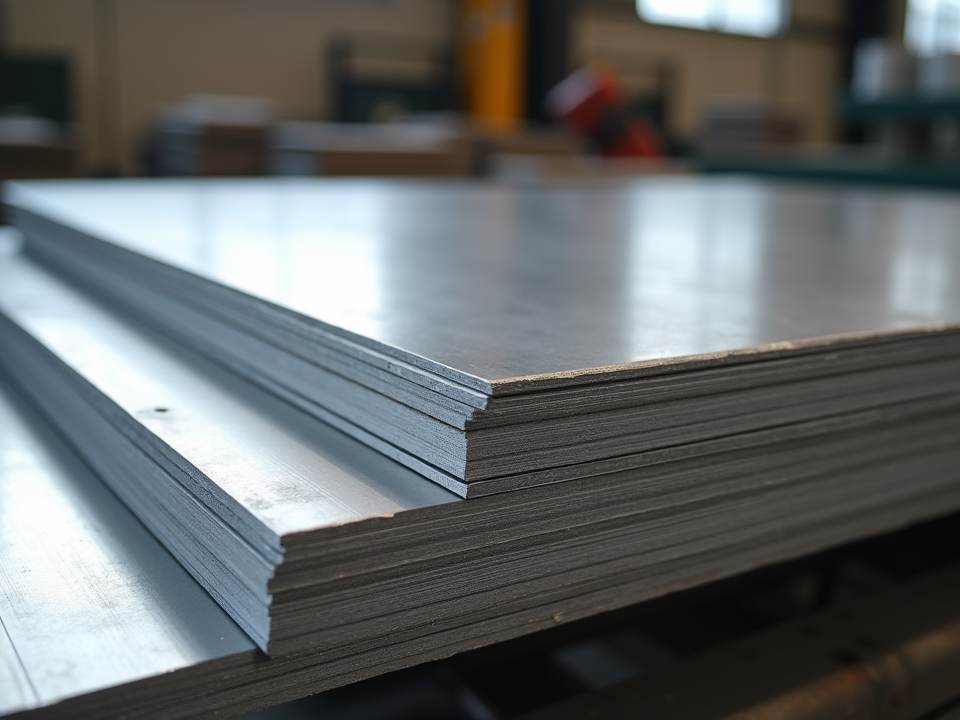
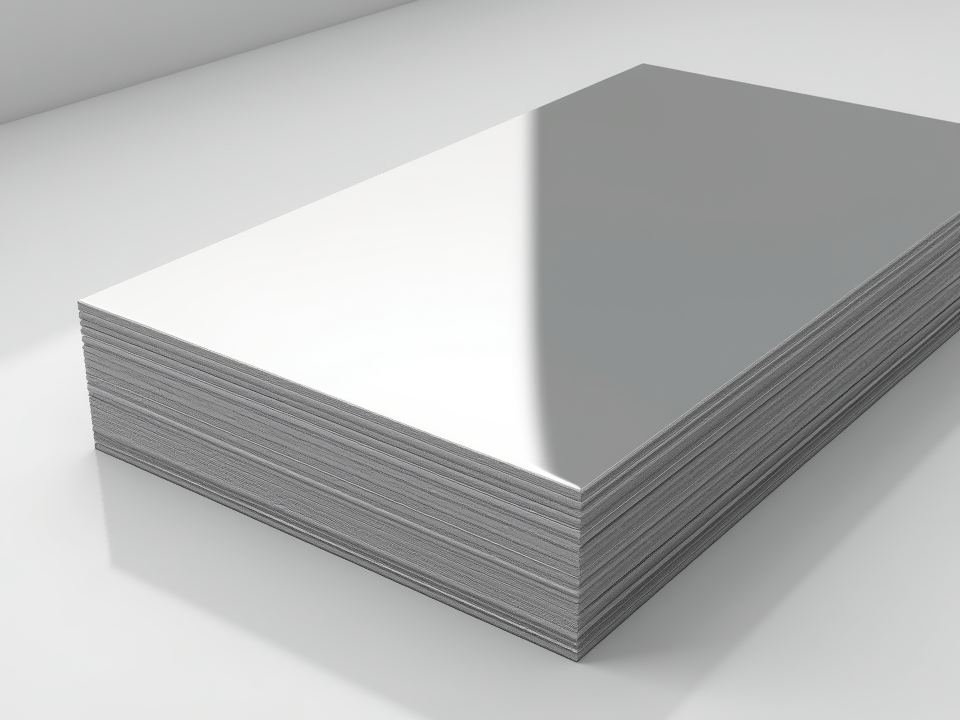
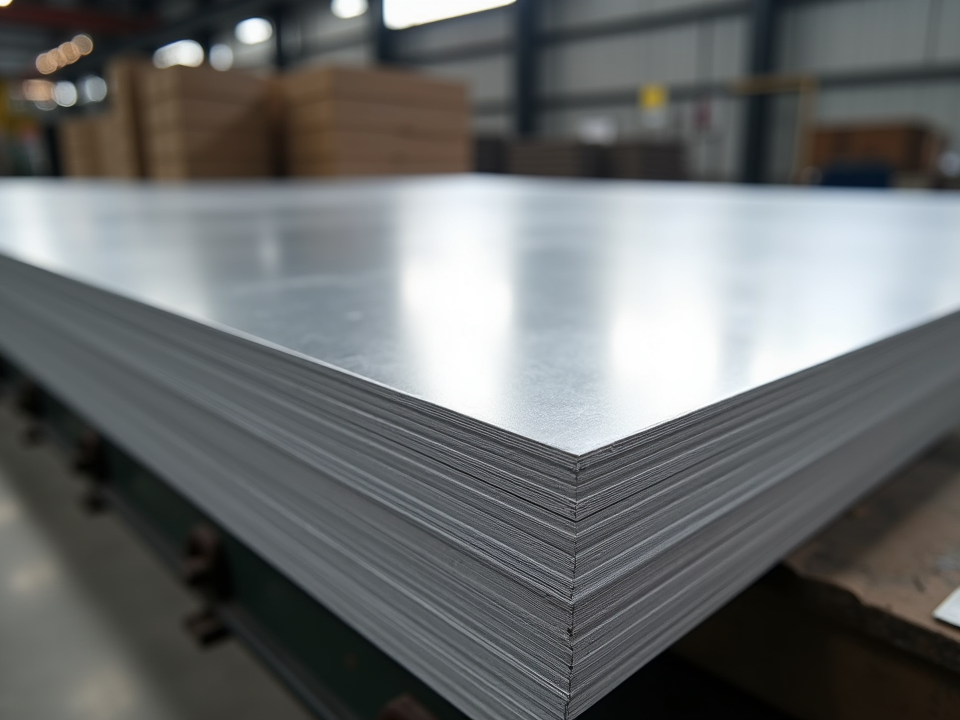
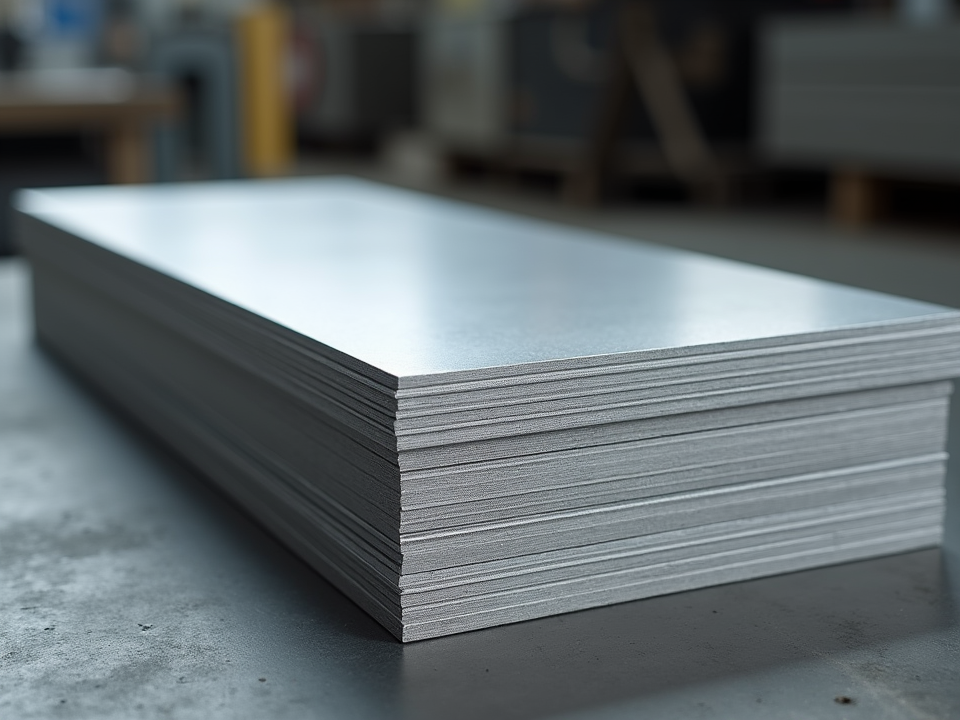
1050 Pure Aluminum Sheet Bulk
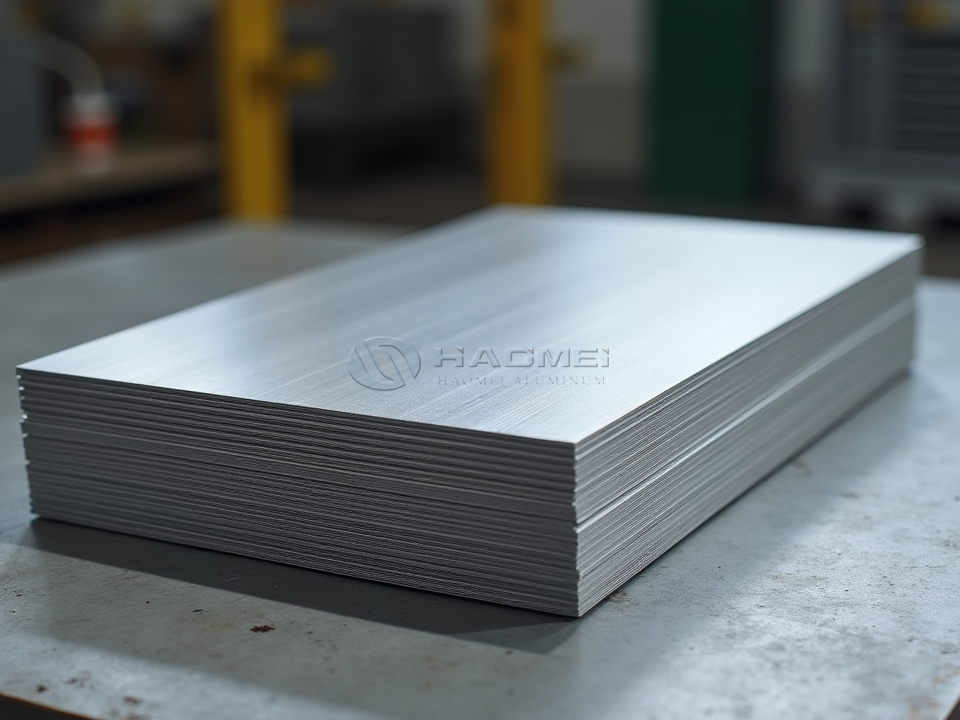
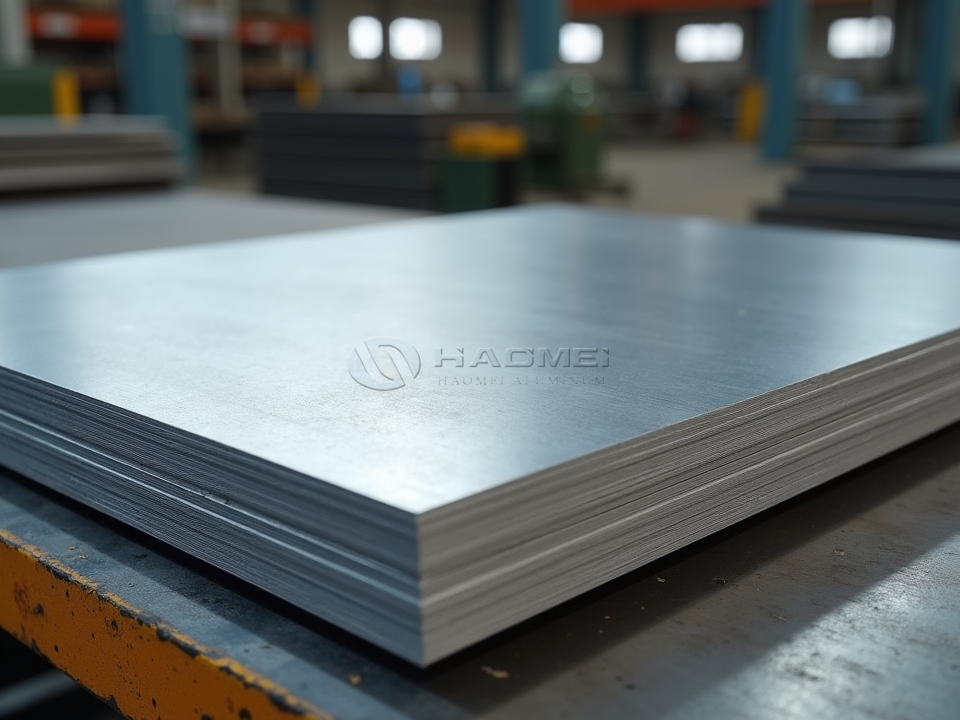
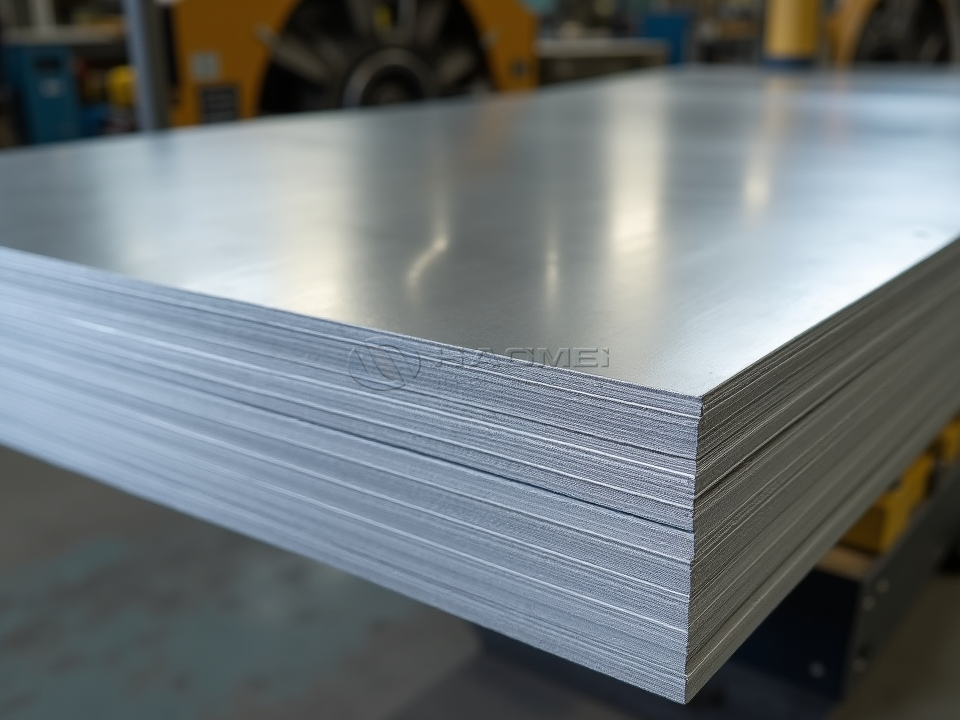
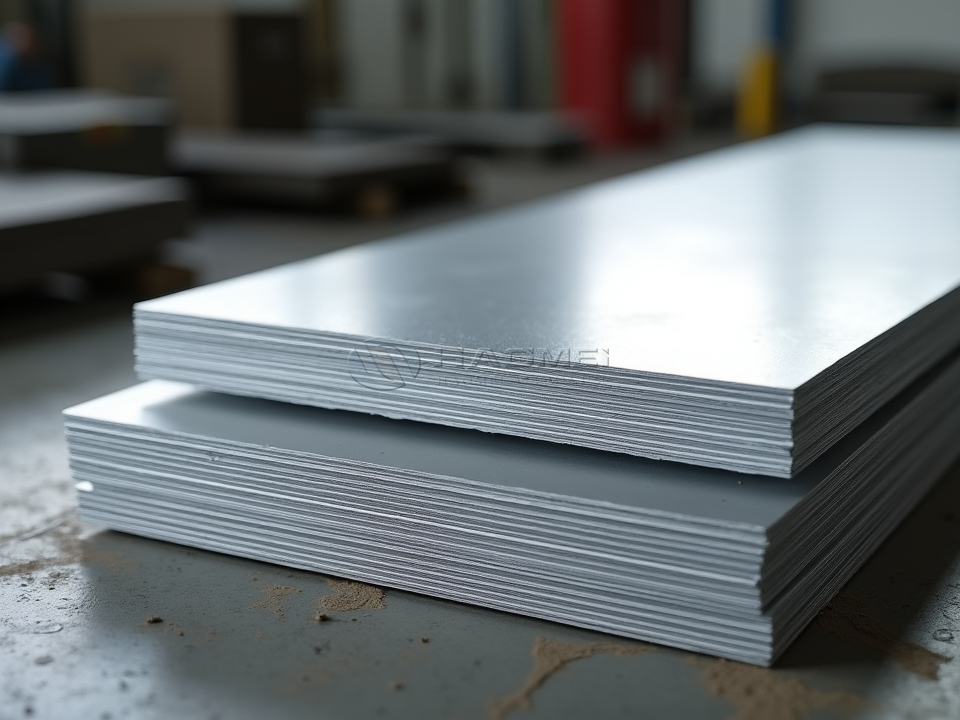
1050 pure aluminum sheet bulk is a practical material choice for customers who need clean appearance, stable forming behavior, high electrical conductivity, and dependable corrosion resistance in large-volume production. With aluminum purity of not less than 99.50%, 1050 sheet belongs to the commercially pure aluminum family and is widely used where strength is less important than ductility, surface quality, conductivity, and easy fabrication.
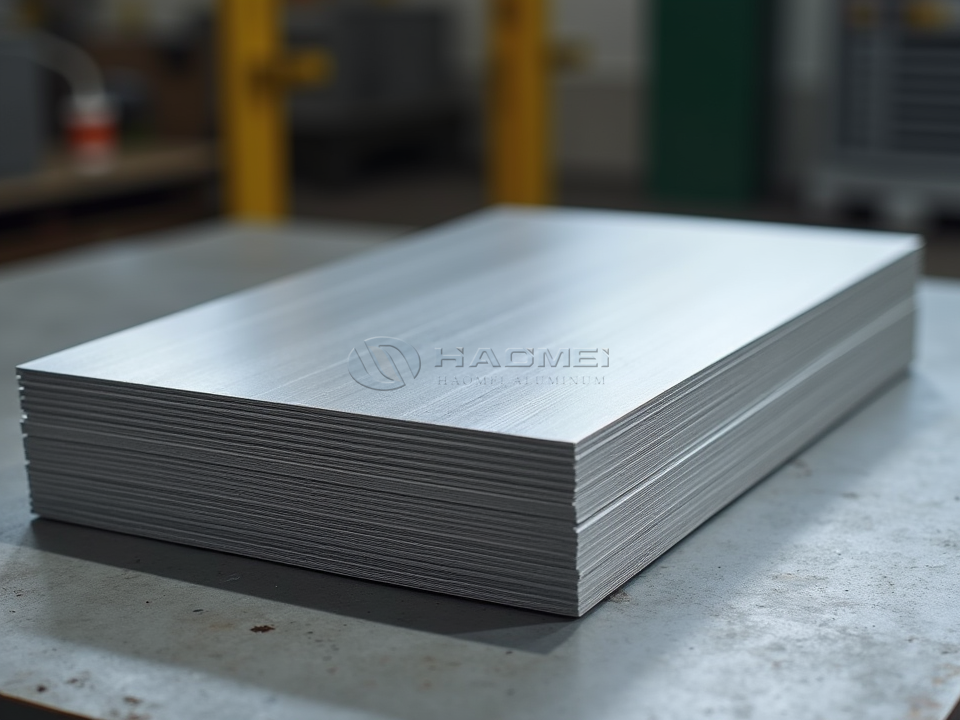
For purchasing teams, bulk 1050 aluminum sheet offers a strong balance of cost control, processing reliability, and broad usability. It can be slit, sheared, punched, bent, deep drawn, anodized, brushed, or laminated depending on the final product design. For customers comparing similar grades, 1050 Aluminum Sheet is often selected for decorative panels, insulation jackets, nameplates, reflectors, electrical parts, and general sheet metal components.
Product Character
1050 aluminum sheet is not a heat-treatable alloy. Its mechanical strength is adjusted mainly by cold working and annealing, which creates common tempers such as O, H12, H14, H16, H18, and H24. The O temper provides the softest condition for forming and drawing, while harder H tempers provide better stiffness and dent resistance.
| Product Attribute | Practical Meaning for Customers |
|---|---|
| Aluminum purity | Minimum 99.50% Al for clean performance and high conductivity |
| Formability | Excellent bending, spinning, stamping, and shallow drawing behavior |
| Corrosion resistance | Strong natural oxide film for indoor and many outdoor environments |
| Conductivity | Suitable for electrical and thermal transfer components |
| Surface finish | Mill finish, brushed, anodized, film-protected, or coated options |
| Bulk efficiency | Stable lot control, repeatable dimensions, and reduced unit handling cost |
Chemical Composition
The composition of 1050 aluminum sheet is simple and tightly controlled. Low alloying content gives the sheet its soft forming response, bright surface potential, and strong conductivity.
| Element | Typical Limit, % by Weight |
|---|---|
| Aluminum, Al | 99.50 min. |
| Silicon, Si | 0.25 max. |
| Iron, Fe | 0.40 max. |
| Copper, Cu | 0.05 max. |
| Manganese, Mn | 0.05 max. |
| Magnesium, Mg | 0.05 max. |
| Zinc, Zn | 0.05 max. |
| Titanium, Ti | 0.03 max. |
| Other elements, each | 0.03 max. |
| Other elements, total | 0.15 max. |
Technical Specifications
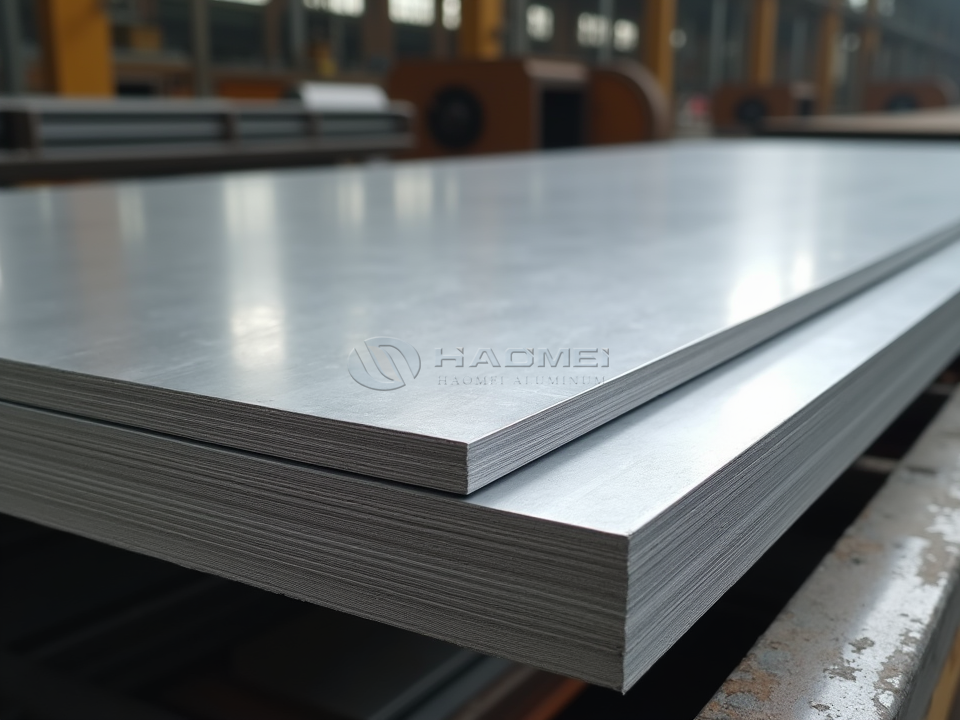
Bulk orders can be prepared as full-size sheets, cut-to-length sheets, narrow strips, or customized blanks. The table gives common supply ranges. Exact capability depends on thickness, width, temper, surface requirement, and packaging method.
| Parameter | Common Range or Option |
|---|---|
| Alloy grade | 1050, 1050A, EN AW-1050A equivalent options |
| Temper | O, H12, H14, H16, H18, H22, H24 |
| Thickness | 0.2 mm to 6.0 mm commonly supplied |
| Width | 100 mm to 1600 mm typical production range |
| Length | 500 mm to 6000 mm, or customized cut length |
| Surface | Mill finish, bright finish, brushed, anodized, coated, PE film protected |
| Edge type | Mill edge, slit edge, trimmed edge |
| Tolerance | According to EN, ASTM, GB, or customer drawings |
| Packaging | Wooden pallets, moisture barrier, corner protection, export packing |
| Documents | Mill test certificate, packing list, dimensional inspection record if required |
Mechanical Properties by Temper
Mechanical values vary with gauge, production route, test direction, and standard. The figures shown are useful reference ranges for material selection before confirming exact requirements for a purchase order.
| Temper | Tensile Strength, MPa | Yield Strength, MPa | Elongation, % | Typical Use |
|---|---|---|---|---|
| O | 60 to 95 | 20 to 35 | 25 to 35 | Deep forming, soft bending, spinning |
| H12 | 85 to 125 | 65 to 95 | 12 to 18 | Light forming with improved stiffness |
| H14 | 100 to 145 | 85 to 120 | 6 to 12 | General sheet metal work, panels, covers |
| H16 | 120 to 160 | 105 to 140 | 4 to 8 | Higher rigidity parts and flat panels |
| H18 | 140 to 185 | 120 to 165 | 2 to 5 | Harder sheet where forming is limited |
| H24 | 100 to 145 | 75 to 110 | 5 to 10 | Semi-hard sheet with stabilized performance |
Physical Properties
1050 pure aluminum sheet performs well in products that require heat transfer, electrical conduction, or lightweight design.
| Property | Typical Value |
|---|---|
| Density | 2.71 g/cm3 |
| Melting range | 646 to 657 °C |
| Elastic modulus | About 69 GPa |
| Thermal conductivity | About 222 to 235 W/m·K |
| Electrical conductivity | About 61% IACS |
| Coefficient of thermal expansion | About 23.6 x 10⁻⁶ /°C |
| Poisson ratio | About 0.33 |
Main Advantages for Bulk Orders
1050 pure aluminum sheet is favored in volume purchasing because it is predictable during fabrication. It cuts cleanly, bends with low cracking risk in soft tempers, and accepts many surface treatments. The low alloy content also supports bright appearance after polishing or anodizing, making it useful for visible components.
| Advantage | Customer Benefit |
|---|---|
| High purity | Consistent conductivity and corrosion behavior |
| Easy forming | Lower scrap rate during bending, stamping, and drawing |
| Light weight | Reduces finished product weight and shipping load |
| Good surface response | Suitable for decorative, reflective, and coated products |
| Stable supply format | Sheet, strip, and blank sizes can match production flow |
| Recyclability | Supports material recovery and sustainability targets |
Application Fields
1050 aluminum sheet is used where clean processing, corrosion resistance, and conductivity are more important than structural strength. It is especially useful for fabricated products with repeated bending or large surface area.
| Industry | Typical Products |
|---|---|
| Electrical | Busbar covers, conductive plates, transformer parts, capacitor shells |
| Building and decoration | Ceiling panels, wall panels, trim, signage, nameplates |
| Insulation | Pipe jacketing, tank cladding, heat insulation protection layers |
| Lighting | Reflector sheets, lamp housings, decorative lighting parts |
| Packaging and containers | Closures, shallow drawn parts, food-related non-pressure components |
| Machinery | Protective covers, shields, gaskets, low-load sheet metal parts |
| Printing and marking | Plates, labels, etched panels, engraved tags |
Surface and Processing Notes
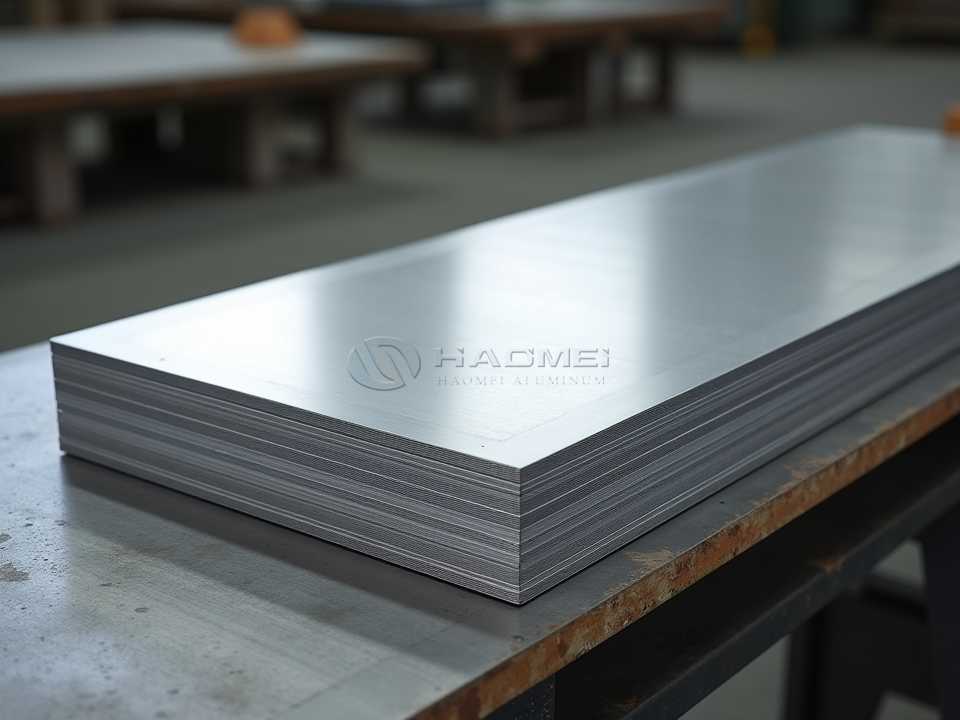
For parts requiring bending or drawing, O temper is usually the safest option. H14 is one of the most popular tempers for flat panels and general fabrication because it provides a good mix of shape retention and moderate formability. If the part needs a decorative finish, protective film can reduce handling marks during cutting and forming.
| Process | Recommendation |
|---|---|
| Bending | Select O or H12 for tight bends; increase bend radius for harder tempers |
| Cutting | Shearing, laser cutting, CNC routing, and slitting are suitable |
| Welding | TIG and MIG welding are possible, but joint strength remains limited |
| Anodizing | Good response due to high aluminum purity and low alloy content |
| Painting or coating | Clean, degrease, and pretreat surface for stronger adhesion |
| Storage | Keep dry, ventilated, and separated from corrosive chemicals |
Buying Guidance for Large-Volume Projects
Before placing a bulk order, customers should confirm thickness, width, length, temper, surface finish, tolerance standard, and packaging method. If the sheet will be stamped, drawn, anodized, or used as an electrical component, sample testing is recommended before mass production. For visible panels, surface protection and consistent batch appearance are especially important.
A well-defined purchase specification helps avoid mismatched temper, surface scratches, oil stain concerns, or dimensional variation. When ordering 1050 pure aluminum sheet bulk, include drawings if the material must be cut into blanks, slit into strips, or packed by production sequence.
Final Note
1050 pure aluminum sheet bulk is a dependable choice for customers seeking high-purity aluminum with excellent formability, corrosion resistance, conductivity, and clean surface performance. With the right temper and finishing method, it supports efficient production across electrical, decorative, insulation, lighting, and general fabrication markets.