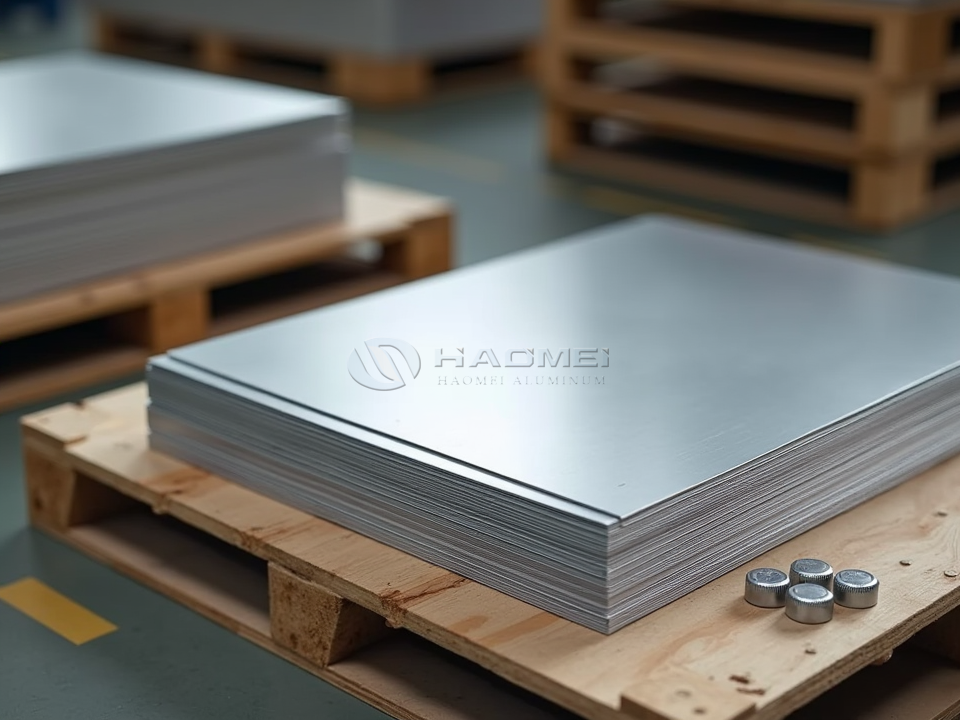
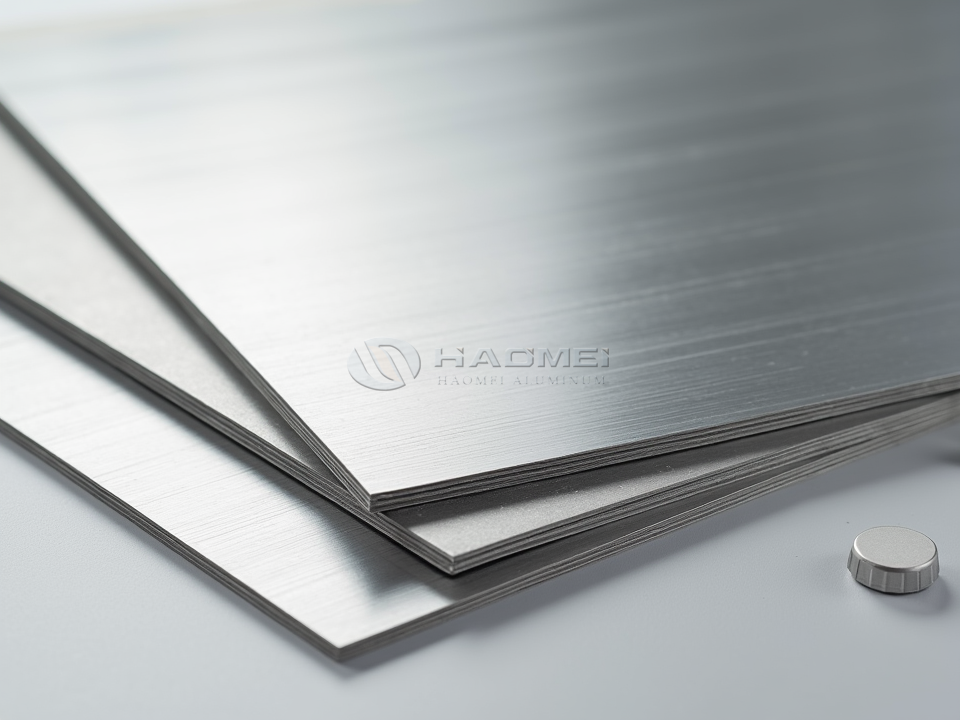
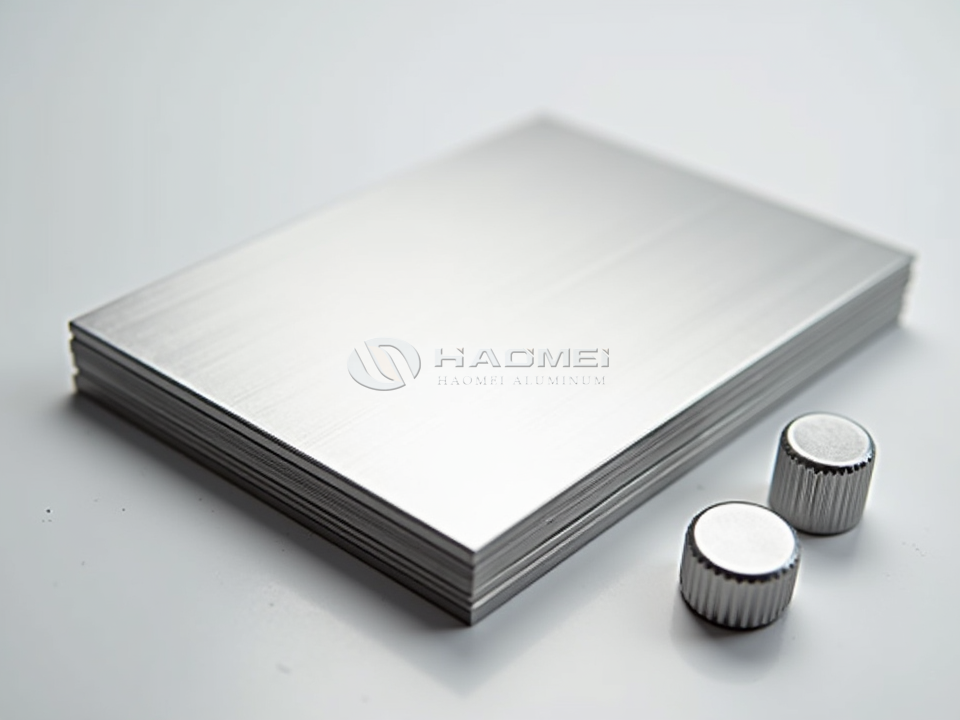
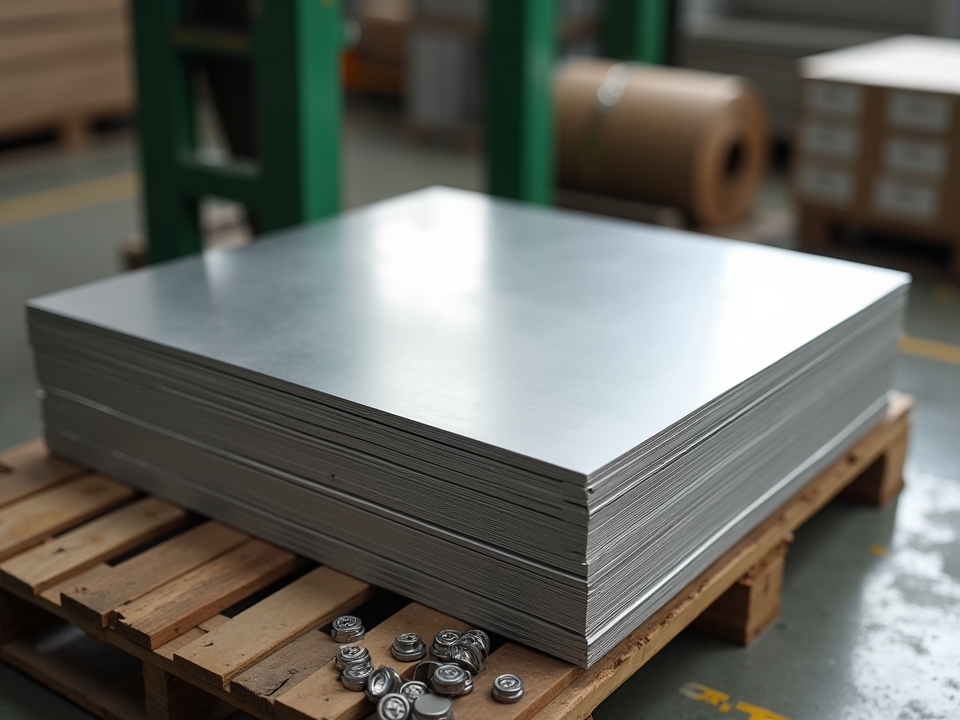
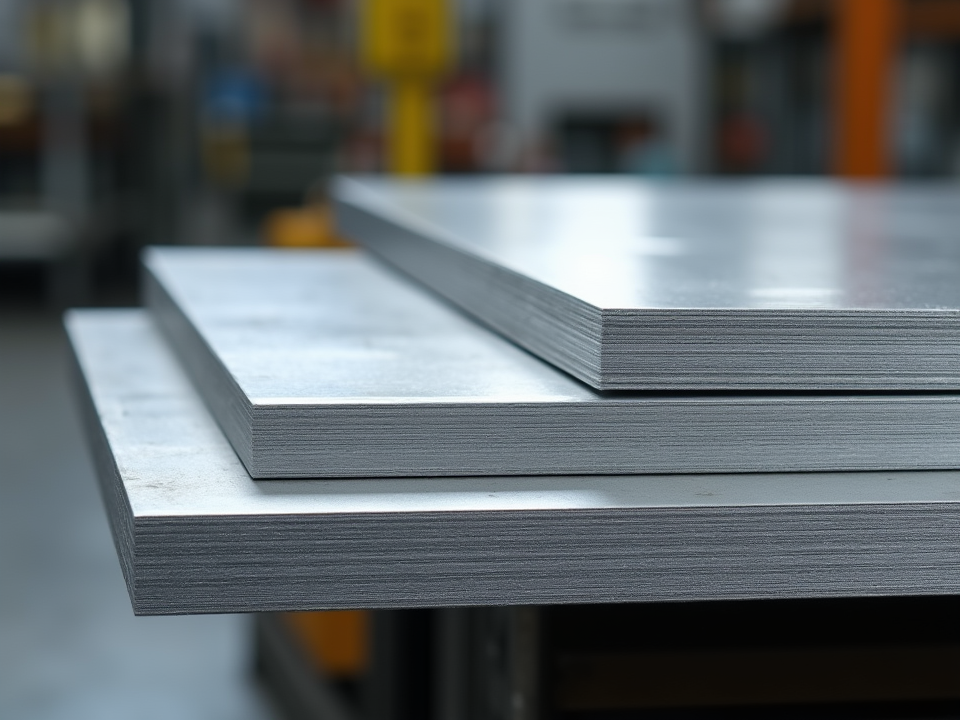
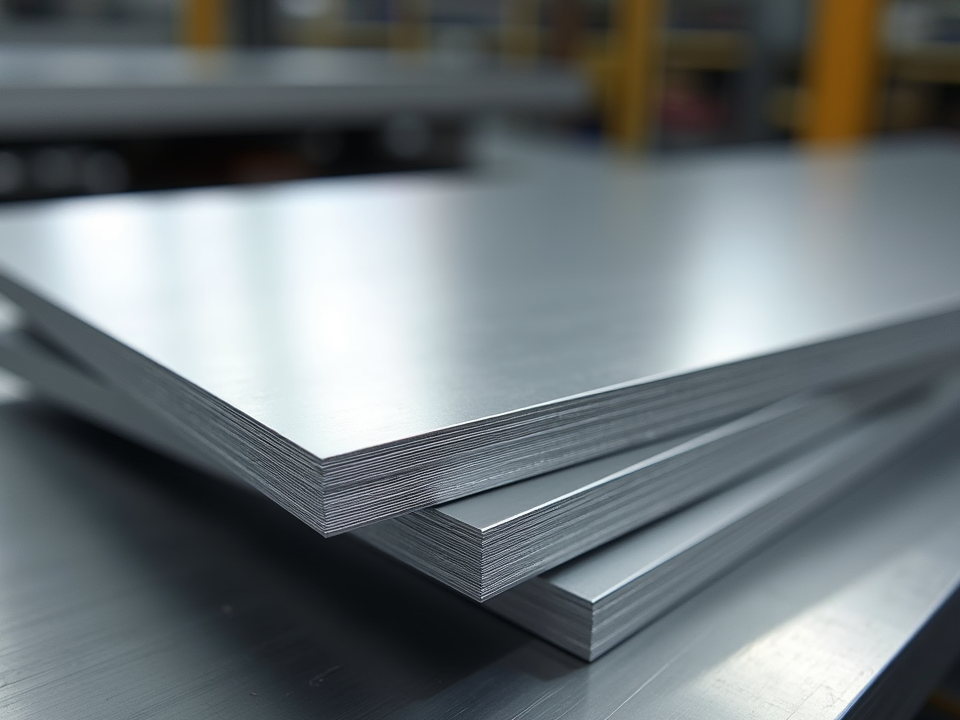
0.2mm Aluminum Sheet for Bottle Cap
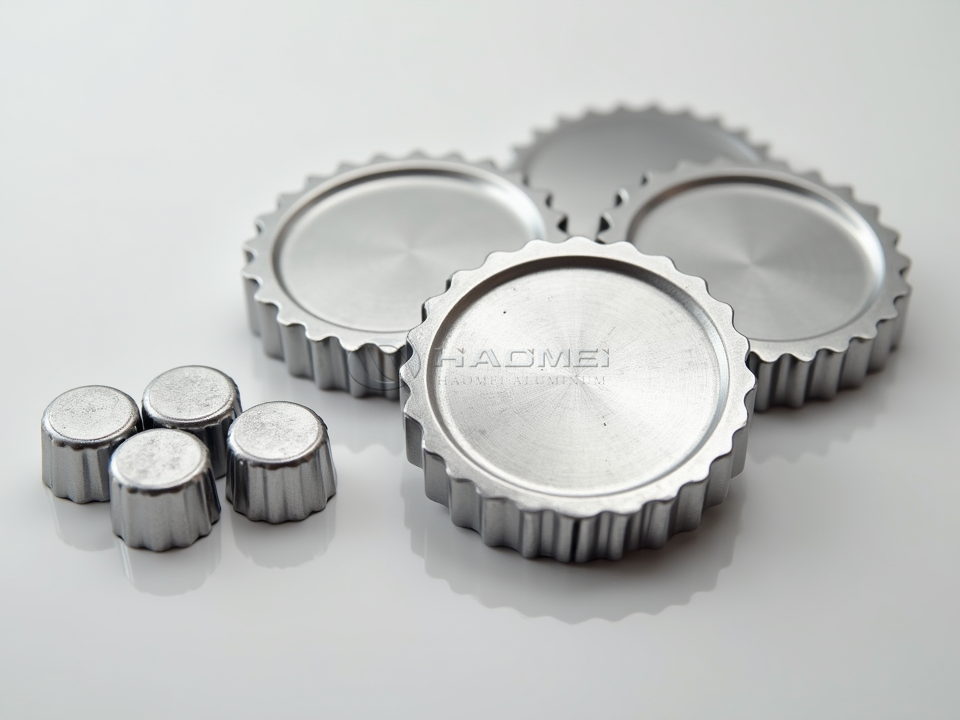
A 0.2mm aluminum sheet for bottle cap is a thin-gauge closure material engineered for high-speed stamping, deep drawing, threading, printing, and sealing operations. Though only 0.2 mm thick, the material must perform reliably through several demanding production stages: blanking into discs, shell drawing, knurling, thread rolling, liner insertion, decoration, and final capping.
For beverage, wine, spirits, edible oil, pharmaceutical, and cosmetic packaging, aluminum cap stock offers a favorable balance of low weight, corrosion resistance, formability, and visual appeal. It can be supplied in coils or sheets with controlled thickness, clean surfaces, stable mechanical properties, and compatibility with food-contact lacquers and printing systems.
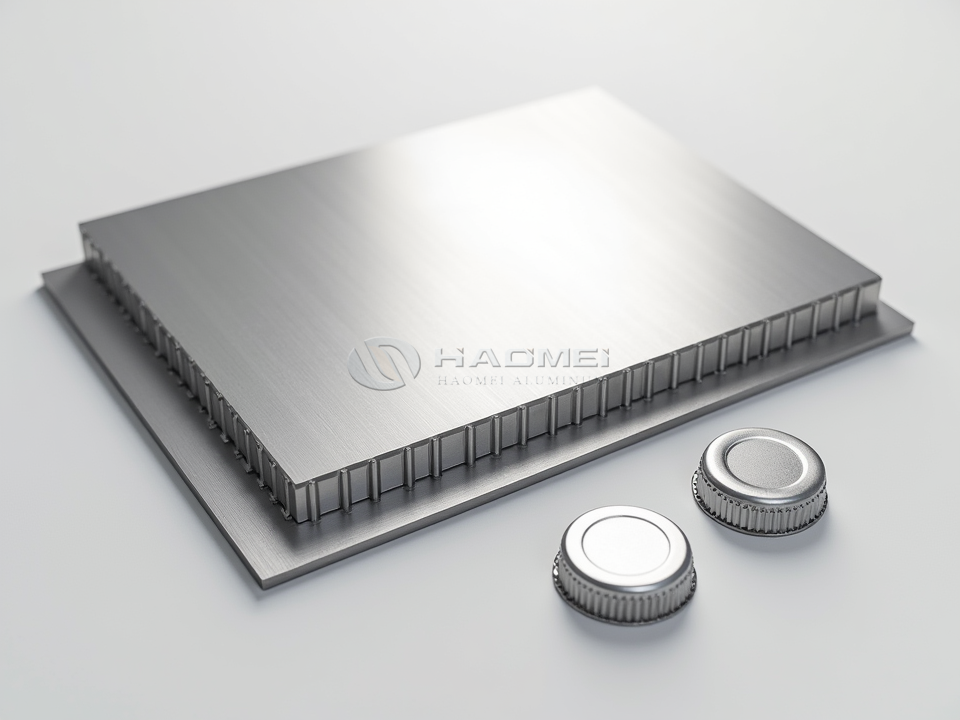
Why 0.2mm Thickness Works Well for Bottle Caps
A thickness of 0.2 mm is widely used where cap makers require material efficiency without sacrificing closure performance. It creates a light cap body while retaining enough rigidity for handling, transport, opening torque, and secure engagement with the bottle finish.
Thin aluminum also responds well to cold-forming equipment. During cap production, it can be drawn into a skirted shell and shaped around thread profiles with a smooth, consistent appearance. Proper alloy and temper selection are especially important at this gauge because uneven hardness, excessive earing, or surface defects may lead to cracking, wrinkling, poor thread definition, or printing irregularities.
The material is suitable for plain caps, roll-on pilfer-proof closures, screw caps, press-on closures, decorative wine capsules, and selected pharmaceutical closures. For broader material choices, see our Aluminum Closure Sheet range designed for different closure-forming methods.
Typical Product Specifications
| Parameter | Typical Requirement for Bottle Cap Stock |
|---|---|
| Product | 0.2mm aluminum sheet or coil for bottle caps |
| Nominal thickness | 0.20 mm |
| Common thickness tolerance | Subject to agreement, often tightly controlled for stable stamping |
| Common alloys | 3105, 8011, 1060, 1050 |
| Typical tempers | H14, H16, H18, or customized temper |
| Supply form | Coil, slit coil, sheet, or pre-lacquered coil |
| Surface | Mill finish, brushed, coated, lacquered, printed, or color coated |
| Coil inner diameter | Commonly 150 mm, 300 mm, 400 mm, or as required |
| Coil weight | Customized to stamping and printing line capability |
| Edge condition | Trimmed, burr-controlled edges for safe feeding and blanking |
| Application | ROPP caps, PP caps, beverage caps, wine caps, cosmetic closures |
The right width and coil weight can reduce material handling time on automated lines. Slit coils are often preferred by closure converters because they feed efficiently into blanking presses and help minimize edge trim loss.
Alloy and Chemical Composition
3105 aluminum alloy is frequently selected for bottle cap production because it combines moderate strength with excellent workability. Its manganese content improves strength compared with commercially pure aluminum, while its aluminum-rich composition retains good corrosion resistance and coating adhesion.
| Element | 3105 Aluminum Alloy, Typical Maximum or Range (%) |
|---|---|
| Aluminum | Balance |
| Silicon + Iron | Up to 0.70 |
| Copper | Up to 0.30 |
| Manganese | 0.30-0.80 |
| Magnesium | 0.20-0.80 |
| Zinc | Up to 0.40 |
| Other elements | Controlled in accordance with applicable alloy standards |
For caps requiring dependable drawing performance and a clean printable surface, 3105 Aluminum Closure Sheet is a practical choice. It is commonly supplied in H14 or H16 temper, depending on cap geometry, skirt depth, embossing requirements, and the converter's forming equipment.
8011 alloy is another common closure-stock material, particularly where good drawability, surface finish, and process stability are needed. Alloy selection should be matched to the cap design rather than chosen by thickness alone.
Mechanical Behavior and Forming Performance
Bottle-cap aluminum must be consistent from the beginning to the end of a coil. Changes in hardness or thickness can affect press settings, blank diameter, drawing depth, and thread formation. For 0.2mm stock, controlled mechanical properties support repeatable output and reduce scrap caused by split skirts, uneven knurling, or distorted cap shells.
| Performance Property | Importance in Bottle Cap Manufacturing |
|---|---|
| Tensile strength | Provides structural support for the finished closure |
| Yield strength | Influences shell stiffness and thread-forming response |
| Elongation | Supports drawing and shaping without cracking |
| Earing control | Helps produce even cap walls and reduce trim waste |
| Flatness | Promotes stable feeding into presses and coating lines |
| Surface cleanliness | Supports lacquer adhesion and high-definition printing |
| Edge quality | Reduces feed interruptions and handling risks |
H14 temper is often selected when more forming latitude is required. H16 may be used where slightly higher strength and cap stiffness are desired. The optimum temper depends on the closure diameter, shell height, thread design, forming speed, and whether the cap includes a tamper-evident band.
Surface Quality, Lacquer, and Decoration
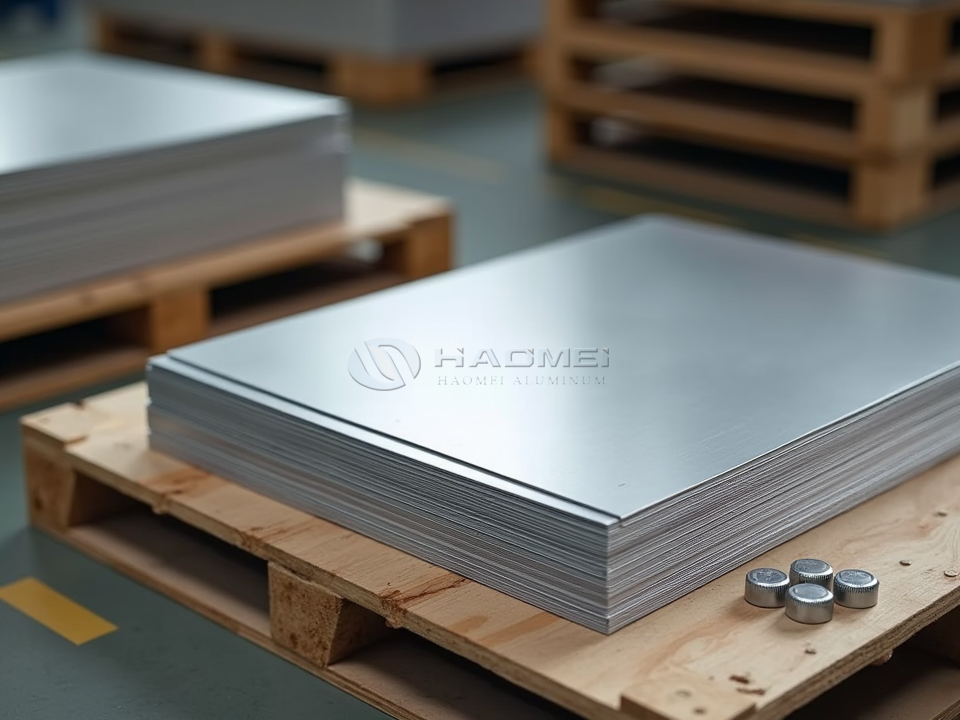
The surface of 0.2mm aluminum sheet for bottle cap production should be uniform, smooth, and free from defects that interfere with coating or forming. Oil stains, roll marks, scratches, pinholes, edge burrs, and local dents can become more visible after printing or embossing, particularly on premium beverage and cosmetic packaging.
Many bottle caps receive an internal lacquer that separates the metal from the packaged product. This is especially important for acidic drinks, alcoholic beverages, carbonated products, edible oils, and pharmaceutical formulations. External finishes may include transparent varnish, solid-color coatings, matte finishes, metallic effects, embossing, lithographic printing, or brand graphics.
When specifying lacquered material, customers should confirm the intended filling product, sterilization method, pasteurization conditions, storage temperature, and food-contact compliance requirements. A compatible coating system protects the closure while maintaining good drawing behavior and reliable adhesion after cap forming.
Bottle Cap Applications
0.2mm aluminum cap stock supports a broad range of packaging formats. ROPP closures are common for wine, spirits, olive oil, vinegar, and premium non-alcoholic beverages. These closures are applied to the bottle neck and formed by capping rollers, producing threads that match the container finish.
Pilfer-proof caps use a frangible bridge arrangement between the cap skirt and tamper-evident band. The aluminum must form cleanly in this zone while maintaining sufficient strength for visible tamper indication. PP-style closures for pharmaceutical bottles and selected beverage containers also benefit from a clean, stable aluminum surface that can accept printed identity information.
Cosmetic bottles, perfume containers, nutraceutical packaging, and specialty food products use thin aluminum caps to create a refined metallic appearance. The material can be color coated, printed, or embossed to support strong shelf presentation without adding excessive package weight.
Quality Controls That Matter
Reliable cap stock begins with controlled rolling and finishing. Thickness is checked across the strip width and along the coil length. Surface inspection confirms visual quality, while mechanical testing verifies that the selected temper meets the forming requirement. Flatness, camber, coil winding quality, and edge condition also affect performance on high-speed closure lines.
For coated or printed stock, adhesion, curing, color consistency, and resistance to forming damage deserve careful evaluation. A cap may look flawless before conversion but reveal coating cracks during drawing if the coating flexibility is insufficient. Trial forming with the actual cap tooling is the most dependable way to validate a material-and-coating combination.
A well-specified 0.2mm aluminum sheet gives bottle cap producers an efficient route to lightweight, attractive, and dependable closures. With an appropriate alloy, temper, surface treatment, and dimensional control, it delivers stable converting performance from coil loading to the finished capped bottle.