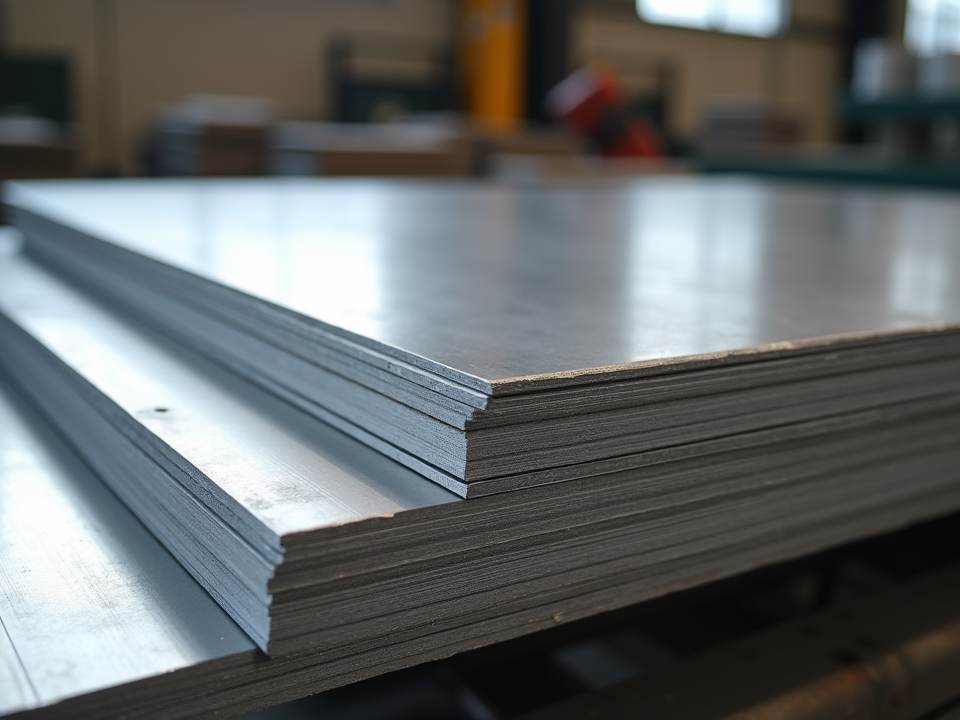
High Elongation Closure Aluminum Sheet
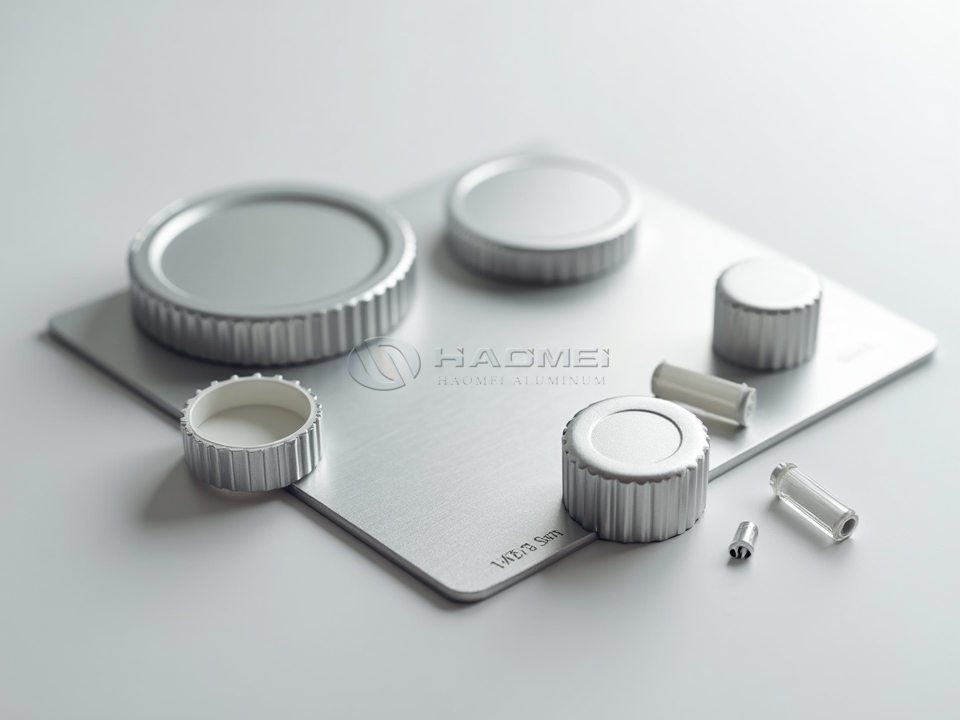
High elongation closure aluminum sheet is engineered for cap-making operations that demand smooth deep drawing, clean threading, and dependable sealing performance. Produced from carefully controlled aluminum alloys such as 3105, 3104, and selected 8011 grades, this material combines ductility with sufficient strength to support high-speed conversion into bottle closures.
Its most valuable characteristic is its ability to stretch and flow during stamping, drawing, knurling, embossing, and roll-on pilfer-proof forming without excessive cracking or edge splitting. This makes it an effective substrate for beverage closures, wine caps, pharmaceutical caps, edible-oil caps, cosmetic packaging, and premium printed closure systems.
Material Advantages
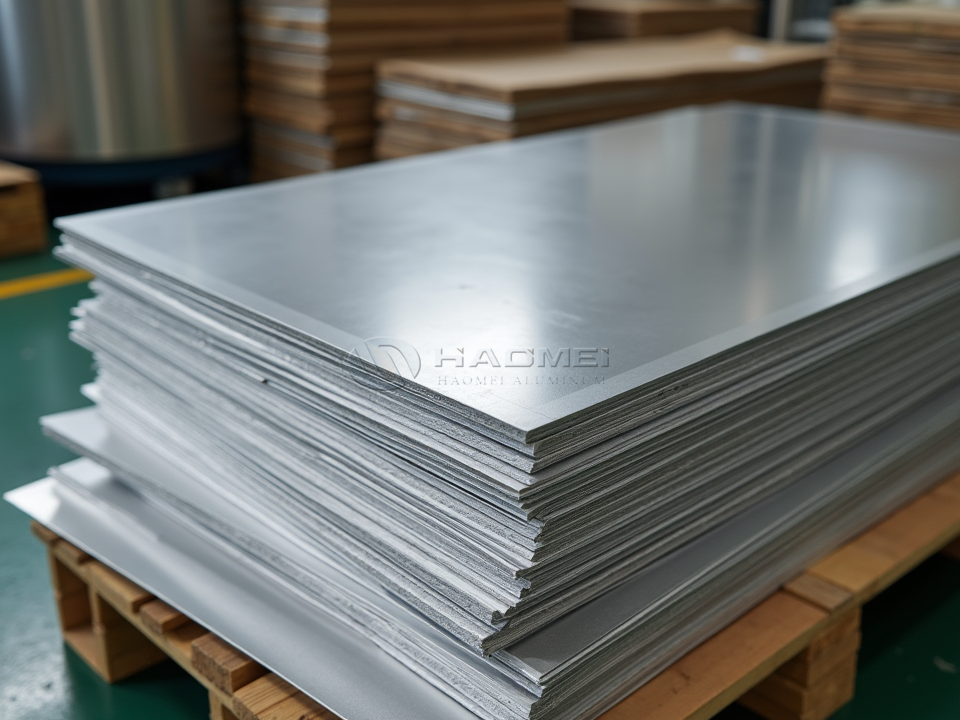
A closure shell may appear simple, but its production involves severe localized deformation. The aluminum must maintain a balanced grain structure, controlled temper, low earing tendency, and consistent thickness across the coil. High elongation closure aluminum sheet is designed to meet these conditions while retaining an attractive surface for lacquering, printing, and decorative finishing.
| Property | Customer Value |
|---|---|
| High elongation | Supports deep drawing and detailed cap shaping with reduced risk of cracking |
| Uniform temper | Promotes stable press behavior and consistent shell dimensions |
| Fine, controlled grain structure | Improves formability and helps minimize surface defects after deformation |
| Good surface quality | Provides a clean base for printing, varnishing, embossing, and color coating |
| Excellent corrosion resistance | Helps protect closures during filling, storage, transport, and consumer use |
| Low coil-to-coil variation | Reduces line adjustments, scrap rates, and production interruption |
| Recyclable aluminum substrate | Supports circular packaging programs and reduced material waste |
For converters, formability is directly connected to operating efficiency. A coil with dependable elongation can tolerate demanding draw ratios and complex cap geometry while maintaining a stable production rhythm. This is particularly valuable for lightweight closures, where reduced metal thickness must still deliver adequate integrity after forming.
Typical Alloy Chemistry
The final alloy selection depends on cap diameter, wall geometry, decoration requirements, and the required balance between drawability and post-forming stiffness. 3105 is frequently selected for high-quality closure stock because of its solid forming response and reliable coated performance.
| Element, % | 3105 Typical Range | 3104 Typical Range | Function in Closure Stock |
|---|---|---|---|
| Silicon, Si | 0.20-0.60 | 0.00-0.80 | Supports alloy balance and processing stability |
| Iron, Fe | 0.40-0.70 | 0.00-0.80 | Contributes to structure control |
| Copper, Cu | 0.00-0.30 | 0.05-0.25 | Helps regulate strength characteristics |
| Manganese, Mn | 0.30-0.80 | 0.80-1.40 | Improves strength and grain control |
| Magnesium, Mg | 0.20-0.80 | 0.80-1.30 | Adds strength while preserving workable ductility |
| Zinc, Zn | 0.00-0.40 | 0.00-0.25 | Controlled residual element |
| Aluminum, Al | Balance | Balance | Lightweight, corrosion-resistant base metal |
Chemical composition may be adjusted within applicable alloy standards and customer-approved production targets. For demanding cap shapes, alloy chemistry is paired with controlled rolling reduction and annealing practice to achieve the required elongation profile.
Technical Specifications
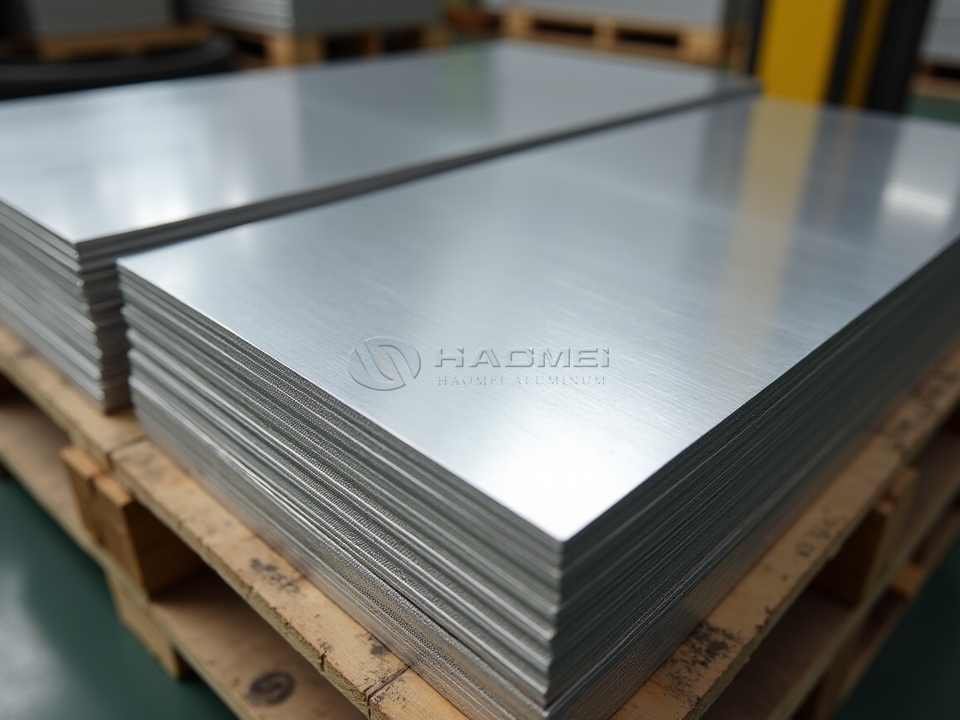
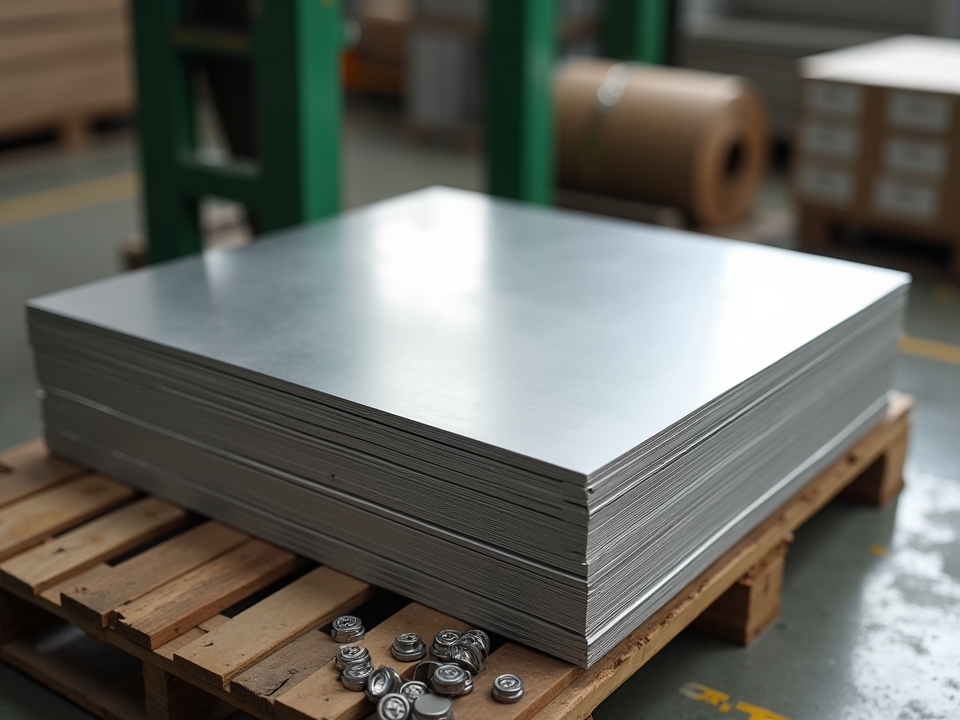
High elongation closure aluminum sheet is generally supplied in coil form for automatic cap-making lines. Slit coils, sheets, and customized dimensions can also be prepared according to the converter's equipment and blanking layout.
| Parameter | Typical Supply Range |
|---|---|
| Alloy | 3105, 3104, 8011, or customer-specified grade |
| Temper | H14, H16, H18, O, or tailored temper condition |
| Thickness | 0.16-0.35 mm |
| Common thickness | 0.20 mm, 0.22 mm, 0.23 mm, 0.24 mm, 0.25 mm, 0.28 mm |
| Coil width | 400-1,300 mm |
| Inner diameter | 150 mm, 300 mm, 505 mm, or as agreed |
| Coil weight | Typically 2-8 tonnes, subject to handling limits |
| Surface finish | Mill finish, degreased, pre-lacquered, printed, or color coated |
| Edge condition | Slit edge, deburred edge, or converter-specific requirement |
| Flatness | Controlled for stable feeding, blanking, and shell forming |
Customers requiring decorative or barrier-coated closures can combine this substrate with lacquer systems designed for food contact, acid resistance, alcohol resistance, retort exposure, or odor-sensitive products. For decorated packaging programs, Printed Aluminum Closure Sheet options provide an efficient route from base metal to branded shelf presentation.
Mechanical Performance
Mechanical values are selected to match forming difficulty. Very high strength is not always beneficial for closures; excessive hardness can increase forming load and raise the chance of fractures at the skirt, thread, bridge, or embossed zone. High elongation material is therefore developed around a practical strength-ductility balance.
| Mechanical Property | Typical H14 Range | Typical H16 Range | Importance During Cap Production |
|---|---|---|---|
| Tensile strength | 130-170 MPa | 150-190 MPa | Supports shell integrity and handling strength |
| Yield strength | 110-155 MPa | 130-175 MPa | Influences forming load and final cap rigidity |
| Elongation | 8-16% | 6-12% | Supports drawing, threading, and anti-crack performance |
| Hardness, indicative | 40-55 HV | 50-65 HV | Helps control dent resistance and conversion behavior |
| Thickness tolerance | Typically ±0.01 mm or agreed tolerance | Typically ±0.01 mm or agreed tolerance | Improves die stability and closure consistency |
Actual values vary with alloy, thickness, rolling direction, test method, and customer-specific process needs. Material selection should consider cap diameter, shell height, thread depth, bridge design, and the type of liner or sealing compound used.
Closure Applications
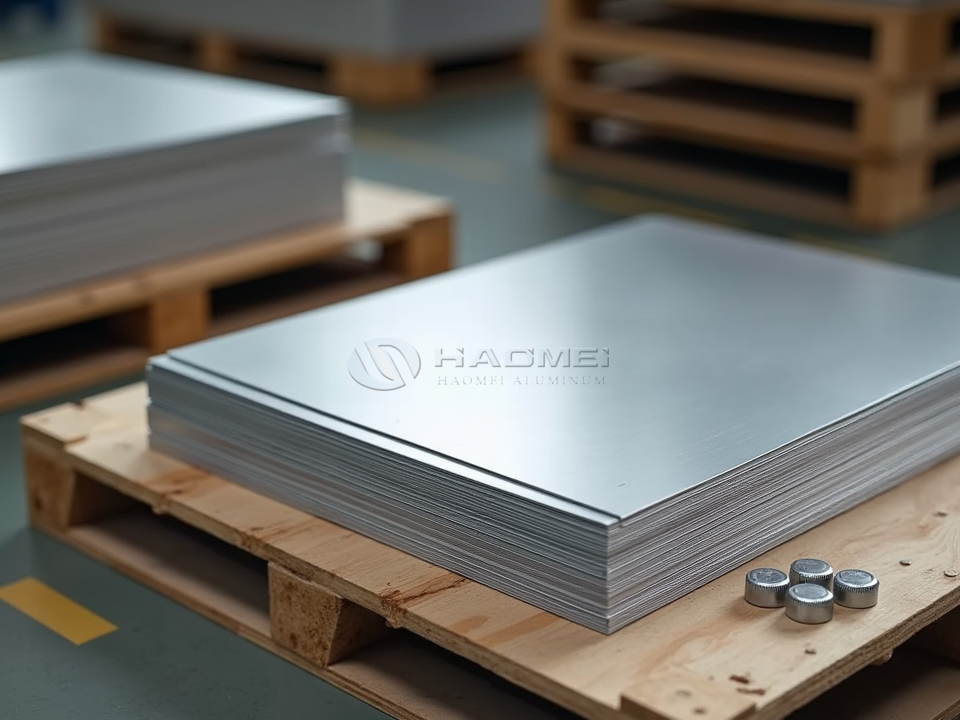
High elongation aluminum sheet is suitable for many packaging formats where appearance and secure sealing must work together.
| Application | Typical Closure Requirement | Benefit of High Elongation Sheet |
|---|---|---|
| Wine and spirits | Long skirt, precise ROPP thread formation | Smooth roll-on shaping and refined decorative appearance |
| Carbonated beverages | Reliable seal under internal pressure | Consistent shell geometry and dependable liner contact |
| Mineral water and juice | High-speed cap conversion | Stable feeding and reduced forming-related scrap |
| Edible oils and sauces | Corrosion resistance and secure closure fit | Compatible with protective lacquer systems |
| Pharmaceutical products | Tamper evidence and controlled dimensions | Supports pilfer-proof bands and precise cap geometry |
| Cosmetics and personal care | Premium surface appearance | Accepts bright colors, embossing, and sophisticated printing |
| Beer and specialty drinks | Durable closures with brand visibility | Balances forming response with decorative performance |
For roll-on closures, 3105 Aluminum Closure Sheet is widely valued for its consistent processing behavior and suitability for lacquered or printed cap systems.
Production and Quality Control
Reliable closure stock begins with clean metal, disciplined melt treatment, optimized hot rolling, precision cold rolling, and controlled annealing. During production, attention is directed toward thickness uniformity, surface cleanliness, coil shape, mechanical stability, and grain structure. These details influence how the sheet behaves when it reaches the stamping press.
Typical inspection activities include:
- Chemical composition verification
- Tensile strength, yield strength, and elongation testing
- Thickness and width measurement across the coil
- Surface inspection for scratches, roll marks, stains, and inclusions
- Flatness and coil-set evaluation
- Coating adhesion and curing checks for lacquered material
- Packaging inspection to protect coils from moisture and transit damage
Commercial Benefits for Cap Converters
Selecting high elongation closure aluminum sheet can improve both product quality and manufacturing economics. Strong forming performance helps reduce split shells, distorted threads, wrinkling, and rejected decorated caps. Stable incoming material also shortens press setup time and makes it easier to hold dimensional targets across long production runs.
The aluminum surface offers substantial branding freedom. It can be coated in solid colors, printed with complex graphics, embossed with logos, or finished with gloss and matte effects. At the end of use, aluminum closures can enter established recycling streams, helping brand owners support responsible packaging objectives.
High elongation closure aluminum sheet is not simply a thin metal coil. It is a precisely controlled forming material that helps closure producers achieve reliable sealing, attractive decoration, efficient conversion, and dependable performance from the production line to the consumer's hand.