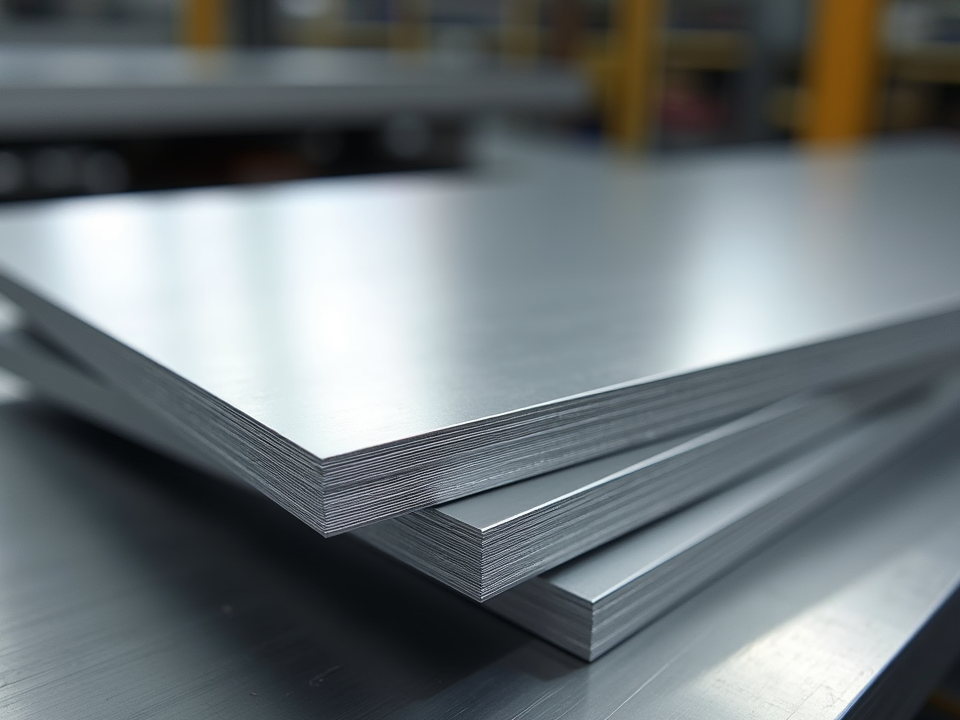
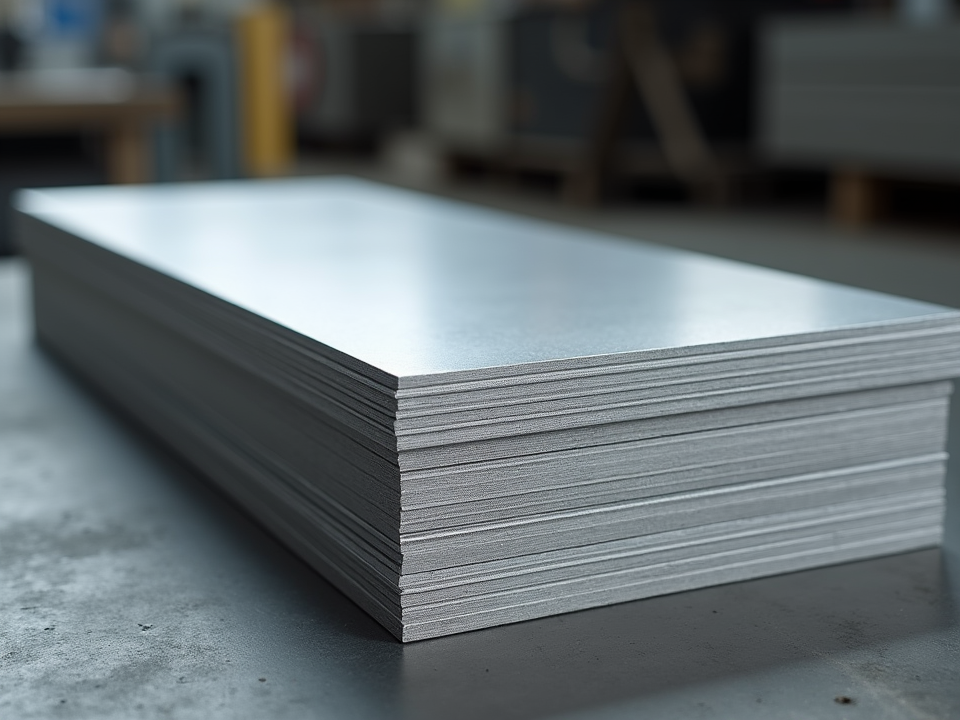
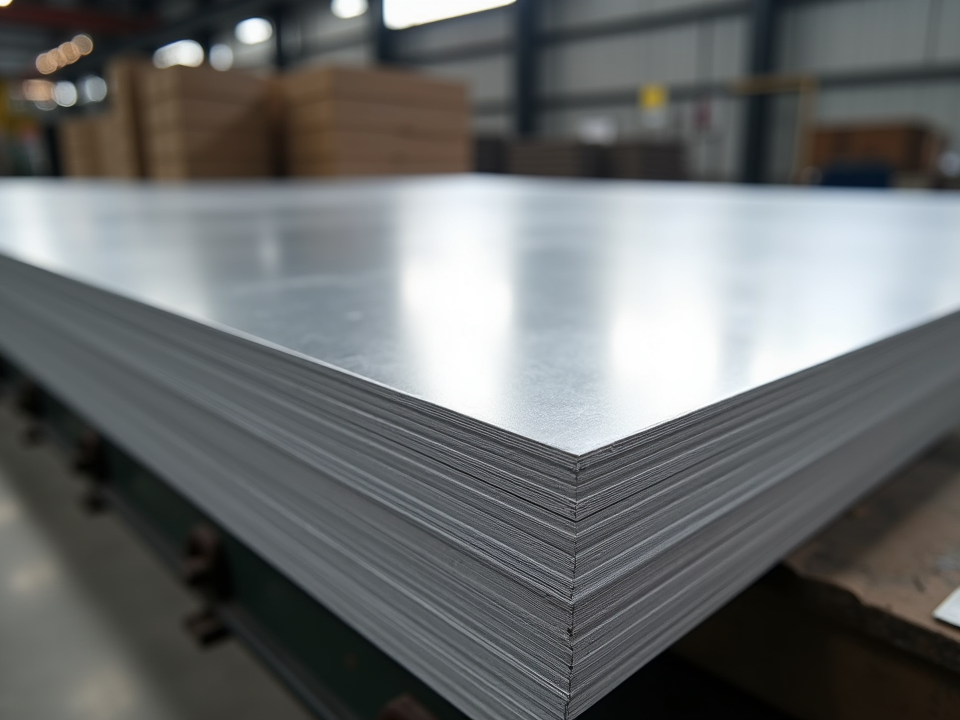
DOS Coated Aluminum Sheet for Caps
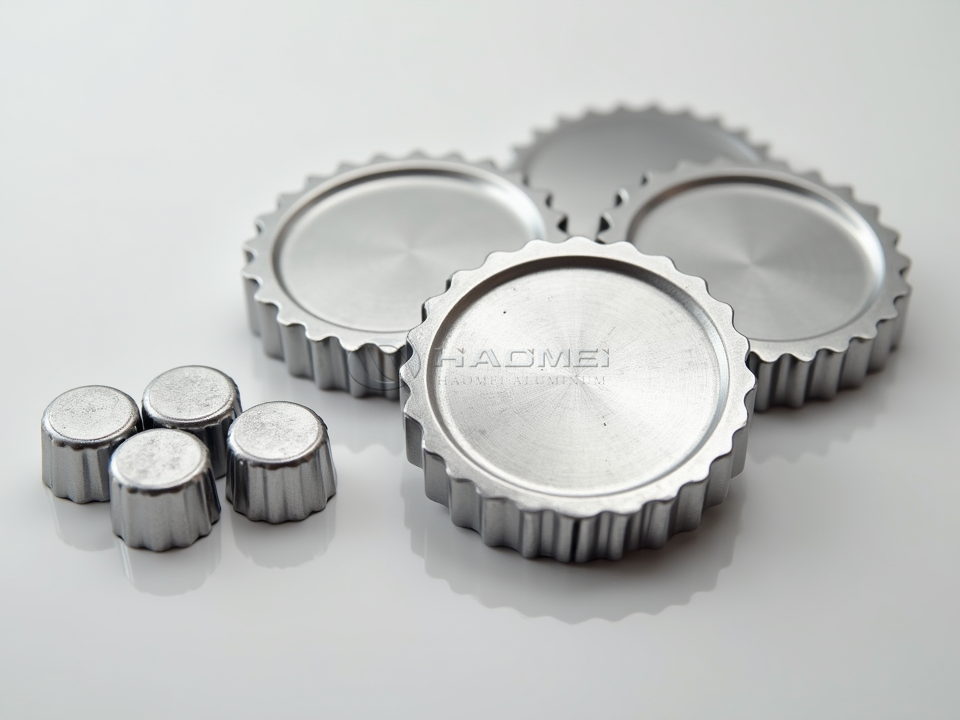
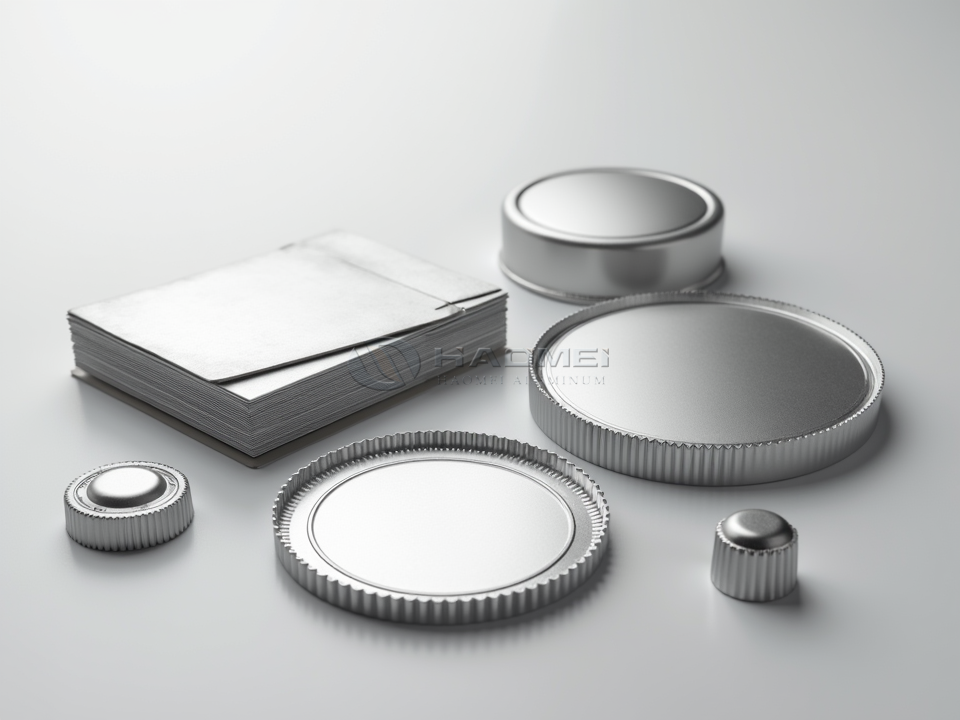
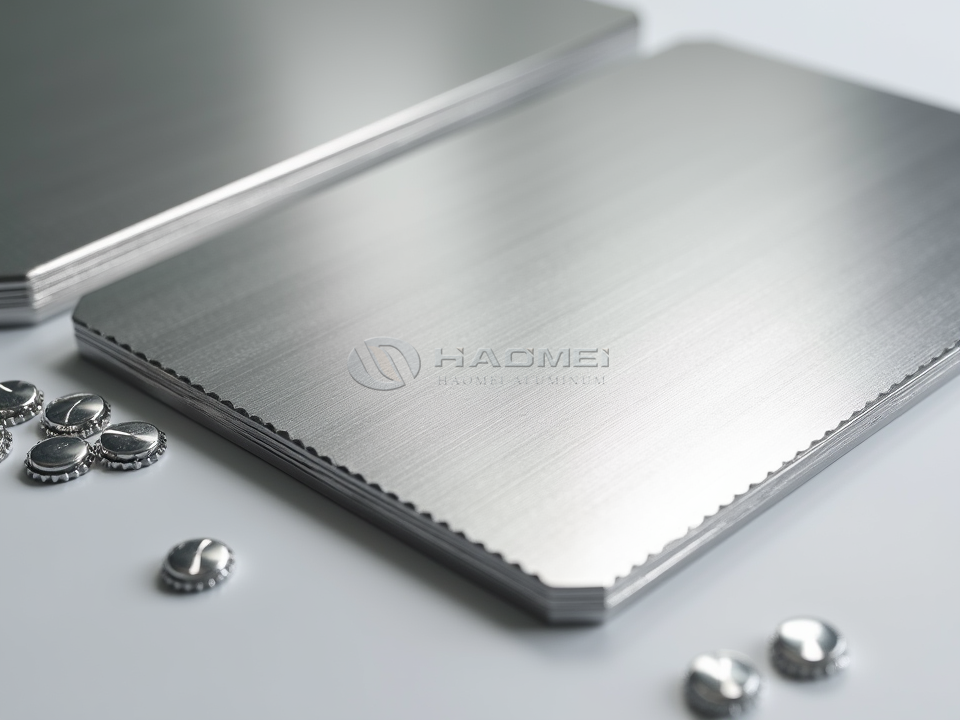
DOS coated aluminum sheet for caps is a precision rolled closure material treated with a controlled layer of DOS, or dioctyl sebacate, to improve lubrication during stamping, deep drawing, knurling, threading, and high-speed cap application. For cap makers, the value is simple: fewer scratches, lower tool wear, cleaner forming, and more consistent cap performance on demanding production lines.
Unlike decorative lacquer or printed coating, DOS is mainly a functional lubricant film. It helps aluminum sheet move smoothly through dies and cap-forming equipment while preserving the surface quality needed for further printing, lacquering, embossing, or liner application when the process is properly controlled.
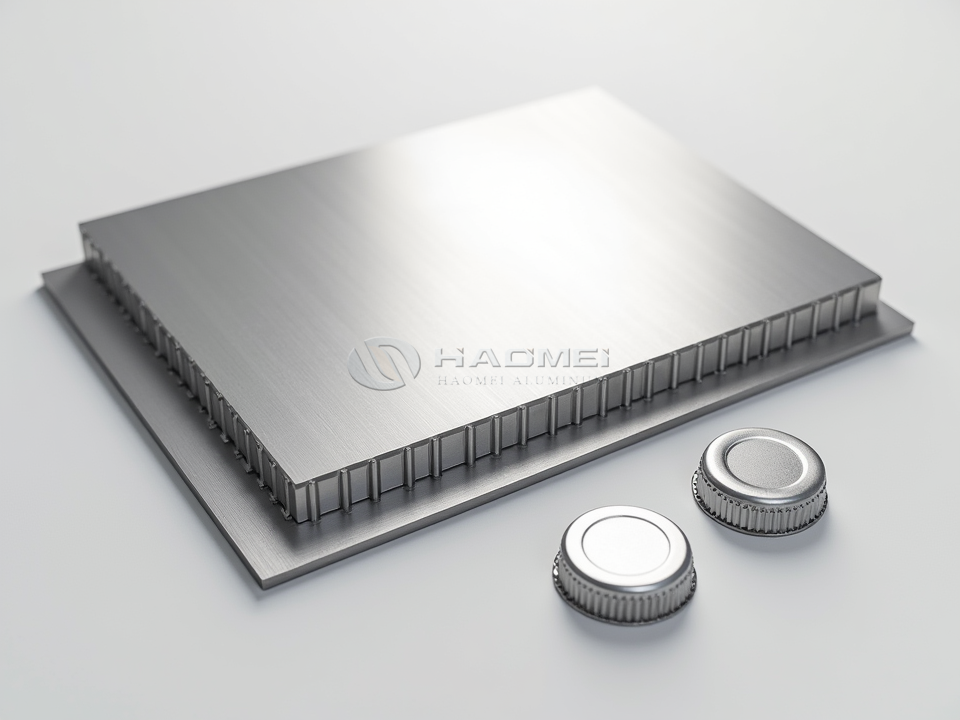
Material Profile
DOS coated cap stock is commonly produced from 8011, 3105, and 3104 aluminum alloys. These alloys offer a balanced combination of formability, strength, corrosion resistance, and dimensional stability. For many pilfer-proof, pharmaceutical, beverage, and wine closures, Aluminum Closure Sheet provides the base performance needed for repeatable cap geometry and reliable sealing.
| Item | Typical Description |
|---|---|
| Product form | Sheet or coil for metal closures |
| Surface condition | Mill finish with controlled DOS lubrication |
| Main alloys | 8011, 3105, 3104, selected 5xxx grades on request |
| Common tempers | H14, H16, H18, H19, O for special deep drawing |
| Processing route | Casting, hot rolling or continuous casting, cold rolling, annealing, tension leveling, DOS coating, slitting |
| Primary purpose | Cap forming, thread rolling, anti-theft ring forming, sealing stability |
Why DOS Coating Matters in Cap Production
Cap production is a friction-sensitive process. The aluminum must flow into shape without galling, tearing, orange peel, heavy pickup, or irregular wall thickness. DOS coating reduces metal-to-tool friction, allowing the sheet to form with less resistance and better surface protection.
| Performance Area | Benefit to Cap Makers |
|---|---|
| Forming behavior | Smooth drawing and reduced risk of cracking at cap corners |
| Tool protection | Lower die pickup and reduced cleaning frequency |
| Surface quality | Less scratching during feeding, stamping, and capping operations |
| Dimensional control | More stable cap height, skirt shape, and thread formation |
| Line efficiency | Fewer rejects caused by friction marks, tearing, and poor stripping |
| Sealing reliability | Better consistency after liner insertion and bottle application |
For high-volume PP caps and ROPP caps, this lubrication effect can be the difference between frequent line stoppages and stable continuous operation.
Chemical Composition
The exact composition depends on alloy selection and applicable standards such as ASTM B209, EN 573, or customer specifications. The following values are typical reference ranges for common cap stock alloys.
| Alloy | Si | Fe | Cu | Mn | Mg | Zn | Ti | Al |
|---|---|---|---|---|---|---|---|---|
| 8011 | 0.50-0.90 | 0.60-1.00 | 0.10 max | 0.20 max | 0.05 max | 0.10 max | 0.08 max | Balance |
| 3105 | 0.60 max | 0.70 max | 0.30 max | 0.30-0.80 | 0.20-0.80 | 0.40 max | 0.10 max | Balance |
| 3104 | 0.60 max | 0.80 max | 0.05-0.25 | 0.80-1.40 | 0.80-1.30 | 0.25 max | 0.10 max | Balance |
8011 is widely used where good formability and economical performance are needed. For customers seeking strong, consistent behavior in beverage and pharmaceutical closures, 8011 Aluminum Closure Sheet is a widely adopted material choice.
Technical Specifications
Specification control is critical because closure production depends on small tolerances. Thickness variation, surface oil amount, flatness, burr level, and mechanical properties all influence cap forming and sealing quality.
| Parameter | Typical Range or Requirement |
|---|---|
| Thickness | 0.18-0.35 mm, commonly 0.20-0.27 mm |
| Width | 200-1600 mm, slit to customer line width |
| Length | Sheet cut to size or coil form |
| Thickness tolerance | Typically +/-0.005 mm to +/-0.010 mm depending on gauge |
| Width tolerance | +/-0.10 mm to +/-0.50 mm for slit coils |
| DOS coating amount | 100-600 mg/m² per side, adjustable by application |
| Surface finish | Bright mill finish, no heavy oil stain, no black line, no severe scratch |
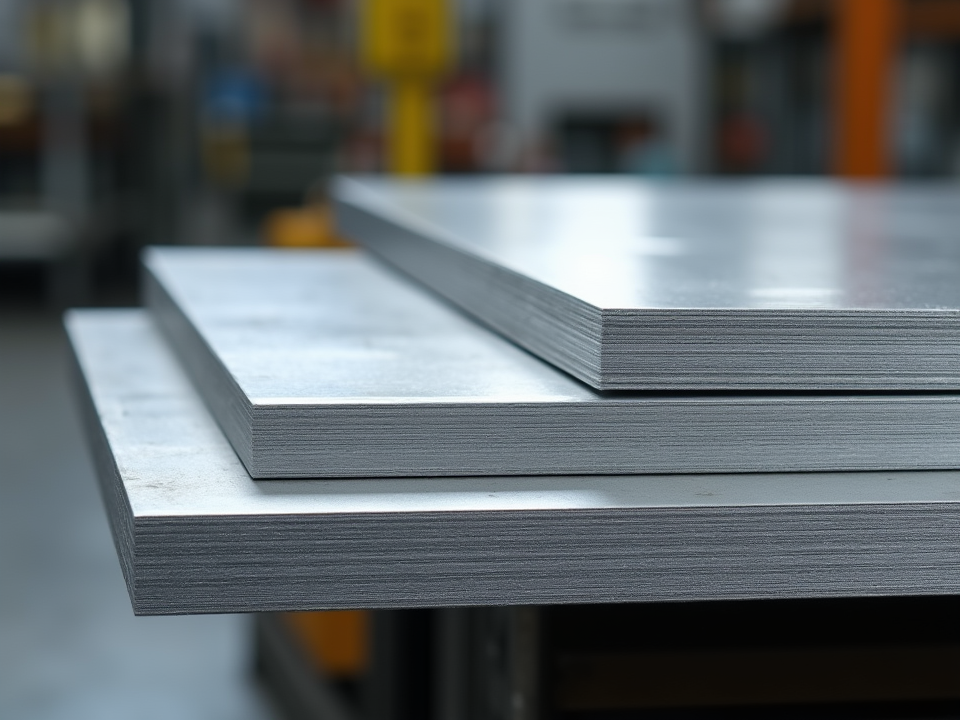
| Flatness | Suitable for automatic feeding and high-speed stamping |
| Edge condition | Trimmed or slit edge, low burr for cap forming dies |
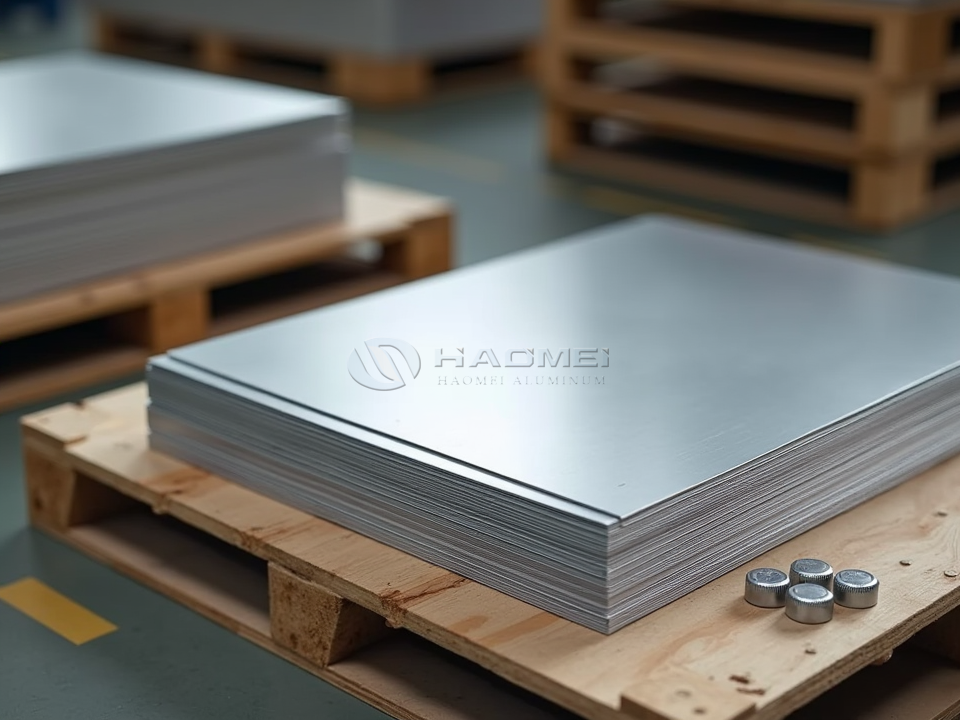
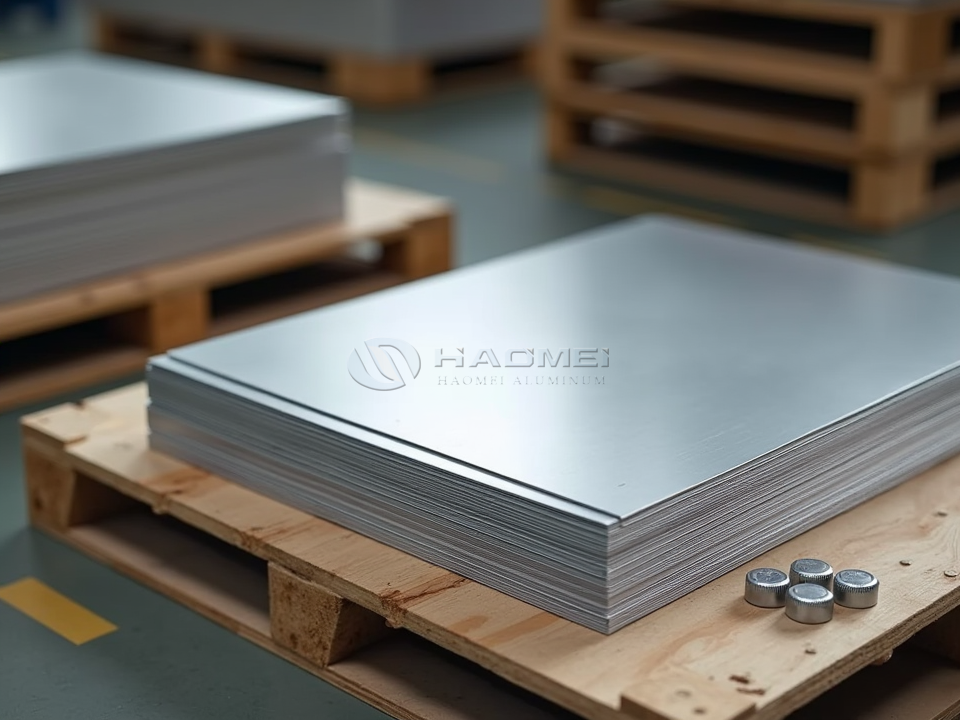
| Packaging | Moisture-proof wrapping, wooden pallet, vertical or eye-to-sky coil packing |
Mechanical Properties
Mechanical properties must match the forming method and cap design. Softer tempers support deeper forming, while harder tempers improve thread strength, tamper-band integrity, and cap rigidity.
| Alloy and Temper | Tensile Strength | Yield Strength | Elongation | Typical Use |
|---|---|---|---|---|
| 8011 H14 | 125-165 MPa | 110 MPa min | 2-6% | PP caps, medicine caps, shallow formed closures |
| 8011 H16 | 145-185 MPa | 130 MPa min | 1-4% | ROPP caps, beverage caps, anti-theft closures |
| 3105 H14 | 140-180 MPa | 120 MPa min | 2-6% | Wine caps, screw caps, decorative closures |
| 3104 H19 | 260-310 MPa | 240 MPa min | 1-3% | High-strength beverage closure applications |
Actual values should be confirmed through mill certificates and customer forming trials, especially when cap geometry includes deep knurls, long skirts, complex bridges, or narrow tamper bands.
Surface and DOS Film Control
DOS coating must be uniform. Too little lubricant may cause scratching and die pickup. Too much may lead to slipping during feeding, printing issues, poor lacquer adhesion, or contamination in later operations. The ideal amount depends on tool design, press speed, cap diameter, and whether the sheet will be printed or coated after forming.
| Control Item | Preferred Condition |
|---|---|
| DOS distribution | Even coating across full width and coil length |
| Odor | Low odor, suitable for closure manufacturing environments |
| Cleanliness | Free from heavy rolling oil, stains, metal powder, and water marks |
| Compatibility | Suitable for downstream printing, lacquering, or liner processes after proper surface validation |
| Storage behavior | Stable when protected from moisture, dust, and excessive heat |
When printed branding is required, the aluminum may be degreased, pretreated, lacquered, and printed before or after selected forming stages depending on the cap design. For decorated closure programs, many customers also evaluate Printed Aluminum Closure Sheet to shorten processing steps and improve visual consistency.
Main Applications
DOS coated aluminum sheet for caps serves a broad closure market. Its low-friction surface is especially valuable where caps require accurate forming and clean appearance.
| Application | Typical Cap Type | Material Advantage |
|---|---|---|
| Bottled water and soft drinks | PP caps, roll-on caps | Smooth stamping and reliable tamper band forming |
| Wine and spirits | ROPP caps, long-skirt caps | Clean surface, stable threading, good decorative base |
| Pharmaceuticals | Vial seals, medicine bottle caps | Good formability and controlled surface cleanliness |
| Food packaging | Sauce, oil, and condiment closures | Corrosion resistance and dependable sealing support |
| Cosmetics | Perfume and personal care caps | Bright surface with good forming appearance |
| Dairy and nutrition products | Powder and liquid product caps | Light weight, hygiene-friendly handling, stable cap shape |
Processing Advantages for Cap Lines
In a cap plant, material consistency has direct impact on press speed, maintenance intervals, and reject rates. DOS coated aluminum sheet supports fast and stable running because it combines controlled mechanical strength with a lubricated surface.
| Production Stage | How DOS Coated Sheet Helps |
|---|---|
| Coil feeding | Reduced drag and smoother movement through guides |
| Blanking | Cleaner separation when thickness and edge quality are controlled |
| Drawing | Lower friction between sheet and die radius |
| Knurling | Reduced surface scuffing during patterned deformation |
| Thread rolling | More uniform thread profile with lower metal pickup |
| Cap application | Better skirt forming and sealing contact under capping pressure |
The result is not only better appearance, but also more predictable closure performance in torque retention, opening behavior, and leak prevention.
Selection Guidance
Choosing the right DOS coated aluminum sheet starts with the cap design. A shallow pharmaceutical cap may need excellent ductility, while a high-speed beverage closure may require higher strength and tighter thickness control. For decorated wine caps, surface appearance and coating compatibility become more important. For food and pharmaceutical use, cleanliness, packaging, and traceability should be treated as essential purchasing criteria.
| Customer Requirement | Suggested Focus |
|---|---|
| Deep drawing | Softer temper, higher elongation, stable DOS film |
| High-speed stamping | Tight thickness tolerance, excellent flatness, low burr edge |
| Strong tamper band | H16 or harder temper with controlled yield strength |
| Premium decoration | Clean bright surface and validated print or lacquer compatibility |
| Long storage or export | Moisture-proof packing and anti-condensation handling |
Benefits at a Glance
| Benefit | Customer Value |
|---|---|
| Lightweight metal packaging | Reduces closure weight without sacrificing function |
| Good corrosion resistance | Supports beverage, food, wine, and pharmaceutical use |
| Smooth forming | Helps reduce cracks, wrinkles, and surface defects |
| Stable sealing performance | Improves confidence in final package integrity |
| Recyclable aluminum base | Supports circular packaging and material recovery goals |
| Customizable specifications | Alloy, temper, width, thickness, and DOS amount can be matched to cap lines |
Conclusion
DOS coated aluminum sheet for caps is engineered for reliable closure manufacturing where friction control, clean forming, and repeatable sealing matter. With the right alloy, temper, thickness tolerance, and DOS coating level, it helps cap producers reduce defects, protect tooling, improve line efficiency, and deliver attractive, dependable closures for beverages, wine, pharmaceuticals, food, cosmetics, and personal care packaging.