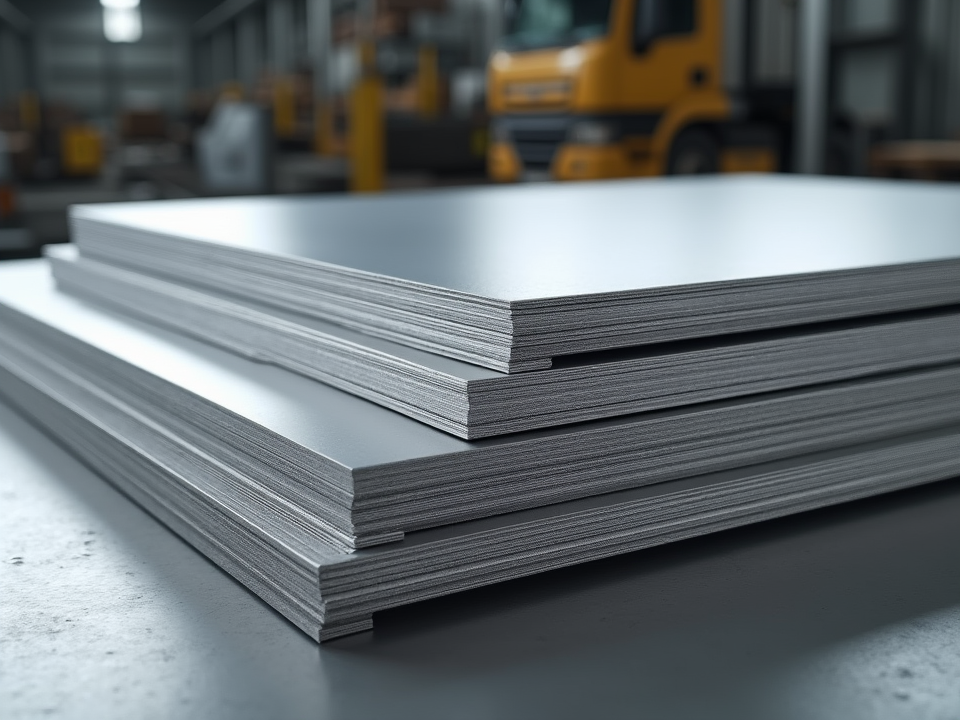
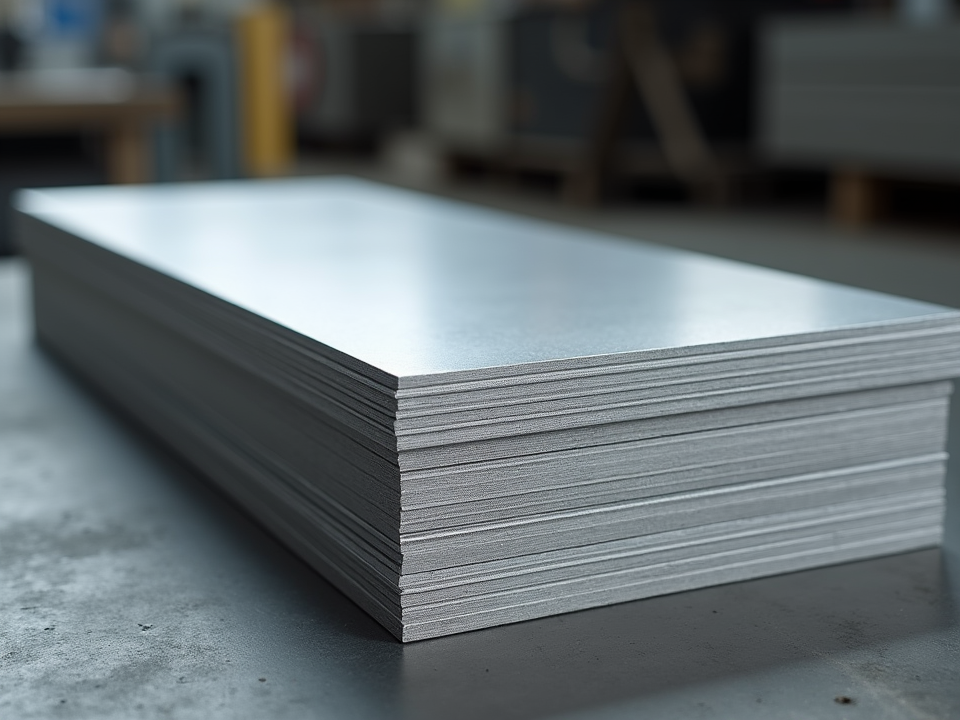
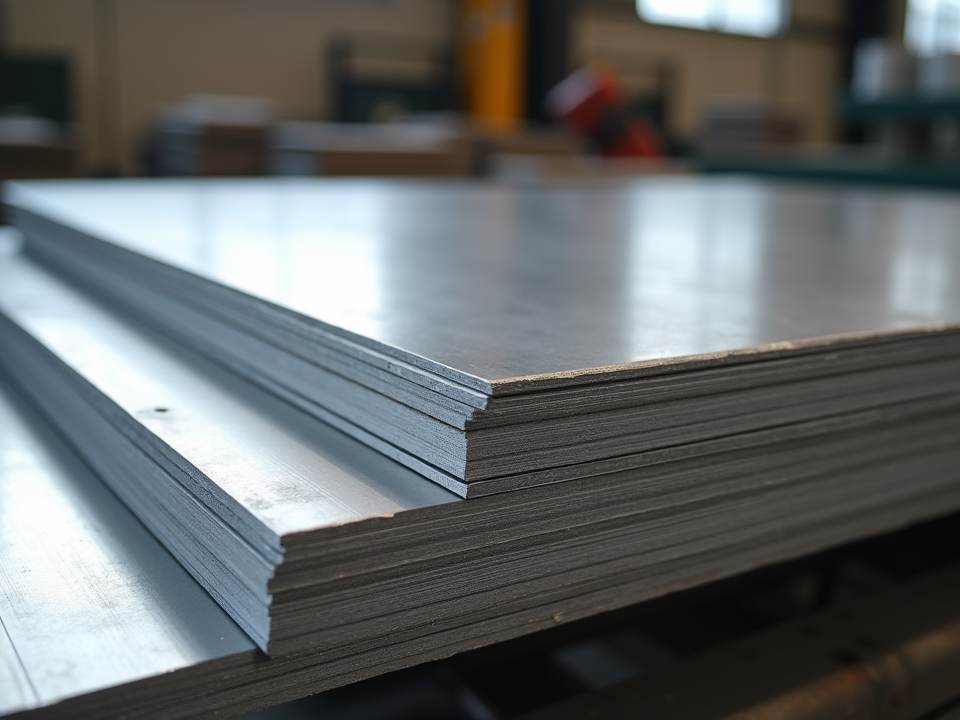
Wine Bottle Cap Aluminum Sheet
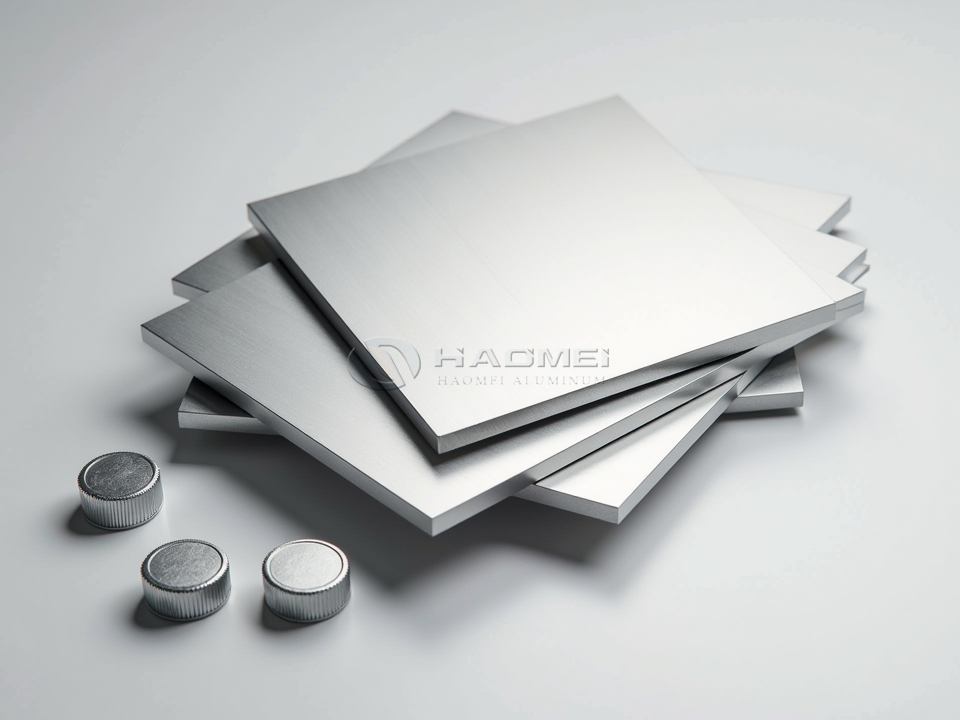
Wine bottle cap aluminum sheet is not just a metal substrate for a cap. It is the quiet engineering layer between the wine, the glass neck, the filling line, the brand surface, and the consumer's first opening experience. A good sheet must draw smoothly, print cleanly, resist corrosion, seal without cracking, and keep its shape after threading or rolling. From this viewpoint, the material is best understood as a precision control surface rather than a simple packaging metal.
The Function Starts at the Bottle Neck
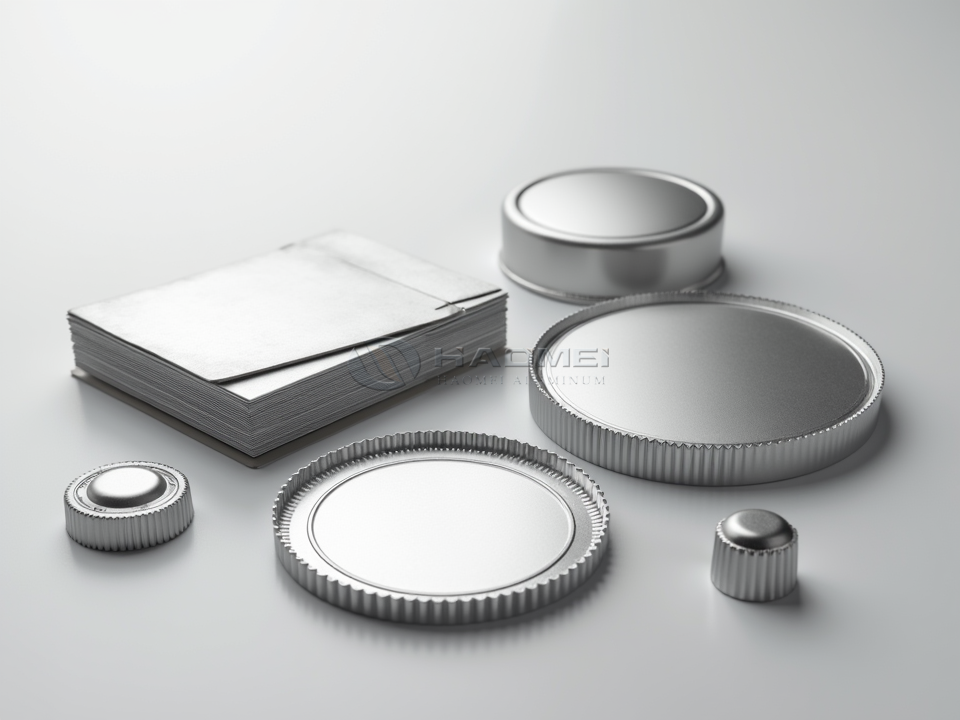
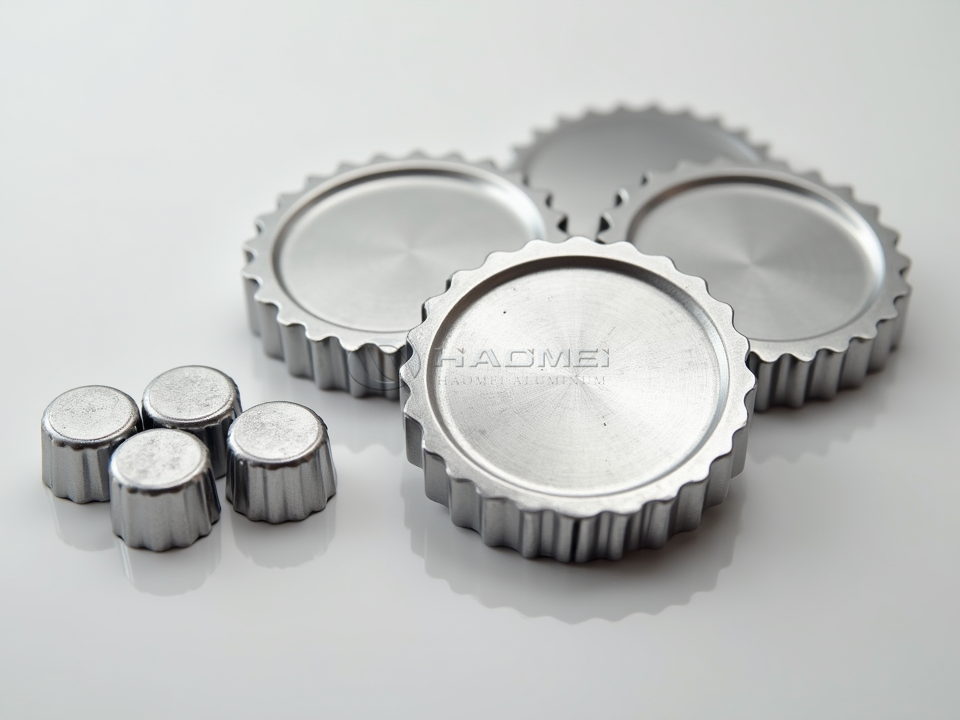
For wine closures, aluminum sheet is commonly used for ROPP caps, pilfer-proof caps, screw caps, and decorative wine bottle caps. During capping, the sheet is formed into a shell, lined, printed, lacquered, and then rolled onto the glass finish. The cap must hold pressure, protect aroma, prevent leakage, and open with a clean break in the tamper-evident band.
This is why wine bottle cap aluminum sheet needs a balanced combination of ductility and strength. If it is too soft, the thread profile may deform during transport. If it is too hard, the skirt can crack during deep drawing, knurling, or pilfer-band forming. The correct alloy and temper create a controlled deformation path, allowing the cap to follow the glass thread without tearing the lacquer or exposing bare metal.
Many wine closure producers select Aluminum Closure Sheet with stable gauge tolerance, smooth surface quality, and reliable coating adhesion because these details directly influence line speed and cap rejection rate.
Common Alloys and Tempers for Wine Caps
The most widely used alloys for wine bottle cap aluminum sheet include 8011, 3105, and 3104. Each alloy has its own forming behavior and strength profile.
8011 aluminum sheet is popular for wine caps because it offers excellent formability, fine surface quality, and good compatibility with printing and food-grade lacquer systems. It is often supplied in H14 or H16 temper. H14 provides better drawing performance, while H16 adds higher stiffness for closures that require stronger sidewall retention.
3105 aluminum sheet contains manganese and magnesium, giving it improved strength and good corrosion resistance. It is suitable for longer caps, premium wine closures, and caps requiring more rigid threading. 3104 is also used where higher mechanical performance and good forming stability are needed.
| Alloy | Typical Temper | Main Use in Wine Caps | Material Character |
|---|---|---|---|
| 8011 | H14, H16 | Standard ROPP wine caps, pilfer-proof caps | Soft forming, bright surface, stable coating adhesion |
| 3105 | H14, H16 | Long-skirt wine caps, premium screw caps | Higher strength, good corrosion resistance |
| 3104 | H14, H16, H18 | High-strength closure applications | Stronger body, good forming stability |
For high-volume closure production, 8011 Aluminum Closure Sheet is often chosen when smooth deep drawing, consistent earing behavior, and decorative print performance are required.
Practical Parameters for Production
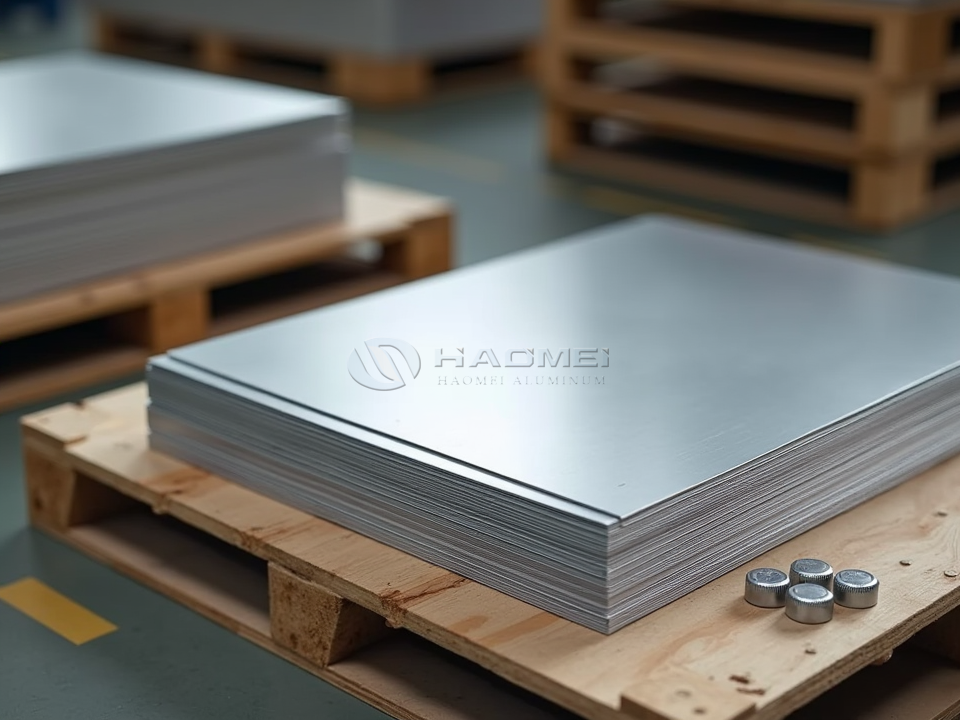
Wine bottle cap aluminum sheet is usually ordered in coil or sheet form depending on the cap production process. Coil stock is preferred for continuous printing, lacquering, slitting, and high-speed stamping.
| Parameter | Common Range for Wine Cap Use |
|---|---|
| Thickness | 0.18 mm to 0.30 mm |
| Width | 200 mm to 1600 mm, according to slitting demand |
| Coil inner diameter | 150 mm, 305 mm, 405 mm, 508 mm |
| Surface | Mill finish, degreased, chromated, coated, printed |
| Coating | Epoxy, polyester, acrylic, food-grade lacquer |
| Tensile strength | About 125 MPa to 200 MPa, depending on alloy and temper |
| Elongation | Usually 1% to 8%, depending on gauge and temper |
| Surface requirements | No oil stain, pinhole, crack, black spot, heavy scratch, or oxidation mark |
The thickness must match the cap diameter, cap height, knurling design, and closure torque target. A short wine cap may perform well with thinner stock, while a long-skirt premium cap may need extra stiffness to maintain straightness and reduce ovality. Small thickness variations can affect stamping force, liner compression, thread formation, and opening torque.
Chemical Composition Reference
Chemical composition controls work hardening, corrosion behavior, strength, and the ability of the sheet to remain stable during coating and baking. The following values are typical reference ranges based on common aluminum closure alloys and should be confirmed according to the purchase standard.
| Alloy | Si | Fe | Cu | Mn | Mg | Zn | Ti | Al |
|---|---|---|---|---|---|---|---|---|
| 8011 | 0.50-0.90 | 0.60-1.00 | ≤0.10 | ≤0.20 | ≤0.05 | ≤0.10 | ≤0.08 | Balance |
| 3105 | ≤0.60 | ≤0.70 | ≤0.30 | 0.30-0.80 | 0.20-0.80 | ≤0.40 | ≤0.10 | Balance |
| 3104 | ≤0.60 | ≤0.80 | 0.05-0.25 | 0.80-1.40 | 0.80-1.30 | ≤0.25 | ≤0.10 | Balance |
The iron and silicon content in 8011 supports strength and process stability, while manganese and magnesium in 3105 and 3104 improve rigidity. For wine closures, chemical consistency is important because unstable composition can lead to fluctuating hardness, poor drawability, and color differences after anodizing or coating.
Standards and Quality Conditions
Wine bottle cap aluminum sheet is commonly supplied according to international and regional standards such as ASTM B209, EN 485, EN 573, GB/T 3880, and food-contact regulations related to coatings and packaging safety. For coated or printed sheet, additional control is required for lacquer adhesion, solvent resistance, sterilization resistance, and odor neutrality.
Important test conditions include tensile testing, cupping or drawing test, surface inspection, coating adhesion by cross-cut test, boiling water resistance, MEK rub resistance, and torque simulation after cap forming. For food and beverage packaging, the inner coating must isolate wine from direct metal contact and resist alcohol, acidity, sulfites, and storage humidity.
The surface is often supplied after cleaning and chemical treatment to improve lacquer bonding. For premium wine caps, the sheet may be printed with metallic colors, matte textures, brand graphics, embossing zones, or anti-counterfeit effects. In these applications, flatness and surface uniformity decide whether the printed cap looks premium or uneven.
Applications Beyond a Simple Screw Cap
Wine bottle cap aluminum sheet is used in still wine closures, sparkling wine auxiliary covers, spirits caps, olive oil bottle caps, beverage ROPP caps, and decorative bottle packaging. Its role changes with the product. For standard wine, it provides sealing and tamper evidence. For premium brands, it becomes a visual identity carrier. For export wine, it supports transport safety under temperature changes and vibration.
The material also works with different liner systems such as Saranex, EPE, tin foil composite liners, and pressure-sensitive seals. The sheet must allow stable liner insertion without distortion. During application, proper cap torque depends not only on the capping machine but also on aluminum hardness, skirt thickness, thread depth, and coating friction.
How Buyers Can Judge a Good Wine Cap Sheet
A reliable wine bottle cap aluminum sheet should have stable mechanical properties from coil to coil, clean surface condition, uniform thickness, accurate width, low earing rate, and strong compatibility with coating and printing. It should form cleanly at high speed and maintain consistent opening torque after storage.
For buyers, the best material is not always the hardest or the thickest. It is the sheet that matches the cap design, glass finish, filling environment, decoration plan, and closure performance target. When these conditions align, the aluminum sheet becomes invisible to the consumer, yet it protects the wine every day until the moment the bottle is opened.