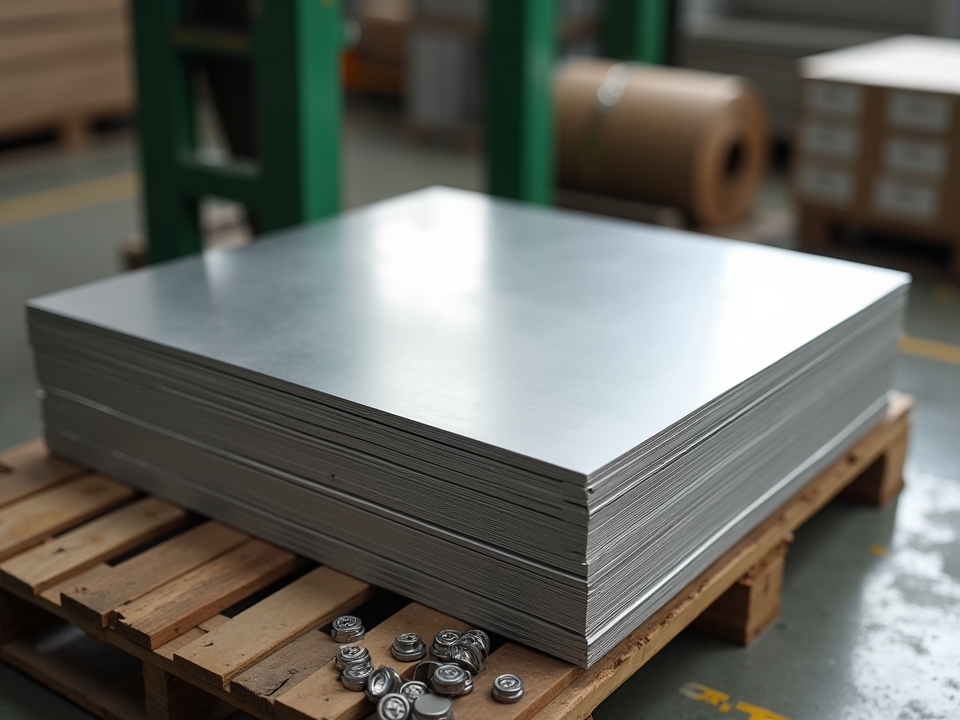
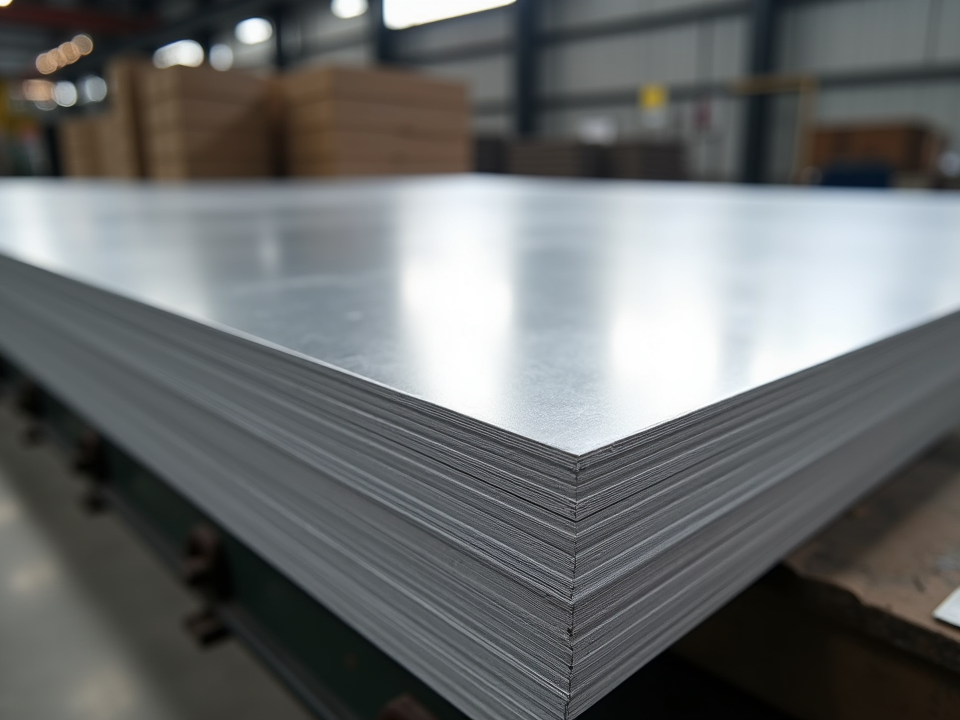
Aluminum Sheet for ROPP Bottle Caps
A ROPP cap looks simple when it sits on a bottle. It is small, light, and usually opened without much thought. On the production floor, however, that same cap becomes a precision part. It must be drawn, printed, lacquered, knurled, threaded on glass, sealed tightly, and opened cleanly by the consumer. The aluminum sheet behind it decides whether this chain feels smooth or troublesome.
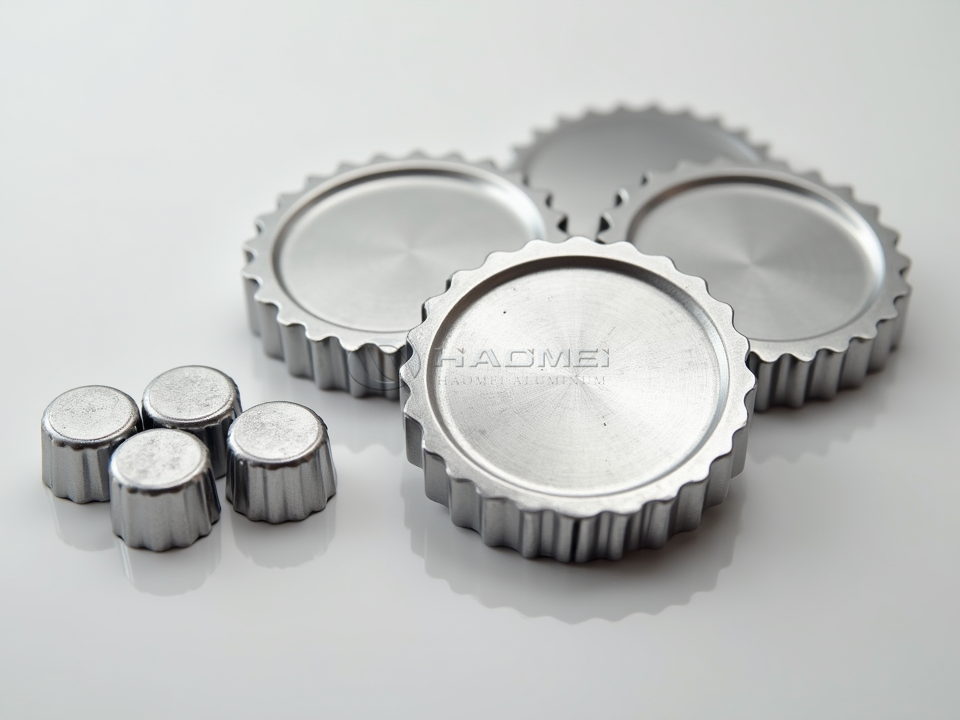
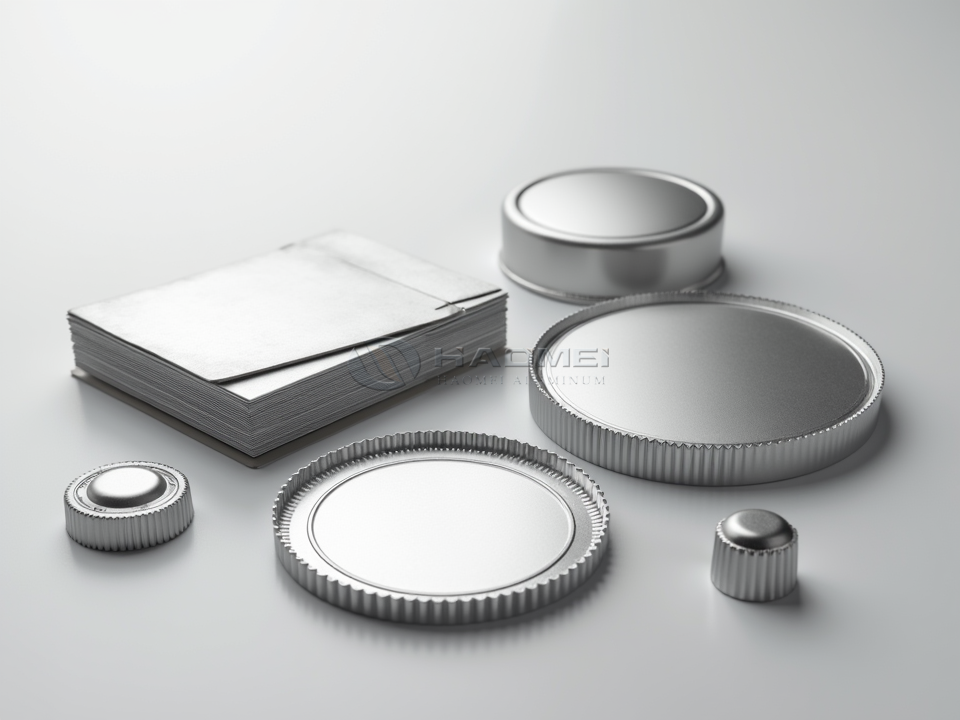
ROPP means Roll-On Pilfer Proof. The cap blank is formed from aluminum sheet, then rolled onto the bottle finish by capping heads. The metal must follow the thread profile of the bottle without cracking, wrinkling, springing back too much, or damaging the liner. That is why aluminum sheet for ROPP bottle caps is not just ordinary thin sheet. It is cap stock designed around forming behavior, surface stability, coating adhesion, and line reliability.
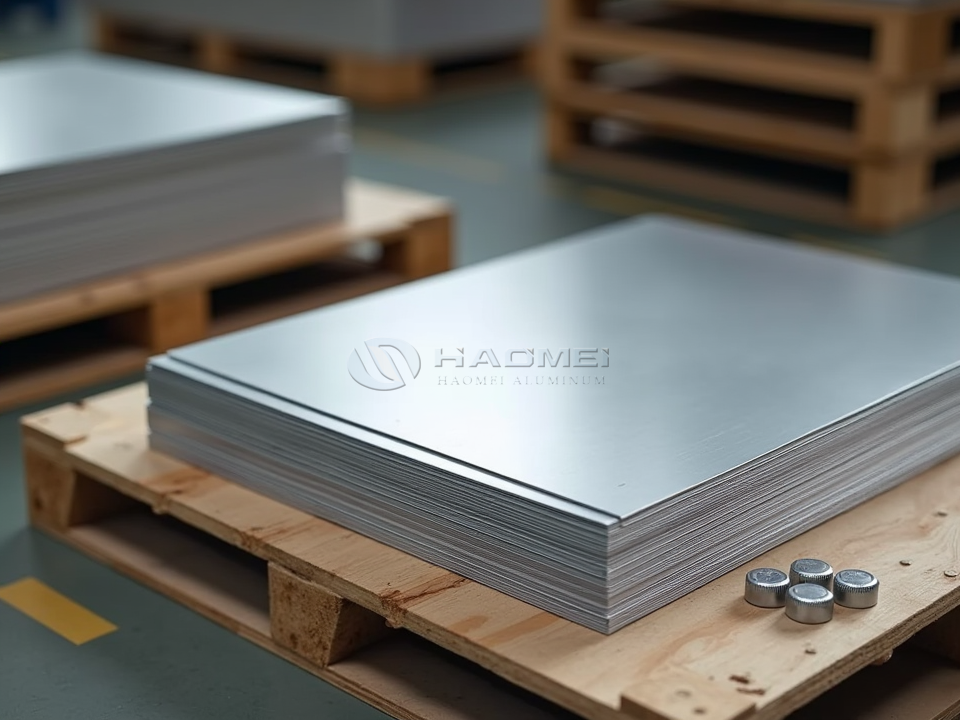
Think From the Capping Head, Not Only the Coil
Many buyers start with alloy, temper, and thickness. These matter, but a better starting point is the capping head. During application, the cap skirt is forced into the bottle thread while the tamper band is shaped at high speed. The sheet has only a tiny moment to stretch, bend, and hold its new form.
If the sheet is too soft, the cap may deform easily, but the thread can lose definition. The cap may feel weak during opening or show poor pilfer band performance. If the sheet is too hard, the cap may look sharp after forming, but cracks, uneven knurling, or high application torque can appear. The best material is the one that gives the capping machine a wide working window.
For this reason, common choices include 8011, 3105, and 3104 aluminum closure materials, often supplied in H14, H16, or related tempers depending on cap size, closure design, and customer equipment. Buyers who need balanced deep drawing and stable rolling performance often compare general Aluminum Closure Sheet grades before fixing the final specification.
Alloy Choice Is a Conversation About Risk
8011 aluminum is widely used for ROPP caps because it offers good formability, suitable strength, and reliable surface response for coating and printing. For many beverage, wine, spirits, pharmaceutical, and edible oil caps, 8011 Aluminum Closure Sheet gives a practical balance between cost and performance.
3105 and 3104 can be selected when the cap design, opening feel, or mechanical strength requirement calls for a different behavior. These alloys can provide good strength and stable processing, especially where cap height, diameter, or pilfer band structure makes the forming demand more severe.
The mistake is to treat alloy selection as a fixed rule. A short cap for a small medicine bottle, a long skirt wine cap, and a pilfer proof spirits closure do not punish the metal in the same way. The best grade is usually confirmed by testing the sheet on the actual cap line, with the real liner, real bottle finish, real speed, and real storage conditions.
Temper Controls the Personality of the Cap
Temper is where the aluminum sheet gets its working character. H14 is often chosen when a softer forming response is desired. H16 offers higher strength and can help caps hold shape more firmly. Both can work well, but each must match the cap drawing process and rolling process.
A practical customer test is to watch the cap skirt after threading. Does it show fine cracks near the knurling? Does the tamper band tear too early? Does the top panel remain flat after sealing pressure? Does the opening torque remain within the expected range after storage? These answers tell more than a certificate alone.
Good suppliers control mechanical properties in a narrow range, not just inside a wide standard. Stable tensile strength, elongation, and earing performance reduce line adjustment and scrap. For high-speed cap production, small differences in coil behavior can become large differences in daily output.
Surface Quality Is a Silent Profit Factor
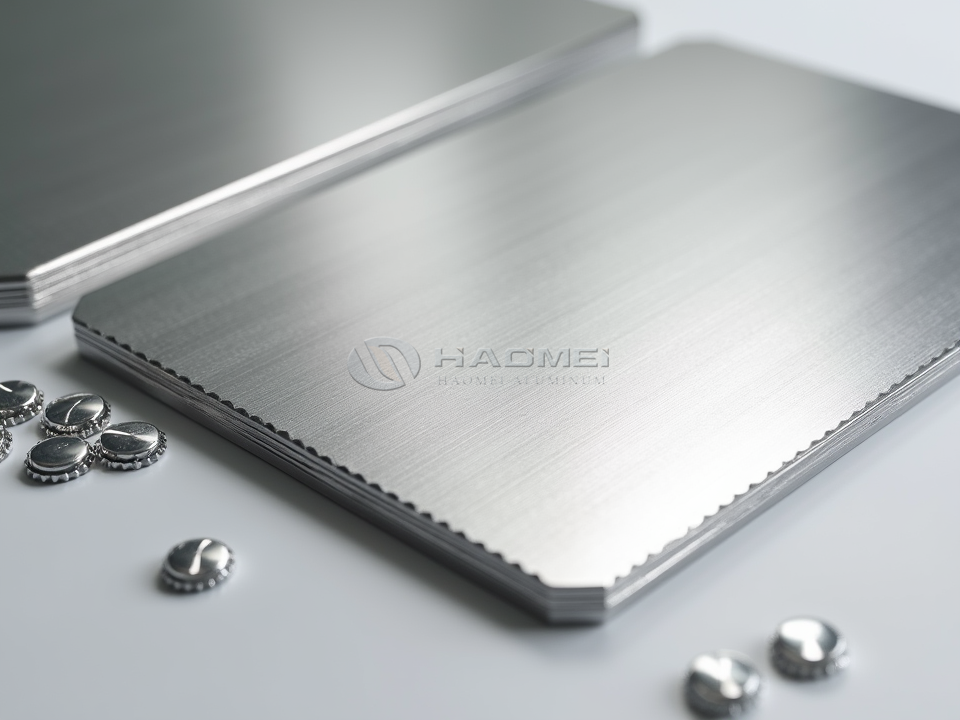
ROPP caps are often decorated. A poor sheet surface can turn printing into a waste generator. Pinholes, scratches, oil stains, roll marks, black lines, and uneven texture may not always affect strength, but they can ruin brand appearance. For wine, spirits, and premium beverages, the cap is part of the shelf image.
The sheet surface should be clean, flat, and suitable for pretreatment, lacquer, printing ink, and varnish. Coating adhesion matters because the cap will be formed after printing. A coating that looks good on flat sheet may crack or peel when the skirt is drawn or rolled. That is why coating flexibility and adhesion after forming are essential.
Lubrication also deserves attention. Too little lubricant can increase tool wear and forming stress. Too much can affect printing, coating, liner bonding, or cap hygiene. The right oil level depends on whether the customer buys bare sheet, coated sheet, or printed sheet, and how the downstream plant cleans and processes the material.
Thickness Tolerance Decides More Than Weight
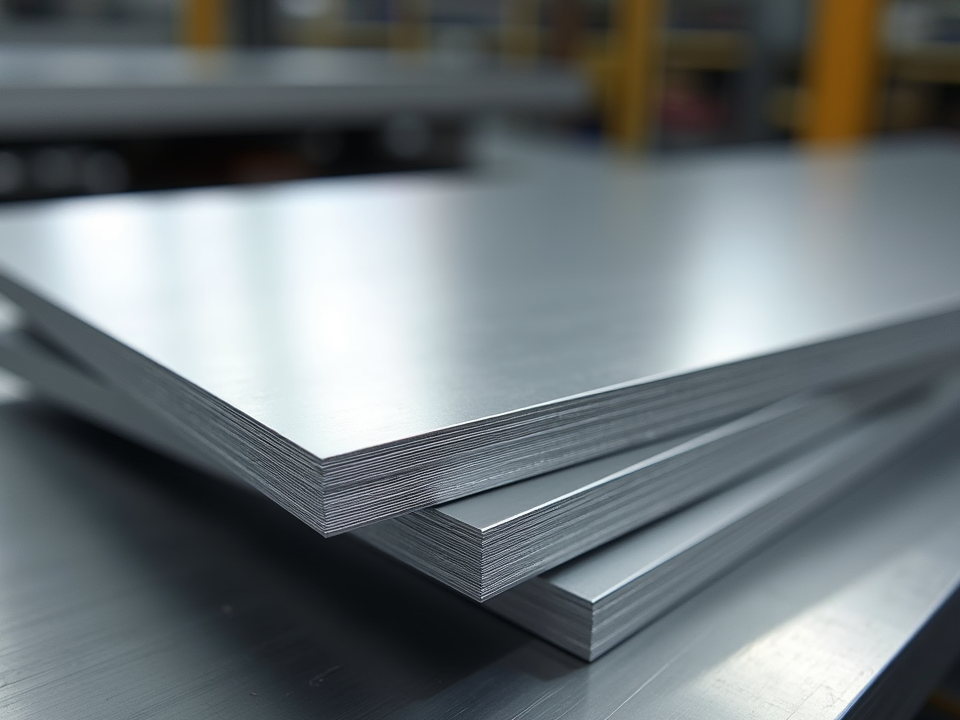
Typical ROPP cap aluminum sheet thickness may fall around 0.18 mm to 0.25 mm, with wider ranges possible for special closures. Thickness is often discussed as a cost issue, but it also affects sealing pressure, forming load, opening torque, and material yield.
If the sheet is thinner than expected, the cap may save metal but lose stiffness. The top panel can dish, the skirt can wrinkle, or the tamper band may not break cleanly. If the sheet is thicker, forming can become harder and the closure may require more capping force. This may increase wear on tooling and create inconsistent sealing.
Good coil flatness and tight thickness tolerance help the press run steadily. For customers producing millions of caps, fewer machine stops can be worth more than a small saving in coil price.
Food Safety and Compatibility Cannot Be Added Later
ROPP caps may close water, juice, wine, spirits, edible oil, medicine, syrups, or chemical products. The aluminum sheet itself, coating system, and liner compatibility must suit the contents. Alcohol, acidity, oil, heat treatment, and long storage can challenge the cap from inside.
For food and pharmaceutical packaging, buyers should confirm relevant food contact compliance, coating safety, odor control, and migration performance. The internal lacquer should protect the product from metal contact and protect the cap from product attack. A beautiful outer print cannot compensate for an unsuitable inner coating.
How to Buy With Fewer Surprises
A reliable purchase order should include alloy, temper, thickness, width, surface state, coating or printing requirement, mechanical property range, inner and outer coating details, lubricant level if needed, coil inner diameter, maximum coil weight, and packing method. If the material will be used for a new closure, sample testing should come before large volume buying.
It is also wise to send the aluminum supplier more than a drawing. Share cap diameter, cap height, bottle finish, product type, sterilization or pasteurization conditions if any, line speed, and common defects you want to avoid. This allows the sheet producer to recommend a material that fits the real application rather than only a catalog label.
The Cap Is Small, the Decision Is Not
Aluminum sheet for ROPP bottle caps carries more responsibility than its size suggests. It protects product freshness, supports brand design, helps the filling line run smoothly, and gives the consumer a safe first-opening experience. The right sheet is not simply the lowest price per ton. It is the material that reduces forming defects, supports stable torque, accepts coating and printing well, and performs consistently from coil to coil.
When customers judge ROPP cap stock through the eyes of the capping head, the printing line, the bottle finish, and the final user, purchasing becomes much clearer. A good aluminum sheet does not draw attention to itself. It quietly allows every cap to close well, open well, and represent the product with confidence.