Exterior Facade Perforated Aluminum
A building facade is often judged first by color and shape, but a perforated aluminum skin works more like a climate dial. It can soften sunlight, move air, protect glass, reduce glare, hide service zones, and give a building a changing face from morning to night. For customers choosing exterior facade perforated aluminum, the best question is not only how it looks, but what it is being asked to do.
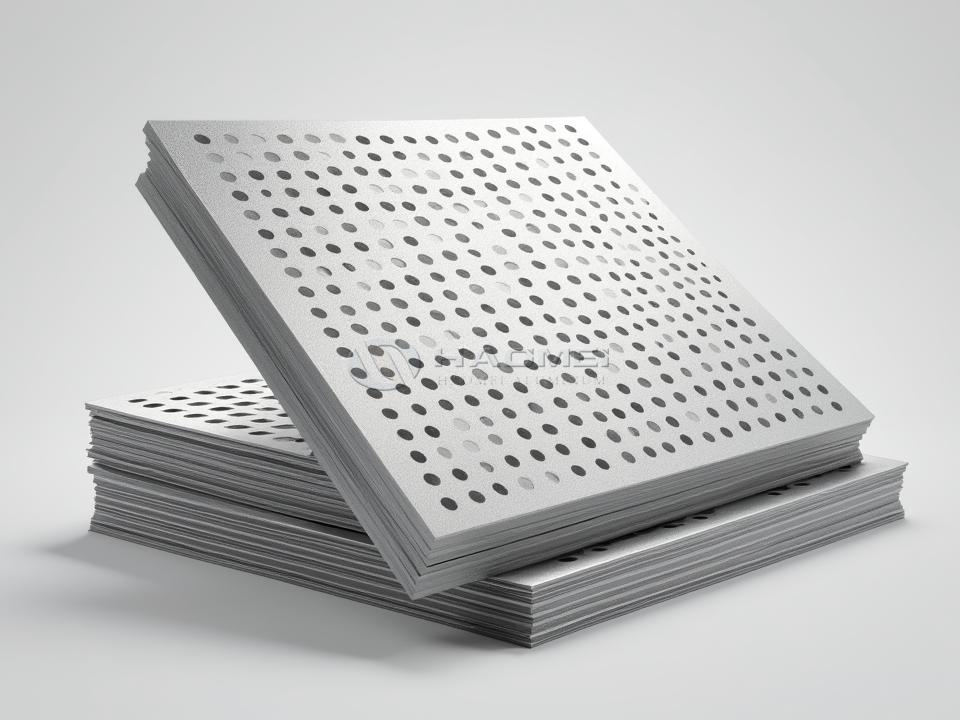
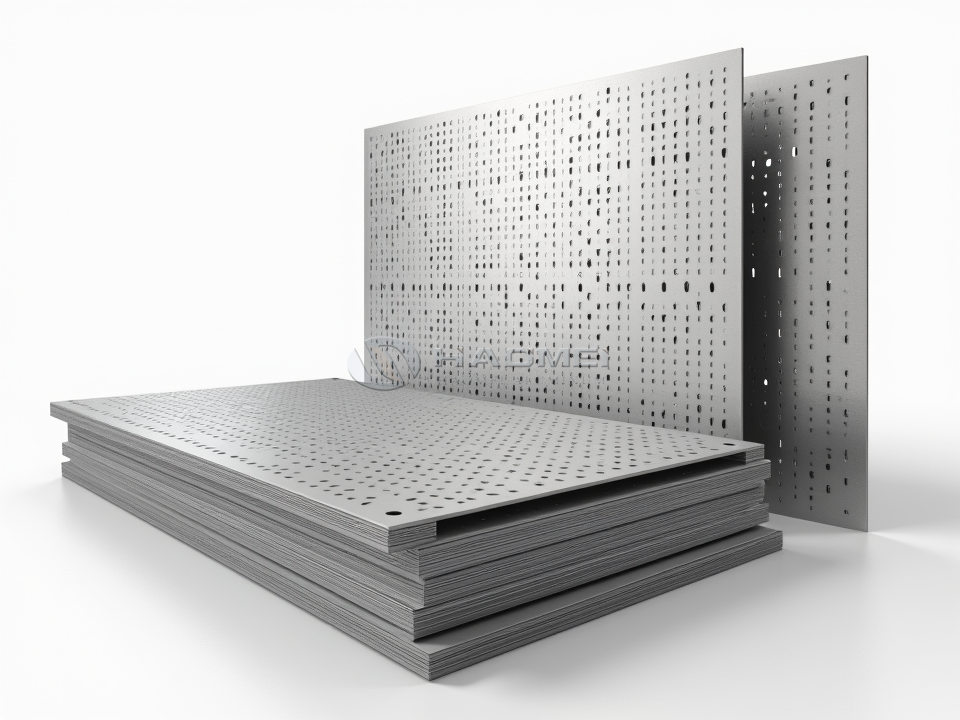
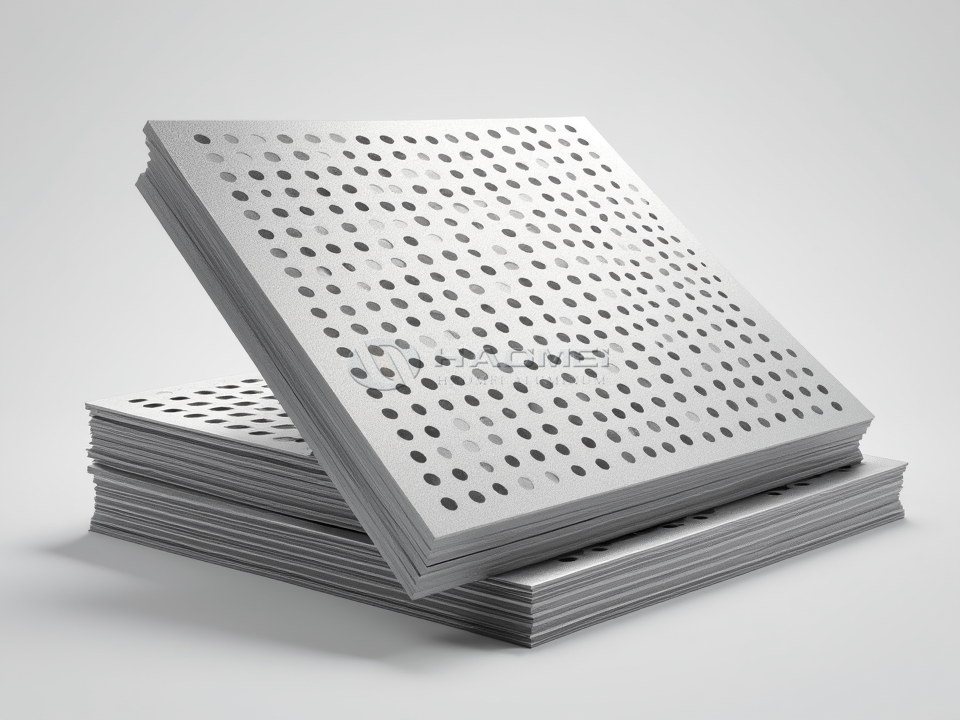
Perforated aluminum is a sheet or plate punched with repeated openings. Those openings may be round, square, slotted, hexagonal, or custom-shaped. On a facade, they create a second layer outside the main wall. This layer is usually fixed to a steel or aluminum support frame, leaving a ventilation cavity behind it. The result is lighter than many solid cladding systems, easier to fabricate than complex cast panels, and flexible enough for shopping malls, offices, hotels, parking structures, stations, schools, and residential towers.
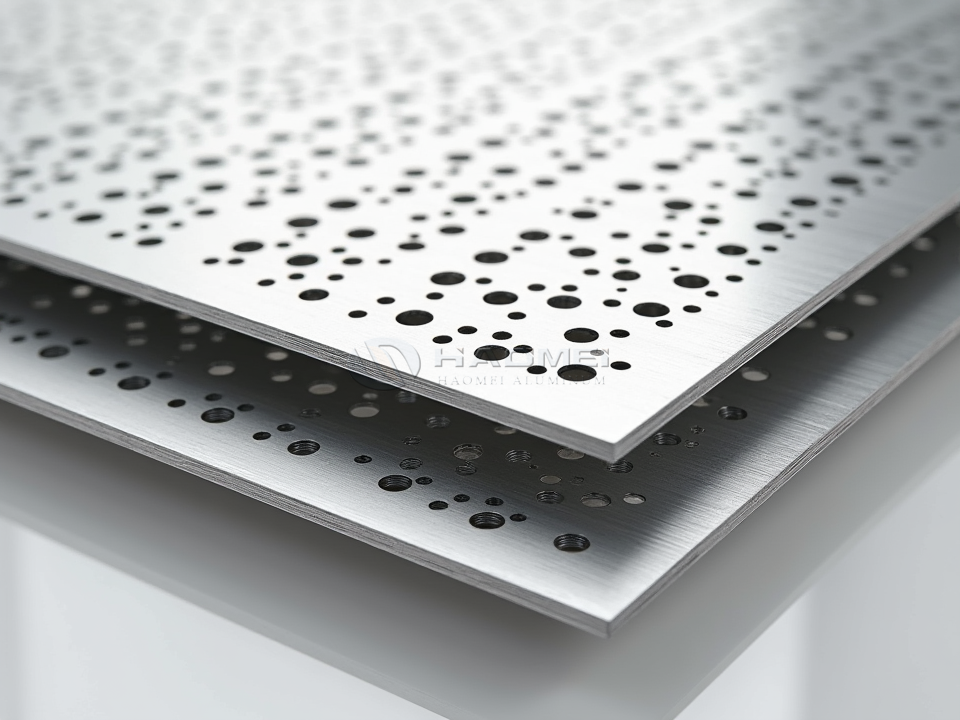
The quiet value of this material is in the balance between solid metal and empty space. A panel with a low open area feels dense, private, and protective. A panel with a high open area feels transparent, bright, and airy. Two panels may use the same alloy and finish, yet perform very differently because the hole diameter, pitch, and open rate have changed. This is why buyers should treat perforation design as a performance decision, not only a decorative pattern.
Round holes are the most common choice because they distribute stress evenly and are efficient to punch. They suit large facade areas where a clean rhythm is needed. Square holes look sharper and more architectural, especially on modern buildings with strong horizontal and vertical lines. Slotted holes can stretch the appearance of a facade and guide the eye across long elevations. Hexagonal patterns provide a technical, energetic surface and can increase visual interest without heavy color contrast.
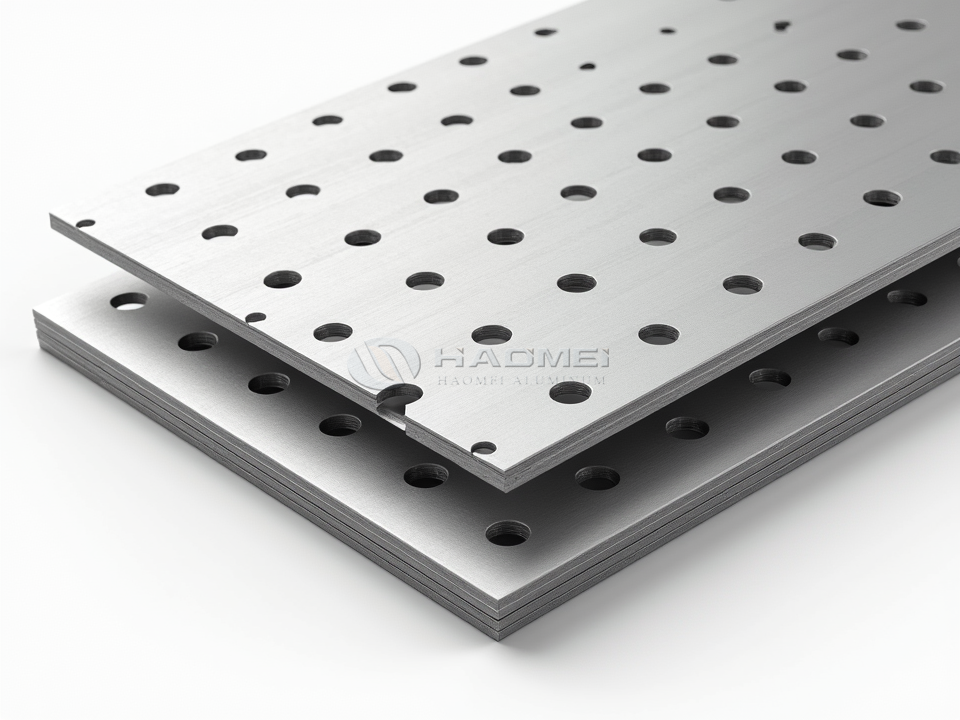
For projects that need proven, repeatable patterns, a Perforated Aluminum Plate can be specified with controlled thickness, hole size, spacing, and surface treatment. For projects where the facade itself is part of the brand identity, a Decorative Perforated Aluminum Facade Panel can carry custom graphics, gradient density, or shadow effects across multiple panels.
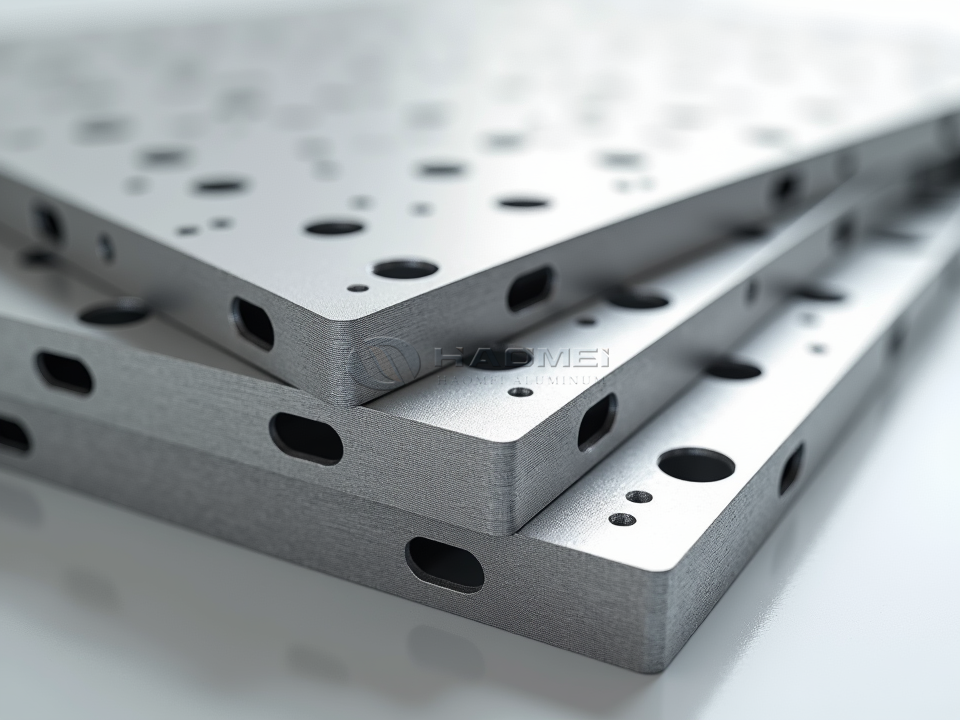
Thickness is another decision that affects both cost and confidence. Exterior facade perforated aluminum is often supplied from about 2.0 mm to 4.0 mm, depending on panel size, wind load, support spacing, and required flatness. Thinner sheets are lighter and economical, but may need more folds, ribs, or closer fixing points. Thicker panels resist deformation better and feel more solid, but add weight and cost. For tall buildings, coastal sites, or areas with strong wind, engineering checks are essential before final production.
Alloy choice matters too. 3003 aluminum is widely used for general cladding because it offers good formability and corrosion resistance. 5005 is often selected when anodizing appearance is important. 5052 provides higher strength and better corrosion resistance, especially useful in more demanding environments. 6061 may be used for structural components or special applications, though it is less common for wide decorative facade sheets. The right alloy should match forming method, surface finish, local climate, and budget.
Surface finish is where long-term appearance is won or lost. Powder coating is popular for its wide color range and attractive cost. PVDF coating offers excellent weather resistance and color retention for exterior use, especially where sunlight, rain, and pollution are concerns. Anodizing gives a metallic surface that feels natural and durable, though color choices are more limited than paint. In coastal zones, finish specification should be treated carefully, including pretreatment quality, coating thickness, and edge protection after cutting or punching.
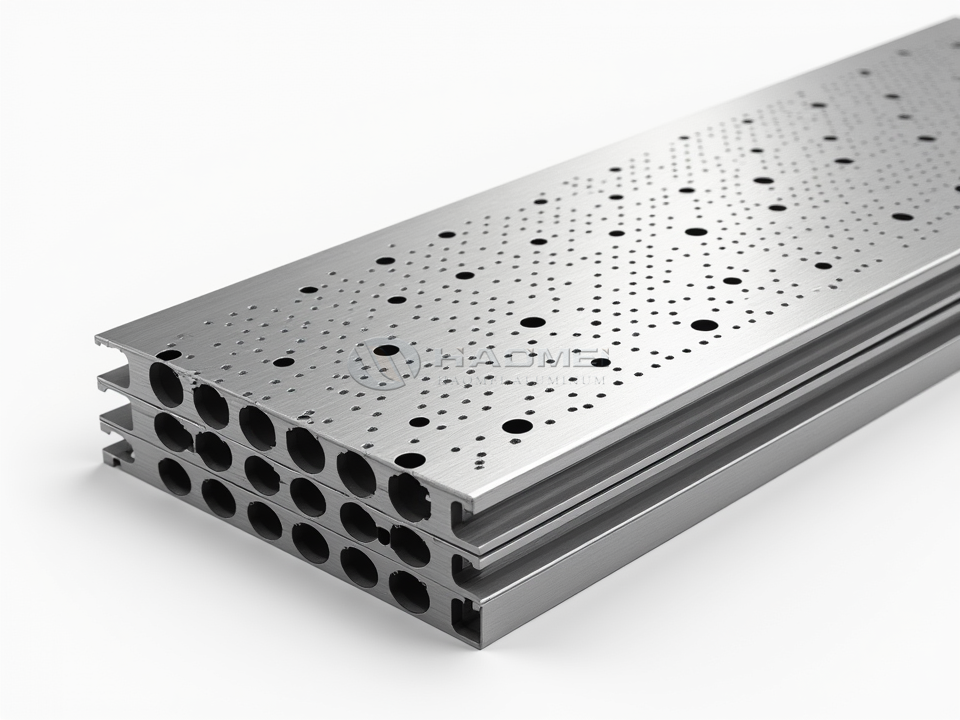
One practical way to choose a hole pattern is to stand inside the building in your mind. If the panels cover windows, ask how much daylight should enter. If the facade wraps a parking garage, ask how much airflow and exhaust ventilation are needed. If the panels shield balconies, ask how much privacy residents expect when lights are on at night. If the building faces a busy road, ask whether the facade must reduce visual clutter from outside equipment. A good perforation pattern answers these daily questions quietly.
Open area is the technical bridge between design and comfort. A panel with 20 percent open area gives more screening and shade. Around 30 to 40 percent open area is common when the project needs a balance of view, airflow, and sun control. Higher open areas can look light and transparent, but the panel may lose stiffness and require stronger support. Hole pitch also changes appearance. Small holes placed close together can read as a soft texture from far away. Larger holes create a bold graphic effect and may reveal more of the wall behind.
Flatness is often underestimated by customers until panels arrive on site. Perforation releases stress in the metal, and large panels may show waves if the design, thickness, or processing route is not suitable. Leveling, folding edges, adding stiffeners, and using proper fixing distances can help. During purchasing, it is wise to confirm panel size limits, tolerance, edge folding details, corner treatment, and whether shop drawings will be provided before production.
Installation should be simple in theory and precise in practice. Most perforated aluminum facade systems use brackets, vertical rails, horizontal supports, screws, rivets, or hidden fixing methods. The cavity behind the panel must allow drainage and ventilation. Joints should consider thermal expansion, because aluminum moves with temperature changes. If panels are too tightly fixed, they may distort during hot weather. If joints are too wide or uneven, the facade rhythm will suffer. Good installation drawings save time on site and reduce costly adjustments.
Maintenance is usually easy. Rain removes much of the dust from vertical surfaces, while lower areas may need occasional washing with clean water and mild detergent. Avoid harsh chemicals, abrasive brushes, and strong alkaline cleaners, as they can damage coated surfaces. In dusty industrial areas or near the sea, a planned cleaning schedule helps keep the facade fresh and protects the finish. Customers should also ask whether replacement panels can be made later with the same color, pattern, and fixing design.
Exterior facade perforated aluminum is especially useful when a project needs more than a flat wall. It can turn harsh sunlight into filtered shade. It can make a parking building safer and better ventilated. It can cover old walls during renovation without hiding the entire structure in heavy cladding. It can make a simple box-shaped building feel alive as shadows move across the surface.
The most successful projects begin with a clear purpose. Decide whether the facade should shade, breathe, screen, decorate, protect, or combine several roles. Then match the hole pattern, open area, alloy, thickness, finish, and fixing system to that purpose. When these choices work together, perforated aluminum stops being just a panel. It becomes a responsive outer skin that helps the building look better, feel better, and perform better for years.