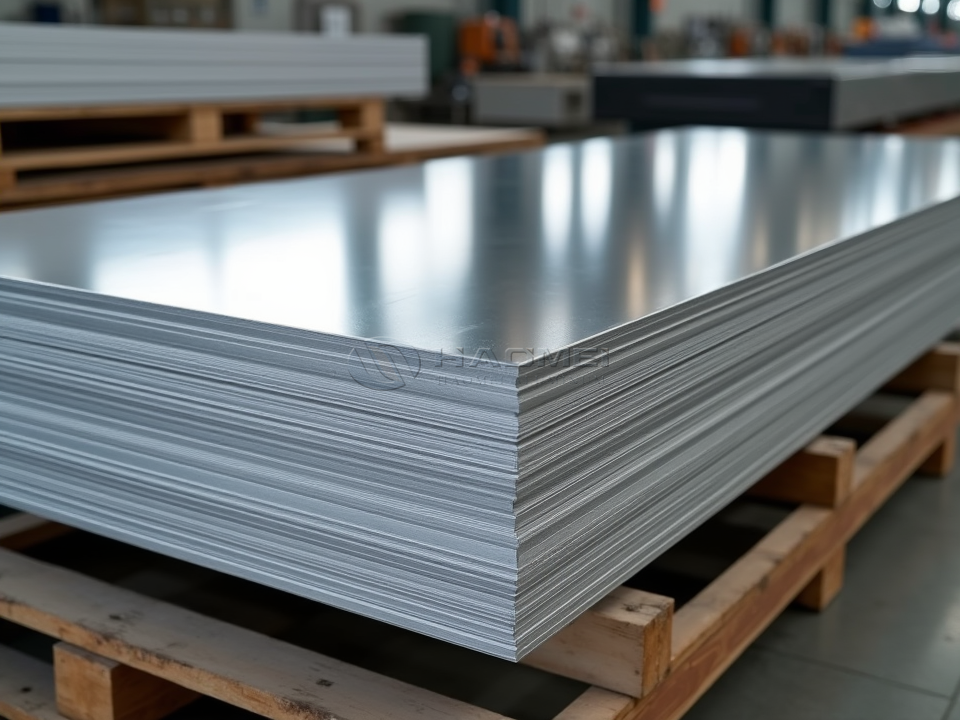
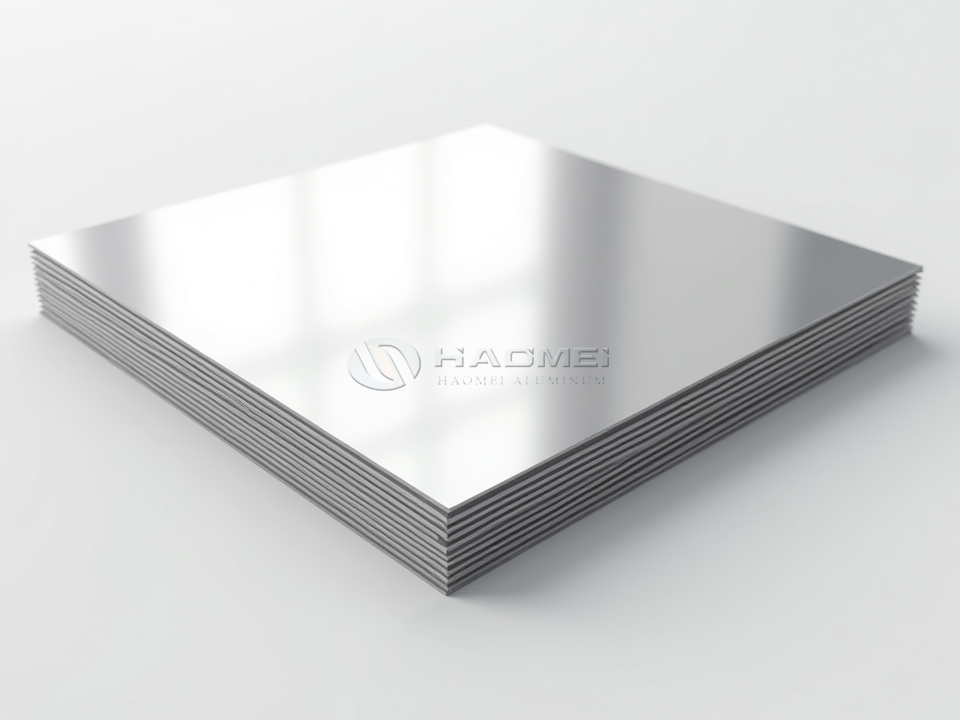
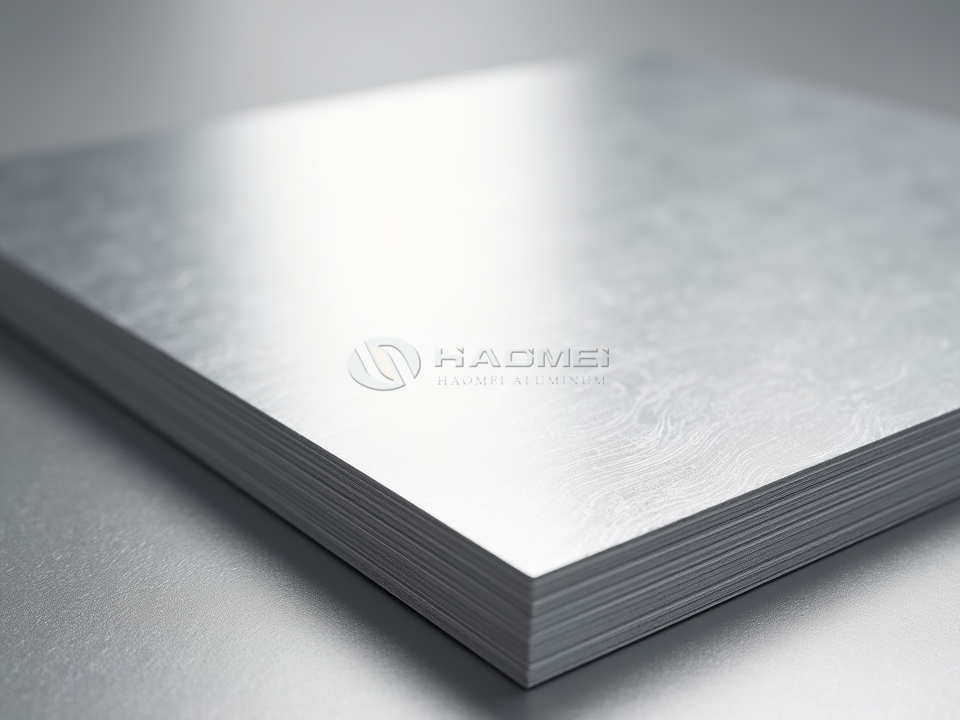
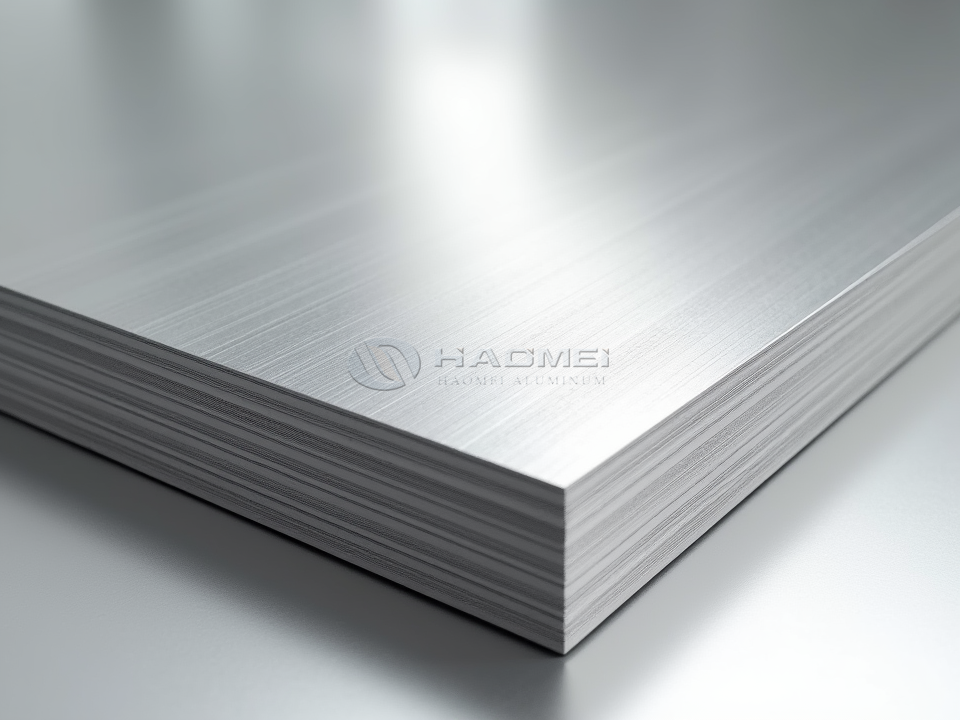
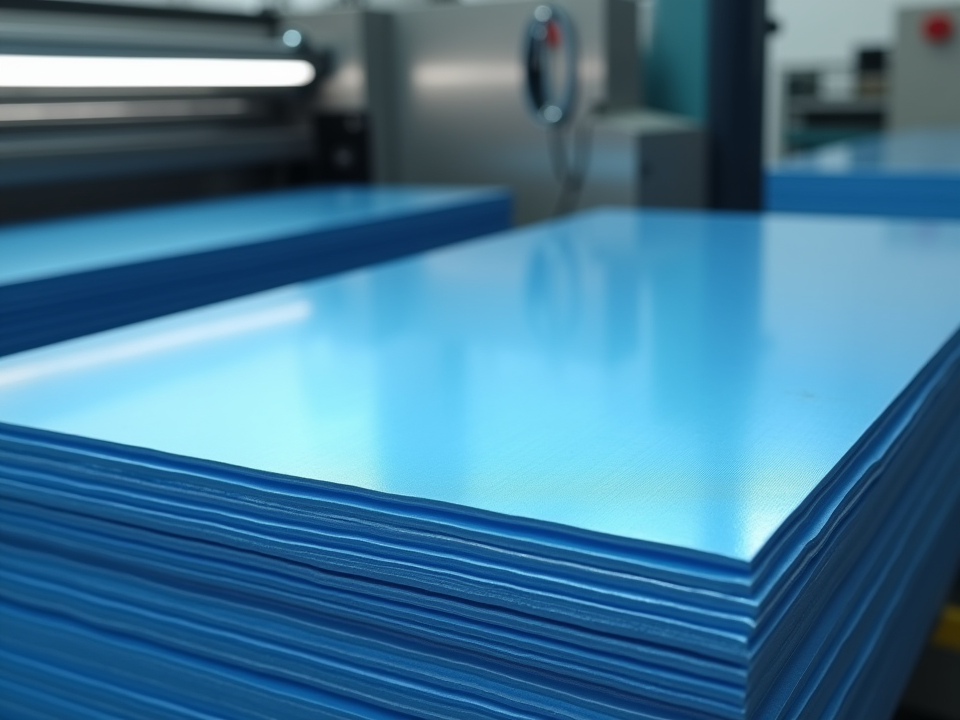
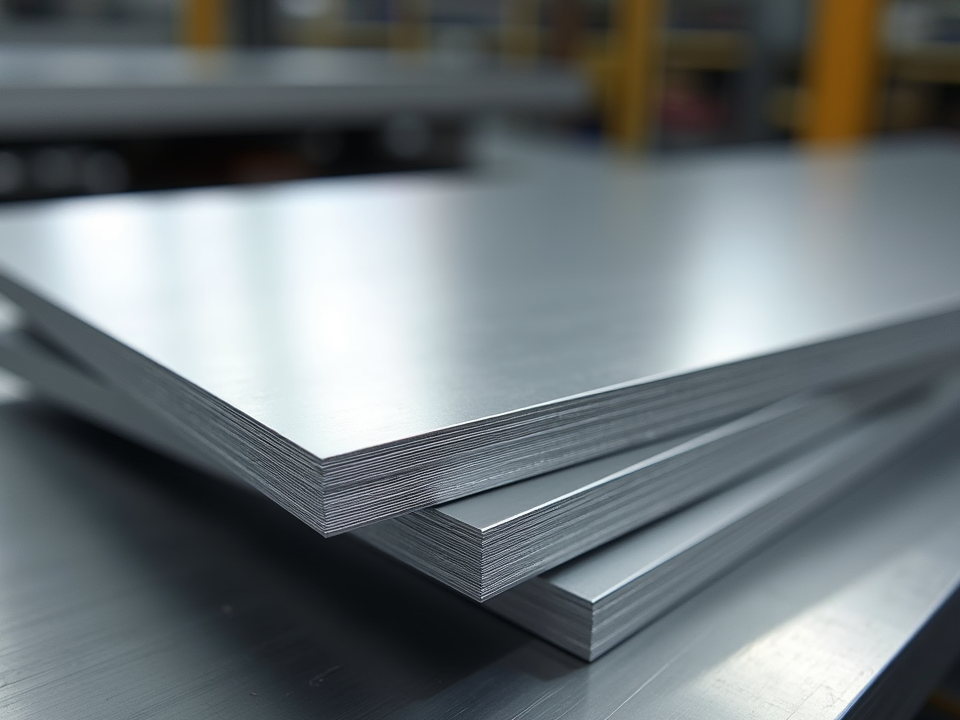
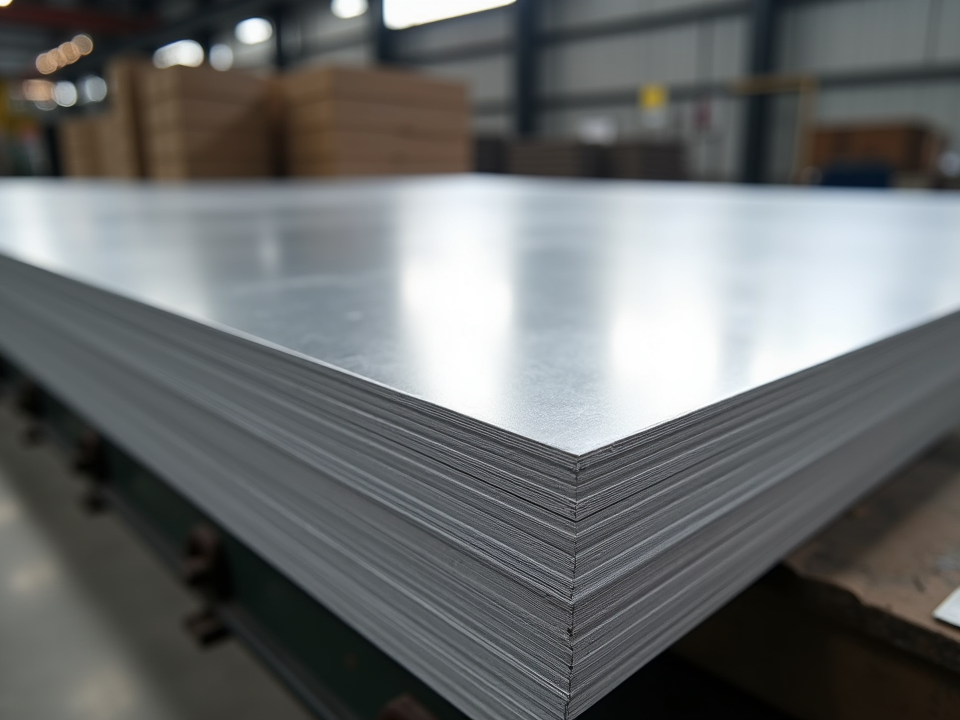
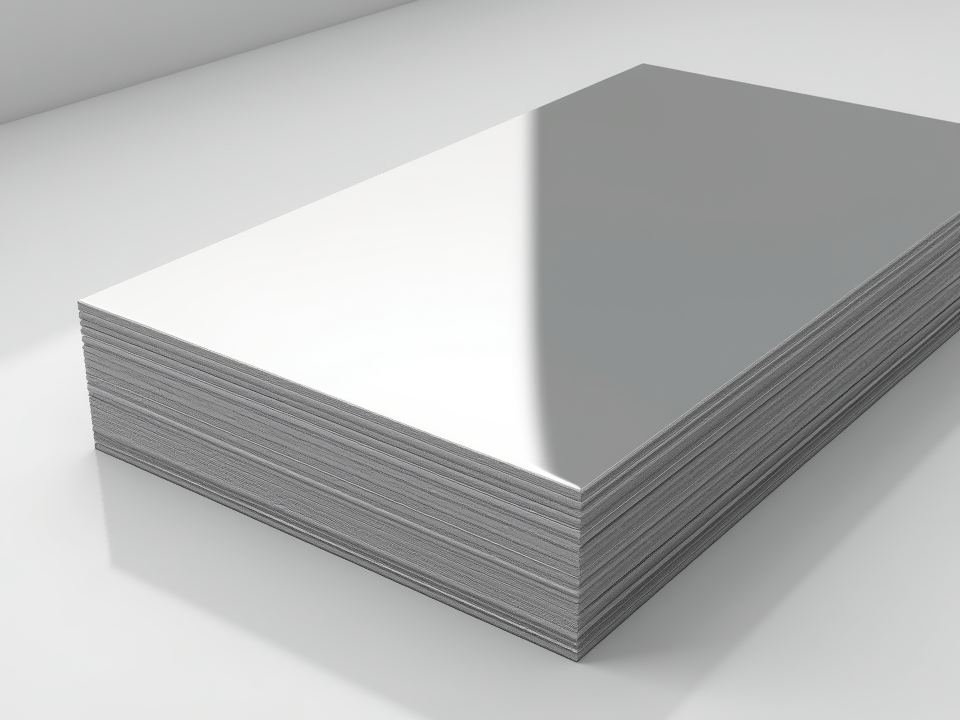
Lighting Reflector Aluminum Sheet
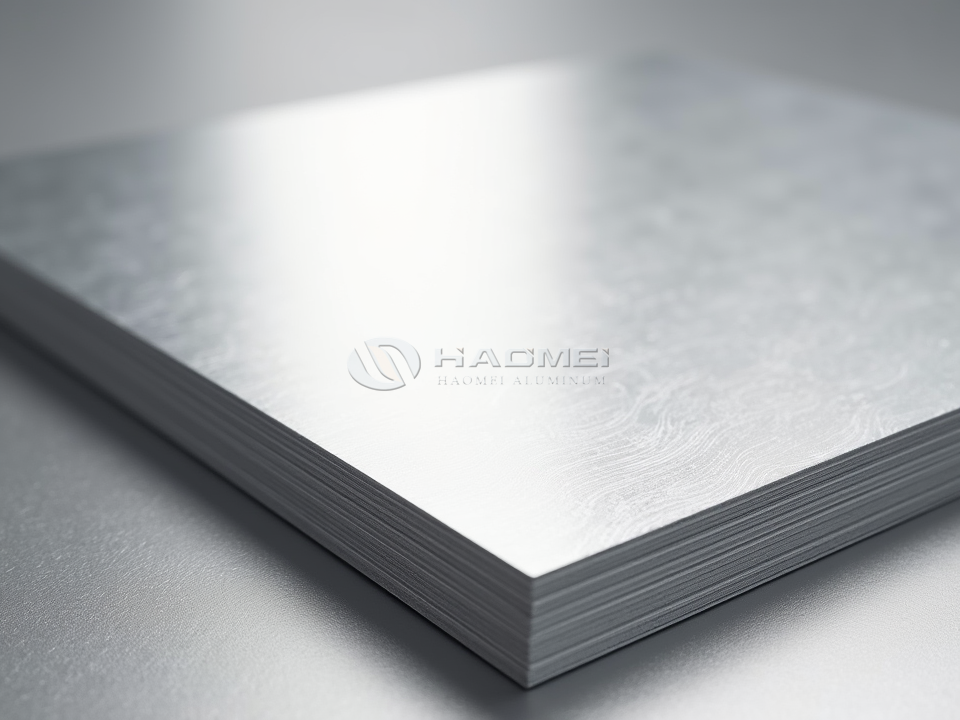
A lighting reflector aluminum sheet is not just a shiny metal surface. In a well-designed lamp, it works like a silent optical guide, collecting stray light, redirecting it toward the working area, reducing energy loss, and shaping the visual comfort of the final fixture. For customers choosing reflector material, the real question is not only how bright the sheet looks, but how consistently it performs after forming, cutting, coating, installation, heating, and years of service.
A Reflector Is a Light Traffic Controller
Inside LED panels, high-bay lamps, downlights, street lighting, grow lights, and commercial ceiling systems, photons leave the light source in many directions. Without a reflector, much of that light is absorbed inside the fixture or scattered into unwanted zones. Lighting reflector aluminum sheet creates a controlled path. It sends more usable light outward, improves luminous efficiency, and can help reduce the power needed to achieve the same illumination level.
The material may appear simple, but its function depends on three linked factors: alloy purity, surface finish, and protective treatment. High-purity aluminum such as 1060, 1070, and 1085 provides excellent reflectivity because it contains fewer alloying elements that may absorb or distort light. A polished, bright-rolled, or chemically treated surface improves specular reflection, while anodizing or coating protects the reflective layer from oxidation, fingerprints, humidity, and cleaning chemicals.
For general reflective lighting parts, many customers choose Mirror Aluminum Sheet because it balances high brightness, easy processing, and stable supply. For applications requiring excellent formability and a clean silver reflection, 1060 Mirror Aluminum Sheet is often used in lamp shades, reflectors, decorative lighting panels, and optical backing plates.
Functions That Matter in Real Lighting Fixtures
Brightness is the first function people notice, but lighting reflector aluminum sheet delivers more than a mirror effect. Its surface can increase light output ratio by reflecting light that would otherwise be lost. In LED lamps, this helps improve lumen maintenance and reduces the need for higher drive current, which may lower heat generation and extend the service life of LED chips.
Beam control is another major function. A highly specular reflector creates a sharper beam, suitable for spotlighting, display lighting, and directional luminaires. A semi-specular or diffuse reflective surface spreads light more evenly, reducing glare and hotspots in office lighting, panel lights, and indoor architectural lamps. The choice depends on whether the fixture needs precision, softness, or a balance of both.
Thermal behavior is also important. Aluminum conducts heat far better than many plastics or coated steel materials. Although the reflector is not always the main heat sink, it can help distribute local heat and reduce thermal stress around the LED module. In compact lighting designs, this extra heat path can be valuable.
Weight reduction gives aluminum another advantage. Thin reflector aluminum sheet can be formed into parabolic, V-shaped, round, or asymmetric geometries while keeping the lamp lightweight. This is especially useful in suspended lighting, automotive lighting, and large industrial fixtures.
Common Applications by Light Behavior
In commercial lighting, reflector aluminum sheet is used in linear lights, grille lamps, office ceiling lights, and supermarket lighting systems. These products often need clean reflection, low glare, and stable color appearance. A controlled reflective surface helps merchandise, workstations, and interior spaces look brighter without harshness.
In outdoor lighting, such as road lamps, tunnel lights, and floodlights, the reflector must handle temperature changes, moisture, dust, and UV exposure. Anodized or coated reflector aluminum is often preferred because the protective layer improves corrosion resistance and keeps the surface easier to clean.
In industrial and agricultural lighting, high reflectance helps maximize usable light. High-bay reflectors guide light downward in warehouses and factories. Grow light reflectors improve light distribution around plants, helping reduce shadow areas and improve energy use.
In decorative and architectural lighting, the surface is part of the design language. Silver, gold, champagne, black mirror, and colored reflective aluminum sheets can create visual depth while still assisting light distribution. Here, the reflector performs both optical and aesthetic duties.
Typical Technical Parameters
| Item | Common Range or Option | Notes for Lighting Use |
|---|---|---|
| Alloy | 1050, 1060, 1070, 1085, 3003 | Higher purity gives higher reflectivity; 3003 improves strength |
| Temper | O, H12, H14, H16, H18, H22, H24 | O for deep forming; H18 for flatter, stronger panels |
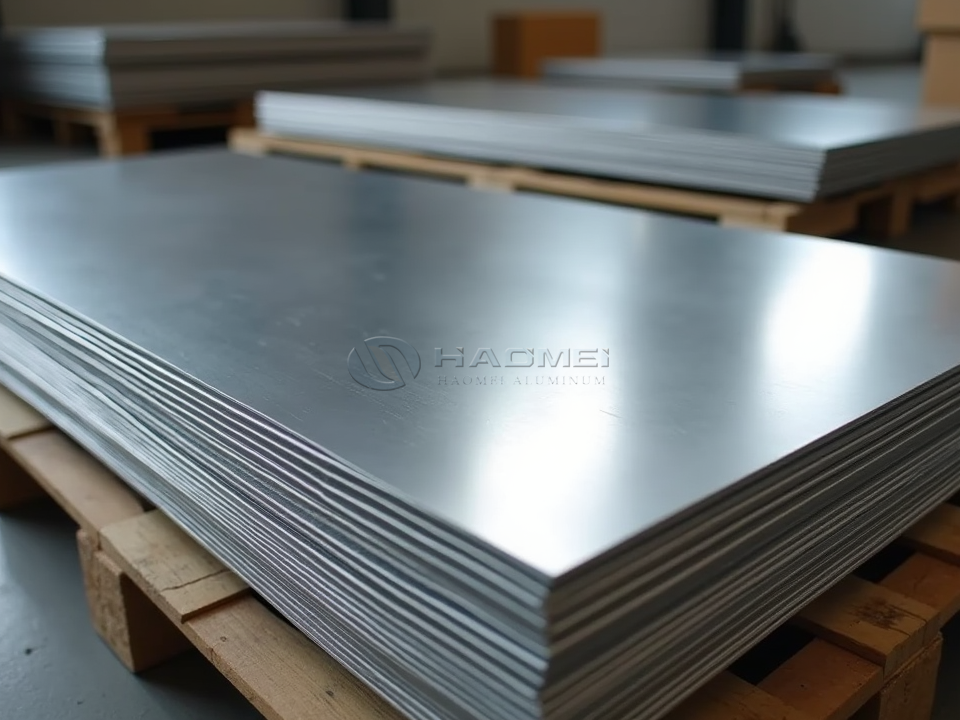
| Thickness | 0.2 mm to 3.0 mm | 0.3 mm to 1.2 mm is common for lamp reflectors |
| Width | 100 mm to 1600 mm | Slit coil or sheet can be supplied for stamping lines |
| Length | Coil or cut-to-size sheet | Custom cutting reduces fabrication waste |
| Total reflectance | About 80 percent to 95 percent | Depends on alloy, finish, and coating |
| Specular reflectance | About 70 percent to 90 percent | Important for directional lighting |
| Surface | Mirror, bright, matte, embossed, anodized, coated | Selected according to beam and environment |
| Protective film | PE film available | Prevents scratches during processing |
| Tolerance | According to ASTM, EN, GB, or customer drawing | Flatness and thickness affect optical precision |
Alloy Tempering Seen Through Processing
Temper selection decides how the sheet behaves when it becomes a reflector. O temper is soft and suitable for deep drawing, spinning, and complex curved lamp cups. H12 and H14 offer a practical balance between formability and stiffness, making them common for bent reflectors and standard lighting housings. H16 and H18 provide higher strength and better shape stability, but they are less forgiving in sharp forming operations.
For a simple flat reflective panel, a harder temper can keep the surface flatter after cutting. For a parabolic reflector or stamped lamp cup, a softer temper reduces cracking and orange peel. For outdoor fixtures, the temper must be considered together with anodizing or coating, because surface treatment can slightly influence bending performance.
Chemical Properties of Common Reflector Alloys
| Alloy | Al Minimum | Si | Fe | Cu | Mn | Mg | Zn | Ti | Typical Character |
|---|---|---|---|---|---|---|---|---|---|
| 1050 | 99.50 percent | 0.25 max | 0.40 max | 0.05 max | 0.05 max | 0.05 max | 0.05 max | 0.03 max | Good reflectivity and formability |
| 1060 | 99.60 percent | 0.25 max | 0.35 max | 0.05 max | 0.03 max | 0.03 max | 0.05 max | 0.03 max | Clean surface, widely used for reflectors |
| 1070 | 99.70 percent | 0.20 max | 0.25 max | 0.04 max | 0.03 max | 0.03 max | 0.04 max | 0.03 max | Higher purity for brighter finish |
| 1085 | 99.85 percent | 0.10 max | 0.12 max | 0.03 max | 0.02 max | 0.02 max | 0.03 max | 0.02 max | Premium reflectance and optical appearance |
| 3003 | Remainder | 0.60 max | 0.70 max | 0.05 to 0.20 | 1.00 to 1.50 | 0.05 max | 0.10 max | 0.05 max | Better strength, moderate reflectivity |
The chemical table shows why purity matters. Silicon, iron, copper, manganese, and magnesium change mechanical strength and corrosion behavior, but they can also influence surface brightness. Pure aluminum grades are preferred when reflection is the main target. Alloy 3003 is selected when higher rigidity is more important than maximum mirror brightness.
Standards and Quality Control
Lighting reflector aluminum sheet is commonly produced and inspected according to ASTM B209, EN 485, EN 573, EN 515, GB/T 3880, and JIS H4000. For anodized surfaces, ISO 7599 and related anodizing standards may be used. Reflectance can be tested with integrating sphere equipment or spectrophotometers, often referencing methods such as ASTM E903 or ISO 7668 depending on project requirements.
Important inspection items include thickness tolerance, width tolerance, diagonal accuracy, flatness, surface roughness, reflectance, color consistency, film adhesion, coating thickness, and scratch level. For optical lighting, small waves or surface marks may become visible after assembly, so protective film, clean packaging, and careful slitting are part of the product value.
Surface Treatments for Longer Service Life
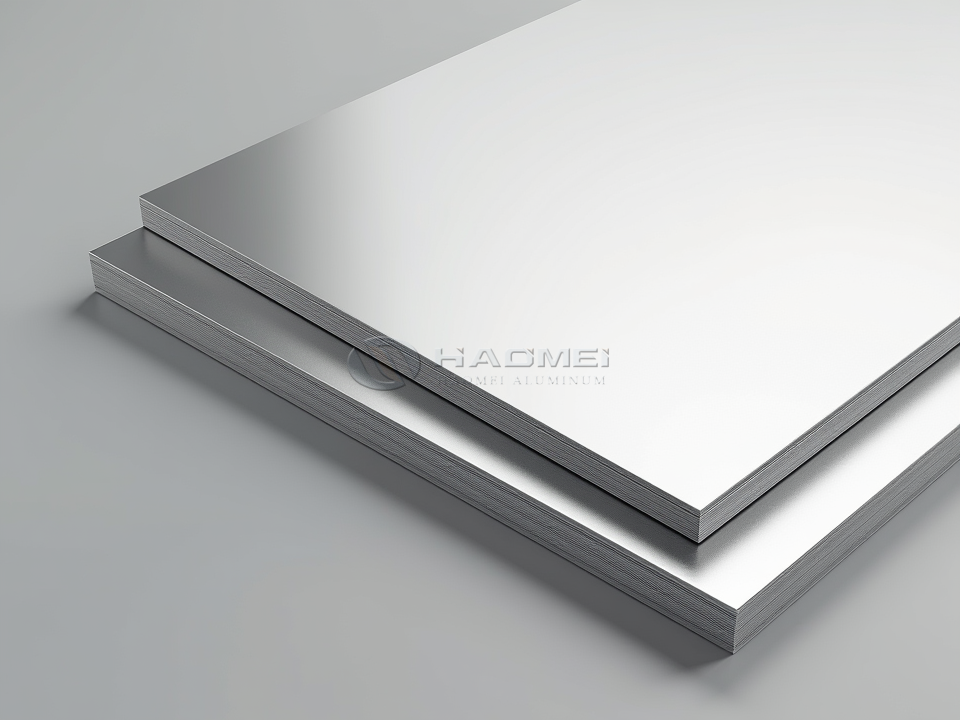
Bare polished aluminum can reflect well, but it naturally forms an oxide layer in air. In controlled indoor environments, this may be acceptable. For more demanding use, anodized mirror aluminum sheet is often chosen. Anodizing creates a dense oxide film that improves corrosion resistance while maintaining a bright metallic appearance. Clear anodizing is common for silver reflectors, while colored anodizing or coating can be used for decorative lighting.
Coated reflector aluminum may use transparent lacquer, anti-fingerprint coating, or specialized reflective coating. These treatments can improve cleaning resistance and reduce surface staining. However, every coating changes optical behavior slightly, so customers should compare total reflectance, specular reflectance, and color temperature shift before final selection.
Choosing the Right Sheet for the Fixture
A downlight reflector may need high specular reflection and excellent forming ability. A panel light may need a softer reflective surface to reduce glare. A street lamp may need anodized protection and strict shape stability. A decorative pendant lamp may value color, depth, and surface consistency. The best lighting reflector aluminum sheet is therefore not always the brightest one; it is the one that matches the optical target, fabrication method, operating environment, and cost plan.
When specifying material, customers should provide alloy, temper, thickness, width, surface finish, reflectance target, coating or anodizing requirement, protective film need, and intended forming process. With these details, the aluminum sheet can be matched to the lamp design rather than treated as a simple raw material.
Lighting reflector aluminum sheet turns metal into managed light. Its value is found in the way it guides brightness, protects efficiency, supports thermal stability, and helps fixtures look clean after long service. For modern lighting products, that combination makes reflective aluminum one of the most practical materials for turning electrical energy into visible comfort.