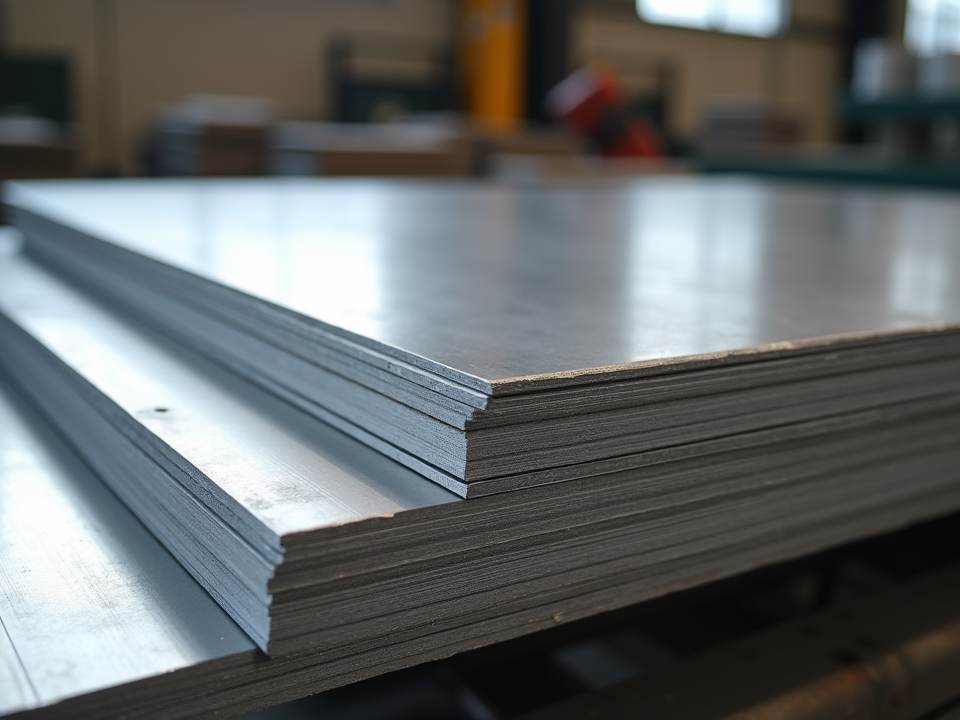
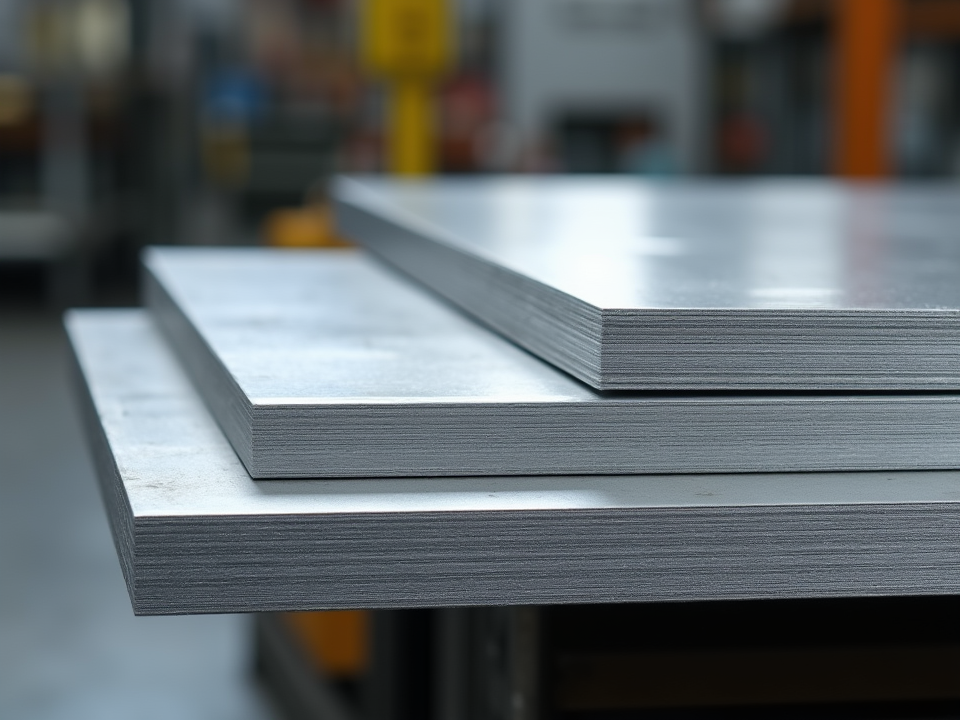
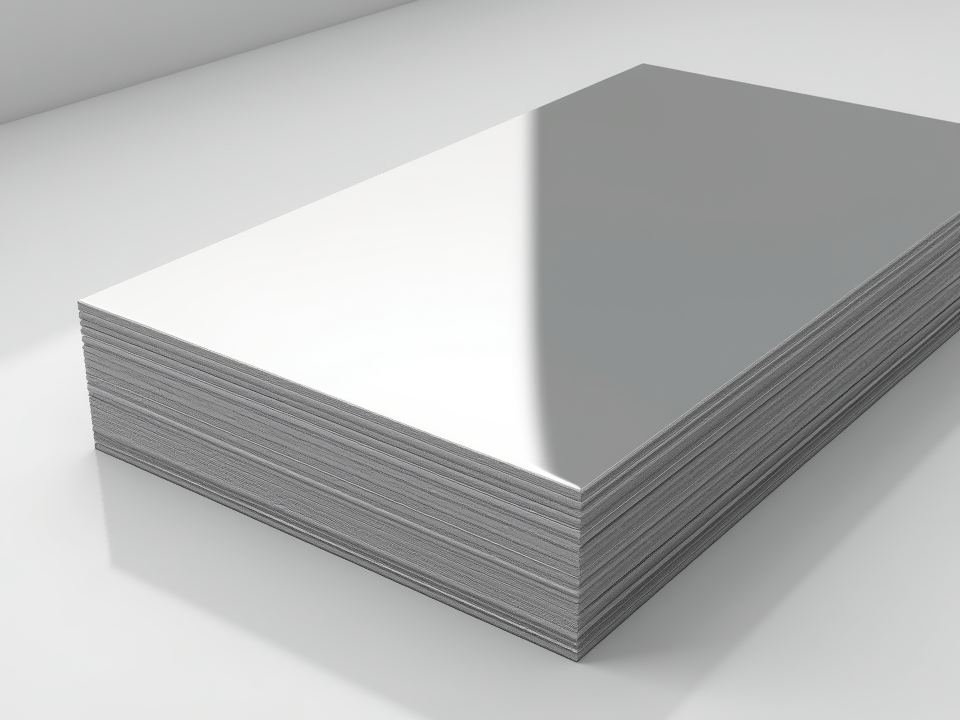
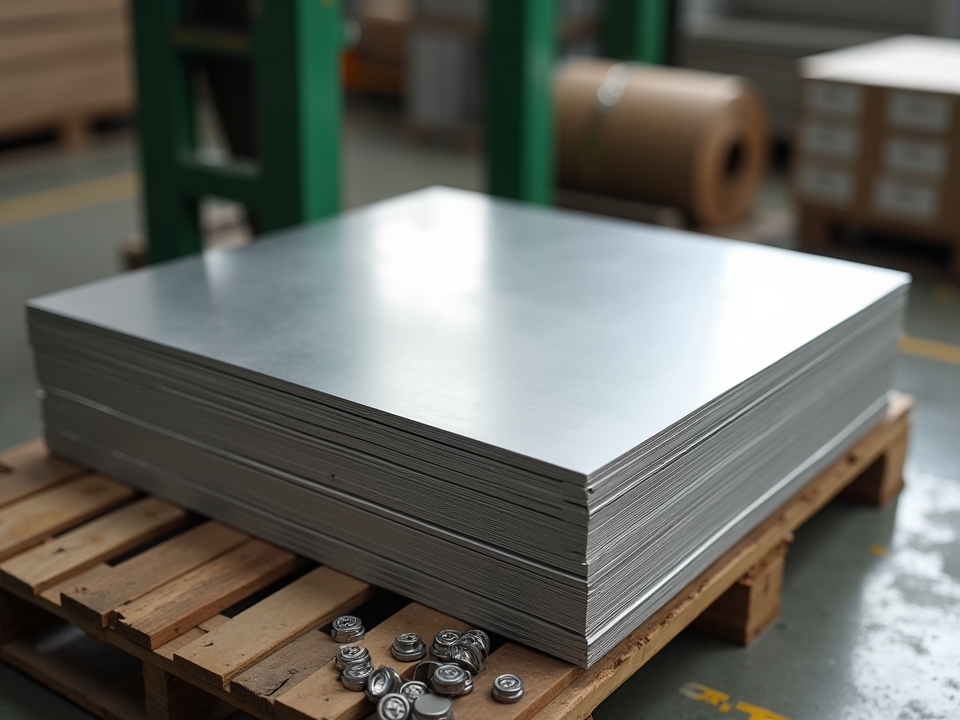
Highly Reflective Mirror Aluminum Sheet
A highly reflective mirror aluminum sheet is often judged by how bright it looks, but its real value is more practical: it changes the direction, intensity, and behavior of light. In lamps, solar reflectors, elevators, ceilings, appliance panels, transport interiors, and display systems, the sheet is not merely a shiny panel. It is a working surface that can reduce energy loss, improve visual clarity, protect the substrate, and support lightweight fabrication.
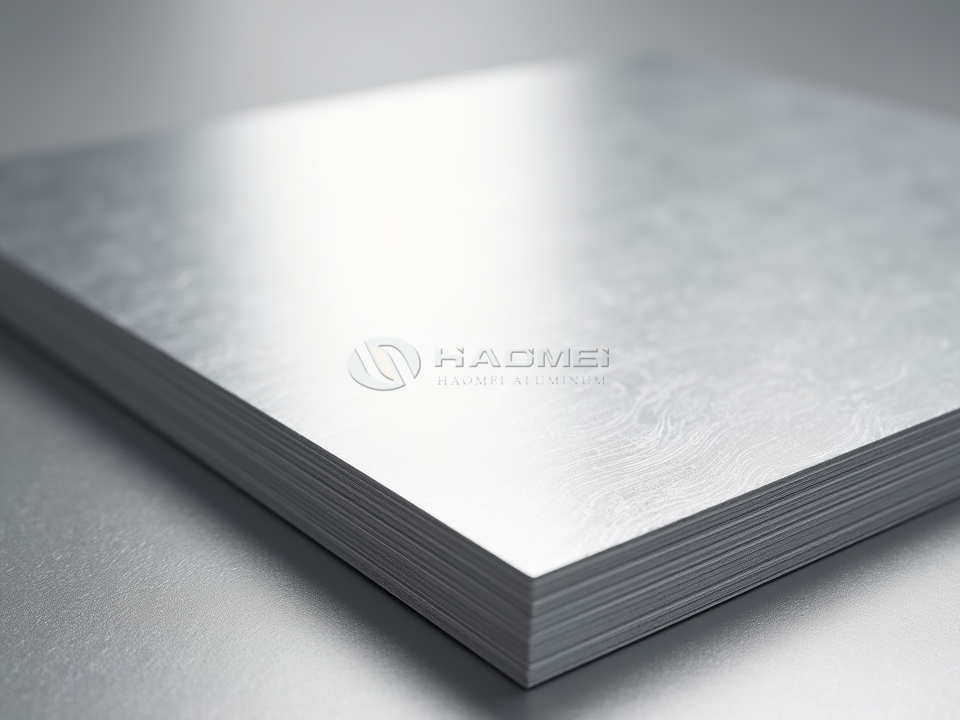
A Reflective Surface as an Engineering Tool
The mirror effect comes from a controlled combination of alloy selection, rolling quality, surface polishing, chemical brightening, anodizing, and protective coating. Standard decorative aluminum may look bright at a distance, but a highly reflective grade must maintain stable reflectance, low haze, fine surface roughness, and consistent color across the coil or sheet.
For customers comparing options, the most common base materials are 1060, 1070, and 1085 aluminum. These alloys contain high aluminum purity, which supports better brightness and corrosion resistance. When stronger forming performance is needed, 3003 may be selected, especially for shaped housings or panels that require moderate strength. For many lighting and interior projects, Mirror Aluminum Sheet made from 1060 or 1070 offers a balanced combination of reflectivity, workability, and cost.
Functional Advantages Beyond Appearance
The first function is light redirection. In LED lighting, troffers, lamp cups, reflector panels, and optical channels, the sheet helps guide light where it is needed instead of allowing it to scatter or be absorbed. A well-finished aluminum mirror surface can improve lighting efficiency and reduce the number of lamps required in a space.
The second function is thermal reflection. Aluminum has excellent infrared reflectance, so mirror aluminum sheet is useful in heat shields, radiant barriers, solar concentrators, heating equipment covers, and insulation systems. It reflects radiant heat while remaining much lighter than stainless steel.
The third function is visual expansion. In architecture, lift interiors, retail displays, hotel ceilings, wall cladding, and signage, the sheet creates depth and brightness without the weight and fragility of glass mirror. It can be cut, bent, punched, laminated, and bonded more easily than many rigid reflective materials.
The fourth function is surface protection. When anodized or coated, the reflective layer gains improved resistance to fingerprints, oxidation, humidity, and mild chemicals. This makes it suitable for kitchens, appliance fronts, decorative trim, and clean interior environments.
Typical Parameters for Project Selection
| Item | Common Range or Condition |
|---|---|
| Alloy | 1050, 1060, 1070, 1085, 1100, 3003 |
| Temper | O, H12, H14, H16, H18, H22, H24, H26 |
| Thickness | 0.20 mm to 3.00 mm, custom range available by project |
| Width | 100 mm to 1600 mm, depending on coil and processing route |
| Length | Sheet cut to size or coil supply |
| Total reflectance | About 85% to 95%, depending on alloy and finish |
| Specular reflectance | About 75% to 90%, depending on polishing and coating |
| Surface roughness | Commonly Ra 0.02 µm to 0.08 µm for high-grade mirror finish |
| Finish | Bright polished, chemically brightened, anodized, coated, colored mirror |
| Protective film | PE, PVC, laser film, or paper interleaf as required |
| Common colors | Silver, gold, champagne, black, bronze, rose gold, customized tones |
For premium lighting reflectors, 1070 and 1085 are often preferred because higher aluminum purity improves brightness. For general decoration, a 1060 Mirror Aluminum Sheet is widely used because it combines clean reflectivity, easy bending, and stable supply.
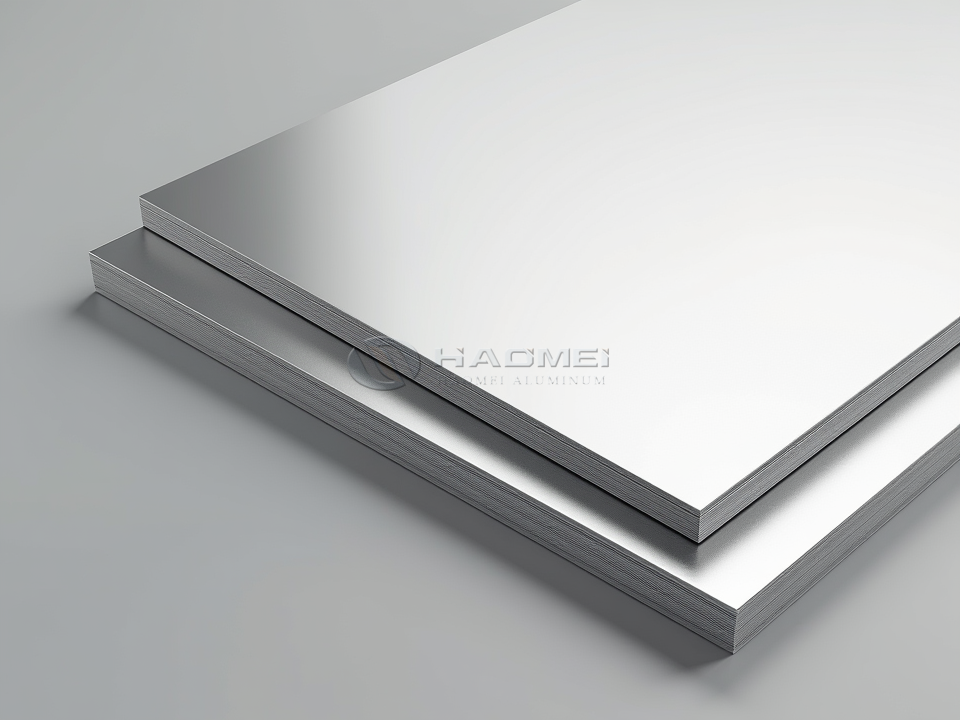
Alloy Tempering and Forming Behavior
Temper determines how the sheet behaves during fabrication. O temper is soft and suitable for deep drawing, stamping, curved panels, and complex bending. H14 and H16 offer medium hardness, making them suitable for flat panels, appliance trims, decorative walls, and signage. H18 is harder and flatter, often selected when rigidity and surface stability are more important than deep forming.
For mirror aluminum, temper choice affects more than strength. A very hard sheet may resist deformation but can be less forgiving during bending. A softer temper bends more easily but may need careful handling to avoid surface dents. If the application involves tight radius bending, the grain direction, bend radius, protective film quality, and tool cleanliness should be confirmed before production.
Chemical Composition and Material Character
Typical chemical composition is shown as weight percent. Final values should follow the confirmed mill certificate and agreed standard.
| Alloy | Al | Si | Fe | Cu | Mn | Mg | Zn | Ti | Other Each |
|---|---|---|---|---|---|---|---|---|---|
| 1050 | ≥99.50 | ≤0.25 | ≤0.40 | ≤0.05 | ≤0.05 | ≤0.05 | ≤0.05 | ≤0.03 | ≤0.03 |
| 1060 | ≥99.60 | ≤0.25 | ≤0.35 | ≤0.05 | ≤0.03 | ≤0.03 | ≤0.05 | ≤0.03 | ≤0.03 |
| 1070 | ≥99.70 | ≤0.20 | ≤0.25 | ≤0.04 | ≤0.03 | ≤0.03 | ≤0.04 | ≤0.03 | ≤0.03 |
| 1085 | ≥99.85 | ≤0.10 | ≤0.12 | ≤0.03 | ≤0.02 | ≤0.02 | ≤0.03 | ≤0.02 | ≤0.02 |
| 1100 | ≥99.00 | Si+Fe ≤0.95 | Si+Fe ≤0.95 | 0.05-0.20 | ≤0.05 | - | ≤0.10 | - | ≤0.05 |
| 3003 | Balance | ≤0.60 | ≤0.70 | 0.05-0.20 | 1.00-1.50 | - | ≤0.10 | - | ≤0.05 |
High aluminum purity improves natural corrosion resistance because a compact oxide film forms on the surface. Anodizing further thickens this layer, creating a harder and more stable protective skin. Aluminum also has low density, about 2.70 g/cm3, which makes it attractive for ceilings, vehicles, portable equipment, and large reflective panels.
Standards and Quality Control
Highly reflective mirror aluminum sheet is commonly produced and inspected according to standards such as ASTM B209, EN 485, EN 573, GB/T 3880, and JIS H4000 for aluminum sheet and strip. Surface and optical testing may reference ASTM E430 for gloss and haze evaluation, ASTM E903 or ISO 9050 for solar reflectance and transmittance related measurement, and ISO 7599 or ISO 2106 for anodized aluminum inspection.
In purchasing, the inspection focus should include alloy and temper certificate, thickness tolerance, diagonal tolerance, flatness, color difference, reflectance, gloss, film adhesion, coating thickness, anodized layer thickness, and surface defects. Scratches, roll marks, orange peel, oil stains, pinholes, and color bands can affect both appearance and optical performance.
Application Scenes Where the Sheet Performs Best
Lighting is one of the strongest application areas. LED reflectors, commercial lighting panels, lamp louvers, downlight cups, and advertising light boxes benefit from high specular reflection and clean surface appearance. For solar equipment, reflective aluminum helps concentrate sunlight or improve radiant energy return in collectors and test chambers.
In architecture, the material is used for suspended ceilings, elevator cabins, wall panels, column wraps, curtain wall decoration, and artistic installations. It gives designers the feel of glass mirror while allowing lighter support structures and easier processing. In home appliances, mirror aluminum appears in refrigerator panels, range hoods, microwave trims, control panels, and kitchen backsplashes.
Transportation also uses reflective aluminum for interior trims, luggage compartments, bus panels, train ceilings, and marine decoration. Its low weight helps reduce structural load, while coated or anodized surfaces improve service life in humid or frequently cleaned environments.
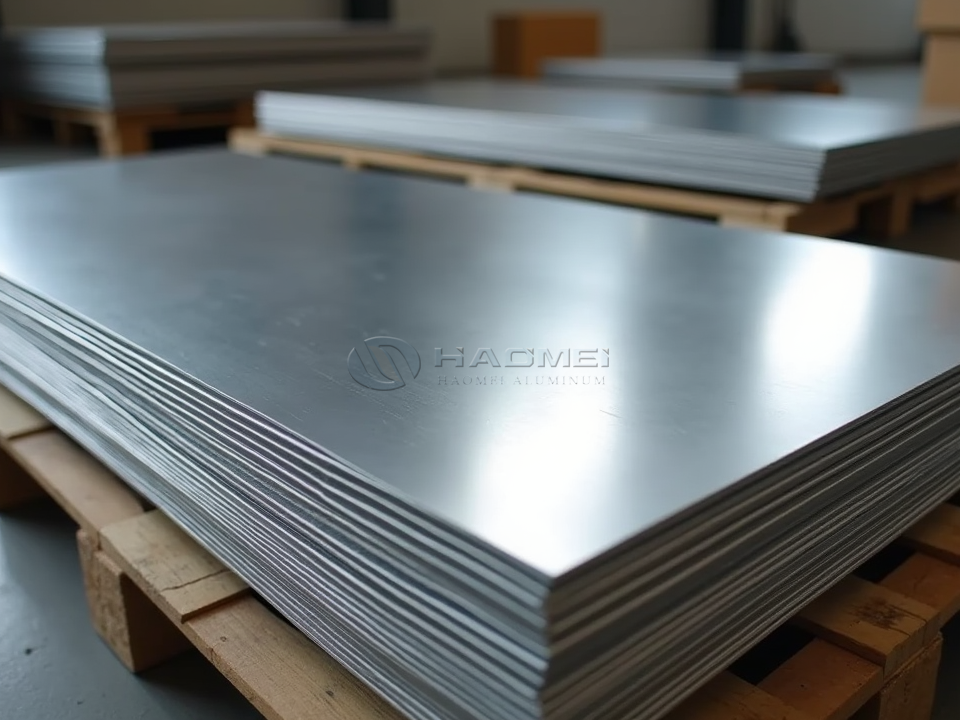
Surface Choices for Different Environments
A plain polished mirror finish is suitable for dry indoor decoration and general reflective parts. An anodized mirror finish is better for projects needing harder surfaces, better oxidation resistance, and longer color stability. Coated mirror aluminum can provide specific colors, anti-fingerprint performance, and improved stain resistance. For outdoor or humid use, anodized or coated material is normally safer than untreated polished sheet.
Film protection is not a small detail. During cutting, bending, punching, and installation, the mirror surface should remain covered. Tools and worktables must be clean because fine metal particles can scratch the surface. After installation, film should be removed within the recommended period to avoid adhesive residue.
Choosing the Right Sheet
The best choice depends on what the surface must do. If maximum brightness is the target, select high-purity 1070 or 1085 with controlled polishing. If economical decoration is the aim, 1060 often performs well. If forming strength matters, consider 3003. If the environment includes humidity, cleaning chemicals, or long service requirements, anodized or coated mirror aluminum is usually the better route.
A highly reflective mirror aluminum sheet is therefore a functional material, not just a decorative one. It controls light, reflects heat, reduces weight, supports precision fabrication, and gives products a clean modern surface. When alloy, temper, finish, standards, and protection are matched correctly, the result is a reflective panel that performs reliably from the production line to the final installation.