Hexagon Hole Perforated Aluminum Plate
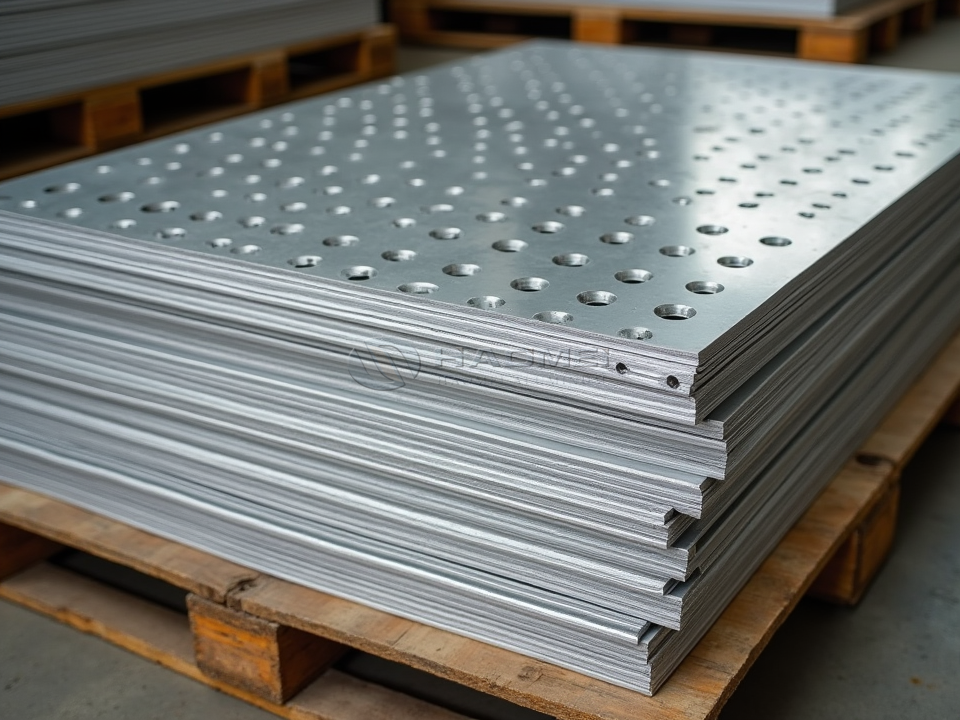
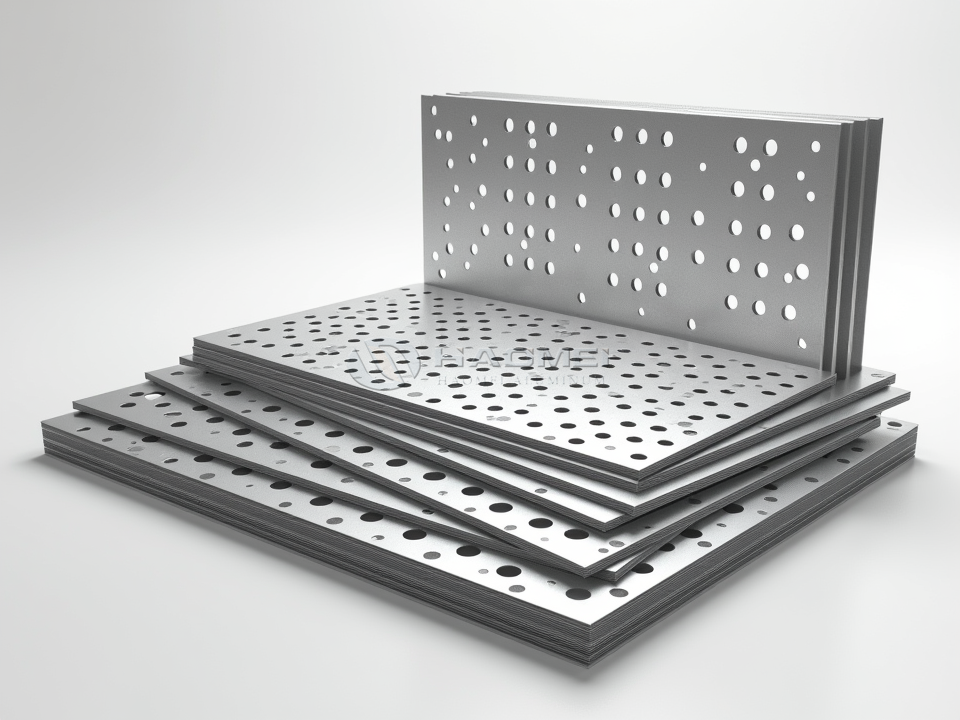
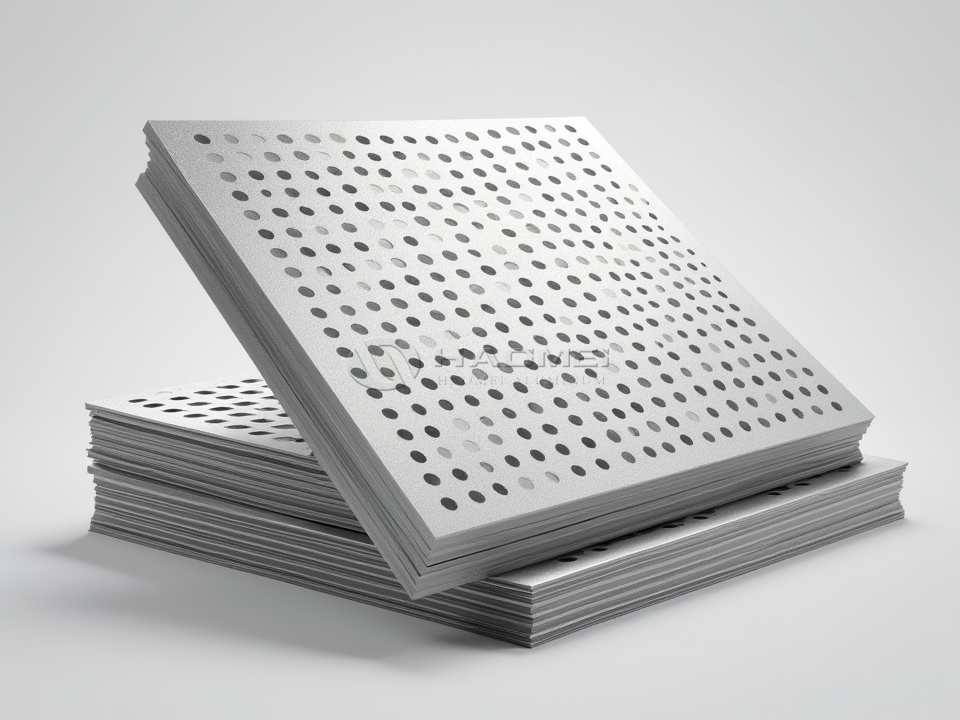
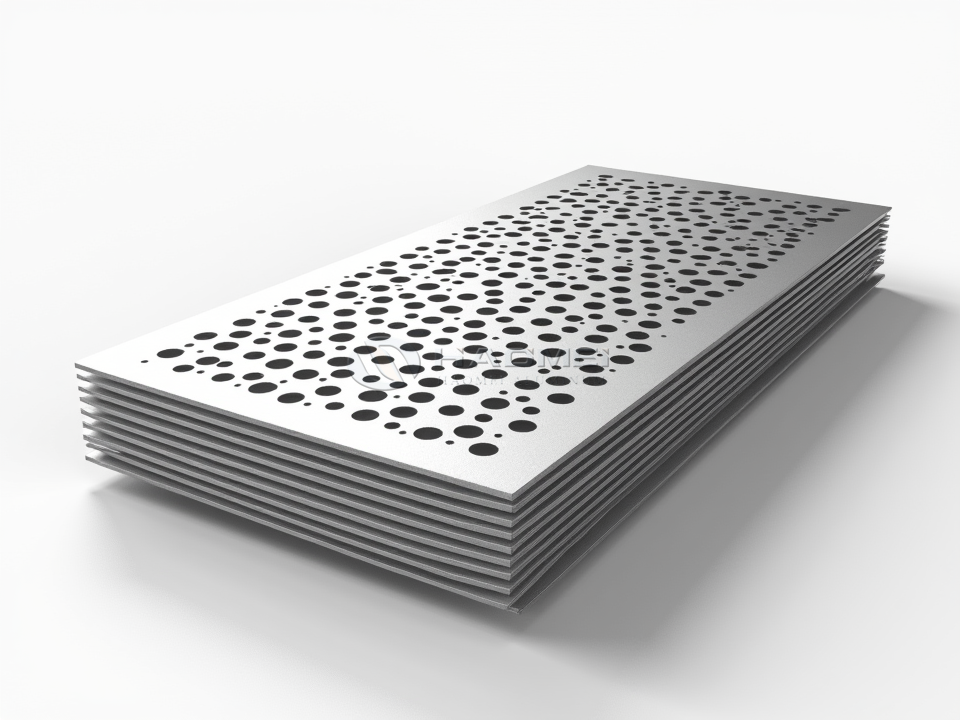
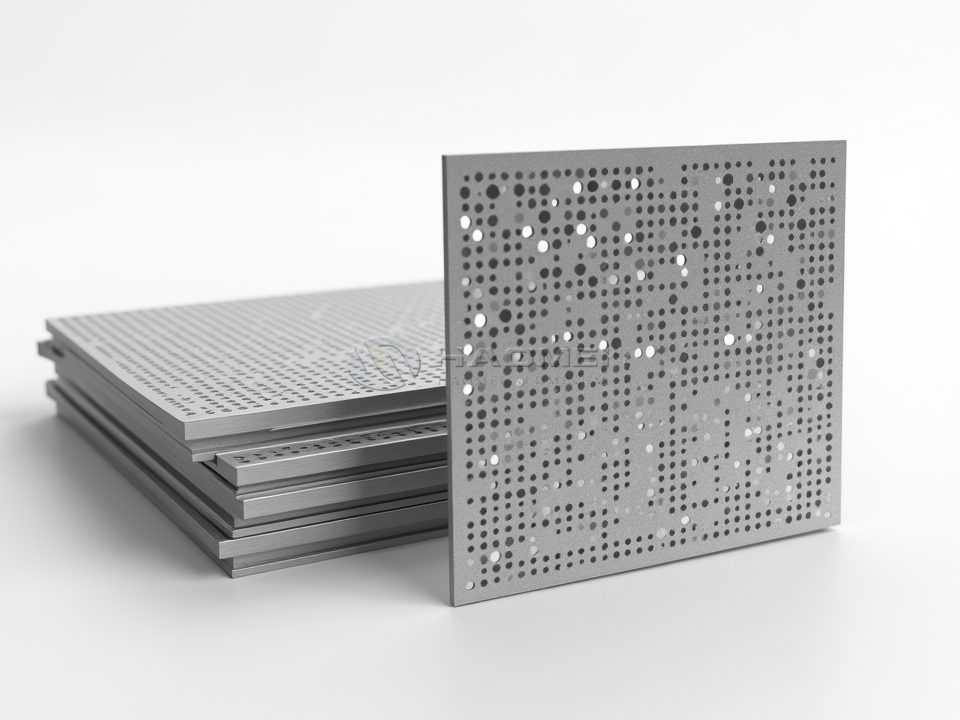
A hexagon hole perforated aluminum plate is a lightweight aluminum sheet or plate punched with repeated six-sided openings. The pattern is often inspired by honeycomb geometry, giving the material an attractive architectural rhythm while maintaining excellent airflow, visibility, and strength-to-weight performance. It is widely selected for building facades, ceiling panels, sunshades, acoustic systems, machine guards, filters, balcony screens, and decorative partitions.
Unlike plain sheet, this product combines metal surface quality with controlled open area. The hexagonal layout distributes stress more evenly than many simple patterns, making it suitable for panels that must look refined while still performing under wind load, vibration, or frequent handling.
Product Character
The six-sided hole form creates a continuous honeycomb appearance that works well in both industrial and architectural spaces. The plate can be supplied in mill finish, anodized finish, powder coated finish, PVDF coated finish, or brushed decorative finish. For outdoor projects, 3003, 5052, and 5754 aluminum are frequently used because they offer good formability and corrosion resistance. For structural brackets or heavier-duty panels, 6061 can be selected where higher strength is required.
Compared with a standard Perforated Aluminum Plate, the hexagon hole version gives designers a sharper geometric texture and a higher open area at similar pitch values. This helps reduce weight, improve air movement, and create a semi-transparent screen effect.
Main Characteristics
| Feature | Practical Value |
|---|---|
| Hexagonal hole geometry | Honeycomb visual effect with balanced material distribution |
| Lightweight aluminum base | Easier installation and lower support load than steel |
| Adjustable open area | Can be tuned for airflow, shading, screening, or decoration |
| Corrosion resistance | Suitable for indoor, outdoor, humid, and coastal environments with proper alloy and coating |
| Good formability | Can be bent, rolled, framed, or cut for custom panel systems |
| Surface finish flexibility | Mill finish, anodized, powder coated, PVDF coated, brushed, or wood grain transfer |
| Recyclability | Aluminum can be recycled repeatedly with high retained material value |
Common Alloy Options and Chemical Composition
| Alloy | Si | Fe | Cu | Mn | Mg | Cr | Zn | Al | Typical Use |
|---|---|---|---|---|---|---|---|---|---|
| 3003 | ≤0.60 | ≤0.70 | 0.05-0.20 | 1.00-1.50 | - | - | ≤0.10 | Balance | Decorative panels, ceilings, light screens |
| 5052 | ≤0.25 | ≤0.40 | ≤0.10 | ≤0.10 | 2.20-2.80 | 0.15-0.35 | ≤0.10 | Balance | Marine panels, outdoor cladding, guards |
| 5754 | ≤0.40 | ≤0.40 | ≤0.10 | ≤0.50 | 2.60-3.60 | ≤0.30 | ≤0.20 | Balance | Facades, transport panels, exterior systems |
| 6061 | 0.40-0.80 | ≤0.70 | 0.15-0.40 | ≤0.15 | 0.80-1.20 | 0.04-0.35 | ≤0.25 | Balance | Structural plates, frames, machine covers |
Chemical ranges are typical reference values and may be adjusted according to ASTM, EN, JIS, or customer project standards.
Technical Specifications
| Parameter | Available Range | Notes |
|---|---|---|
| Thickness | 0.8-8.0 mm | Thicker plates available for special projects |
| Width | 300-1500 mm | Custom widths can be slit or leveled |
| Length | 500-4000 mm | Longer panels available after layout review |
| Hexagon side length | 3-50 mm | Determines visual density and open area |
| Hole orientation | Point-to-point or flat-to-flat | Selected according to design direction |
| Open area | 20%-70% | Higher open area improves airflow and reduces weight |
| Bridge width | 1.5-20 mm | Must match thickness and strength demand |
| Flatness tolerance | Commonly ±3 mm/m | Depends on thickness, open area, and leveling |
| Surface protection | PVC film, paper interleaf, pallet packing | Recommended for coated and decorative surfaces |
The open area should be selected carefully. A high open area improves ventilation and light transmission, but it also reduces panel stiffness. A smaller open area gives better privacy, impact resistance, and stability during fabrication.
Mechanical Properties
| Alloy Temper | Tensile Strength | Yield Strength | Elongation | Performance Note |
|---|---|---|---|---|
| 3003-H14 | 140-180 MPa | ≥115 MPa | ≥3% | Easy bending and economical decoration |
| 5052-H32 | 210-260 MPa | ≥160 MPa | ≥5% | Good outdoor and marine resistance |
| 5754-H22 | 190-240 MPa | ≥130 MPa | ≥8% | Balanced strength and forming behavior |
| 6061-T6 | 260-310 MPa | ≥240 MPa | ≥8% | Higher rigidity for equipment and load-bearing covers |
Values are typical for base aluminum before perforation. Final panel behavior depends on hole size, pitch, margin, frame design, and installation spacing.
Performance in Service
| Performance Item | Result for Customers |
|---|---|
| Airflow control | Allows ventilation for equipment rooms, parking structures, ceilings, and exterior screens |
| Solar shading | Reduces direct sunlight while keeping visual openness |
| Acoustic function | Works with sound-absorbing backing for ceiling and wall systems |
| Weight reduction | Removes material without sacrificing full panel coverage |
| Safety screening | Blocks larger objects while maintaining visibility and air movement |
| Decorative identity | Creates a technical, modern, honeycomb-style appearance |
| Long service life | Aluminum oxide film and optional coating help resist corrosion |
For building envelopes, the hexagon hole pattern can be used as part of a Decorative Perforated Aluminum Facade Panel system. It can soften large walls, hide mechanical equipment, and create changing light effects throughout the day.
Applications
Hexagon hole perforated aluminum plate is useful wherever a panel must perform more than one function. In architecture, it appears in curtain wall screens, balcony infill panels, stair railings, privacy partitions, ceilings, wall cladding, and sunshade panels. The honeycomb pattern gives the surface a clean visual order without making the panel look heavy.
In industrial environments, it is used for machine guards, ventilation covers, radiator shields, anti-slip platforms with raised texture options, speaker grilles, conveyor protection, sorting screens, and enclosure panels. The corrosion resistance of aluminum helps reduce maintenance in workshops, transit stations, food processing areas, and outdoor utility zones.
For transportation and marine use, 5052 and 5754 hexagonal perforated aluminum plates are often preferred. They can be used for vehicle grilles, trailer panels, ship interior partitions, walkway side screens, and lightweight protective covers.
Surface Finish Choices
| Finish | Appearance | Recommended Environment |
|---|---|---|
| Mill finish | Natural metallic silver | Industrial covers, hidden ventilation parts |
| Anodized | Satin metallic with improved surface hardness | Interior decoration, exterior trim, coastal projects with correct sealing |
| Powder coated | Wide color range, smooth or textured | Facades, ceilings, balcony panels, screens |
| PVDF coated | High weather resistance and color retention | High-rise exterior cladding and long-life architectural panels |
| Brushed finish | Linear metallic texture | Interior walls, display fixtures, decorative partitions |
Design and Ordering Notes
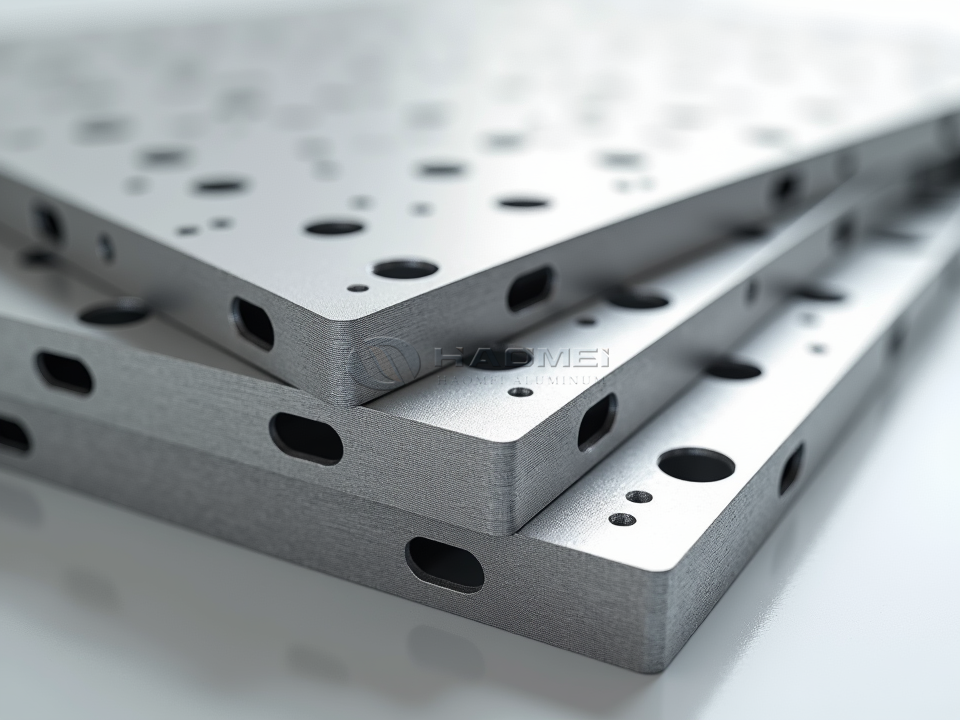
When selecting a hexagon hole perforated aluminum plate, customers should confirm alloy, thickness, hole dimension, pitch, open area, sheet size, margin width, surface finish, and installation method. For panels that will be folded, the bend line should avoid excessive hole deformation. For facade projects, wind load, fastener spacing, thermal expansion, and coating warranty should be reviewed before production.
Why Customers Choose This Product
Hexagon hole perforated aluminum plate offers a strong combination of appearance, ventilation, durability, and low weight. It is easier to handle than steel, more corrosion resistant than many ferrous alternatives, and more visually expressive than plain aluminum sheet. With proper alloy selection and surface treatment, it can serve as a functional engineering component or as a refined architectural skin for modern projects.