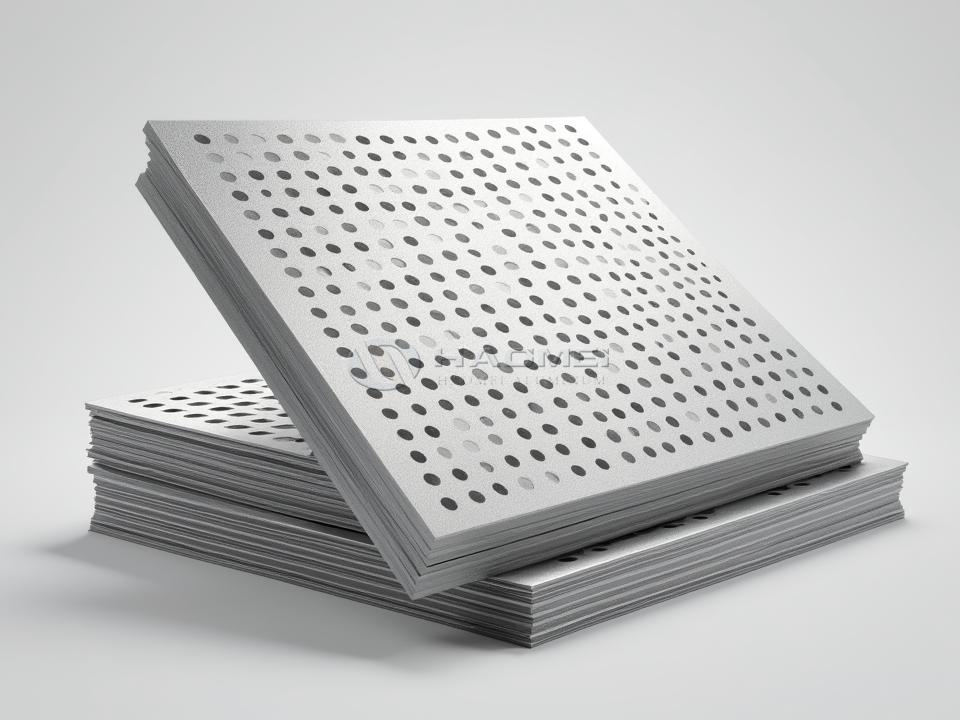
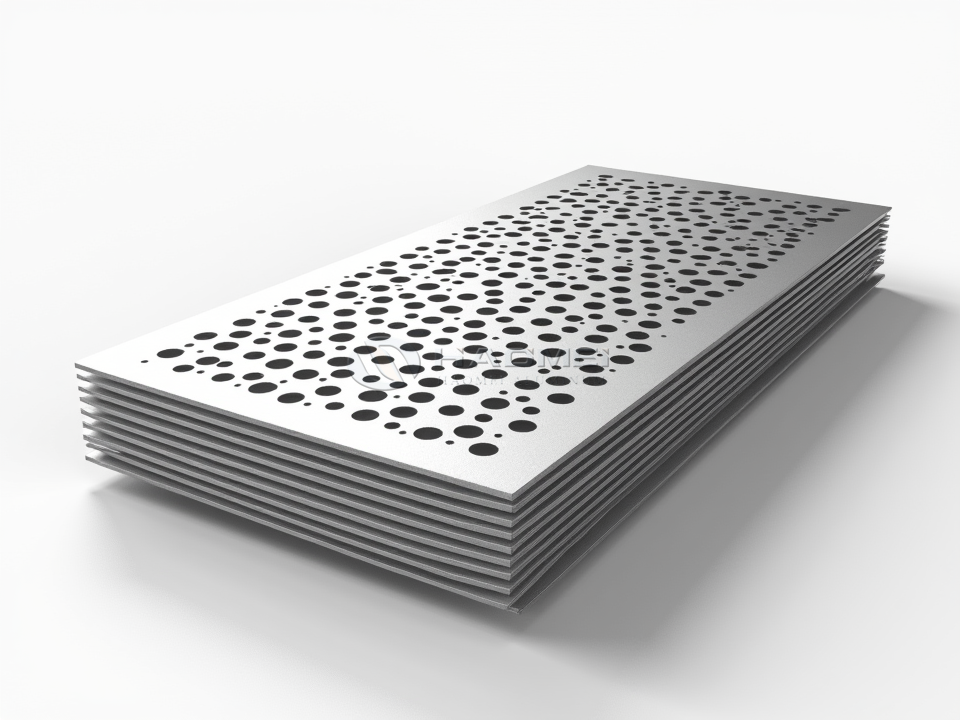
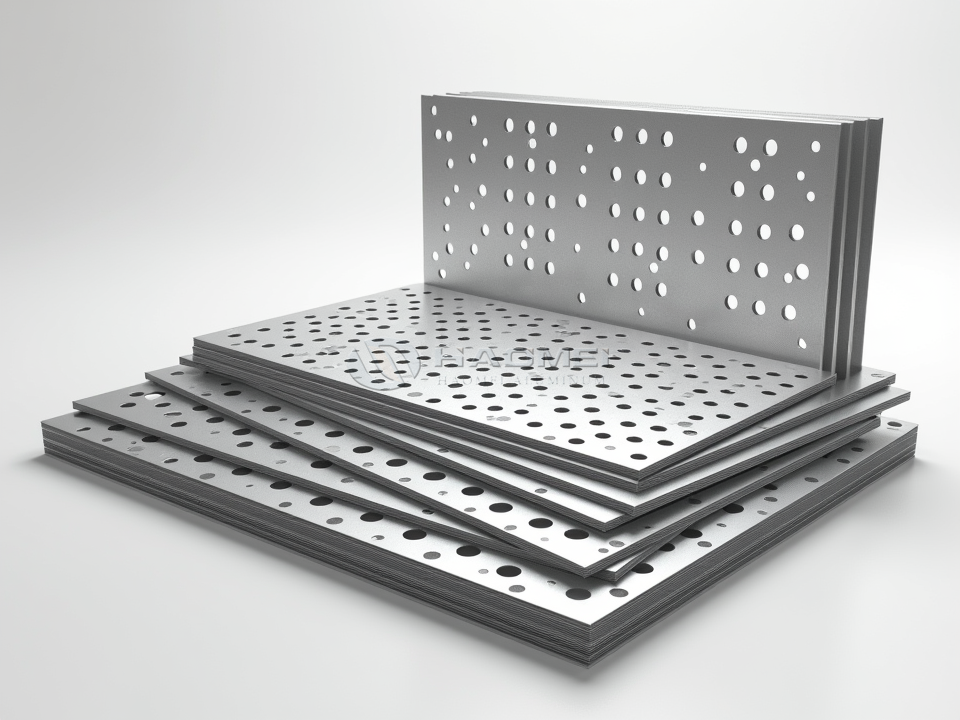
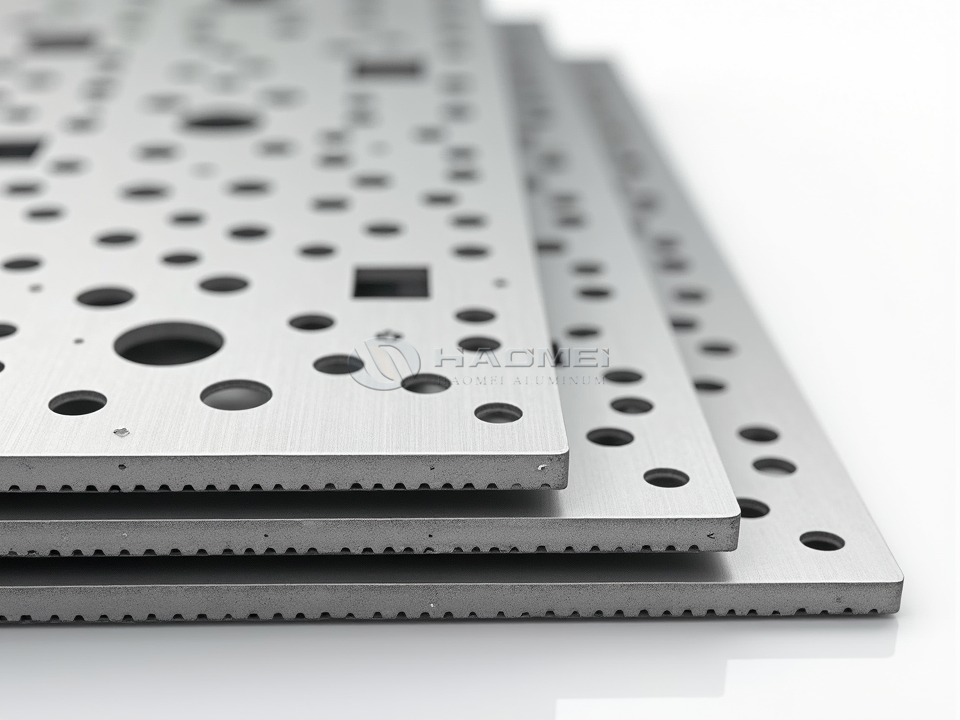
Speaker Grille Perforated Aluminum Sheet
Speaker grille perforated aluminum sheet is a precision-punched metal material designed to protect loudspeaker components while allowing sound to pass with minimal obstruction. It is widely used on home audio systems, professional speakers, automotive sound systems, public-address cabinets, microphones, amplifiers, ventilation covers, and acoustic wall installations.
Compared with fabric grilles or plastic covers, perforated aluminum offers a more durable, clean-lined surface. It can be formed into flat panels, curved covers, deep-drawn shells, or framed grilles while maintaining low weight. The open-hole pattern creates a practical balance between sound transmission, airflow, mechanical protection, and visual appeal.
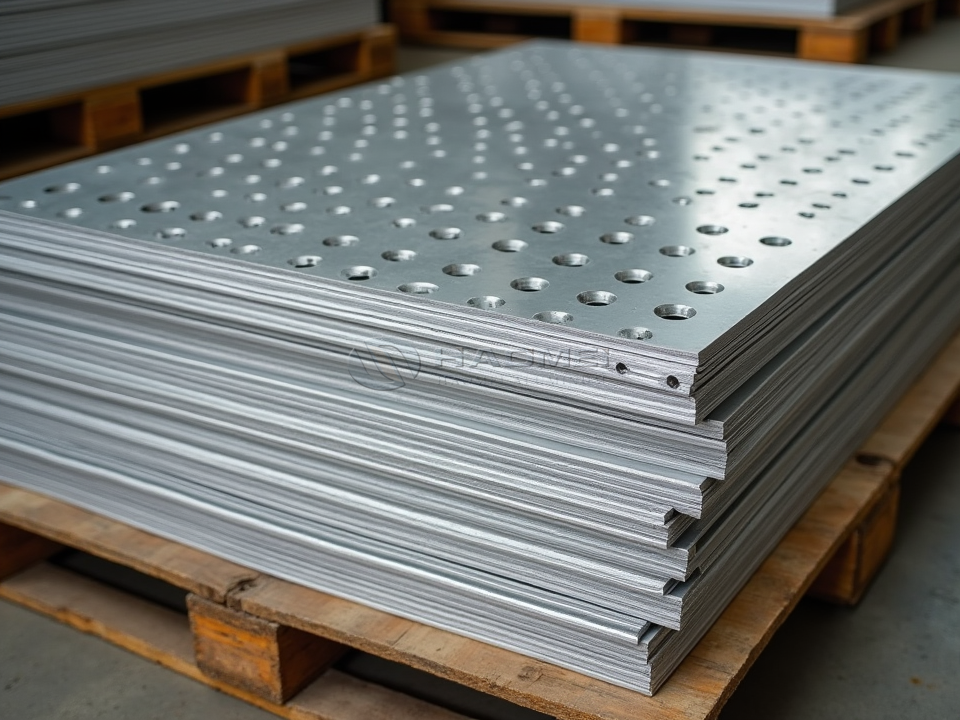
Designed for Sound Transmission and Component Protection
A speaker grille has two jobs that must work together. It must protect sensitive cones, tweeters, diaphragms, and internal wiring from impact, dust, and accidental contact. At the same time, it should not noticeably restrict acoustic output or cause unwanted resonance.
Speaker grille perforated aluminum sheet meets these demands through controlled hole diameter, pitch, open-area ratio, and material thickness. A higher open area generally allows more air and sound energy to pass through the grille. However, very large openings may reduce protection or make the panel less rigid. The best design depends on the speaker size, frequency range, cabinet structure, and desired appearance.
Round perforations are commonly selected because they provide uniform visual texture and stable acoustic flow in every direction. For designs requiring a bolder, architectural appearance, square, slot, or hexagonal openings can also be used. A properly engineered Round Hole Perforated Aluminum Sheet is especially suitable for speaker fronts, ceiling audio covers, and commercial sound enclosures.
Material Options and Chemical Composition
Aluminum alloys are chosen according to forming depth, strength requirement, corrosion exposure, and finishing method. Alloy 3003 is frequently used for formed speaker grilles because of its good workability. Alloy 5052 provides higher strength and stronger corrosion resistance, making it suitable for marine audio systems, outdoor enclosures, and vehicle applications. Alloy 1100 is a soft, highly formable option for decorative or lightly loaded grille panels.
| Alloy | Aluminum Content | Main Alloying Elements | Typical Benefit for Speaker Grilles |
|---|---|---|---|
| 1100 | 99.0% minimum | Small amounts of Fe and Si | Excellent formability and bright finishing response |
| 3003 | Balance | Mn 1.0-1.5%, Cu 0.05-0.20% | Good punching performance and moderate strength |
| 5052 | Balance | Mg 2.2-2.8%, Cr 0.15-0.35% | Higher strength and strong corrosion resistance |
| 6061 | Balance | Mg 0.8-1.2%, Si 0.4-0.8%, Cu 0.15-0.40% | Rigid panels and structural audio equipment parts |
Chemical values may vary within applicable alloy standards and agreed production tolerances. For most indoor speaker grille projects, 3003 and 1100 provide efficient fabrication and consistent surface quality. Where the grille may be exposed to moisture, salt air, vibration, or frequent handling, 5052 is often the more durable selection.
Typical Specifications
The sheet can be supplied as blank perforated stock, cut-to-size panels, formed shells, or finished grille components. Hole patterns and dimensions are usually customized to match cabinet drawings and acoustic targets.
| Parameter | Common Range or Option |
|---|---|
| Alloy | 1100, 3003, 5052, 6061 |
| Temper | H14, H16, H24, H32, O, or as specified |
| Sheet thickness | 0.3 mm to 3.0 mm |
| Common speaker-grille thickness | 0.5 mm to 1.5 mm |
| Hole shape | Round, square, slotted, hexagonal, decorative pattern |
| Round-hole diameter | 0.8 mm to 10.0 mm |
| Open area | Approximately 20% to 65% |
| Sheet width | Up to 1,500 mm, subject to pattern and equipment limits |
| Surface finish | Mill finish, brushed, anodized, powder coated, painted |
| Processing | Perforating, leveling, cutting, bending, rolling, stamping, embossing |
A fine hole pattern can create an elegant, almost textile-like visual effect, while larger holes produce a more industrial character and higher air passage. Open area should be evaluated with the speaker engineer rather than selected by appearance alone. A grille that looks open may still affect high-frequency response if the holes are too small, too deep relative to thickness, or positioned too close to the driver.
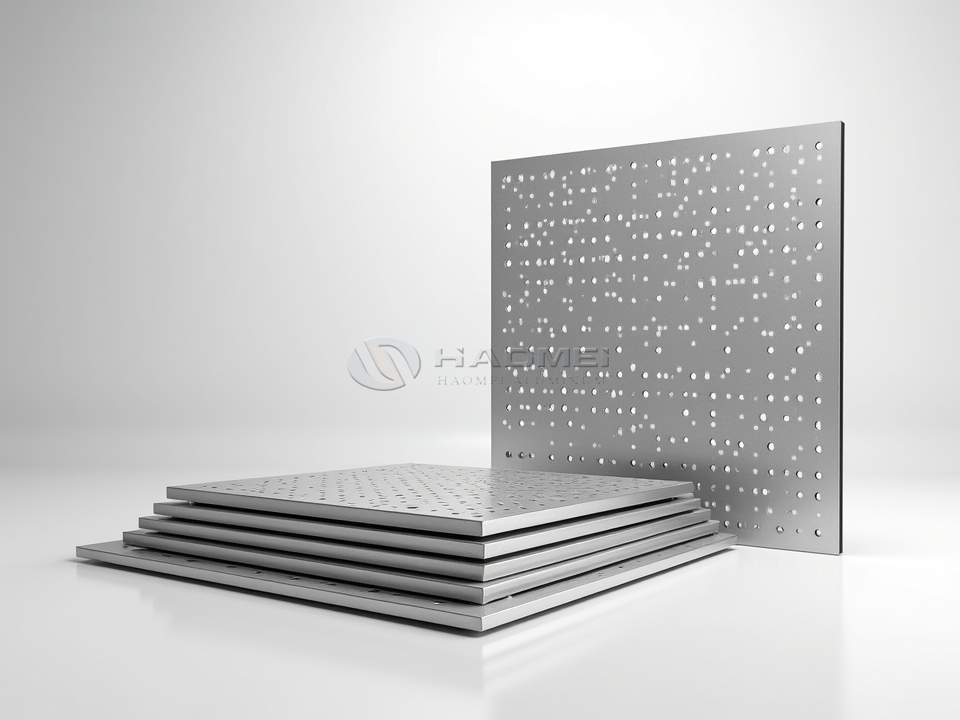
Performance Features
Lightweight construction: Aluminum weighs far less than steel. This reduces the mass of portable speakers, wall-mounted audio products, automotive trim modules, and ceiling-mounted sound equipment.
Corrosion resistance: Aluminum naturally forms a protective oxide film. Anodizing or powder coating further improves resistance to humidity, fingerprints, cleaning agents, and outdoor exposure.
Reliable rigidity: The material can be selected in a thickness and temper that resists dents and vibration. Formed edges, return flanges, ribs, or shallow embossing can add stiffness without excessive weight.
Acoustic-friendly perforation: Controlled perforation supports efficient sound passage while creating a physical barrier around fragile speaker parts. The hole pattern can also work with acoustic fabric, foam, or mesh installed behind the aluminum face.
Excellent finishing flexibility: Matte black is popular for professional loudspeakers because it visually disappears in dark environments. Silver, champagne, bronze, white, brushed metal, and custom powder-coat colors are often selected for consumer audio and interior installations.
Clean fabrication: Perforated aluminum can be laser cut, CNC punched, sheared, stamped, folded, rolled, spot welded, bonded, or fixed with clips and screws. This gives product designers broad freedom for grille geometry.
Applications Across Audio and Interior Products
Speaker grille perforated aluminum sheet is used wherever audio performance and surface durability need to coexist. In home entertainment systems, it creates refined fronts for bookshelf speakers, soundbars, subwoofers, and wireless audio units. In commercial settings, it is frequently specified for conference-room speakers, restaurant sound systems, retail audio displays, airport paging equipment, and auditorium installations.
Automotive manufacturers use perforated aluminum trim for door speakers, dashboard grilles, pillar-mounted tweeters, and premium cabin audio systems. The material provides a polished appearance while tolerating vibration, temperature changes, and repeated cleaning.
For architectural audio, perforated panels may conceal in-wall speakers, linear sound bars, ceiling systems, and acoustic treatment assemblies. A Perforated Aluminum Plate can also be combined with mineral wool, acoustic felt, or black backing fabric to blend sound-control functions with a coordinated interior finish.
Outside the audio field, the same material is suitable for ventilation guards, electronic equipment covers, air-return grilles, instrument housings, decorative machine enclosures, and protective mesh panels. This versatility helps manufacturers maintain a consistent design language across multiple products.
Selecting the Right Grille Design
The most effective speaker grille is developed as part of the full acoustic system. Consider the distance between grille and driver, especially around tweeters. Clearance helps prevent contact during cone movement and reduces the chance of sound reflections from a closely mounted panel. Fine perforations are visually discreet, but their thickness-to-hole ratio should be checked to prevent excessive acoustic resistance.
For compact consumer speakers, 0.5 mm to 0.8 mm aluminum with small round holes can provide a sleek and durable face. For larger PA cabinets and professional stage monitors, 1.0 mm to 1.5 mm material with formed edges is often preferred for impact resistance. Outdoor or marine equipment benefits from 5052 aluminum, corrosion-resistant coatings, and secure mounting details.
Surface quality also matters. Burr-free perforation protects assembly workers and prevents fabric backing from snagging. Leveling after punching improves flatness, while carefully controlled bending protects the coating from cracking. When a premium finish is required, sample approval for color, gloss, hole alignment, and formed appearance is recommended before volume production.
A well-made speaker grille perforated aluminum sheet gives audio products a strong protective layer without hiding their sound. With the right alloy, pattern, open area, finish, and formed structure, it becomes an integrated part of both acoustic performance and product identity.