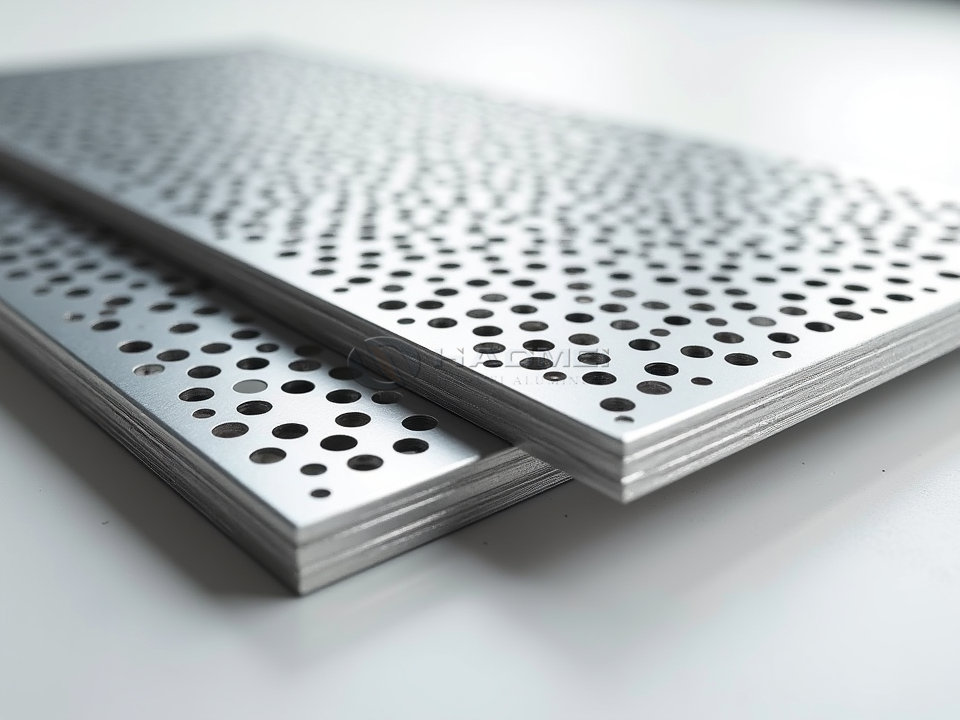
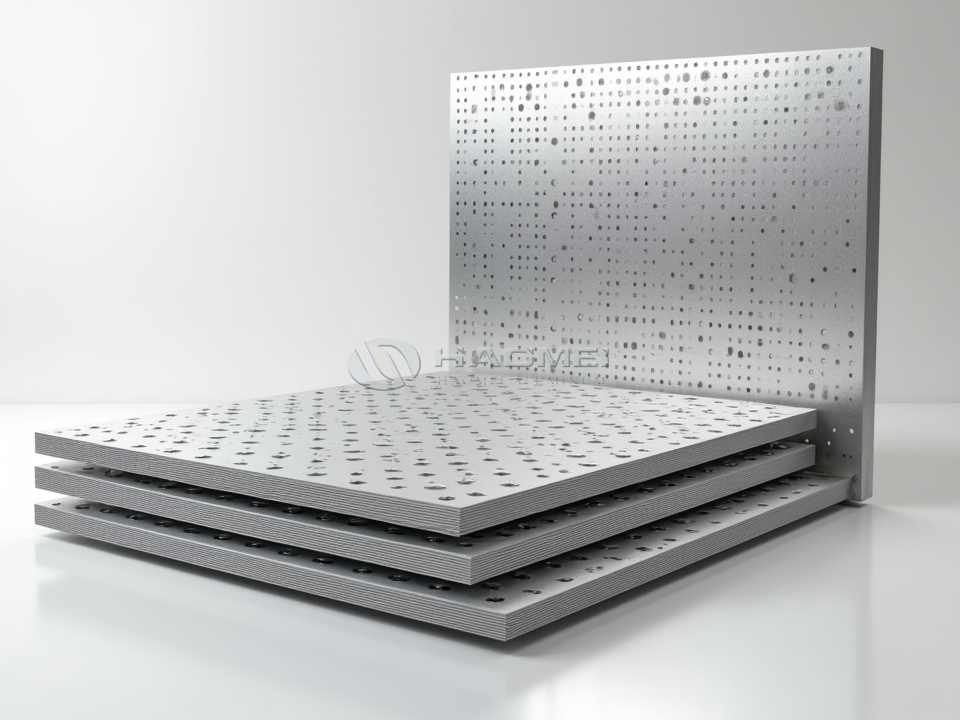
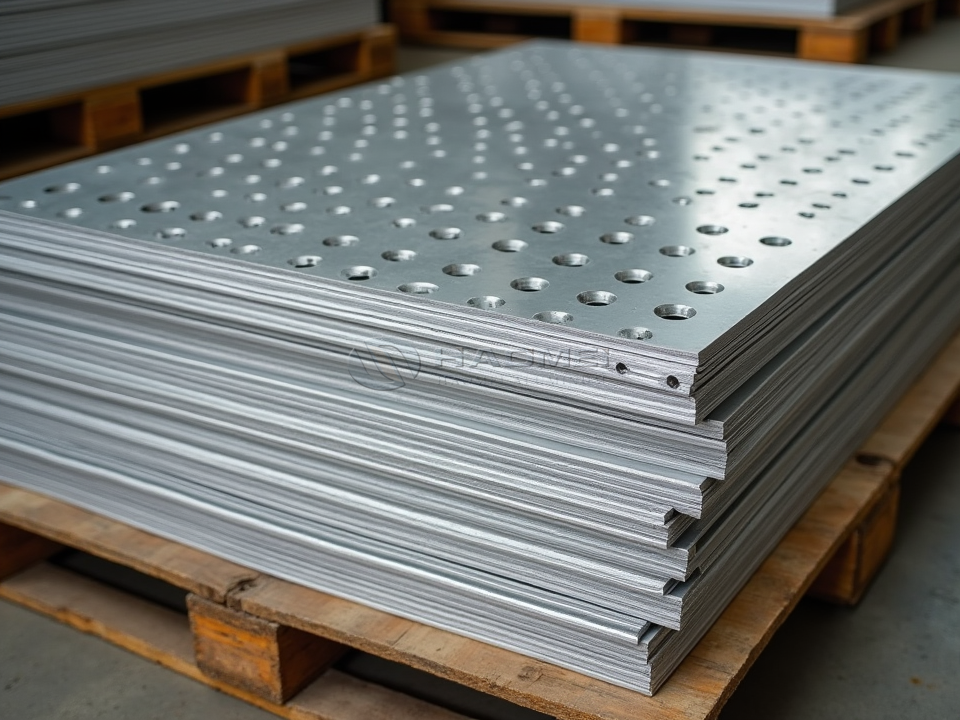
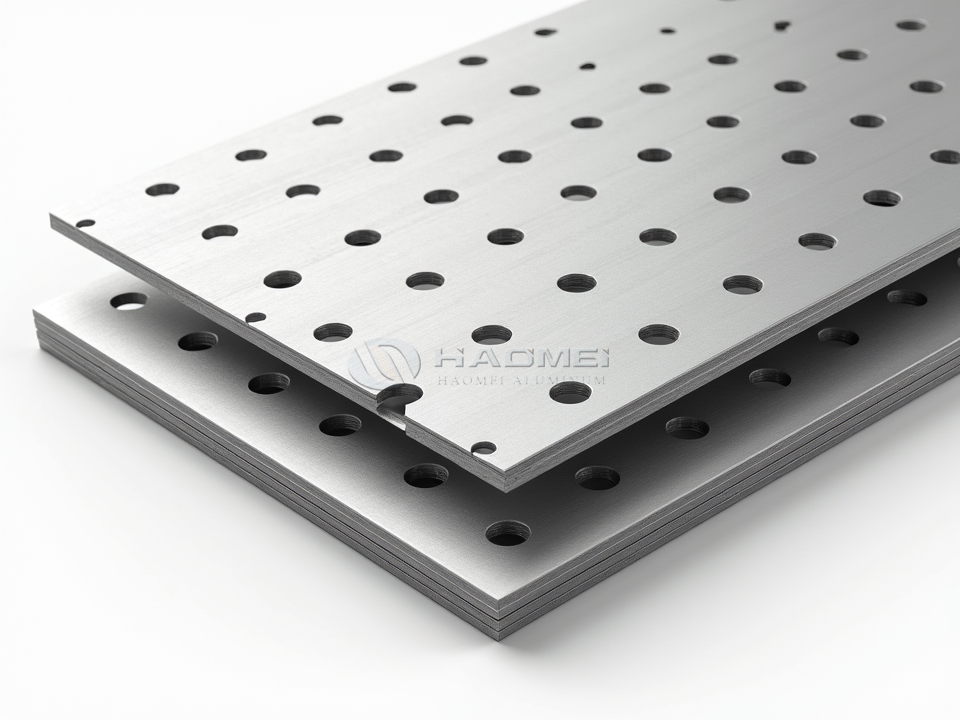
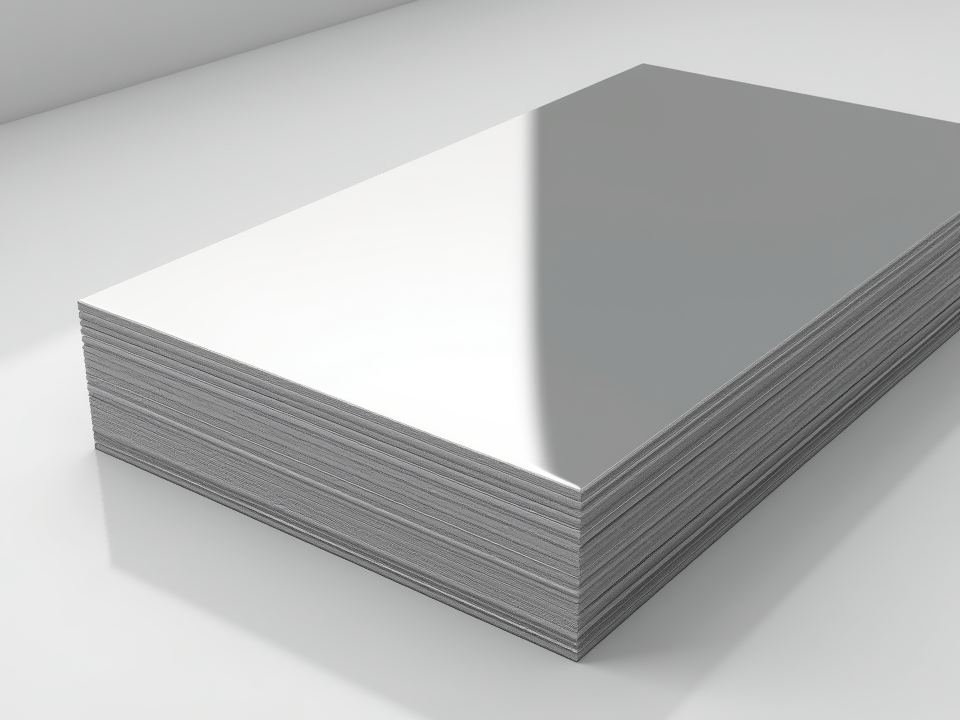
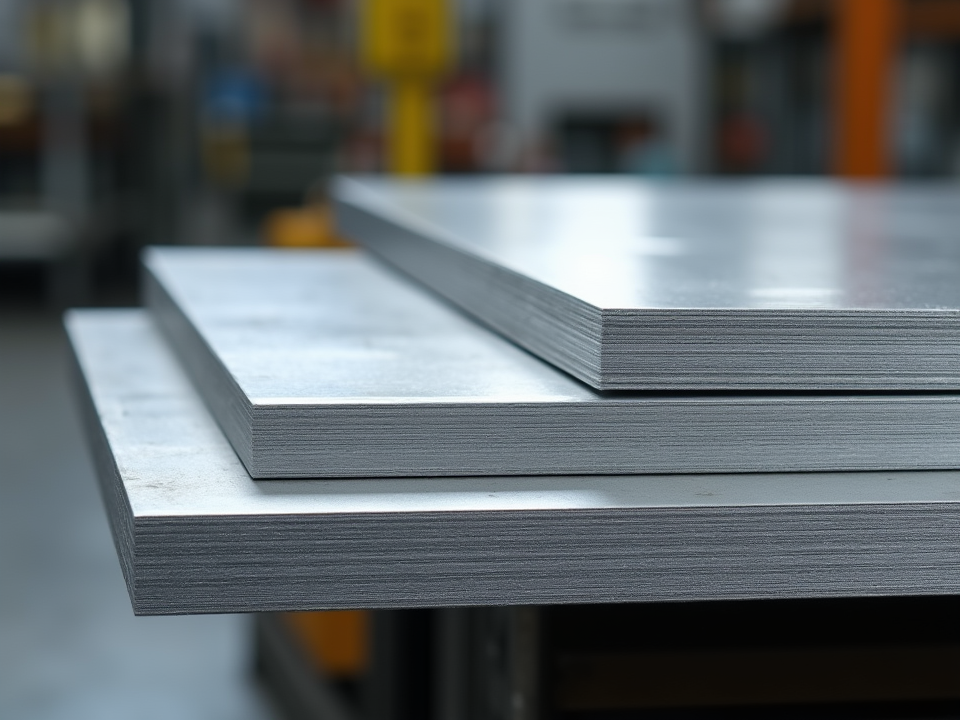
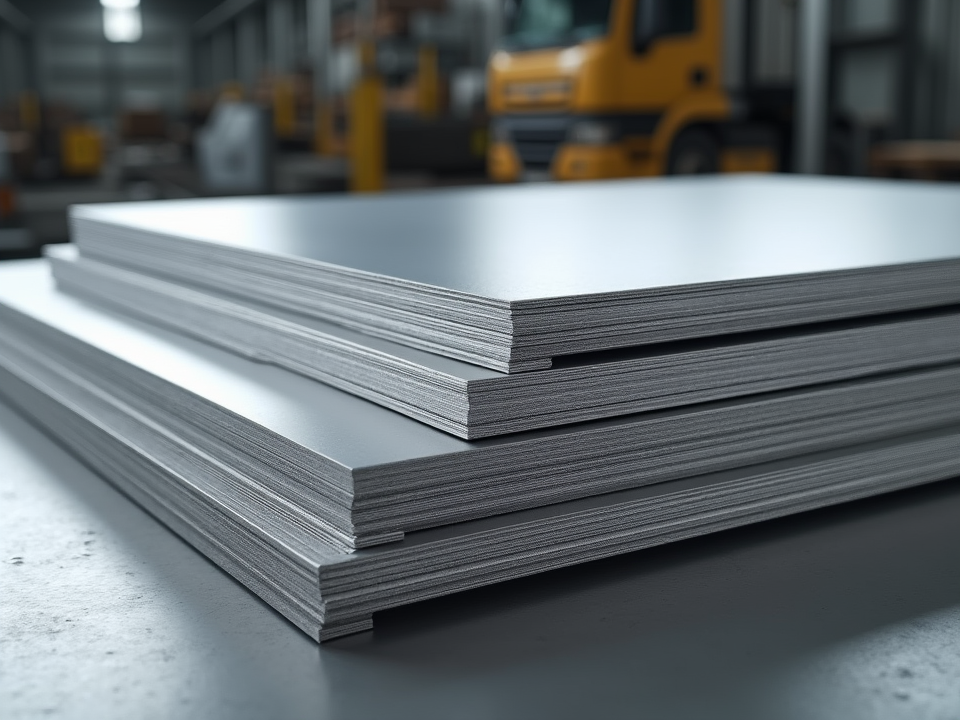
Anodized Perforated Aluminum Plate
An anodized perforated aluminum plate is more than a metal sheet with holes. It is a carefully balanced material that manages what passes through it: light, air, sound, heat, and sightlines. This makes it especially valuable when a project needs a surface that performs quietly while still looking intentional.
From sunshades on commercial buildings to acoustic ceilings, machine guards, ventilation screens, and decorative partitions, the material has a dual role. Perforation creates openness. Anodizing protects the exposed aluminum and gives the surface a refined, metallic finish that does not rely on a thick coating.
The most useful way to specify this product is to think of it as a filter between two spaces. Rather than asking only for a hole size or color, ask what the plate should allow through and what it should soften, conceal, or resist.
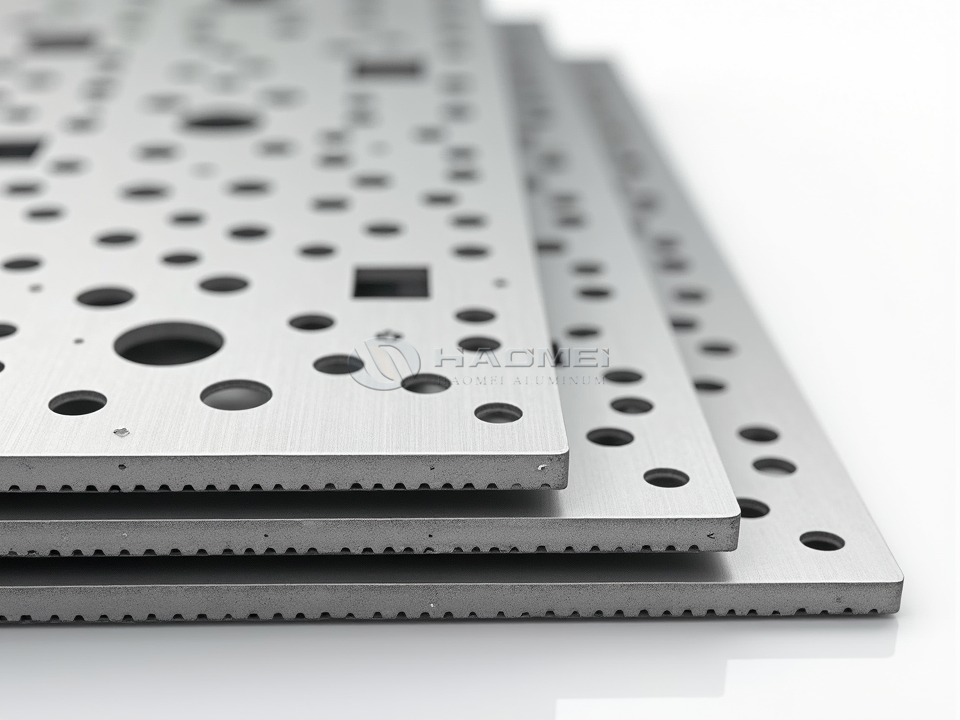
The Value Is in the Combination
Aluminum naturally forms a thin oxide layer in air, but anodizing deliberately builds a thicker, controlled oxide film through an electrochemical process. This film becomes part of the metal rather than sitting on top of it like paint. The resulting finish has strong adhesion, good wear resistance, and a clean satin-to-matte metallic character.
Perforation adds another layer of engineering. Round, square, slotted, and hexagonal holes change the open area, structural stiffness, drainage behavior, airflow pattern, and visual rhythm. A small adjustment in pitch or hole diameter can noticeably alter both appearance and performance.
A Perforated Aluminum Plate may appear light and delicate, yet its behavior depends heavily on alloy, thickness, hole pattern, and supporting frame. In architectural applications, it is common to use 3003 aluminum for good formability or 5052 aluminum when higher strength and improved marine-atmosphere resistance are needed. Final selection should match exposure conditions, fabrication requirements, and panel size.
Anodizing Is Particularly Important at the Holes
The hole edges are where an ordinary finished panel often reveals its weakness. Punching or laser cutting creates fresh edges, and those edges are visually prominent when daylight passes through the panel. When perforation is completed before anodizing, the anodic film can form around the faces and exposed hole walls, creating a more consistent appearance and better edge protection.
This production sequence matters. If a pre-anodized sheet is heavily punched, bent, or stretched afterward, the finish can crack or show bright exposed areas at formed edges. For demanding architectural panels, the normal preference is to perforate, deburr, clean, form where practical, and then anodize. Complex folded shapes may require process planning because sharp bends can still affect finish uniformity.
Customers should also understand that anodized aluminum is not a painted color system. Natural silver, champagne, bronze, black, and darker electrolytic tones can vary slightly with alloy, surface preparation, panel orientation, and production batch. A physical approved sample is the safest reference for projects requiring visual continuity across large elevations.
Open Area Is a Design Decision, Not Just a Percentage
Open area describes how much of the panel is void rather than metal. It influences ventilation and transparency, but it also changes wind load, perceived depth, acoustic behavior, and panel rigidity.
A lower open area gives a denser visual screen, greater privacy, and more material for a bold anodized finish. It is often suitable for equipment enclosures, balcony screening, and interiors where direct views need to be limited. A higher open area allows more airflow and daylight, making it useful for ventilation louvers, ceiling systems, and external facades. However, a highly open pattern can need thicker material, closer framing, or reinforcing folds to control deflection.
Round holes are a familiar choice because they provide even visual distribution and efficient open-area options. A Round Hole Perforated Aluminum Sheet is often selected for ceiling panels, air grilles, guards, and façade screens because the pattern remains visually calm from many viewing angles.
Slotted holes can direct airflow or create a stronger linear effect. Square holes offer a sharper, contemporary grid, while hexagonal holes create a honeycomb-like texture with a more technical feel. The best pattern is the one that suits the viewing distance as well as the required performance. Fine perforations can look nearly solid from across a street, then become visually active as people approach.
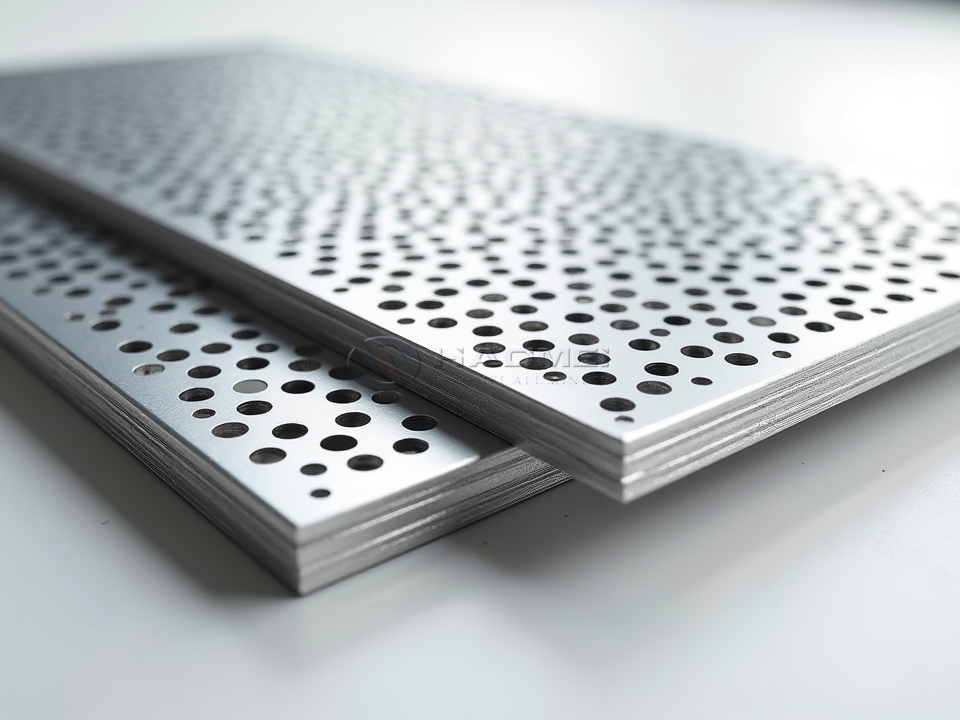
Light Control Without Closing the Building In
For exterior design, anodized perforated aluminum plate is an effective mediator between glass and sunlight. Installed in front of glazing, it can reduce glare and direct solar intensity while preserving outward views. The changing angle of the sun makes the panel visually responsive throughout the day, creating shadows that shift without any moving parts.
The distance between the plate and the glass affects the result. A screen mounted farther from glazing produces a more layered shadow and allows air to circulate. A close-mounted panel delivers a tighter, more graphic pattern. Hole size, panel orientation, and facade direction should all be considered early, particularly on west-facing elevations where afternoon sun can be harsh.
For interior partitions, the same effect becomes more subtle. Perforated anodized panels divide a space without making it feel sealed off. They can conceal services, storage, or mechanical equipment while allowing air and light to continue moving through the room.
Acoustic Uses Need a Complete Assembly
Perforated aluminum alone does not absorb much sound. Its role in an acoustic system is to create an attractive, durable face through which sound can enter. Behind the plate, a sound-absorbing layer such as mineral wool or acoustic fleece captures energy. An air cavity can further improve performance at selected frequencies.
For this reason, an acoustic specification should describe the entire build-up: plate thickness, hole diameter, open area, backing fabric, insulation density, cavity depth, and support system. Selecting the perforation pattern only for appearance may produce a ceiling or wall that looks correct but does not achieve the intended noise control.
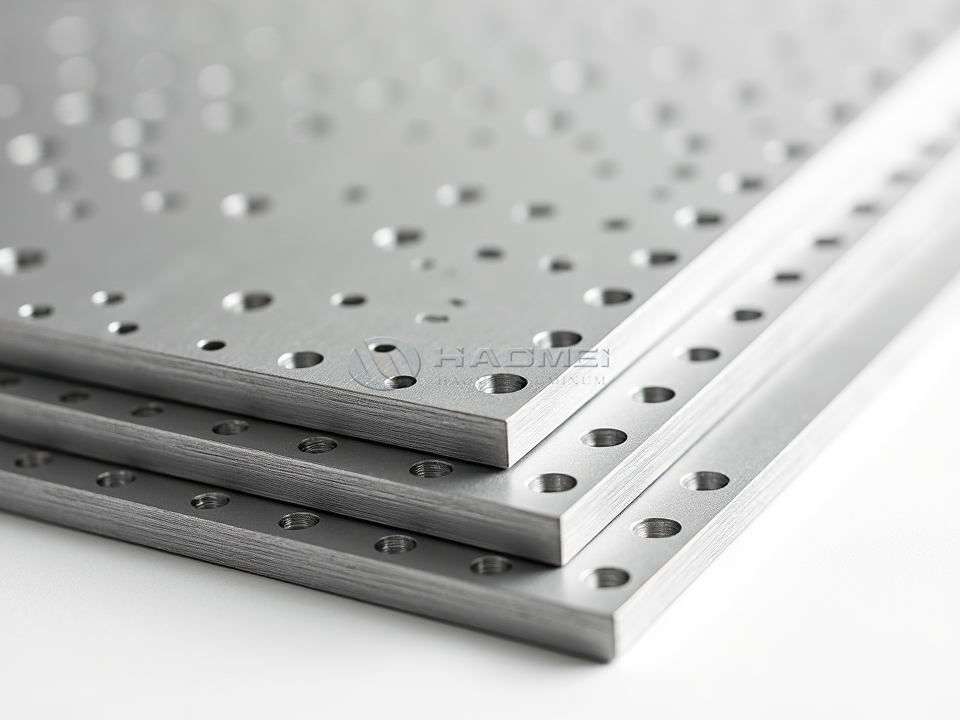
Practical Fabrication and Installation Notes
Anodized perforated aluminum is durable, but it benefits from careful handling. Protective film, clean gloves, padded supports, and non-marking tools help prevent scratches during transport and installation. Avoid leaving adhesive tapes on finished surfaces for extended periods, especially in heat, because residue can be difficult to remove.
Panel edges may be folded, hemmed, framed, or mounted on a substructure. Allowance for thermal movement is important on long exterior panels. Aluminum expands and contracts more than many construction materials, so rigidly fixing every point can create stress, oil-canning, or distortion over time.
Cleaning is generally simple. Rinse away loose dirt, wash with clean water and a mild neutral detergent, then rinse thoroughly. Abrasive pads, strong alkaline cleaners, and aggressive solvents should be avoided because they can dull or damage the anodized surface.
Specifying for a Reliable Result
A clear order should state alloy, temper, thickness, sheet or panel dimensions, hole shape, hole size, pitch, open area, edge margin, anodized finish, color target, fabrication details, and expected environment. It is also wise to state which face is the visible face, since perforation can leave a punch side and a burr side before finishing.
The best anodized perforated aluminum plate does not compete loudly with the building or equipment around it. It manages exposure, circulation, sound, and visual privacy through one durable surface. When the perforation pattern and anodized finish are planned together, the result feels precise, long-lasting, and naturally suited to its setting.