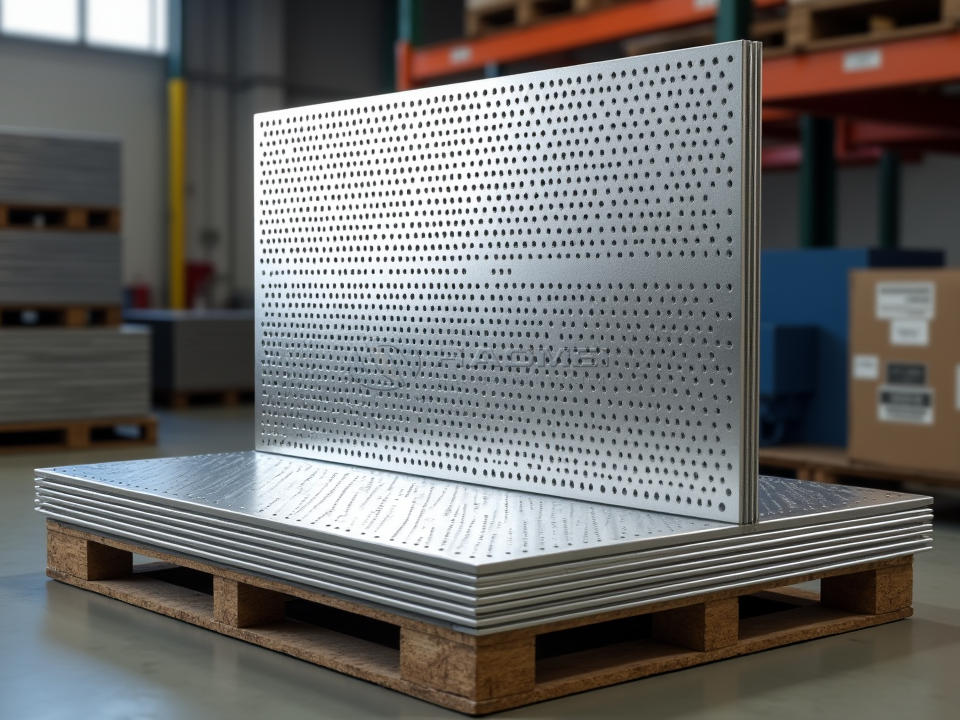
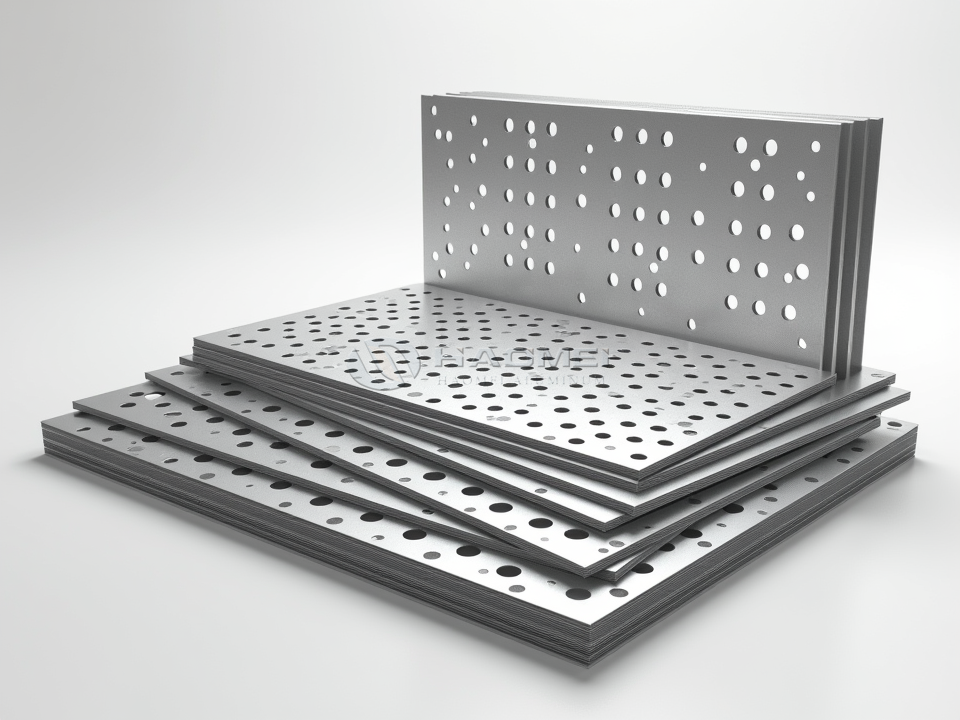
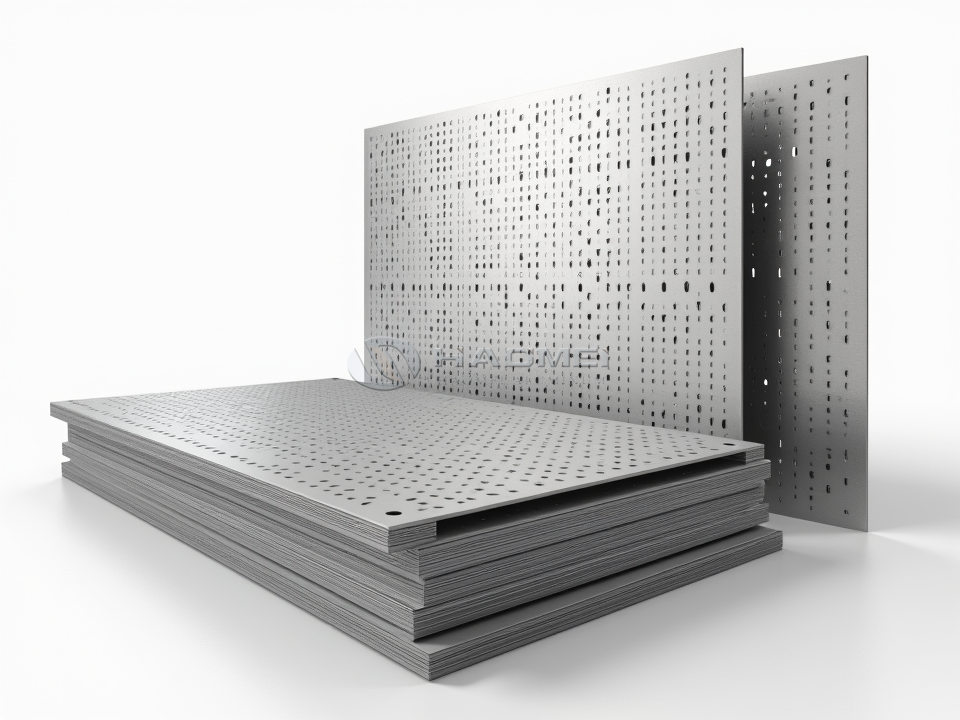
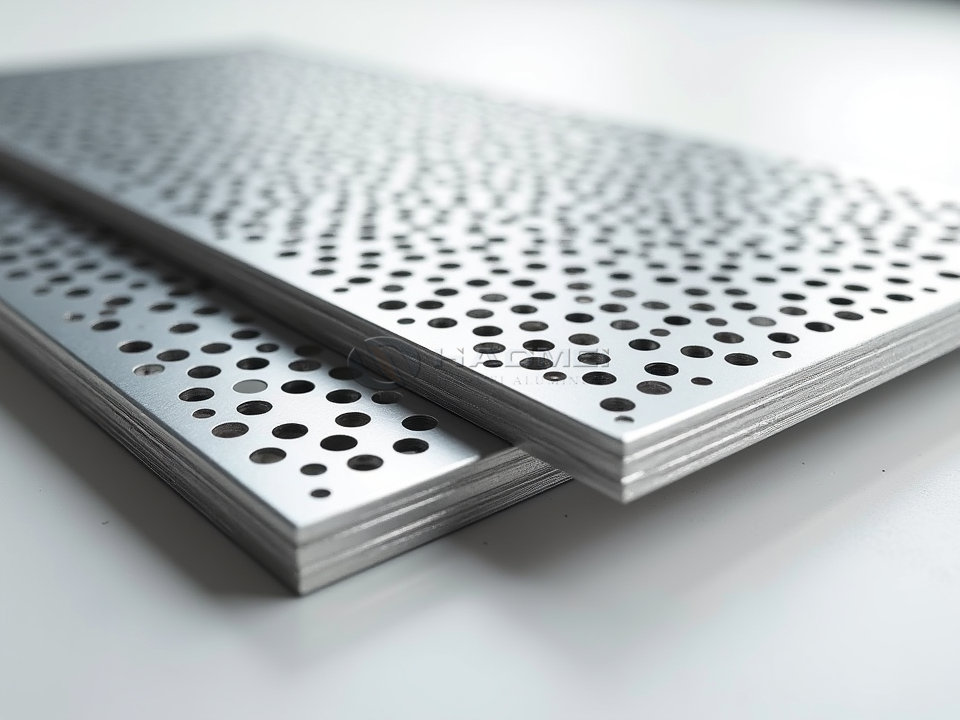
Facade Decorative Punching Aluminum Plate
A facade decorative punching aluminum plate is more than a visual cladding material. Its perforation pattern turns a solid aluminum sheet into a controlled architectural filter: it manages sunlight, allows air movement, improves visual privacy, supports ventilation, and gives a building a memorable exterior rhythm.
Rather than treating holes as simple decoration, architects can use perforation as a performance tool. Hole diameter, pitch, open-area ratio, sheet thickness, panel depth, finish, and mounting distance all influence how the facade looks and behaves. A carefully specified Decorative Perforated Aluminum Facade Panel can create a light outer veil while protecting glazing, equipment areas, parking structures, balconies, or ventilation openings.
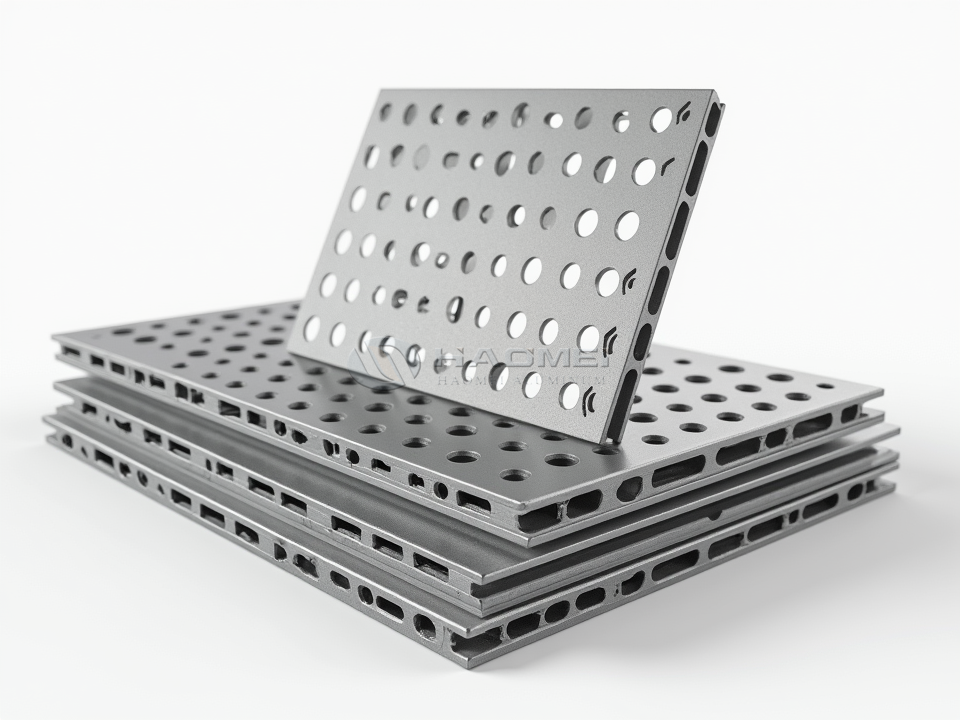
Perforation as an Environmental Filter
The most valuable function of facade decorative punching aluminum plate is selective openness. A panel with 20% open area has a very different effect from one with 50% open area. Lower openness produces a denser visual screen and stronger concealment, while higher openness supports airflow and greater daylight transmission.
For solar-control facades, perforated aluminum reduces direct glare before sunlight reaches the glass. The panel does not replace insulated glazing or a thermal barrier, but it can reduce solar exposure and help create a more comfortable interior environment. The real result depends on facade orientation, hole pattern, panel-to-glass spacing, coating color, and local climate.
For mechanical screens, aluminum punching plate hides louvers, condensers, ducts, generators, and service platforms without blocking necessary airflow. In parking buildings, stair towers, and transit stations, it provides a lighter alternative to solid walls. In retail, hospitality, cultural, and office projects, custom perforations can form abstract patterns, logos, gradients, or pixel-like imagery visible from a distance.
Pattern Geometry Changes the Facade Character
Round holes create a balanced, soft visual effect and are often selected for sunshades, screens, and large rainscreen elevations. Square holes generate a more geometric, technical appearance. Slotted holes can emphasize verticality or horizontal movement, depending on their orientation, and are useful when additional free area is required.
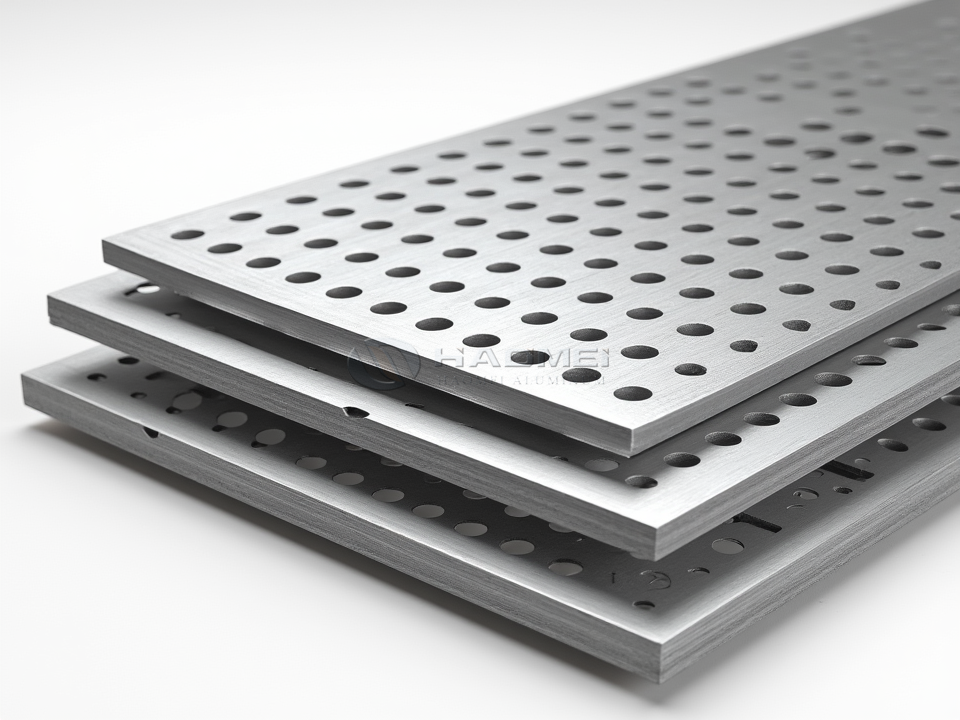
Hole size and pitch should be designed together. Pitch is the center-to-center distance between holes. If the pitch is too narrow for the selected sheet thickness, punching may cause distortion, edge tearing, or reduced panel flatness. A practical fabrication rule is to maintain enough metal between adjacent holes to preserve strength and support clean forming at panel returns.
Open area can be estimated from the pattern geometry. For staggered round holes, the open area is generally higher than that of straight-row holes using the same hole diameter and pitch. This makes staggered round perforation popular for ventilated facade screens. For architectural projects, a mock-up is strongly recommended because visual density changes with daylight, viewing distance, backing color, and interior lighting.
For standard architectural patterns, a Perforated Aluminum Plate can be produced with round, square, slotted, hexagonal, or custom CNC patterns to suit the intended facade effect.
Common Technical Parameters
| Parameter | Typical Range or Option | Design Consideration |
|---|---|---|
| Base material thickness | 1.0-4.0 mm | 2.0-3.0 mm is common for exterior cassette panels |
| Sheet width | Up to 1,500 mm or custom | Depends on alloy, equipment, pattern, and transport limits |
| Panel length | Custom fabricated | Long panels require attention to thermal movement and stiffening |
| Hole diameter | 1.5-30 mm | Larger holes increase openness but reduce visual concealment |
| Open-area ratio | 10%-60% | Balance airflow, shading, privacy, and structural stiffness |
| Panel form | Flat sheet, cassette, folded edge, curved panel | Folded returns improve rigidity and conceal fixings |
| Surface finish | PVDF, powder coating, anodizing, brushed finish | Select according to weather exposure and visual target |
| Typical mounting | Rivets, screws, concealed clips, rail systems | Must permit drainage and thermal expansion |
The final panel thickness should not be selected from appearance alone. Punching removes material and lowers bending stiffness, especially with large open areas. Wind pressure, support spacing, panel dimensions, edge folding, and subframe design must be reviewed together. For tall buildings, coastal projects, or wide unsupported spans, structural verification by the facade engineer is essential.
Alloy and Temper Selection
Alloy selection determines corrosion resistance, formability, panel flatness, and fabrication response. AA 3003 is widely used for decorative perforated aluminum because it has good workability, making it suitable for punched and folded panels. AA 5052 provides higher strength and stronger marine-atmosphere resistance, so it is often chosen for coastal facades, transport hubs, and exposed screens.
Common tempers include H14, H24, H32, and H34. H14 and H24 offer useful formability for punched sheets with returns or shallow folds. H32 is frequently used with 5052 where higher strength is desired while retaining practical bending performance. Harder tempers improve dent resistance but may increase the risk of cracking during tight forming.
| Chemical Property, % by Weight | AA 3003 | AA 5052 |
|---|---|---|
| Silicon, Si | 0.60 max | 0.25 max |
| Iron, Fe | 0.70 max | 0.40 max |
| Copper, Cu | 0.05-0.20 | 0.10 max |
| Manganese, Mn | 1.0-1.5 | 0.10 max |
| Magnesium, Mg | 0.05 max | 2.2-2.8 |
| Chromium, Cr | - | 0.15-0.35 |
| Zinc, Zn | 0.10 max | 0.10 max |
| Aluminum, Al | Balance | Balance |
Values may vary within the limits defined by the applicable material specification. Project documents should state the alloy, temper, thickness tolerance, surface condition, and inspection requirements before production begins.
Standards and Finish Performance
Material chemistry and mechanical properties can be specified in accordance with ASTM B209 for aluminum sheet and plate, EN 485 for wrought aluminum mechanical properties and tolerances, and EN 573-3 for chemical composition. Where coated coil or sheet is used, EN 1396 may also be relevant.
Exterior coatings should match the environment. Polyester powder coating is suitable for many ordinary architectural applications. Super-durable powder coating provides stronger color retention for demanding sunlight exposure. PVDF coating is often selected for large commercial facades and aggressive urban or coastal conditions. Coating systems may be evaluated against AAMA 2604 or AAMA 2605 performance requirements. Anodizing offers a metallic appearance and durable oxide layer, although color consistency should be assessed on full-size samples.
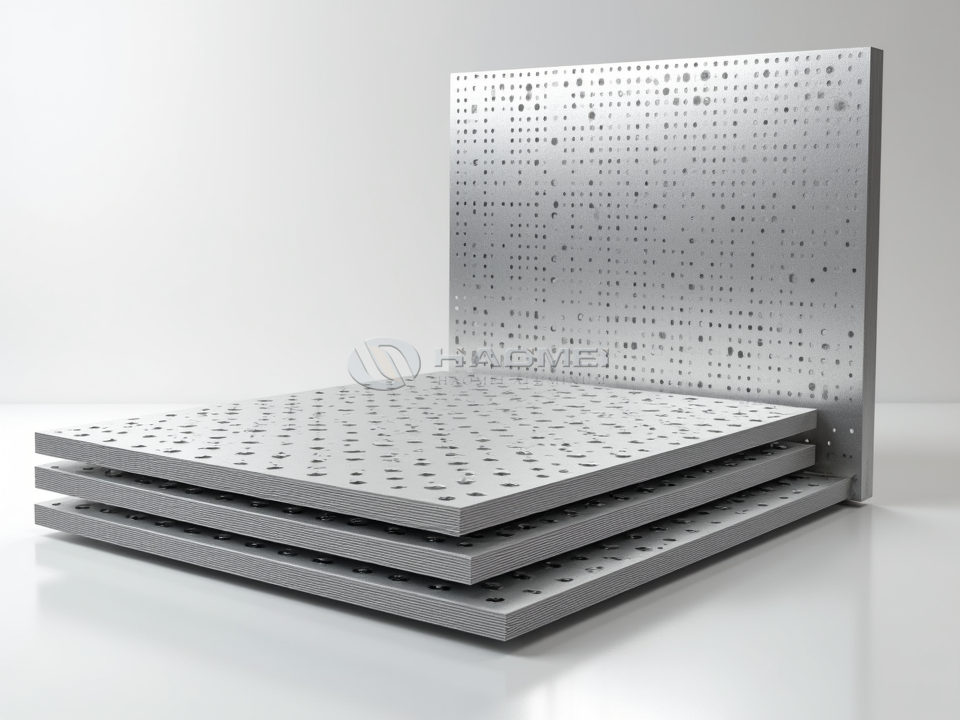
Installation Details That Protect Long-Term Appearance
A perforated facade needs a ventilated cavity behind the panel. This cavity allows moisture to drain and helps prevent staining caused by trapped water. Panels should not rest directly against absorbent materials or incompatible metals. Separation pads, tapes, coated fasteners, and suitable brackets reduce the risk of galvanic corrosion.
Allow movement at fixings because aluminum expands and contracts more than steel. One fixed point with slotted movement points is a common approach, subject to the panel system design. Panel edges should be deburred after punching, particularly when a thin coating is planned. Clean edges support better coating coverage and safer installation handling.
Facade decorative punching aluminum plate succeeds when visual intent and engineering are treated as the same decision. The hole pattern gives the building its identity, while alloy, temper, coating, support system, and open-area ratio determine whether that identity remains stable, clean, and durable through years of weather exposure.