Slotted Hole Perforated Aluminum Panel
A slotted hole perforated aluminum panel does more than create openings in metal. Its elongated holes introduce direction. They can make a low facade seem taller, make a wide wall feel calmer, guide ventilation through an equipment enclosure, or filter sunlight without turning a building into a dark box.
This directional character is what separates slots from round or square perforations. A round pattern usually reads as neutral and evenly distributed. Slots create a visual current. Vertical slots pull the eye upward. Horizontal slots stretch a surface outward. Angled slots can add movement, privacy, or a more technical appearance. For customers choosing perforated aluminum for architecture or industrial equipment, this is where design and function meet.
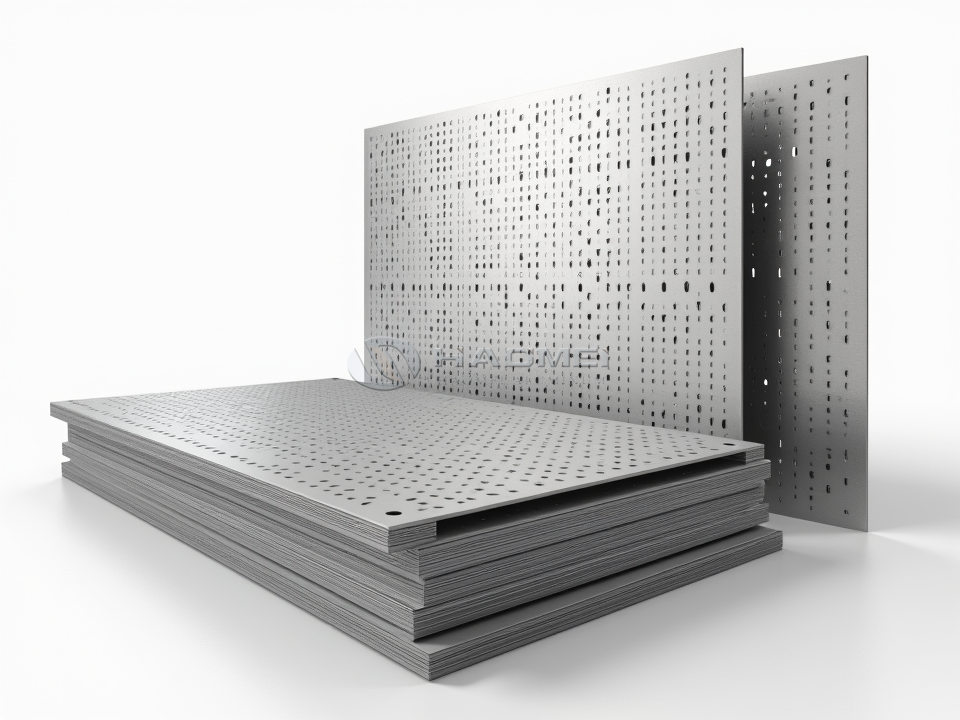
Start With the Direction of the Slot
Slot orientation should be selected according to what the panel needs to accomplish, not only according to appearance. Vertical slots are often chosen for facade cladding, balcony screens, parking structures, and tall interior partitions. They reinforce height while allowing air and daylight to pass through. On a sun-facing wall, a vertical arrangement can reduce direct visual exposure while still maintaining an open feeling.
Horizontal slots work especially well for long elevations, ceiling strips, ventilation grilles, and machine guards. Their rhythm can visually lower a tall space and make a narrow wall appear wider. When airflow is expected to move mainly across the panel, horizontal slots may also align naturally with the air path.
Slot direction matters during installation as well. Rainwater, dust, and debris do not behave the same way on every orientation. A panel used as an exterior screen needs practical consideration of drainage, wind pressure, cleaning access, and the position of supporting rails. A pattern that looks excellent in a sample can perform poorly if its orientation conflicts with the real environment.
Open Area Is the Working Part of the Pattern
The open area is the percentage of the panel occupied by perforations. It affects visibility, ventilation, sound behavior, weight, shading, and structural stiffness. More open area generally means more airflow and light transmission, but it also leaves less metal to resist denting, vibration, and deflection.
For a decorative screen, moderate open area often produces the best balance. People close to the panel can see texture and depth, while the view from farther away becomes softer and more private. For a ventilation cover or equipment cabinet, a higher open area may be necessary to prevent heat buildup. For acoustic construction, the panel is normally combined with a cavity, insulation, and acoustic fabric rather than being expected to absorb sound by itself.
Slot length, slot width, end shape, and pitch all influence the result. Narrow slots can give a refined, linear appearance but may require more careful cleaning in dusty locations. Wider slots increase airflow and visual transparency. Staggered rows create a more active texture, while straight rows feel orderly and architectural.
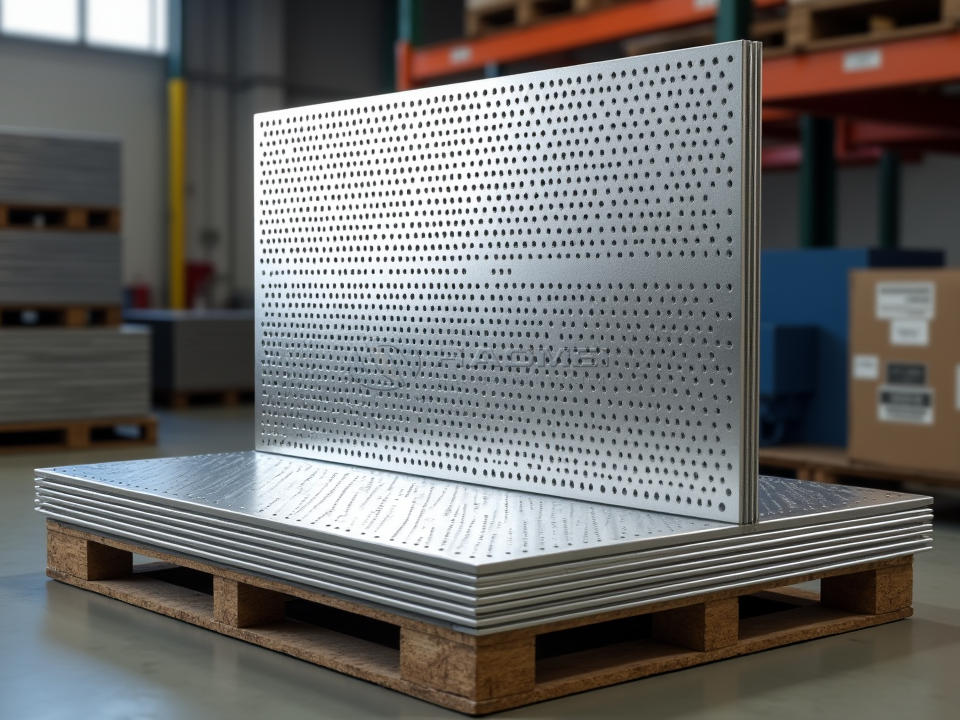
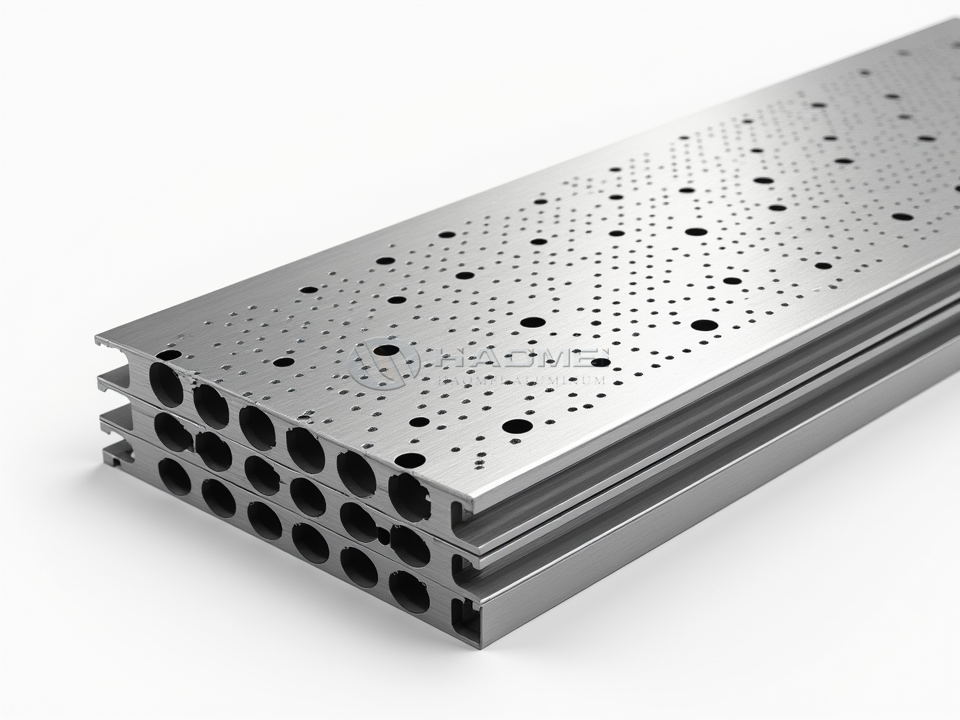
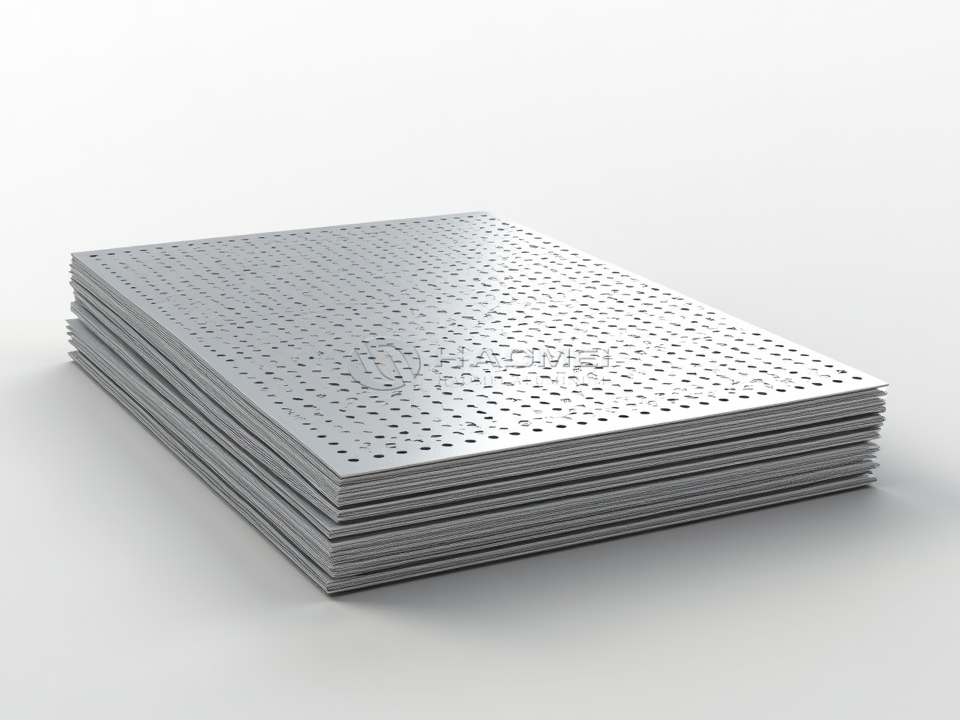
A well-specified Slotted Hole Perforated Aluminum Sheet should state slot dimensions, orientation, pitch, open area target, sheet thickness, panel size, edge treatment, and finish. Without these details, quotations from different fabricators may describe very different products.
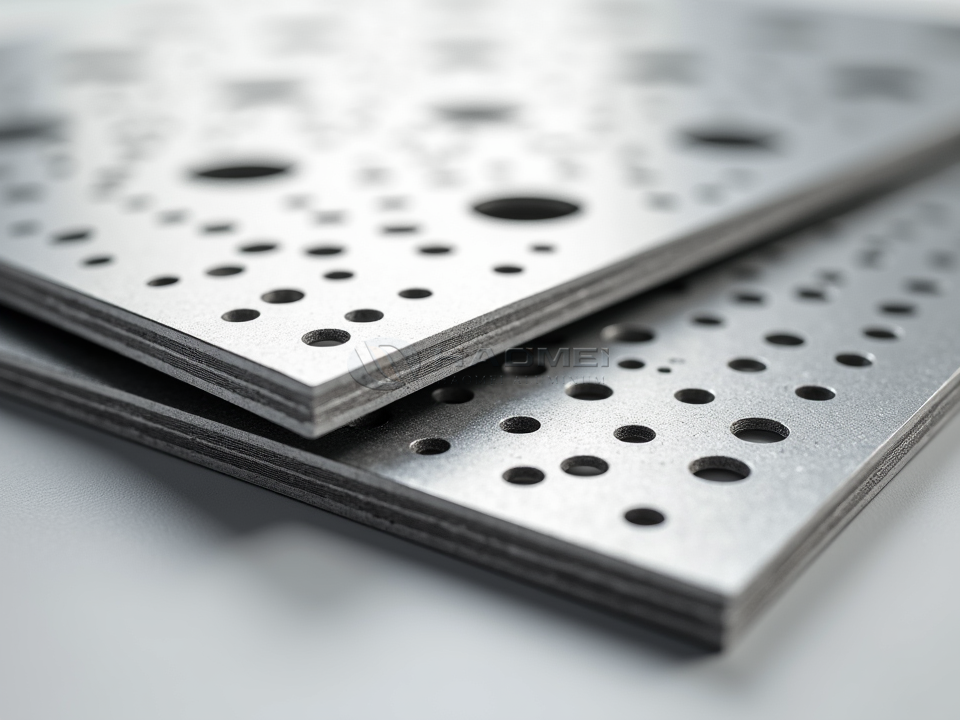
Thickness Should Follow the Panel Format
Customers sometimes choose thickness based only on a familiar gauge. A better approach is to consider the finished panel size, framing method, wind load, handling conditions, and perforation ratio. Large panels with long slots have less continuous metal than solid sheets, so they may need returns, folded edges, stiffeners, or closer support spacing.
Common aluminum grades include 3003 for general forming and architectural sheet work, and 5052 where improved strength and corrosion resistance are useful. For coastal, humid, or industrial environments, alloy and finish selection deserve extra attention. Aluminum naturally resists corrosion, but cut edges, accumulated dirt, trapped moisture, and contact with incompatible metals can shorten the life of an installation.
For exterior projects, powder coating, PVDF coating, anodizing, or brushed finishes can be selected according to color, weather resistance, and maintenance expectations. Anodized surfaces offer a metallic appearance that does not peel, while coated panels provide broader color choices. If panels will be folded after finishing, confirm the forming process early to avoid cracking or color variation at bends.
Think of the Panel as a Layer, Not a Flat Sheet
The most successful slotted panels are often installed with a gap behind them. That gap creates shadow, depth, and a changing appearance as the sun moves. It can also conceal insulation, louvers, structural members, lighting, or acoustic material.
For facade work, a ventilated cavity behind the panel can help manage heat and moisture. For interior ceilings, a dark backing layer gives the slots visual depth and can hide services. For security screens, the distance between the panel and glazing affects how much privacy the system provides.
This layered approach also explains why perforation samples should be viewed in realistic conditions. A small loose sample on a white table cannot show how a full panel will look against a dark wall, reflective glass, bright sky, or illuminated interior. Request a sample with the intended finish and examine it at close range and from the normal viewing distance.
Where a project needs a more uniform, non-directional texture, a Round Hole Perforated Aluminum Sheet may be the better fit. Slotted patterns are strongest when the project benefits from visible direction, shading control, or linear visual rhythm.
Fabrication Details That Prevent Site Problems
Perforated aluminum can be cut, folded, rolled, welded, riveted, and framed, but each operation should respect the pattern. Avoid placing slots too close to a fold line or panel edge, since this can weaken the return flange or create distortion. A solid border around the perforated field is often valuable for fixing, sealing, and maintaining a clean visual edge.
If the panel requires concealed fasteners, cassette folds or rear support rails can provide a neat surface. For exposed fasteners, their spacing should work with the slot layout rather than interrupt it randomly. Long panels may need expansion allowance, particularly on sun-exposed elevations where aluminum expands and contracts more than steel.
Burr removal is another practical requirement. Clean, smooth slot edges improve safety during handling and give coated or anodized panels a more polished appearance. For public-facing installations, make sure the slot width also meets relevant safety requirements concerning finger access, climbing risk, or guard protection.
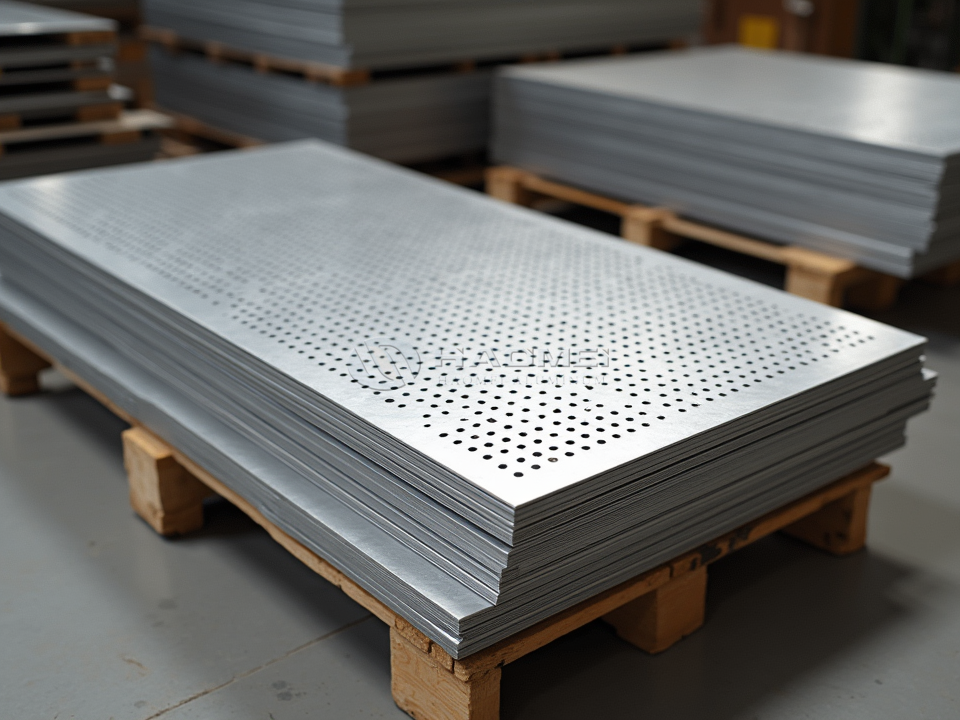
A Fast Specification Check Before Ordering
Before production, confirm the panel's intended role: shading screen, ventilation grille, ceiling, machine guard, acoustic facing, privacy partition, or decorative cladding. Then match the slot orientation to the visual and functional direction of the project. Confirm the required open area, choose an alloy and thickness suitable for the panel span, and define the finish based on exposure conditions.
It is also wise to approve a production sample that shows the actual slot pattern, coating color, edge border, and any folded returns. This small step can prevent mismatched expectations about transparency, rigidity, or visual alignment.
A slotted hole perforated aluminum panel is most effective when treated as a controlled filter between spaces. It controls what passes through: air, light, sound, views, heat, and attention. With the right slot geometry and fabrication details, the panel becomes far more than a decorative surface. It becomes a working architectural layer.