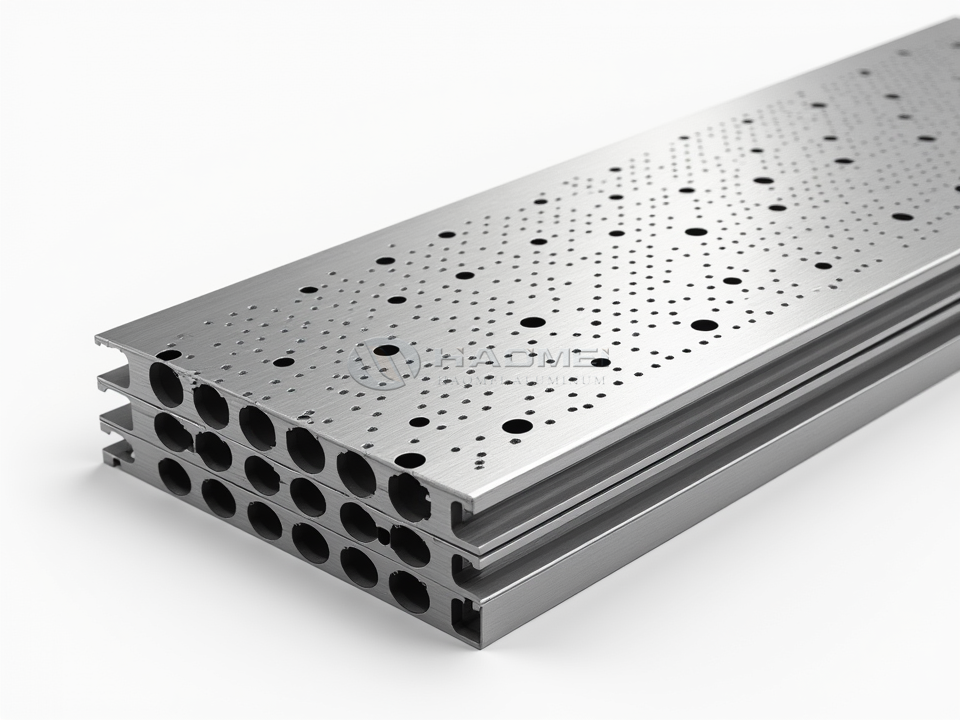
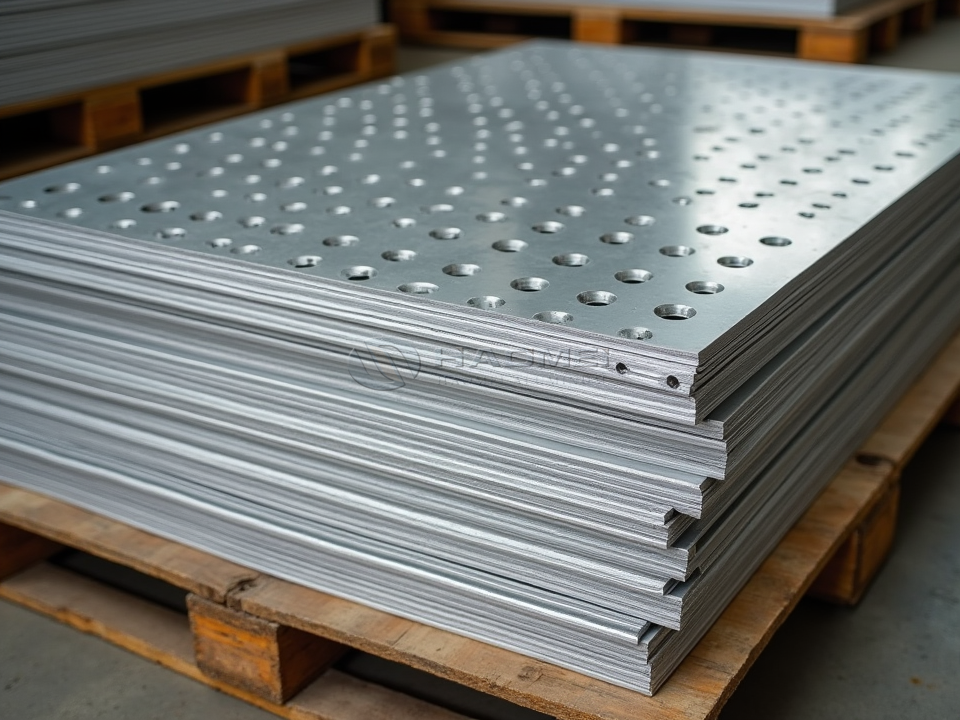
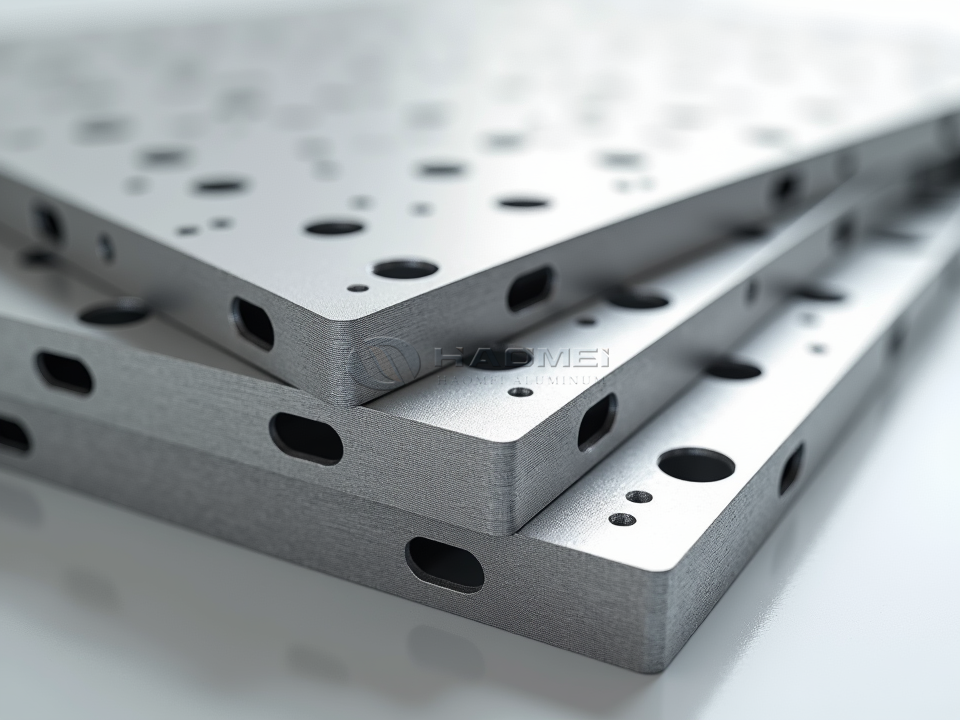
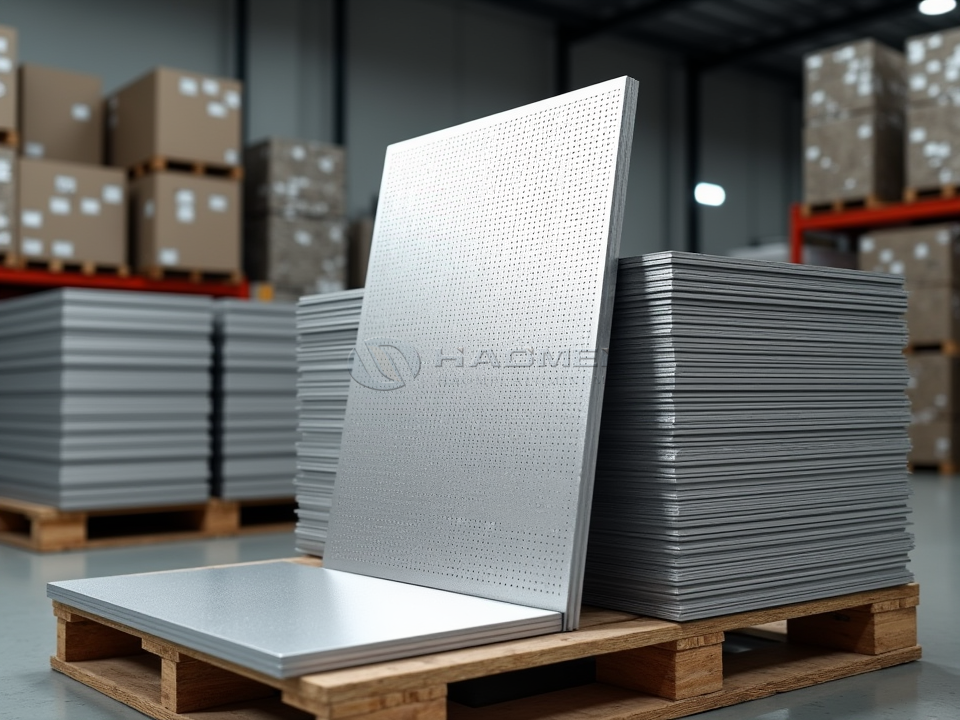
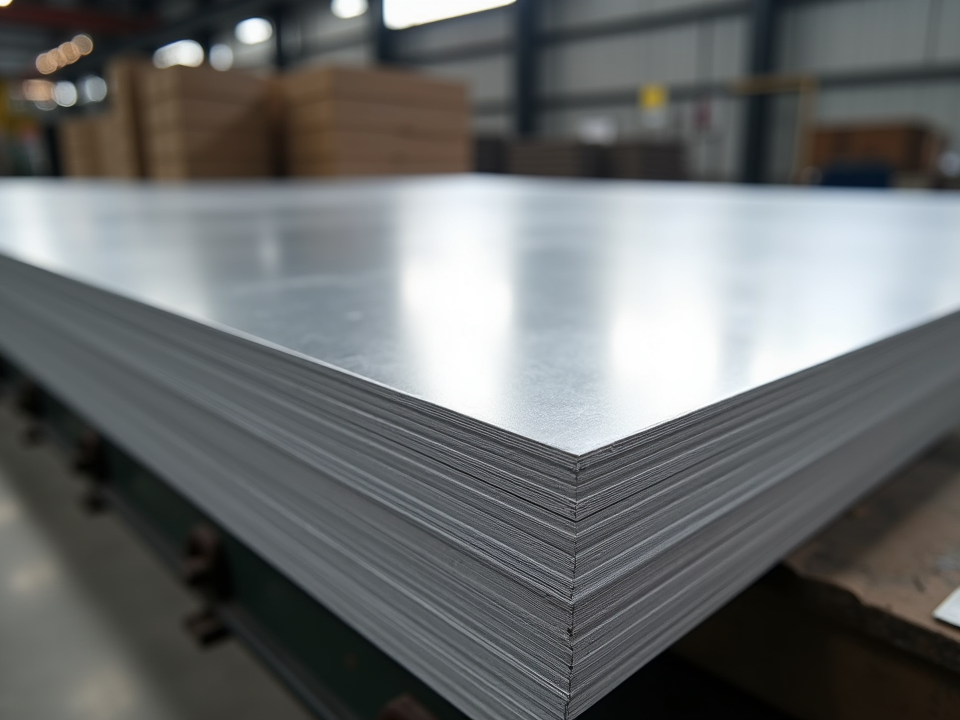
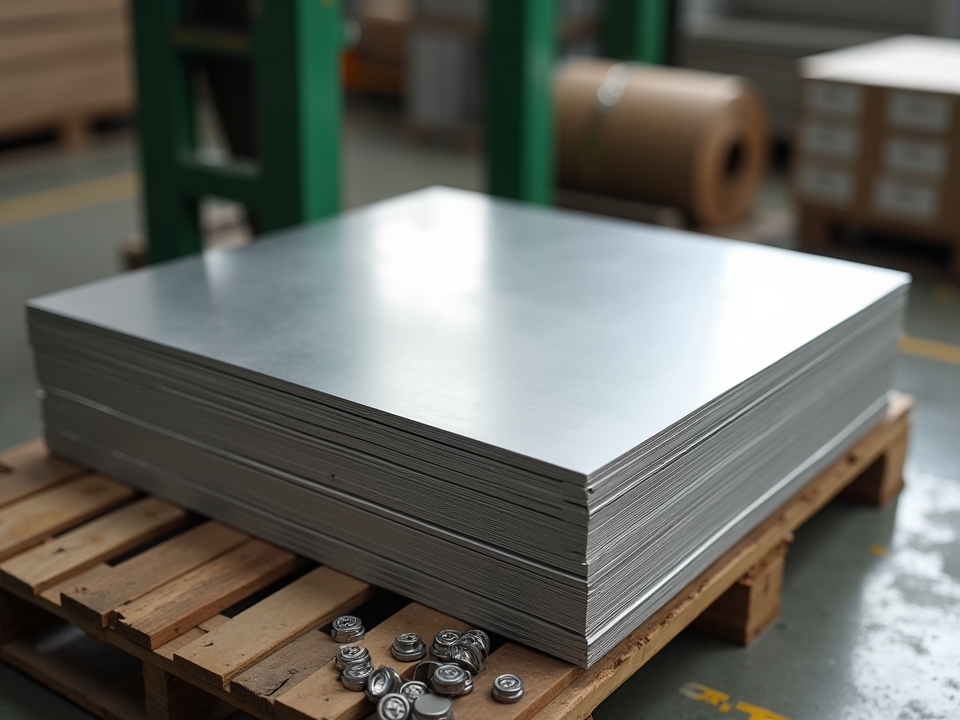
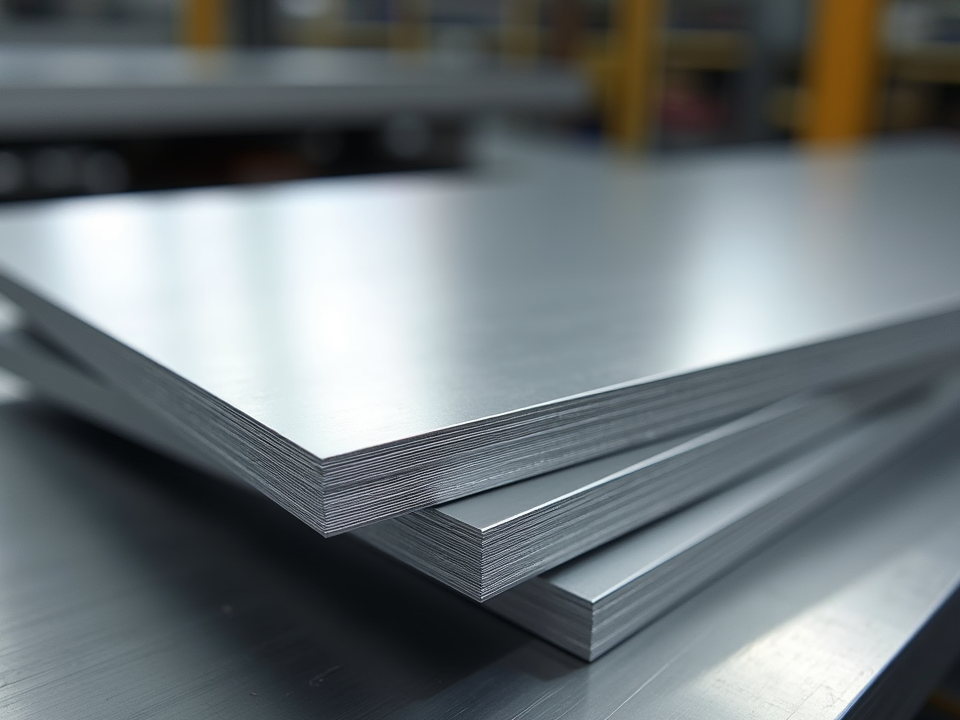
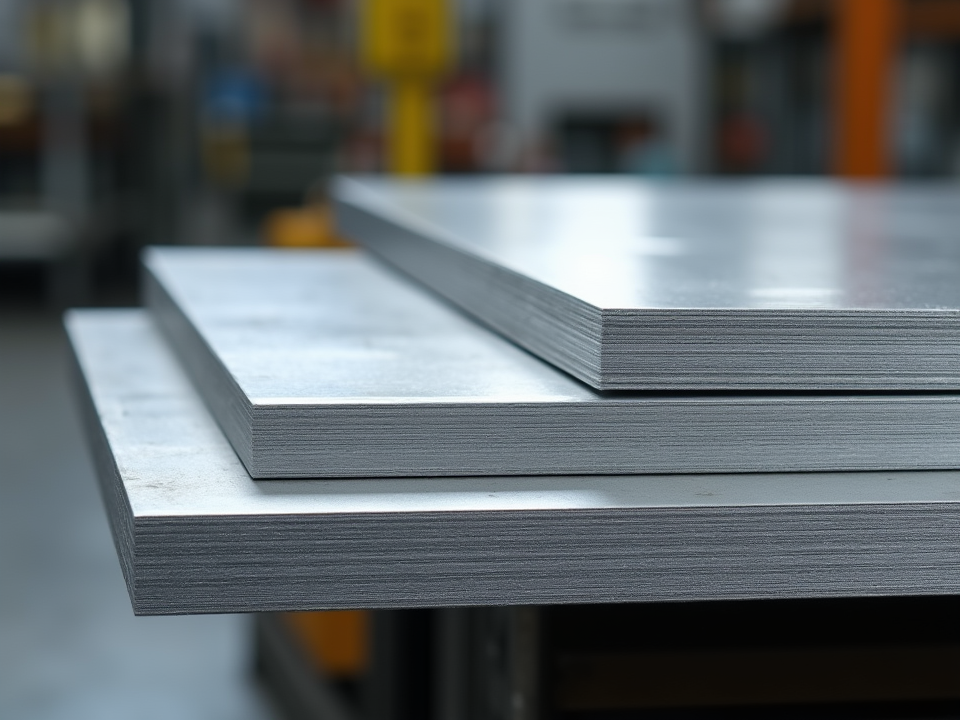
Thick Perforated Aluminum Plate Supplier
Buy the Plate for What Happens After Perforation
A thick perforated aluminum plate is rarely purchased simply because it has holes. It is purchased because it must carry load, manage airflow, create a safe walking surface, protect equipment, or remain visually straight across a large architectural installation. From this practical viewpoint, choosing a thick perforated aluminum plate supplier is less about comparing a price per sheet and more about controlling what happens after punching, forming, welding, coating, and installation.
Haomei Aluminum CO., LTD., Inc. approaches heavy-gauge perforated material as a fabrication component rather than a decorative commodity. This matters because a plate that looks acceptable when it leaves the press may become unsuitable after bending, cutting, or fastening if the alloy, open area, or border design was not selected properly.
Thickness Changes the Rules
Perforated aluminum is commonly available in light sheet gauges, but thick plate has different manufacturing behavior. Material in the approximate 3 mm to 10 mm range, and sometimes heavier, requires more punching force, more careful die selection, and greater attention to plate distortion. The larger the thickness, the more important the relationship between hole diameter and plate thickness becomes.
When holes are too small for a heavy plate, punching can create rough fracture surfaces, excessive burrs, deformation around the holes, and elevated tooling wear. A reliable supplier should discuss whether the required pattern is practical rather than merely accepting a drawing without comment. In some cases, laser cutting, waterjet cutting, or a revised hole size may be the better route for limited quantities or demanding geometries.
The specification should state the finished thickness tolerance, not just a nominal thickness. A 5 mm plate with a tolerance variation may affect support spacing, assembled panel alignment, and the performance of mounting hardware. For applications such as machine guards, filter frames, ramps, and heavy-duty screens, this detail can influence the entire fabrication process.
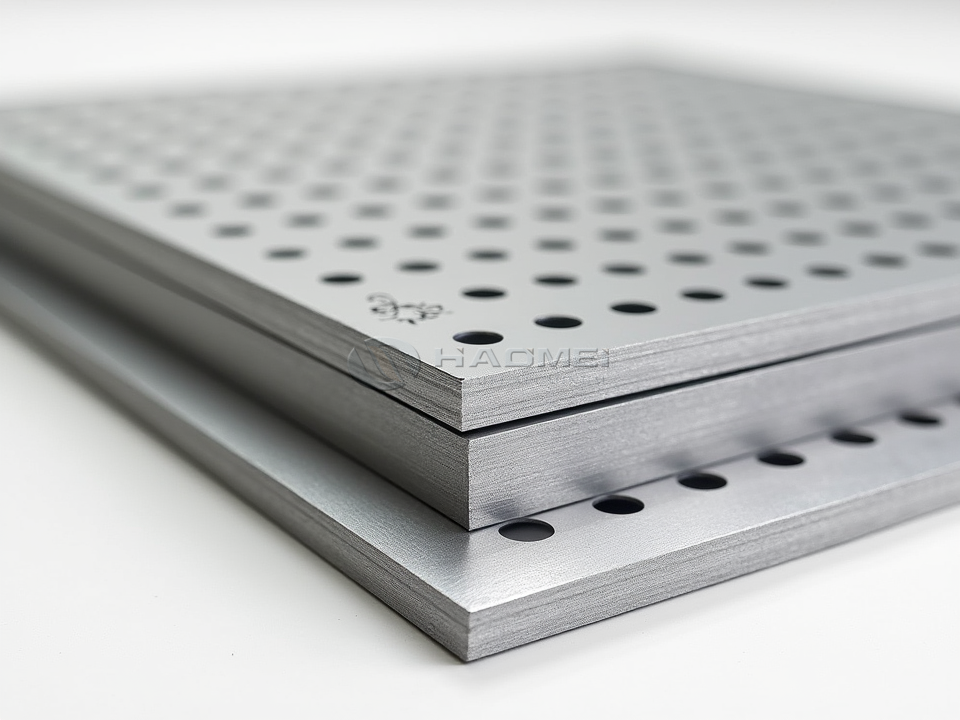
Hole Shape Is a Structural Decision
Customers often select a pattern based on appearance first. In thick plate, hole shape also directs stress and affects the way a panel behaves under load. Round holes distribute stress smoothly and are a dependable choice for ventilation, screening, and general industrial use. For standard airflow requirements, a Round Hole Perforated Aluminum Sheet can provide a balanced combination of open area, clean appearance, and efficient production.
Square holes create a more technical, grid-like surface and can offer good visibility, but sharp internal corners concentrate stress more than round perforations. They may require thoughtful spacing when the plate will experience vibration or repeated loading. Slots are effective when airflow direction, drainage, or directional visual effects are important. However, long slots remove more continuous metal and may make a panel more flexible in one direction.
A thick perforated plate should be judged by its remaining metal, often called the ligament, as much as by its open area. Ligaments that are too narrow can weaken the plate, especially near bends, weld zones, or attachment points. Wider borders around the perforated field are frequently necessary to keep panels flat and provide stable areas for bolting, folding, or framing.
Flatness Is Often the Real Quality Test
A buyer may inspect hole diameter and sheet dimensions, yet overlook flatness until panels arrive at the jobsite. Punching removes material and releases internal stress. On a large heavy plate, this can cause bowing, oil-canning, or edge wave. The issue becomes particularly visible on facade screens, ceiling sections, access panels, and equipment enclosures.
An experienced supplier should be able to explain how flatness will be managed. Suitable measures can include balanced hole layouts, adequate unperforated margins, leveling after perforation, controlled stacking, protective packaging, and correct support during transport. A plate with a dense pattern near one edge and solid material on the other is more likely to move than a balanced design.
For architectural work, provide the installed panel size, frame arrangement, fixing positions, and whether the plate will be folded. A supplier that understands these details can recommend a perforation field that respects the visual concept while avoiding costly distortion during fabrication.
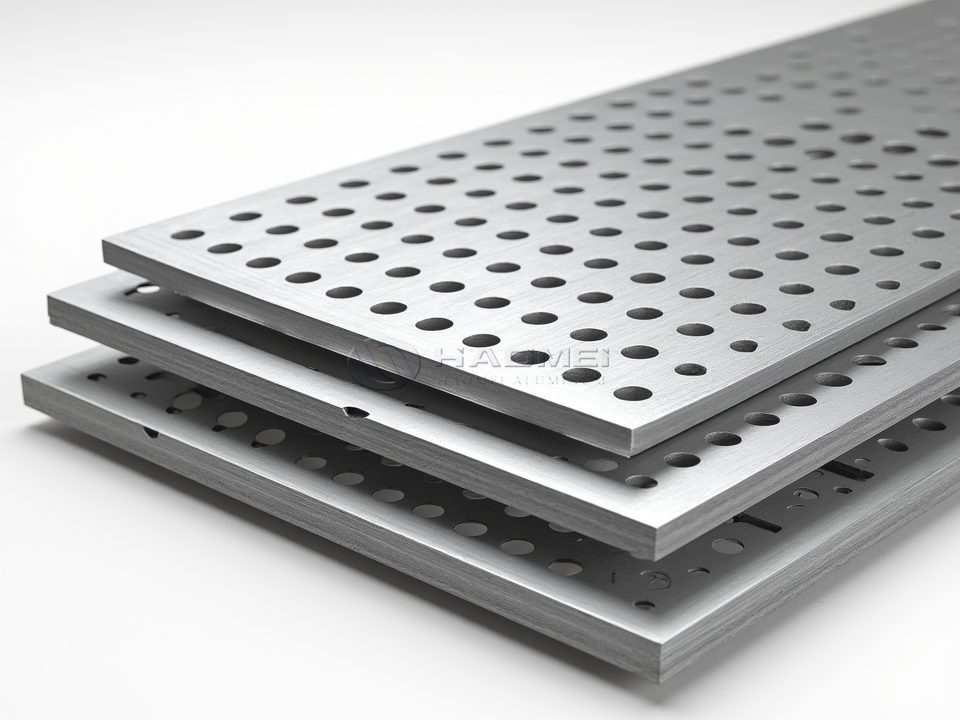
Select Alloy According to Service Conditions
There is no single best aluminum alloy for every perforated plate. Alloy selection should follow the environment and the intended manufacturing steps. Aluminum 3003 is widely used for general forming and corrosion resistance. It is often suitable for interior panels, equipment covers, decorative screens, and many fabricated products. 5052 offers higher strength and stronger marine corrosion performance, making it a frequent choice for transport equipment, coastal applications, platforms, and protective components.
For projects that require heat treatment, heavy machining, or specialized structural performance, other grades may be considered. The supplier should identify the alloy, temper, thickness, and surface condition on the quotation and mill documentation. Phrases such as "aluminum plate" are too broad for a critical project.
Finishes also deserve early attention. Mill finish may work for internal industrial use, while anodizing can provide a durable metallic appearance and improved surface protection. Powder coating expands the color range and can support branding or architectural coordination. If the plate will be welded, specify the finishing sequence in advance. Welding after coating is not practical, and post-weld finishing may need local surface preparation.
Ask About Fabrication Before Placing the Order
A good thick perforated aluminum plate supplier does not stop at supplying flat material. They should ask how the plate will be processed next. Will it be bent into a tray? Will threaded inserts be installed? Does it need countersunk holes outside the perforated field? Will it be used as an anti-slip floor panel? These questions prevent designs that are expensive or unstable to manufacture.
For example, a perforation pattern placed too close to a bend line can stretch and distort during forming. A solid bend zone may be required. If a plate will be welded to a structural frame, leaving a clear welding margin avoids interrupted seams and reduces heat-related warping. If the panel must act as a guard, the selected open area and hole size should match the safety standard or containment requirement of the application.
Customers seeking a broad starting point can review Perforated Aluminum Plate options before finalizing alloy, thickness, pattern, and finish. The right configuration is typically the one that reduces secondary work, waste, and installation adjustments.
Delivery Reliability Is Part of Material Quality
Heavy perforated plates can be damaged by poor handling even when the perforation itself is accurate. Sheets should be separated where surface protection matters, supported to prevent corner damage, secured against movement, and packed in a way that suits forklift handling. Long panels may require timber runners or reinforced skids to avoid sagging in transit.
Before production begins, Haomei Aluminum CO., LTD., Inc. recommends confirming the drawing revision, plate size, tolerances, hole pattern, pitch, open area, border dimensions, alloy, temper, finish, inspection requirements, and packaging method. A small sample or approved first piece is especially valuable for custom patterns and visible architectural surfaces.
The best supplier is not simply the one that can make thick perforated aluminum plate. It is the partner that recognizes where the plate can fail later, then helps design those risks out before metal reaches the press.