Straight Row Perforated Aluminum Sheet
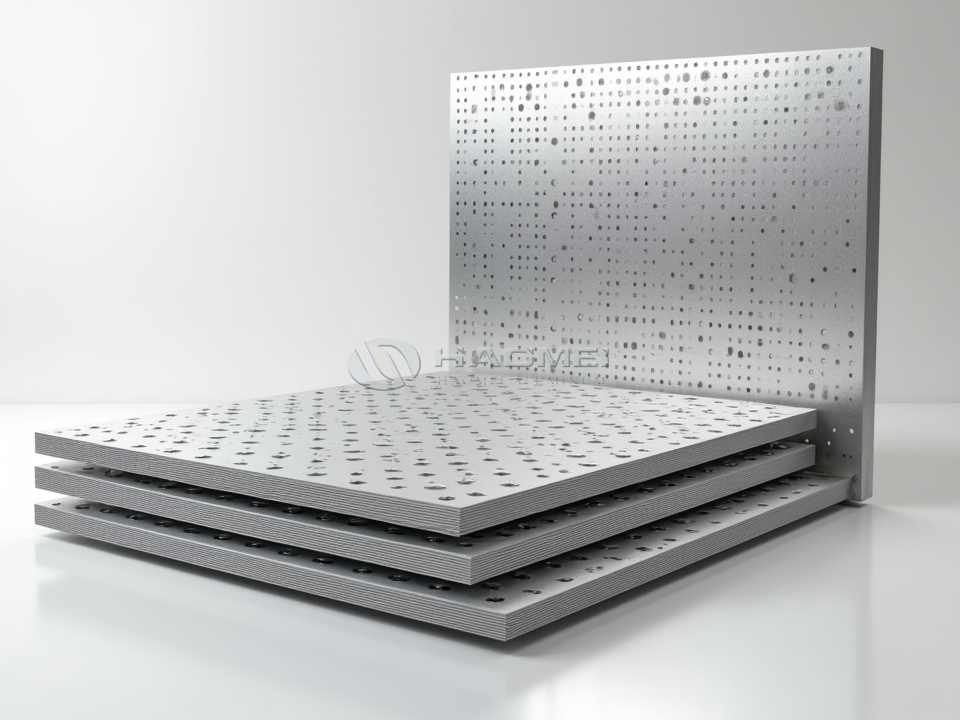
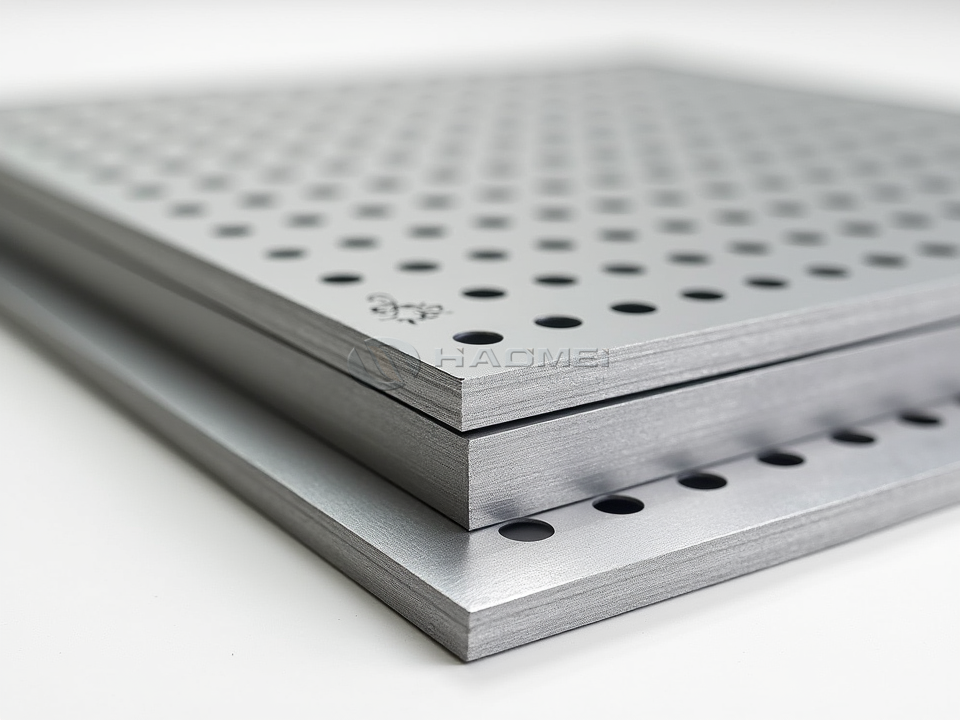
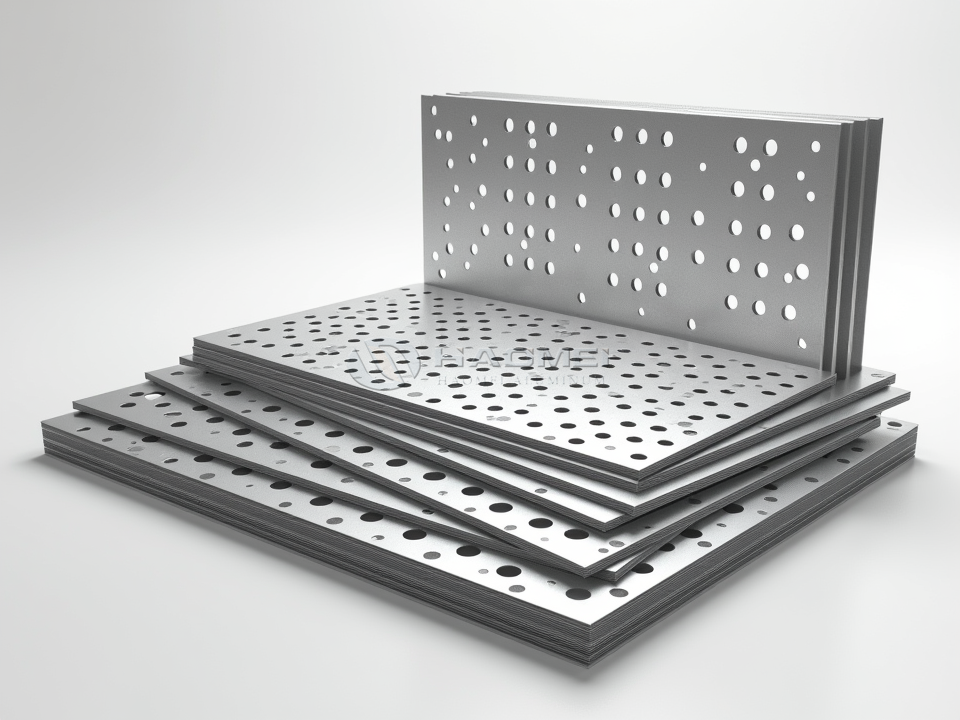
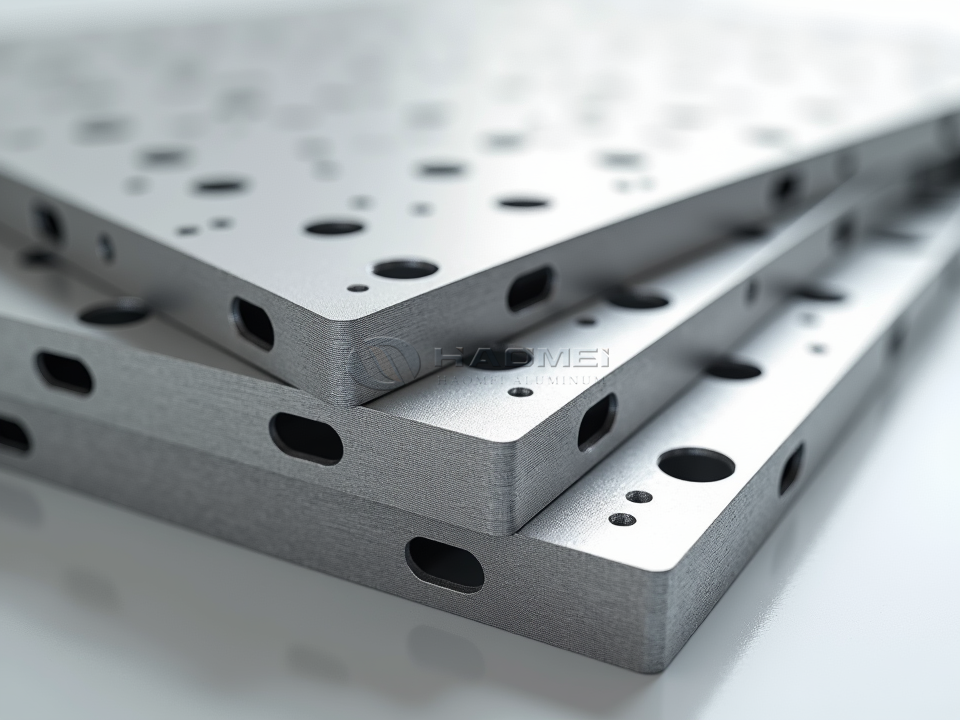
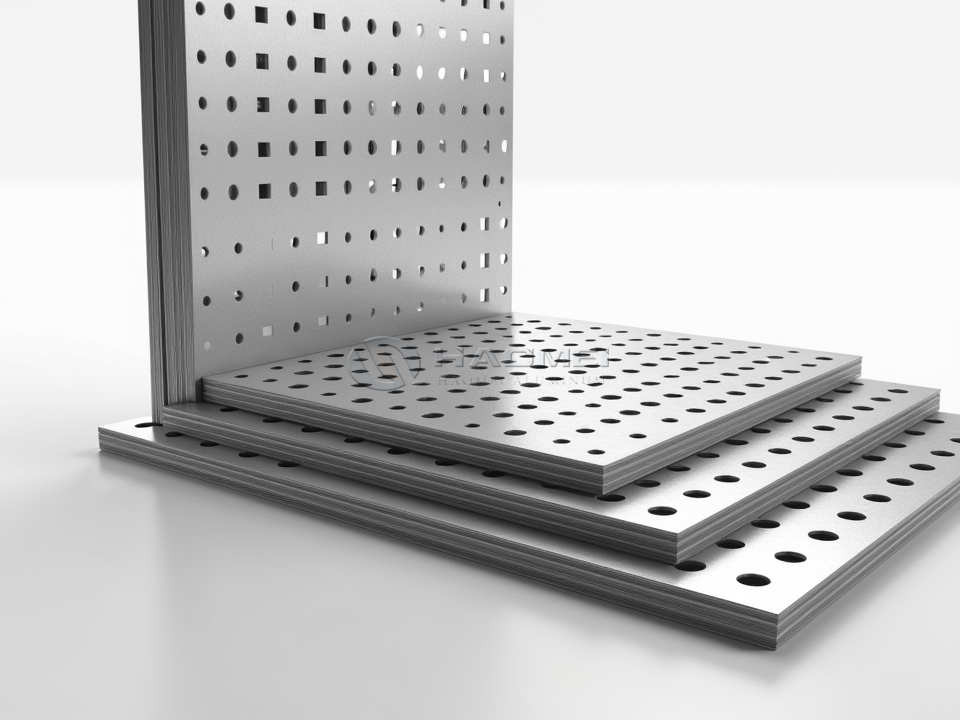
Straight row perforated aluminum sheet is a precision-punched metal panel featuring round holes arranged in parallel horizontal and vertical lines. The orderly pattern creates a clean, technical appearance while delivering controlled airflow, light transmission, drainage, acoustic support, and visual screening. It is widely selected for ceiling systems, machine guards, ventilation grilles, filters, façade linings, retail displays, and equipment enclosures.
Unlike staggered perforation patterns, straight-row perforation places each hole directly in line with the next. This geometry produces a balanced grid effect that is especially suitable where alignment, consistent spacing, and a modern architectural finish are important. Hole diameter, center distance, sheet thickness, alloy, temper, panel size, and surface coating can all be tailored to project requirements.
Material Characteristics and Performance
Aluminum provides an excellent strength-to-weight ratio. A straight row perforated aluminum sheet is much lighter than comparable steel sheet, helping reduce handling effort and supporting load. Its natural oxide film provides reliable corrosion resistance in normal indoor and outdoor environments. For demanding coastal, humid, or chemical-exposure locations, anodizing, powder coating, or PVDF coating can further strengthen surface protection.
The aligned hole layout also supports accurate panel matching. Designers can coordinate perforation lines across adjacent panels, while fabricators can use the straight grid as a reference for bending, cutting, fastening, and framing. With proper edge margins and support spacing, the panel remains stable during installation and service.
| Performance Feature | Customer Benefit |
|---|---|
| Low density | Easier transport, lifting, and installation than steel alternatives |
| Straight hole alignment | Clean visual rhythm and convenient panel-to-panel registration |
| Corrosion resistance | Suitable for interior spaces and protected exterior applications |
| Good formability | Supports cutting, folding, rolling, edging, and light stamping |
| Controlled open area | Balances ventilation, visibility, shading, and material strength |
| Recyclable aluminum | Supports circular material use and lower end-of-life waste |
| Compatible surface finishes | Available in mill finish, brushed, anodized, powder coated, or painted surfaces |
Typical Alloys and Temper Conditions
Alloy choice should reflect the required forming behavior, panel rigidity, corrosion environment, and finish. AA 1050 is often used for decorative and light-duty panels. AA 3003 offers improved strength and is a common choice for general architectural and industrial perforated sheet. AA 5052 is preferred where higher strength and stronger resistance to marine or humid conditions are needed.
| Alloy | Common Tempers | Primary Characteristics | Typical Uses |
|---|---|---|---|
| 1050 | O, H14, H24 | High aluminum purity, excellent forming, bright surface | Interior screens, lighting covers, decorative panels |
| 1060 | O, H14, H24 | Good electrical and thermal conductivity, easy processing | Vent covers, acoustic liners, general fabrication |
| 3003 | H14, H24 | Moderate strength, good corrosion resistance, stable forming | Ceilings, machine guards, equipment panels |
| 5052 | H32, H34 | Higher strength and strong moisture resistance | Exterior screens, transport parts, marine-adjacent projects |
Chemical Composition
The values shown are typical maximum or specified ranges in percent by weight. Actual mill certificates should be used where a project has strict compliance requirements.
| Alloy | Si | Fe | Cu | Mn | Mg | Cr | Zn | Al |
|---|---|---|---|---|---|---|---|---|
| 1050 | Si + Fe 0.95 max | Included with Si | 0.05 max | 0.05 max | 0.05 max | - | 0.05 max | 99.50 min |
| 3003 | 0.60 max | 0.70 max | 0.05-0.20 | 1.00-1.50 | - | - | 0.10 max | Remainder |
| 5052 | 0.25 max | 0.40 max | 0.10 max | 0.10 max | 2.20-2.80 | 0.15-0.35 | 0.10 max | Remainder |
Perforation Design and Technical Specifications
Round holes are the most common format for straight-row aluminum sheet. The pattern is defined by hole diameter and center-to-center pitch in both directions. Equal horizontal and vertical pitch creates a square grid; unequal pitch creates a rectangular grid with a more directional visual effect.
Open area is an important design value because it affects airflow, sound absorption performance, daylight passage, privacy, and panel stiffness. For round holes in a straight-row pattern, the theoretical open-area calculation is:
Open Area (%) = π × hole diameter² ÷ (4 × horizontal pitch × vertical pitch) × 100
| Specification Item | Standard Range | Custom Capability |
|---|---|---|
| Sheet thickness | 0.5-3.0 mm | Up to 6.0 mm depending on hole size and tooling |
| Hole diameter | 1.0-25.0 mm | Larger holes available for heavy-duty panels |
| Horizontal pitch | 2.0-50.0 mm | Produced to drawing requirements |
| Vertical pitch | 2.0-50.0 mm | Produced to drawing requirements |
| Open area | 15-60% | Calculated from hole and pitch geometry |
| Standard sheet width | 1,000 mm, 1,220 mm, 1,500 mm | Slit or cut to required width |
| Standard sheet length | 2,000 mm, 2,440 mm, 3,000 mm | Cut-to-length panels available |
| Edge margin | 10-30 mm | Adjustable for framing, folding, or fastening |
| Surface finish | Mill finish, anodized, powder coated | Brushed, painted, protective film options |
| Flatness | Subject to thickness and open area | Leveling available for selected panel formats |
A practical punching guideline is to use a hole diameter equal to or greater than the sheet thickness. Very small holes in heavy-gauge material can increase punching force, create burrs, and shorten tool life. Narrow bridges between holes may also affect panel flatness, particularly when open area is high.
Mechanical Reference Values
Mechanical properties vary with alloy, temper, thickness, and processing route. Perforation reduces the effective load-bearing section, so structural calculations should be based on the finished panel geometry rather than solid-sheet values alone.
| Alloy and Temper | Tensile Strength, MPa | Yield Strength, MPa | Elongation | Density, g/cm³ |
|---|---|---|---|---|
| 1050-H14 | 85-115 | 60 min | 3-8% | 2.71 |
| 3003-H14 | 130-170 | 115 min | 3-8% | 2.73 |
| 5052-H32 | 210-260 | 160 min | 7-12% | 2.68 |
Applications for Aligned Perforation Panels
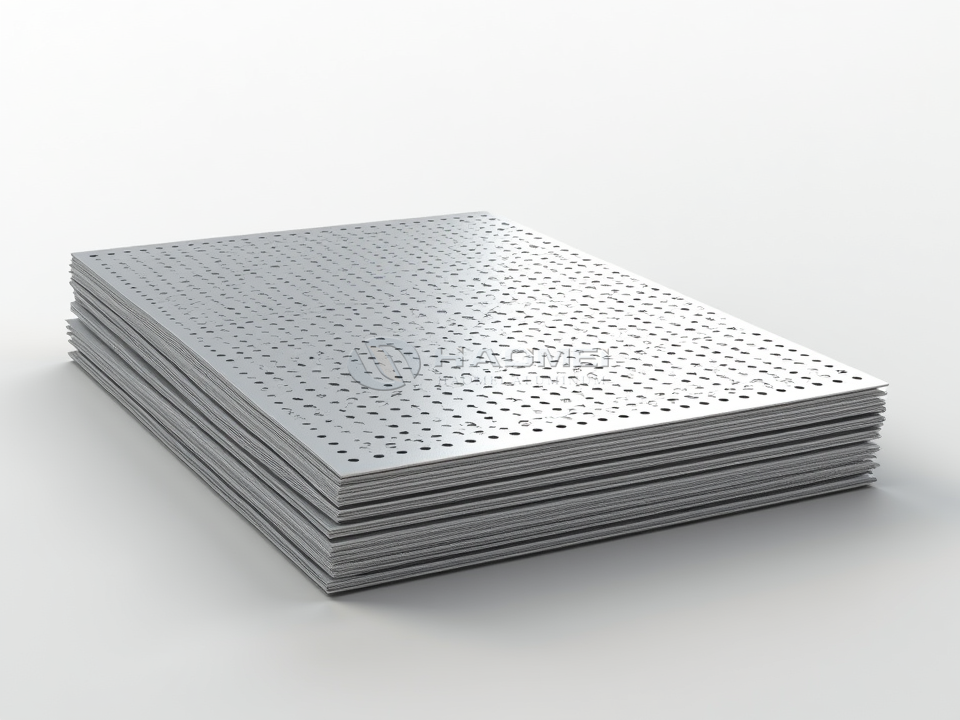
Straight-row perforated aluminum sheet fits projects where the pattern must look orderly from close range and remain functional from a distance. In ceilings, the holes can work with mineral wool or acoustic fabric to improve sound absorption. In HVAC and equipment systems, they allow air movement while keeping larger objects away from fans, ducts, or internal components.
| Application Area | Function of Straight Row Holes | Recommended Alloy Direction |
|---|---|---|
| Suspended ceilings | Air circulation, acoustic backing support, visual texture | 3003-H14 or 1050-H14 |
| Ventilation covers | Controlled air passage and protective screening | 3003-H14 |
| Machine guards | Visibility, airflow, and contact protection | 3003-H14 or 5052-H32 |
| Architectural screens | Sun shading, partial privacy, façade expression | 3003 or 5052 with coating |
| Filters and separators | Retention support for filter media or larger particles | 3003-H14 |
| Retail displays | Lightweight product presentation and shelving inserts | 1050-H14 or 3003-H14 |
| Acoustic wall linings | Sound access to absorptive backing materials | 1050 or 3003 |
For projects requiring a different perforation geometry, a Round Hole Perforated Aluminum Sheet can also be specified with staggered arrangements, wider open areas, or alternative pitch combinations.
Fabrication, Finishing, and Ordering Notes
Panels can be supplied as flat punched sheets or processed into finished components. Common secondary operations include laser cutting, shearing, deburring, folding, hemming, corner notching, welding, riveting, and installation-hole punching. Edge treatment is recommended where the sheet will be handled frequently or installed in public-facing areas.
Powder coating offers broad color selection and durable coverage. Anodizing preserves the metallic appearance while increasing oxide-layer hardness and corrosion resistance. When selecting a finish, consider whether the holes require full coating coverage, whether color consistency between batches is critical, and whether the panel will be installed indoors, outdoors, or near saltwater.
For an accurate quotation, provide the alloy, temper, thickness, hole diameter, horizontal pitch, vertical pitch, edge margin, panel dimensions, finish, quantity, and any bending or mounting details. This information enables proper tooling selection and helps achieve the required appearance, open area, and finished-panel performance.