Windbreak Perforated Aluminum Wall
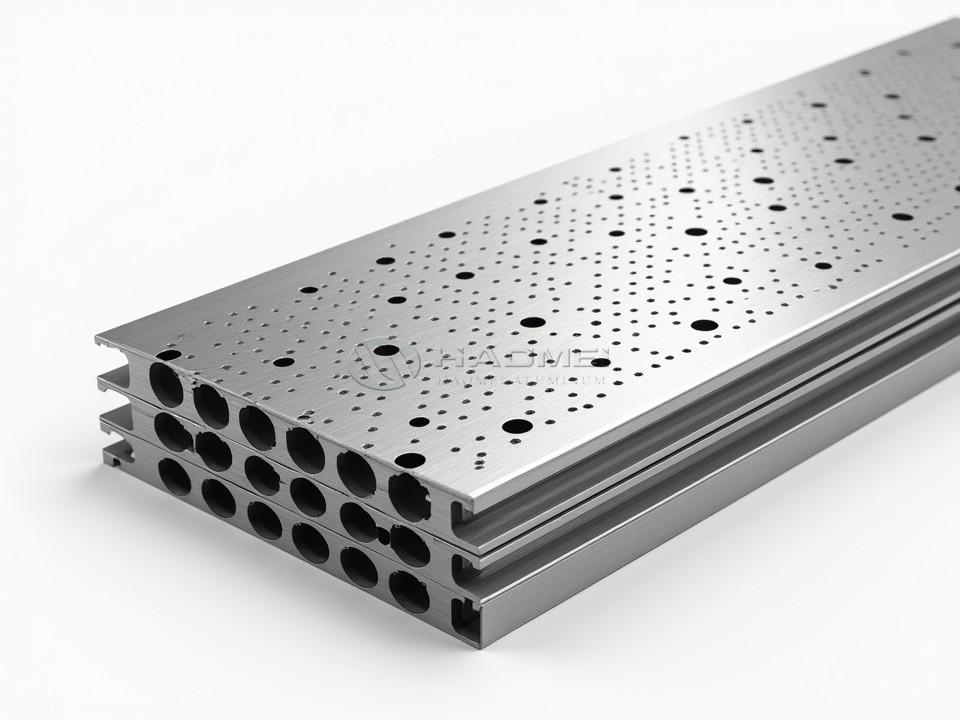
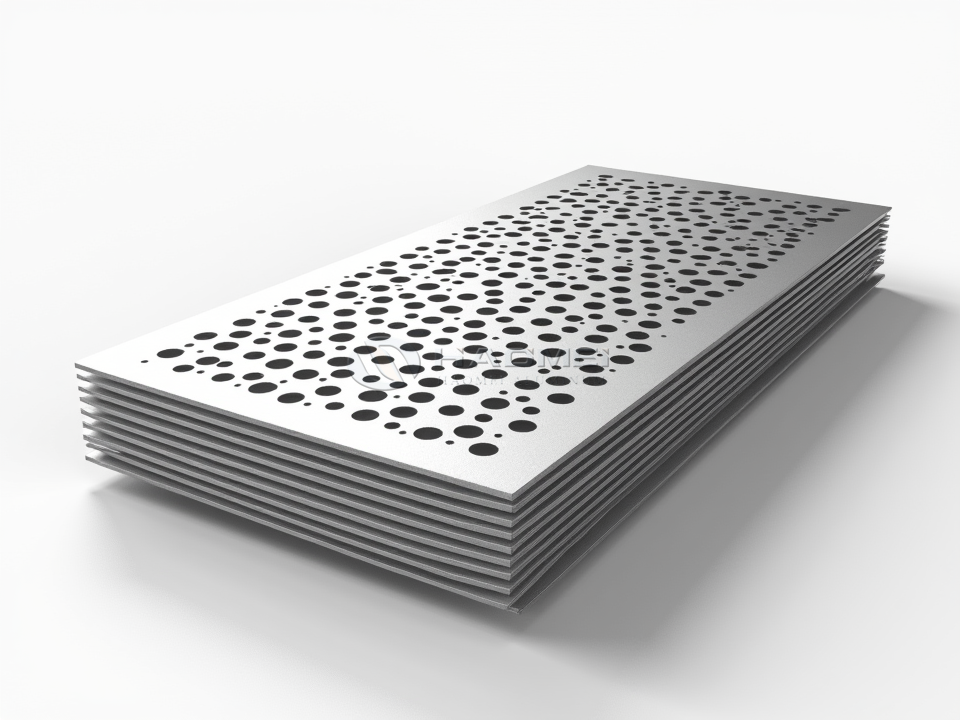
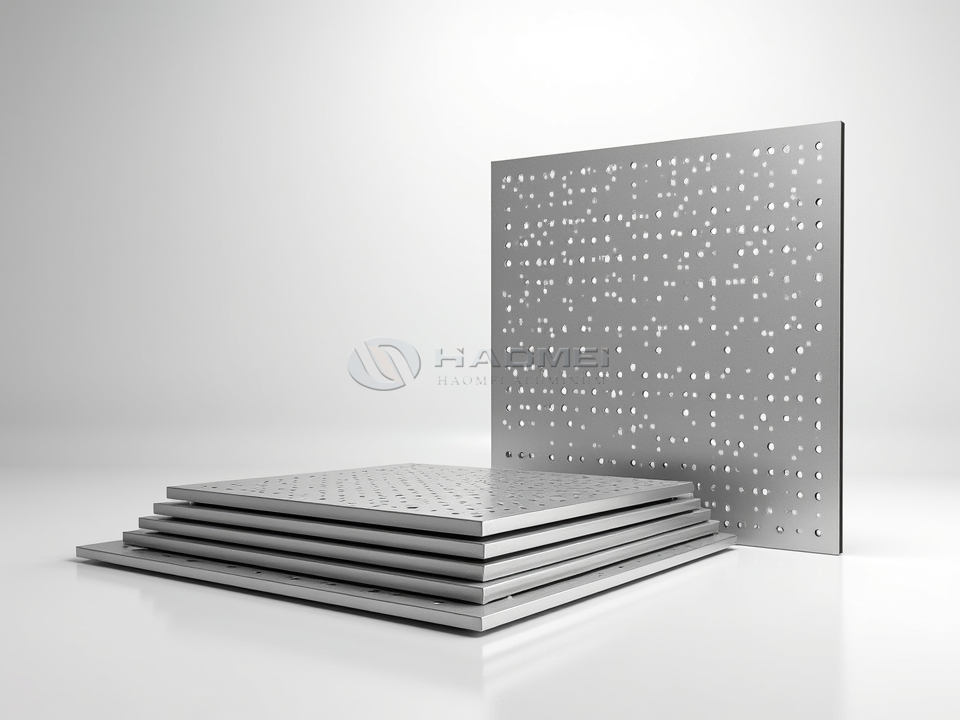
A windbreak perforated aluminum wall is an engineered screening system designed to reduce wind velocity while allowing controlled air passage, daylight transmission, and visual openness. Made from punched aluminum sheet or formed aluminum panels, it creates a stable barrier that diffuses gusts rather than stopping airflow abruptly. This makes it highly suitable for exposed industrial sites, equipment enclosures, rooftop areas, logistics yards, agricultural facilities, and contemporary building exteriors.
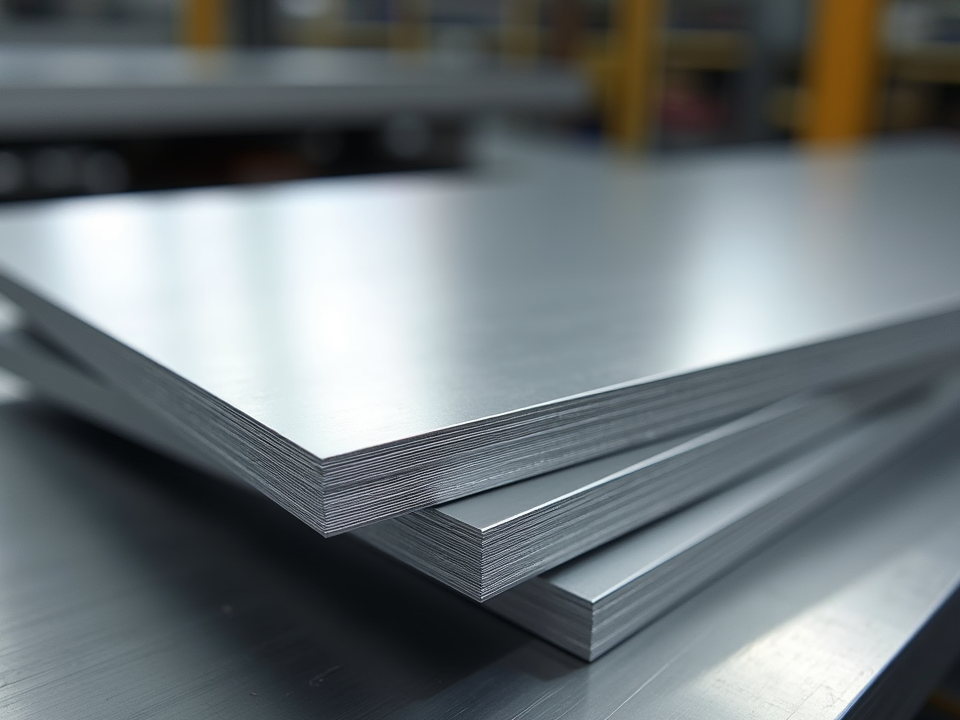
Compared with solid walls, a perforated aluminum windbreak reduces turbulent pressure buildup. The open-area ratio, hole geometry, panel thickness, support spacing, and installation orientation can be tailored to balance wind reduction with ventilation needs. Its light weight also lowers structural loads and makes handling more efficient during installation.
Functional Characteristics
The performance of a windbreak wall depends on how the perforated surface interacts with moving air. As wind passes through the holes, energy is dispersed across the panel rather than concentrated at one solid surface. This can reduce downstream wind speed, minimize wind-borne dust movement, and improve the operating environment around sensitive equipment or outdoor work zones.
| Characteristic | Practical Value |
|---|---|
| Controlled porosity | Permits air exchange while moderating direct wind impact |
| Low density | Aluminum weighs about one-third of steel, reducing support demand |
| Corrosion resistance | Natural oxide film provides dependable outdoor durability |
| Flexible perforation design | Round, square, slotted, and hexagonal holes can suit airflow and visual goals |
| Formability | Panels can be folded, framed, curved, or stiffened for larger spans |
| Surface finish options | Powder coating, PVDF coating, anodizing, and mill finish support different environments |
| Low maintenance | No rust scaling, with routine washing normally sufficient |
| Recyclability | Aluminum can be recycled repeatedly with substantial material recovery value |
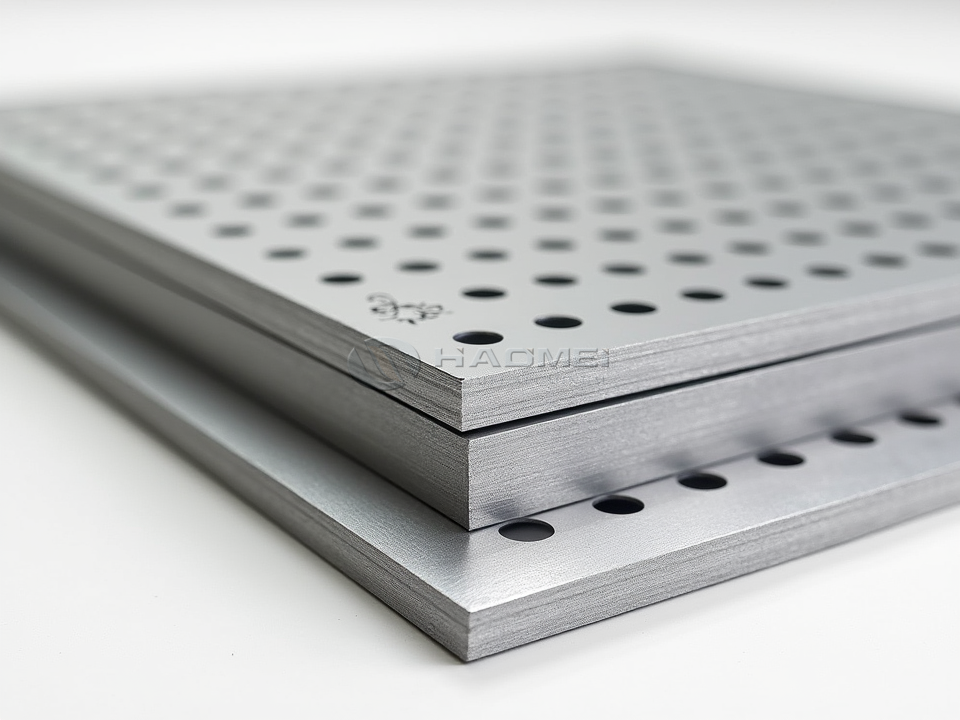
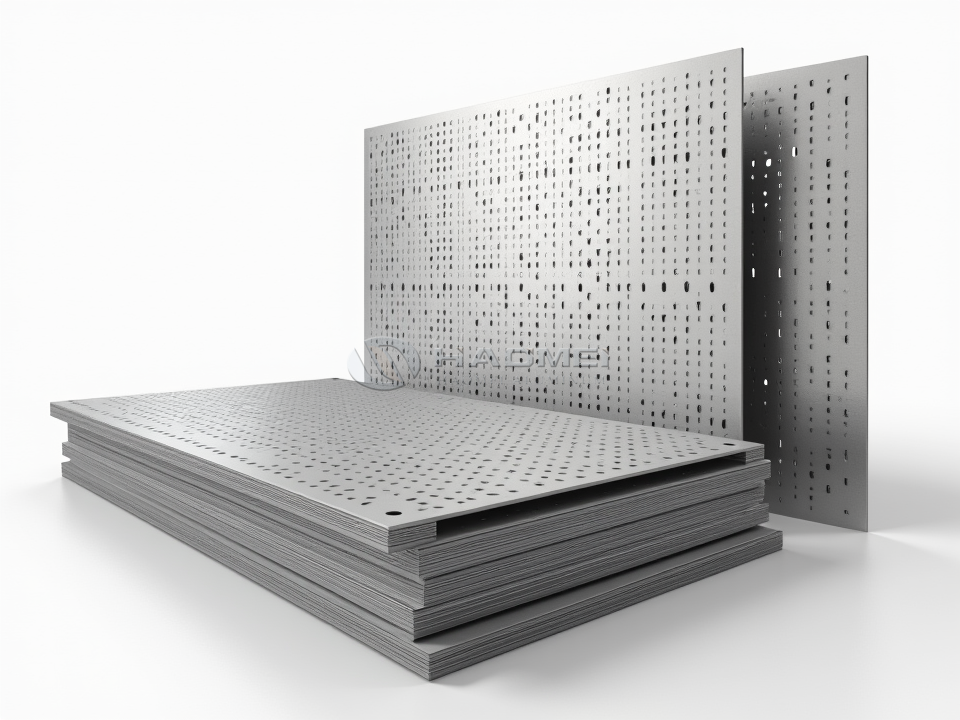
For applications requiring a clean, balanced visual pattern, Round Hole Perforated Aluminum Sheet is often selected. Round perforations provide even distribution, straightforward fabrication, and a neutral architectural appearance. Slotted patterns are frequently chosen where directional airflow, elongated styling, or increased open area is desired.
Common Material Choices
Alloy selection should reflect the site atmosphere, panel dimensions, forming requirements, and wind load design. Alloy 3003 is widely used for general architectural and industrial perforated panels because it offers good workability and corrosion resistance. Alloy 5052 provides higher strength and enhanced resistance in marine, coastal, or chemically demanding settings.
| Alloy | Principal Alloying Elements | Typical Temper | Suitable Uses |
|---|---|---|---|
| AA 3003 | Aluminum-manganese | H14, H24 | General windbreaks, decorative screens, equipment guards |
| AA 3105 | Aluminum-manganese-magnesium | H14, H24 | Coated wall panels, architectural screening |
| AA 5052 | Aluminum-magnesium-chromium | H32, H34 | Coastal sites, chemical plants, high-strength screens |
| AA 6061 | Aluminum-magnesium-silicon | T6 | Framed components, heavy-duty structural sections |
Typical Chemical Composition
The following values are representative maximum or nominal ranges for frequently specified sheet alloys. Exact chemistry shall follow the agreed material standard and mill certificate.
| Alloy | Si % | Fe % | Cu % | Mn % | Mg % | Cr % | Zn % | Al % |
|---|---|---|---|---|---|---|---|---|
| AA 3003 | 0.60 max | 0.70 max | 0.05-0.20 | 1.0-1.5 | - | - | 0.10 max | Balance |
| AA 3105 | 0.60 max | 0.70 max | 0.30 max | 0.30-0.80 | 0.20-0.80 | 0.20 max | 0.40 max | Balance |
| AA 5052 | 0.25 max | 0.40 max | 0.10 max | 0.10 max | 2.2-2.8 | 0.15-0.35 | 0.10 max | Balance |
Technical Specifications
Windbreak perforated aluminum walls are produced to project-specific dimensions. Perforation is normally completed before folding and finishing, allowing accurate hole spacing and clean panel edges. Larger panels can include return folds, reinforcing ribs, backing frames, or intermediate rails to improve stiffness.
| Parameter | Typical Range or Option |
|---|---|
| Base metal thickness | 1.0-4.0 mm |
| Common thickness for wall screens | 1.5-3.0 mm |
| Panel width | Up to 1,500 mm, subject to design |
| Panel length | Up to 6,000 mm, subject to handling and transport |
| Hole diameter | 2-30 mm for round holes |
| Slot width | 3-20 mm |
| Open-area ratio | 20-60% commonly specified |
| Standard panel flatness | Dependent on thickness, perforation rate, and stiffening design |
| Surface coating thickness | 60-120 μm for powder coating, project dependent |
| Anodized film thickness | Typically 10-25 μm |
| Service temperature | Suitable for normal exterior building and industrial conditions |
Mechanical and Performance Data
Perforation reduces the effective cross-sectional area of the sheet. Therefore, structural design must consider the original alloy properties together with hole pattern, open area, panel bending, frame spacing, fastener arrangement, and local wind pressure. Final wall design should be verified against applicable building codes and site wind data.
| Property | AA 3003-H14 | AA 5052-H32 | Windbreak Design Relevance |
|---|---|---|---|
| Tensile strength | 130-180 MPa | 210-260 MPa | Indicates resistance to tensile loading |
| Yield strength | 115 MPa minimum | 160 MPa minimum | Supports panel and frame load assessment |
| Elongation | 4-10% | 7-12% | Helps during bending and forming |
| Density | 2.73 g/cm³ | 2.68 g/cm³ | Reduces dead load on support structures |
| Thermal conductivity | Approx. 160 W/m·K | Approx. 138 W/m·K | Useful near heat-generating equipment |
| Corrosion behavior | Good | Very good to excellent | Important for wet or salt-laden environments |
A 30-45% open area is frequently a practical starting point for many wind-screening installations. Lower open area generally produces stronger shielding but may increase load on the wall. Higher open area improves ventilation and transparency, but reduces the wind reduction effect. A project-specific airflow study can determine the most suitable balance.
Finishes and Visual Options
Surface finishing extends the service life of the wall and allows it to complement the surrounding architecture. Powder coating is widely used for industrial compounds, public infrastructure, and commercial facades because it provides color flexibility and a protective film. PVDF coating is often selected for demanding exterior exposure where long-term color stability is important. Anodizing offers a metallic appearance with an integral oxide layer.
| Finish | Appearance | Suitable Environment | Maintenance Consideration |
|---|---|---|---|
| Mill finish | Natural aluminum | Interior or protected industrial use | May show handling marks and weather naturally |
| Powder coating | Wide color range, matte to gloss | General outdoor and industrial sites | Wash periodically to remove deposited dirt |
| PVDF coating | High weathering stability | Facades, high-UV regions, landmark projects | Long coating life with scheduled cleaning |
| Anodized finish | Metallic, satin, bronze, black | Architectural and premium screening | Avoid abrasive cleaners |
For projects where the windbreak is also a major visual element, a Decorative Perforated Aluminum Facade Panel can combine functional airflow management with custom patterns, colors, and façade rhythm.
Applications and Customer Benefits
Windbreak perforated aluminum walls perform well wherever wind, dust, ventilation, and appearance must be managed together. They can surround cooling towers and generators, protect loading bays, reduce wind exposure around outdoor seating, screen rooftop mechanical systems, or form breathable boundaries around storage yards. In agricultural facilities, they can help moderate airflow around livestock areas and crop-handling zones while maintaining natural ventilation.
| Application | Typical Requirement | Aluminum Wall Benefit |
|---|---|---|
| Rooftop equipment screens | Ventilation and visual concealment | Allows air movement around HVAC units while improving building appearance |
| Industrial yards | Dust and gust control | Reduces direct wind penetration without creating a heavy solid barrier |
| Ports and coastal facilities | Salt resistance | AA 5052 with suitable coating offers durable performance |
| Parking structures | Airflow and daylight | Provides safety screening without enclosing the space |
| Commercial façades | Solar shade and design expression | Combines shading, texture, and architectural identity |
| Agricultural sites | Ventilation management | Creates a more stable airflow environment with low maintenance |
A properly specified windbreak perforated aluminum wall delivers more than a physical boundary. It is a lightweight environmental-control surface that supports safer outdoor operations, protects equipment, improves visual order, and offers durable value over a long service life. By matching alloy, perforation rate, panel reinforcement, coating, and support system to the installation environment, customers can achieve reliable wind management with an efficient and visually refined aluminum solution.