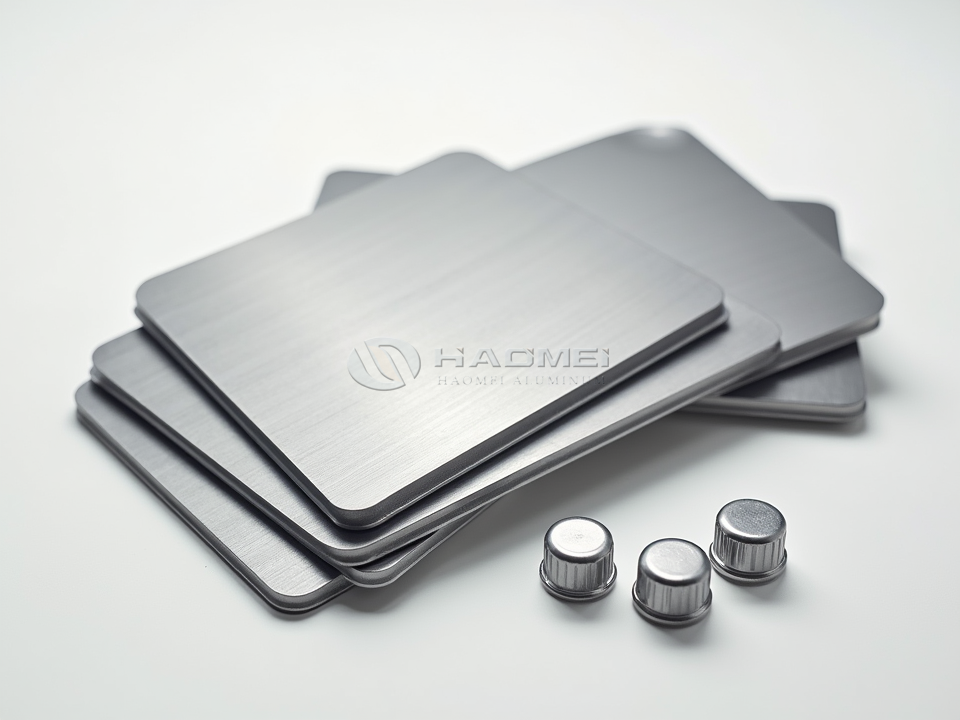
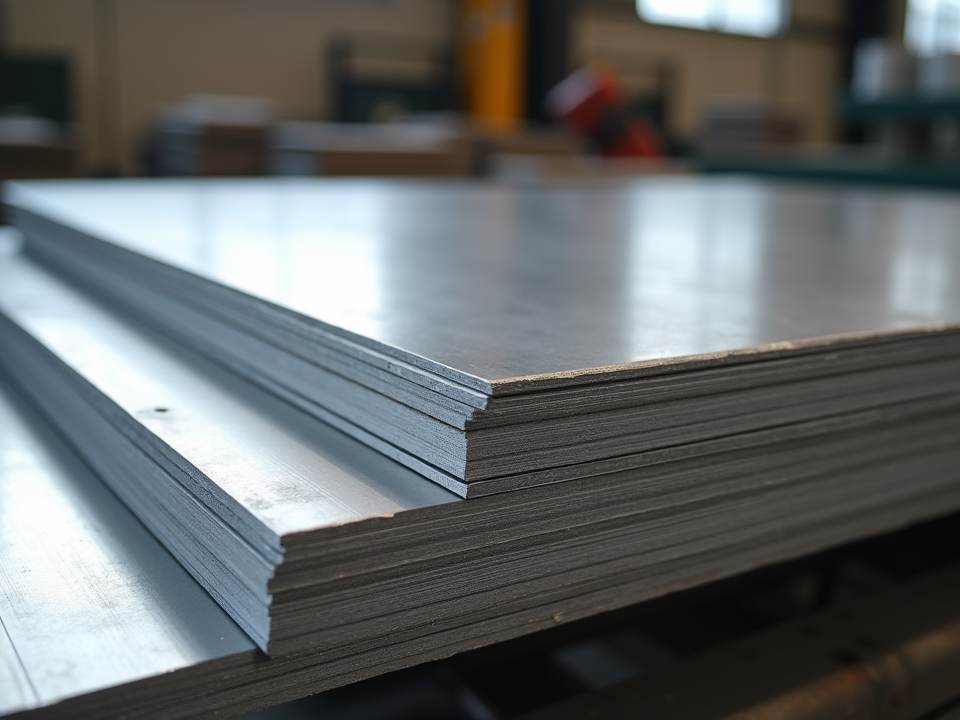
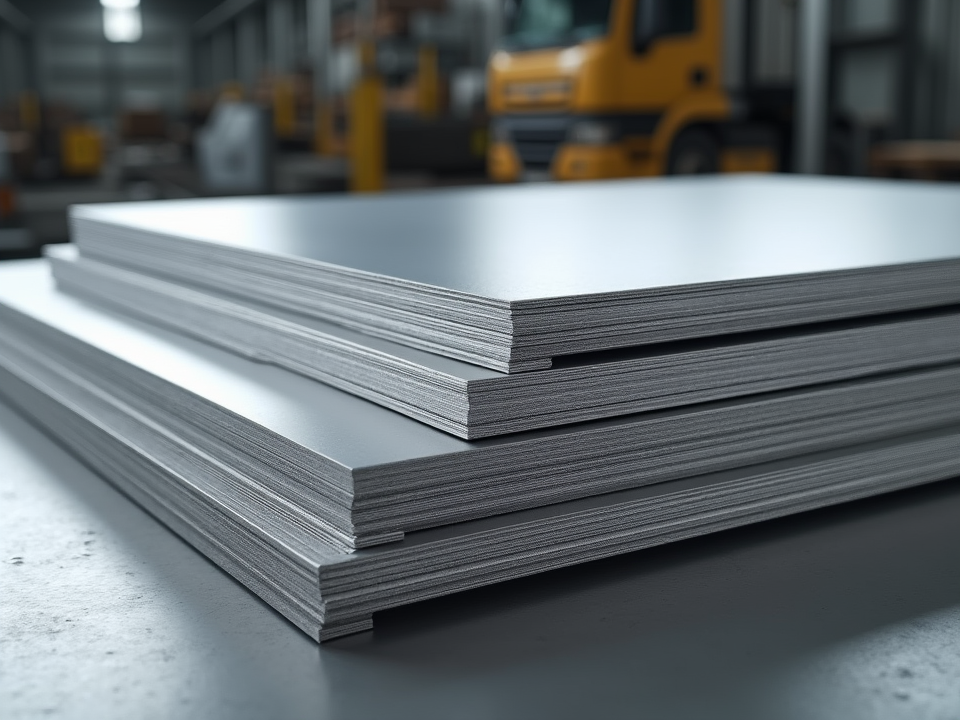
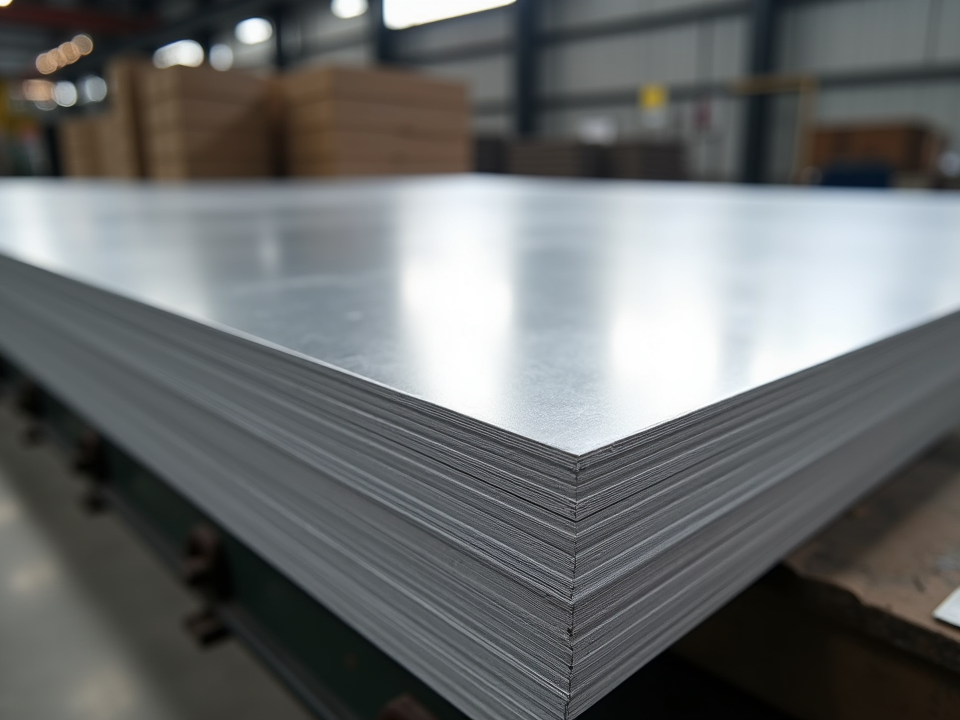
Rolled Aluminum Sheet for Twist Caps
A twist cap may look simple, but it performs several demanding jobs at once. It must be deep-drawn into a stable shell, accept threads or lugs without cracking, protect the packaged product, carry decoration cleanly, and open with a controlled torque. The rolled aluminum sheet behind that cap determines whether these functions work together smoothly or create problems on a high-speed capping line.
Rolled aluminum sheet for twist caps is engineered less like a flat panel and more like a forming material with a memory. Its grain structure, temper, thickness consistency, surface cleanliness, and coating compatibility all influence how the metal responds when it is stamped, curled, embossed, lined, and applied to a bottle. For beverage, food, pharmaceutical, and cosmetic closures, stable material behavior is often more valuable than merely high strength.
What Makes Twist Cap Stock Different
Twist caps, including ROPP closures, pilfer-proof caps, and threaded aluminum caps, are produced through multiple deformation stages. The sheet first enters blanking and drawing equipment, then passes through knurling, threading, skirt forming, curling, and sometimes embossing. Any inconsistency across the coil can appear as split edges, uneven thread definition, ear formation, poor torque performance, or visual defects after printing.
For this reason, Aluminum Closure Sheet is normally supplied with controlled mechanical properties rather than selected only by alloy name. The objective is a balanced combination of ductility and rigidity. The material must stretch where the cap shoulder is formed while retaining enough body strength to preserve shape during filling, transport, and consumer opening.
A smooth, degreased surface is equally important. Closure sheet may receive lacquer, printing ink, varnish, protective coatings, or internal epoxy and polyester systems. Surface residues, excessive rolling oil, scratches, and uneven roughness can weaken coating adhesion or make printing look patchy. In premium wine, spirits, and cosmetic packaging, this surface discipline becomes part of brand presentation.
Common Alloys and Tempers
Alloy 3105 is widely used for twist caps because it offers dependable formability, suitable strength, and a clean finish after coating or lithographic printing. It is commonly supplied in H14 or H16 temper. H14 provides more drawing latitude for deeper or more complex closures, while H16 provides somewhat higher stiffness for caps requiring stronger shape retention.
Alloy 3104 is another practical choice where enhanced strength and forming control are required. Its manganese and magnesium content support good performance in drawn closure applications. Alloy 8011 is frequently used for lighter-gauge closures, PP caps, and general cap stock where excellent workability and economical processing are priorities. Buyers comparing material options may consider 3105 Aluminum Closure Sheet for applications requiring a well-balanced combination of drawability and closure rigidity.
| Alloy | Common Temper | Typical Twist Cap Use | Material Character |
|---|---|---|---|
| 3105 | H14, H16 | ROPP caps, wine caps, spirits caps | Balanced strength, formability, coating response |
| 3104 | H14, H16 | Deep-drawn and pilfer-proof closures | Higher strength with stable forming behavior |
| 8011 | H14, H16, H18 | PP caps, beverage caps, general closures | Good workability and cost-effective cap production |
Temper selection should follow the cap geometry and forming severity. Softer material can reduce cracking risk during deep drawing, but excessively soft stock may create deformation during application. Harder material improves stiffness, although it may require tighter control of die condition, lubrication, and draw ratios. The proper choice is therefore connected to the entire conversion process, not only the sheet specification.
Typical Supply Parameters
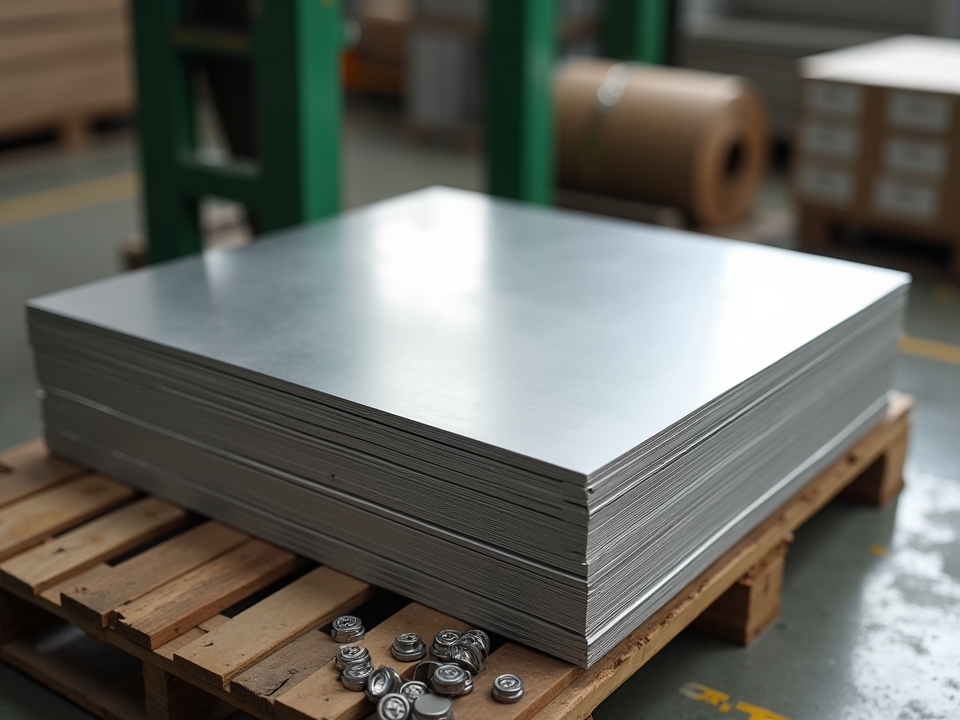
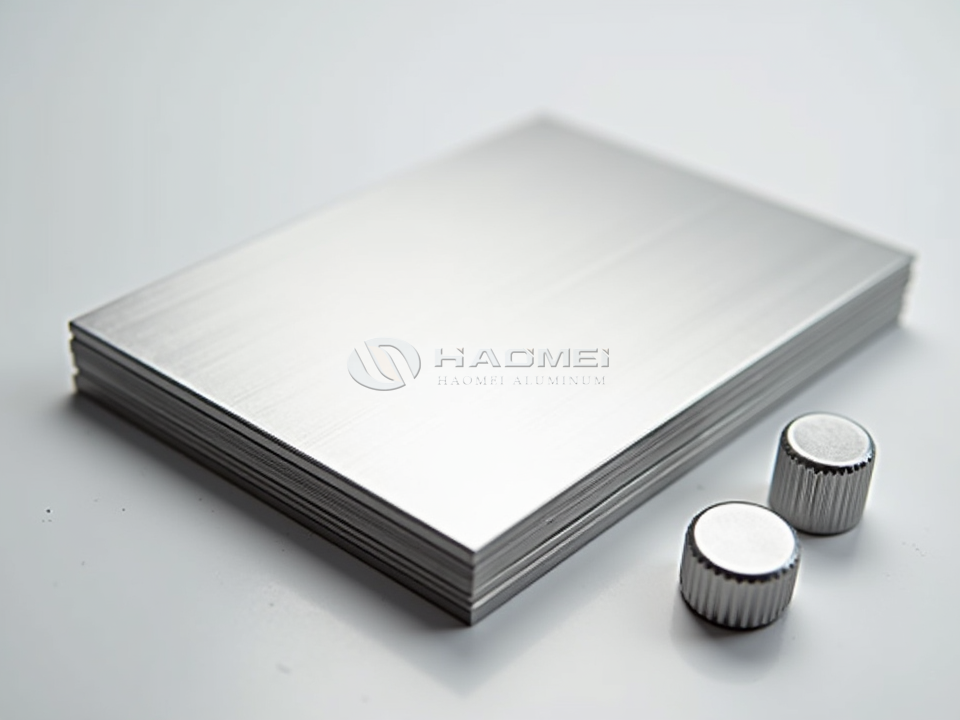
Rolled aluminum sheet for twist caps is supplied in coils or sheets according to press design and production volume. Coil supply is common for continuous high-speed stamping lines, while cut sheets may be used for smaller batches or specialized printing operations.
| Parameter | Typical Range or Requirement |
|---|---|
| Alloy | 3105, 3104, 8011 |
| Temper | H14, H16, H18, subject to cap design |
| Thickness | 0.16-0.30 mm, commonly 0.18-0.23 mm |
| Width | 200-1,500 mm, customized to blanking layout |
| Coil inner diameter | 150 mm, 300 mm, 400 mm, or as agreed |
| Coil weight | Typically 2-8 tonnes, subject to equipment limits |
| Surface | Mill finish, degreased, lacquered, printed, or coated |
| Edge condition | Slit edge with controlled burr and clean trimming |
| Flatness | Controlled for smooth feeding and stable stamping |
Thickness tolerance matters more than its small numerical value suggests. A variation across the strip can change the force needed for drawing and alter thread geometry after forming. Reliable cap plants therefore monitor thickness profile, width tolerance, camber, coil set, and edge quality before material enters the press.
Chemical Composition of Common Closure Alloys
The following table shows typical chemical composition limits in weight percent. Actual requirements should be confirmed against the selected standard, mill certificate, and purchase specification.
| Element | 3105 | 3104 | 8011 |
|---|---|---|---|
| Silicon, Si | 0.60 max | 0.60 max | 0.50-0.90 |
| Iron, Fe | 0.70 max | 0.80 max | 0.60-1.00 |
| Copper, Cu | 0.30 max | 0.05-0.25 | 0.10 max |
| Manganese, Mn | 0.30-0.80 | 0.80-1.40 | 0.20 max |
| Magnesium, Mg | 0.20-0.80 | 0.80-1.30 | 0.05 max |
| Zinc, Zn | 0.40 max | 0.25 max | 0.10 max |
| Titanium, Ti | 0.10 max | 0.10 max | 0.08 max |
| Other elements | 0.05 each, 0.15 total max | 0.05 each, 0.15 total max | 0.05 each, 0.15 total max |
| Aluminum, Al | Remainder | Remainder | Remainder |
Manganese contributes to strength and grain stability, while magnesium supports work hardening and stiffness. Silicon and iron are managed carefully because excessive levels can affect forming behavior and surface appearance. The chemistry is not merely a laboratory record; it is the foundation for predictable response during rolling, annealing, stamping, and closure application.
Standards and Quality Controls
Rolled aluminum sheet for twist caps can be produced in accordance with EN 485 for wrought aluminum sheet mechanical properties and tolerances, EN 573-3 for chemical composition, ASTM B209 for aluminum sheet and plate, or GB/T 3880 where applicable. Packaging customers may also establish additional controls for coating adhesion, food-contact compliance, odour, pinholes, and surface defect limits.
For food and beverage closures, internal coating selection must match the filling product. Acidic drinks, alcohol, edible oils, carbonated beverages, and pharmaceutical liquids can each require different lacquer systems. The aluminum substrate supports the coating, but the full closure performance depends on compatibility among metal, lacquer, liner, bottle finish, and capping torque.
A dependable rolled sheet is inspected for gauge consistency, tensile properties, elongation, surface cleanliness, coil geometry, and defects such as scratches, roll marks, inclusions, oil spots, and edge cracks. These checks reduce downtime before it happens. In closure manufacturing, a clean coil is not simply raw material; it is a stable starting point for millions of caps.
Choosing Material for the Intended Closure
The best rolled aluminum sheet for twist caps is the grade that matches the cap profile, equipment speed, finish requirements, and product environment. A decorative premium closure may prioritize surface quality and coating response. A high-output beverage line may prioritize consistent drawability and dimensional repeatability. A tamper-evident closure may require stronger skirt performance and reliable bridge formation.
By defining alloy, temper, thickness, surface condition, tolerance, coating requirements, and applicable standards before ordering, cap producers can turn aluminum sheet into a dependable part of the packaging system rather than a variable on the production floor.